7 Benefits of Pumpkin Dog Treats
As devoted dog parents, we’re always looking for ways to keep our furry friends happy and healthy. This often includes carefully choosing their food and treats. Among the many options available, pumpkin has emerged as a true superstar in the world of canine nutrition. It’s not just a festive fall squash; it’s a powerhouse of goodness packed into a delicious package.
You might be surprised to learn just how many wonderful things this humble orange veggie can do for your beloved companion. From soothing an upset tummy to boosting their immune system, pumpkin dog treats offer a range of benefits that go far beyond just being a tasty snack. Let’s explore the seven top reasons why adding pumpkin to your dog’s treat routine is a fantastic idea.
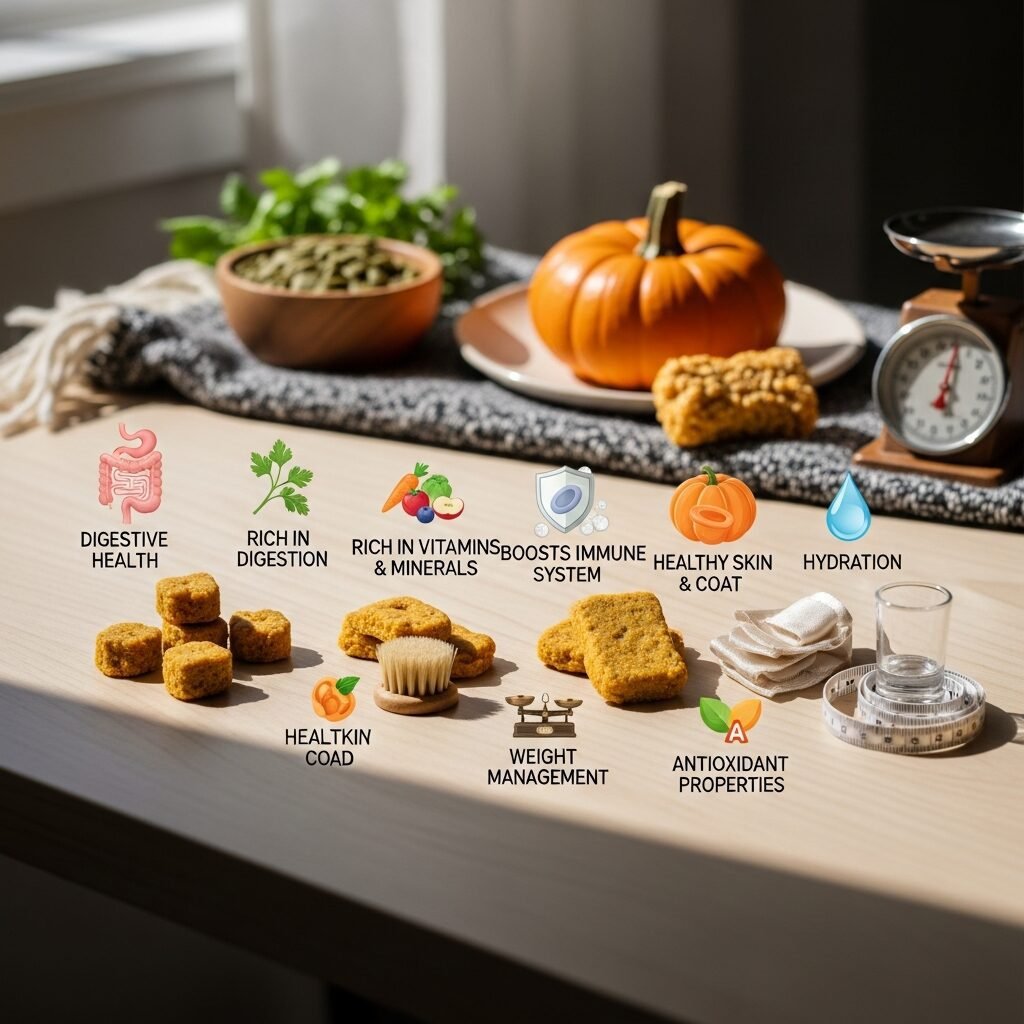
1. A Champion for Digestive Health
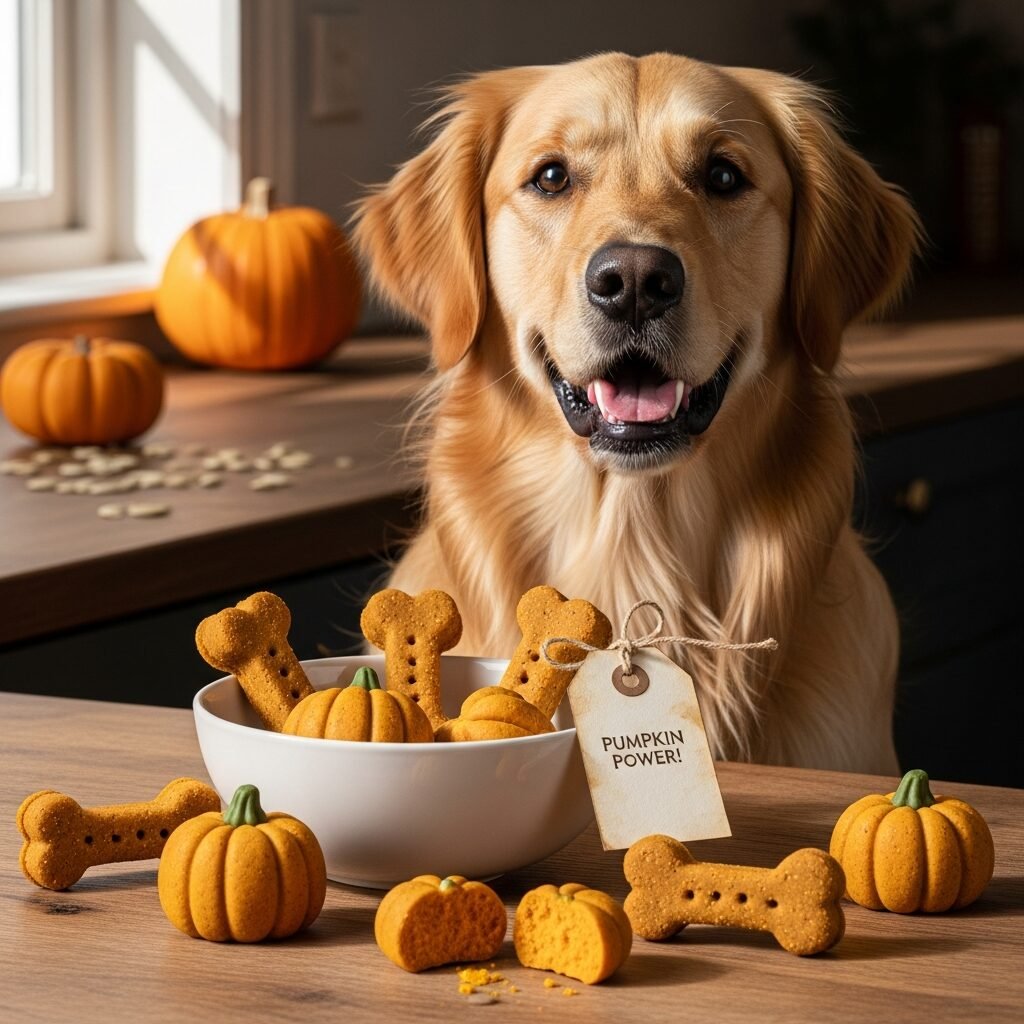
One of the most widely celebrated benefits of pumpkin for dogs is its remarkable ability to support a healthy digestive system. If your dog occasionally experiences tummy troubles, pumpkin can be a gentle and effective remedy.
The Power of Fiber
Pumpkin is incredibly rich in soluble and insoluble fiber. This fiber acts like a broom for your dog’s intestines, helping to keep things moving smoothly. It’s a natural regulator that can work wonders for various digestive issues.
Addressing Diarrhea
When a dog has diarrhea, their stool is often loose and watery. The soluble fiber in pumpkin absorbs excess water in the digestive tract, helping to firm up the stool. It also provides prebiotics, which feed the good bacteria in the gut, promoting a healthier balance.
Easing Constipation
On the flip side, if your dog is struggling with constipation, the insoluble fiber in pumpkin adds bulk to their stool. This extra bulk helps to stimulate bowel movements, making it easier for your dog to go. It essentially gets things moving again in a gentle way.
How Pumpkin Soothes the Gut
Beyond just fiber, pumpkin has a naturally mild and soothing effect on the gastrointestinal tract. It can help calm an irritated stomach and promote overall gut comfort, making it an excellent choice for dogs with sensitive tummies.
Practical Tip: Always use plain, canned pumpkin puree, not pumpkin pie filling. Pie filling contains spices and sugar that are not good for dogs.
2. Helping with Healthy Weight Management
Keeping our dogs at a healthy weight is crucial for their long-term well-being. Obesity can lead to a host of health problems, from joint pain to diabetes. Pumpkin can be a valuable tool in your weight management strategy.
Low-Calorie, High-Volume Snack
Pumpkin is remarkably low in calories, yet high in volume. This means you can give your dog a decent amount without adding many extra calories to their diet. It’s a smart choice for dogs who need to shed a few pounds or those prone to weight gain.
Feeling Full, Less Guilt
Because of its fiber content, pumpkin helps dogs feel full and satisfied. Adding a spoonful of pumpkin puree to their meal or offering a pumpkin-based treat can help reduce feelings of hunger between meals. This can be especially helpful if your dog tends to beg for extra food.
Practical Tip: Instead of a high-calorie biscuit, try offering a small frozen dollop of plain pumpkin puree as a special, low-calorie treat.
3. Boosts Essential Vitamins and Minerals
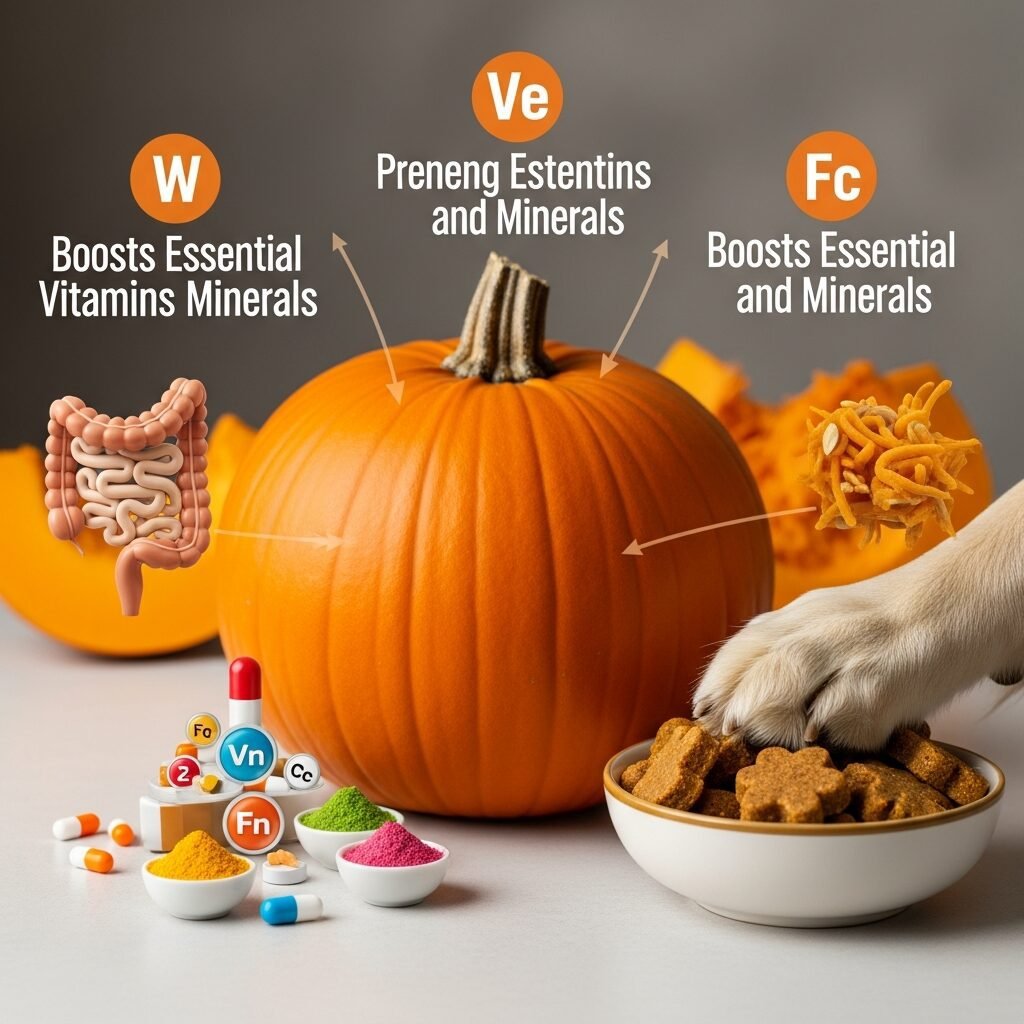
Pumpkin is a nutritional goldmine, packed with vital vitamins and minerals that contribute to your dog’s overall health and vitality. Think of it as a natural multivitamin disguised as a delicious treat.
The Power of Beta-Carotene (Vitamin A)
Pumpkin’s vibrant orange color comes from beta-carotene, which your dog’s body converts into Vitamin A. Vitamin A is essential for healthy vision, supporting good eyesight, especially in low light conditions. It also plays a key role in growth, immune function, and cell development.
Vitamin C for Immunity
Just like for humans, Vitamin C is a powerful antioxidant for dogs. It helps protect cells from damage caused by free radicals and supports a robust immune system. Pumpkin provides a natural source of this crucial vitamin.
Other Key Nutrients
Beyond Vitamins A and C, pumpkin also contains other important nutrients. These include Vitamin E, which is another antioxidant, and minerals like potassium, iron, and manganese, all of which contribute to various bodily functions, from muscle health to oxygen transport.
4. Supports a Strong Immune System
A strong immune system is your dog’s first line of defense against illness and disease. The rich nutrient profile of pumpkin makes it an excellent addition for bolstering their natural defenses.
Antioxidants at Work
Pumpkin is loaded with antioxidants, including beta-carotene (Vitamin A), Vitamin C, and Vitamin E. These compounds work together to neutralize harmful free radicals in your dog’s body. Free radicals can cause cellular damage and contribute to aging and disease.
Fighting Free Radicals
By regularly consuming pumpkin, your dog gets a boost of these protective compounds. This helps to reduce oxidative stress, keeping their cells healthy and their immune system functioning optimally. A well-supported immune system means a healthier, more resilient dog.
5. Contributes to Radiant Skin and a Shiny Coat
Every dog parent dreams of their dog having a soft, healthy coat and clear, supple skin. Pumpkin can help turn that dream into a reality, thanks to its beneficial nutrients.
Vitamin A for Skin Health
As mentioned, pumpkin is rich in beta-carotene, which converts to Vitamin A. Vitamin A is crucial for the health and maintenance of skin cells. It helps promote cell turnover, ensuring healthy new skin cells are formed, leading to a smoother, more resilient skin barrier.
Antioxidants for Luster
The antioxidants found in pumpkin, like Vitamin C and E, also contribute to skin and coat health. They help protect skin cells from environmental damage and inflammation, which can otherwise lead to dull fur, dryness, and itching. A healthy skin foundation often translates to a beautiful, shiny coat.
6. A Natural Hydration Helper
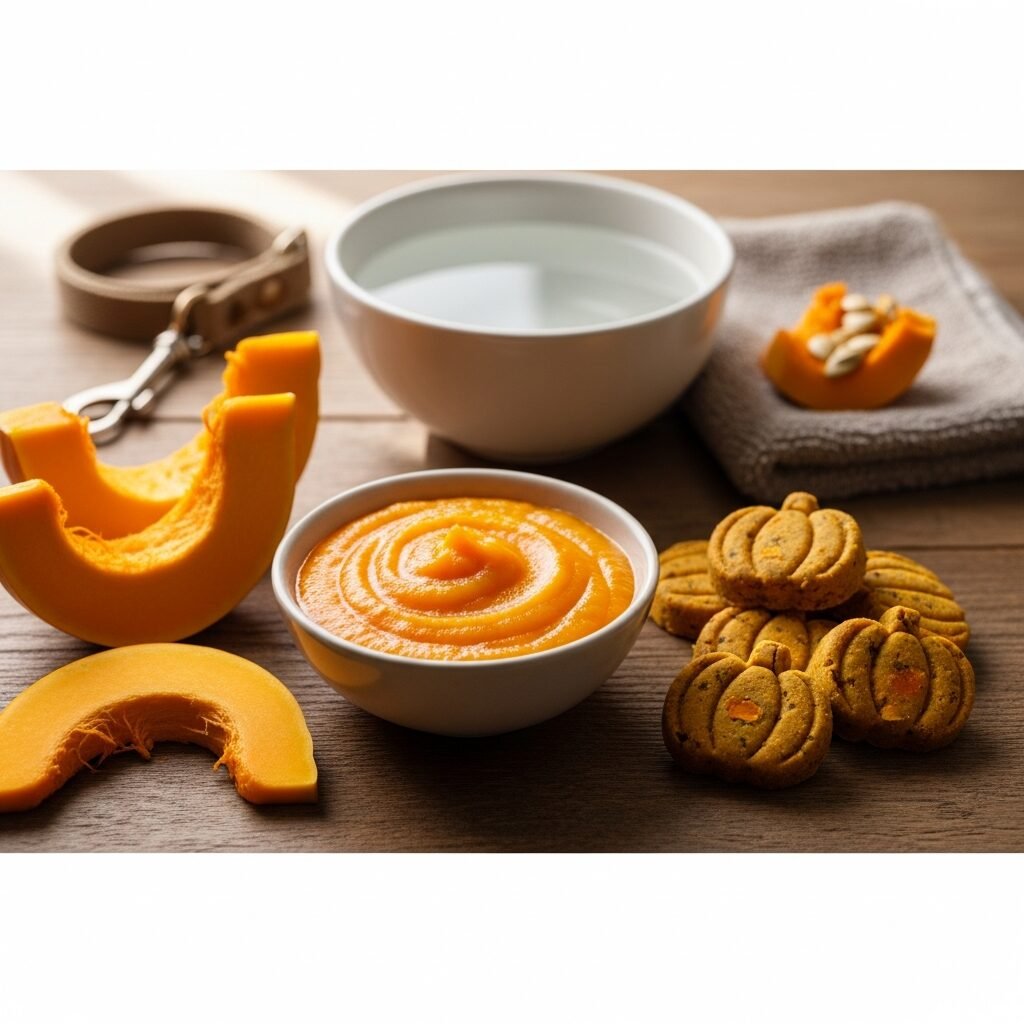
Many dogs don’t drink as much water as they should, which can sometimes lead to issues like mild dehydration or even urinary tract problems. Pumpkin can subtly help increase their fluid intake.
High Water Content
Pumpkin, especially the pureed form, has a high water content. When you add it to their food or offer treats made with pumpkin, you’re providing a small but beneficial boost of hydration. This can be particularly useful for dogs who are picky drinkers or during warmer weather.
Especially Good for Picky Drinkers
If your dog isn’t a fan of plain water, incorporating pumpkin into their diet can be a sneaky way to increase their overall fluid intake. The tasty flavor of pumpkin can make them more inclined to consume it, thereby taking in extra water in the process.
7. A Delicious and Natural Treat Dogs Love

Ultimately, treats should be enjoyable for our dogs. Pumpkin delivers on taste while offering numerous health advantages, making it a win-win for both you and your pet.
Appealing Taste
Most dogs absolutely adore the naturally sweet and earthy flavor of pumpkin. This makes pumpkin-based treats a highly palatable option that can be used for training, rewards, or just an everyday snack. It’s a healthy indulgence they won’t turn their nose up at.
A Wholesome Alternative
In a world filled with artificial colors, flavors, and preservatives in some dog treats, pumpkin offers a truly wholesome and natural alternative. It’s a single-ingredient powerhouse (when given as plain puree) that you can feel good about feeding your best friend.
*Practical Tip:* You can bake homemade pumpkin dog treats using plain pumpkin puree, whole wheat flour, and an egg for a simple and healthy snack.
Important Considerations When Giving Pumpkin Treats
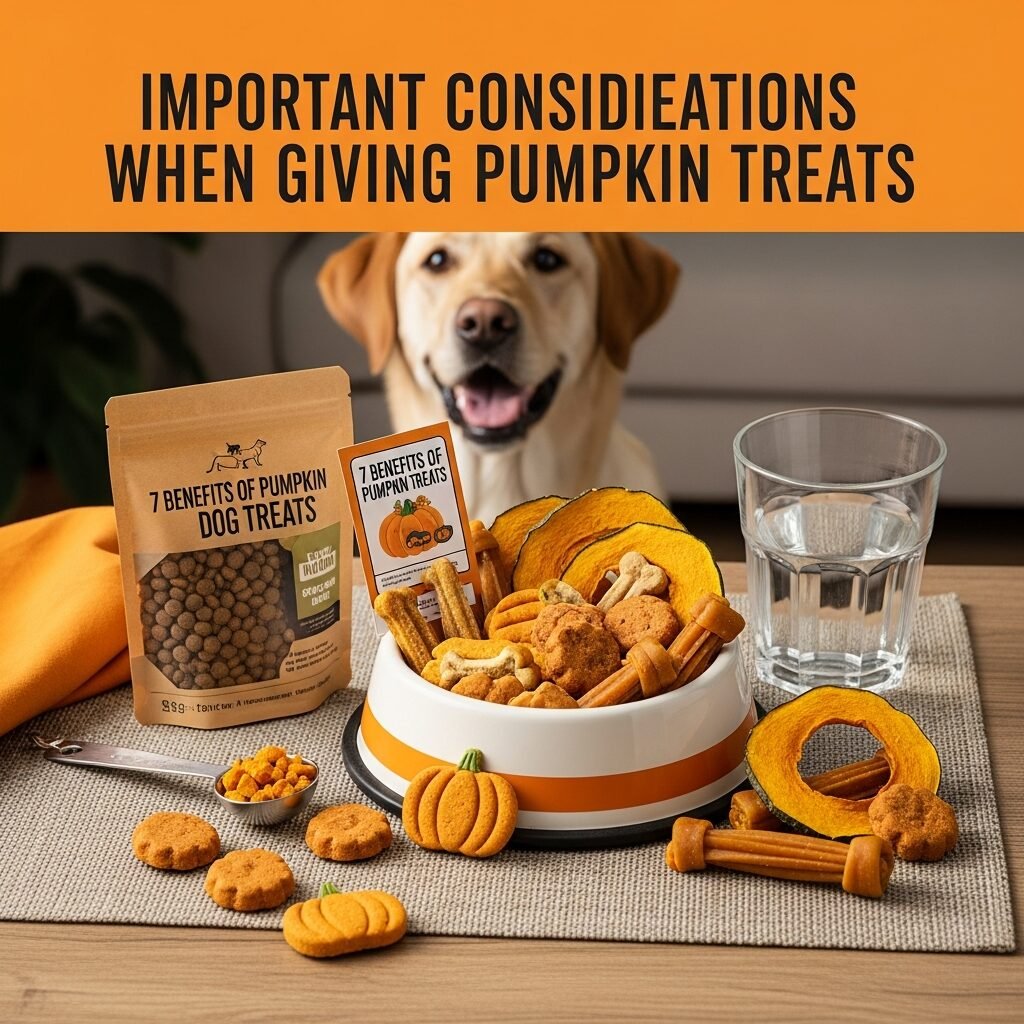
While pumpkin is wonderfully beneficial, it’s important to offer it safely and in the right forms.
Type of Pumpkin to Use
Always opt for plain, unsweetened, canned pumpkin puree. Avoid pumpkin pie filling, which contains sugar, spices (like nutmeg, which can be toxic), and other additives. Fresh, cooked pumpkin (without skin or seeds) is also a great option.
What to Avoid
Steer clear of any pumpkin products with added sugar, salt, spices, or xylitol (an artificial sweetener highly toxic to dogs). Also, avoid giving raw pumpkin rind or stems, as they can be tough to digest and pose a choking hazard.
Proper Portion Sizes
Even good things should be given in moderation. Too much pumpkin can sometimes lead to gas or loose stools in sensitive dogs due to its fiber content.
Pumpkin Feeding Guidelines (Approximate)
| Dog Size | Daily Pumpkin Puree (Plain, Canned) |
| :——- | :———————————- |
| Small | 1/2 to 1 teaspoon |
| Medium | 1 to 2 tablespoons |
| Large | 2 to 4 tablespoons |
*Note:* These are general guidelines. Always start with a small amount and observe your dog’s reaction.
Always Introduce Slowly
If your dog hasn’t had pumpkin before, introduce it gradually. Start with a very small amount and slowly increase it over a few days to allow their digestive system to adjust.
Talk to Your Vet
If your dog has any underlying health conditions or if you’re unsure about adding pumpkin to their diet, it’s always best to consult with your veterinarian first. They can provide personalized advice based on your dog’s specific needs.
Making Your Own Pumpkin Dog Treats
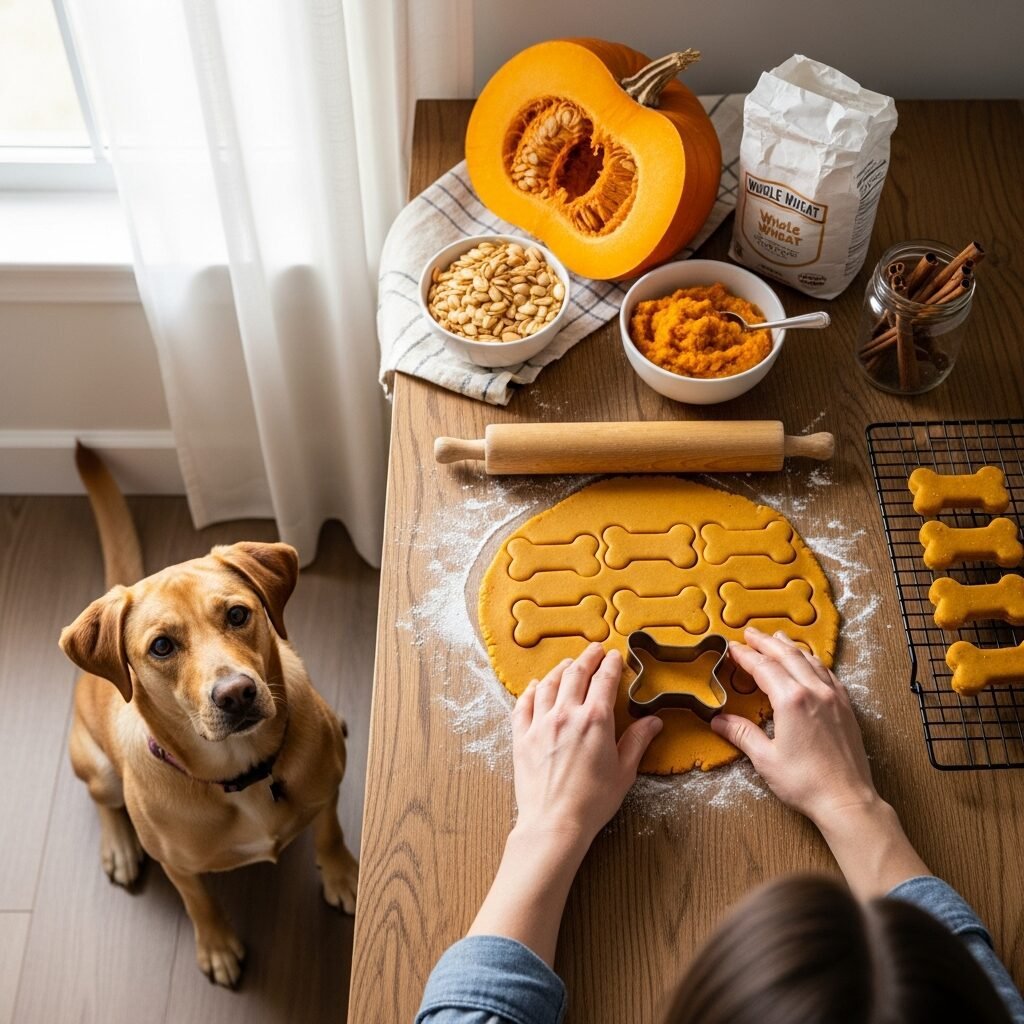
Creating your own pumpkin dog treats at home is a fun and rewarding way to ensure your dog gets all the goodness without unwanted additives.
Simple Recipes to Try
Homemade treats let you control the ingredients and tailor them to your dog’s preferences or dietary needs.
Easy Pumpkin & Oat Treats
Ingredients: 1 cup plain pumpkin puree, 1/2 cup rolled oats, 1/2 cup whole wheat flour (or gluten-free alternative), 1 egg.
Instructions:
1. Preheat your oven to 350°F (175°C).
2. Mix all ingredients together in a bowl until well combined.
3. Drop spoonfuls onto a baking sheet lined with parchment paper.
4. Flatten slightly with the back of a spoon.
5. Bake for 15-20 minutes, or until golden brown and firm.
6. Let them cool completely before serving. Store in an airtight container.
This simple recipe is just one example. You can find many variations online using ingredients like peanut butter (xylitol-free!), cinnamon, or yogurt.