As devoted dog parents, we all want to ensure our furry family members eat the very best. With so many commercial dog food options available, it can sometimes feel overwhelming to choose the right one. That’s why many owners are exploring the world of homemade dog food. It offers a wonderful way to control every ingredient that goes into your dog’s bowl, ensuring freshness and nutritional value.

In this article, we’re going to explore how to incorporate a fantastic ingredient – peas – into your dog’s diet. Peas are a small but mighty vegetable packed with goodness, and they can be a delightful addition to your pup’s meals. We’ll share seven delicious, vet-approved (with the understanding that you’ll consult your own vet!) DIY recipes that feature peas, along with important tips for safe preparation and feeding. Get ready to cook up some love for your best friend!

Why Consider DIY Dog Food?

Making your dog’s food at home can be a truly rewarding experience. It provides a unique opportunity to tailor meals specifically to your dog’s needs and preferences.

One of the biggest benefits is having complete control over the ingredients. You can select high-quality, fresh produce and lean meats, avoiding common fillers, artificial preservatives, colors, and mystery ingredients often found in commercial kibble.

For dogs with specific food sensitivities or allergies, homemade food can be a game-changer. You can easily omit ingredients that cause them trouble, creating a meal that’s gentle on their digestive system. Plus, knowing exactly what your dog is eating offers great peace of mind.

Are Peas Good for Dogs?

Absolutely! Peas, specifically green peas (garden peas), snow peas, and sugar snap peas, can be a healthy and tasty addition to your dog’s diet when given in moderation. They are small, round powerhouses of nutrition.

Peas are rich in vitamins, including Vitamin K (important for blood clotting), Vitamin C (an antioxidant), and several B vitamins. They also provide essential minerals like manganese, iron, and zinc, which play crucial roles in various bodily functions.

These little legumes are also a good source of dietary fiber, which aids digestion and can help maintain a healthy gut. They contain protein and beneficial antioxidants that support overall health. Plus, peas are relatively low in calories, making them a good treat or meal addition for dogs managing their weight.

Remember to always offer fresh or frozen peas, and avoid canned peas due to their high sodium content. Steaming or boiling peas slightly can also make them easier for your dog to digest.

Before You Start: Important Considerations

Embarking on the journey of making your dog’s food is exciting, but there are a few key things to keep in mind to ensure their health and safety.

The most important aspect is ensuring nutritional balance. A dog’s diet needs a precise balance of protein, fats, carbohydrates, vitamins, and minerals. Simply feeding cooked meat and vegetables might not be enough in the long run. It is highly recommended to consult with your veterinarian or a board-certified veterinary nutritionist before making homemade dog food a regular part of your pup’s diet. They can help you formulate recipes that meet all your dog’s specific nutritional requirements.

Always use high-quality, human-grade ingredients. This ensures that the food you prepare is safe and free from harmful contaminants. Cook all meats thoroughly to kill any potential bacteria, and prepare vegetables appropriately for your dog (chopped small, steamed, or puréed).

Be mindful of your dog’s individual allergies or sensitivities. If you know certain ingredients cause issues, be sure to avoid them. Also, pay attention to portion control; homemade food can be very appealing, but overfeeding can lead to weight gain.

The 7 DIY Dog Food Recipes with Peas

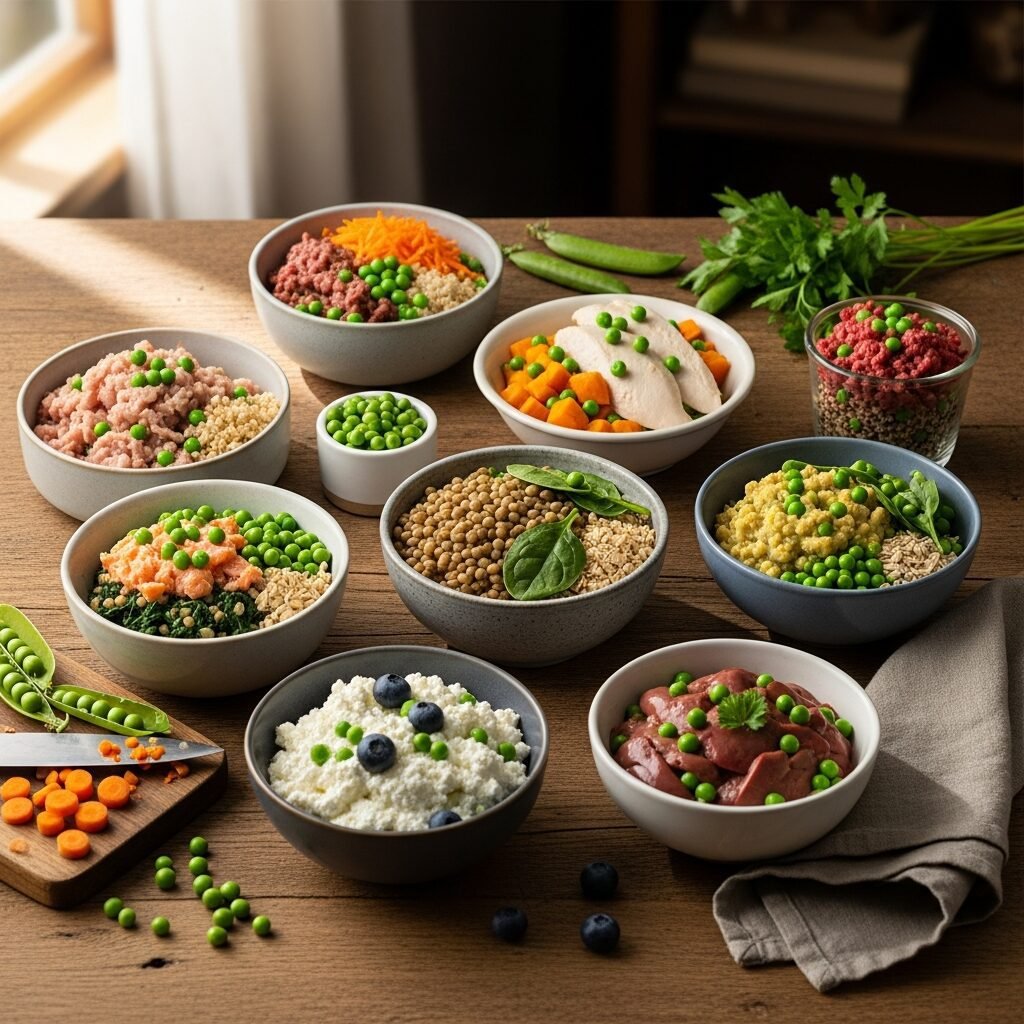
Here are seven simple and delicious recipes featuring peas that you can try at home. Remember, these are starting points, and you should always adjust them based on your vet’s advice and your dog’s specific needs.

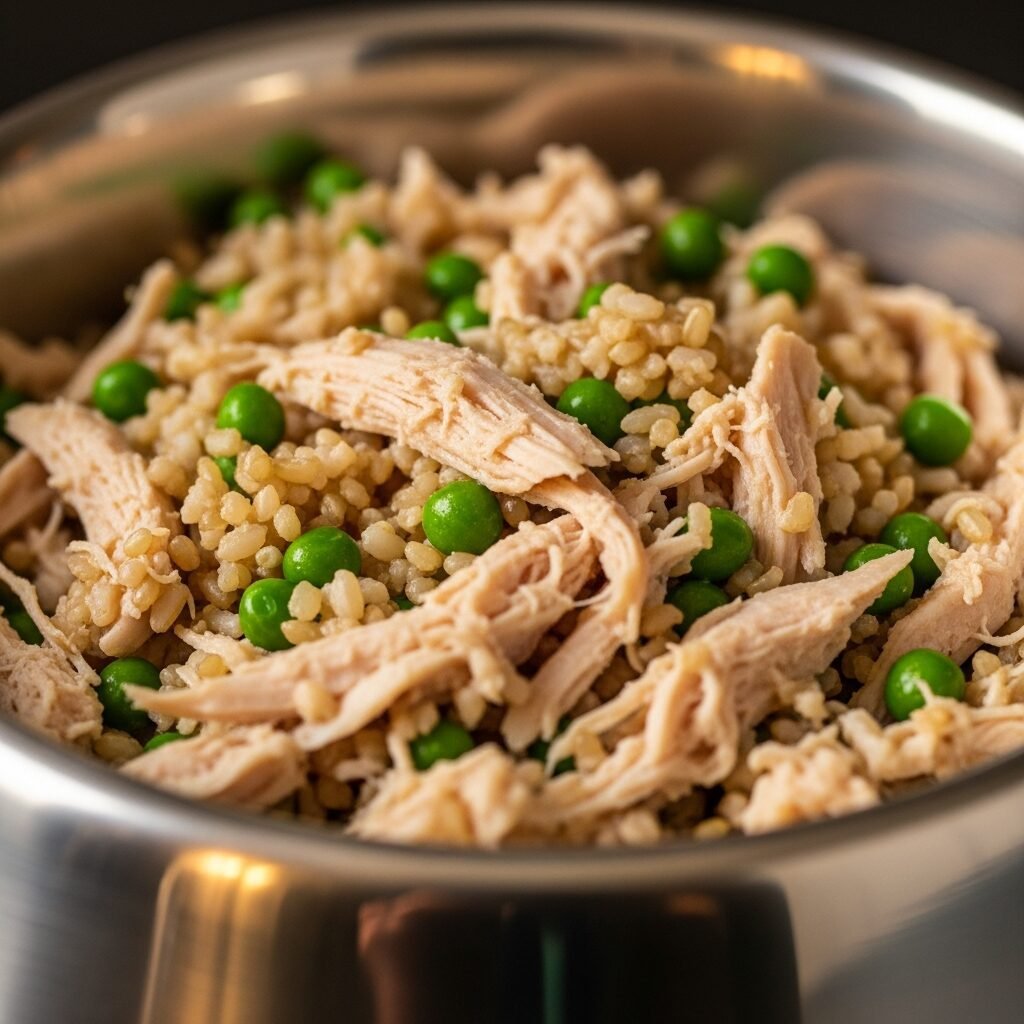
Recipe 1: Classic Chicken & Pea Delight

This is a gentle and easily digestible meal, perfect for many dogs. Chicken is a lean protein source, and brown rice provides good carbohydrates.

Ingredients

* 1 cup cooked shredded chicken (skinless, boneless)

* 1/2 cup cooked brown rice

* 1/4 cup steamed green peas

* 1/4 cup finely diced steamed carrots

* 1 tablespoon chicken broth (low sodium, optional, for moisture)

Instructions

1. Cook chicken and brown rice separately until fully done.

2. Steam green peas and carrots until tender-crisp.

3. Shred the cooked chicken into small, bite-sized pieces suitable for your dog.

4. Combine the chicken, brown rice, peas, and carrots in a bowl.

5. Mix well. You can add a splash of low-sodium chicken broth if it seems too dry.

6. Cool completely before serving.

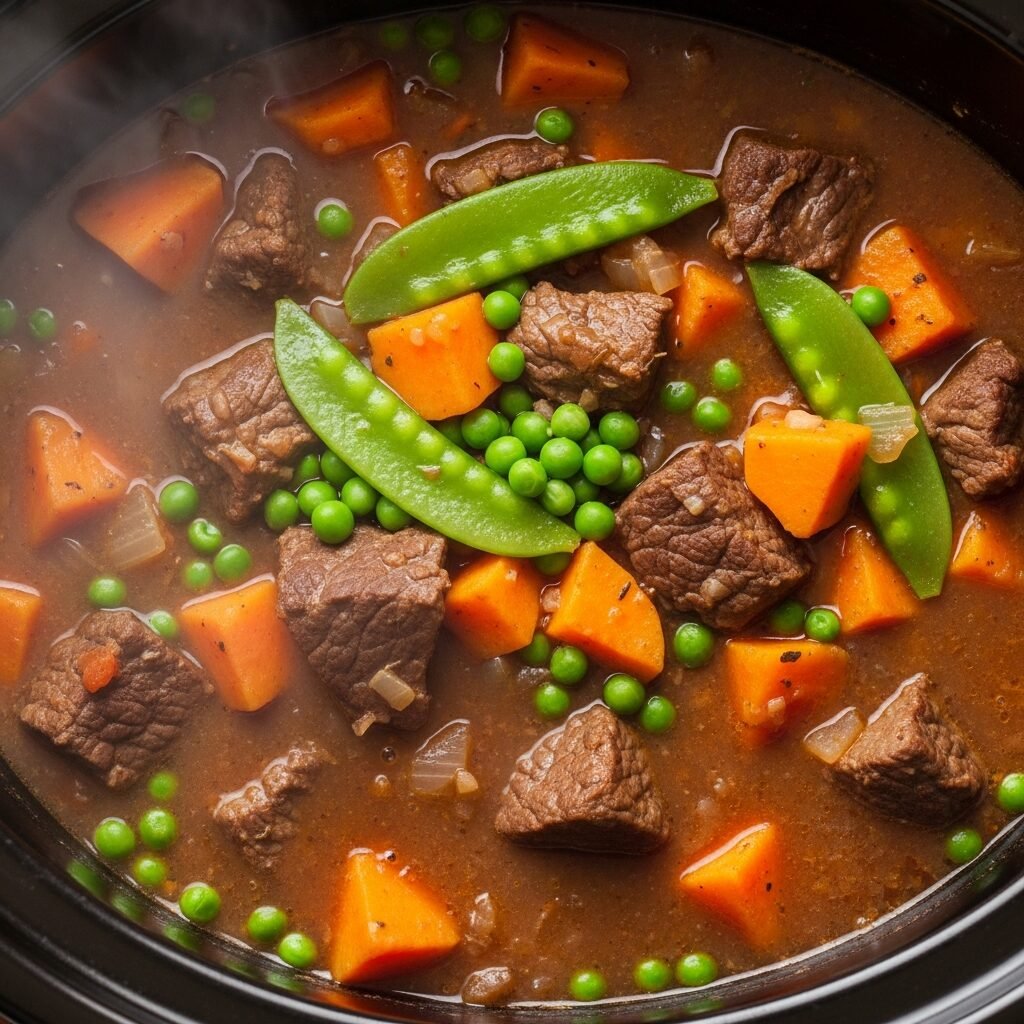
Recipe 2: Hearty Beef & Veggie Stew with Peas

A nutrient-dense option that’s great for active dogs, providing energy and iron.

Ingredients

* 1/2 pound lean ground beef (cooked and drained)

* 1/2 cup cooked sweet potato, mashed

* 1/4 cup steamed green peas

* 1/4 cup steamed green beans, chopped

* 1/2 cup water or low-sodium beef broth

Instructions

1. Brown the lean ground beef in a pan, then drain off any excess fat.

2. Cook the sweet potato until soft, then mash it.

3. Steam green peas and green beans until tender. Chop the green beans.

4. In a pot, combine the cooked beef, mashed sweet potato, peas, green beans, and water or beef broth.

5. Simmer gently for about 5-10 minutes to allow the flavors to meld.

6. Let it cool completely before serving.

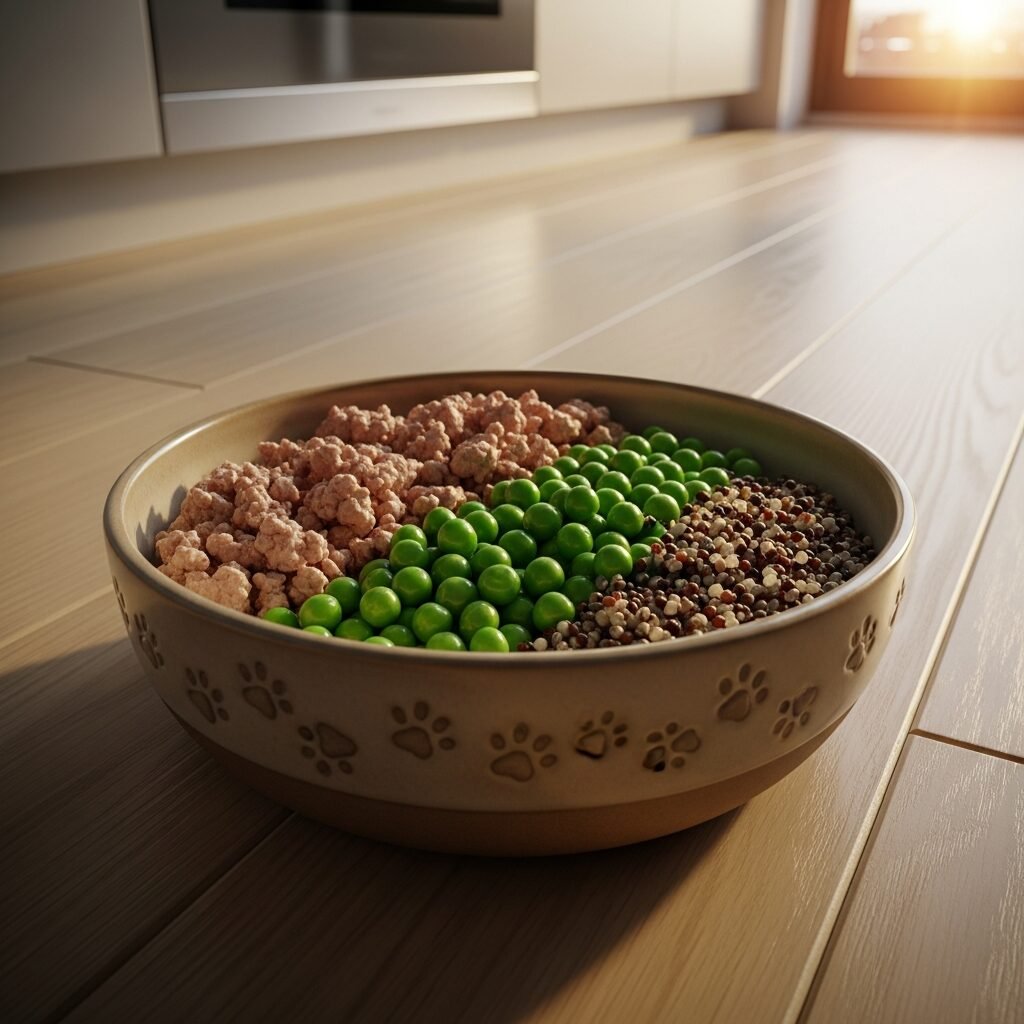
Recipe 3: Turkey & Pea Power Bowl

Turkey is another excellent lean protein, often recommended for dogs with sensitive stomachs. Quinoa adds a complete protein and fiber.

Ingredients

* 1 cup cooked ground turkey

* 1/2 cup cooked quinoa

* 1/4 cup steamed green peas

* 1/4 cup steamed spinach, chopped

* 1 tablespoon olive oil (optional, for healthy fats)

Instructions

1. Cook the ground turkey until thoroughly browned, crumbling it as it cooks. Drain any fat.

2. Prepare quinoa according to package directions.

3. Steam the green peas and spinach until tender. Roughly chop the spinach.

4. In a bowl, combine the cooked turkey, quinoa, peas, and spinach.

5. Add a drizzle of olive oil if desired, and mix well.

6. Allow the mixture to cool completely before serving.

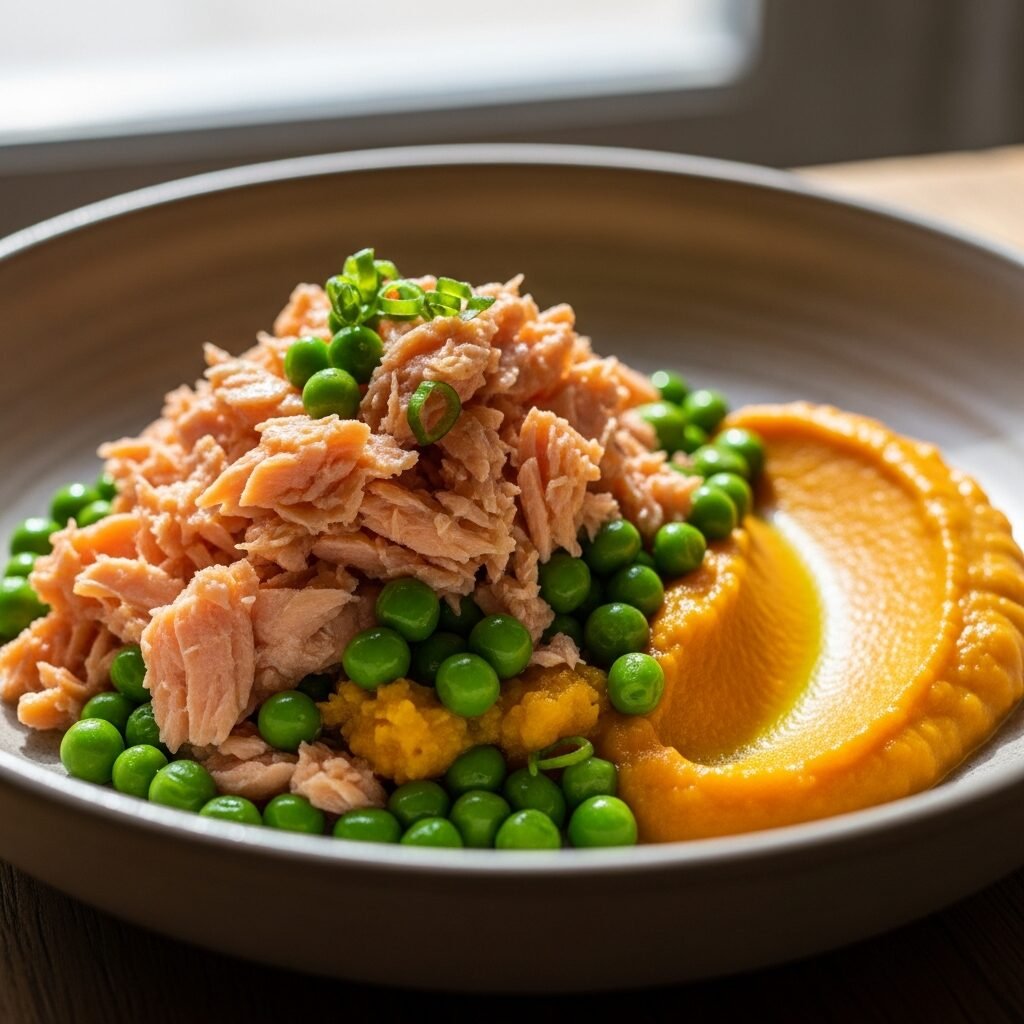
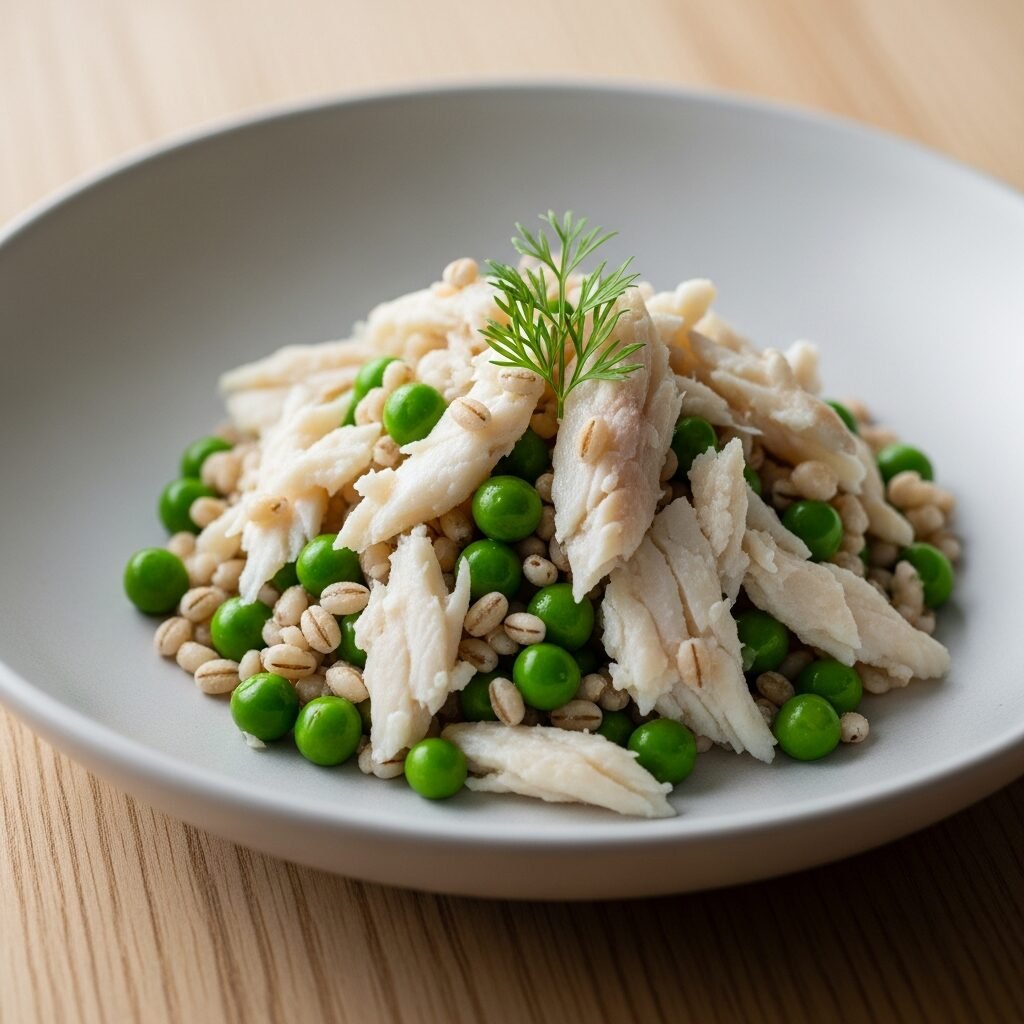
Recipe 4: Fishy Feast with Peas & Oats

This recipe provides healthy Omega-3 fatty acids from fish, which are great for skin, coat, and joint health.

Ingredients

* 4 ounces cooked white fish (e.g., cod, salmon, no bones or skin)

* 1/2 cup cooked rolled oats (plain, unsweetened)

* 1/4 cup steamed green peas

* 2 tablespoons cooked pumpkin puree (plain, not pie filling)

Instructions

1. Gently steam or bake the white fish until fully cooked and flaky. Ensure all bones and skin are removed.

2. Cook plain rolled oats with water, as you would for yourself, but without any sugar or salt.

3. Steam the green peas until tender.

4. Flake the cooked fish into a bowl. Add the cooked oats, steamed peas, and pumpkin puree.

5. Mix all ingredients together gently.

6. Cool completely before serving to your dog.

Recipe 5: Lentil & Pea Plant-Based Boost

For dogs with specific animal protein sensitivities, lentils can offer a unique plant-based protein alternative. *This recipe should only be introduced under veterinary guidance to ensure complete nutritional needs are met.*

Ingredients

* 1/2 cup cooked brown or green lentils

* 1/4 cup steamed green peas

* 1/2 cup steamed butternut squash, mashed

* 1/4 cup finely chopped steamed kale

* 1 tablespoon unsalted vegetable broth (optional, for moisture)

Instructions

1. Cook lentils according to package directions until soft.

2. Steam butternut squash and kale until tender. Mash the squash and finely chop the kale.

3. In a bowl, combine the cooked lentils, steamed peas, mashed butternut squash, and chopped kale.

4. Mix thoroughly. Add a splash of unsalted vegetable broth if the mixture seems too dry.

5. Ensure it is completely cooled before serving.

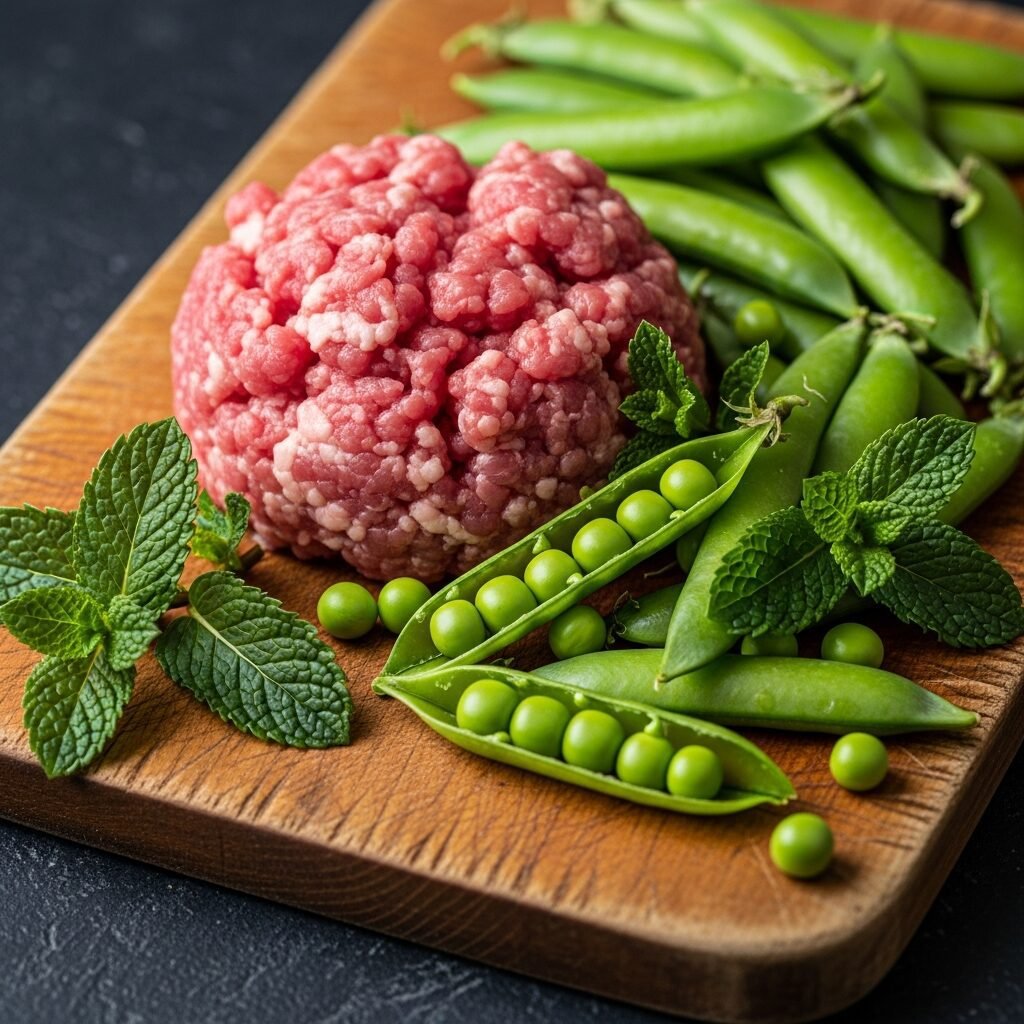
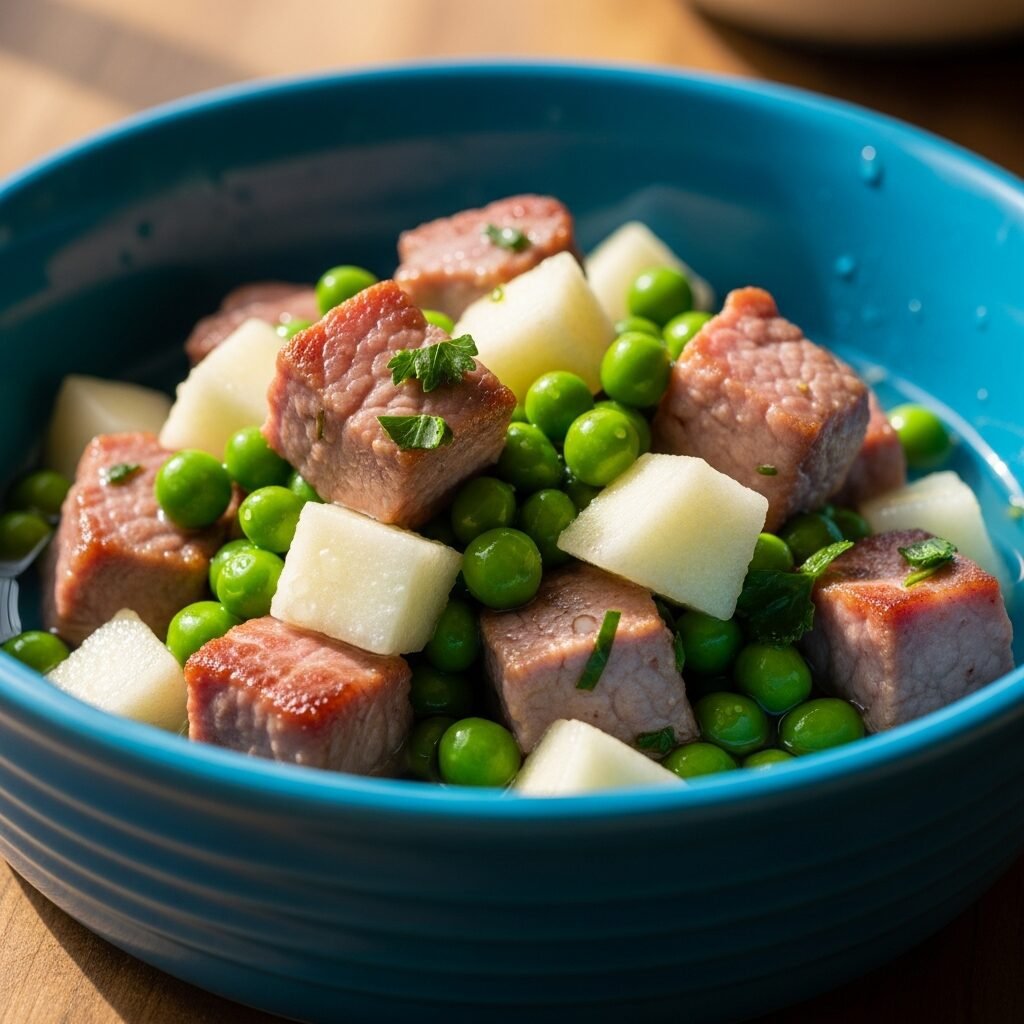
Recipe 6: Lamb & Mint Pea Medley

Lamb is often considered a novel protein, which can be helpful for dogs with common protein allergies. Mint can aid digestion.

Ingredients

* 1/2 pound lean ground lamb (cooked and drained)

* 1/2 cup cooked potato, diced

* 1/4 cup steamed green peas

* 1 tablespoon fresh mint, finely chopped (dog-safe herbs only)

Instructions

1. Cook the lean ground lamb until thoroughly browned, then drain off any excess fat.

2. Boil or steam the potato until very tender, then dice it into small, dog-friendly pieces.

3. Steam the green peas until tender.

4. Finely chop fresh mint leaves. Make sure to use only a small amount, as a little goes a long way.

5. Combine the cooked lamb, diced potato, peas, and chopped mint in a bowl.

6. Mix everything well and allow it to cool completely before serving.

Recipe 7: Pork & Pea Pâté

A smooth, nutrient-rich option that can be served as a meal for smaller dogs, or as a tasty topper for any size.

Ingredients

* 1/2 cup cooked lean pork (boneless, skinless, plain)

* 1/4 cup steamed green peas

* 1/4 cup plain pumpkin puree (not pie filling)

* 2 tablespoons unsalted bone broth

Instructions

1. Cook lean pork (e.g., pork loin) until fully done, then let it cool slightly. Ensure no seasonings or sauces were used.

2. Steam the green peas until tender.

3. In a food processor or blender, combine the cooked pork, steamed peas, plain pumpkin puree, and unsalted bone broth.

4. Blend until you achieve a smooth, pâté-like consistency. You may need to add a tiny bit more broth if it’s too thick.

5. Transfer to an airtight container and refrigerate. Serve cold or at room temperature.

How to Store Homemade Dog Food

Proper storage is crucial for homemade dog food to prevent spoilage and keep your pup safe.

Once your homemade dog food has completely cooled, divide it into individual portions that are appropriate for your dog’s meal size. You can use airtight containers or freezer-safe bags.

Refrigerate portions that will be consumed within 3-4 days. For longer storage, freeze the remaining portions. Homemade dog food can be safely stored in the freezer for up to 2-3 months. When ready to serve a frozen portion, simply transfer it to the refrigerator the night before to thaw, or gently warm it (ensure it’s not hot) before serving.

Transitioning Your Dog to Homemade Food

Switching your dog’s diet abruptly can lead to digestive upset, such as diarrhea or vomiting. It’s always best to introduce new foods gradually.

Over a period of 7-10 days, slowly increase the amount of homemade food while decreasing their old food. Start by replacing about 25% of their old food with the new homemade meal for a few days. If your dog tolerates it well, move to 50% for a few more days, then 75%, until they are fully transitioned to the homemade diet.

During this transition, closely monitor your dog for any signs of digestive upset, changes in appetite, or allergic reactions. If you notice any issues, slow down the transition or consult your vet.

Related Posts

Leave a Reply

Your email address will not be published. Required fields are marked *