Spring is a season of renewal, fresh air, and vibrant colors. As new life sprouts all around us, it’s the perfect time to think about bringing some of that fresh goodness into your dog’s diet. Just like us, our canine companions can benefit immensely from the nutritional power of seasonal vegetables.
Introducing fresh, wholesome ingredients into your dog’s meals can boost their health, add exciting flavors, and provide essential vitamins and minerals. Think of these recipes as wonderful additions to their regular, balanced diet, bringing a touch of homemade love to their bowl. Let’s explore how to safely and deliciously incorporate the best of spring into your dog’s menu.
Why Spring Vegetables for Your Dog?

Feeding your dog fresh vegetables isn’t just a treat; it’s a way to enhance their well-being. Spring offers an abundance of crisp, nutrient-dense produce that can support various aspects of your dog’s health.
Boosted Nutrition
Spring vegetables are packed with vitamins like A, C, and K, along with important minerals such as potassium and iron. These nutrients are vital for everything from healthy vision and strong bones to a robust immune system.
Rich in Fiber
Many spring vegetables are excellent sources of dietary fiber. Fiber aids digestion, helps regulate bowel movements, and can contribute to a feeling of fullness, which is helpful for weight management.
Antioxidant Power
Veggies like spinach and kale are loaded with antioxidants. These powerful compounds help protect your dog’s cells from damage caused by free radicals, supporting long-term health and potentially reducing the risk of certain illnesses.
Natural Hydration
Most vegetables have a high water content. Adding them to your dog’s food can contribute to their daily hydration, especially important during warmer spring days.
Important Considerations Before You Start

Before you get cooking, it’s essential to keep a few safety guidelines in mind. Your dog’s health is always the top priority.
Talk to Your Vet First
Always consult your veterinarian before making significant changes to your dog’s diet, especially if your dog has any underlying health conditions or dietary sensitivities. They can offer personalized advice on portion sizes and suitable ingredients.
Safe Preparation is Key
Wash thoroughly: Always wash vegetables well to remove any dirt or pesticides.
Cook properly: Most vegetables should be cooked for dogs, as this makes them easier to digest and can deactivate certain compounds that might upset a sensitive stomach. Steaming, boiling, or roasting without oil or seasoning are the best methods.
Chop small: Cut all vegetables into small, bite-sized pieces to prevent choking, especially for smaller dogs or eager eaters.
No seasonings: Never add salt, pepper, garlic, onions, or other spices to your dog’s food. These can be harmful or even toxic.
Portion Control Matters
Even healthy foods should be given in moderation. Vegetables should make up a small portion of your dog’s overall diet, usually no more than 10% of their daily caloric intake. Use these recipes as toppers or occasional treats, not as their main meal unless specifically balanced by a veterinary nutritionist.
Introducing New Foods Gradually
When introducing a new food, start with a very small amount. Watch your dog for any signs of digestive upset, such as diarrhea, vomiting, or gas. If they tolerate it well, you can gradually increase the portion.
Harmful Foods to Avoid
While many vegetables are safe, some are not. Always avoid onions, garlic, chives, leeks, grapes, raisins, avocado, and rhubarb. If you’re unsure about a specific food, it’s best to err on the side of caution and avoid it.
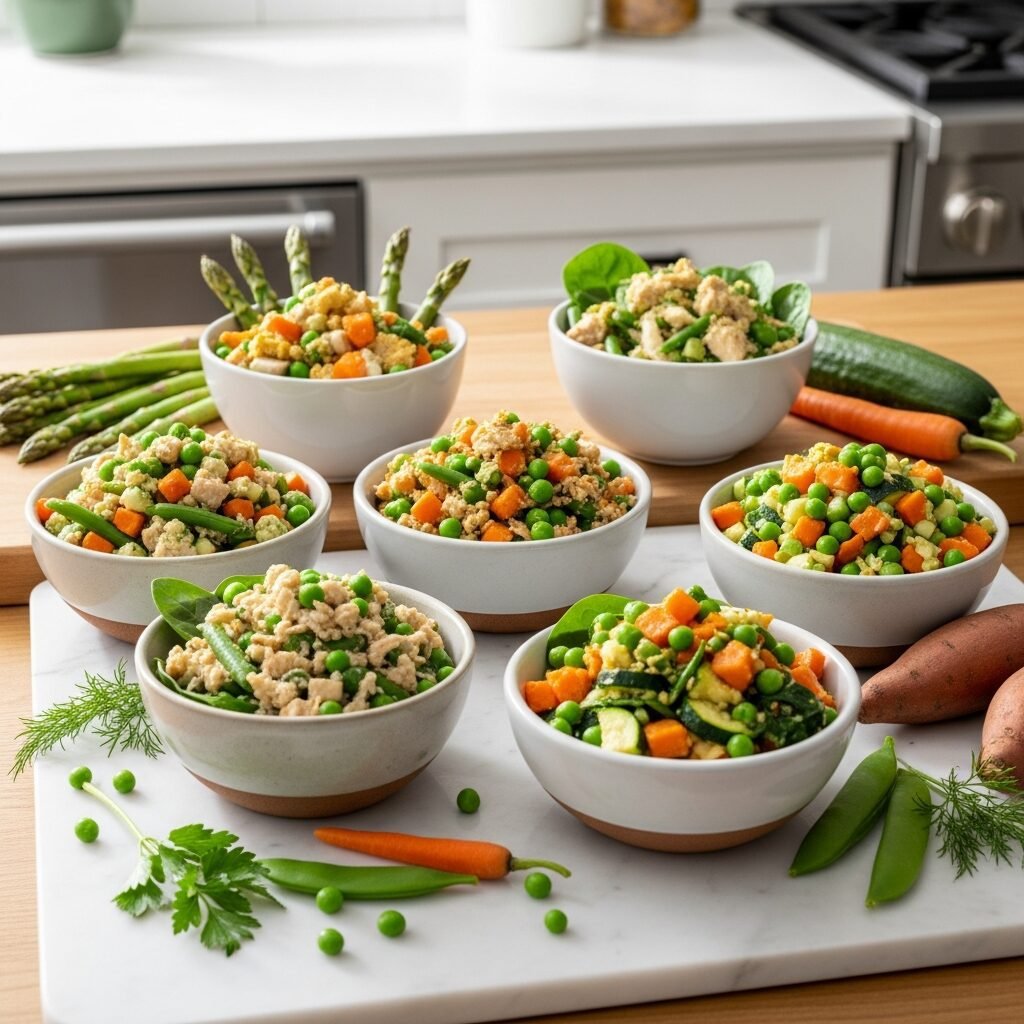
The 7 Spring Vegetable Dog Food Recipes

These recipes are designed to be simple, healthy, and a delightful addition to your dog’s diet. Remember to use them as meal toppers or healthy snacks.
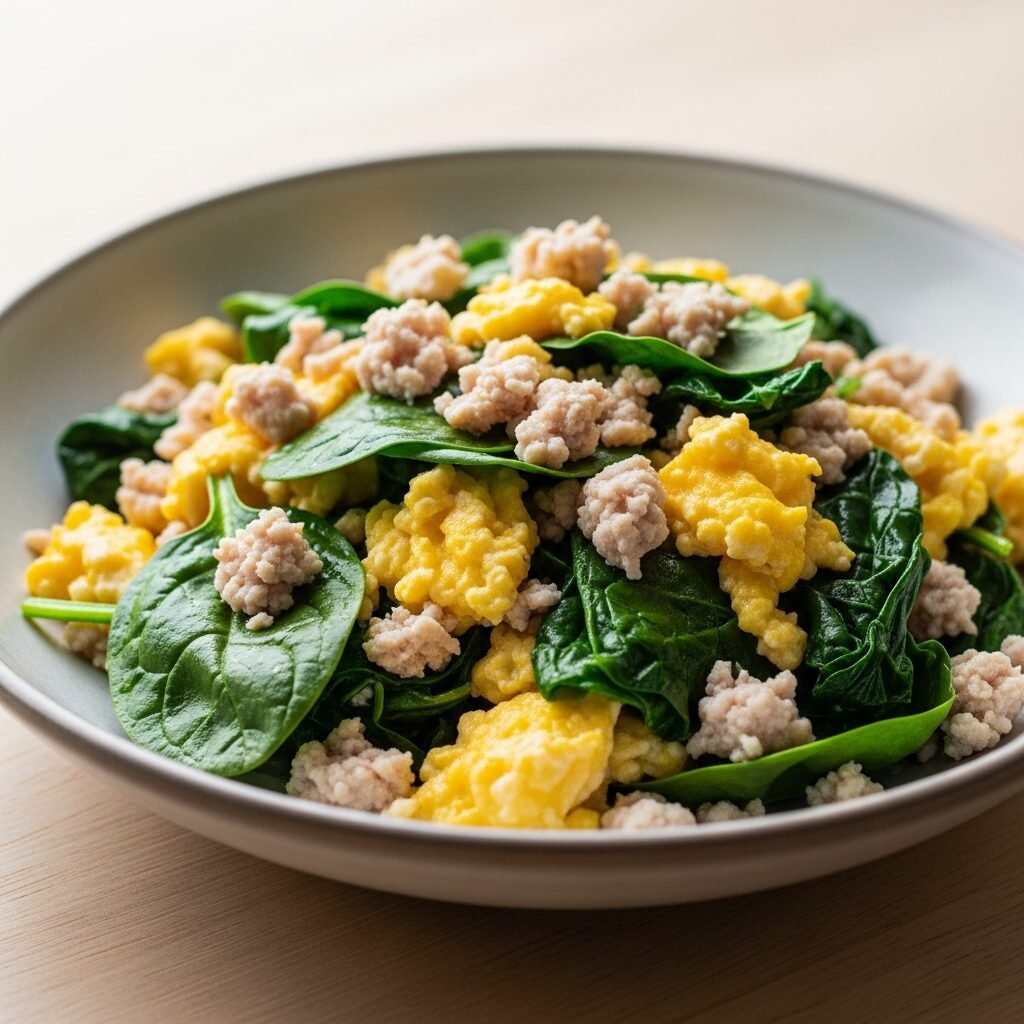
1. Spring Green & Chicken Delight
This recipe combines lean protein with nutrient-packed greens for a wholesome boost.
Key Spring Vegetables Used
Spinach, Green Beans
Why These Veggies are Great for Dogs
Spinach is rich in vitamins K, A, C, and iron. Green beans offer fiber, vitamins C and K, and manganese. Both are low in calories and great for digestion.
Ingredients
* 1 cup cooked, shredded boneless, skinless chicken breast
* 1/2 cup fresh spinach, finely chopped
* 1/2 cup cooked green beans, chopped small
* 1/4 cup low-sodium chicken broth (optional, for moisture)
Instructions
1. Steam or boil the spinach and green beans until tender, about 3-5 minutes.
2. Allow vegetables to cool completely.
3. In a bowl, combine the cooked chicken, chopped spinach, and chopped green beans.
4. If desired, add a spoonful of low-sodium chicken broth for extra moisture.
5. Mix everything together thoroughly.
Serving Suggestion
Serve a small spoonful over your dog’s regular kibble as a delicious and healthy topper.
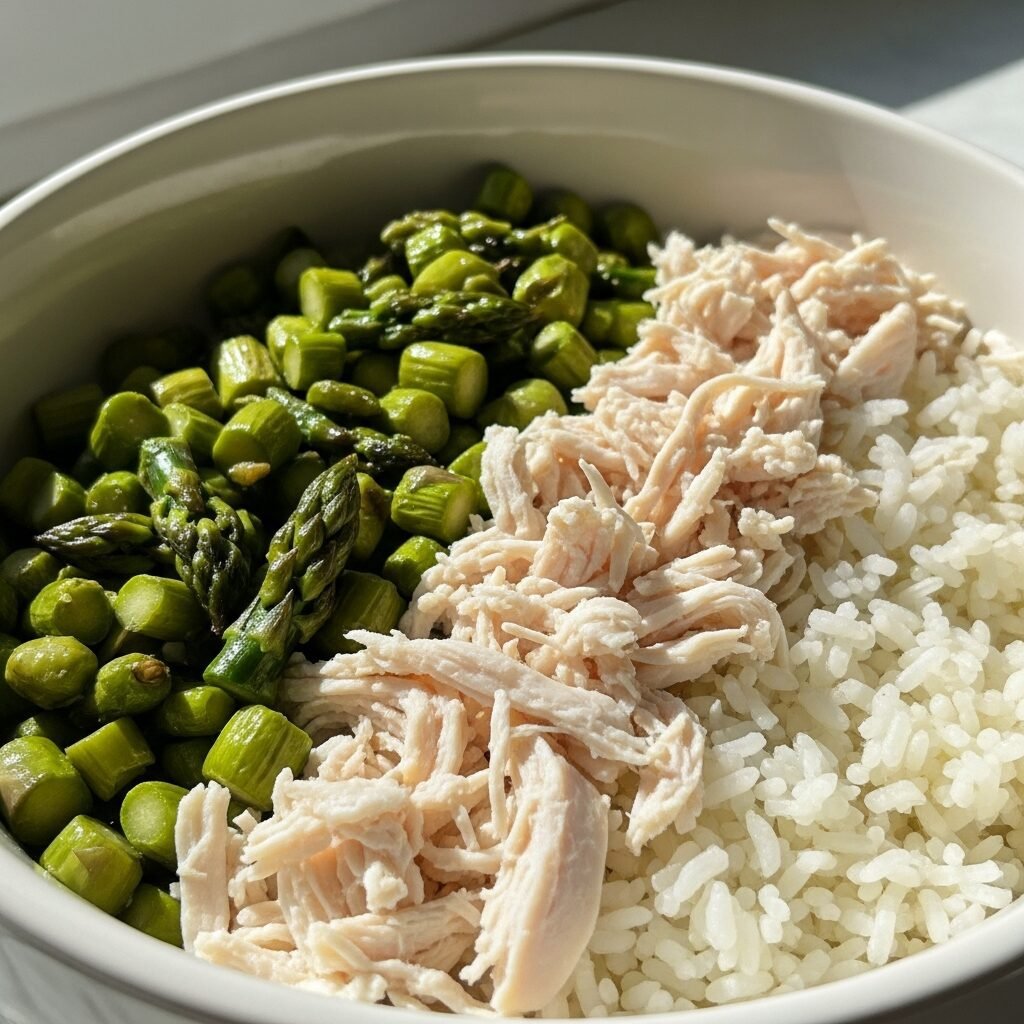
2. Asparagus & Turkey Medley
A light and savory mix perfect for a spring evening.
Key Spring Vegetables Used
Asparagus
Why These Veggies are Great for Dogs
Asparagus is a good source of vitamins K, A, B1, B2, C, and E, as well as fiber and folate. It’s also low in calories.
Ingredients
* 1 cup cooked, ground turkey (lean, plain)
* 1/2 cup fresh asparagus, steamed and finely chopped
* 1/4 cup cooked brown rice (optional, for energy)
Instructions
1. Steam the asparagus spears until tender-crisp, about 3-4 minutes.
2. Once cooled, chop the asparagus into very small pieces.
3. Combine the cooked ground turkey, chopped asparagus, and cooked brown rice (if using) in a bowl.
4. Mix well to distribute the ingredients evenly.
Serving Suggestion
Offer as an occasional snack or mix a small amount into their regular meal for an added nutritional kick.
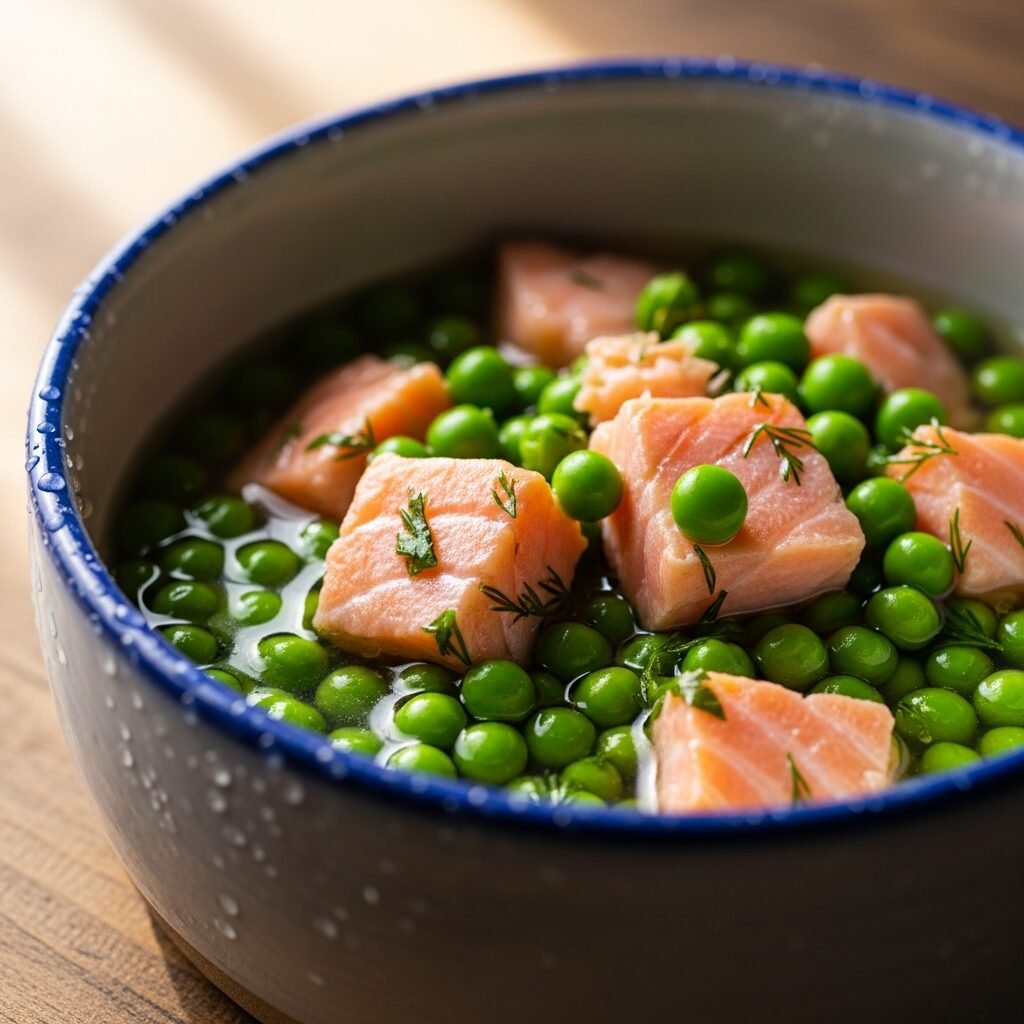
3. Sweet Pea & Carrot Puree
A vibrant and naturally sweet puree that’s easy to digest.
Key Spring Vegetables Used
Peas, Carrots
Why These Veggies are Great for Dogs
Peas are packed with vitamins A, K, B, and C, as well as protein and fiber. Carrots are known for beta-carotene (Vitamin A), which is great for vision, and they are also a good source of fiber.
Ingredients
* 1 cup fresh or frozen peas, thawed
* 1/2 cup fresh carrots, peeled and chopped
* A splash of water or low-sodium vegetable broth
Instructions
1. Steam or boil the chopped carrots until very soft, about 8-10 minutes.
2. Add the peas to the pot during the last 2-3 minutes of cooking with the carrots.
3. Drain the vegetables and let them cool slightly.
4. Transfer the cooked carrots and peas to a food processor or blender.
5. Add a small splash of water or broth and blend until smooth or to your desired consistency.
Serving Suggestion
This puree can be frozen in ice cube trays for convenient small portions. Thaw and serve as a tasty, nutrient-rich lick mat topping or mix-in.
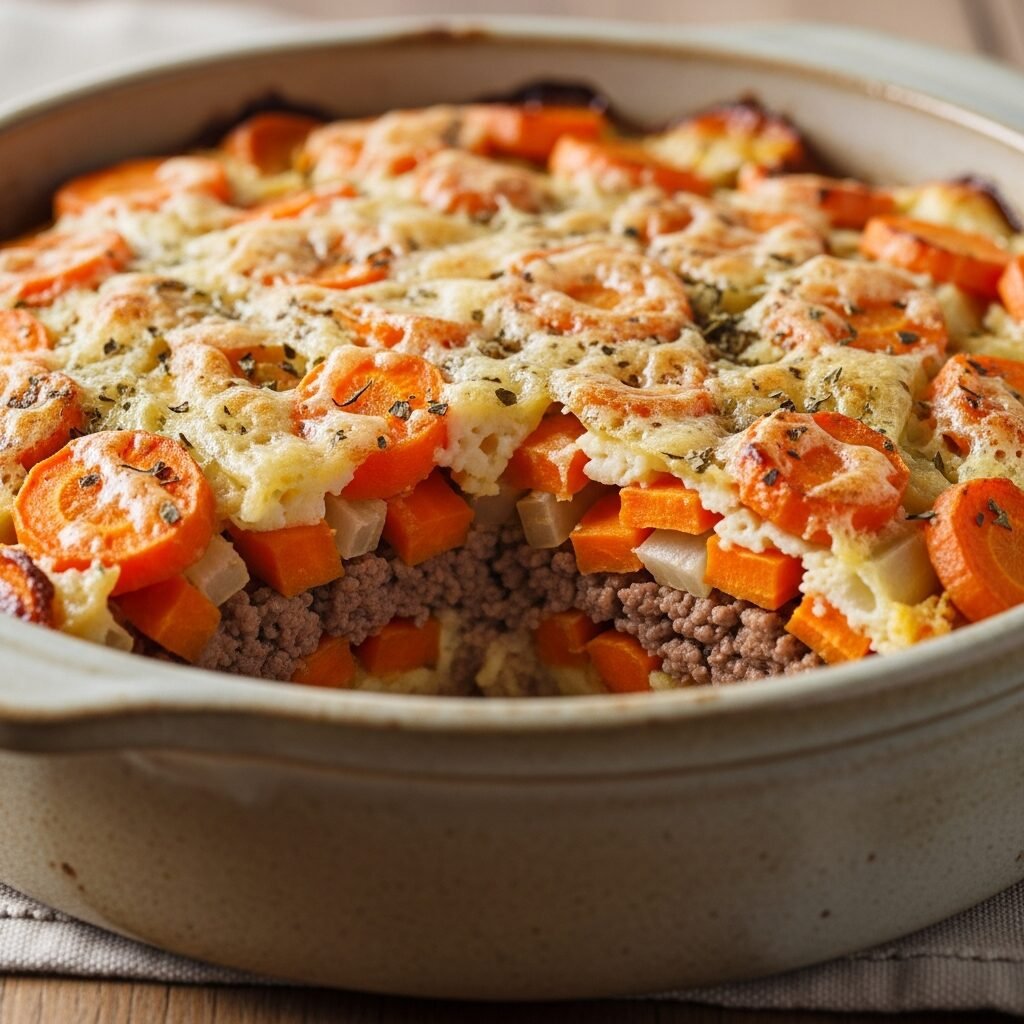
4. Broccoli & Beef Bites
A hearty addition with beneficial cruciferous vegetables.
Key Spring Vegetables Used
Broccoli
Why These Veggies are Great for Dogs
Broccoli contains vitamins C and K, fiber, and important antioxidants. It should be given in moderation due to its potential to cause gas in some dogs.
Ingredients
* 1 cup cooked, lean ground beef (drained of fat)
* 1/2 cup fresh broccoli florets, steamed and finely chopped
Instructions
1. Steam the broccoli florets until tender, about 5-7 minutes.
2. Allow the broccoli to cool, then chop it into very small, easily digestible pieces.
3. In a bowl, combine the cooked, drained ground beef and the chopped broccoli.
4. Mix thoroughly to ensure an even distribution.
Serving Suggestion
These bites make a great training treat or a small addition to a meal. Introduce very slowly to ensure your dog tolerates broccoli well.
5. Kale & Lentil Mix
A superfood blend for a health-conscious pup.
Key Spring Vegetables Used
Kale
Why These Veggies are Great for Dogs
Kale is a powerhouse of vitamins K, A, and C, along with iron and antioxidants. Lentils add plant-based protein and fiber.
Ingredients
* 1/2 cup cooked green or brown lentils (plain, no seasoning)
* 1/2 cup fresh kale, destemmed and finely chopped
* 1/4 cup water or low-sodium chicken broth
Instructions
1. Steam the destemmed and chopped kale until it’s tender and wilted, about 3-5 minutes.
2. Let the kale cool.
3. In a bowl, combine the cooked lentils and the cooked kale.
4. Add a splash of water or broth to moisten the mixture.
5. Mix everything thoroughly.
Serving Suggestion
This mix can be used as a high-fiber, nutrient-dense topper. Start with very small amounts as kale can be potent.
6. Bell Pepper & Cod Scramble
A colorful and protein-rich option with a sweet crunch.
Key Spring Vegetables Used
Bell Peppers (Red, Yellow, Orange)
Why These Veggies are Great for Dogs
Bell peppers (especially red, yellow, and orange) are excellent sources of vitamin C and antioxidants. They are also sweet and palatable for many dogs.
Ingredients
* 1 cup cooked cod (steamed or baked, plain)
* 1/2 cup mixed bell peppers (red, yellow, orange), finely chopped and lightly steamed
Instructions
1. Lightly steam the chopped bell peppers until they are slightly softened but still retain some crunch, about 2-3 minutes.
2. Let the peppers cool completely.
3. Flake the cooked cod into small pieces.
4. Combine the flaked cod with the steamed bell peppers in a bowl.
5. Mix gently to combine.
Serving Suggestion
This recipe makes a fantastic, low-fat meal topper or a special treat. The vibrant colors are a feast for the eyes, and the flavors are often a hit with dogs.
7. Zucchini & Egg Breakfast Bowl
A gentle and easily digestible start to the day.
Key Spring Vegetables Used
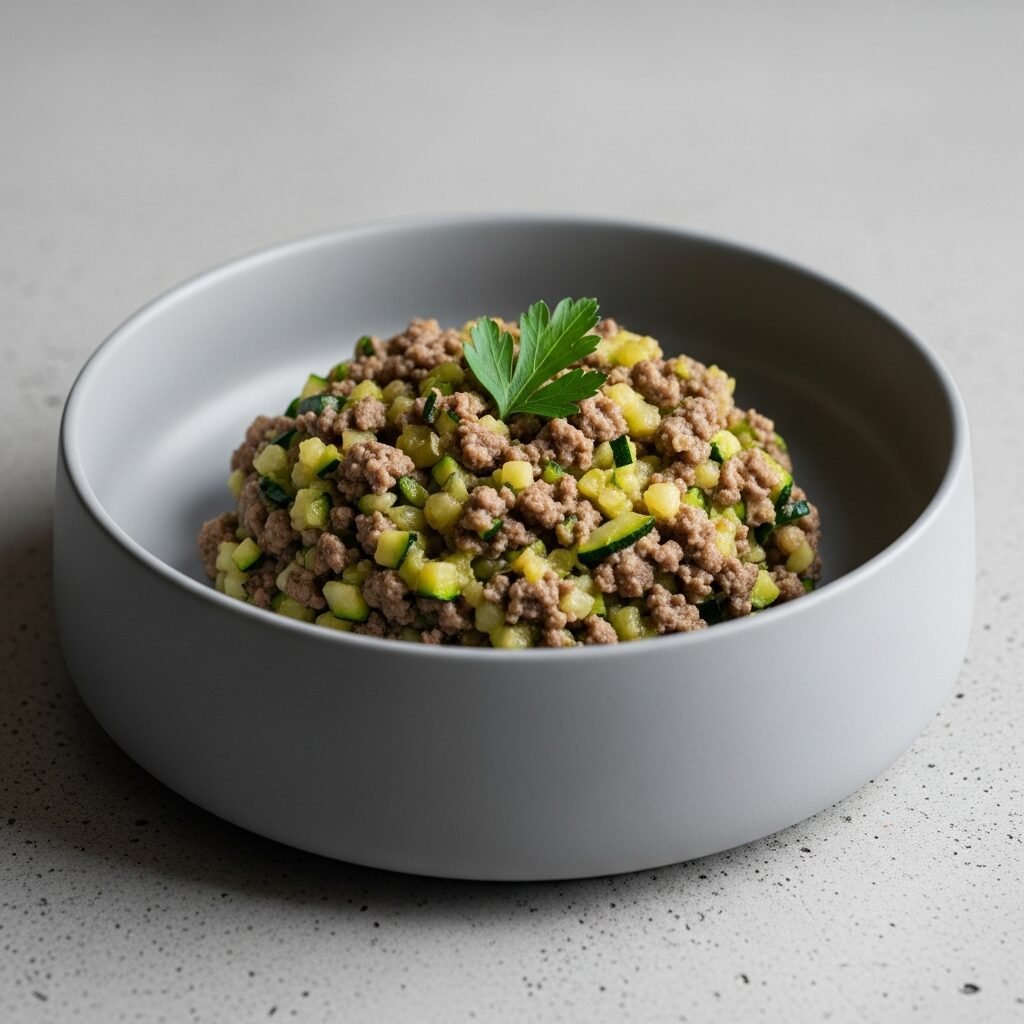
Zucchini
Why These Veggies are Great for Dogs
Zucchini is low in calories, rich in water content, and provides vitamins A and C, and potassium. It’s very gentle on the digestive system.
Ingredients
* 1 cooked egg (scrambled or boiled, plain)
* 1/2 cup fresh zucchini, grated or finely chopped and lightly steamed
Instructions
1. Lightly steam the grated or finely chopped zucchini for about 2-3 minutes until just tender.
2. Let the zucchini cool.
3. Cook one egg plain (scrambled without butter or oil, or hard-boiled and chopped).
4. Combine the cooked egg with the steamed zucchini in a bowl.
5. Mix lightly.
Serving Suggestion
Serve a small spoonful alongside or mixed into your dog’s morning meal for an extra boost of nutrition and hydration.
A Note on Balanced Nutrition

While these recipes are wonderful for adding variety and nutrients, it’s crucial to remember that they are *supplements* or *toppers*, not complete and balanced meals on their own. A dog’s primary diet should consist of a high-quality commercial dog food that meets AAFCO nutritional guidelines, or a homemade diet specifically formulated and balanced by a veterinary nutritionist.
These spring vegetable recipes are excellent ways to:
* Add moisture to dry kibble.
* Boost nutrient intake.
* Introduce new, exciting flavors.
* Provide healthy, low-calorie treats.
Always prioritize your dog’s overall dietary needs and consult with your vet to ensure their diet is comprehensive and appropriate for their age, breed, and activity level.