Few commands are as important as a reliable recall. Imagine you’re at the park, enjoying a beautiful day with your furry best friend trotting happily beside you. Suddenly, a squirrel zips across the path, and your dog is off! In that moment, your heart pounds. Will they come back? A strong recall means peace of mind, safety for your dog, and the freedom to explore the world together.
Training your dog to come when called, no matter the distraction, might seem like a big challenge. But with patience, consistency, and the right approach, it’s absolutely achievable for any dog and any dog parent. It’s not just about obedience; it’s about building trust and ensuring your dog’s safety in potentially risky situations.
Let’s dive into seven practical tips that will help you build a recall your dog will happily respond to, making every adventure safer and more enjoyable.
Why a Solid Recall Matters More Than You Think
A reliable recall is often called the most important command you can teach your dog, and for good reason. It’s more than just a neat trick; it’s a vital safety net.
Safety First
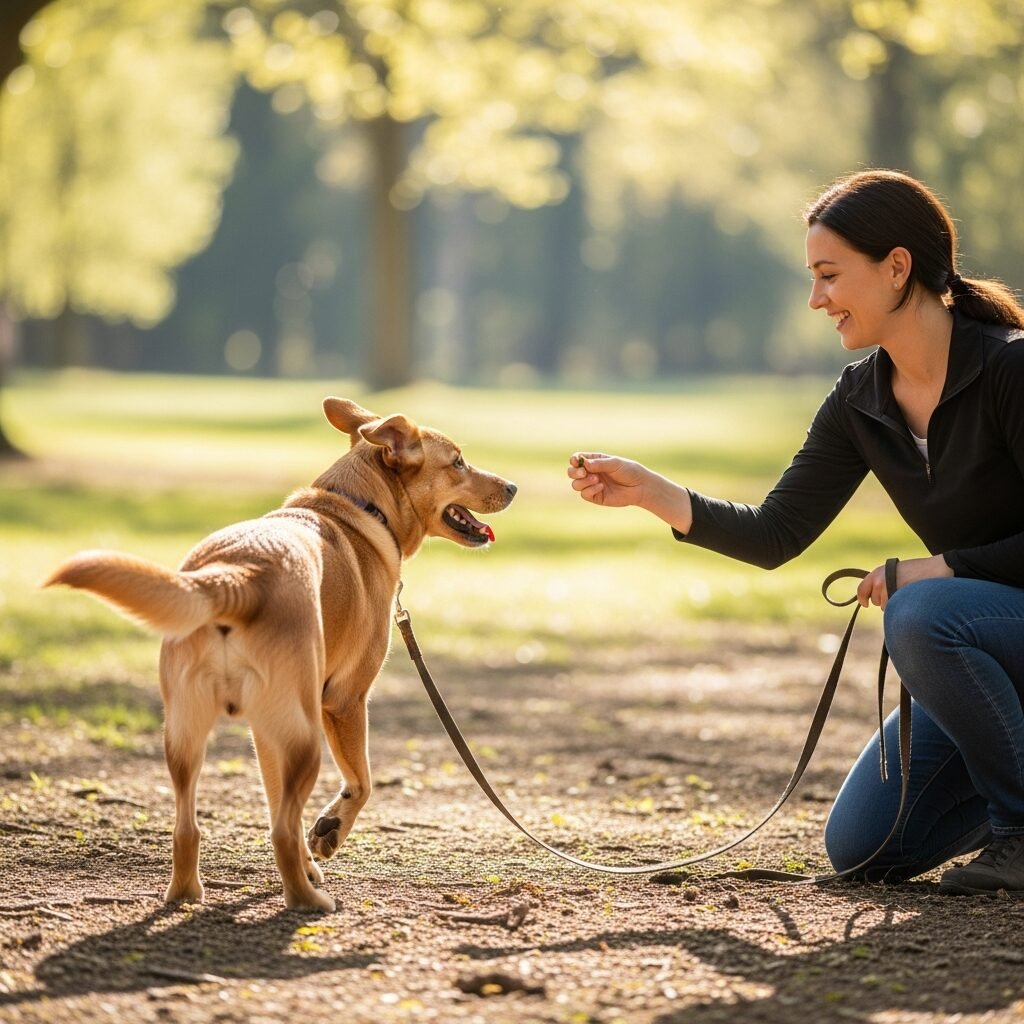
The world can be a dangerous place for an off-leash dog. Cars, unfamiliar people, other animals, or even hazardous objects on the ground can all pose a threat. A strong recall can pull your dog away from danger in an instant, preventing accidents and keeping them out of harm’s way.
Freedom to Explore
With a dependable recall, your dog can enjoy more freedom in safe, appropriate off-leash areas. They get to sniff, run, and explore to their heart’s content, which is fantastic for their physical and mental well-being. This freedom is a huge gift you can give your dog, knowing they’ll return to you whenever you ask.
Building Trust
Successful recall training strengthens the bond between you and your dog. They learn that coming back to you always leads to something good, reinforcing your position as a trusted leader and provider of all good things. This mutual trust makes for a happier, more confident relationship.
Getting Started: The Basics of Recall Training
Before diving into specific tips, let’s cover some foundational elements that will set you up for success.
Choosing a Recall Word
Pick a clear, short, and unique word or phrase for your recall command. “Come,” “Here,” or even your dog’s name followed by a special word can work. The key is consistency. Everyone in the household should use the exact same word every time. Avoid using a word you frequently use in casual conversation.
High-Value Rewards
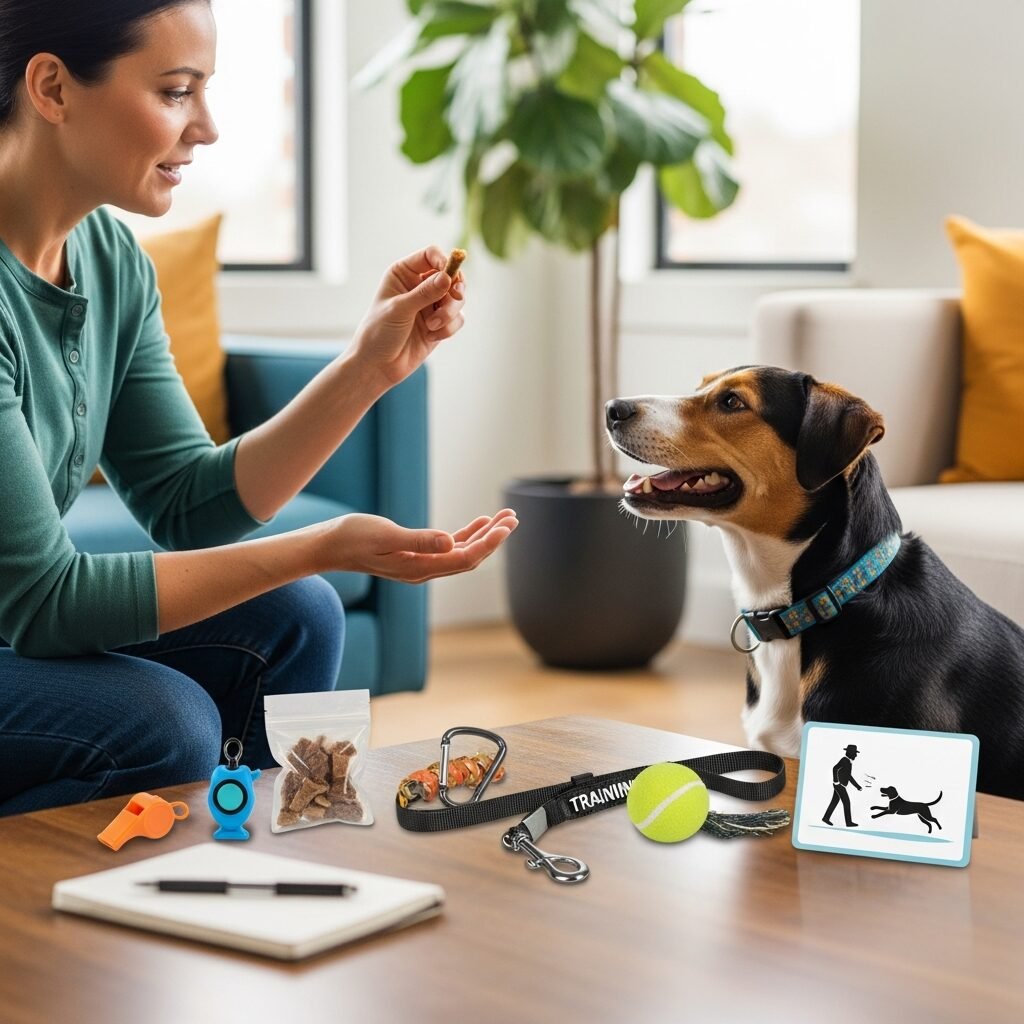
When it comes to recall, standard kibble might not cut it. You need something truly exciting to make coming back to you irresistible. Think small pieces of cooked chicken, cheese, hot dogs, or their absolute favorite squeaky toy. What makes your dog’s eyes light up? That’s your high-value reward.
Timing is Everything
When your dog responds to your recall, reward them immediately. The connection between coming back and receiving the reward needs to be instantaneous. A delay, even a few seconds, can make it harder for your dog to understand what they’re being rewarded for.
Tip 1: Start Small, Stay Positive
Just like learning any new skill, recall training needs to begin in an environment where your dog can easily succeed.
Where to Begin
Start training indoors or in a very quiet, enclosed outdoor space like your backyard. Make sure there are minimal distractions. This allows your dog to focus solely on you and the command. Begin with very short distances, just a few feet away.
The Game of “Come!”
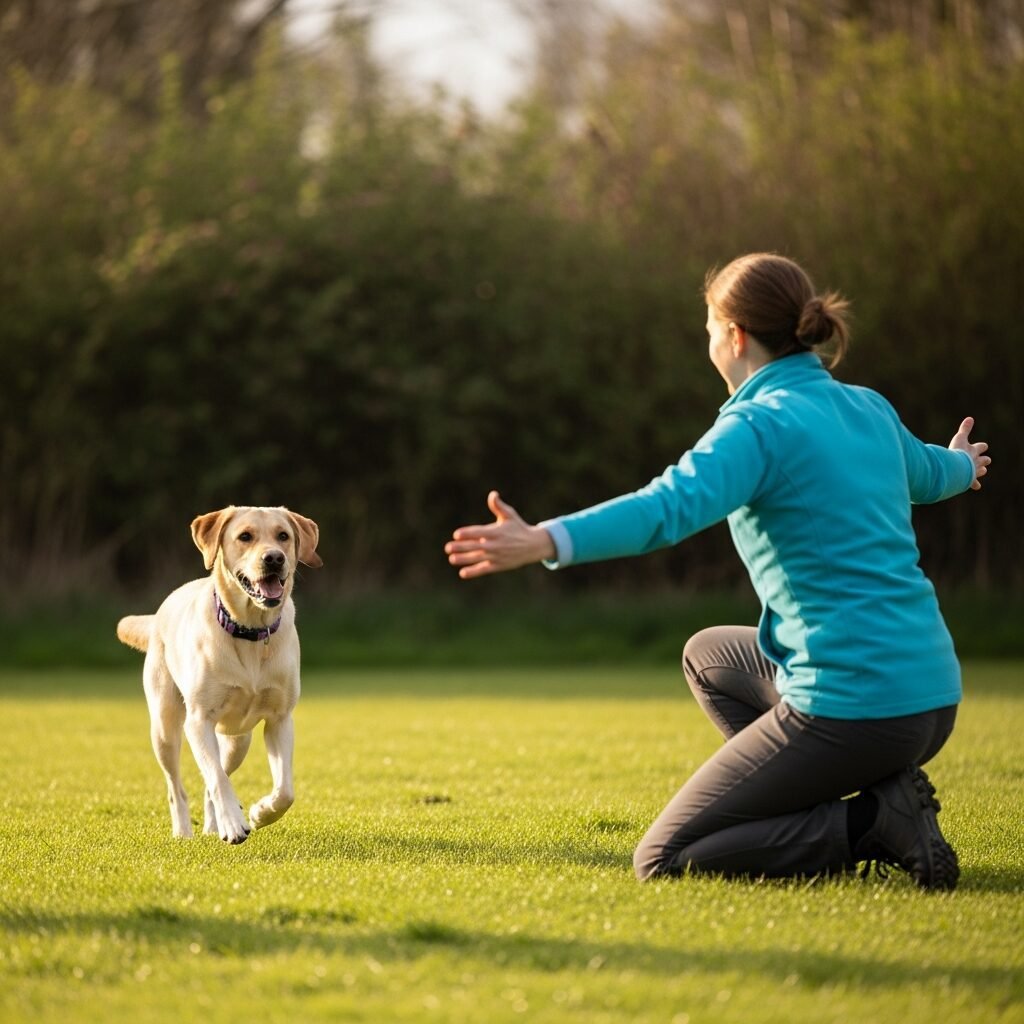
Have a family member gently hold your dog. Walk a few steps away, crouch down, and enthusiastically call your dog’s name followed by your recall word. “Buddy, COME!” As your dog trots towards you, praise them lavishly and immediately offer that high-value reward. Make it a fun, exciting game! Repeat this several times, keeping sessions short and upbeat.
Tip 2: Make Coming Back the Best Thing Ever

Your dog needs to associate your recall word with amazing, wonderful things happening. It should be the highlight of their day!
The Power of High-Value Rewards
Every single time your dog responds to your recall word, they should get a jackpot reward. This isn’t just a pat on the head; it’s the best treat they’ve ever tasted or their absolute favorite toy for a quick game. Vary your rewards to keep it exciting. Sometimes it’s food, sometimes a toy, sometimes an enthusiastic play session.
Avoiding Punishment
Crucially, never, ever scold or punish your dog when they finally come to you, even if it took a while or you were frustrated. If coming back means getting yelled at or something unpleasant, your dog will quickly learn to avoid it. Recall must always be a positive, joyful experience. If they don’t come, don’t chase; reassess your environment and rewards.
Tip 3: Practice in Different Environments
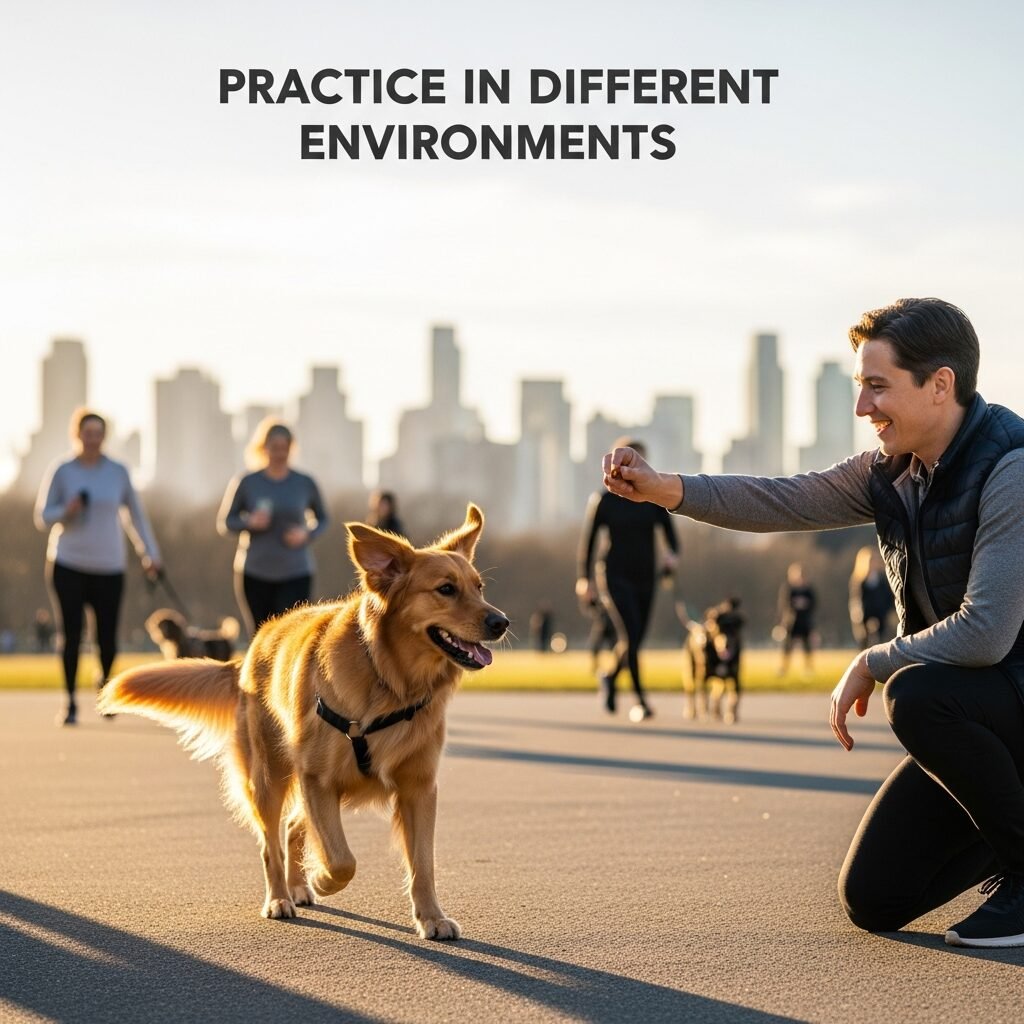
Once your dog is consistently coming to you in a distraction-free zone, it’s time to gradually introduce more challenging environments.
Gradually Increasing Distractions
Start with slightly more distracting places: a quiet corner of a local park, then a park with a few people walking by, then a park with other dogs at a distance. The key is to add distractions slowly, making sure your dog is still successful about 80-90% of the time. If they struggle, go back to an easier environment.
Changing the Scenery
Don’t just practice in one park. Take your dog to various locations – different parks, open fields, friends’ backyards. This helps your dog understand that “come” means “come to me” no matter where they are, rather than associating the command only with a specific place. This generalization is crucial for a truly reliable recall.
Tip 4: Use a Long Line for Safety and Practice
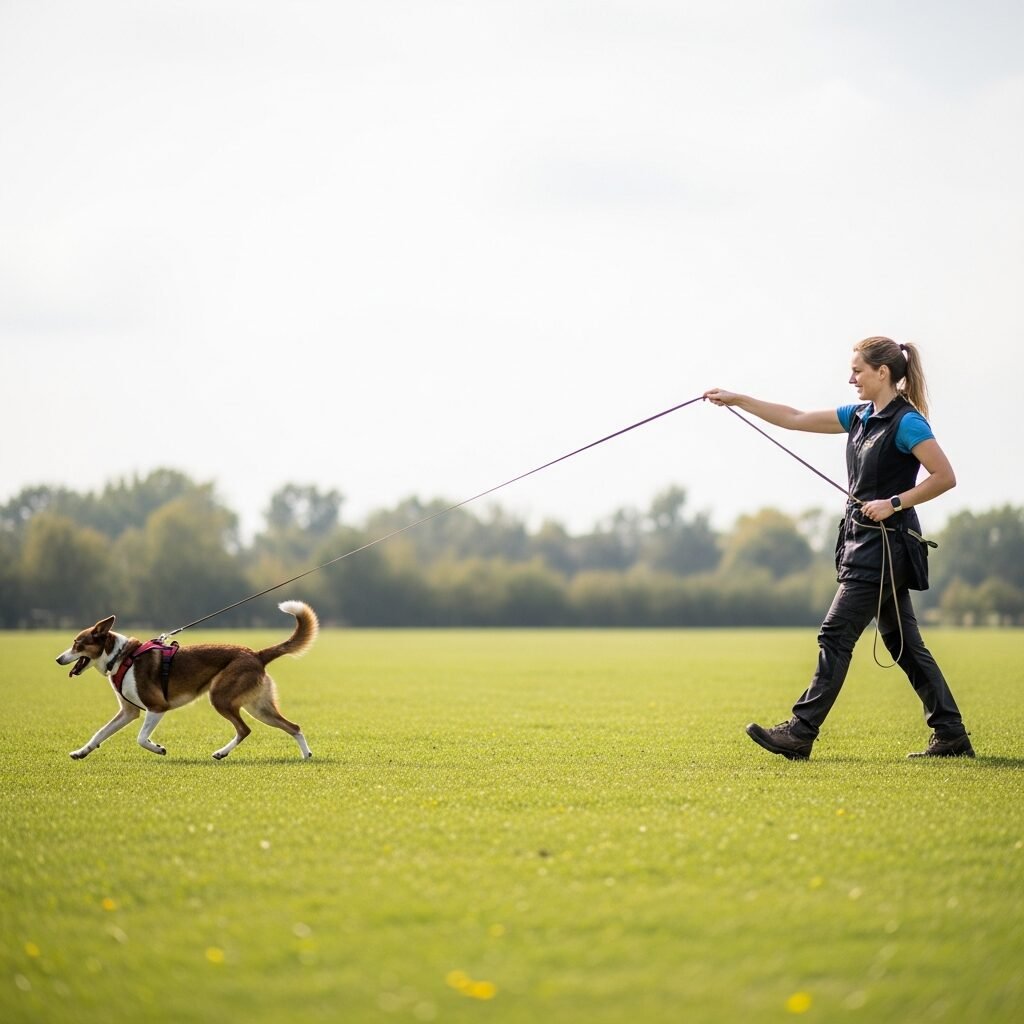
A long line (or long leash) is an invaluable tool for recall training, offering safety and controlled freedom.
What is a Long Line?
A long line is essentially a very long leash, typically 15 to 30 feet in length. It allows your dog to roam a good distance away from you while still remaining physically connected and under your control. Never attach a long line to a choke or prong collar; always use it with a comfortable, well-fitting harness.
How to Use It Effectively
In a safe, open area, let your dog explore on the long line. When they are a good distance away and not heavily distracted, call them using your recall word. If they start to ignore you or get too distracted, gently reel them in with the long line while repeating the command. The moment they turn towards you or start coming, drop the line and praise/reward heavily. The long line is there to guide and prevent failure, not to yank or punish.
Tip 5: Play Recall Games
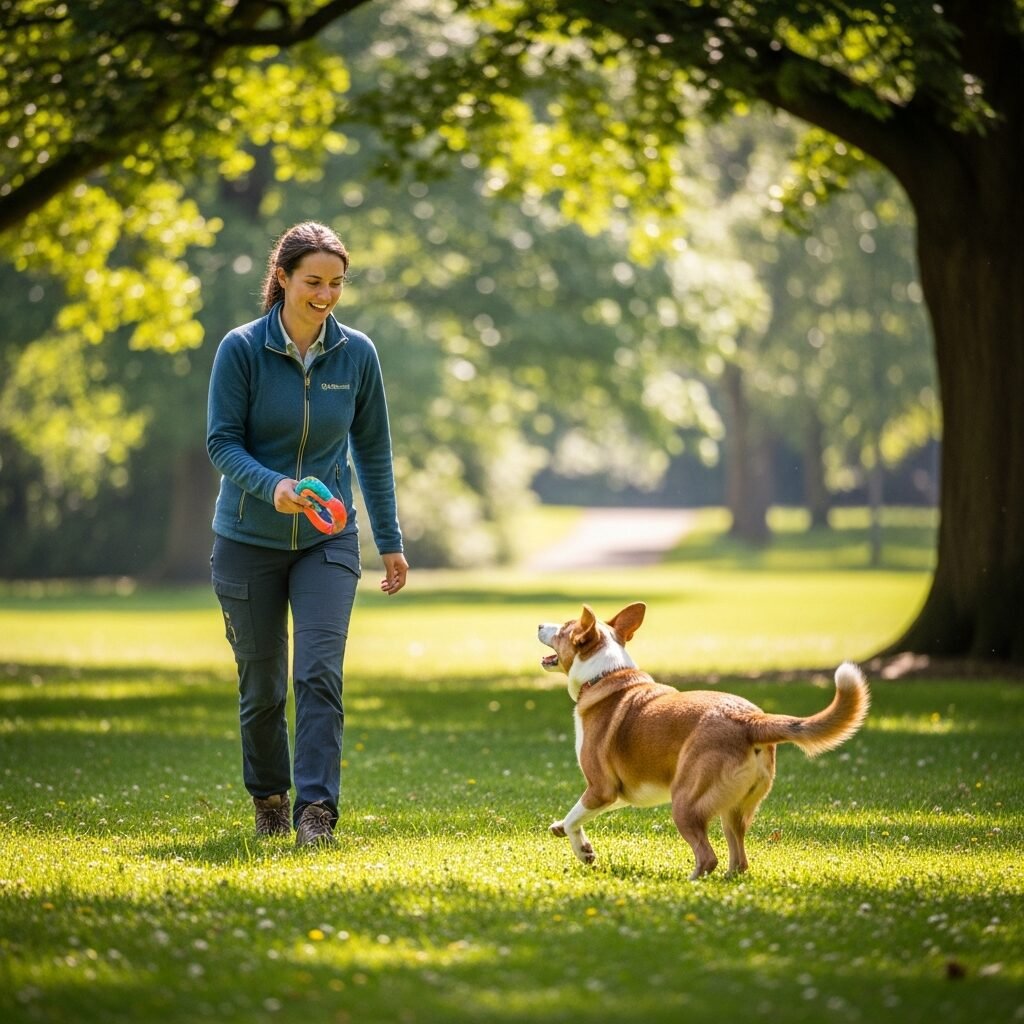
Training doesn’t have to be boring! Incorporating games makes learning fun and reinforces the recall command in engaging ways.
Hide and Seek
This is a fantastic game for building recall. In an enclosed space (like your home or a fenced yard), let your dog sniff around while you quietly hide behind furniture or a tree. After a moment, call your dog’s name and your recall word. When they find you, throw a party! Give them treats, praise, and lots of happy attention. This game teaches them to seek you out and reinforces that finding you is incredibly rewarding.
“Ping-Pong” Recall (Two-Person Recall)
This game is best played with two people and a highly food-motivated dog. Each person stands a short distance apart. One person calls the dog, rewards them heavily when they arrive, then the second person calls the dog. The dog “pings” back and forth, getting rewarded each time. This builds speed, enthusiasm, and a strong positive association with coming when called.
Scatter Recall
Toss a handful of low-value treats or kibble on the ground, letting your dog enjoy sniffing and eating them. While they are distracted, take a few steps back and then enthusiastically call your dog. When they leave the scattered treats to come to you, give them a super high-value “jackpot” reward. This teaches them that coming to you is even better than finding food on the ground.
Tip 6: Be Consistent and Patient
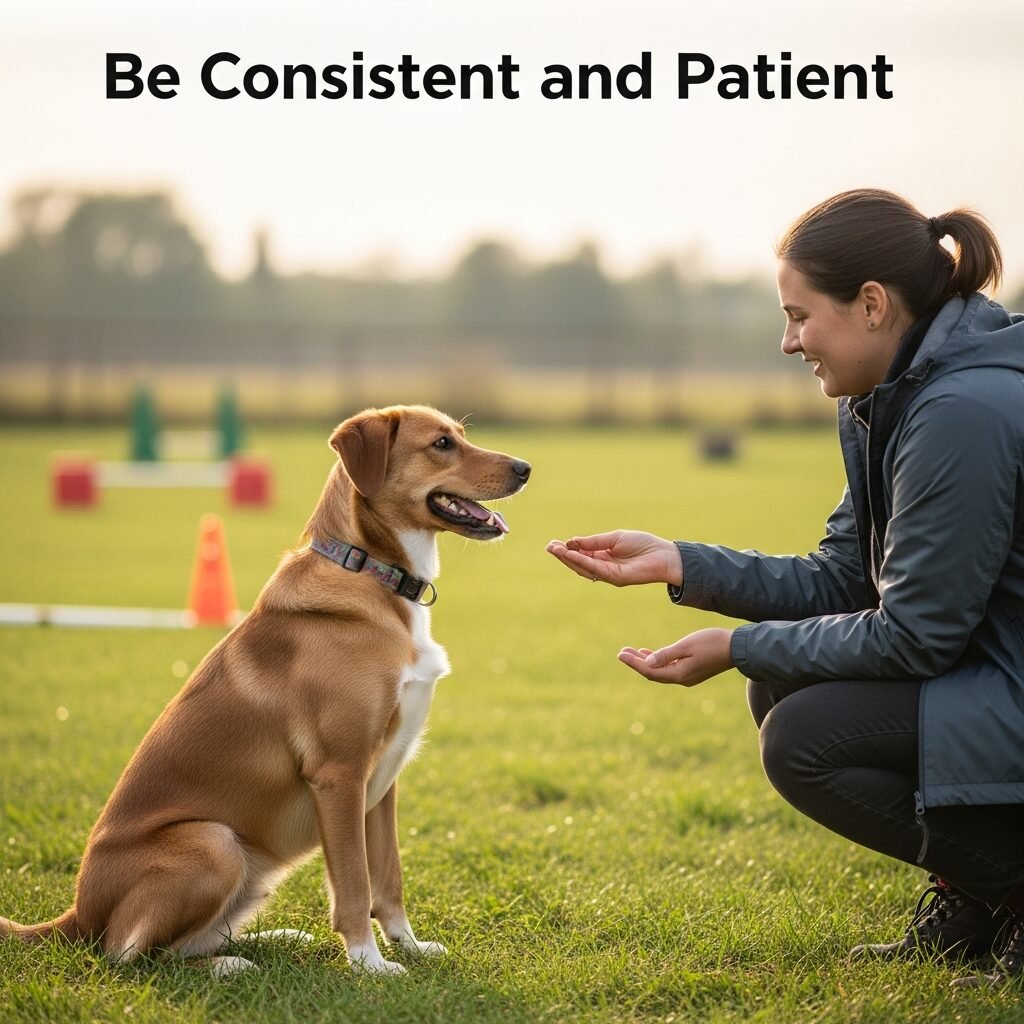
Recall training is an ongoing process that requires dedication from everyone involved.
Everyone on Board
Ensure that every family member uses the same recall word, the same enthusiastic tone, and the same rewarding methods. Inconsistency can confuse your dog and slow down their learning process. A unified front is key to success.
Regular Short Sessions
It’s much more effective to have several short training sessions (5-10 minutes) throughout the day than one long, tedious session. Short, fun bursts keep your dog engaged and prevent them from getting bored or overwhelmed. Aim for daily practice, especially in the early stages.
Patience is Key
Some dogs pick up recall faster than others. Don’t get discouraged if your dog has an off day or seems to regress. Celebrate small victories, be patient with setbacks, and remember that every positive interaction builds towards a reliable recall. It’s a journey, not a race.
Tip 7: Don’t Abuse Your Recall Word

This tip is crucial for maintaining the power and reliability of your recall command.
Save It for Crucial Moments
Your recall word should be sacred. Only use it when you are fairly confident your dog will respond, especially during the early training stages. Avoid calling your dog if you know they are too distracted to come. If you call and they don’t respond, the word loses its meaning and impact.
Building a Strong Association
Never use your recall word to call your dog for something unpleasant, like going into their crate if they dislike it, getting a bath they hate, or ending a fun play session at the park. If “come” means the fun stops, they’ll be less likely to respond. Instead, physically go get them for these less-than-fun activities, preserving the positive association with your recall word. Your recall word should always signal good things.