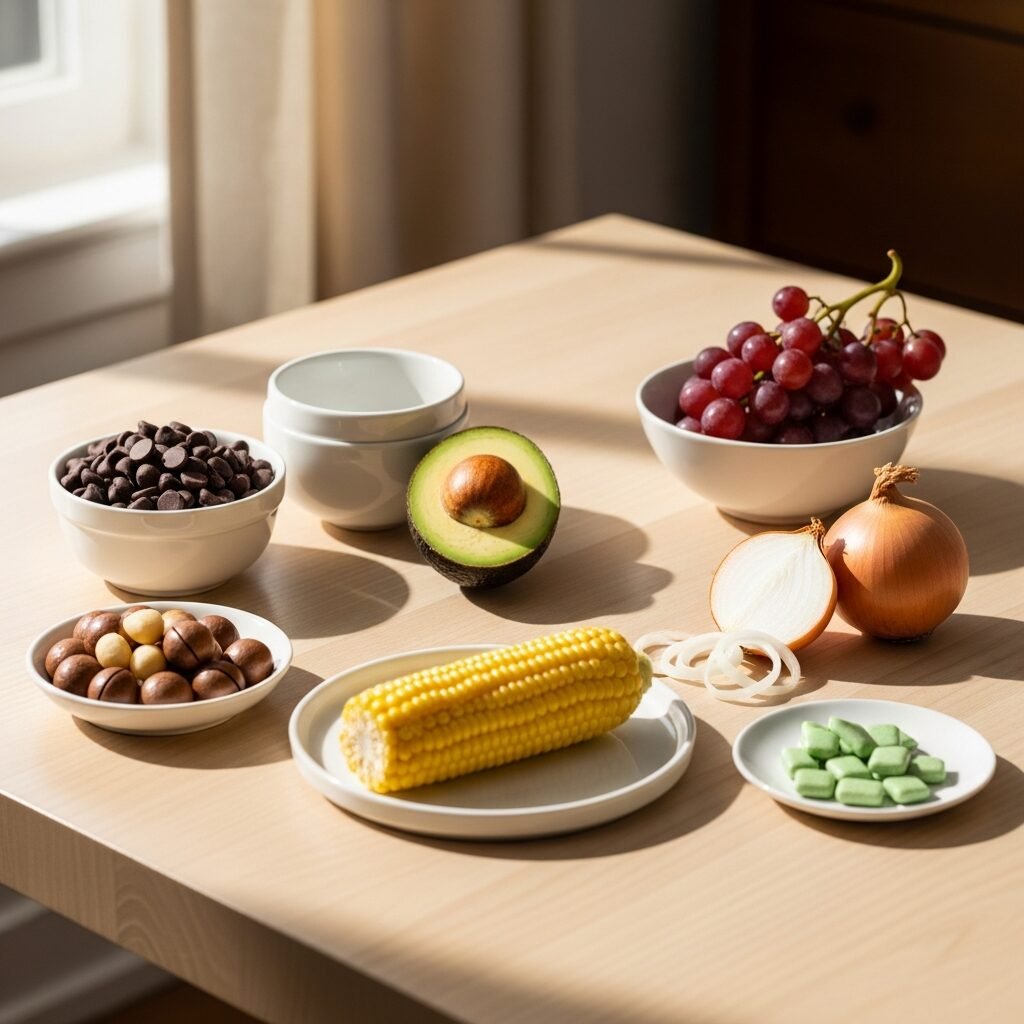
7 Foods Golden Retrievers Must Avoid
Golden Retrievers are cherished for their friendly nature and often insatiable appetites. While they might look at you with pleading eyes during mealtime, many human foods can be extremely hazardous to their health. Because Golden Retrievers are prone to certain metabolic and digestive sensitivities, owners must be particularly vigilant about what their pets consume. This guide outlines seven critical items that should never be a part of your Golden Retriever’s diet to ensure they remain healthy and vibrant for years to come.
1. Chocolate and Caffeinated Products
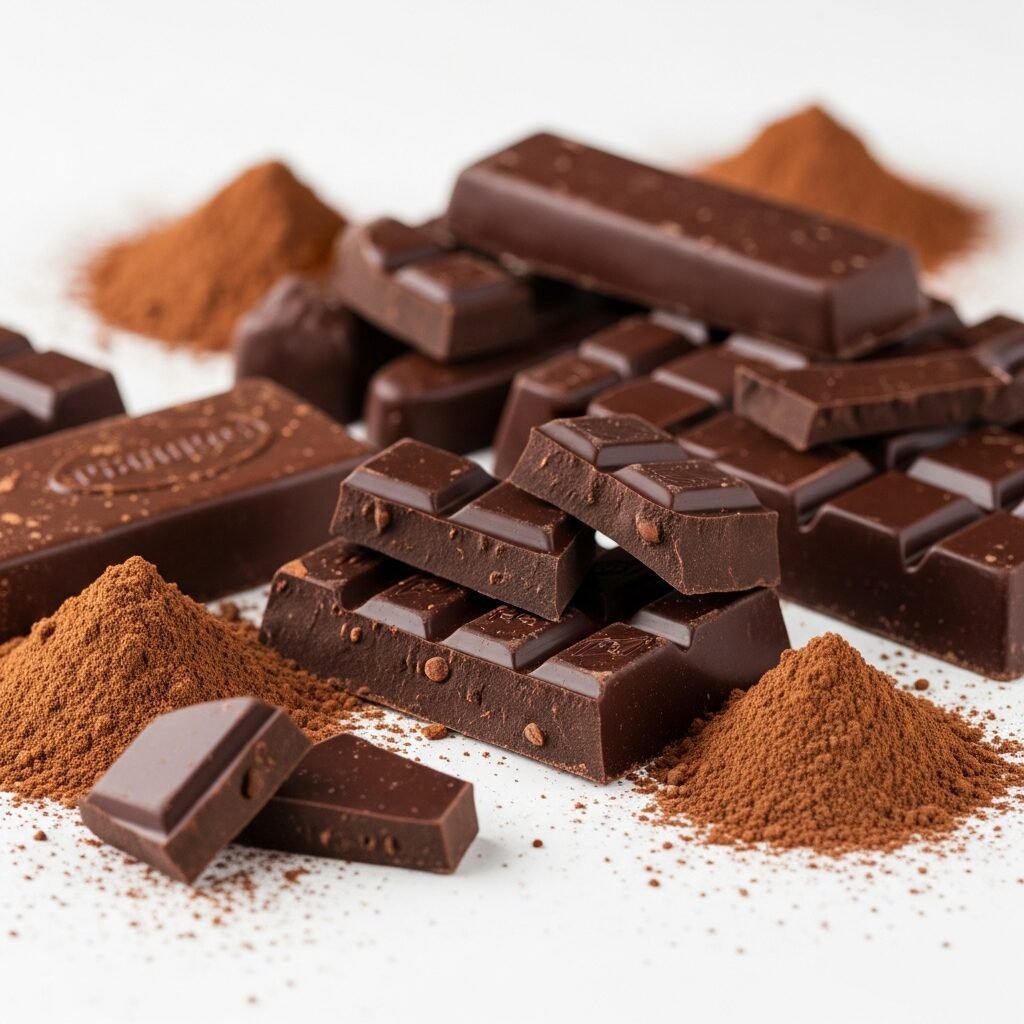
Chocolate contains theobromine and caffeine, both of which are stimulants that dogs cannot metabolize efficiently. While a small amount might cause an upset stomach, larger quantities can lead to heart palpitations, tremors, seizures, and even death. Dark chocolate and cocoa powder are the most dangerous because they contain higher concentrations of these toxic compounds. It is essential to keep all sweets, especially baking supplies, stored in high cabinets away from curious noses.
2. Grapes and Raisins
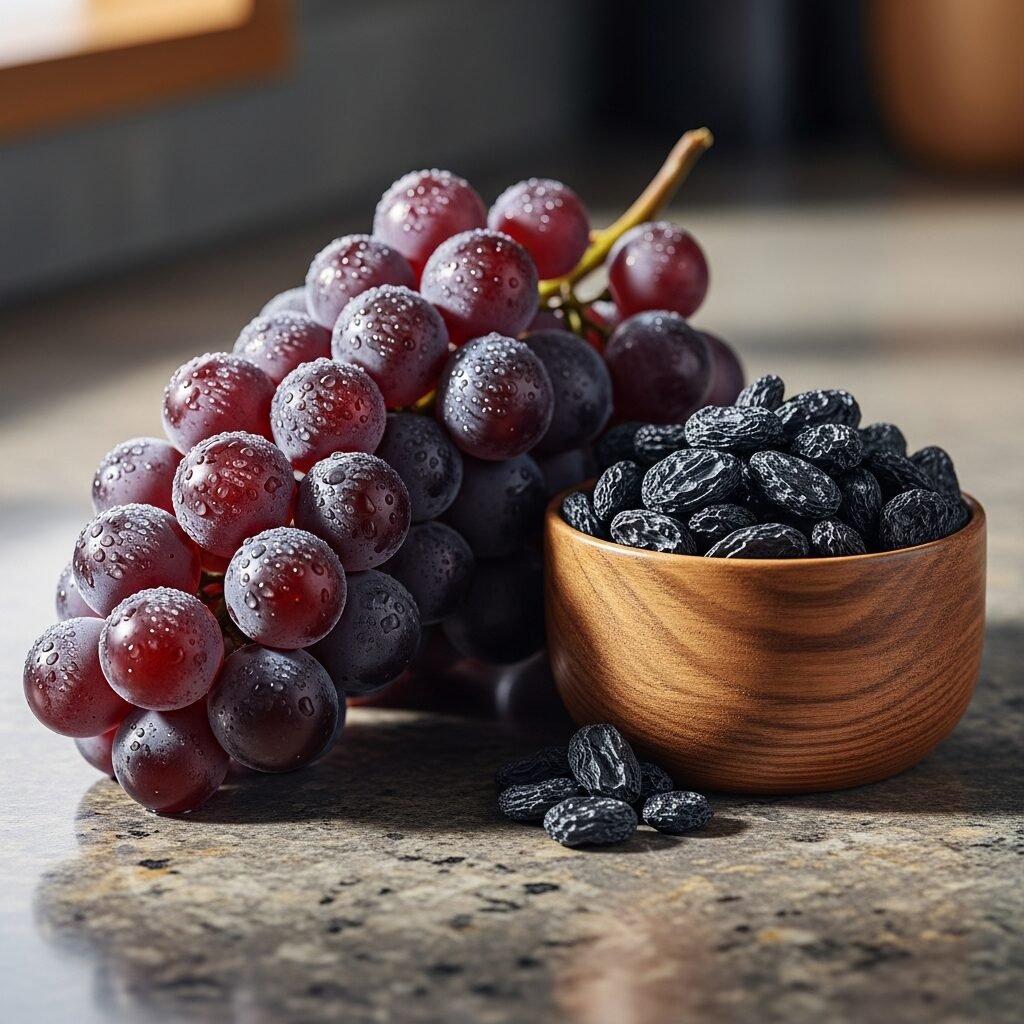
Grapes and raisins are notoriously toxic to dogs, and Golden Retrievers are no exception. Even a small quantity can lead to sudden and acute kidney failure. The exact substance causing the toxicity remains unknown, making it impossible to predict which dogs will have a severe reaction. Early symptoms include vomiting and lethargy. To be safe, ensure that these snacks are never left on low tables or in accessible lunch bags.
3. Onions, Garlic, and Chives
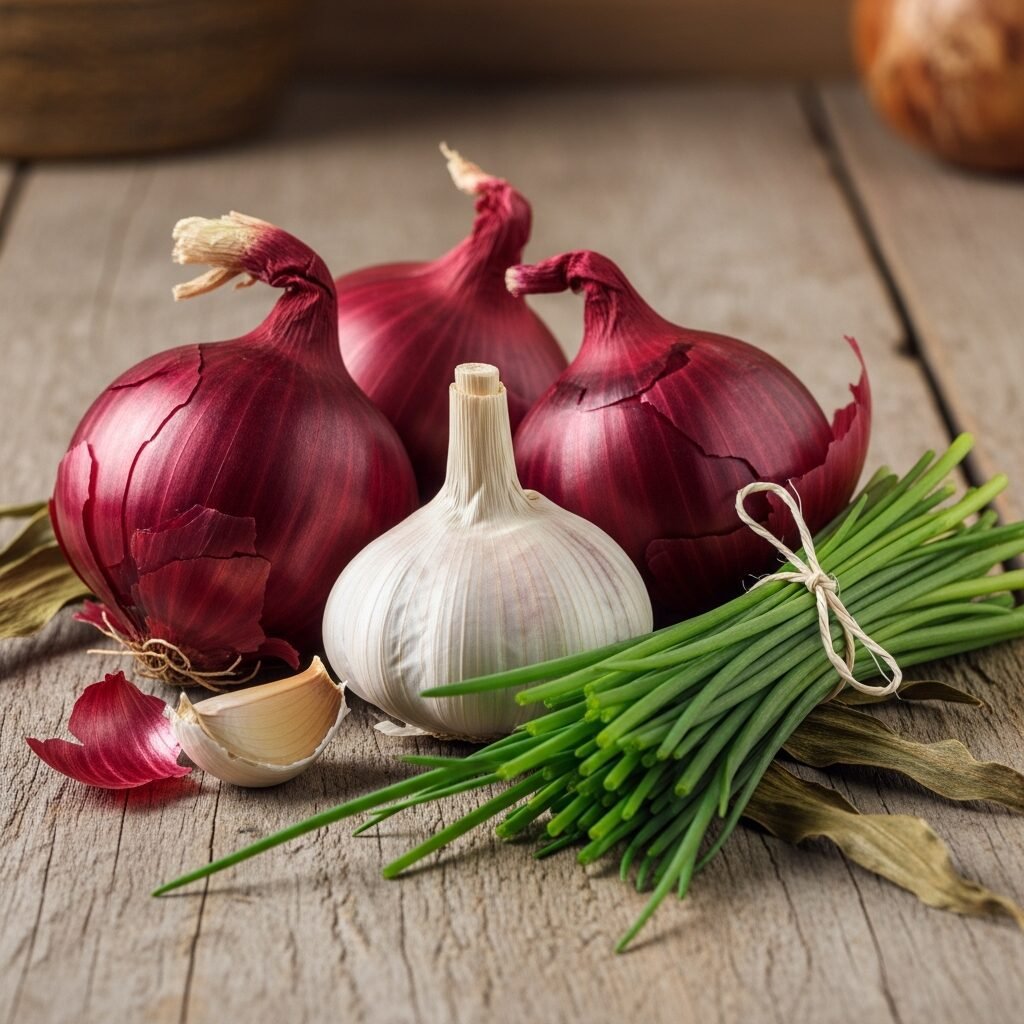
Members of the Allium family can cause oxidative damage to a dog’s red blood cells, leading to a condition called hemolytic anemia. Whether they are raw, cooked, or in powdered form, these ingredients are hazardous. While a tiny amount might not cause immediate distress, regular consumption or a large single dose can be life-threatening. Be wary of feeding table scraps that may contain these ingredients as hidden seasonings.
4. Xylitol and Artificial Sweeteners
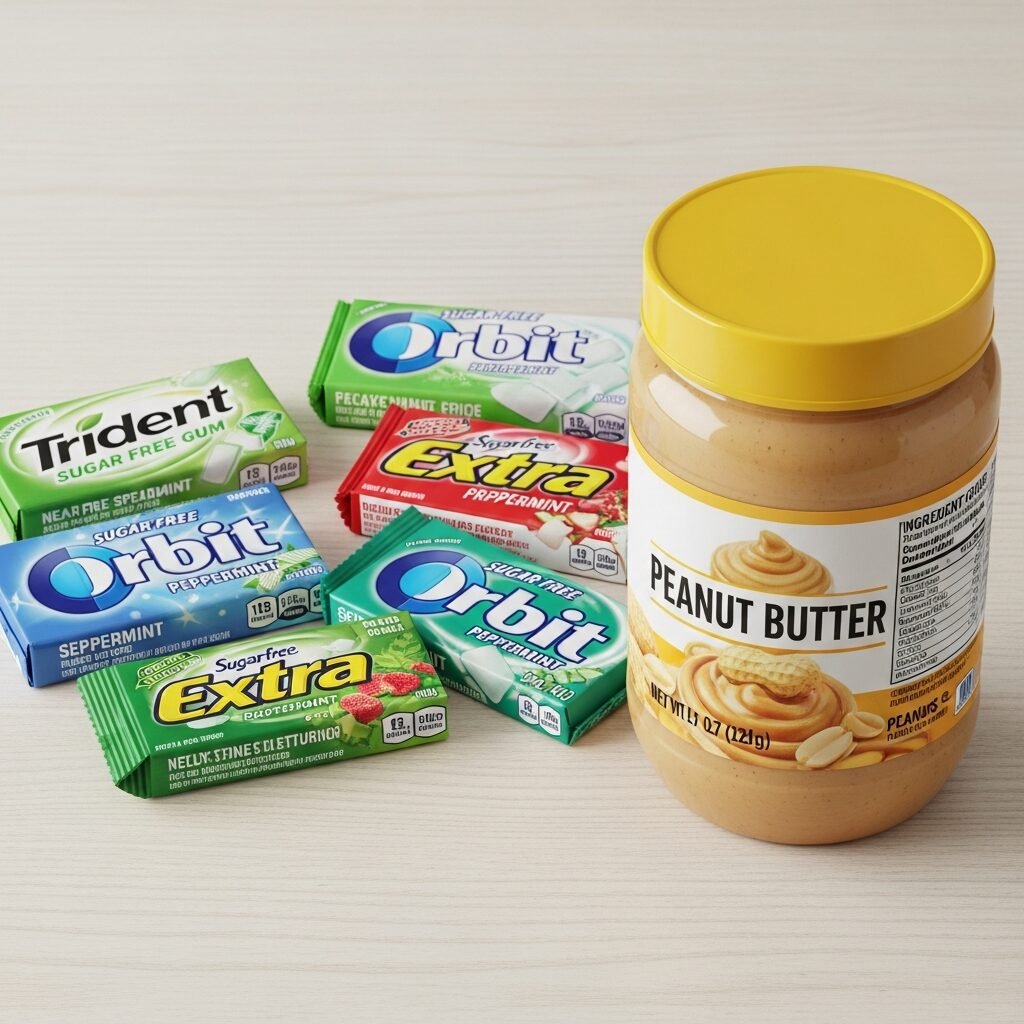
Xylitol is a sugar substitute frequently found in sugar-free gum, candies, and some brands of peanut butter. In dogs, xylitol causes a rapid and massive release of insulin, which leads to a dangerous drop in blood sugar known as hypoglycemia. This can occur within minutes of ingestion and may lead to liver failure if not treated immediately. Always check the labels of any peanut butter or snack you intend to share with your pet.
5. Macadamia Nuts
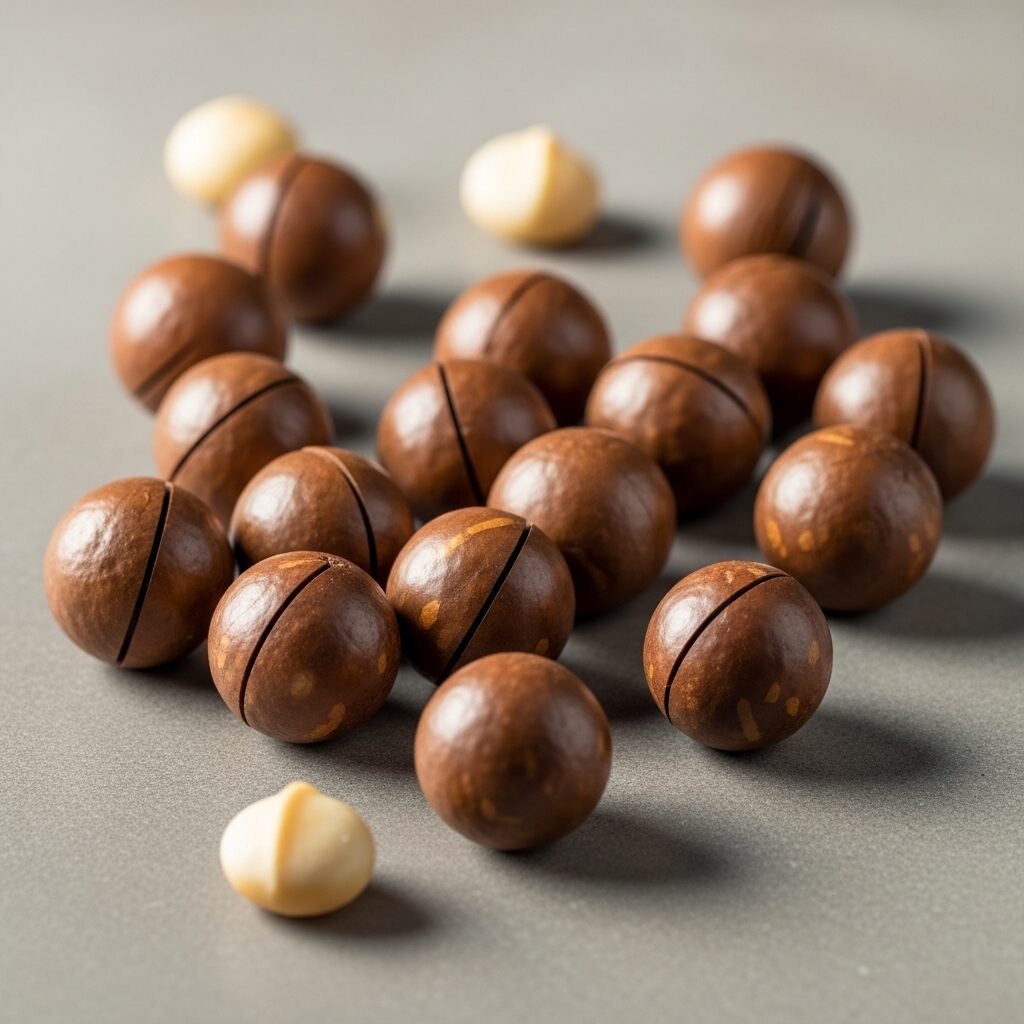
Macadamia nuts are uniquely toxic to dogs. Ingesting even a few can cause weakness in the back legs, vomiting, tremors, and hyperthermia. While the effects are usually not fatal, the physical distress caused to a Golden Retriever is significant. These symptoms typically appear within 12 hours of ingestion. Keeping trail mixes and baked goods containing these nuts out of reach is a critical safety measure.
6. Avocados and Persin
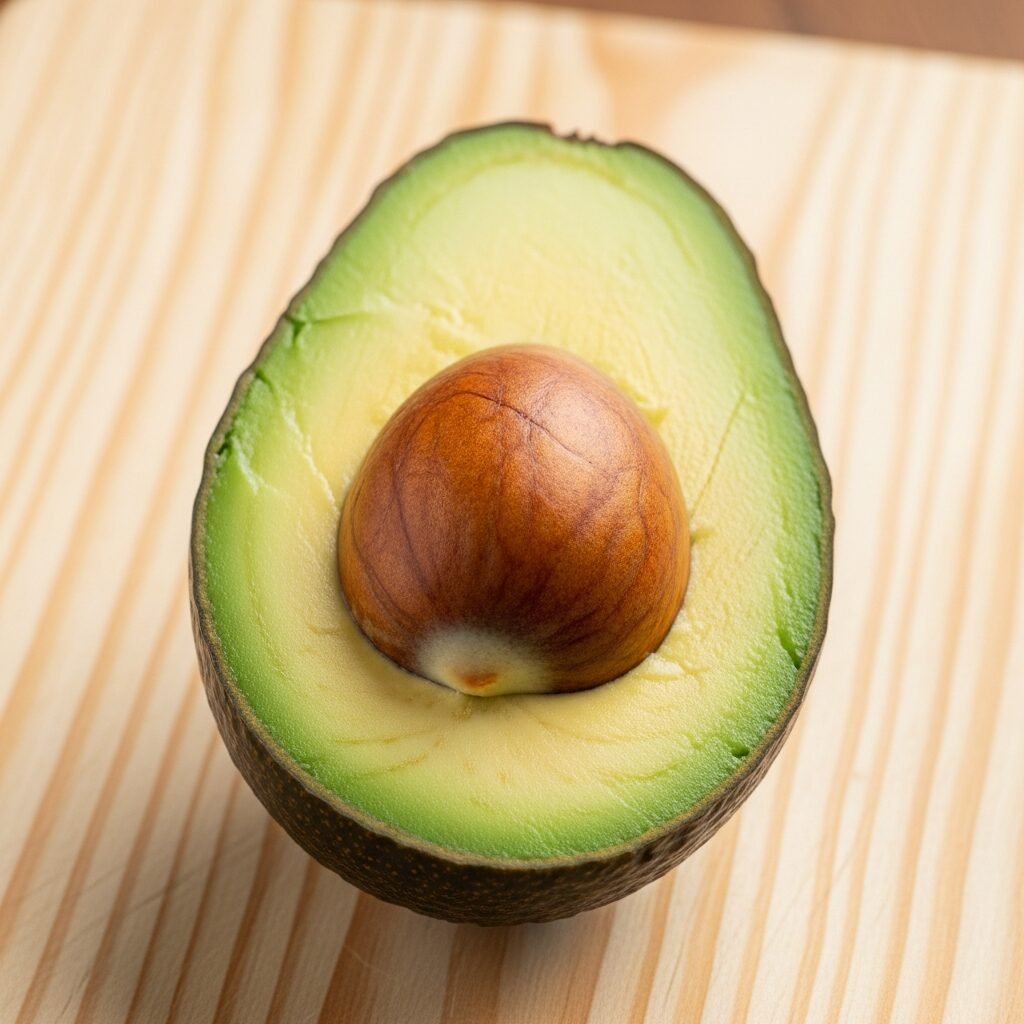
Avocados contain a substance called persin, which can cause vomiting and diarrhea in dogs. While the flesh has lower levels of persin than the leaves and bark, the primary danger for a Golden Retriever is the large pit. Given their tendency to swallow things whole, the pit poses a significant choking hazard and can cause a dangerous obstruction in the digestive tract that may require emergency surgery.
7. Cooked Bones and Fat Trimmings
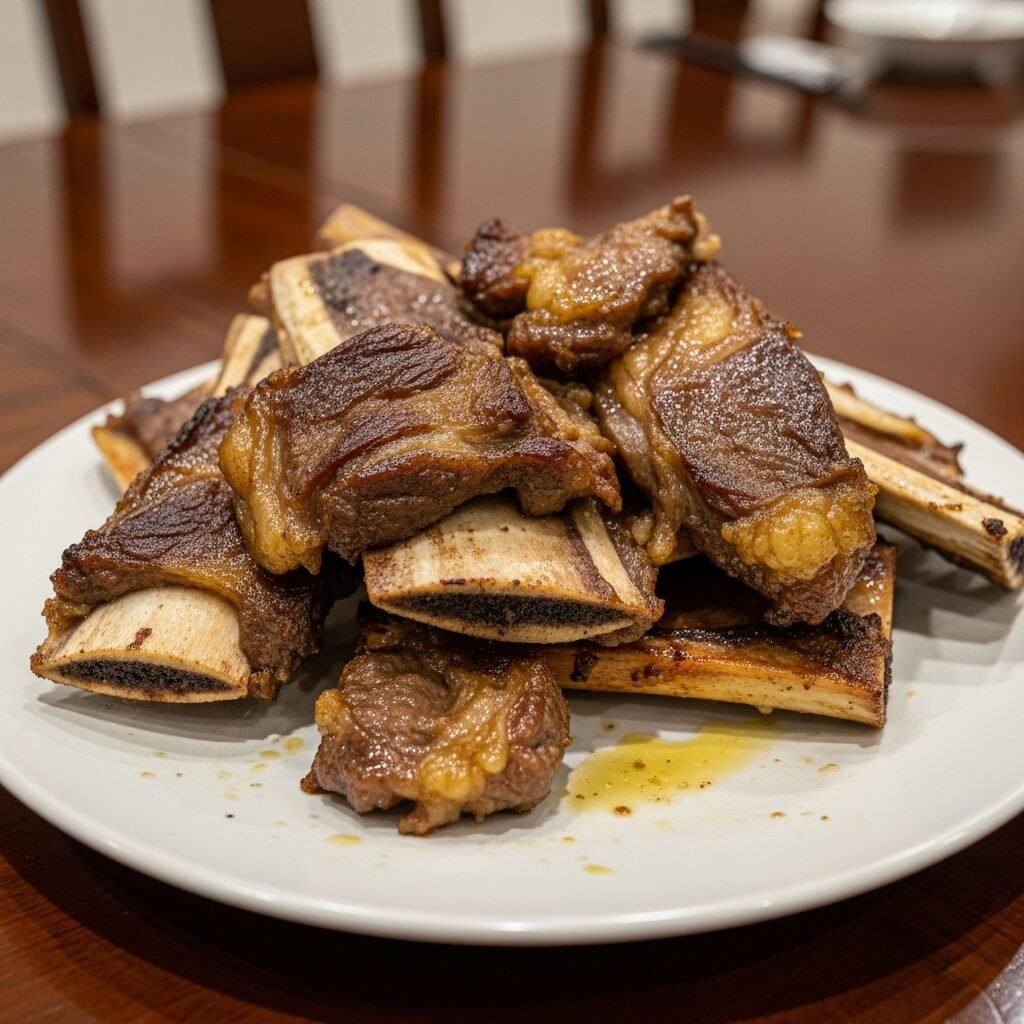
It is a common misconception that all bones are safe for dogs. While raw bones can be acceptable under supervision, cooked bones become brittle and can easily splinter. These sharp shards can puncture the mouth, throat, or intestines. Additionally, excessive fat trimmings from meat can trigger pancreatitis, a painful and serious inflammation of the pancreas. Stick to vet-approved dental chews for safer chewing alternatives.
Conclusion
Maintaining the health of a Golden Retriever requires more than just regular exercise and affection; it requires careful management of their environment and diet. By being aware of these seven dangerous foods, you can prevent accidental poisoning and ensure your companion lives a long, happy life. If you ever suspect your dog has consumed a toxic substance, contact your veterinarian or an animal poison control center immediately. Prevention is the best medicine when it comes to your pet’s nutritional safety.


