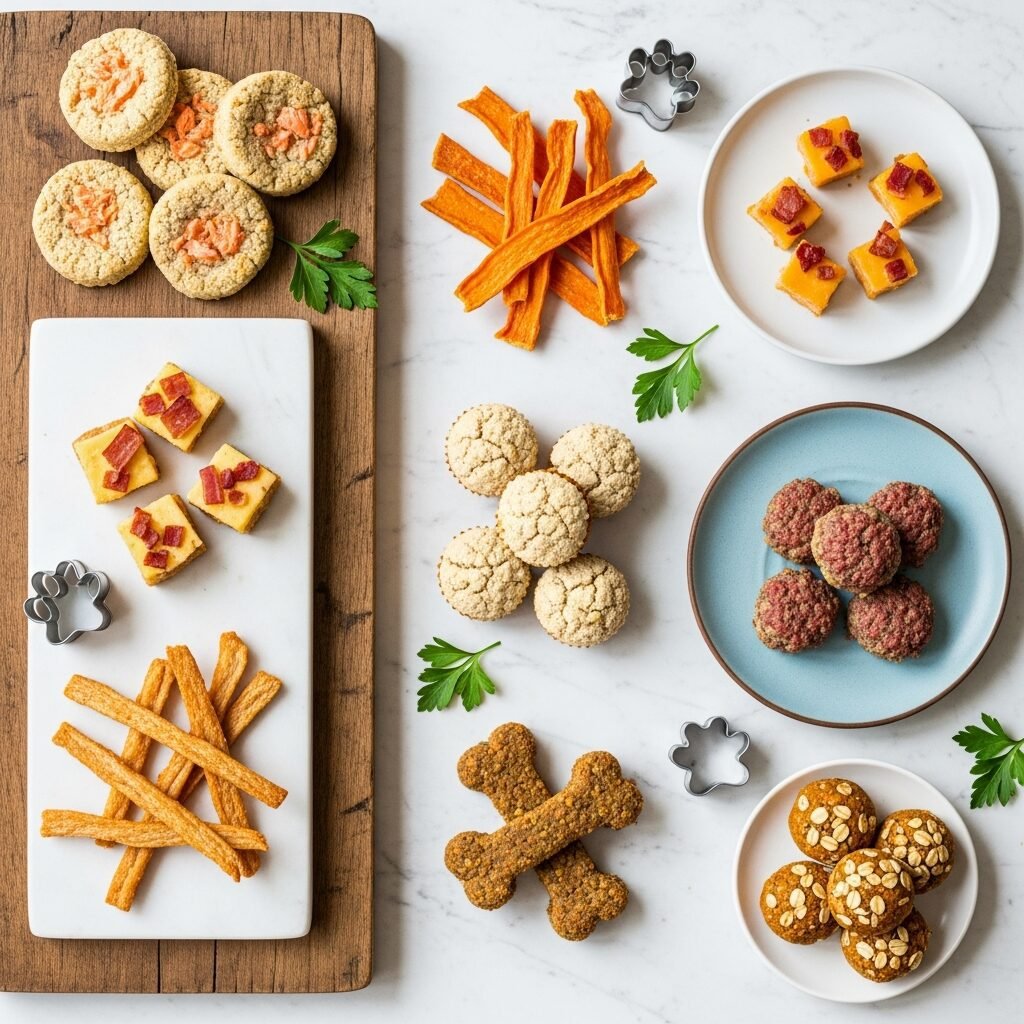
As a loving dog parent, you always want the best for your furry friend. Treats are a wonderful way to reward good behavior, aid in training, and simply show affection. But just like with humans, not all treats are created equal. Many commercial dog treats are packed with grains, sugars, and fillers that can contribute to weight gain and other health issues.

If you’re looking to support your dog’s health, manage their weight, or help with conditions like diabetes, switching to low-carb treats can make a significant difference. It’s all about giving your dog tasty rewards that are also good for them. This article will explore seven fantastic low-carb treat ideas that are both delicious and nutritious for your beloved canine companion.

Why Low-Carb Treats Matter for Your Dog

Understanding your dog’s dietary needs is a cornerstone of responsible pet parenting. While carbs provide energy, an excess of them, especially from highly processed sources, can lead to problems. Low-carb treats focus on nutrient-dense ingredients that support overall health without unnecessary sugars and starches.

Understanding Dog Nutrition

Dogs are omnivores, but their digestive systems are primarily designed to process protein and fat. While they can handle some carbohydrates, their bodies don’t require high amounts for optimal health. A balanced diet for dogs emphasizes high-quality protein, moderate fat, and appropriate fiber.

The Dangers of Too Many Carbs

Feeding too many carb-heavy treats can have several negative impacts on your dog’s health. It’s not just about the calories; it’s about how those calories affect their body.

Weight Gain

Excess carbohydrates are often stored as fat if not immediately used for energy. This can lead to unhealthy weight gain and obesity, which puts dogs at risk for joint problems, heart disease, and a shorter lifespan. Low-carb treats help keep their caloric intake more balanced.

Diabetes Management

For dogs with diabetes, monitoring carbohydrate intake is crucial. Carbs can cause spikes in blood sugar levels, making it harder to manage the condition. Low-carb treats offer a safer alternative that helps maintain stable blood glucose.

Energy Levels

While carbs offer quick energy, a diet consistently high in simple carbohydrates can lead to energy crashes. A balanced diet with appropriate protein and healthy fats provides sustained energy, keeping your dog more consistently active and vibrant throughout the day.

What Makes a Treat “Low-Carb”?

When we talk about low-carb treats for dogs, we’re generally focusing on foods that are naturally low in starches and sugars. This usually means avoiding grains like wheat, corn, and soy, as well as ingredients with added sugars. Instead, the focus shifts to protein-rich items, certain vegetables, and healthy fats.

Look for treats with a short ingredient list, featuring whole, identifiable foods. Always check the nutritional label if buying commercial treats, paying attention to the “crude fiber” and “carbohydrate” percentages. Many “grain-free” treats can still be high in carbs due to ingredients like potatoes or tapioca, so always read carefully.

Our Top 7 Low-Carb Dog Treat Ideas

Now, let’s dive into some fantastic, healthy, and low-carb options you can easily offer your dog. These ideas are simple, often budget-friendly, and most importantly, super tasty for your canine pal!

1. Cooked Lean Chicken or Turkey Breast

Chicken and turkey breast are excellent sources of lean protein, making them perfect low-carb treats. They are easily digestible and a favorite among most dogs.

Why It’s Great

* High in protein, essential for muscle health.

* Very low in fat and carbohydrates.

* Generally well-tolerated by most dogs.

How to Prepare It Safely

* Boil or bake plain, boneless, skinless chicken or turkey breast.

* Do not add any seasonings, salt, onion, garlic, or oils.

* Ensure it is thoroughly cooked to avoid bacteria.

Serving Tips

* Once cooled, cut the meat into small, pea-sized pieces.

* These are great for training sessions due to their high value and portability.

* Store cooked portions in the refrigerator for up to 3-4 days or freeze for longer storage.

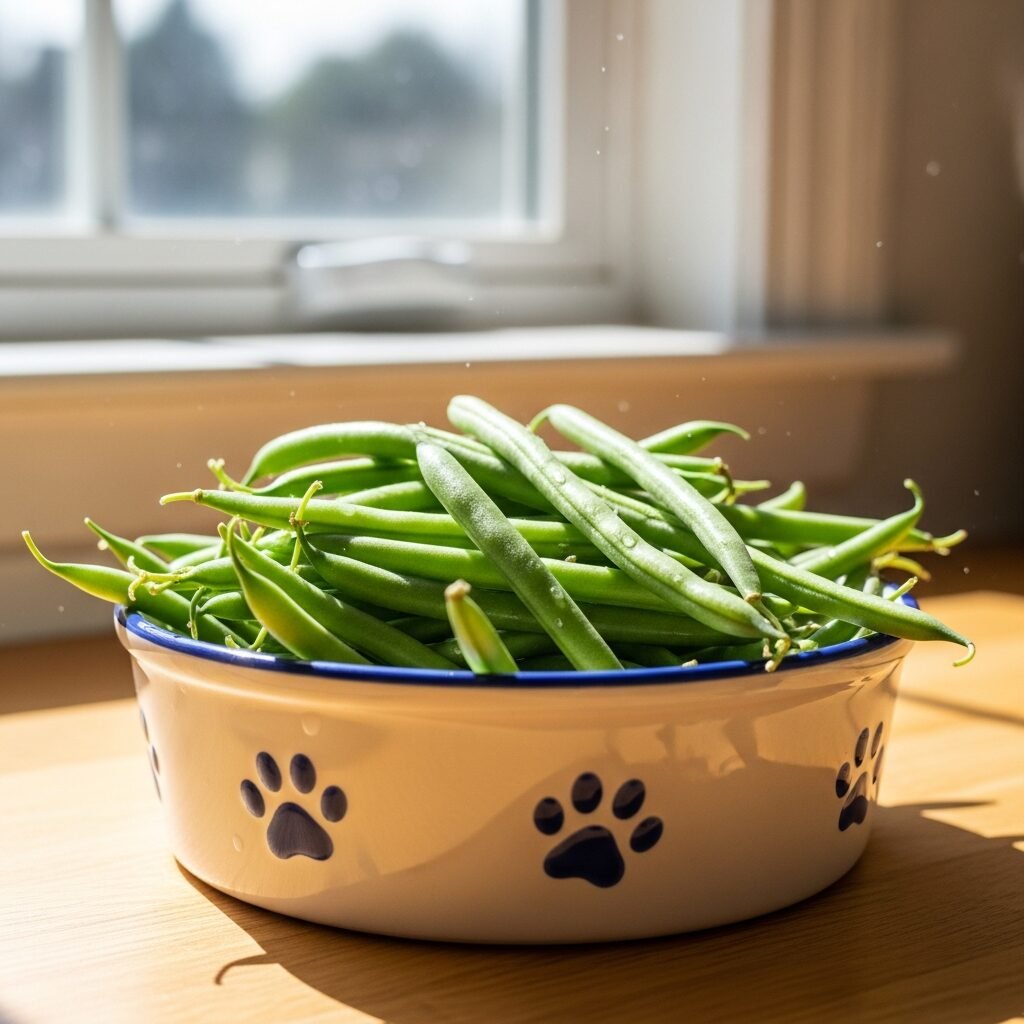
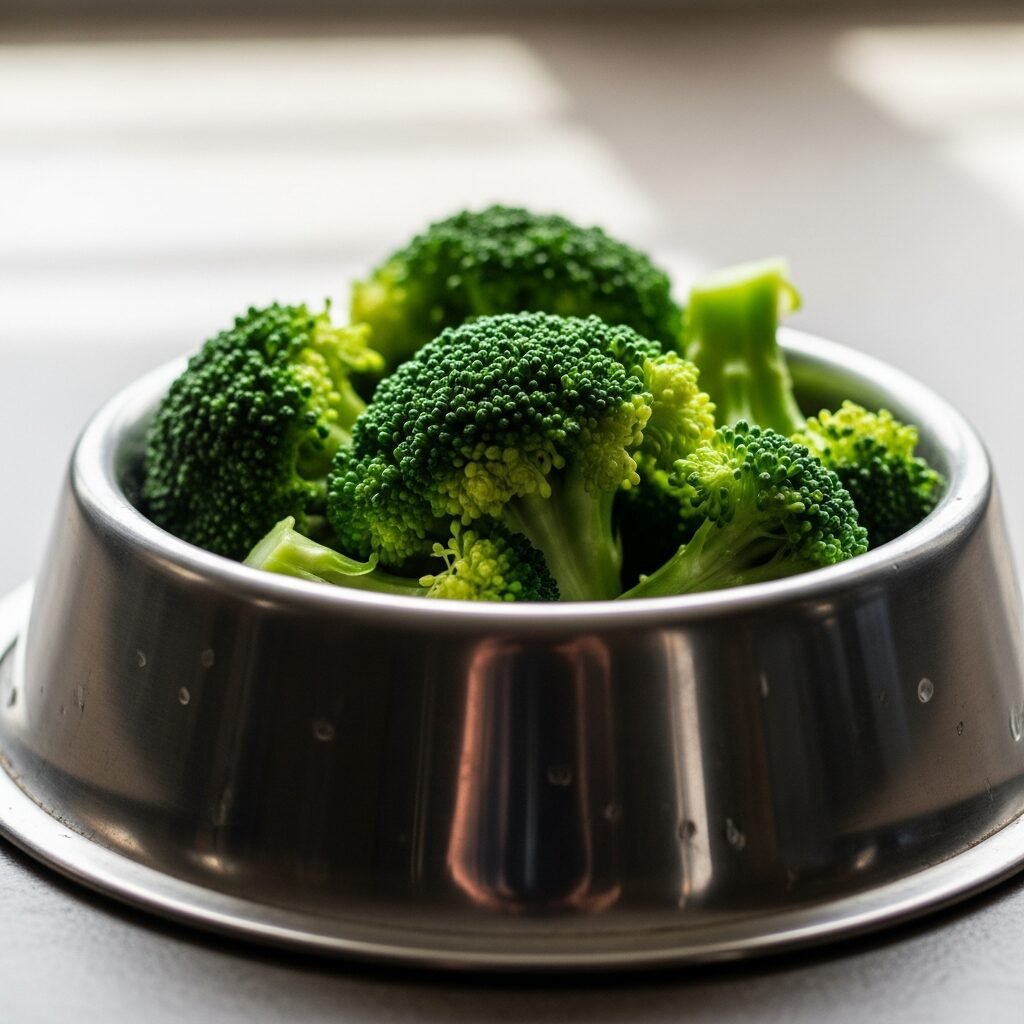
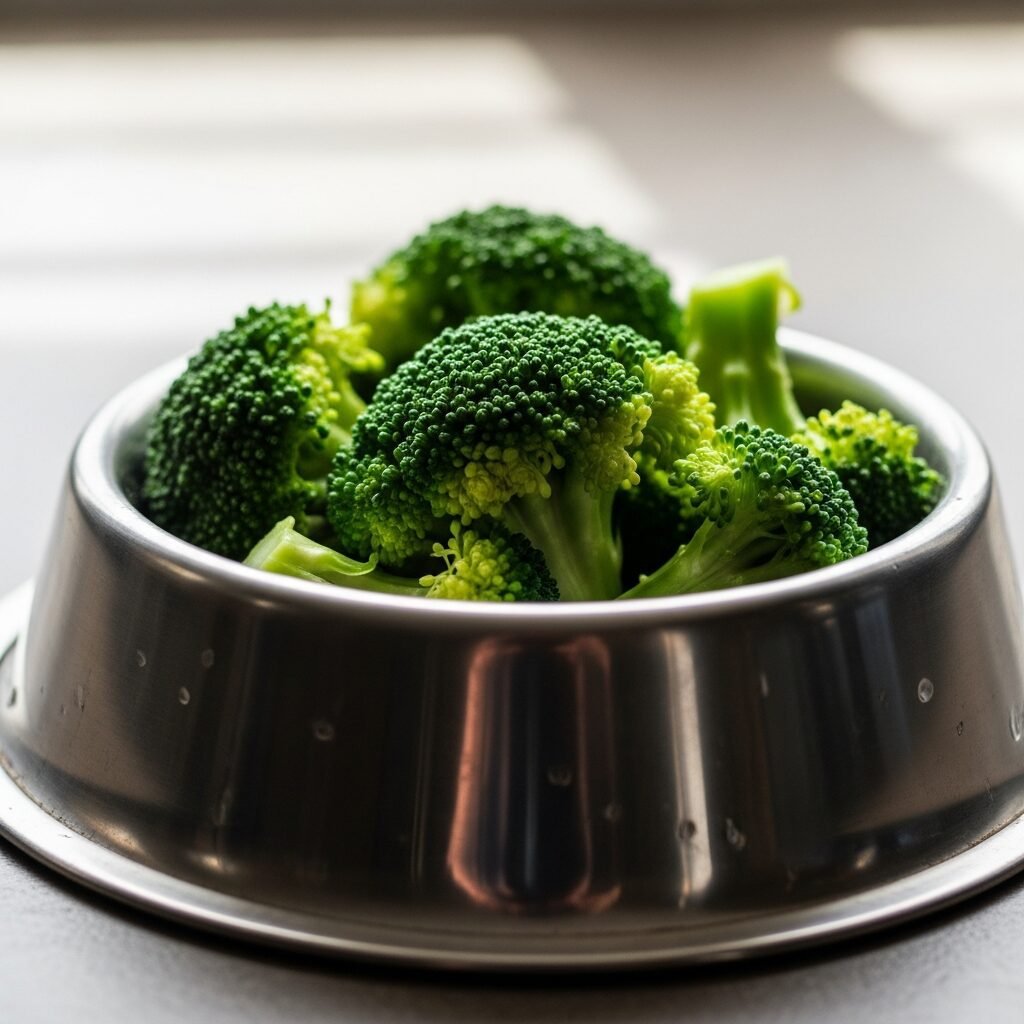
2. Green Beans & Broccoli Florets

Certain vegetables can be wonderful low-carb treats, offering vitamins, minerals, and fiber without a carb overload. Green beans and broccoli are top contenders.

Why It’s Great

* Low in calories and carbohydrates.

* High in fiber, which can aid digestion.

* Packed with vitamins (like Vitamin C and K) and minerals.

How to Prepare It Safely

* Offer fresh or plain frozen green beans (ensure no added salt or seasonings).

* For broccoli, small florets are best. You can steam them lightly or offer them raw, ensuring they are small enough to prevent choking.

Serving Tips

* Start with small amounts to ensure your dog tolerates them well.

* These can be a crunchy, satisfying snack.

* Some dogs enjoy frozen green beans as a refreshing treat on a warm day.

3. Hard-Boiled Eggs

Eggs are a complete protein source and a fantastic low-carb treat option. They are packed with essential amino acids and healthy fats.

Why It’s Great

* Excellent source of protein, vitamins (A, D, E, B vitamins), and minerals.

* Naturally low in carbohydrates.

* Can support skin and coat health.

How to Prepare It Safely

* Simply hard-boil eggs until fully cooked.

* Allow them to cool completely.

* Peel the shell before serving.

Serving Tips

* Chop the hard-boiled egg into small, bite-sized pieces for easy eating.

* Offer as a special treat or crumble a small amount over their regular food for an added boost.

* Limit to one whole egg a day for most medium to large dogs; smaller dogs need less.

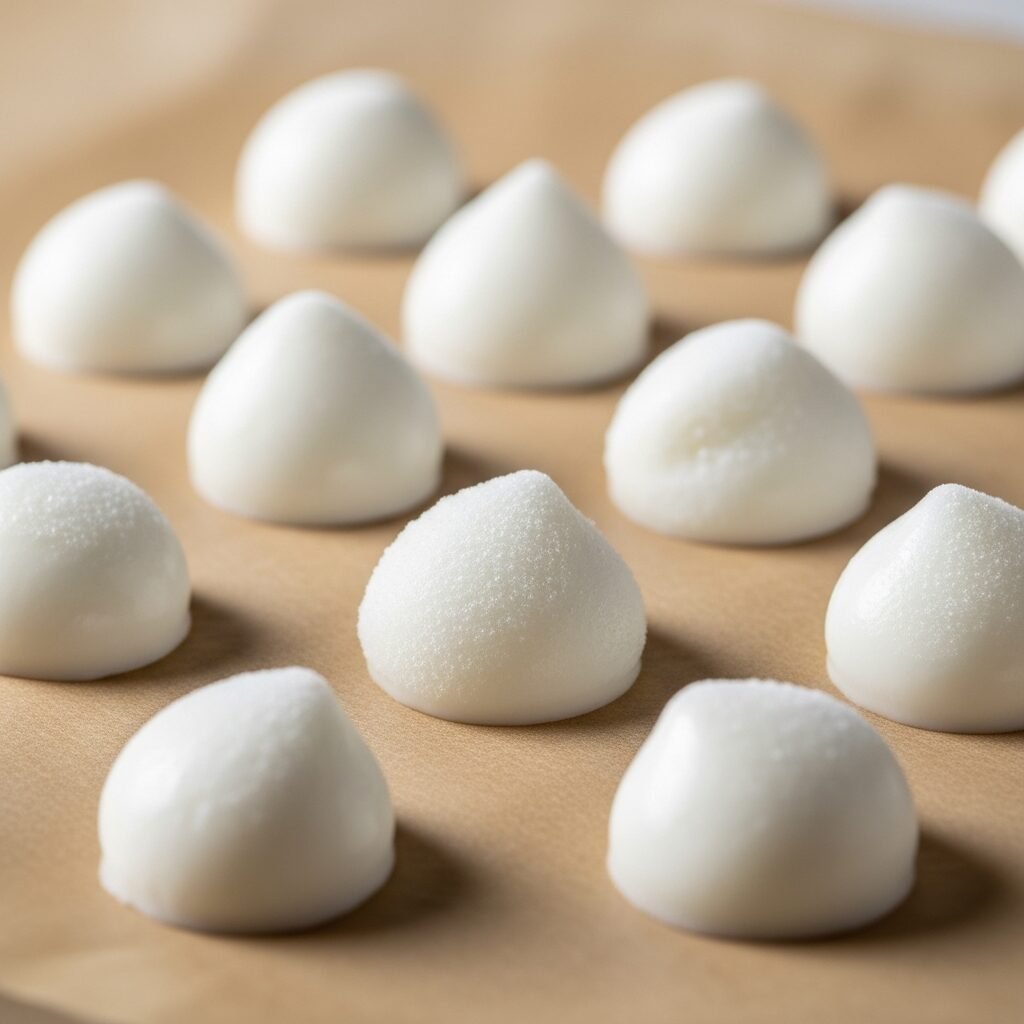
4. Plain Greek Yogurt (Unsweetened, Unflavored)

While dairy needs to be offered in moderation, plain, unsweetened Greek yogurt can be a beneficial low-carb treat due to its protein and probiotic content.

Why It’s Great

* Good source of protein and calcium.

* Contains probiotics that can support gut health.

* Low in lactose compared to regular yogurt due to the straining process.

How to Prepare It Safely

* Ensure it is plain, unsweetened, and unflavored Greek yogurt.

* Check the ingredient list carefully for xylitol (a sugar substitute toxic to dogs).

Serving Tips

* Offer a small dollop (a teaspoon for small dogs, a tablespoon for larger dogs) as an occasional treat.

* You can freeze small amounts in an ice cube tray for a refreshing, long-lasting chew.

* Observe your dog for any signs of lactose intolerance (gas, diarrhea).

5. Small Cheese Cubes

Cheese can be a high-value, low-carb treat for many dogs. However, it’s important to choose the right type and offer it in very small quantities.

Why It’s Great

* Appealing taste and aroma, making it a great training motivator.

* Good source of protein and calcium.

* Relatively low in carbohydrates (especially hard cheeses).

How to Prepare It Safely

* Opt for low-lactose, lower-fat cheeses like cheddar, mozzarella, or Swiss.

* Avoid processed cheese slices or cheeses with added flavors, onions, or garlic.

Serving Tips

* Cut cheese into tiny, pea-sized cubes.

* Use sparingly as an occasional treat, as cheese can be calorie-dense and higher in fat.

* Monitor for any digestive upset.

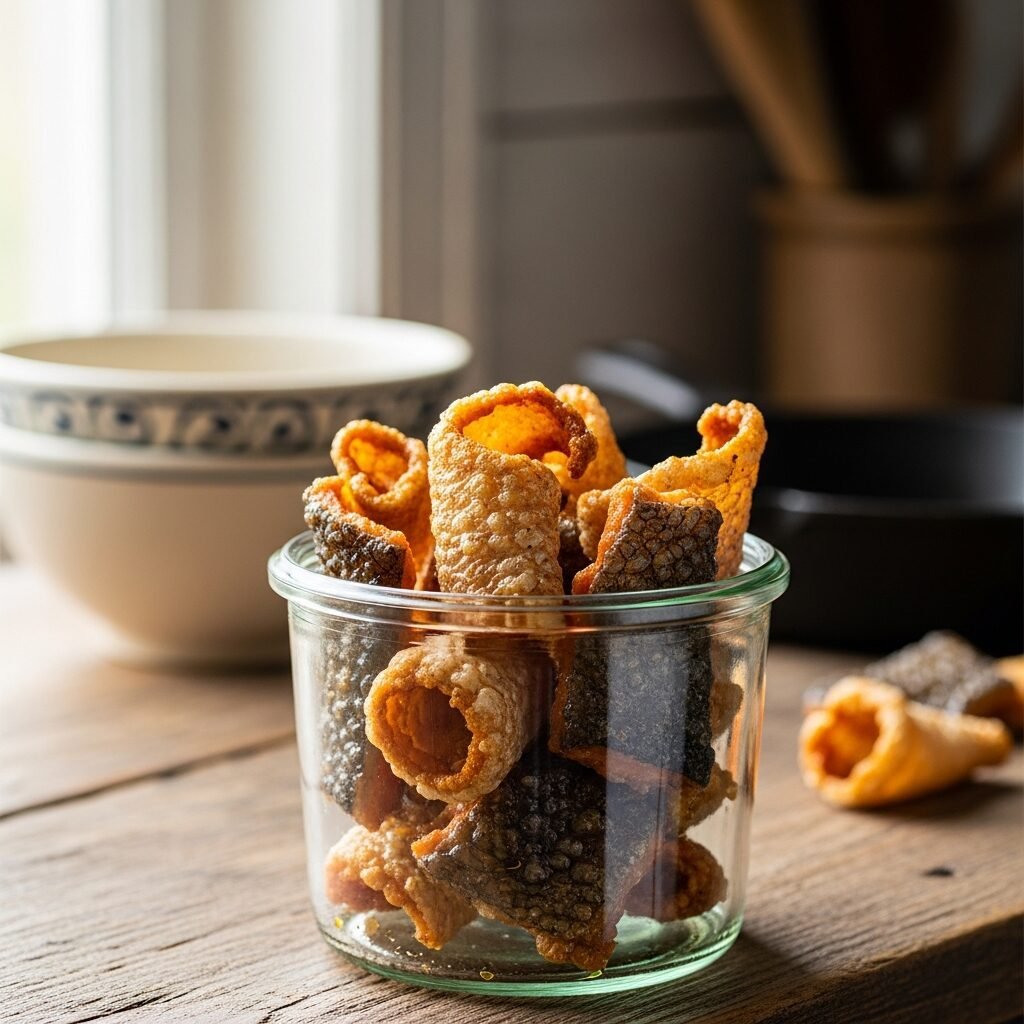
6. Cooked Salmon or Sardines

Fish can be a fantastic source of omega-3 fatty acids, which are great for your dog’s skin, coat, and joint health, and are naturally low in carbs.

Why It’s Great

* Rich in omega-3 fatty acids (EPA and DHA).

* High-quality protein source.

* Anti-inflammatory properties.

How to Prepare It Safely

* For salmon, bake or boil a plain, unseasoned fillet. Remove all bones and skin before serving.

* For sardines, choose canned sardines packed in water with no added salt. Drain them thoroughly.

Serving Tips

* Offer small, flaked pieces of cooked salmon or a few drained sardines.

* Due to their richness, these should be given as an occasional treat, not daily.

* Always ensure there are no bones, as these can be a choking hazard.

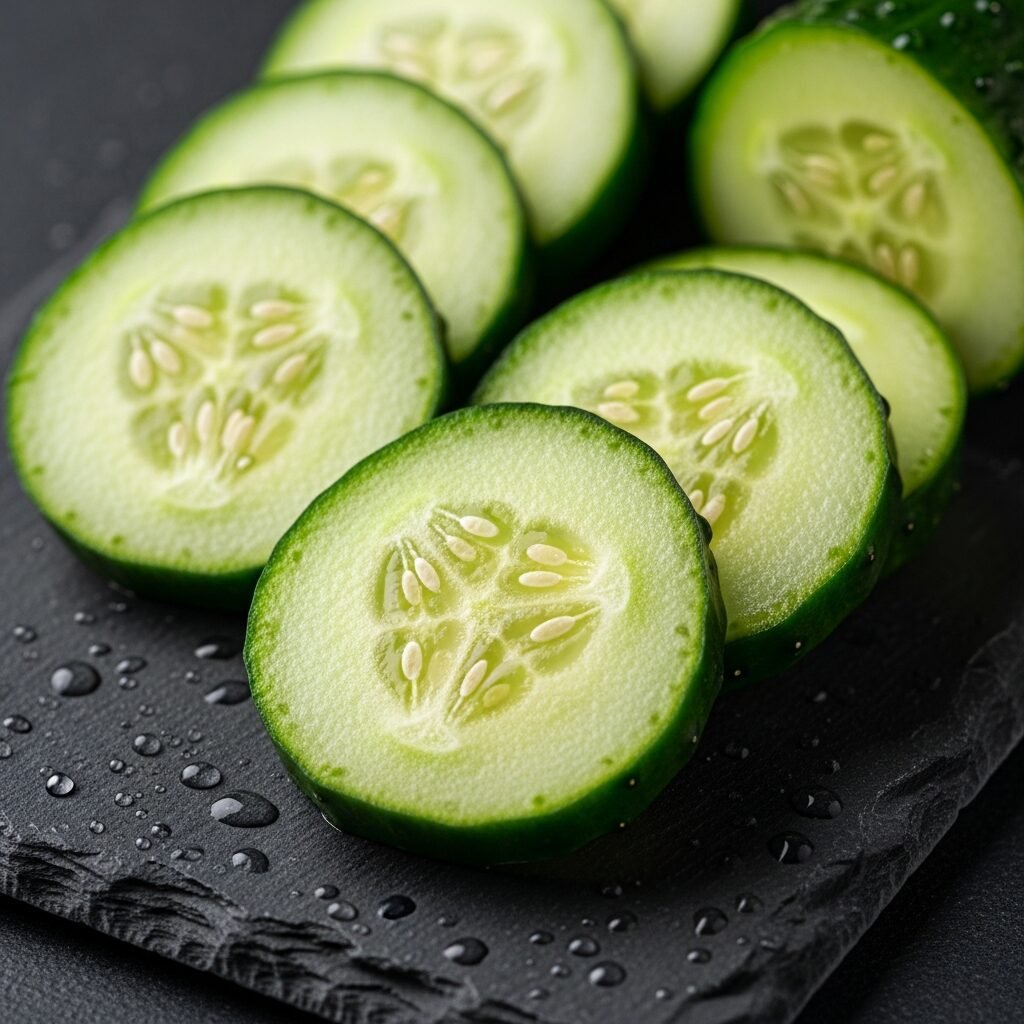
7. Cucumber Slices

Cucumber is a wonderfully hydrating and low-carb vegetable that many dogs enjoy. It’s mostly water, making it a refreshing and guilt-free snack.

Why It’s Great

* Extremely low in calories and carbohydrates.

* High water content helps with hydration.

* Good source of vitamins K and C.

How to Prepare It Safely

* Wash the cucumber thoroughly.

* Cut into thin slices or small, bite-sized pieces.

* You can peel it if your dog prefers, though the skin is generally fine.

Serving Tips

* Offer a few slices as a refreshing treat.

* Great for dogs who need to lose weight, as it provides bulk without many calories.

* Can be served fresh or slightly chilled.

Important Considerations When Giving Treats

While these low-carb treats are generally healthy, it’s vital to remember that treats should always be supplemental to your dog’s main diet. Thoughtful treat-giving ensures your dog gets the most benefit without any drawbacks.

Moderation is Key

Even healthy treats contain calories. Too many treats, regardless of their carb content, can lead to an unbalanced diet and weight gain. Treats should make up no more than 10% of your dog’s daily caloric intake.

Check for Allergies and Sensitivities

Just like humans, dogs can have allergies or sensitivities to certain foods. Introduce any new treat slowly and in small amounts. Watch for signs of digestive upset, itching, or skin irritation.

Avoid Harmful Ingredients

Always double-check that any human food you offer your dog is safe.

Never give treats containing:

* Xylitol (a sugar substitute found in many sugar-free products)

* Onions or garlic (including powder)

* Grapes or raisins

* Chocolate

* Avocado

* Macadamia nuts

* Alcohol

* Caffeine

Portion Control for Training

For training, use very small, pea-sized pieces of treats. This allows you to give multiple rewards without overfeeding and keeps your dog eager for the next tasty bite.

Introduce New Foods Slowly

When introducing a new treat, give a very small amount first. Wait 24-48 hours to observe how your dog reacts before offering more. This helps their digestive system adjust and allows you to pinpoint any sensitivities.

Related Posts

Leave a Reply

Your email address will not be published. Required fields are marked *