French Bulldogs, with their charming personalities and endearing snorts, hold a special place in our hearts. As doting Frenchie parents, we want nothing more than to see our furry companions happy and healthy. A big part of keeping them well is making smart choices about what they eat.

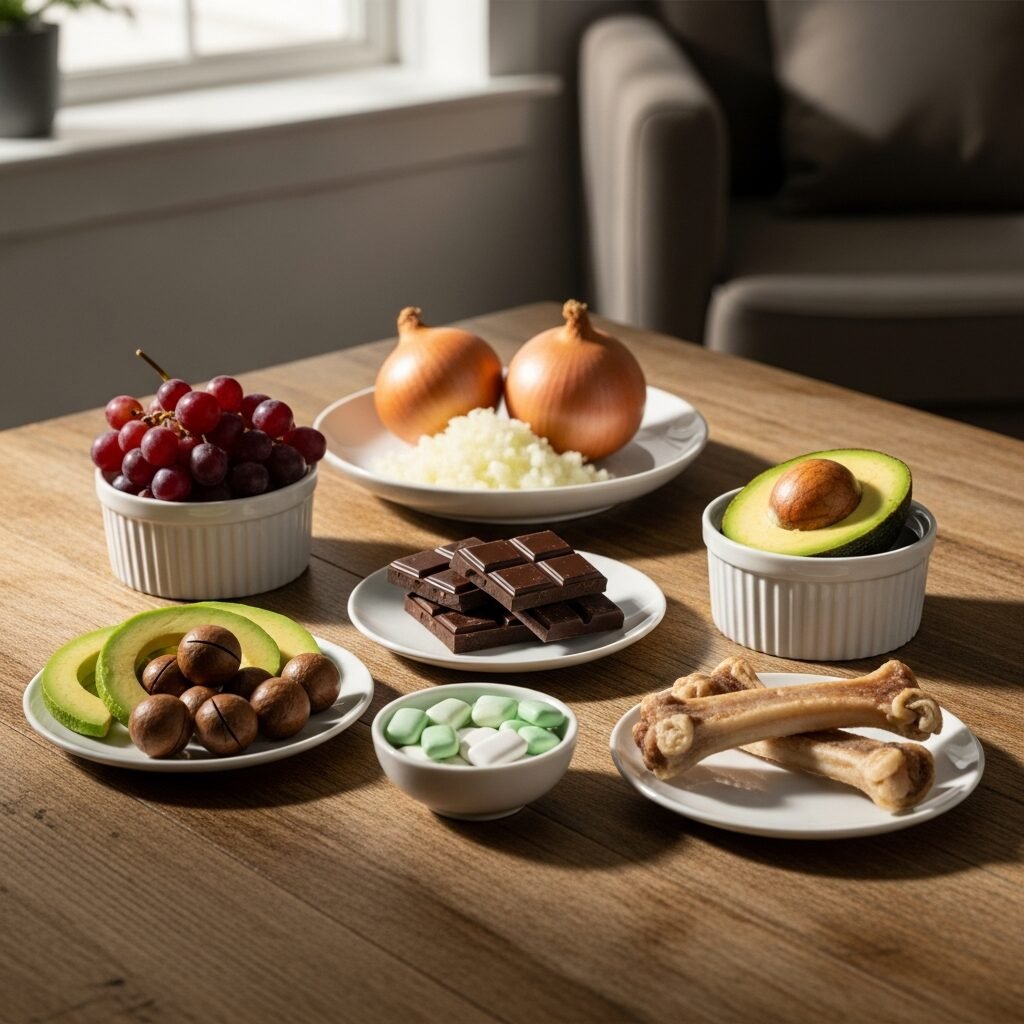
These adorable pups have unique health considerations, including sensitive stomachs and brachycephalic (flat-faced) characteristics, which means certain foods can pose a greater risk to them than to other breeds. Understanding which everyday human foods are dangerous is absolutely crucial for their well-being. This guide will walk you through seven specific foods that you should always keep away from your beloved French Bulldog, along with important tips for keeping them safe.

Why French Bulldogs Have Special Dietary Needs

French Bulldogs are a wonderful breed, but they do come with a few quirks that affect their diet. Their compact size means their bodies process things differently than larger dogs. Plus, their distinctive flat faces can sometimes lead to breathing issues, making it harder for them to cope if they experience digestive upset.

Many Frenchies also have sensitive stomachs and are prone to allergies. What might be a minor inconvenience for another dog could be a more serious problem for a Frenchie. Because of this, what goes into their bowl, or accidentally into their mouth, really matters.

The 7 Foods Your French Bulldog Should NEVER Eat

Let’s dive into the most important foods to steer clear of. Keeping these items out of reach is one of the best ways to protect your French Bulldog.

1. Chocolate

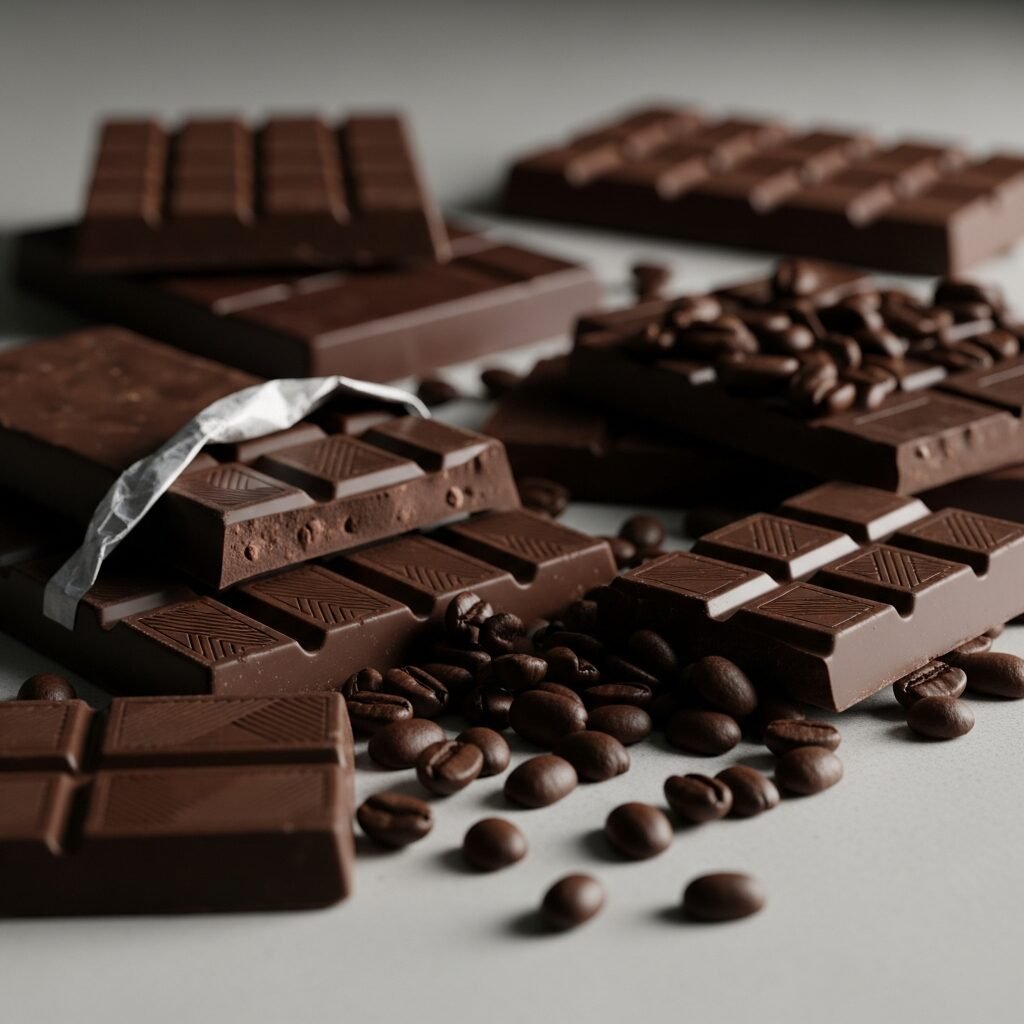
Chocolate is perhaps the most well-known dangerous food for dogs, and French Bulldogs are no exception. It contains a stimulant called theobromine, which dogs process much slower than humans. This chemical builds up in their system and becomes toxic.

Why it’s dangerous

Theobromine poisoning can be very serious. The darker the chocolate, the higher the concentration of theobromine, making it more dangerous. Baking chocolate and dark chocolate are the biggest culprits, but even milk chocolate can be harmful in larger quantities.

Symptoms of poisoning

Signs of chocolate poisoning include vomiting, diarrhea, increased thirst, restlessness, and hyperactivity. In more severe cases, you might notice tremors, seizures, an elevated heart rate, and even heart failure.

What to do if they eat it

If you suspect your Frenchie has eaten chocolate, contact your veterinarian immediately. They will advise you on the best course of action, which may include bringing your dog in for induced vomiting or other treatments. Time is often of the essence.

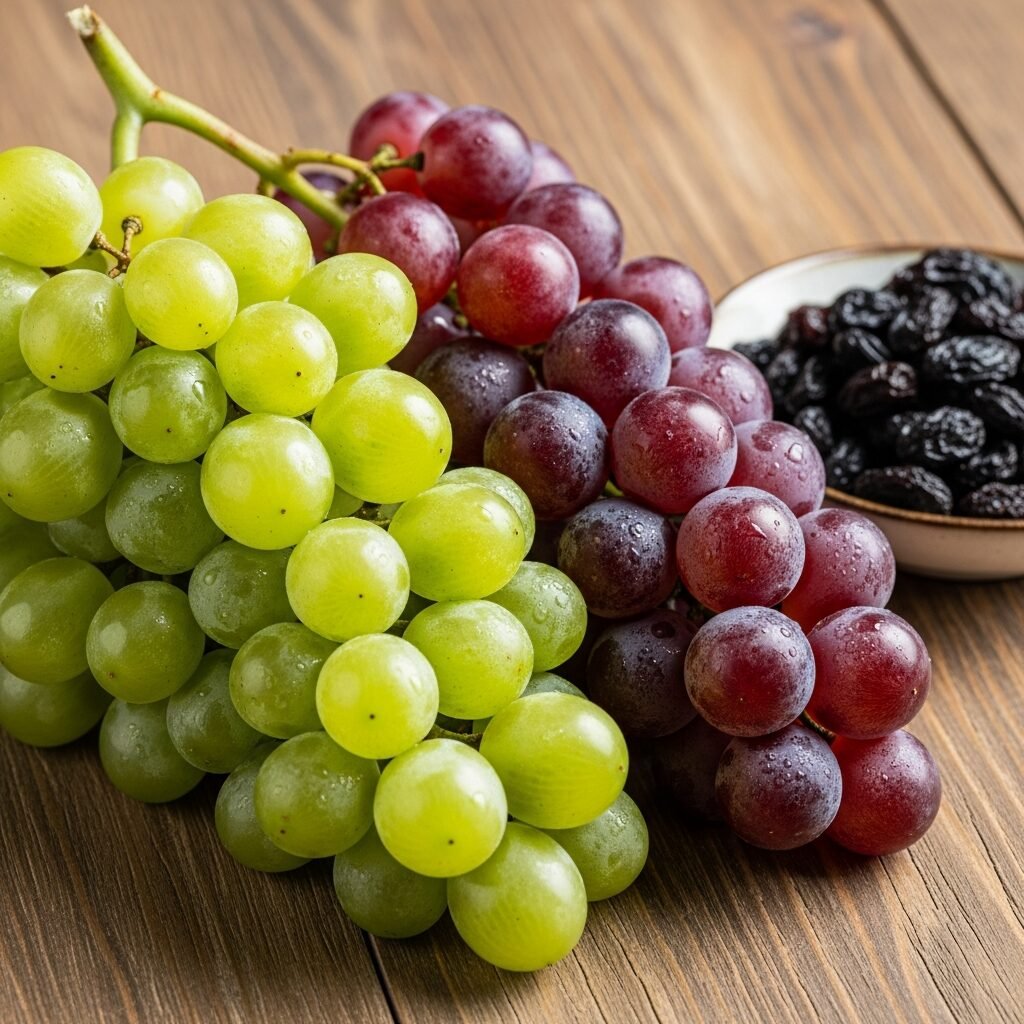
2. Grapes and Raisins

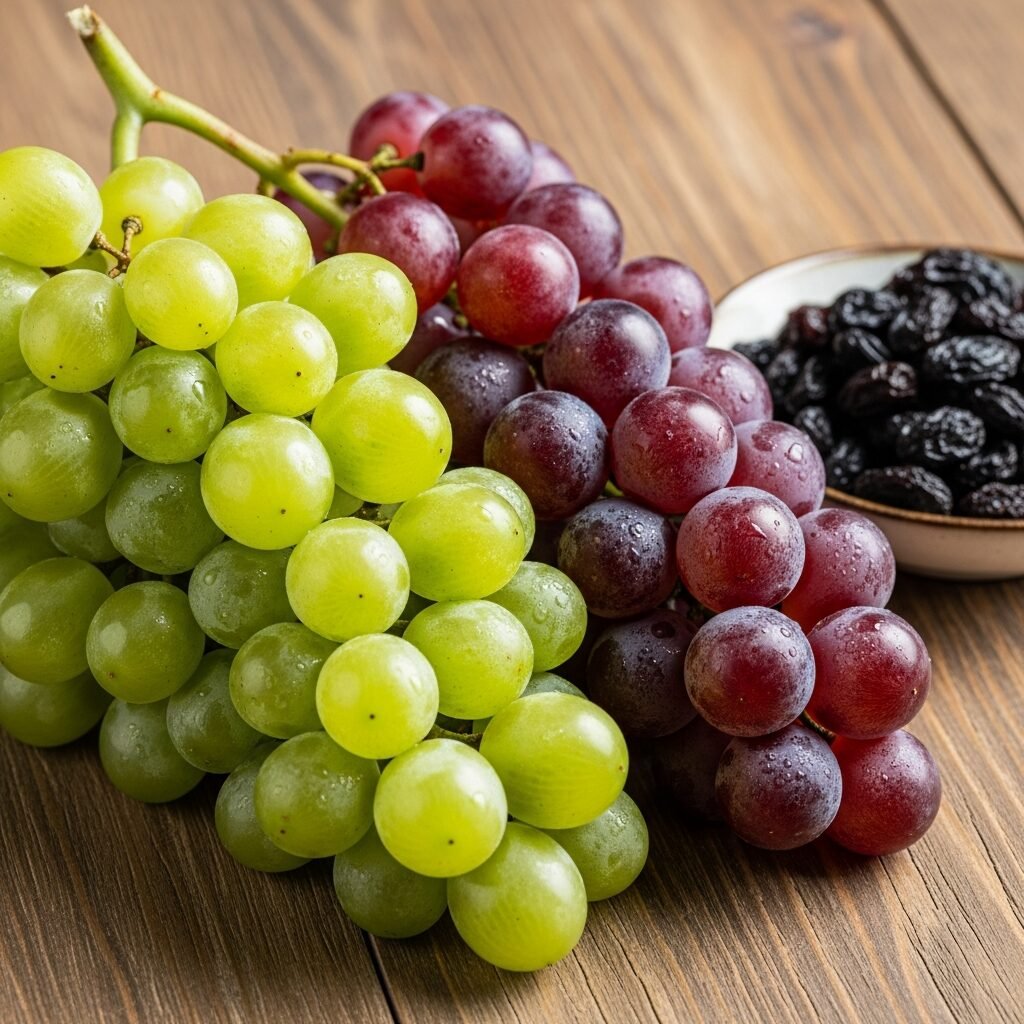
While they might seem like a harmless, healthy snack for humans, grapes and raisins are highly toxic to dogs, including French Bulldogs. The exact substance in these fruits that causes toxicity is still unknown, but their effects can be devastating.

Why it’s dangerous

Ingesting even a small amount of grapes or raisins can lead to acute kidney failure in dogs. This means their kidneys stop working properly, which is a life-threatening condition.

Symptoms of poisoning

Symptoms often begin with vomiting, lethargy, and a loss of appetite within a few hours. Other signs can include abdominal pain, dehydration, and increased thirst and urination (early stages), followed by decreased urination or no urination at all as kidney failure progresses.

What to do if they eat it

This is an emergency. Call your vet or an emergency veterinary clinic right away. Do not wait for symptoms to appear. Early intervention is critical to try and prevent kidney damage.

3. Onions, Garlic, Chives, and Leeks (Alliums)

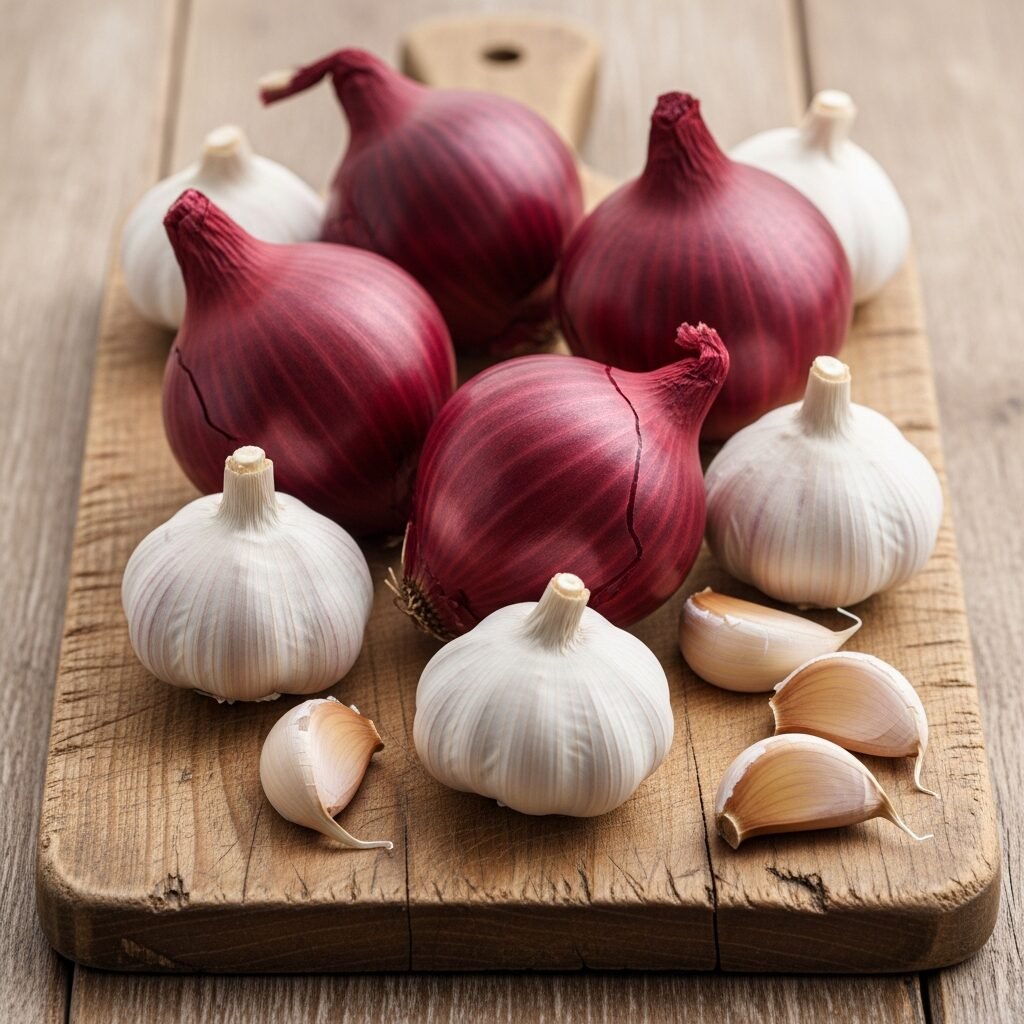
These common kitchen ingredients are part of the allium family and are highly poisonous to dogs. They contain compounds that can damage a dog’s red blood cells, leading to a condition called hemolytic anemia.

Why it’s dangerous

Whether raw, cooked, powdered, or dehydrated, all forms of these vegetables can be toxic. Garlic is generally considered to be five times more potent than onions. They affect the oxygen-carrying capacity of the blood, making your dog weak and ill.

Symptoms of poisoning

Symptoms might not appear immediately and can sometimes take a few days to show up. Look for signs like weakness, lethargy, pale gums, rapid breathing, vomiting, diarrhea, and dark, reddish-brown urine.

What to do if they eat it

If your Frenchie has consumed any amount of these foods, contact your vet for advice. They can help determine the level of toxicity and what steps need to be taken.

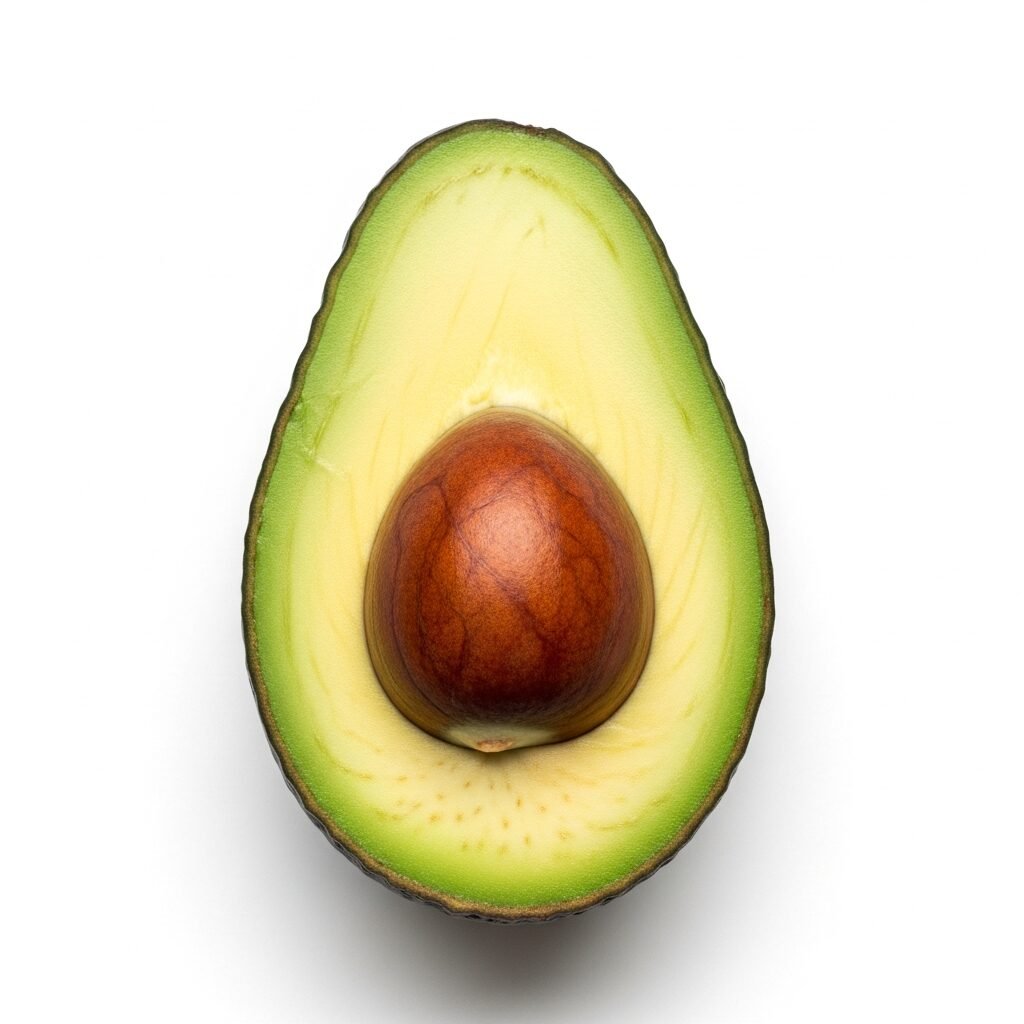
4. Avocado

Avocado contains a substance called persin, which is present in the fruit, pit, leaves, and bark of the avocado tree. While not all dog breeds are highly sensitive to persin, it can cause gastrointestinal upset in some dogs. The bigger concern for French Bulldogs is often the large pit.

Why it’s dangerous

Though dogs are generally more resistant to persin than other animals, it can still cause vomiting and diarrhea. The most significant danger, however, is the avocado pit. It’s a serious choking hazard and can cause an obstruction in your Frenchie’s digestive tract, which is a medical emergency.

Symptoms of adverse reaction

If your Frenchie eats the flesh, they might experience mild stomach upset, vomiting, or diarrhea. If they swallow the pit, they might show signs of choking, gagging, vomiting, lethargy, or abdominal pain if it causes a blockage.

What to do if they eat it

If your Frenchie eats a small amount of avocado flesh, monitor them for any digestive upset and contact your vet if symptoms appear. If they swallow the pit, seek emergency veterinary care immediately.

5. Xylitol (Artificial Sweetener)

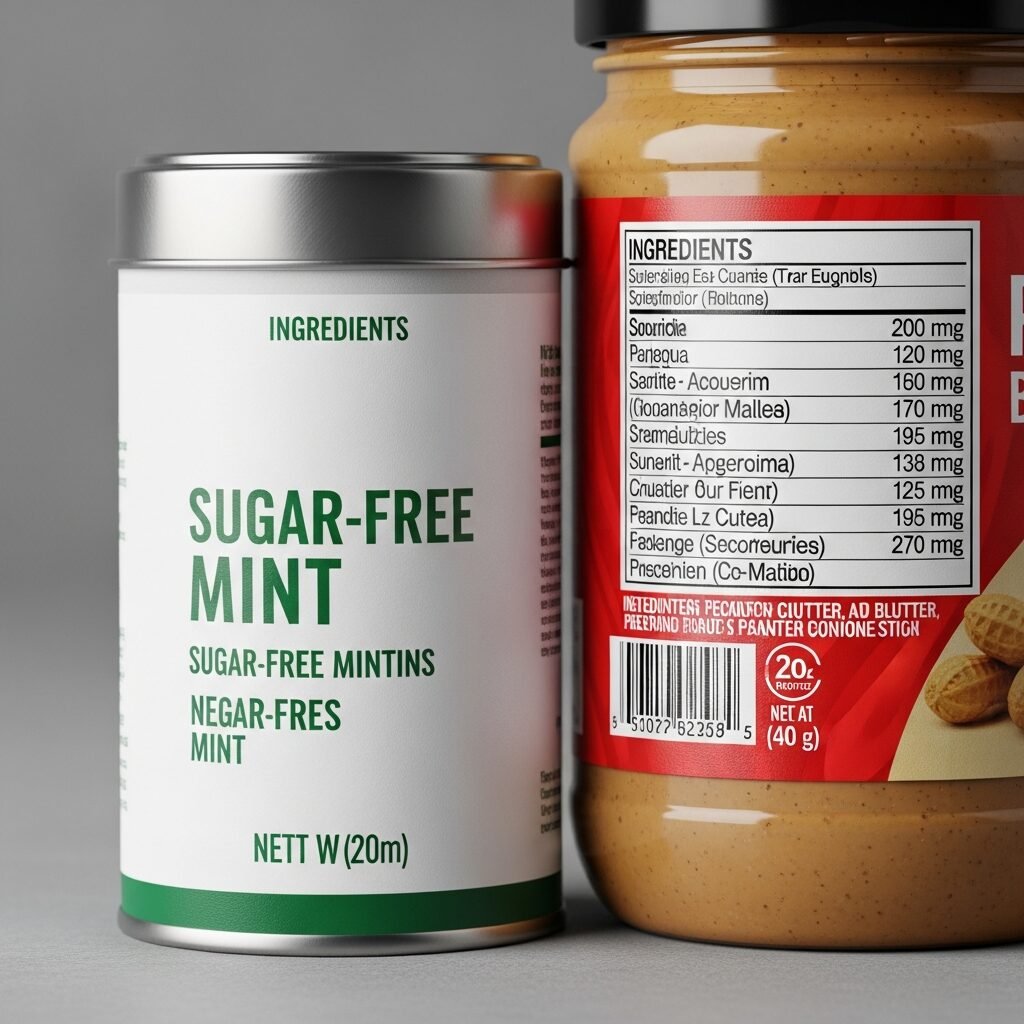
Xylitol is an artificial sweetener found in many sugar-free products and is extremely toxic to dogs. It causes a rapid release of insulin from the pancreas, leading to a sudden and dangerous drop in blood sugar levels.

Why it’s dangerous

This artificial sweetener is incredibly potent. Even small amounts can lead to life-threatening hypoglycemia (low blood sugar) and can cause liver failure. Products commonly containing xylitol include sugar-free gum, candy, mints, some peanut butters, toothpaste, baked goods, and even some medications.

Symptoms of poisoning

Symptoms can appear rapidly, often within 15-30 minutes of ingestion. They include vomiting, weakness, lethargy, disorientation, staggering, collapse, and seizures. If left untreated, it can quickly progress to liver failure.

What to do if they eat it

Xylitol ingestion is a severe emergency. Contact your vet or an emergency animal hospital immediately. This is one situation where every second counts to prevent serious health consequences.

6. Alcohol

It might seem obvious, but any product containing alcohol is extremely dangerous for dogs. Dogs are much more susceptible to the effects of ethanol than humans, and even a small amount can cause significant problems.

Why it’s dangerous

Alcohol depresses the central nervous system, leading to coordination issues, respiratory problems, and a drop in body temperature. It can be found in alcoholic beverages, but also in raw yeast dough (which ferments and produces alcohol in the stomach) and some fermented foods.

Symptoms of poisoning

Signs of alcohol poisoning include vomiting, diarrhea, disorientation, staggering, lethargy, difficulty breathing, tremors, and a dangerously low body temperature. In severe cases, it can lead to coma or death.

What to do if they eat it

If your French Bulldog has ingested alcohol, treat it as an emergency and contact your vet immediately. They will guide you on the necessary steps to take.

7. Cooked Bones

While giving your dog a bone might seem like a classic treat, cooked bones are a definite no-go, especially for a French Bulldog. They pose several serious risks that can lead to emergency vet visits.

Why it’s dangerous

Cooked bones become brittle and can splinter easily. These sharp fragments can cause choking, get lodged in your Frenchie’s throat or digestive tract, or even puncture internal organs. They can also cause severe constipation or blockages.

Symptoms of adverse reaction

Symptoms can include choking, gagging, excessive drooling, vomiting, loss of appetite, lethargy, straining to defecate, or abdominal pain. If a bone causes internal damage, more severe signs might appear.

What to do if they eat it

If your Frenchie is choking, try to remove the bone only if it’s safe and easily accessible. If not, rush to the vet. If they have ingested cooked bones and are showing any symptoms, contact your vet right away. Even if they seem fine, it’s wise to consult your vet.

Other Foods to Be Wary Of (General Caution)

Beyond the seven critical foods, there are a few other items that, while not always immediately toxic, are best avoided or given in very limited, specific circumstances due to French Bulldogs’ sensitive nature.

Fatty Foods

Foods high in fat, like bacon grease, fried chicken skin, or excessive table scraps, can be very problematic. French Bulldogs are prone to pancreatitis, a painful inflammation of the pancreas, and fatty meals can trigger it. It can also lead to obesity, putting strain on their joints and breathing.

Dairy Products

Many dogs are lactose intolerant, meaning they lack the enzyme to properly digest milk sugars. Feeding your Frenchie dairy products like milk, cheese, or ice cream can lead to gas, bloating, stomach upset, vomiting, and diarrhea. A tiny, rare piece of plain cheese might be okay for some, but it’s generally best to avoid.

Salty Snacks

A few chips or pretzels might seem harmless, but excessive salt can lead to serious health issues. Too much sodium can cause excessive thirst, frequent urination, and even sodium ion poisoning in severe cases. Keep salty human snacks away from your Frenchie.

Caffeine

Just like chocolate, caffeine is a stimulant that can be toxic to dogs. Coffee, tea, energy drinks, and even some diet pills contain caffeine. Ingesting caffeine can lead to hyperactivity, tremors, an elevated heart rate, and seizures. Keep all caffeinated products out of reach.

Yeast Dough

Raw yeast dough is a double threat. If ingested, the warmth of your Frenchie’s stomach will cause the dough to rise, leading to uncomfortable bloating, gas, and potentially a life-threatening twisting of the stomach (bloat). As the yeast ferments, it also produces alcohol, leading to alcohol poisoning.

Preventing Accidental Ingestion: Safety Tips for French Bulldog Parents

Being a vigilant Frenchie parent means taking proactive steps to keep dangerous foods out of paw’s reach.

“Frenchie-Proofing” Your Home

Think like your Frenchie. Keep counters clear of food, even for a moment. Secure trash cans with lids or place them in cabinets your dog can’t open. Store all human food, especially snacks and ingredients, in high or latched cabinets. Make sure guests and family members know the rules about feeding your dog and leaving food out.

Leash and Supervision Outdoors

When you’re out for walks, keep your Frenchie on a leash and supervise them closely. French Bulldogs are notorious for trying to sniff out and eat anything interesting they find on the ground. Be quick to intervene if they try to snatch a dropped food item.

Emergency Preparedness

Always have your veterinarian’s phone number handy, along with the number for your nearest 24-hour emergency veterinary clinic. Knowing who to call and where to go in an emergency can save precious time when every minute counts. Consider putting together a small pet first aid kit for minor issues.

What to Do If Your French Bulldog Eats Something Harmful

Accidents can happen even with the most careful planning. Knowing how to react calmly and quickly can make all the difference.

Stay Calm and Act Quickly

Panicking won’t help your Frenchie. Take a deep breath and focus on the immediate steps. The sooner you act, the better the outcome usually is.

Contact Your Veterinarian Immediately

This is the most crucial step. Don’t wait for symptoms to appear, especially with highly toxic foods like chocolate, grapes, or xylitol. Provide your vet with as much information as possible: what your Frenchie ate, approximately how much, and when it happened. If you have the food packaging, bring it with you to the clinic.

Do NOT Induce Vomiting Without Vet Advice

While inducing vomiting might seem like a good idea, it can sometimes cause more harm than good depending on what was ingested. Some substances are corrosive or can cause aspiration pneumonia if vomited. Always follow your veterinarian’s specific instructions.

Related Posts

Leave a Reply

Your email address will not be published. Required fields are marked *