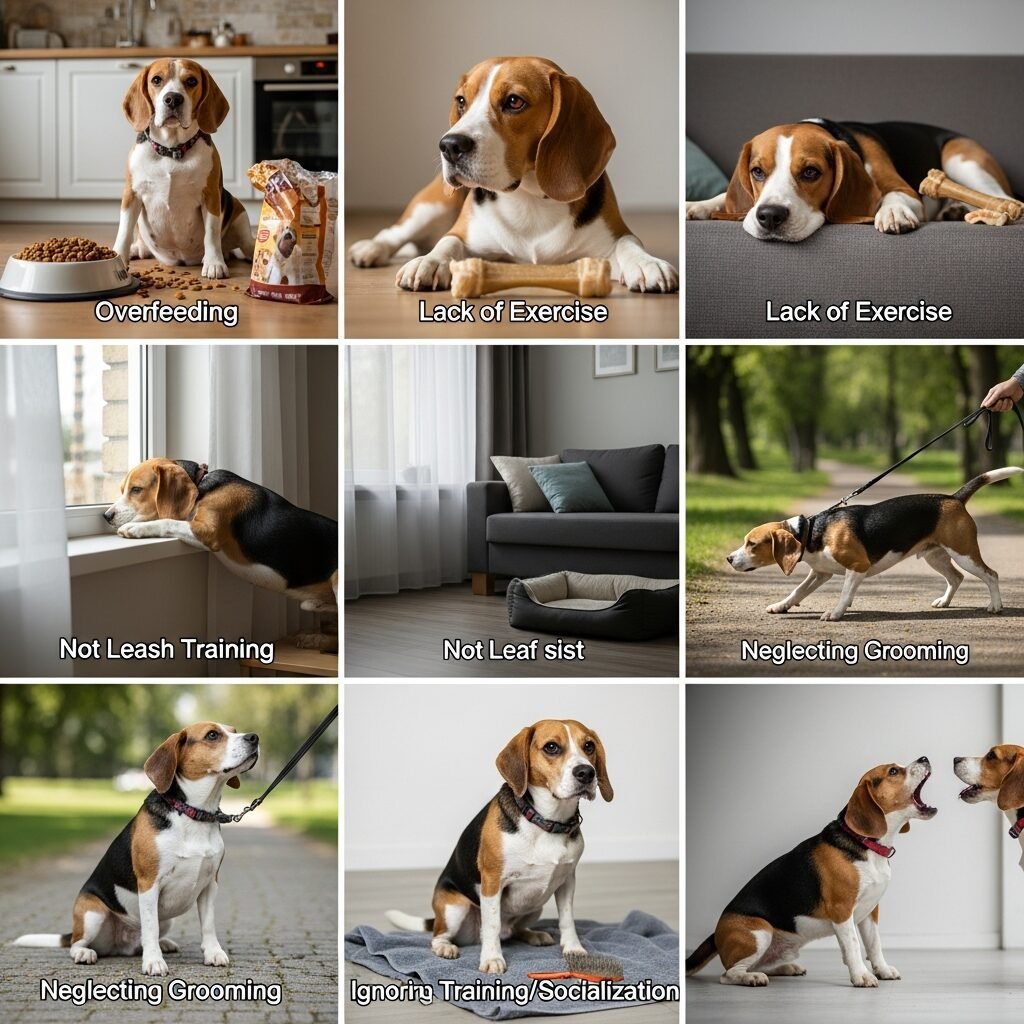
Bringing a Beagle into your life is a joyful experience. These charming hounds, with their soulful eyes and floppy ears, bring so much love and laughter. But like any specific dog breed, Beagles come with their own unique personality traits and needs. Understanding these nuances is key to a happy, healthy life together.
Ignoring their natural instincts or common breed characteristics can lead to frustration for both you and your furry friend. To help you avoid common pitfalls and ensure your Beagle thrives, let’s explore seven things you absolutely shouldn’t do with your beloved Beagle. By understanding these points, you can build a stronger bond and prevent issues before they even begin.
1. Don’t Skimp on Exercise and Mental Stimulation
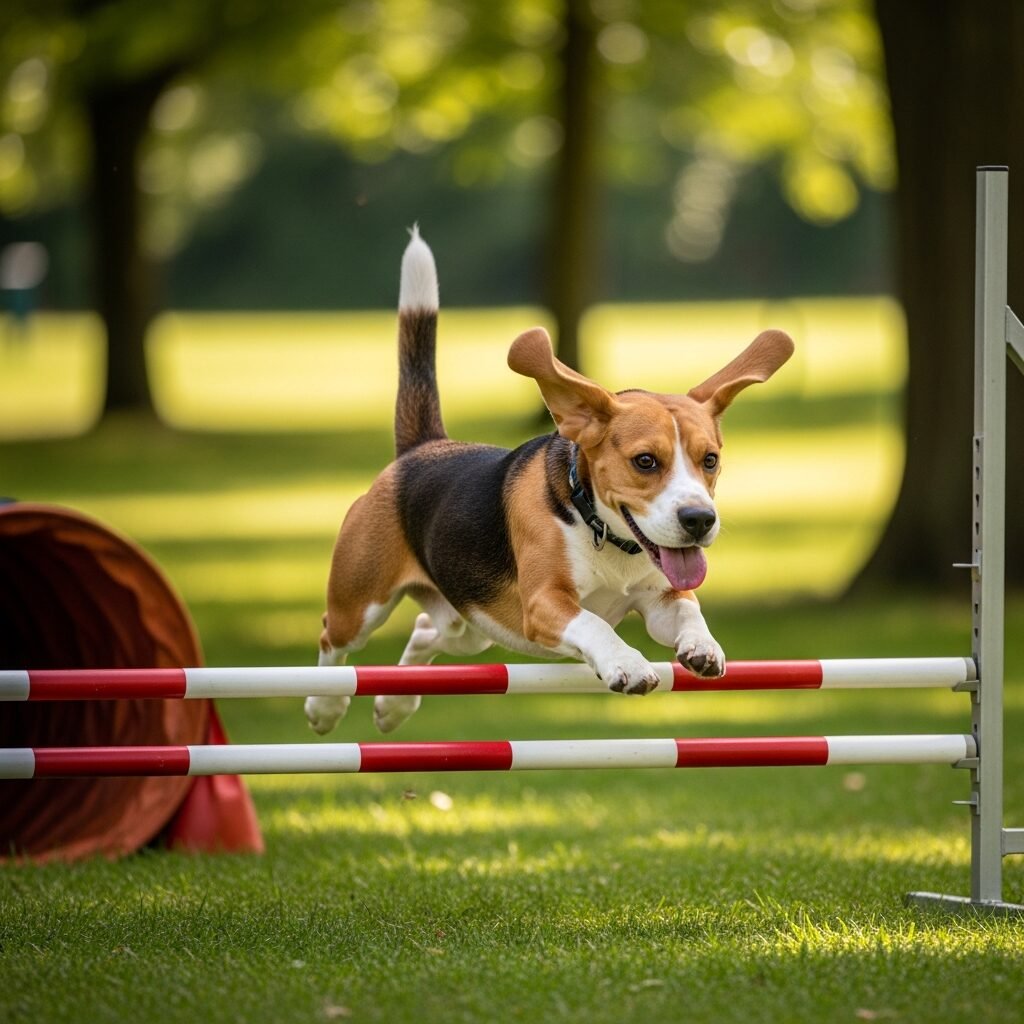
Beagles were originally bred as hunting dogs, and that heritage means they are brimming with energy and intelligence. They weren’t designed to be couch potatoes all day long.
The Energetic Hound
These dogs need more than just a quick trot around the block. They require regular, vigorous exercise to keep their bodies fit and their minds engaged. A bored Beagle is often a mischievous Beagle.
Consequences of Insufficient Activity
When Beagles don’t get enough physical activity or mental challenges, they can develop a range of unwelcome behaviors. These aren’t signs of a “bad” dog, but rather a dog trying to tell you they need more.
Destructive Chewing
An under-exercised Beagle might turn to chewing on furniture, shoes, or anything else they can get their paws on to relieve boredom and excess energy. This is a common way for them to self-soothe and entertain themselves.
Excessive Barking
Beagles are vocal dogs by nature, but constant, insistent barking or howling can often be a cry for attention or a sign of pent-up energy. They might be trying to tell you they’re bored and need something to do.
What to Do Instead: Daily Routine for an Active Beagle
Make sure your Beagle gets at least an hour of active exercise every day, often broken into two sessions. This could include long walks, running in a secure yard, or playtime at a dog park.
Here are some ideas:
Long walks: Aim for brisk walks, allowing them to sniff and explore.
Running and fetching: If you have a secure yard, play fetch or let them run freely.
Scent games: Hide treats around the house or yard and let their nose do the work. This is fantastic mental stimulation.
Puzzle toys: Provide interactive toys that dispense treats when solved.
2. Don’t Underestimate Their Nose or Let Them Off-Leash Carelessly
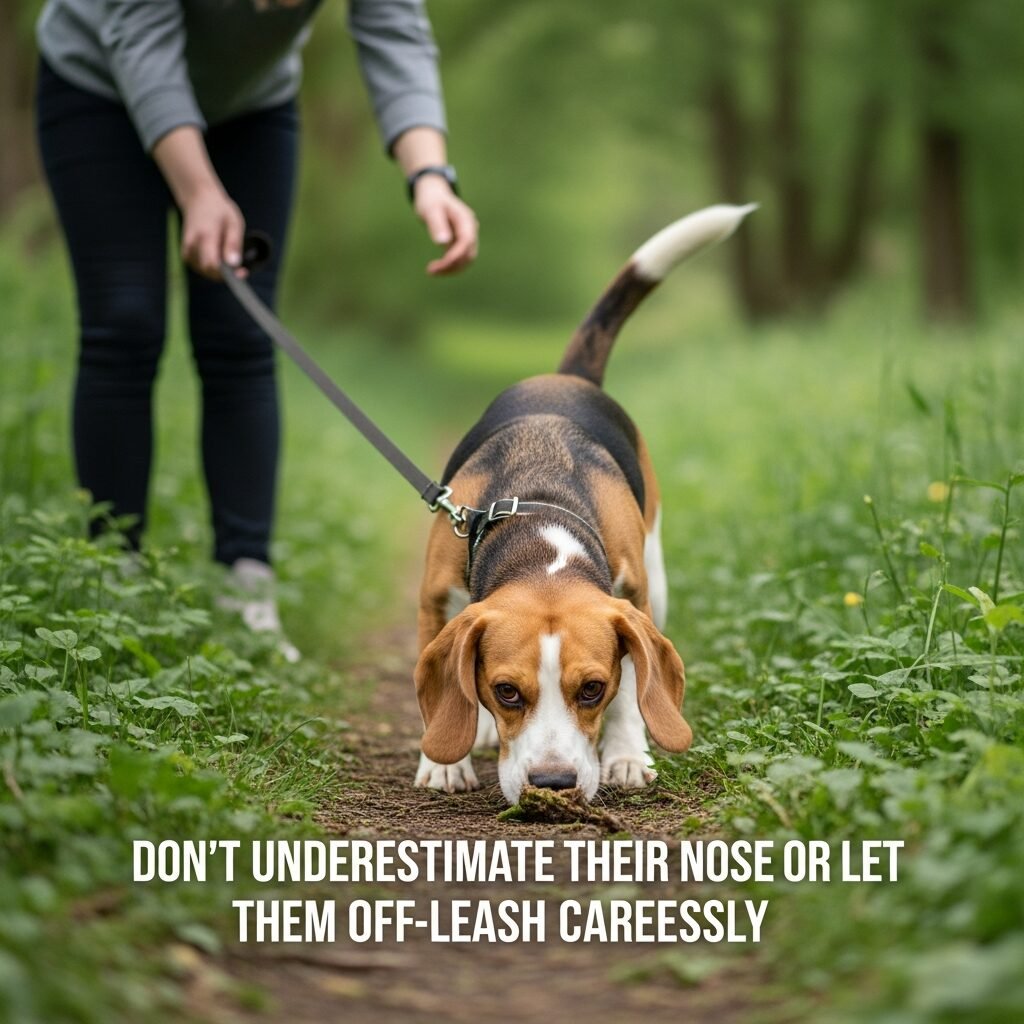
A Beagle’s nose is perhaps its most defining feature. It’s incredibly powerful and drives much of their behavior. Ignoring this instinct can put them in harm’s way.
The Beagle’s Powerful Sense of Smell
Beagles possess an extraordinary sense of smell, second only to a few other breeds. Once they catch an interesting scent, their world narrows down to that smell, and they will follow it with single-minded determination.
Why Off-Leash Freedom Can Be Dangerous
Letting a Beagle off-leash in an unsecured area is a recipe for disaster. Their powerful instinct to follow a scent overrides almost everything else, including your commands.
Chasing Scents
A fascinating smell can lead a Beagle miles away from you in a matter of minutes. They won’t stop until the scent trail ends or they get lost. Recalling them can be nearly impossible in these situations.
Road Hazards
Following a scent can lead your Beagle into dangerous situations, such as busy roads, unfamiliar territories, or even other people’s property where they might not be welcome. Their focus on the scent makes them oblivious to their surroundings.
What to Do Instead: Secure Environments and Scent Work
Always keep your Beagle on a leash when outside a securely fenced area. Invest in a good, sturdy leash and harness.
Consider these safety measures:
Fenced yards: Ensure your yard has a tall, secure fence with no gaps for escape.
Long lines: Use a long training leash (15-30 feet) in open, safe areas to give them more freedom while maintaining control.
GPS trackers: For extra peace of mind, consider a GPS tracker that attaches to their collar.
Scent work games: Engage their nose safely indoors or in a fenced area with fun scent games, like “find the treat” or beginner nose work classes.
3. Don’t Neglect Early Training and Socialization

Some people mistakenly believe that Beagles are too stubborn to train or that their charming personality means they don’t need strict rules. This isn’t true and can lead to a challenging adult dog.
The Importance of Puppyhood Lessons
Just like any other puppy, Beagles need consistent training and early socialization to grow into well-behaved, confident adults. Starting young helps shape their behavior positively.
Challenges of an Untrained Beagle
A Beagle who hasn’t been properly trained or socialized might exhibit behaviors that are difficult to manage and can make them less enjoyable companions.
Stubbornness
While “stubborn” is a common term, it often means the dog hasn’t been consistently motivated or understood what’s expected of them. Without clear boundaries and training, a Beagle will certainly follow its own agenda.
Fear or Aggression
Lack of early positive exposure to different people, places, sounds, and other dogs can lead to fear-based behaviors or reactivity later in life. A Beagle needs to learn that the world is a safe and friendly place.
What to Do Instead: Positive Reinforcement and Exposure
Start training and socialization the moment you bring your Beagle home. Use positive reinforcement methods, rewarding desired behaviors with treats, praise, and toys.
Here are practical steps:
Puppy classes: Enroll in puppy kindergarten to learn basic commands and socialize safely.
Short, frequent sessions: Keep training sessions brief and fun to maintain their attention.
Consistent rules: Everyone in the household should enforce the same rules consistently.
Positive exposure: Introduce your puppy to a variety of new experiences, people, and friendly dogs in a controlled, positive way.
4. Don’t Leave Them Alone for Extended Periods

Beagles are pack animals at heart. They thrive on companionship and can suffer greatly when left by themselves for too long.
Beagles and Companionship
These dogs form strong bonds with their human families and prefer to be part of the action. They are not dogs that do well as backyard-only pets or those left alone for eight or more hours every day.
The Risk of Separation Anxiety
When Beagles are left alone frequently or for long stretches, they can develop separation anxiety. This isn’t just “being naughty”; it’s a genuine distress response.
Unwanted Behaviors
Symptoms of separation anxiety can include destructive chewing, inappropriate urination or defecation indoors, and frantic barking or howling when you’re gone. These behaviors are a sign of their anxiety, not defiance.
Distress Signals
Other signs of distress might include pacing, drooling excessively, or trying to escape from their crate or home. They are genuinely upset by being separated from their pack.
What to Do Instead: Managing Alone Time
If you must leave your Beagle alone, try to limit the time frame. For long workdays, consider these options:
Dog walker: Hire a professional dog walker to break up their day with a walk and some company.
Doggy daycare: Enroll them in a reputable doggy daycare a few times a week.
Enrichment toys: Provide engaging puzzle toys filled with treats to keep them occupied.
Gradual training: Practice leaving them alone for very short periods, gradually increasing the time, always ensuring their comfort.
Consider a companion: If your lifestyle often requires you to be away, consider getting a second dog to keep your Beagle company.
5. Don’t Overfeed or Ignore Their Love for Food

Beagles are legendary for their love of food. They are opportunistic eaters who will rarely turn down a meal or a treat, which can easily lead to weight problems.
The Beagle’s Bottomless Pit
It often seems like a Beagle’s stomach has no bottom. They are highly food-motivated, which can be great for training, but also a challenge when it comes to managing their weight.
The Dangers of Obesity
Overfeeding a Beagle is one of the quickest ways to shorten their lifespan and diminish their quality of life. Obesity is a serious health concern for any dog.
Health Issues
Overweight Beagles are at a higher risk for numerous health problems, including joint issues (especially in their hips and elbows), diabetes, heart disease, breathing difficulties, and reduced energy levels.
Reduced Mobility
Excess weight puts strain on their small frames, making it harder for them to run, play, and enjoy their active lifestyle. This can lead to a vicious cycle where they exercise less and gain more weight.
What to Do Instead: Controlled Diet and Healthy Treats
Be strict about your Beagle’s diet. Follow feeding guidelines from your veterinarian or the dog food manufacturer, and measure their food precisely.
Tips for managing their diet:
Measured portions: Always measure out their kibble. Don’t free-feed.
Low-calorie treats: Use small, healthy treats like carrot sticks, apple slices (no seeds), or specialized low-calorie dog treats.
Limit table scraps: Human food is often too rich, salty, or fatty for dogs and can lead to digestive upset or weight gain.
Consult your vet: If you’re unsure about the right portion size or if your Beagle needs to lose weight, consult your veterinarian.
6. Don’t Use Harsh Punishment or Inconsistent Training Methods
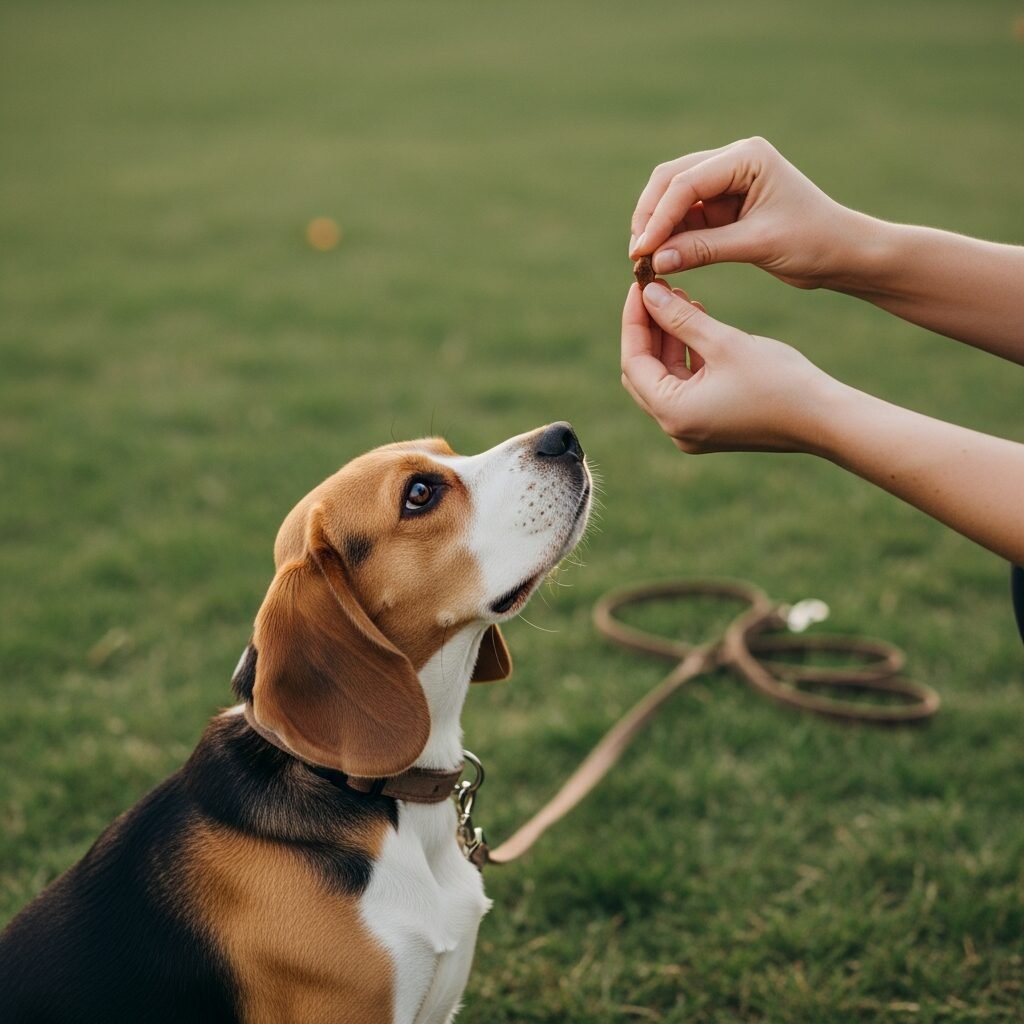
Beagles are sensitive creatures who respond best to kindness, patience, and positive reinforcement. Harsh methods can backfire, damaging your relationship and hindering their learning.
Sensitive Souls
Beneath their playful exterior, Beagles are quite sensitive. They remember negative experiences and can become fearful or shut down if subjected to harsh treatment.
The Downside of Negative Reinforcement
Using punishment-based training, yelling, or physical corrections can have detrimental effects on your Beagle’s behavior and your bond with them.
Fear and Avoidance
Harsh training can make your Beagle fearful of you, leading them to avoid you or hide unwanted behaviors instead of learning to perform desired ones. This can also make them generally anxious.
Damaged Trust
A foundation of trust is crucial for any relationship with a dog. Punishment erodes this trust, making your Beagle less likely to listen to you or seek comfort from you.
What to Do Instead: Patience and Positive Reinforcement
Focus on rewarding the behaviors you want to see, rather than punishing the ones you don’t. Be consistent and patient, and your Beagle will learn quickly.
Effective training techniques:
Reward good behavior: When your Beagle does something right, immediately reward them with a treat, praise, or a favorite toy.
Ignore unwanted behaviors: For minor infractions, sometimes simply ignoring the behavior (if it’s not dangerous) can be effective.
Redirection: If your Beagle is doing something you don’t like, redirect their attention to an appropriate activity. For example, if they’re chewing on a shoe, offer them a proper chew toy.
Consistency is key: Ensure everyone in the household uses the same commands and rules. Beagles thrive on predictability.
7. Don’t Ignore or Punish Their Vocal Nature

Beagles are known for their distinctive baying, howling, and barking. It’s part of who they are, and trying to completely silence them is often futile and unfair.
The Beagle’s Howl and Bark
From their ancestral role as hunting dogs, Beagles were bred to use their voices to alert hunters. This means they naturally communicate through a variety of vocalizations.
Why They Make Noise
Their vocalizations serve many purposes, from expressing joy to signaling alarm. Understanding the context can help you manage their noise.
Communication
Beagles howl when they’re lonely, excited, or hear other distant sirens or dogs. They bark to alert you to visitors, passing squirrels, or anything they perceive as unusual. It’s how they express themselves and communicate with their world.
Boredom or Alarm
Sometimes, excessive barking or howling can be a sign of boredom, frustration, or even an alarm for something they’ve smelled or heard that you haven’t.
What to Do Instead: Understanding and Management
While you can’t (and shouldn’t) eliminate all Beagle vocalizations, you can learn to manage them by understanding their triggers and providing appropriate outlets.
Here’s how to approach it:
Identify triggers: Pay attention to when and why your Beagle is vocalizing. Is it at strangers? Other dogs? When you leave?
Address underlying needs: Ensure they are getting enough exercise, mental stimulation, and companionship. A tired and happy Beagle is generally quieter.
Teach a “quiet” command: Use positive reinforcement to teach your Beagle to be quiet on command. Reward them when they stop barking after you’ve acknowledged the trigger.
Redirect attention: If they bark at something outside, redirect their focus to you with a treat or a game.
Manage environmental stimuli: Close curtains if outside triggers are a problem, or use a white noise machine to mask external sounds.