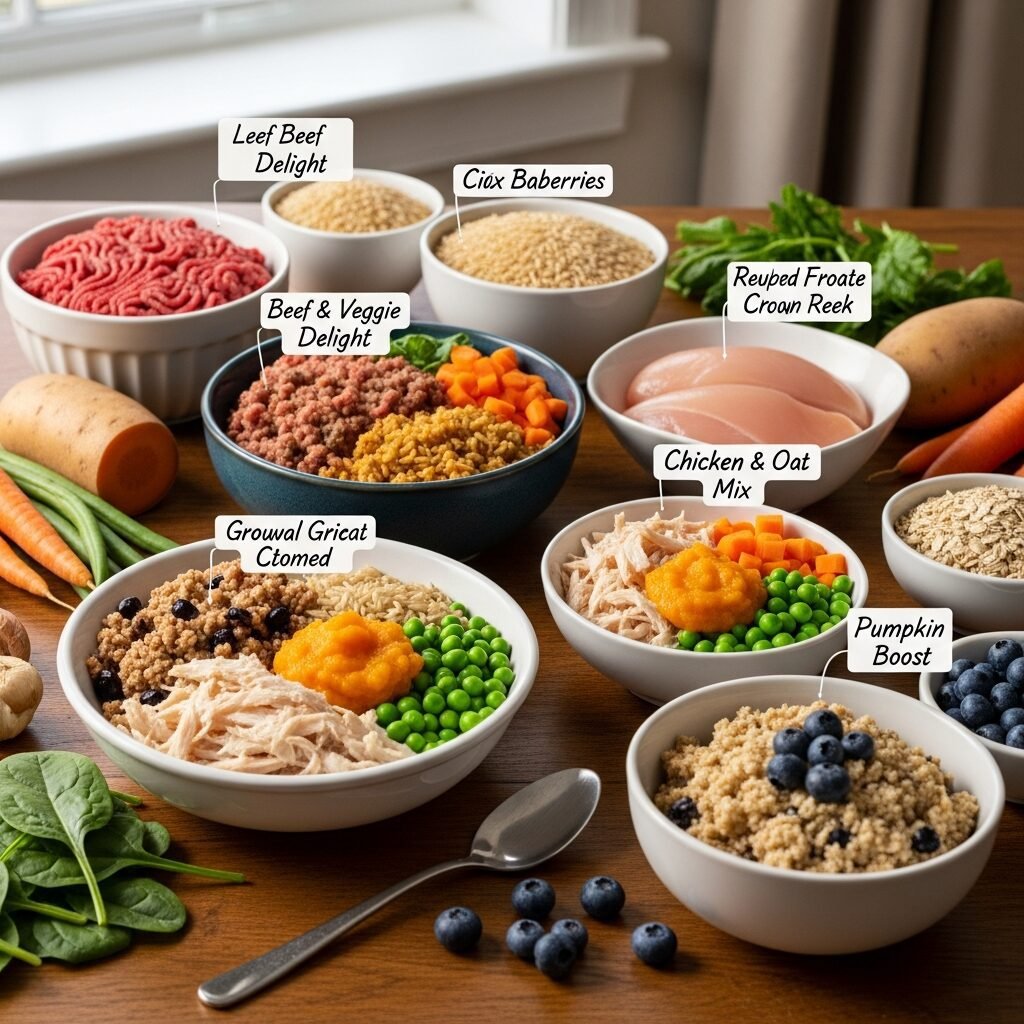
Giving our beloved dogs the best possible life often includes paying close attention to what goes into their food bowl. For many of us, this means looking beyond commercial kibble and exploring the world of homemade dog food. It’s a wonderful way to ensure your furry friend gets fresh, wholesome ingredients, avoids mystery fillers, and enjoys a diet tailored to their unique needs.
You might think preparing dog food at home is expensive or complicated, but it doesn’t have to be. With a little planning and the right recipes, you can provide nutritious, delicious, and surprisingly affordable meals for your canine companion. This guide will walk you through eight cheap and healthy homemade dog food recipes, along with essential tips to get you started on this rewarding journey.
Why Choose Homemade Dog Food?

Opting for homemade meals for your dog brings a host of benefits that go beyond just saving money. It’s about taking an active role in their health and well-being.
Control Over Ingredients
When you cook for your dog, you know exactly what they are eating. You can select high-quality proteins, fresh vegetables, and wholesome grains, free from artificial preservatives, colors, or unknown by-products often found in commercial foods. This transparency gives you peace of mind.
Addressing Allergies and Sensitivities
Many dogs suffer from food allergies or sensitivities, which can manifest as skin issues, digestive problems, or low energy. Preparing food at home allows you to easily avoid specific ingredients that trigger these reactions, making it simpler to manage their health conditions effectively.
Cost Savings
Premium commercial dog foods can be very expensive. By buying ingredients in bulk, utilizing sales, and incorporating safe leftovers, you can often prepare nutritious meals for less than what you’d spend on high-end kibble. It’s especially cost-effective for larger dogs or multiple-dog households.
Improved Health and Vitality
Dogs on a fresh, balanced homemade diet often show noticeable improvements in their overall health. This can include a shinier coat, healthier skin, better digestion, increased energy levels, and even improved weight management. The fresh nutrients are simply easier for their bodies to process and utilize.
Important Considerations Before You Start

Embarking on the homemade dog food journey is exciting, but it’s crucial to approach it thoughtfully. Your dog’s health is paramount, so a little preparation goes a long way.
Consult Your Veterinarian
Before making any significant changes to your dog’s diet, always consult with your veterinarian. They can offer personalized advice based on your dog’s age, breed, activity level, and any existing health conditions. They might also recommend specific supplements to ensure nutritional completeness.
Nutritional Balance is Key
Dogs need a balanced diet that includes protein, carbohydrates, healthy fats, vitamins, and minerals. Simply feeding plain meat or rice isn’t enough. A truly healthy homemade diet requires a variety of ingredients to provide all essential nutrients.
Safe Ingredients Only
Not all human foods are safe for dogs. It’s vital to be aware of toxic ingredients such as onions, garlic, grapes, raisins, chocolate, avocado, macadamia nuts, and artificial sweeteners like xylitol. Always research an ingredient if you are unsure about its safety for dogs.
Proper Storage
Homemade dog food contains fresh ingredients and no artificial preservatives, meaning it spoils faster than commercial kibble. Store cooked food in airtight containers in the refrigerator for up to 3-4 days, or portion and freeze for longer storage.
Essential Components of a Balanced Homemade Meal

A healthy homemade meal for your dog typically includes a few key categories of ingredients to ensure they receive a broad spectrum of nutrients.
Protein Source
This is the cornerstone of your dog’s diet, providing essential amino acids for muscle growth and repair.
Examples: Cooked chicken (breast, thighs, ground), lean ground beef, turkey, fish (salmon, cod – cooked and boneless), eggs.
Complex Carbohydrates
Carbohydrates provide energy and fiber.
Examples: Brown rice, sweet potatoes, oats (plain, rolled), quinoa, barley, pumpkin.
Healthy Fats
Fats are crucial for energy, healthy skin, and a shiny coat.
* **Examples:** Small amounts of fish oil, flaxseed oil, cooked egg yolks, or fats naturally present in lean meats.
Fiber and Vitamins (Vegetables)
Vegetables add essential vitamins, minerals, and fiber for digestive health.
Examples: Carrots, green beans, peas, spinach, broccoli florets, zucchini, kale (all cooked and chopped or pureed for better digestion).
Calcium and Minerals
These are often the trickiest to balance. Your vet might recommend a calcium supplement or a specific dog multivitamin to ensure your homemade diet is complete.
Examples: Vet-approved bone meal, powdered eggshells (fine powder), or a balanced supplement.
8 Cheap & Healthy Homemade Dog Food Recipes

Here are eight easy-to-make, budget-friendly, and nutritious recipes to get you started. Remember to always cook meats thoroughly and chop ingredients into small, digestible pieces for your dog.
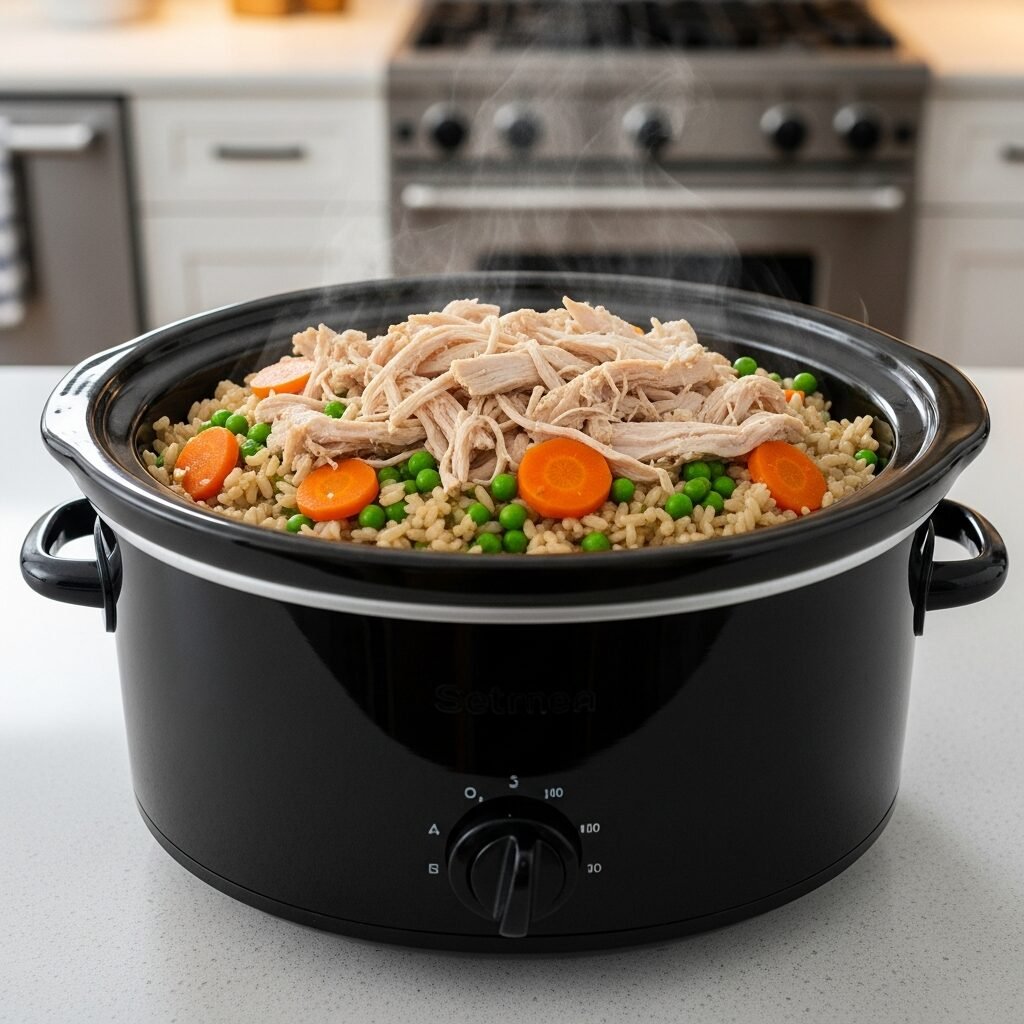
1. Hearty Chicken & Brown Rice Bowl
This is a classic for a reason – it’s simple, wholesome, and dogs love it. Chicken is a lean protein, and brown rice provides sustained energy.
Ingredients:
* 2 cups cooked brown rice
* 1 lb boneless, skinless chicken breast or thighs, cooked and shredded/diced
* 1 cup steamed or boiled carrots, chopped
* 1 cup steamed or boiled green beans, chopped
* 1/4 cup chicken broth (low sodium)
* 1 tablespoon olive oil (optional, for healthy fats)
Instructions:
1. Cook the brown rice according to package directions.
2. Cook the chicken by boiling or baking, then shred or dice it into small pieces.
3. Steam or boil the carrots and green beans until tender, then chop them finely.
4. In a large bowl, combine the cooked rice, chicken, carrots, and green beans.
5. Stir in the chicken broth and olive oil (if using) to moisten.
6. Allow to cool completely before serving.
Why it’s cheap & healthy:
Chicken and brown rice are staple ingredients that can be bought in bulk. Carrots and green beans are affordable, nutrient-dense vegetables.
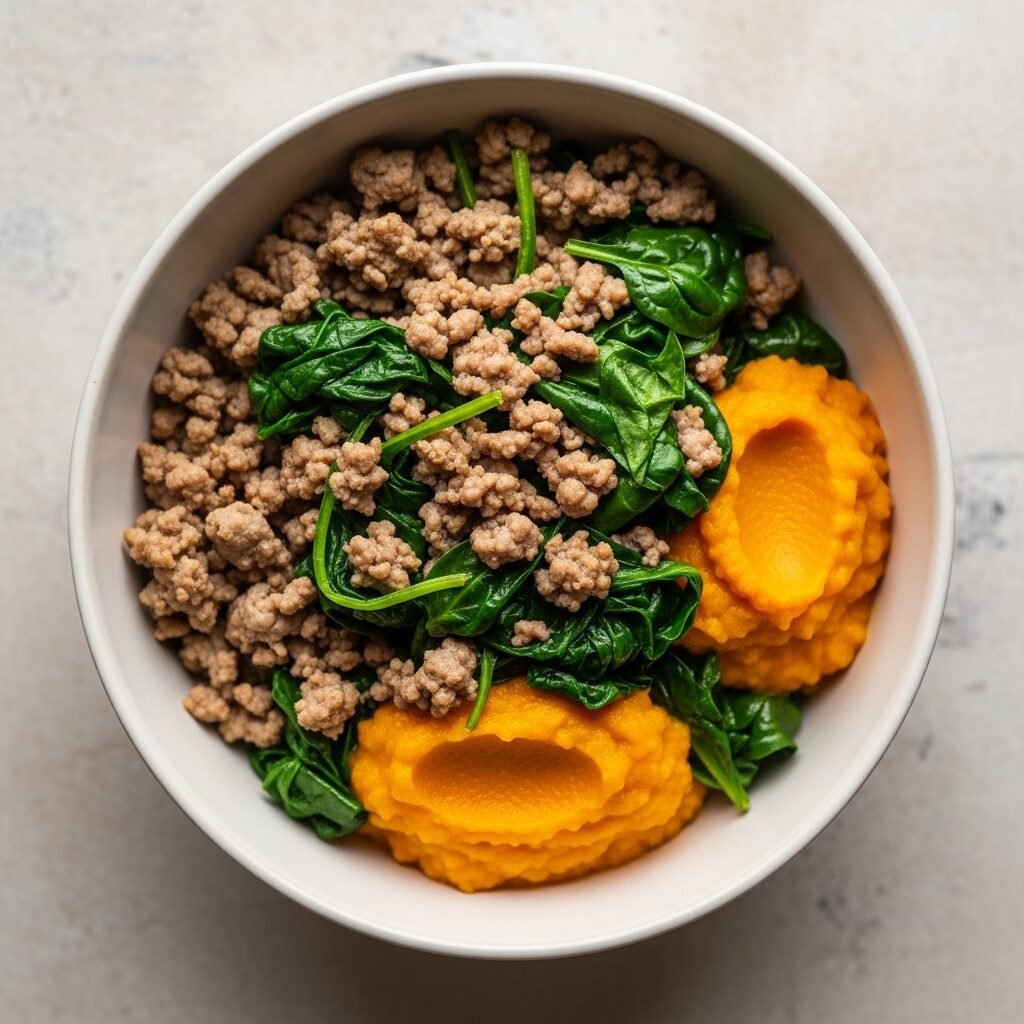
2. Lean Ground Beef & Sweet Potato Mash
Sweet potatoes are a fantastic source of vitamins and fiber, while lean ground beef offers a hearty protein.
Ingredients:
* 1 lb lean ground beef, cooked and drained
* 2 large sweet potatoes, cooked and mashed
* 1 cup steamed or boiled peas
* 1/4 cup water or low-sodium beef broth
Instructions:
1. Cook the ground beef in a pan until browned, then drain off any excess fat.
2. Peel and boil or bake the sweet potatoes until very soft, then mash them.
3. Steam or boil the peas.
4. Combine the cooked ground beef, mashed sweet potatoes, and peas in a bowl.
5. Mix in the water or broth until well combined.
6. Cool completely before serving.
Why it’s cheap & healthy:
Ground beef can often be found on sale, and sweet potatoes are a budget-friendly superfood for dogs.
3. Turkey & Oatmeal Stew
A gentle and easily digestible meal, perfect for dogs with sensitive stomachs. Oatmeal is soothing and a good source of fiber.
Ingredients:
* 1 lb ground turkey, cooked
* 1.5 cups plain rolled oats, cooked with water
* 1 cup pumpkin puree (100% pure, not pie filling)
* 1/2 cup steamed spinach, finely chopped
* 1/4 cup water
Instructions:
1. Cook the ground turkey until thoroughly browned, breaking it into small pieces.
2. Cook the rolled oats with water according to package directions until soft.
3. In a large bowl, combine the cooked turkey, cooked oats, pumpkin puree, and chopped spinach.
4. Add water if needed to reach a stew-like consistency.
5. Let cool completely before serving.
Why it’s cheap & healthy:
Ground turkey is often an economical protein choice. Oats and pumpkin are inexpensive and excellent for digestion.
4. Sardine & Quinoa Delight
Sardines are a superfood for dogs, packed with Omega-3 fatty acids, and quinoa is a complete protein and grain.
Ingredients:
* 1 can (3.75 oz) sardines in water (no salt added), drained
* 1 cup cooked quinoa
* 1 cup steamed broccoli florets, finely chopped
* 1 tablespoon olive oil
Instructions:
1. Cook quinoa according to package directions.
2. Steam the broccoli florets until tender, then chop finely.
3. Gently mash the drained sardines in a bowl.
4. Combine the mashed sardines, cooked quinoa, chopped broccoli, and olive oil.
5. Mix well and serve once cooled.
Why it’s cheap & healthy:
Canned sardines are very affordable and offer immense health benefits. Quinoa, while slightly pricier than rice, is nutrient-dense and a small amount goes a long way.
5. Egg & Veggie Scramble
Eggs are an excellent, affordable protein source, and this recipe is quick to prepare.
Ingredients:
* 4-5 large eggs, scrambled
* 1/2 cup cooked brown rice (optional, for extra carbs)
* 1/2 cup mixed steamed veggies (e.g., green beans, carrots, zucchini), finely chopped
* 1 tablespoon low-fat cottage cheese (optional, for calcium and protein)
Instructions:
1. Scramble the eggs in a non-stick pan until fully cooked, breaking them into small pieces.
2. Steam or boil the vegetables until tender and chop them finely.
3. If using, cook the brown rice.
4. In a bowl, combine the scrambled eggs, cooked rice (if using), and chopped vegetables.
5. Stir in cottage cheese (if using) and mix well.
6. Cool completely before serving.
Why it’s cheap & healthy:
Eggs are one of the most cost-effective and complete proteins available. Using a variety of seasonal veggies keeps costs down.
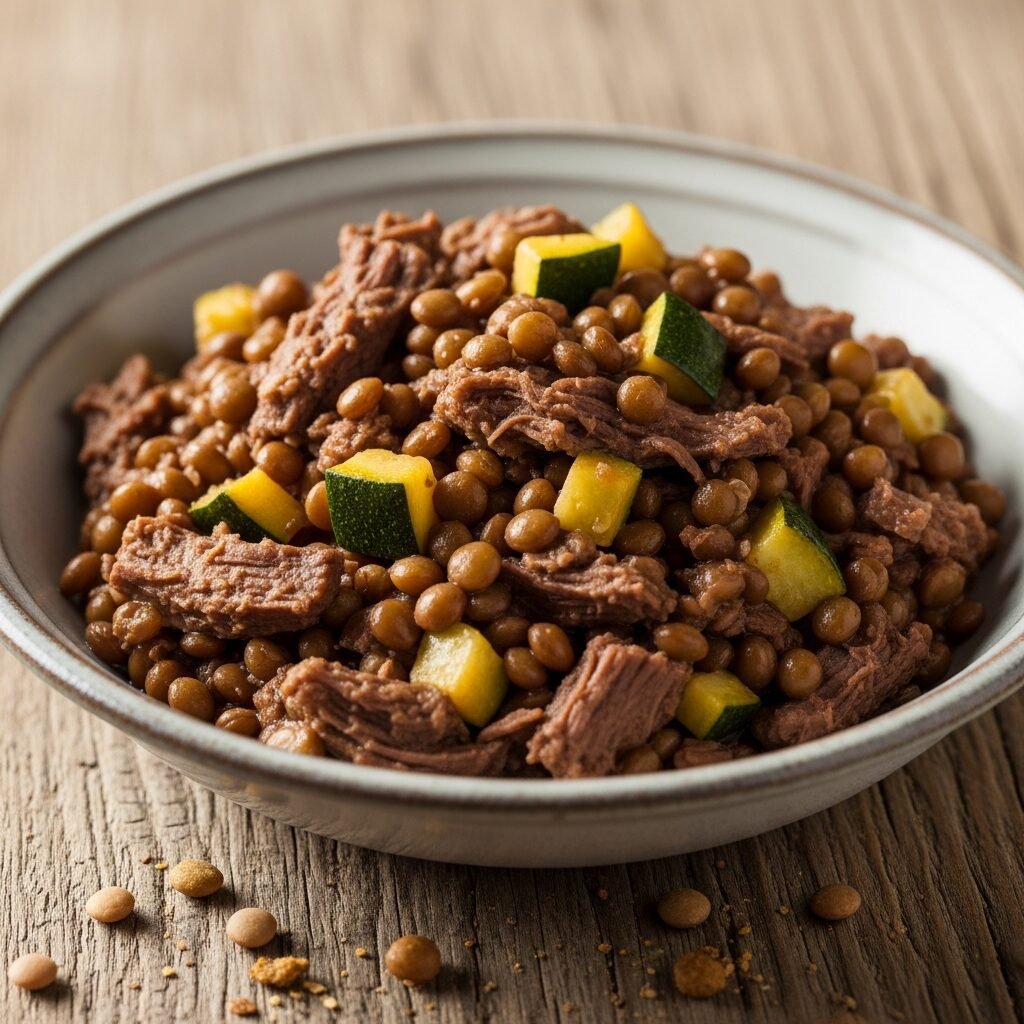
6. Lentil & Veggie Power Bowl
Lentils are a great plant-based protein and fiber source for dogs, though some dogs may be sensitive to legumes. Always introduce gradually.
Ingredients:
* 1 cup cooked lentils (plain, rinsed)
* 1 cup cooked barley
* 1 cup mixed steamed veggies (e.g., zucchini, kale, bell peppers – red/green)
* 1/4 cup vegetable broth (low sodium)
Instructions:
1. Cook lentils and barley separately according to package directions until tender. Rinse lentils thoroughly.
2. Steam or boil the vegetables until soft, then chop finely.
3. In a large bowl, combine the cooked lentils, cooked barley, and chopped vegetables.
4. Add the vegetable broth and mix well.
5. Cool completely before serving.
Why it’s cheap & healthy:
Lentils and barley are very inexpensive, especially when bought in bulk, offering high nutritional value.
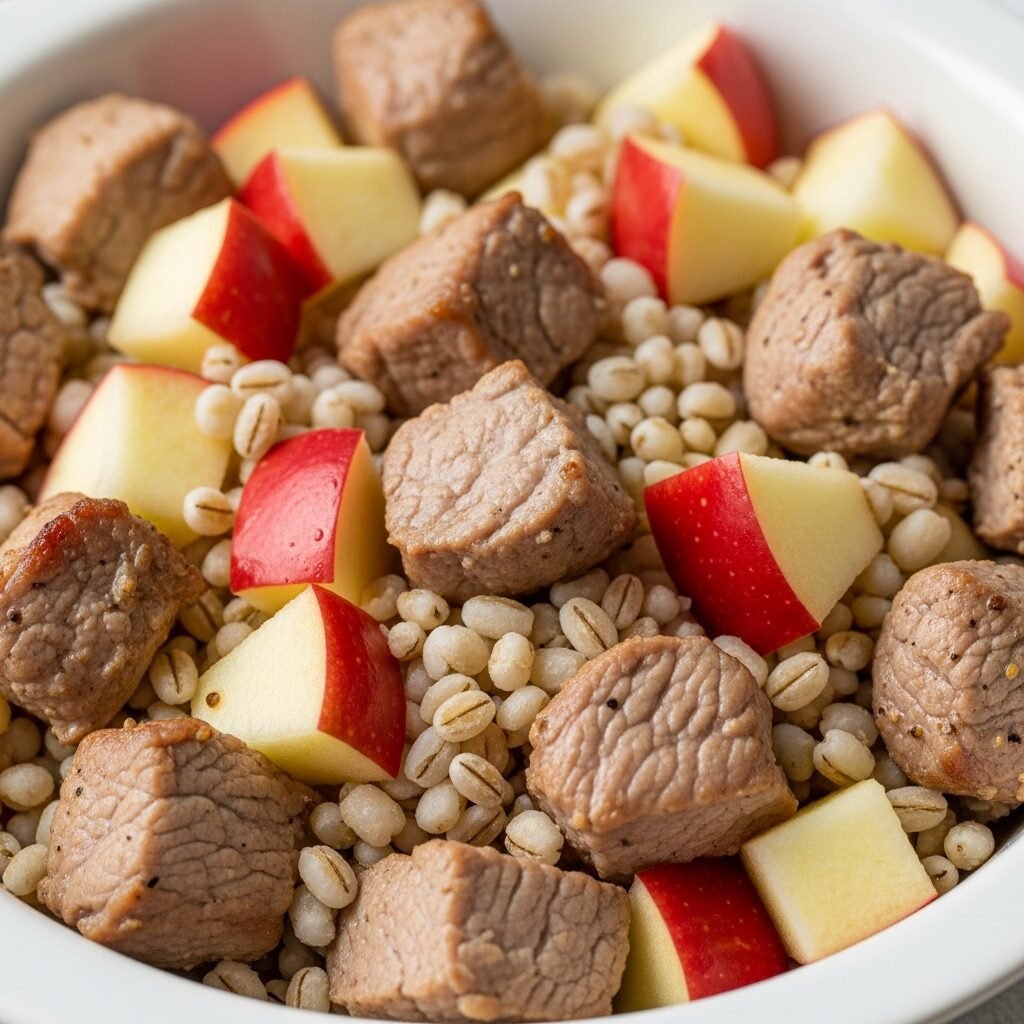
7. Pork Loin & Pear Bowl
Lean pork is a good protein alternative, and cooked pears add sweetness, vitamins, and fiber.
Ingredients:
* 1 lb lean pork loin, cooked and diced
* 2 small pears, peeled, cored, and cooked (steamed or baked)
* 1 cup cooked butternut squash, mashed
* 1/4 cup water
Instructions:
1. Cook the pork loin until thoroughly done, then dice it into small, manageable pieces.
2. Peel, core, and steam or bake the pears until soft, then mash them.
3. Cook and mash the butternut squash.
4. Combine the cooked pork, mashed pears, and mashed butternut squash in a bowl.
5. Mix well, adding water to achieve desired consistency.
6. Cool completely before serving.
Why it’s cheap & healthy:
Lean pork loin can often be a more affordable cut of meat, and pears are a great seasonal fruit to add. Butternut squash is also a budget-friendly veggie.
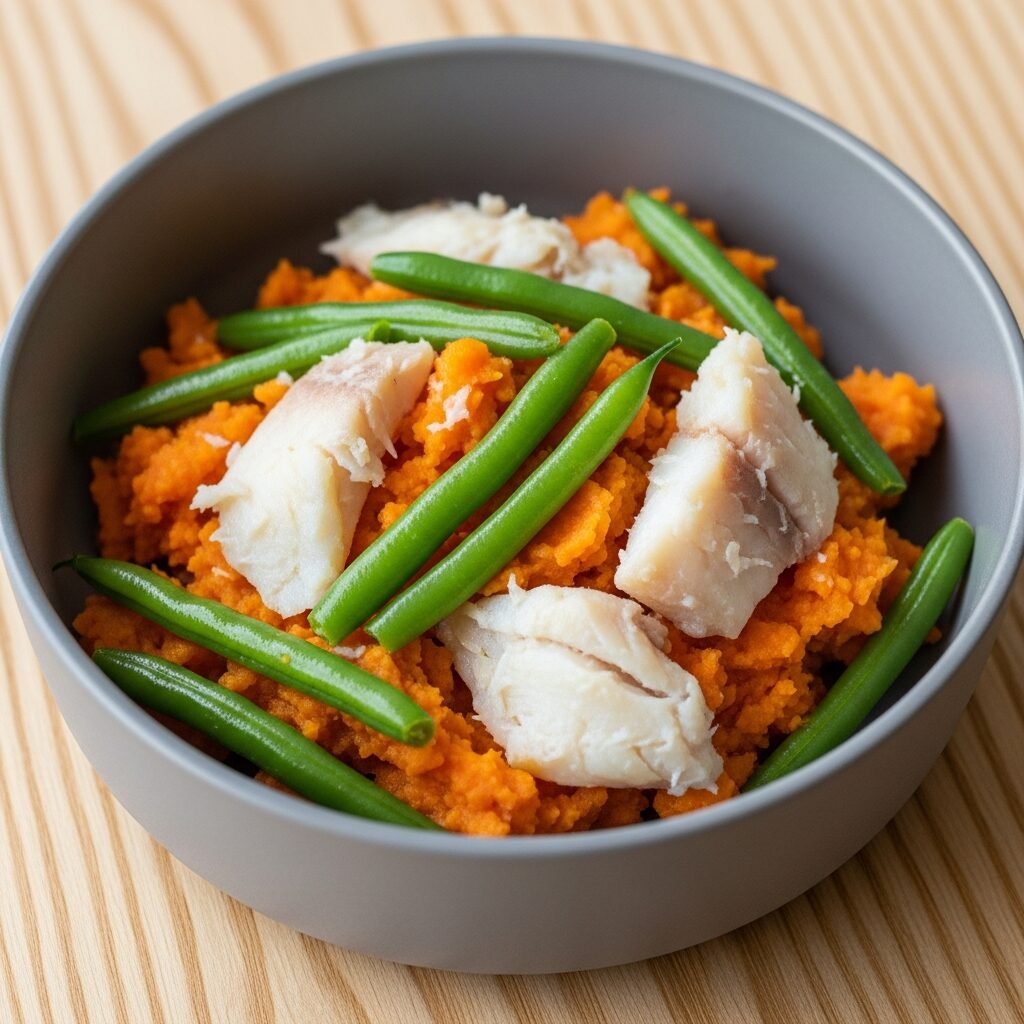
8. Fish & Potato Feast
White fish provides easily digestible protein, and potatoes offer energy.
Ingredients:
* 1 lb white fish fillets (cod, tilapia, pollock), cooked and flaked (check for bones)
* 2 medium potatoes (russet or red), boiled and mashed
* 1 cup steamed asparagus, finely chopped
* 1 tablespoon fish oil (optional, for Omega-3s)
Instructions:
1. Bake or steam the fish fillets until fully cooked and flaky. Carefully check for and remove all bones. Flake the fish into small pieces.
2. Boil or steam the potatoes until tender, then mash them (skin on or off, depending on preference and how well it breaks down).
3. Steam the asparagus until tender and chop finely.
4. In a bowl, combine the flaked fish, mashed potatoes, and chopped asparagus.
5. Stir in the fish oil (if using).
6. Mix well and cool completely before serving.
Why it’s cheap & healthy:
Affordable white fish options are a great source of lean protein. Potatoes are a staple carbohydrate, and asparagus is a healthy green vegetable.
How Much Should You Feed Your Dog?

Determining the right portion size for your dog is crucial for maintaining a healthy weight and ensuring they get adequate nutrition. Unlike commercial kibble with specific calorie counts, homemade food requires a bit more observation.
General Guidelines (Approximate)
The amount of food your dog needs depends on several factors: their weight, age, activity level, and metabolism. These are general guidelines, and it’s essential to monitor your dog’s weight and adjust accordingly. A good starting point is about 2-3% of their ideal body weight per day.
| Dog Weight | Daily Portion (Approximate) |
| :——— | :————————– |
| 5-10 lbs | 1/2 – 1 cup |
| 11-20 lbs | 1 – 1.5 cups |
| 21-50 lbs | 1.5 – 3 cups |
| 51-75 lbs | 3 – 4 cups |
| 76-100 lbs | 4 – 5 cups |
| 100+ lbs | 5+ cups |
Note: These are general guidelines based on a moderately active adult dog. Always consult your vet to determine your dog’s specific caloric and nutritional needs.
Puppies, active dogs, and pregnant or nursing dogs will require more calories, while senior or less active dogs may need fewer. Monitor your dog’s body condition: you should be able to feel their ribs easily but not see them prominently.
Tips for Making Homemade Dog Food Easier & Cheaper

Switching to homemade dog food doesn’t have to be a daily chore or a financial burden. With a few smart strategies, you can make it a sustainable and enjoyable part of your dog parenting routine.
Bulk Cooking
Dedicate a specific time once a week (e.g., a Sunday afternoon) to prepare a large batch of your dog’s food. Cook grains, proteins, and vegetables in bigger quantities, then mix and portion them out. This saves time during busy weekdays.
Use Sales & Seasonal Produce
Keep an eye out for sales on meats and protein sources at your local grocery store. Similarly, buying fruits and vegetables when they are in season makes them more affordable and often fresher.
Utilize Safe Leftovers
If you cook plain chicken, beef, or vegetables for your family, save a portion before seasoning. These can be excellent, free additions to your dog’s meals. Just be sure they are free of onions, garlic, excessive salt, or other dog-unfriendly ingredients.
Freeze Portions
Once you’ve cooked a large batch, divide it into individual meal portions using freezer-safe containers or bags. This makes mealtime incredibly convenient – just thaw and serve. Freezing also prevents spoilage and waste.
Simple Ingredients
Don’t feel pressured to create gourmet meals every time. The most effective homemade dog food often relies on simple, wholesome ingredients. Stick to the basics: a protein, a carb, and a few vegetables. Complex recipes aren’t necessary for optimal nutrition.