
8 Foods Beagles Should Avoid
Beagles are beloved for their curious nature and their legendary sense of smell, which often leads them straight to the kitchen or the trash bin. As a Beagle owner, it is your responsibility to manage their diet and ensure they do not ingest substances that could be harmful. While these dogs are known for their hearty appetites, many common human foods can cause severe health issues ranging from digestive upset to life-threatening toxicity. This guide outlines eight specific foods that every Beagle owner must keep out of reach to ensure a long and healthy life for their pet.
1. Chocolate and Cocoa Products

Chocolate contains a compound called theobromine, which is a stimulant that dogs cannot metabolize effectively. For Beagles, even a small amount of dark chocolate or baking cocoa can lead to a dangerous increase in heart rate, tremors, and seizures. The darker and more concentrated the chocolate, the more toxic it is. Symptoms of chocolate poisoning usually manifest within a few hours and require immediate veterinary attention.
2. Grapes and Raisins

Grapes and raisins are highly toxic to Beagles, though the exact reason for the toxicity remains a subject of veterinary research. Ingesting even a small quantity can lead to acute kidney failure. Owners should look for signs such as lethargy, vomiting, and decreased urination. Because the reaction can be so severe and unpredictable, it is best to avoid these fruits entirely and keep them stored in secure containers.
3. Onions and Garlic
Whether raw, cooked, or powdered, onions and garlic are part of the Allium family and are dangerous for Beagles. These ingredients can cause oxidative damage to a dog’s red blood cells, eventually leading to hemolytic anemia. While a single small bite might not cause instant catastrophe, cumulative ingestion over time is particularly dangerous. Symptoms often include weakness, pale gums, and an increased heart rate.
4. Xylitol Artificial Sweetener
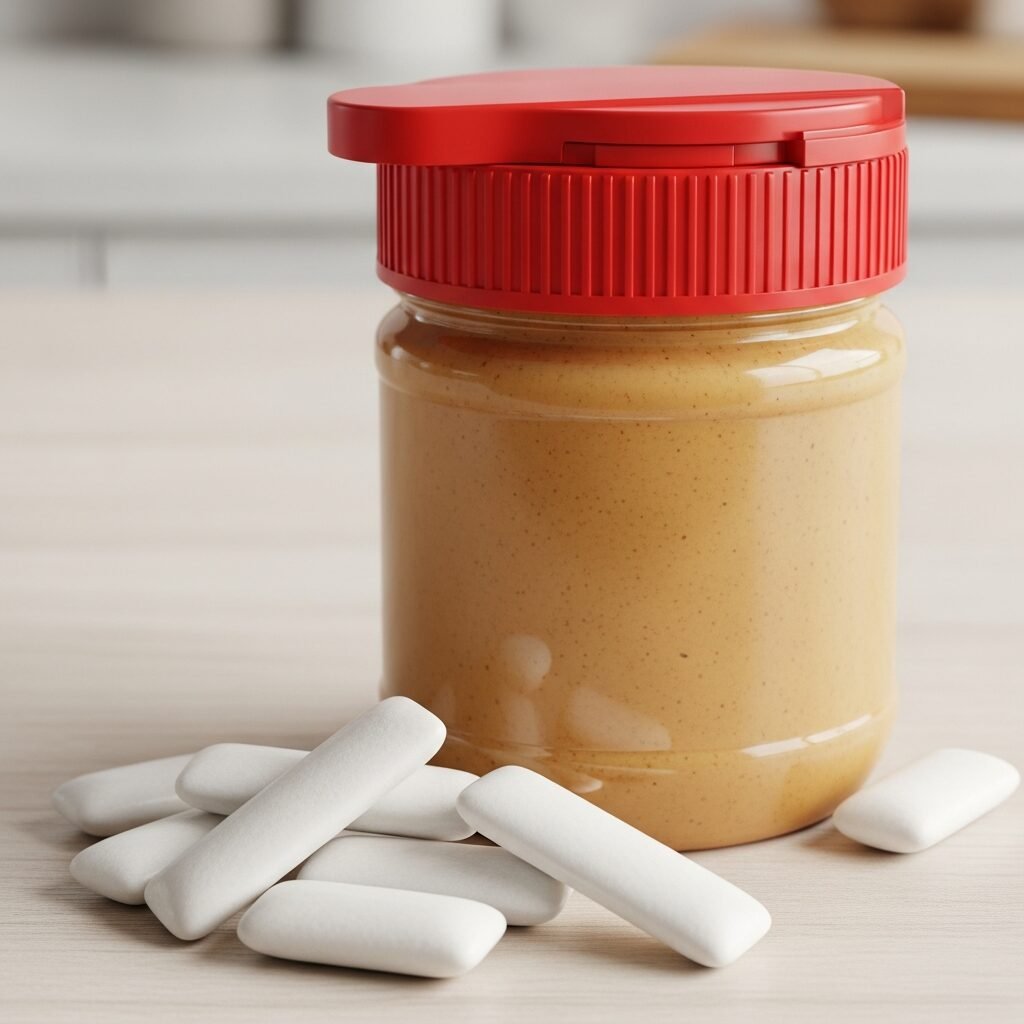
Xylitol is a sugar substitute found in many sugar-free gums, candies, and even some brands of peanut butter. This ingredient is extremely dangerous for Beagles because it triggers a rapid release of insulin, leading to a life-threatening drop in blood sugar levels known as hypoglycemia. It can also cause liver failure. Always read the label of any peanut butter or sweet treat before sharing a taste with your canine companion.
5. Macadamia Nuts
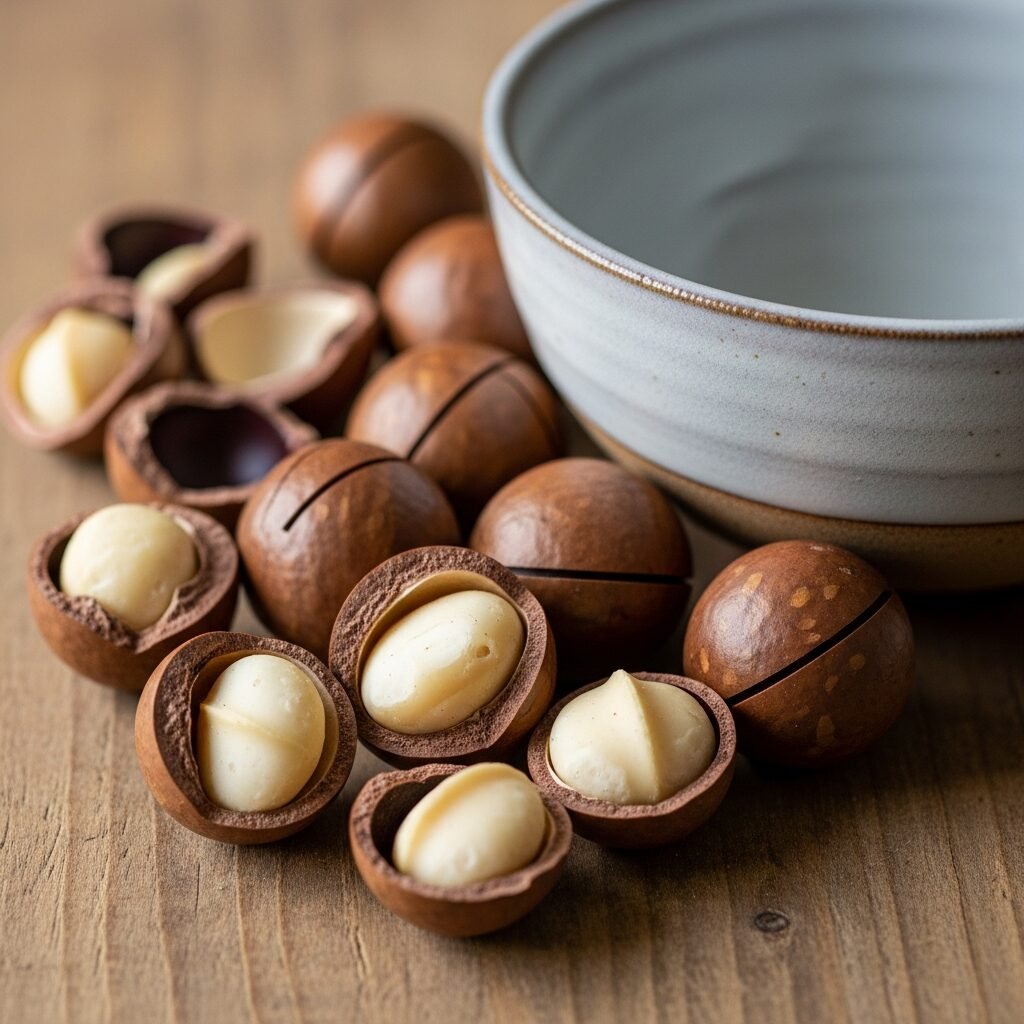
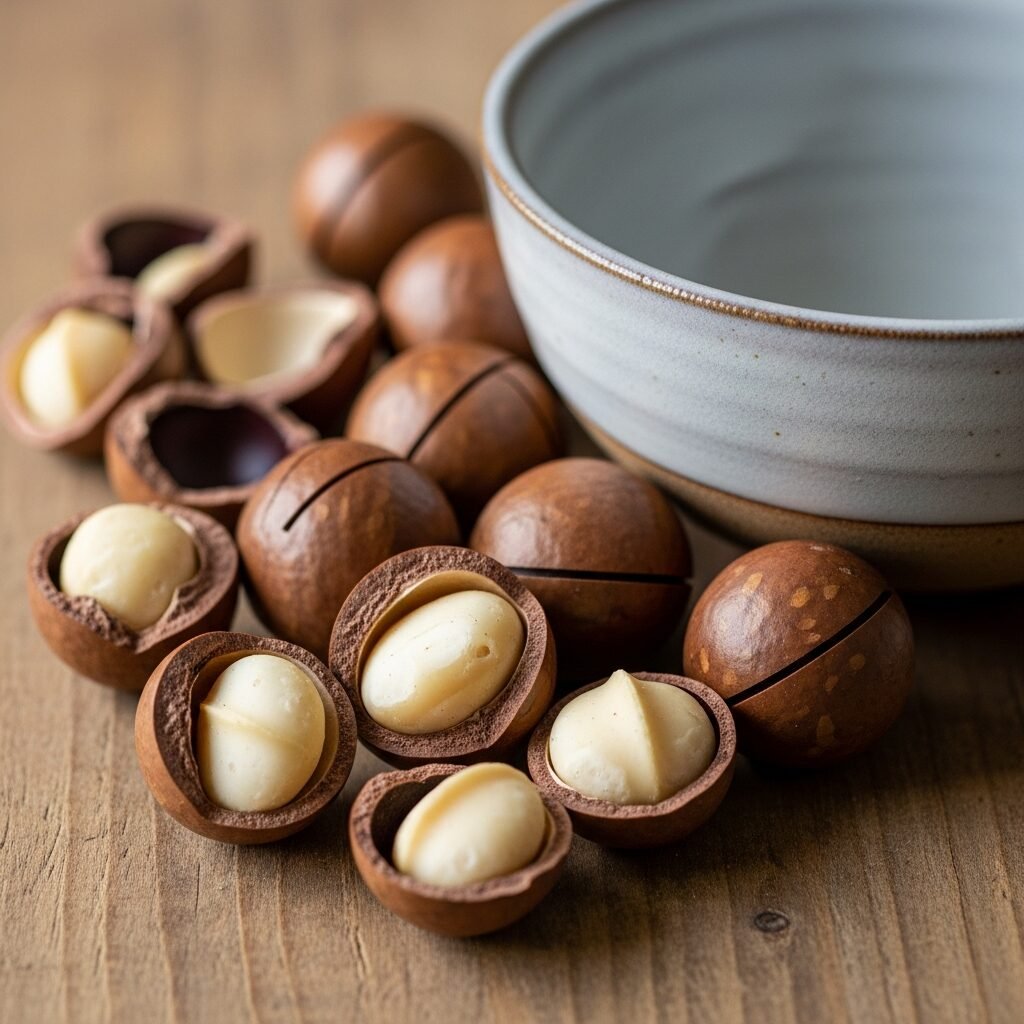
Macadamia nuts are known to cause a unique toxic reaction in dogs. Within 12 hours of ingestion, a Beagle may experience weakness in the hind legs, vomiting, tremors, and hyperthermia. While most dogs recover with supportive care, the experience is highly distressing and painful. It is essential to check the ingredient lists of cookies and nut mixes, as these are common sources of accidental ingestion.
6. Avocado
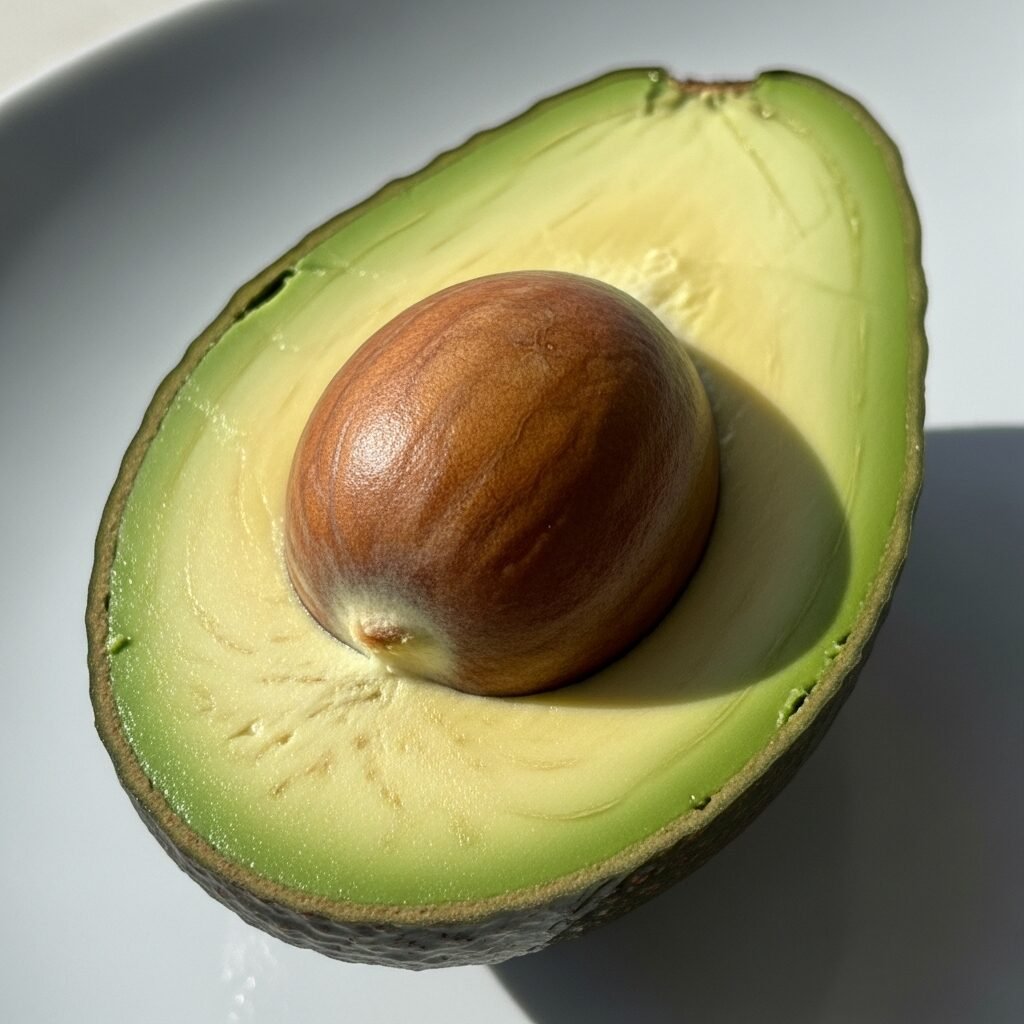
Avocados contain a substance called persin, which can cause gastrointestinal distress in dogs. While the flesh is mildly problematic, the primary danger lies in the pit, which presents a significant choking hazard and can cause internal blockages. Furthermore, the high fat content in avocados can lead to pancreatitis in sensitive Beagles. It is safer to stick to dog-safe fruits like blueberries or apple slices.
7. Cooked Bones

While it may be tempting to give a Beagle a leftover bone from dinner, cooked bones are incredibly brittle. They can easily splinter and pierce the digestive tract or cause a serious blockage. Unlike raw bones, which are softer and more flexible, cooked bones lose their structural integrity. To satisfy a Beagle’s urge to chew, opt for veterinarian-approved dental chews or sturdy rubber toys instead.
8. Caffeine

Caffeine is a powerful stimulant that affects the central nervous system and the heart. Because Beagles have a smaller body mass than humans, they are much more sensitive to the effects of caffeine found in coffee, tea, and energy drinks. Ingestion can lead to restlessness, rapid breathing, heart palpitations, and muscle tremors. Keep your morning coffee and tea bags well out of reach of your curious Beagle’s nose.
Conclusion
Being a responsible Beagle owner means more than just providing exercise and affection; it requires a proactive approach to their nutritional safety. By memorizing these eight dangerous foods and ensuring they are stored safely away, you can prevent accidental poisoning and costly emergency vet visits. Always consult with your veterinarian if you suspect your Beagle has consumed something toxic, as early intervention is often the key to a successful recovery.


