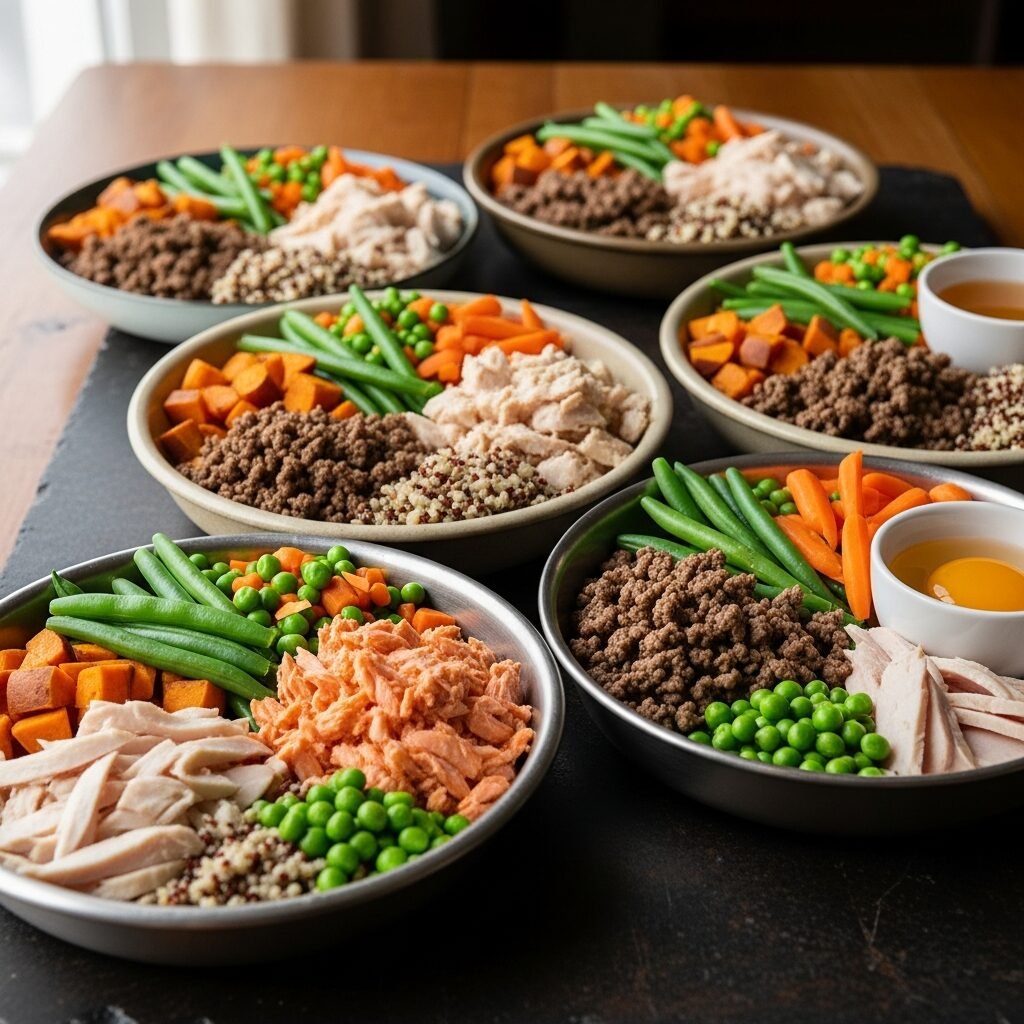
Caring for an active dog is a joy, filled with adventures, playtime, and lots of cuddles. But with all that running, jumping, and exploring, your furry friend needs more than just love; they need the right fuel to keep their engines running strong. Just like human athletes, active dogs have higher nutritional demands, especially when it comes to protein.
Protein is super important for building and repairing muscles, providing sustained energy, and supporting a healthy immune system. If your dog loves hiking, agility, long walks, or simply has endless zoomies, feeding them a diet rich in high-quality protein can make a huge difference in their stamina, recovery, and overall well-being.
In this article, we will dive into why protein is so vital for our energetic companions and share five fantastic, homemade, high-protein meal ideas that you can prepare right in your kitchen. These meals are designed to give your active dog the boost they need to stay happy, healthy, and ready for their next adventure. Remember, always chat with your veterinarian before making any significant changes to your dog’s diet.
Understanding Your Active Dog’s Nutritional Needs
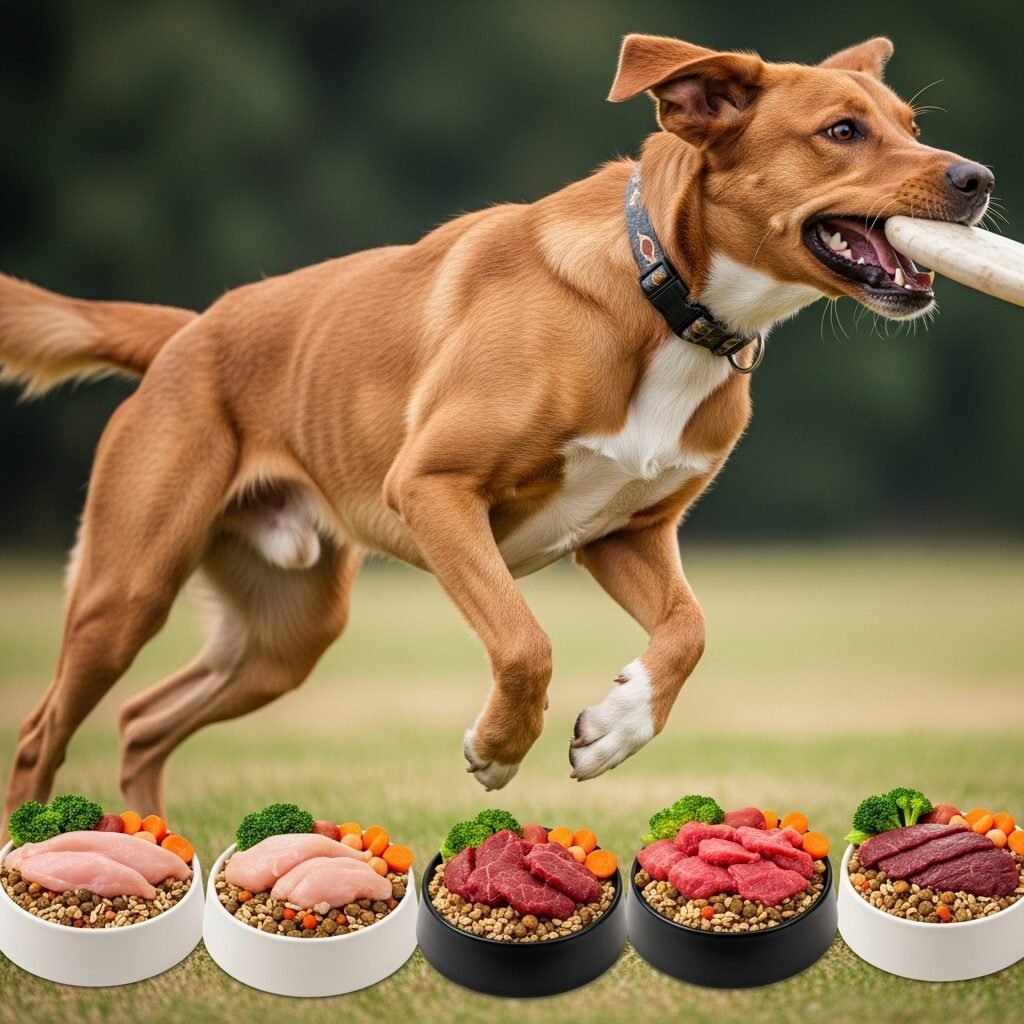
Your active dog isn’t just a pet; they’re a furry athlete! Their bodies work harder and need specific nutrients to perform at their best and recover properly. Getting their diet right is a cornerstone of their health and happiness.
The Role of Protein
Think of protein as the building blocks for your dog’s body. For active dogs, it’s even more crucial.
* Muscle Maintenance and Growth: Protein is essential for repairing microscopic muscle tears that naturally occur during exercise and for building new muscle tissue.
* Energy Source: While fats and carbohydrates are primary energy sources, protein can also be used for energy, especially during sustained activity or if other sources are depleted.
* Immune System Support: Antibodies, which fight off infections and diseases, are made from protein. A strong immune system keeps your active dog resilient.
* Repair and Recovery: From skin and coat health to organ function, protein plays a vital role in keeping every part of your dog’s body working optimally.
Beyond Protein: Other Key Nutrients
While protein is the star for active dogs, it’s part of a complete team of nutrients that work together.
* Fats: Healthy fats, like omega-3 and omega-6 fatty acids, are a concentrated source of energy. They support brain function, joint health, and a shiny coat.
* Carbohydrates: Complex carbohydrates provide sustained energy release, helping your dog avoid energy crashes during long periods of activity.
* Vitamins and Minerals: These micronutrients are essential for countless bodily functions, from bone strength to nerve transmission and metabolism. A balanced diet ensures your dog gets all they need.
Factors Affecting Energy Needs
Not all active dogs are the same! Their energy requirements can vary significantly.
* Breed: Some breeds are naturally more energetic than others (e.g., Border Collies vs. Basset Hounds).
* Age: Growing puppies and younger adult dogs generally need more calories than senior dogs, even if senior dogs are still active.
* Activity Level: A dog that goes for daily jogs needs different fuel than one training for agility competitions or hunting.
* Metabolism: Just like people, dogs have different metabolic rates. Some burn through calories faster than others.
Important Considerations Before Switching Your Dog’s Diet
Before you grab your apron and start cooking up a storm, there are a few important steps to take to ensure a smooth and healthy transition for your beloved dog.
Consulting Your Veterinarian
This is the most critical step. Your vet knows your dog’s specific health history, breed, age, and activity level.
* Crucial Step: Discuss any dietary changes with your vet first. They can provide personalized advice.
* Tailored Advice: Your vet can help determine the ideal protein percentage and overall calorie intake for your dog’s unique needs.
* Identifying Allergies or Sensitivities: If your dog has any food allergies or sensitivities, your vet can help you choose appropriate ingredients and avoid potential triggers.
Gradual Transitions
Sudden changes in diet can upset your dog’s stomach. A slow transition is key.
* Prevent Stomach Upset: Introducing new foods gradually helps your dog’s digestive system adjust without issues like diarrhea or vomiting.
* Step-by-Step Guide for Switching Food: Over 7-10 days, slowly increase the new food while decreasing the old food.
* Days 1-2: 25% new food, 75% old food.
* Days 3-4: 50% new food, 50% old food.
* Days 5-6: 75% new food, 25% old food.
* Days 7-10: 100% new food.
Balancing the Diet
While these recipes focus on protein, remember that balance is everything for long-term health.
* Home-Cooked Meals Require Careful Planning: When cooking at home, it’s easy to miss essential nutrients. Your vet or a veterinary nutritionist can help you ensure the meals are complete and balanced.
* Importance of Nutrient Balance: It’s not just about protein. Your dog needs a healthy balance of protein, fats, carbohydrates, vitamins, and minerals to thrive. Adding a vet-approved supplement might be necessary for home-cooked diets.
Our Top 5 High-Protein Meal Ideas for Active Dogs
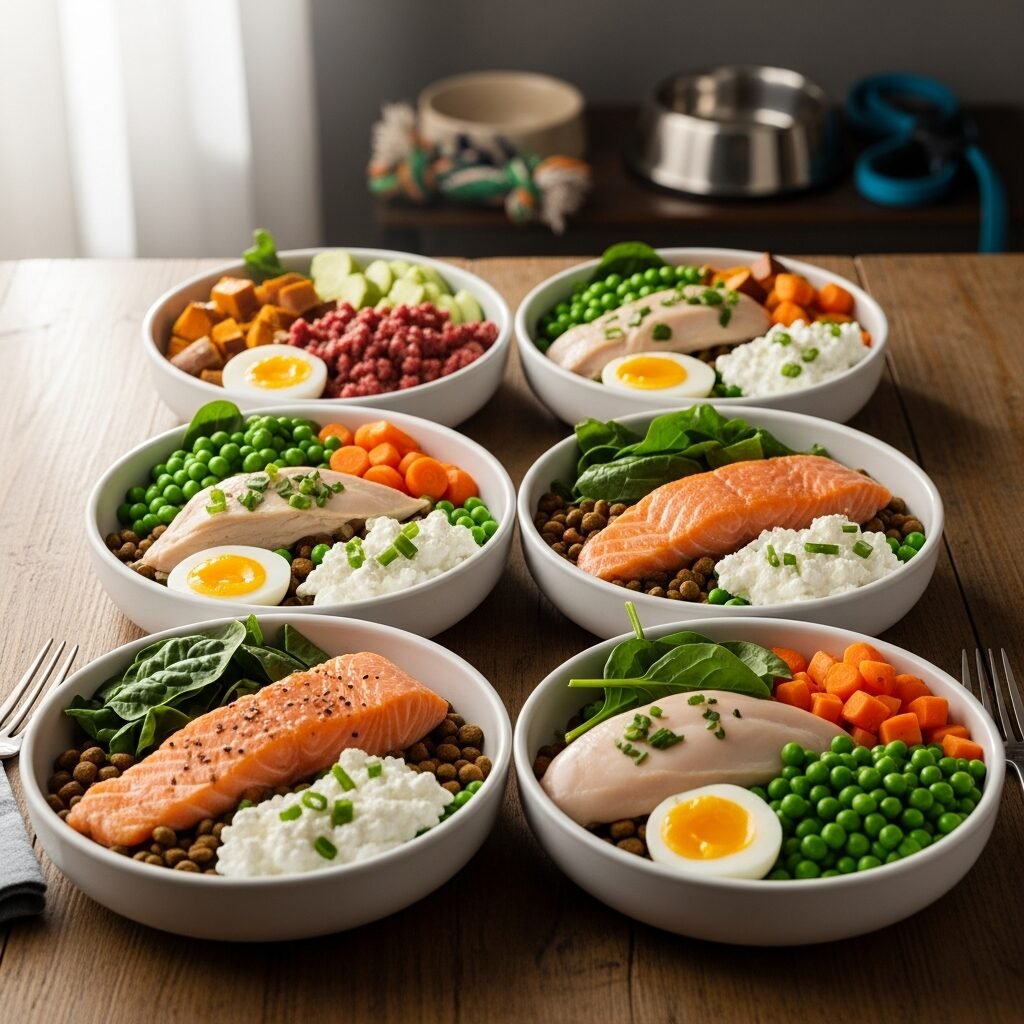
Now for the fun part! Here are five high-protein meal ideas that are not only packed with nutrients but also delicious for your active companion. Remember to always cook ingredients thoroughly and avoid seasonings, onions, garlic, and other toxic foods.
Meal 1: Lean Ground Turkey & Sweet Potato Power Bowl
This meal is a fantastic source of lean protein and sustained energy, perfect for dogs with high energy demands.
Why it’s great for active dogs
Lean ground turkey is easily digestible and low in fat, while sweet potatoes provide complex carbohydrates for lasting energy. It is a hearty and wholesome choice.
Key Ingredients
* Lean Ground Turkey: A primary source of easily digestible protein.
* Sweet Potato: Rich in complex carbs, fiber, and vitamins A and C.
* Green Beans or Carrots: Provide fiber, vitamins, and antioxidants.
* A Little Olive Oil or Fish Oil: For healthy fats (add after cooking).
Simple Preparation Guide
1. Cook the ground turkey in a pan until it’s fully browned, breaking it up as you go. Drain any excess fat.
2. Peel and chop sweet potatoes into small, dog-bite-sized cubes. Steam or boil them until very soft.
3. Steam or lightly boil green beans or finely chopped carrots until tender-crisp.
4. Once all ingredients are cooled, mix them together. You can add a small drizzle of olive oil or vet-approved fish oil for healthy fats.
Serving Suggestion/Tips
Serve this meal warm or at room temperature. Adjust the portion size based on your dog’s weight, activity level, and vet’s recommendations. You can prepare a larger batch and store it in the refrigerator for a few days.
Meal 2: Chicken & Brown Rice Energy Booster
A classic combination that’s gentle on the stomach and provides a great balance of protein and carbohydrates.
Why it’s great for active dogs
Chicken is a lean, highly palatable protein source, and brown rice offers sustained energy release for longer activities.
Key Ingredients
* Skinless, Boneless Chicken Breast: Excellent lean protein.
* Brown Rice: A whole grain providing complex carbohydrates and fiber.
* Peas and Spinach: Add vitamins, minerals, and antioxidants.
* Optional: Dog-safe multivitamin (if vet approved).
Simple Preparation Guide
1. Boil or bake the chicken breast until fully cooked. Let it cool, then shred or finely chop it.
2. Cook brown rice according to package instructions. Make sure it’s soft and easy to digest.
3. Lightly steam or boil fresh or frozen peas and spinach. Drain well.
4. Combine the shredded chicken, cooked brown rice, peas, and spinach. Mix thoroughly.
Serving Suggestion/Tips
This meal is great for daily feeding for active dogs. Ensure the chicken is shredded small enough to prevent choking. A vet-approved multivitamin can be mixed in if needed to ensure complete nutrition.
Meal 3: Salmon & Quinoa Muscle Builder
This meal capitalizes on the benefits of omega-3 fatty acids from salmon and the complete protein profile of quinoa.
Why it’s great for active dogs
Salmon provides high-quality protein and essential omega-3s for joint health and coat shine. Quinoa is a complete protein source that is also rich in fiber.
Key Ingredients
* Cooked Salmon (boneless, skinless): Rich in protein and omega-3 fatty acids.
* Quinoa: A “superfood” grain that’s a complete protein and good carb source.
* Broccoli Florets: Provides vitamins C and K, and fiber.
* A touch of low-sodium bone broth (optional, for flavor and moisture).
Simple Preparation Guide
1. Bake or steam boneless, skinless salmon until fully cooked and flaky. Make sure all bones are removed.
2. Rinse quinoa thoroughly and cook according to package directions until light and fluffy.
3. Steam small broccoli florets until tender-crisp. Avoid overcooking.
4. Gently flake the cooked salmon and mix with the quinoa and broccoli. You can add a splash of plain, low-sodium bone broth for added palatability.
Serving Suggestion/Tips
This meal is excellent for recovery and overall health. Be very careful to remove all salmon bones. It’s especially good for dogs that might need extra joint support.
Meal 4: Beef & Lentil Stamina Stew
A hearty and energy-dense meal that combines the muscle-building power of beef with the fiber and plant-based protein of lentils.
Why it’s great for active dogs
Lean ground beef provides robust animal protein, while lentils add plant-based protein, iron, and dietary fiber, supporting sustained energy.
Key Ingredients
* Lean Ground Beef: A strong protein source, providing iron and B vitamins.
* Cooked Lentils: A great source of plant-based protein, fiber, and iron.
* Carrots and Celery: Provide vitamins, minerals, and crunch.
* Low-Sodium Bone Broth: Adds flavor and moisture (ensure it’s plain, no onions/garlic).
Simple Preparation Guide
1. Brown the lean ground beef in a pot, breaking it up. Drain off any excess fat.
2. Add chopped carrots and celery to the pot with the beef and cook until slightly softened.
3. Stir in pre-cooked lentils (canned, rinsed thoroughly, or home-cooked from dry).
4. Pour in enough low-sodium bone broth to create a stew-like consistency. Simmer gently for 10-15 minutes until vegetables are tender.
5. Allow to cool completely before serving.
Serving Suggestion/Tips
This stew can be a very satisfying meal, especially after a particularly active day. It can be made in larger batches and portioned out. Ensure lentils are well-cooked and soft for easier digestion.
Meal 5: Egg & Cottage Cheese Recovery Mix
A quick and easy meal, perfect for a lighter protein boost, especially for recovery or a quick breakfast.
Why it’s great for active dogs
Eggs are a complete protein source, and cottage cheese provides additional protein and calcium in an easily digestible form. It’s excellent for muscle repair.
Key Ingredients
* Cooked Eggs (scrambled or hard-boiled, chopped): High-quality protein.
* Low-Fat Cottage Cheese: Another excellent protein and calcium source.
* Small Amount of Cooked Oats: Provides gentle carbohydrates for energy.
* Finely Chopped Bell Peppers (dog-safe colors, e.g., red/green): Adds vitamins and fiber.
Simple Preparation Guide
1. Scramble eggs plain (no butter or oil) or hard-boil and chop them.
2. Cook a small amount of plain oats (water only, no sugar or milk).
3. Finely chop a small amount of bell peppers.
4. Mix the cooked eggs, cottage cheese, cooked oats, and bell peppers together.
Serving Suggestion/Tips
This meal is fantastic for a morning meal or as a post-workout snack. The mild ingredients are often well-tolerated. Ensure all ingredients are plain and unseasoned.
Essential Tips for Feeding Active Dogs
Beyond the recipes, how you feed your active dog is just as important as what you feed them.
Portion Control and Calorie Counting
It is easy to over or underfeed, especially with homemade meals.
* Importance of Not Over/Underfeeding: Too much food can lead to weight gain; too little can cause energy deficiency and muscle loss.
* Adjust Based on Activity: On days with intense activity, your dog might need more calories. On rest days, slightly less. Monitor their weight and body condition regularly.
Hydration is Key
Water is often overlooked but is absolutely vital for active dogs.
* Always Fresh Water Available: Ensure your dog has constant access to fresh, clean water, especially before, during, and after exercise.
* Especially Important for Active Dogs: They sweat less than humans, relying on panting to cool down, which uses more water. Dehydration can quickly become serious.
Timing Meals Around Activity
When you feed your dog can impact their performance and digestion.
* Before Exercise: A lighter meal, 2-3 hours prior to activity, allows for proper digestion without feeling too full or getting stomach cramps.
* After Exercise: A replenishing meal, offered about an hour after strenuous activity, helps with muscle recovery and energy restoration. Avoid feeding immediately after intense exercise when they might still be over-heated.
Monitoring Your Dog’s Health
Your dog’s body will tell you a lot about their diet.
* Stool, Energy Levels, Coat Condition: Keep an eye on these indicators. Consistent, firm stools, sustained energy, and a healthy, shiny coat are signs of a well-nourished dog.
* Weight Management: Regularly check your dog’s weight. You should be able to feel their ribs easily, but not see them prominently.