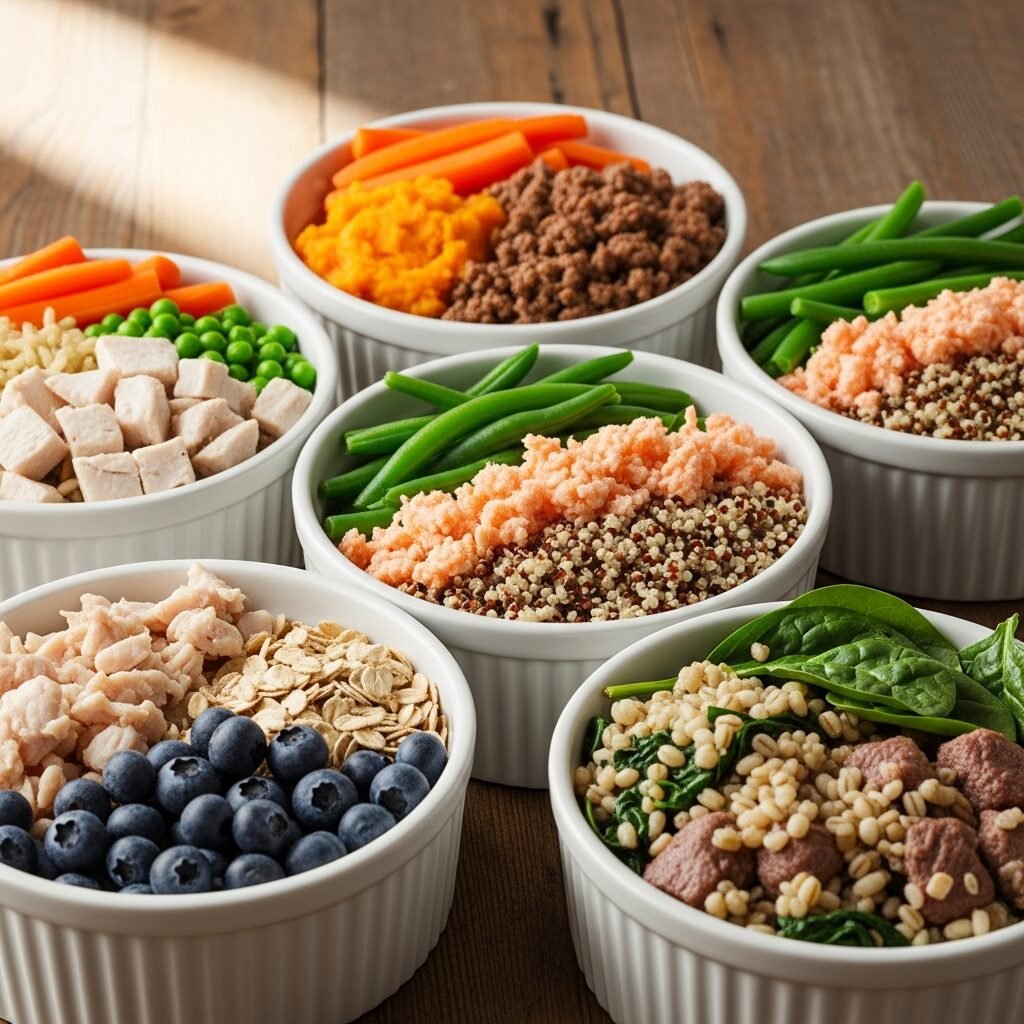
5 Vet-Approved Homemade Dog Foods
As devoted dog parents, we all want the very best for our furry family members. This often includes carefully considering what goes into their food bowl. You might be exploring homemade dog food options to ensure quality ingredients, manage allergies, or simply give your pup a fresh, wholesome meal you prepared with love. It’s a wonderful thought!
Making your dog’s food at home offers incredible control over their diet. You know exactly what they’re eating, without hidden fillers, artificial flavors, or mysterious by-products. This can be especially helpful for dogs with sensitive stomachs or specific dietary needs.
However, moving to a homemade diet isn’t something to do on a whim. Nutritional balance is crucial, and getting it wrong can lead to serious health issues for your beloved companion. That’s why the term “vet-approved” is so incredibly important.
In this article, we’ll share five carefully crafted, vet-approved homemade dog food recipes designed to provide your dog with essential nutrients. Remember, while these recipes are excellent starting points, always have a chat with your veterinarian before making any significant changes to your dog’s diet. They know your dog best and can offer personalized advice.
Why Consider Homemade Dog Food?
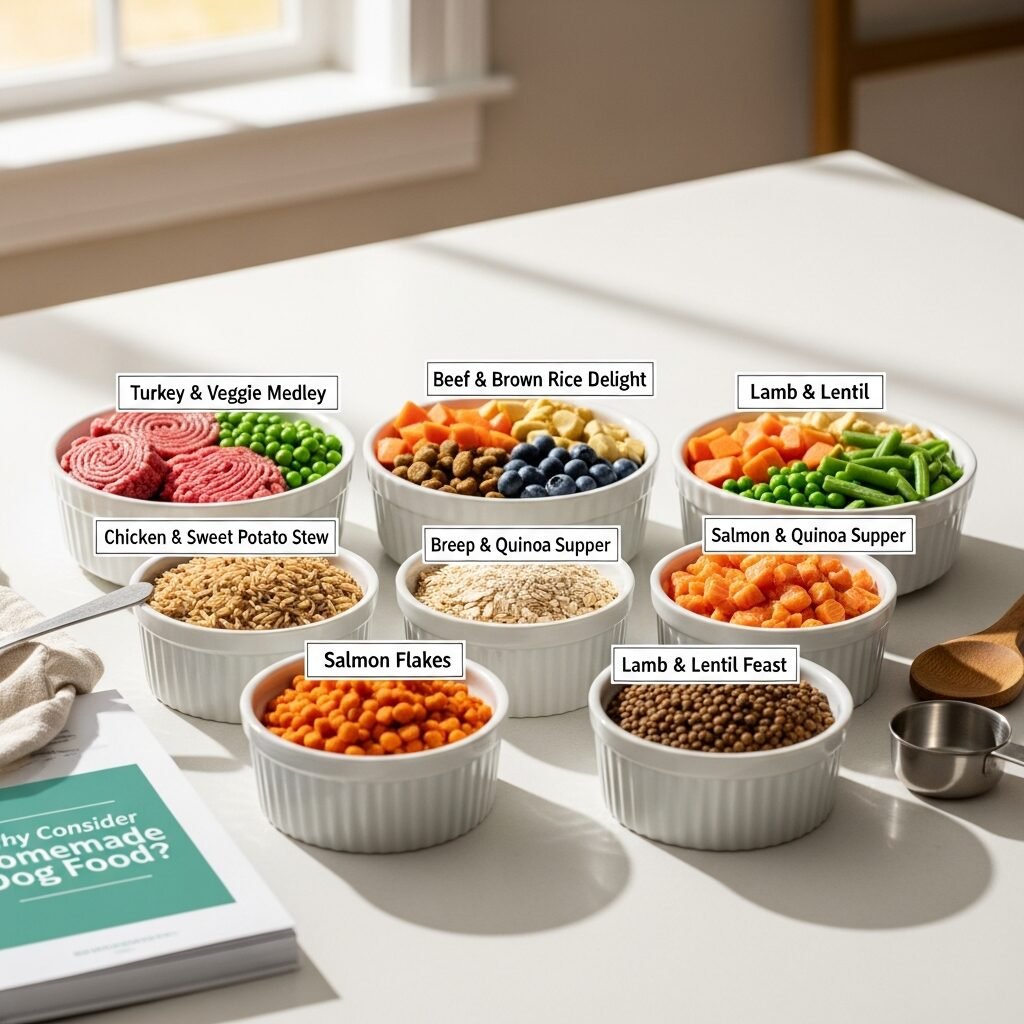
Many dog owners are turning to homemade meals for a variety of reasons. It’s more than just a trend; it’s often a deeply considered choice driven by a desire for better health and wellbeing for their pets.
Taking Control of Ingredients
One of the biggest benefits of preparing your dog’s food at home is knowing every single ingredient that goes into their bowl. You choose fresh, whole foods, avoiding artificial preservatives, colors, and mystery meats often found in commercial kibble. This transparency gives many dog parents peace of mind.
Addressing Dietary Sensitivities
If your dog suffers from allergies, skin issues, or digestive upset, identifying the culprits in commercial foods can be a challenge. With homemade food, you can specifically exclude ingredients known to cause problems, tailoring meals to your dog’s unique sensitivities. This can often lead to significant improvements in their overall health and comfort.
Enhanced Hydration
Commercial dry kibble contains very little moisture. Homemade dog food, especially recipes that include cooked meat and vegetables, has a much higher water content. This increased hydration supports kidney function, aids digestion, and contributes to your dog’s overall wellness.
Tailored Nutrition
Under the guidance of your veterinarian or a veterinary nutritionist, homemade meals can be precisely formulated to meet your dog’s specific life stage, activity level, and any underlying health conditions. Whether you have a growing puppy, an active adult, or a senior dog with joint issues, their diet can be customized accordingly.
The Golden Rule: Always Consult Your Veterinarian
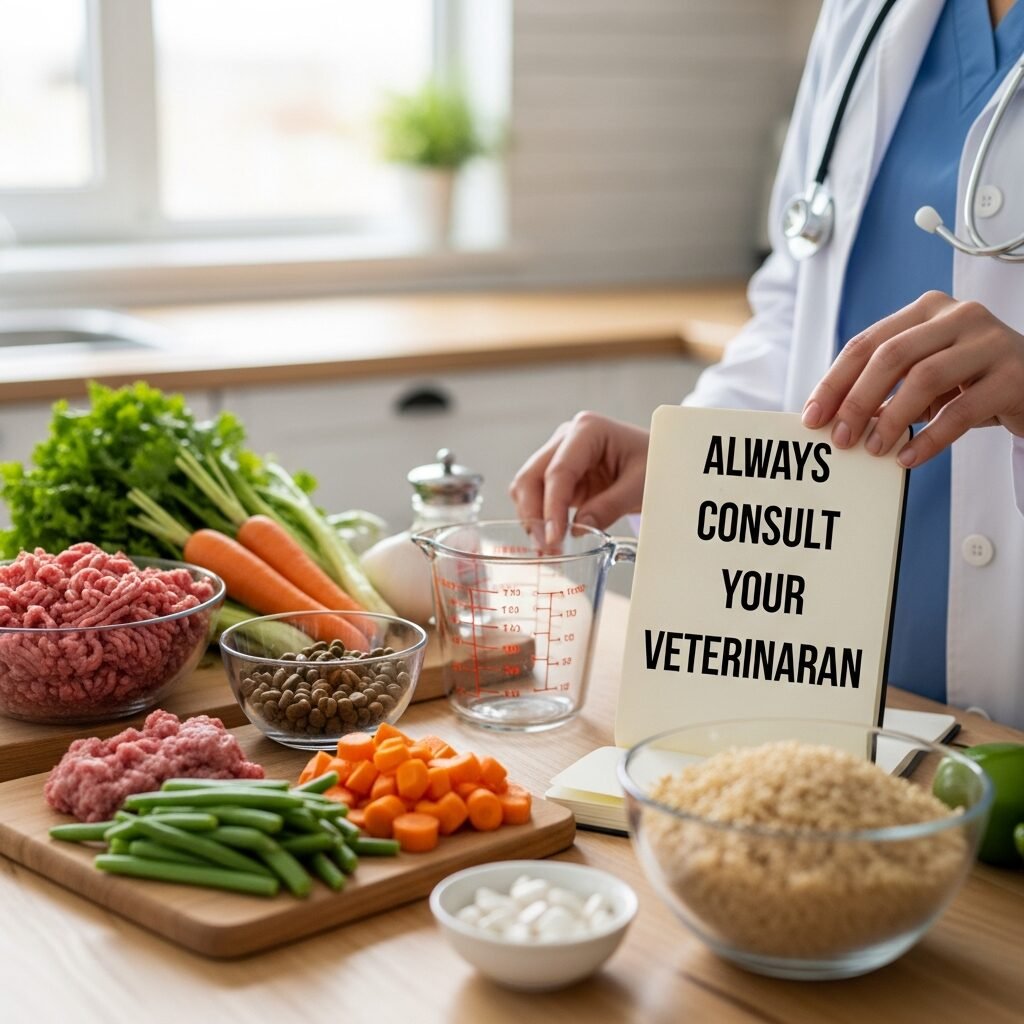
Before you even think about simmering the first batch of homemade dog food, stop and call your vet. This step is not optional; it’s absolutely vital for your dog’s health and safety.
Preventing Nutritional Deficiencies
Dogs, like humans, need a precise balance of proteins, carbohydrates, fats, vitamins, and minerals to thrive. Unlike humans, their dietary requirements are very specific and can be hard to meet without expert guidance. A diet lacking in even one essential nutrient can lead to serious long-term health problems. Your vet can help ensure your homemade recipes are complete and balanced.
Catering to Specific Health Needs
Every dog is an individual. What works for one might not work for another, especially if your dog has pre-existing health conditions such as kidney disease, pancreatitis, diabetes, or severe allergies. Your veterinarian can advise on appropriate ingredients and nutrient ratios that support your dog’s specific medical needs without causing harm. They might also recommend specific supplements to ensure a complete diet.
Essential Nutrients Your Dog Needs
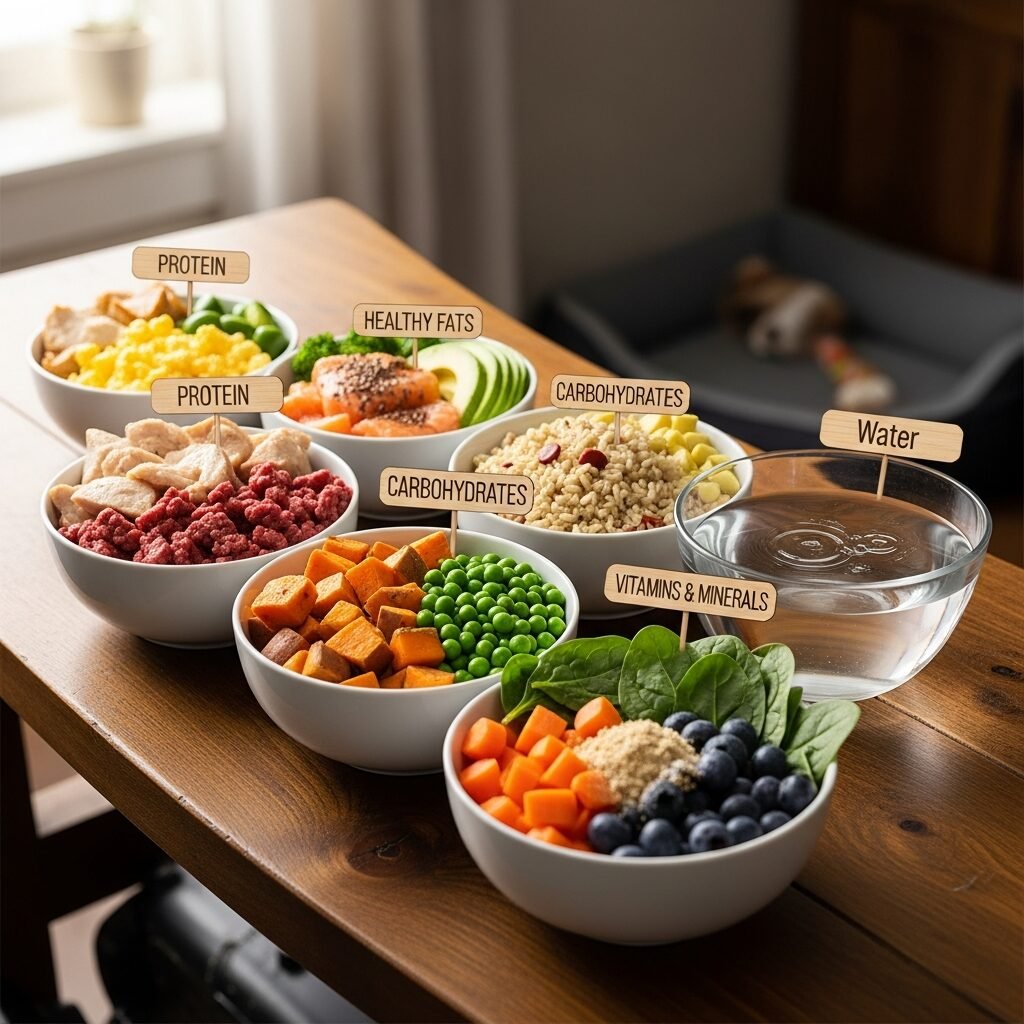
A truly balanced homemade dog food provides all the necessary building blocks for a healthy life. Understanding these key nutrient groups will help you appreciate why precise formulation is so important.
Protein Sources
Protein is fundamental for muscle development, tissue repair, and overall body function. Good sources for dogs include lean meats like chicken, turkey, beef, and fish. Eggs and some legumes can also contribute.
Carbohydrates for Energy
Carbohydrates provide energy and support digestive health through fiber. Healthy choices include brown rice, sweet potatoes, oats, quinoa, and certain vegetables. These should be cooked thoroughly to improve digestibility.
Healthy Fats
Fats are concentrated sources of energy and are crucial for healthy skin, coat, and vitamin absorption. Omega-3 fatty acids, found in fish oil and flaxseed, are particularly beneficial for anti-inflammatory properties. Sources include lean meat fats, salmon oil, and certain seed oils.
Vitamins and Minerals
A wide array of vitamins and minerals are necessary for countless bodily processes, from bone health to immune function. These are often found in organ meats, eggs, and a variety of fruits and vegetables. Sometimes, a vet-recommended supplement is necessary to ensure complete coverage in homemade diets.
Fiber for Digestion
Fiber, found in vegetables, fruits, and whole grains, promotes healthy digestion, regulates blood sugar, and helps maintain a healthy weight. Just remember, too much fiber can interfere with nutrient absorption.
Our Top 5 Vet-Approved Homemade Dog Food Recipes
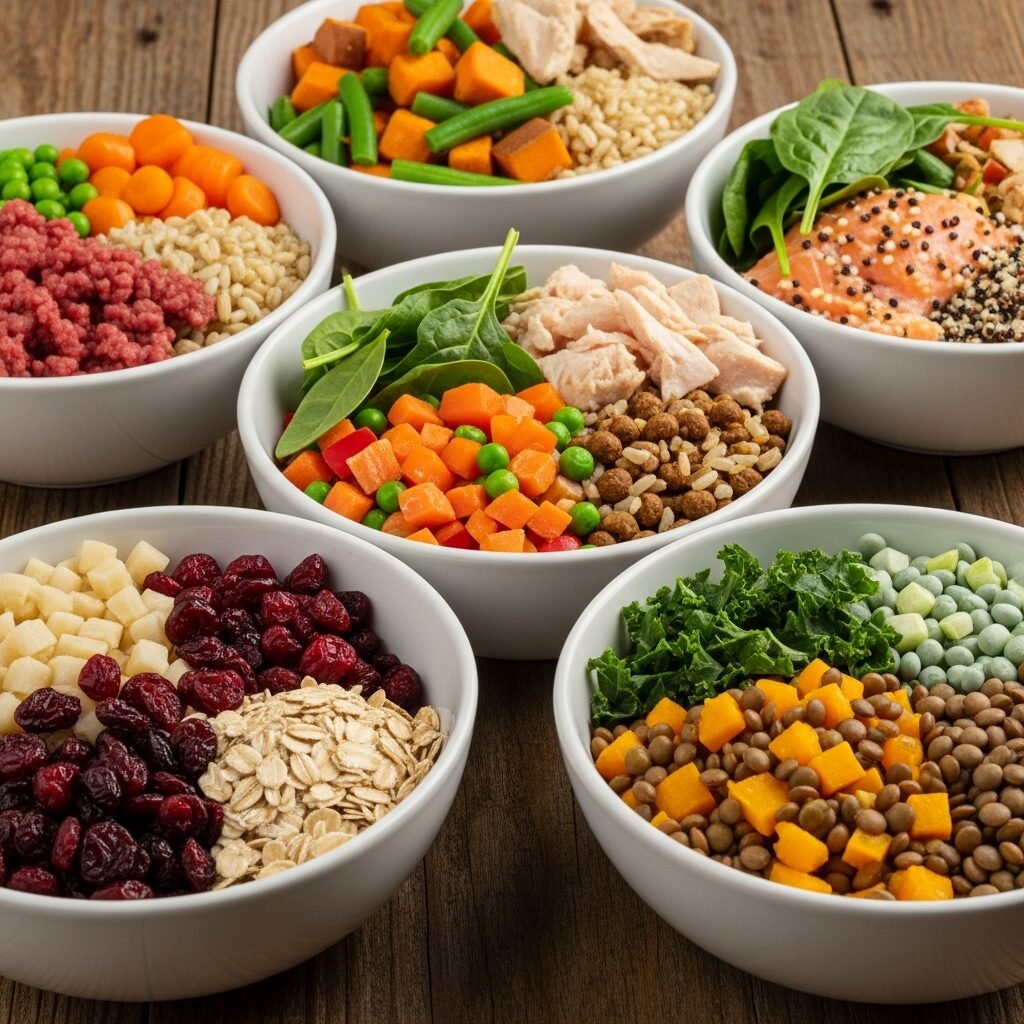
These recipes are designed to be nutritionally sound and appealing to most dogs. However, remember the golden rule: discuss these with your vet before introducing them to your dog’s diet. Your vet might suggest minor tweaks based on your dog’s individual needs.
1. Hearty Turkey & Veggie Bowl
This recipe is a fantastic, lean option that’s easy on the stomach for many dogs. Turkey is a lean protein, and the vegetables add essential vitamins and fiber.
Ingredients:
* 1 pound ground turkey (93% lean or higher)
* 1 cup chopped carrots
* 1 cup chopped green beans
* 1/2 cup cooked brown rice
* 1 tablespoon olive oil (optional, for healthy fats)
* 1/4 cup bone broth (low sodium, no onion/garlic)
Instructions:
1. In a large skillet, cook the ground turkey over medium heat until thoroughly browned. Drain any excess fat.
2. Add the chopped carrots and green beans to the skillet with the turkey. Cook for 5-7 minutes, until vegetables are tender-crisp.
3. Stir in the cooked brown rice, olive oil (if using), and bone broth.
4. Allow the mixture to cool completely before serving.
Feeding Guidelines (general, consult your vet for precise amounts):
* Small dogs (10-20 lbs): 1/2 to 1 cup per day
* Medium dogs (20-50 lbs): 1 to 2 cups per day
* Large dogs (50-90 lbs): 2 to 3 cups per day
Storage Tips:
Store leftovers in an airtight container in the refrigerator for up to 3-4 days. You can also freeze portions for longer storage, up to 2-3 months.
2. Lean Chicken & Brown Rice Medley
A classic and often well-tolerated combination, chicken and brown rice provide a balanced meal for many active dogs.
Ingredients:
* 1 pound boneless, skinless chicken breast or thighs
* 1.5 cups cooked brown rice
* 1 cup steamed broccoli florets (chopped)
* 1/2 cup cooked peas
* 1 tablespoon salmon oil (for Omega-3s)
* Water or low-sodium chicken broth
Instructions:
1. Boil or bake the chicken until thoroughly cooked. Once cooled, shred or chop into small, bite-sized pieces.
2. In a large bowl, combine the cooked chicken, brown rice, chopped broccoli, and peas.
3. Add the salmon oil and mix everything together thoroughly.
4. If the mixture seems dry, add a little water or low-sodium chicken broth until it reaches a moist consistency.
5. Let cool completely before serving.
Feeding Guidelines (general, consult your vet for precise amounts):
* Small dogs (10-20 lbs): 1/2 to 1 cup per day
* Medium dogs (20-50 lbs): 1 to 2 cups per day
* Large dogs (50-90 lbs): 2 to 3 cups per day
Storage Tips:
Refrigerate in an airtight container for up to 3-4 days. Freezing in individual portions is also a great option.
3. Salmon & Sweet Potato Delight
Rich in Omega-3s and gut-friendly fiber, this recipe is excellent for dogs with skin issues or those needing an extra boost of healthy fats.
Ingredients:
* 1 pound boneless, skinless salmon fillet (cooked, flaked)
* 2 medium sweet potatoes (cooked and mashed)
* 1 cup spinach (steamed and finely chopped)
* 1/2 cup cooked quinoa
* 1 teaspoon flaxseed oil (optional, for added Omega-3s)
Instructions:
1. Bake or steam the salmon until fully cooked, then flake it into small pieces, removing any bones and skin.
2. Cook the sweet potatoes until very tender, then mash them well.
3. Steam the spinach and chop it finely.
4. In a large bowl, combine the flaked salmon, mashed sweet potatoes, chopped spinach, and cooked quinoa.
5. Add the flaxseed oil if using, and mix everything until well incorporated.
6. Allow the mixture to cool completely before serving.
Feeding Guidelines (general, consult your vet for precise amounts):
* Small dogs (10-20 lbs): 1/2 to 1 cup per day
* Medium dogs (20-50 lbs): 1 to 2 cups per day
* Large dogs (50-90 lbs): 2 to 3 cups per day
Storage Tips:
Keep refrigerated in an airtight container for 3-4 days. This recipe also freezes well.
4. Beef & Barley Power Meal
This hearty recipe offers robust flavor and sustained energy, great for more active or larger breeds. Beef provides rich protein, and barley adds complex carbohydrates.
Ingredients:
* 1 pound lean ground beef (90% lean or higher)
* 1 cup cooked pearl barley
* 1 cup green peas
* 1/2 cup finely chopped bell peppers (any color except green if possible, as green can be harder to digest for some dogs)
* 1/4 cup beef broth (low sodium, no onion/garlic)
* 1 tablespoon coconut oil (optional, for healthy fats)
Instructions:
1. Cook the ground beef in a large skillet until fully browned. Drain all excess fat thoroughly.
2. Add the cooked pearl barley, green peas, and chopped bell peppers to the skillet with the beef.
3. Stir in the beef broth and coconut oil (if using). Cook for an additional 5 minutes to allow flavors to meld and vegetables to soften slightly.
4. Remove from heat and let cool completely before serving.
Feeding Guidelines (general, consult your vet for precise amounts):
* Small dogs (10-20 lbs): 3/4 to 1.5 cups per day
* Medium dogs (20-50 lbs): 1.5 to 2.5 cups per day
* Large dogs (50-90 lbs): 2.5 to 4 cups per day
Storage Tips:
Store in an airtight container in the refrigerator for 3-4 days. Freezes well for up to 2-3 months.
5. Simple Lentil & Quinoa Vegetarian Mix
For dogs with severe meat sensitivities (always under vet guidance!) or those requiring a lower-protein diet, this vegetarian option provides essential nutrients. It’s crucial this is vet-approved as vegetarian diets for dogs require careful balancing.
Ingredients:
* 1 cup cooked brown or green lentils
* 1/2 cup cooked quinoa
* 1 cup chopped butternut squash (steamed or baked)
* 1/2 cup steamed kale (finely chopped)
* 1 tablespoon flaxseed meal
* 1 tablespoon olive oil
Instructions:
1. Cook lentils and quinoa according to package directions.
2. Steam or bake the butternut squash until very soft, then mash it.
3. Steam the kale and chop it finely.
4. In a large bowl, combine the cooked lentils, quinoa, mashed butternut squash, and chopped kale.
5. Add the flaxseed meal and olive oil. Mix thoroughly until all ingredients are well combined.
6. Cool completely before serving.
Feeding Guidelines (general, consult your vet for precise amounts):
* Small dogs (10-20 lbs): 1/2 to 1 cup per day
* Medium dogs (20-50 lbs): 1 to 2 cups per day
* Large dogs (50-90 lbs): 2 to 3 cups per day
Storage Tips:
Refrigerate for 3-4 days. This recipe is also suitable for freezing.
Important Considerations for Homemade Dog Food
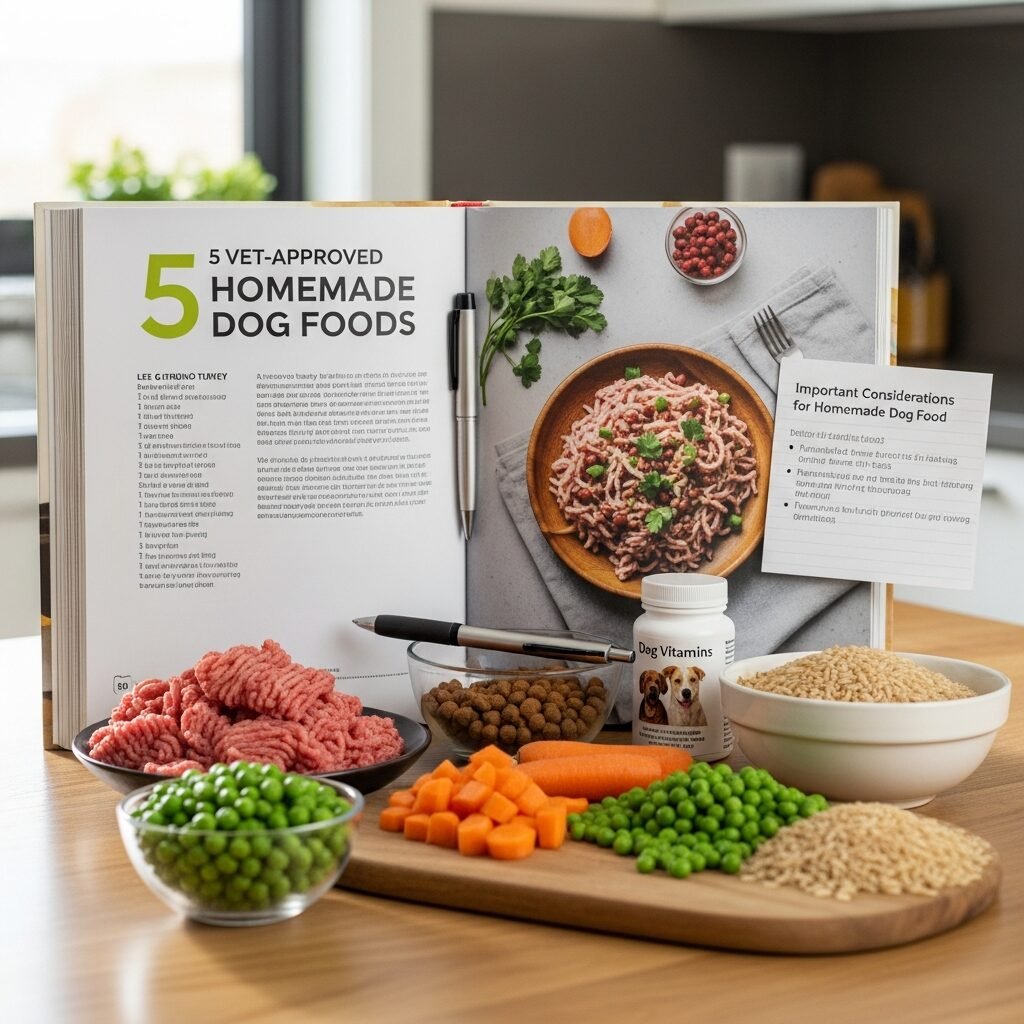
Embarking on a homemade diet journey for your dog is a big step. Beyond the recipes, there are several key factors to keep in mind to ensure your dog stays healthy and happy.
Nutritional Balance is Key
We cannot stress this enough: a diet must be complete and balanced. Even if a recipe looks good, ensuring it meets all of your dog’s daily nutrient requirements, including micronutrients, is challenging. Work closely with your vet or a certified veterinary nutritionist to review and approve any long-term homemade diet plan. They can help adjust recipes or recommend specific supplements.
Proper Food Preparation and Safety
Just like human food, dog food needs to be prepared safely.
* Always use fresh, high-quality ingredients.
* Cook all meats thoroughly to kill bacteria.
* Wash vegetables well.
* Avoid adding salt, sugar, onion, garlic, or other human seasonings that are harmful to dogs.
* Clean all utensils and surfaces to prevent cross-contamination.
Supplementation: When and How?
It is highly likely that a homemade diet will require supplementation to be truly complete. Even with the best ingredients, it’s hard to hit every single vitamin and mineral without fortification. Your vet can recommend a high-quality, dog-specific vitamin and mineral supplement to add to your homemade meals. Never use human supplements without vet approval.
Cost and Time Commitment
Homemade dog food can be more time-consuming and potentially more expensive than commercial kibble, especially if you’re buying high-quality, human-grade ingredients. Consider your lifestyle and budget before committing to ensure you can consistently provide a balanced diet. Batch cooking can help save time during the week.
Transitioning Your Dog to New Food
Dogs can have sensitive stomachs, so a gradual transition is essential when introducing any new food.
1. Start by mixing a small amount of the homemade food (about 10-20%) with their current food.
2. Over 7-10 days, slowly increase the proportion of homemade food while decreasing the old food.
3. Monitor your dog closely for any signs of digestive upset, such as vomiting, diarrhea, or loss of appetite. If you notice any issues, slow down the transition or consult your vet.


