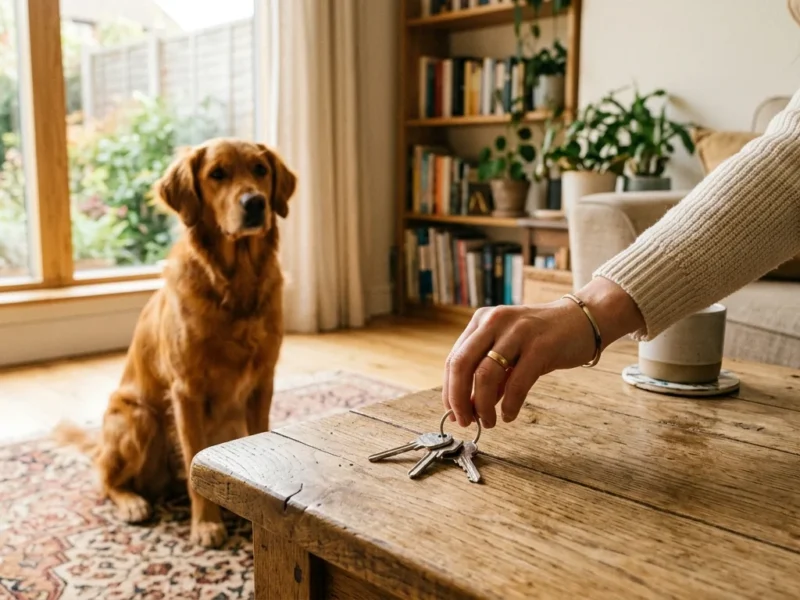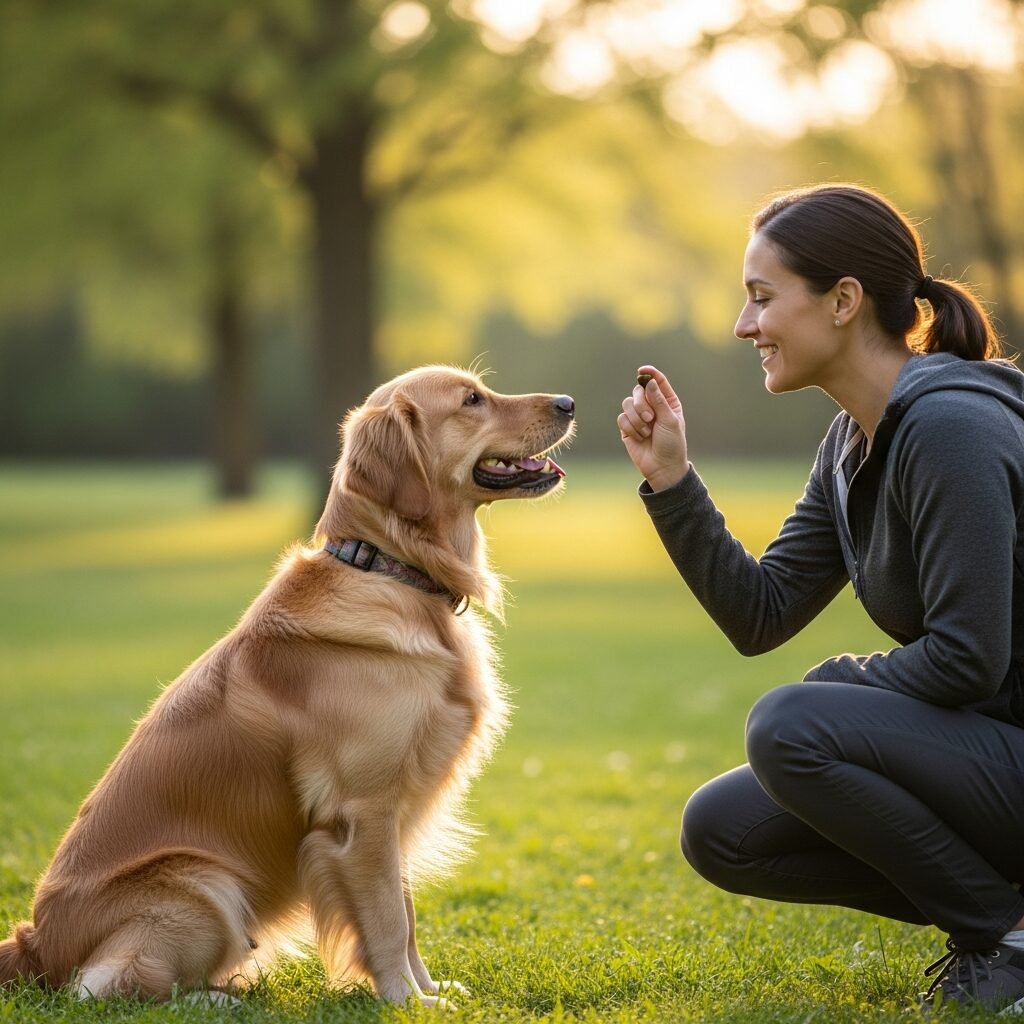
Bringing a dog into your home is one of life’s greatest joys. They fill our lives with laughter, companionship, and endless snuggles. But alongside all that love comes responsibility, and a big part of that is teaching them how to be well-behaved members of your family and society. Basic dog commands aren’t just about showing off; they are fundamental tools for safety, communication, and building an incredible bond with your furry best friend.
Think of it this way: teaching your dog commands is like teaching a child manners and important life skills. It helps them navigate the world safely, understand what you expect of them, and ultimately leads to a happier, less stressful life for both of you. You’ll be amazed at how much your relationship flourishes when you both speak a common language. Let’s dive into seven essential commands that every dog, regardless of age or breed, can and should learn.
Why Basic Commands Are a Game-Changer
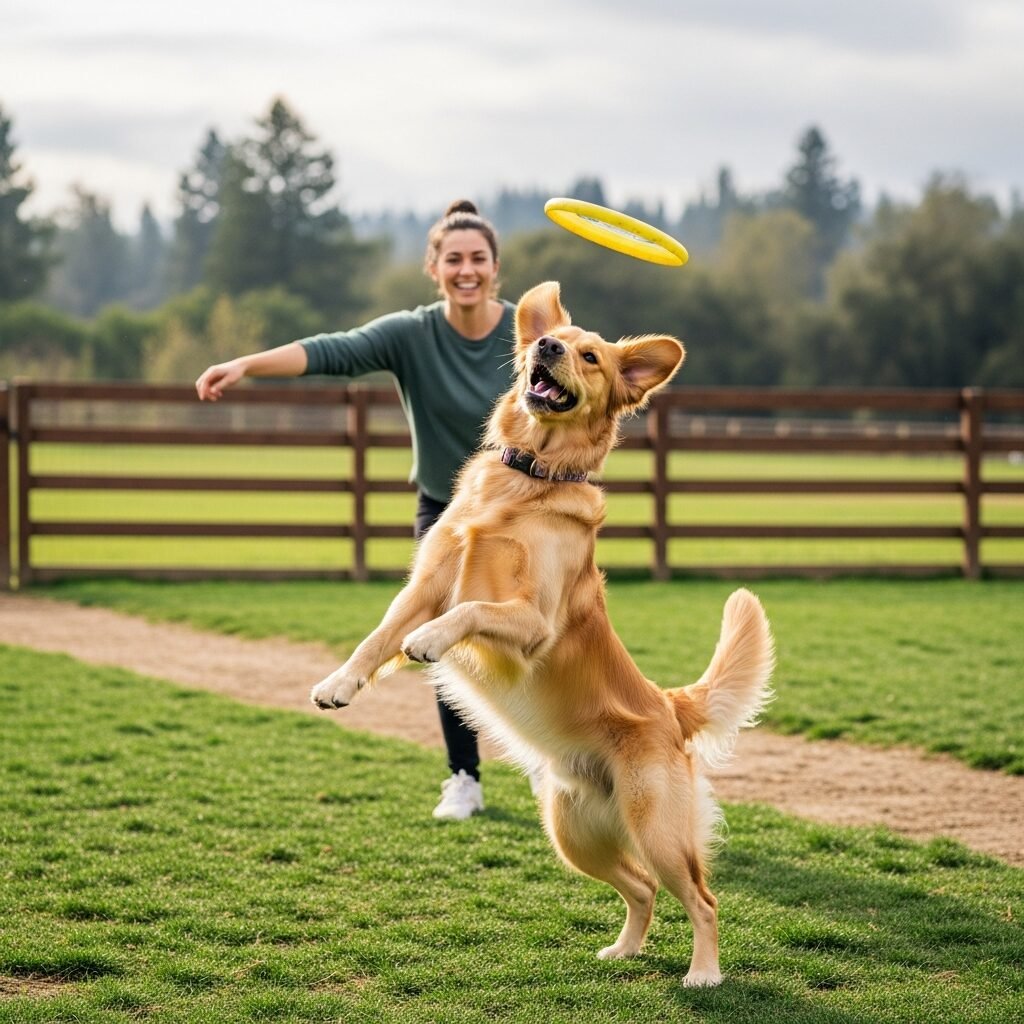
Learning simple commands might seem like a small thing, but the impact it has on your dog’s life and yours is huge. It’s about more than just obedience; it’s about clear communication, trust, and even safety.
- Safety First: A reliable “Come” can save your dog from danger, and a solid “Stay” can prevent them from darting into the street. These commands are lifesavers.
- Strengthening Your Bond: Training sessions are prime opportunities for positive interaction. You’re working together, learning from each other, and building a deeper connection.
- Better Behavior: Commands like “Leave It” and “Drop It” can stop unwanted behaviors before they start, preventing your dog from chewing on forbidden items or picking up something unsafe.
- Increased Freedom: A well-trained dog can enjoy more freedom. They can join you on more outings, have supervised off-leash play in safe areas, and simply be a more integrated part of your daily life.
- Mental Stimulation: Training engages your dog’s brain, which is just as important as physical exercise. A mentally stimulated dog is often a calmer, happier dog.
Getting Started: Essential Training Principles
Before we jump into specific commands, let’s talk about the golden rules of dog training. These principles will set you up for success no matter what you’re teaching your dog.
- Start Young, But It’s Never Too Late: Puppies soak up information like sponges, but adult dogs are perfectly capable of learning new things. Be patient and consistent, and you’ll see results.
- Keep It Positive and Fun: This is key! Use treats, praise, and toys as rewards. Training should be a happy experience for your dog, not a chore. Avoid punishment, which can lead to fear and distrust.
- Be Consistent: Everyone in the household needs to use the same commands and reward system. If one person allows jumping and another doesn’t, your dog will be confused.
- Short, Sweet, and Simple: Dogs have shorter attention spans, especially when they’re young. Keep training sessions brief, around 5-10 minutes, and end on a positive note.
- High-Value Rewards: What does your dog absolutely love? Cheese? Cooked chicken? A favorite squeaky toy? Use these high-value rewards for training, especially in the beginning and when learning new or challenging commands.
The 7 Must-Know Commands and How to Teach Them
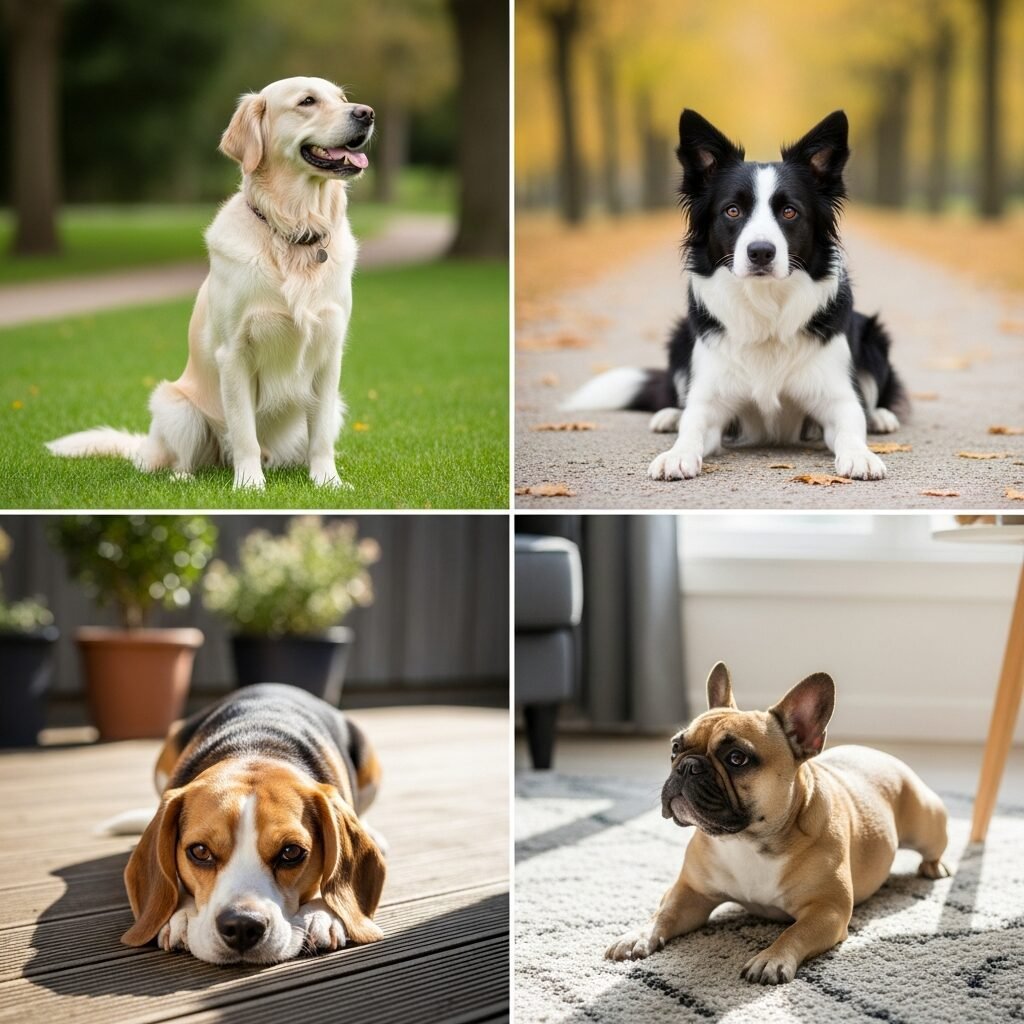
1. Sit: The Foundation of Good Manners
The “Sit” command is often the first thing people teach their dogs, and for good reason! It’s simple, universally useful, and a great way to start building that communication. It’s perfect for polite greetings, waiting for food, or just settling down.
How to Teach “Sit”:
- Get Their Attention: Hold a tasty treat near your dog’s nose. Let them sniff it.
- Lure Them Into Position: Slowly move the treat up and back over their head, towards their tail. As their nose follows the treat, their rear end will naturally lower to the ground. As soon as their bottom touches the floor, say “Sit!”
- Reward Immediately: The instant their butt hits the floor, praise them enthusiastically (“Good sit!”) and give them the treat. Timing is crucial here!
- Repeat and Practice: Do this a few times, then take a break. Practice in short sessions throughout the day. Once they reliably sit with the lure, start phasing it out by making the hand motion smaller, eventually just using the verbal cue “Sit” before they settle down.
Troubleshooting: If your dog jumps up, try using a slightly lower treat or moving your hand slower. If they back up, try doing it in a corner or against a wall to limit their movement.
2. Stay: Building Patience and Trust
Once your dog has mastered “Sit,” “Stay” is the natural next step. This command is invaluable for safety, giving you control in various situations, whether it’s preventing them from bolting out the door or waiting patiently while you tie your shoe.
How to Teach “Stay”:
- Start with a Sit: Have your dog sit. Extend your open palm towards them (a common hand signal for “Stay”) and clearly say “Stay.”
- Take One Step Back: Immediately take one tiny step backward. If your dog stays, quickly step back to them, praise them, and give a treat. The key is to reward them for staying, not for coming to you.
- Gradually Increase Distance and Time: As they succeed, slowly increase your distance (one step, then two, then a few feet) and the duration of the stay (one second, then two, then five). Always return to your dog to reward them, rather than calling them to you during the learning phase.
- Introduce a Release Word: After rewarding, use a consistent release word like “Okay!” or “Free!” to let them know the command is over. This teaches them to wait for your permission.
Troubleshooting: If your dog breaks the stay, simply go back to the beginning, reduce the distance or time, and try again. Don’t scold them; just reset and make it easier for them to succeed.
3. Come: The Ultimate Recall Command
The “Come” command, or recall, is arguably the most important command you can teach your dog. It’s a lifesaver, allowing you to call your dog away from dangerous situations, and it gives them the freedom to explore safely in appropriate environments.
How to Teach “Come”:
- Make It Fun: Start in a quiet, enclosed area. Get down on their level, use an excited voice, and say “Come!” or “Here!” as you back away a few steps.
- Reward Big: The instant they reach you, praise them lavishly and give them a jackpot of treats (several small treats or a really high-value one). You want them to think coming to you is the best thing ever.
- Increase Distance and Distractions: Gradually increase the distance and introduce mild distractions (like a toy on the floor, or another person a short distance away). Always reward success generously.
- Never Punish a Recall: This is vital! If your dog eventually comes to you after a delay, never scold them. You want them to associate coming to you with positive things, even if they were being naughty beforehand. Punishment will make them less likely to come next time.
Troubleshooting: If your dog isn’t responding, make yourself more exciting! Wiggle, clap, run backwards, make silly noises. If they’re playing ‘keep away,’ try kneeling down and ignoring them for a moment; sometimes that sparks their curiosity to come investigate.
4. Down: A Calm and Submissive Posture
The “Down” command is excellent for teaching your dog to relax and settle. It’s also useful in many practical situations, like during veterinary visits, grooming, or when you need them to be out of the way, calmly resting.
How to Teach “Down”:
- Lure to the Ground: Start with your dog in a “Sit” position. Hold a treat near their nose. Slowly move the treat straight down to the floor, between their paws. Then, slide the treat slowly along the floor, away from them, just a few inches. Their head should follow the treat, and their body will naturally lower into a “Down.”
- Add the Verbal Cue: As soon as they lie down, say “Down!” clearly and give them the treat and praise.
- Hold the Position Briefly: At first, reward them the moment they lie down. As they get it, start to delay the reward for a second or two, gradually building up the duration of the “Down” before releasing them with your chosen release word.
- Practice in Different Settings: Once mastered at home, practice in various low-distraction environments to generalize the command.
Troubleshooting: If your dog just sits, make sure you’re moving the treat along the floor, not just straight down. If they get up and follow the treat, try doing it in a confined space, like between your legs, to help keep them in position.
5. Leave It: Preventing Trouble and Danger
The “Leave It” command is a safety essential. It teaches your dog to ignore tempting or dangerous items they might find on walks (like discarded food, trash, or even sharp objects) or things they shouldn’t bother in the house.
How to Teach “Leave It”:
- Start with Something Low-Value: Place a low-value treat (something your dog likes but isn’t crazy about) on the floor and cover it with your hand. When your dog tries to get it, just keep your hand over it. Say “Leave It” calmly.
- Reward for Looking Away: The moment your dog looks away from your hand, even for a split second, immediately remove your hand, praise them, and give them a high-value treat from your OTHER hand. This teaches them that ignoring the first item leads to something better.
- Gradually Increase the Challenge: Once they reliably look away when your hand is covering the treat, try putting the low-value treat on the floor uncovered. If they go for it, cover it again. If they “Leave It,” reward them with a better treat from your hand. Slowly increase the temptation and distractions.
- Apply to Real-Life: Once mastered, practice with various items: toys, crumbs, even small bits of food you drop accidentally. The goal is for them to ignore the forbidden item and look to you for a reward.
Troubleshooting: If your dog is snatching the item, you’re moving too fast. Go back to covering the item completely. Ensure your reward is significantly more appealing than what they’re leaving.
6. Drop It: Giving Up Valuables (or Not-So-Valuables)
“Drop It” is incredibly useful for getting your dog to release items they shouldn’t have, whether it’s your remote control, a dangerous object they’ve picked up, or simply to retrieve a toy during playtime. It also helps prevent resource guarding.
How to Teach “Drop It”:
- Start with a Toy: Play with your dog and a toy they like, but not their absolute favorite. While they have the toy in their mouth, hold a high-value treat near their nose.
- Trade for a High-Value Treat: As they open their mouth to sniff the treat, say “Drop It!” and immediately give them the treat. As they eat the treat, pick up the toy.
- Repeat and Play: Give them the toy back and repeat the process. The more you practice, the more they learn that dropping the toy leads to a tasty reward AND they get the toy back (or a different toy) eventually.
- Practice with Different Items: Once they reliably drop toys, practice with other safe items they might pick up around the house. Always offer a trade for something better.
Troubleshooting: If your dog runs away with the item, try practicing in a smaller, enclosed area like a hallway. If they refuse to drop, try an even higher-value treat. Never chase your dog, as this can turn it into a game.
7. Walk Nicely on Leash (or Heel): Enjoyable Strolls
Leash pulling can make walks a chore instead of a pleasure. Teaching your dog to walk nicely on a leash, or a basic “Heel” (walking calmly by your side), transforms your outings into enjoyable experiences for both of you. It’s about polite partnership, not a tug-of-war.
How to Teach “Walk Nicely on Leash”:
- Start Indoors: Begin in a quiet area with no distractions. Hold the leash loosely. The moment your dog walks next to you with a loose leash, mark the behavior (with a verbal “Yes!” or a clicker) and immediately give them a treat.
- Reward Loose-Leash Walking: Walk a few steps. If the leash is loose, treat. If they pull, immediately stop walking. Stand still, like a tree. Only start walking again when the leash goes slack. This teaches them that pulling gets them nowhere, and a loose leash gets them moving forward.
- Change Direction: To keep their attention on you, frequently change direction. If they’re focused on you and following, reward them. If they get ahead, change direction and reward when they catch up.
- Be Consistent and Patient: This command takes time and consistency, especially when you move to outdoor environments with more distractions. Always reward when they are walking calmly by your side, even for a few steps.
Troubleshooting: If your dog is a strong puller, consider a front-clip harness, which can help redirect their momentum without causing discomfort. Avoid retractable leashes during training, as they teach dogs that pulling extends their reach.
Common Training Challenges and How to Overcome Them
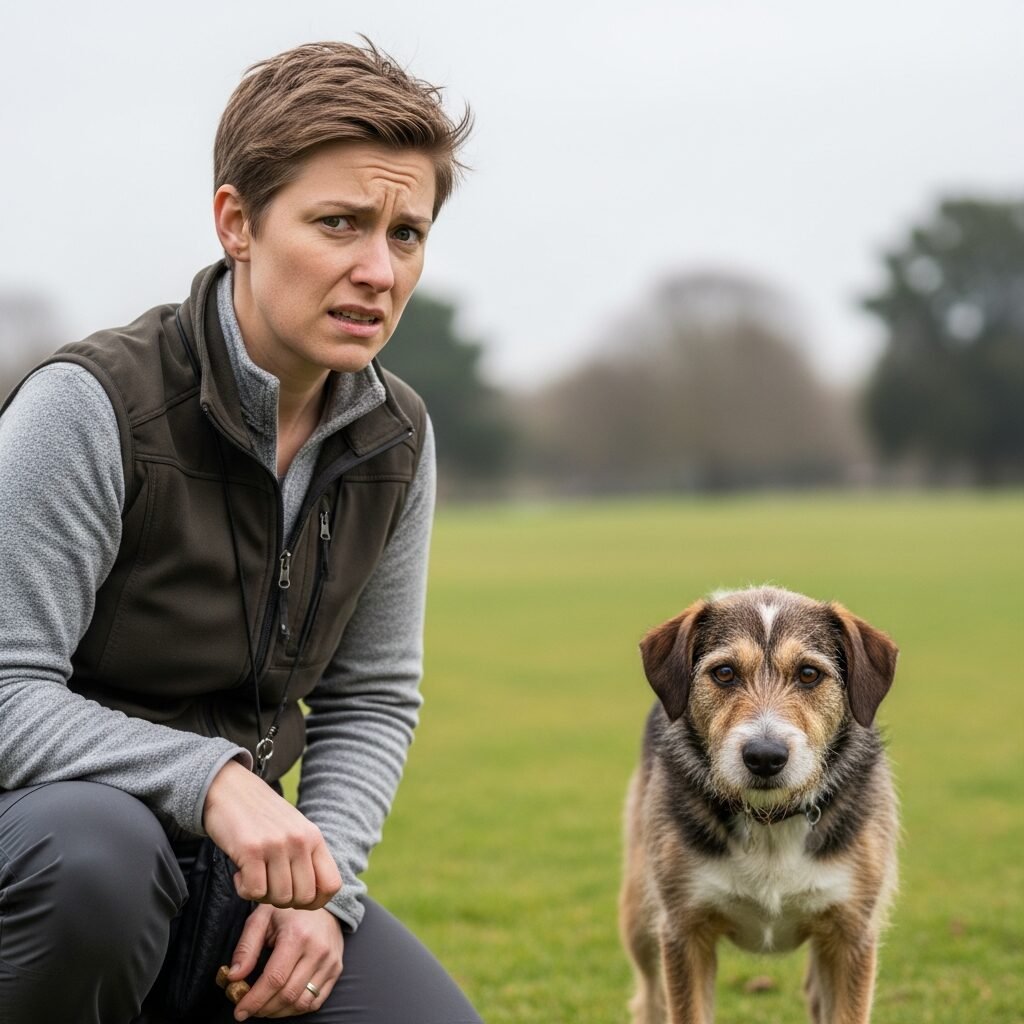
Even with the best intentions and techniques, you’ll encounter bumps in the road. That’s perfectly normal! Here are some common challenges and how to navigate them:
- Distractions are Real: Your dog might be a pro at “Sit” in your quiet living room but ignore you at the park. This is normal! Practice in gradually more distracting environments, starting with low-level distractions and slowly increasing them. Short sessions are key.
- Short Attention Spans: Especially true for puppies and high-energy breeds. Keep sessions brief, fun, and stop before your dog gets bored or frustrated. Always end on a high note.
- Frustration Can Happen: For both of you! If you or your dog are getting frustrated, take a break. Go play for a bit, then come back to training later with a fresh perspective. Training should never feel like a battle.
- Every Dog is Different: What works for one dog might not work for another. Some are highly food motivated, others prefer toys or praise. Experiment to find what truly motivates your dog. Adjust your pace and methods to suit your dog’s individual personality and learning style.