7 Tricks You Can Teach Your Dog in a Week
Learning new things is exciting, not just for us, but for our furry best friends too! Teaching your dog tricks is one of the most rewarding ways to spend time together. It strengthens your bond, boosts their confidence, and provides essential mental stimulation. Plus, imagine showing off your dog’s new talents to your friends and family!
You might think teaching a dog new tricks takes ages, but you’d be surprised how quickly they can pick things up with the right approach. With just a little patience, consistency, and a handful of tasty treats, you can teach your dog seven fun and useful tricks in a single week. Let’s get started on this exciting journey!
Why Teach Your Dog Tricks?
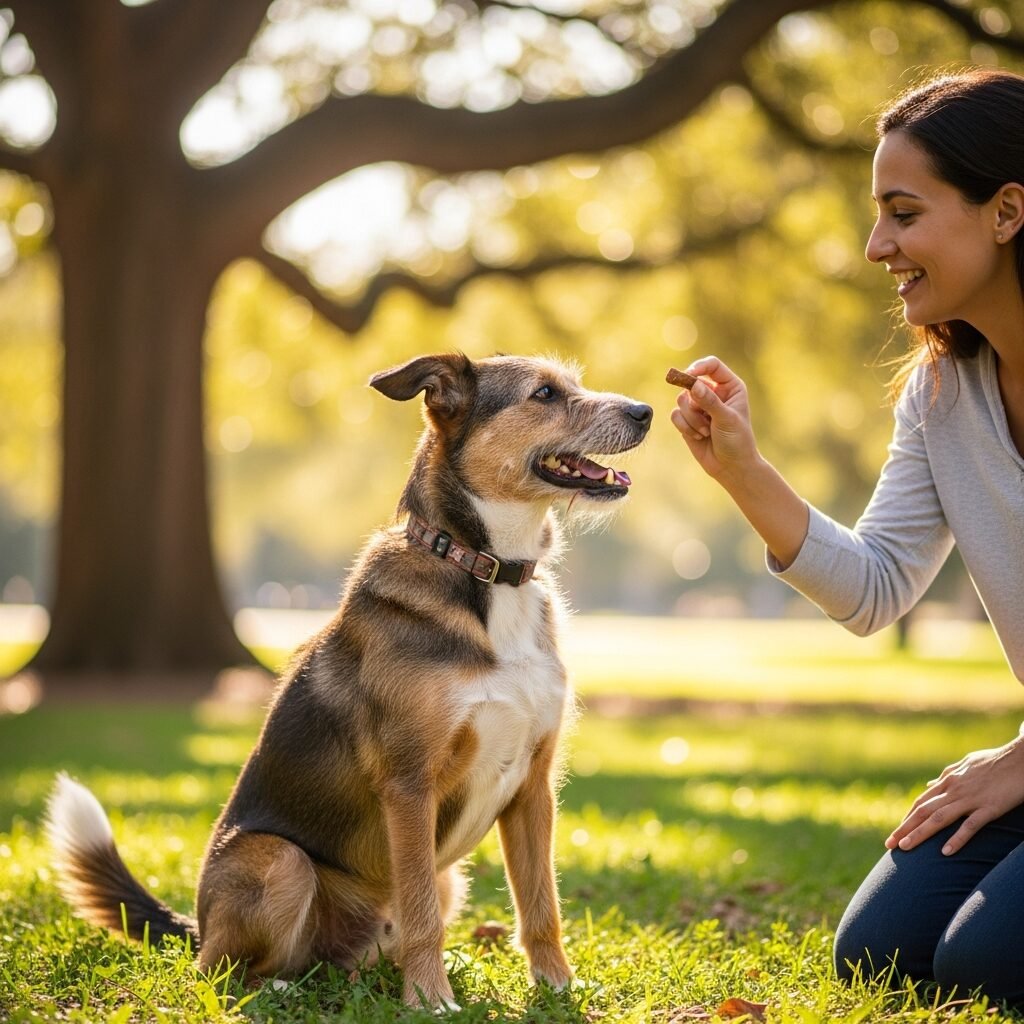
Teaching tricks isn’t just for show; it’s incredibly beneficial for your dog’s overall well-being. It’s a fantastic way to engage their minds and bodies, preventing boredom and potential destructive behaviors that can arise from a lack of stimulation. Think of it as brain games for your canine companion.
Beyond the fun, trick training builds a deeper connection between you and your dog. It establishes clear communication, builds trust, and helps your dog understand boundaries and expectations. It’s truly a win-win for everyone involved.
- Strengthens your bond and builds trust.
- Provides mental exercise and prevents boredom.
- Boosts your dog’s confidence and problem-solving skills.
- Improves communication between you and your dog.
- Offers a fun outlet for excess energy.
- Helps reinforce good behavior and impulse control.
Before You Begin: Essential Training Tips
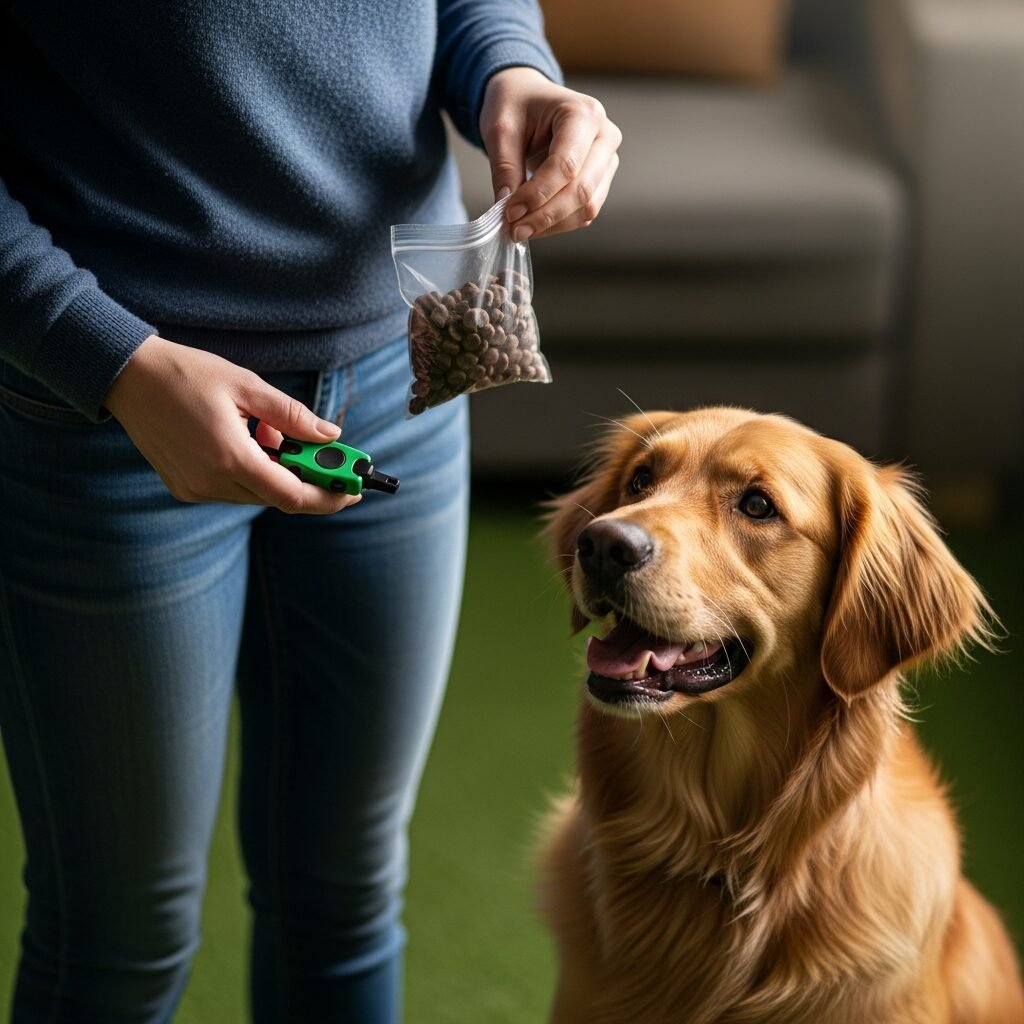
Before you dive into teaching specific tricks, a few ground rules will set you and your dog up for success. These tips will make the process smoother, more enjoyable, and far more effective for both of you.
- Keep sessions short and fun: Aim for 5-10 minutes, 2-3 times a day. Dogs have short attention spans!
- Use high-value treats: Find what really motivates your dog, whether it’s small pieces of cheese, chicken, or their favorite training treat.
- Be patient and positive: Never get frustrated. If your dog isn’t getting it, take a break and try again later. Positive reinforcement (praise, treats, petting) is key.
- Train in a distraction-free environment: Start in a quiet room, then gradually introduce distractions as your dog masters the trick.
- Be consistent: Use the same command words and hand signals every time.
- End on a high note: Always finish a session after your dog has successfully performed a trick, even if it’s one they already know.
The 7 Tricks You Can Teach in a Week
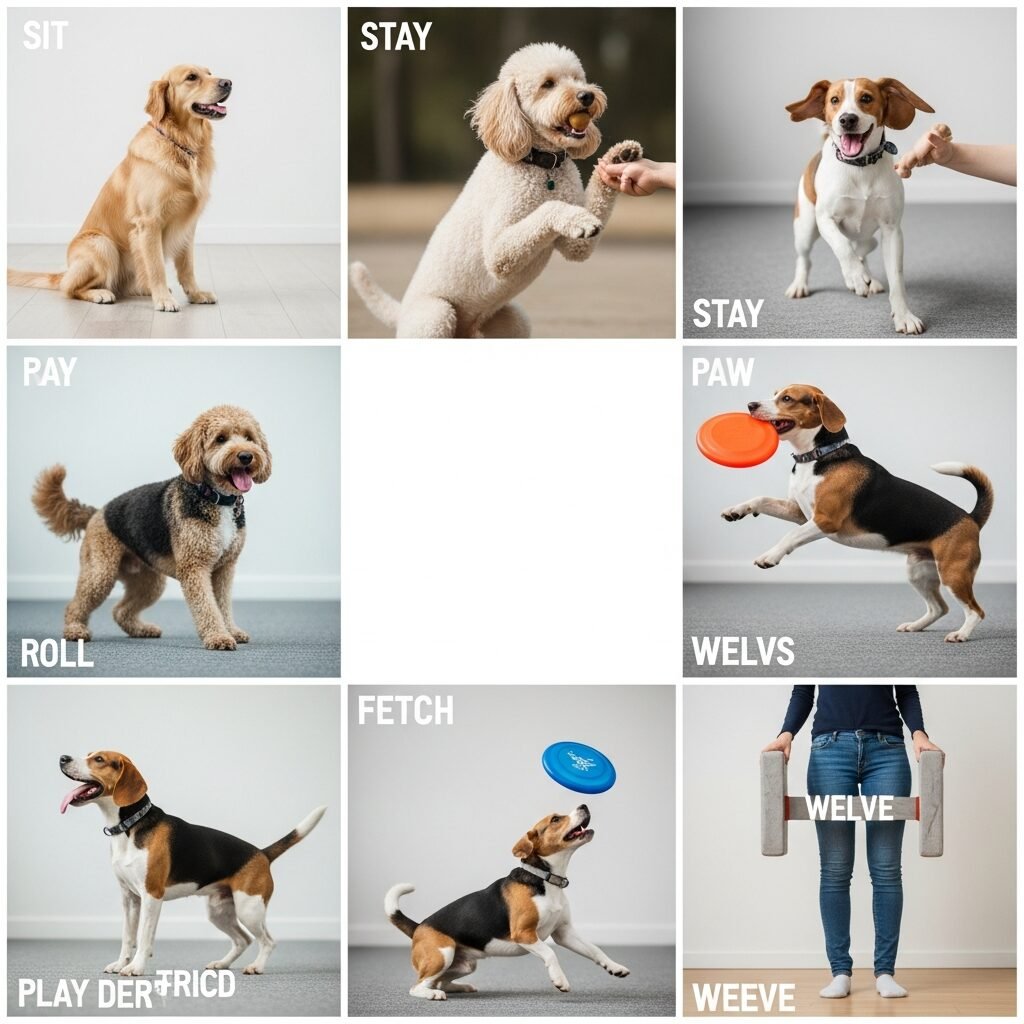
Here are seven fantastic tricks you can teach your dog, broken down into simple, manageable steps. Remember, one trick a day, with consistent practice, will get you there!
1. Sit
The ‘Sit’ command is often the first trick taught, and for good reason! It’s fundamental for good manners and a building block for many other behaviors. It’s surprisingly easy to teach.
- Hold a treat near your dog’s nose.
- Slowly move the treat up and back over their head, towards their tail. Their nose will follow the treat, and their bottom will naturally lower to the ground.
- As their bottom touches the ground, say ‘Sit!’ and immediately give them the treat and praise.
- Repeat several times until your dog reliably sits when you give the command. Gradually phase out the treat lure, using only your hand signal and then just the verbal command.
2. Stay
Once your dog has mastered ‘Sit,’ ‘Stay’ is the natural next step. This trick teaches impulse control and is incredibly useful for everyday situations, like waiting at the door or before eating.
- Have your dog in a ‘Sit’ position.
- Hold your open palm towards your dog and say ‘Stay!’
- Take one tiny step back. If they stay, immediately step back to them, reward, and praise.
- Gradually increase the distance and duration. If they move, gently guide them back to their original ‘Sit’ spot and start over. Don’t reward them for breaking the stay.
- Always release them from the ‘Stay’ with a release word like ‘Okay!’ or ‘Free!’ and then reward.
3. Come
The ‘Come’ command (or recall) is one of the most vital tricks for safety and control. A reliable recall can prevent your dog from getting into dangerous situations, like running into traffic.
- Start in a quiet, enclosed area. Get down to your dog’s level and enthusiastically say ‘Come!’ while opening your arms.
- As they approach, make excited noises and praise them. When they reach you, give them a high-value treat and lots of fuss.
- Never use ‘Come!’ to scold your dog or do something unpleasant (like leaving the park). You want them to associate ‘Come!’ with positive experiences.
- Practice in different environments, gradually adding distractions, but always ensuring success in the beginning.
4. Lie Down (or Down)
The ‘Down’ command is another excellent foundational behavior for control and relaxation. It’s perfect for when you need your dog to settle quietly, like at a cafe or during visitors.
- Have your dog in a ‘Sit’ position.
- Hold a treat near their nose and slowly lower it straight down to the floor, then slide it away from them, along the ground. Their nose should follow, causing them to lie down.
- As their elbows touch the ground, say ‘Down!’ and immediately reward and praise.
- If they struggle, try sliding the treat under your hand or leg to guide them. Practice until they lie down reliably with the command and hand signal.
5. Shake a Paw (or Paw)
‘Shake a Paw’ is a delightful trick that often impresses people and adds a touch of charm to your dog’s repertoire. It’s a simple, fun interaction that many dogs enjoy learning.
- Have your dog in a ‘Sit’ position.
- Gently tap or lift one of their front paws, saying ‘Shake!’ or ‘Paw!’ as you do.
- As soon as they lift or you lift their paw, immediately give them a treat and praise.
- Repeat, gradually reducing the amount you help. Soon, they will lift their paw on command. Always use the same paw initially, then introduce the other paw later if desired.
6. Spin
The ‘Spin’ trick is fantastic for mental engagement and a great way to impress your friends! It involves your dog turning in a circle, and it’s easier to teach than you might think.
- Hold a treat near your dog’s nose.
- Slowly move the treat in a circle around their head, guiding them to follow their nose and turn their whole body.
- As they complete the full circle, say ‘Spin!’ (or ‘Twirl!’ or ‘Circle!’), give the treat, and praise enthusiastically.
- Practice in one direction until they get it, then try the other direction. Once they reliably follow the lure, start using just the hand motion and then just the verbal command.
7. Touch (Targeting)
The ‘Touch’ command, or nose targeting, is incredibly versatile. It’s a building block for many advanced tricks and can be used to guide your dog to specific locations or objects. Plus, it’s just plain cute!
- Hold your open palm out to your dog, about nose-level.
- The moment your dog’s nose touches your hand (out of curiosity or interaction), say ‘Touch!’ and immediately reward with a treat and praise.
- Repeat this many times, moving your hand to different positions (higher, lower, to the side).
- Once they consistently touch your hand, start phasing out the treat lure. You can eventually use a target stick instead of your hand for more advanced behaviors.
Making Training Fun and Effective
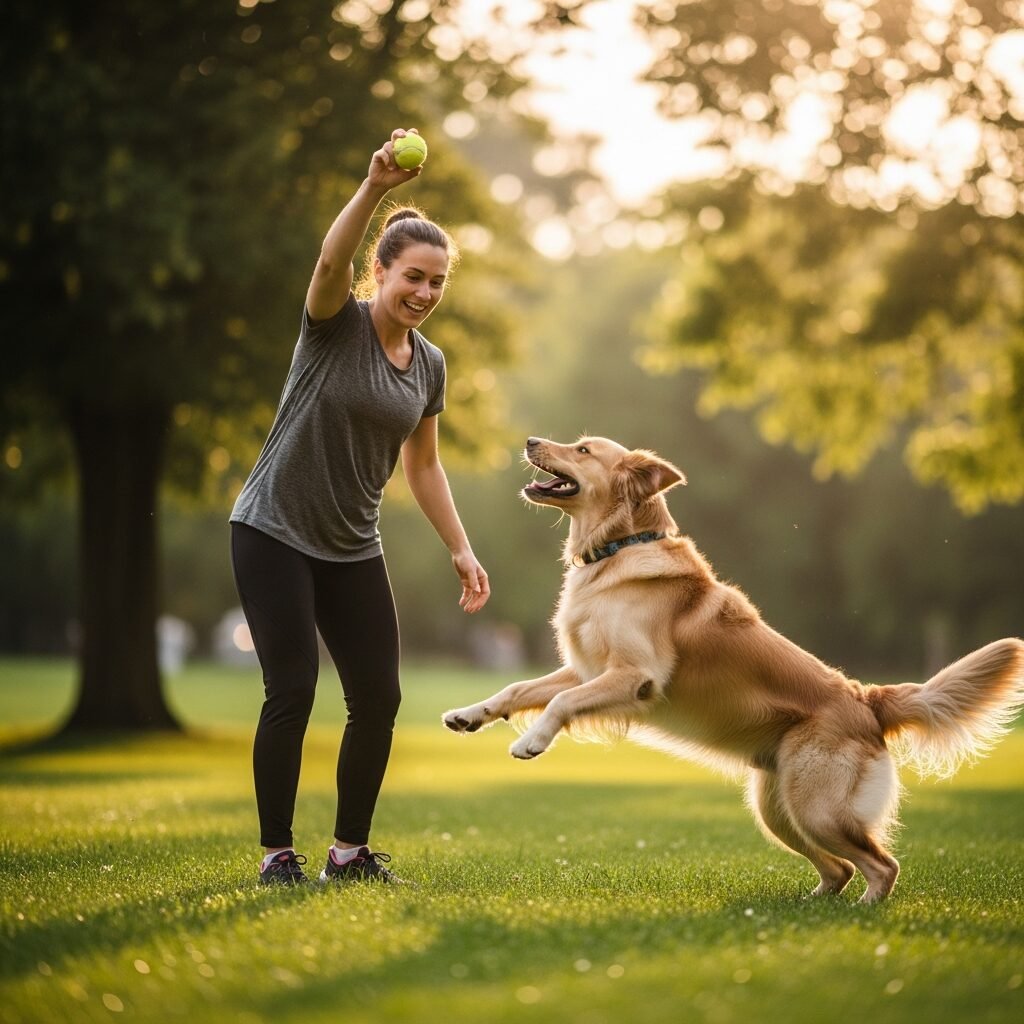
Remember, every dog learns at their own pace. Some might pick up ‘Sit’ in minutes, while ‘Stay’ might take a bit longer. The key is to keep it positive and enjoyable for both of you. Don’t be afraid to adjust your methods if something isn’t working.
Think of training as a game you play with your best friend. The more fun it is, the more engaged your dog will be, and the faster they’ll learn. Celebrate every small success, and always end your sessions with playtime or a favorite activity.
- Use a clicker: A clicker can mark the exact moment your dog performs the desired behavior, making training even clearer.
- Break it down: If a trick seems too hard, break it into smaller, easier steps.
- Proofing: Once your dog masters a trick in a quiet environment, practice in different locations and with minor distractions.
- Keep it positive: Always use praise, treats, and toys as rewards. Never punish mistakes.
- Stay consistent: Everyone in the household should use the same commands and signals.


