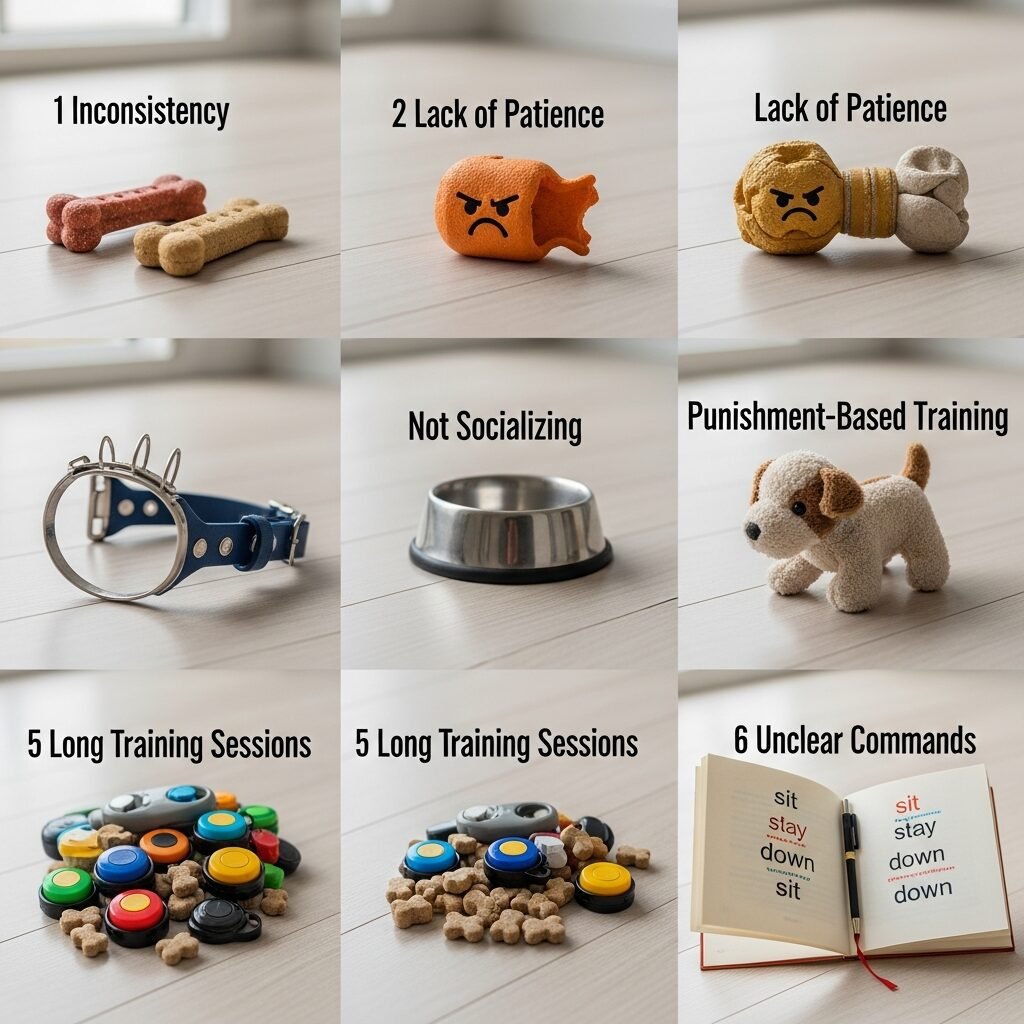
6 Mistakes That Make Dog Training Harder
Bringing a dog into your home is a wonderful, heartwarming experience, filled with the promise of companionship, laughter, and endless cuddles. However, the journey of dog ownership also comes with responsibilities, and one of the biggest is training. Training helps your dog understand boundaries, keeps them safe, and strengthens the special bond you share.
While many dog parents embark on training with enthusiasm, it’s easy to fall into common traps that can make the process feel frustrating and slow. If you’ve ever felt like your dog just “isn’t getting it” or that progress is a constant uphill battle, you’re not alone. Often, the struggle isn’t with your dog’s intelligence, but with some unintentional mistakes we, as owners, might be making. Understanding these pitfalls is the first step toward a smoother, more effective, and much more enjoyable training experience for both you and your furry friend.
Let’s explore six common mistakes that can inadvertently make dog training harder, and how you can avoid them to set yourself and your dog up for success.
Being Inconsistent with Rules and Training
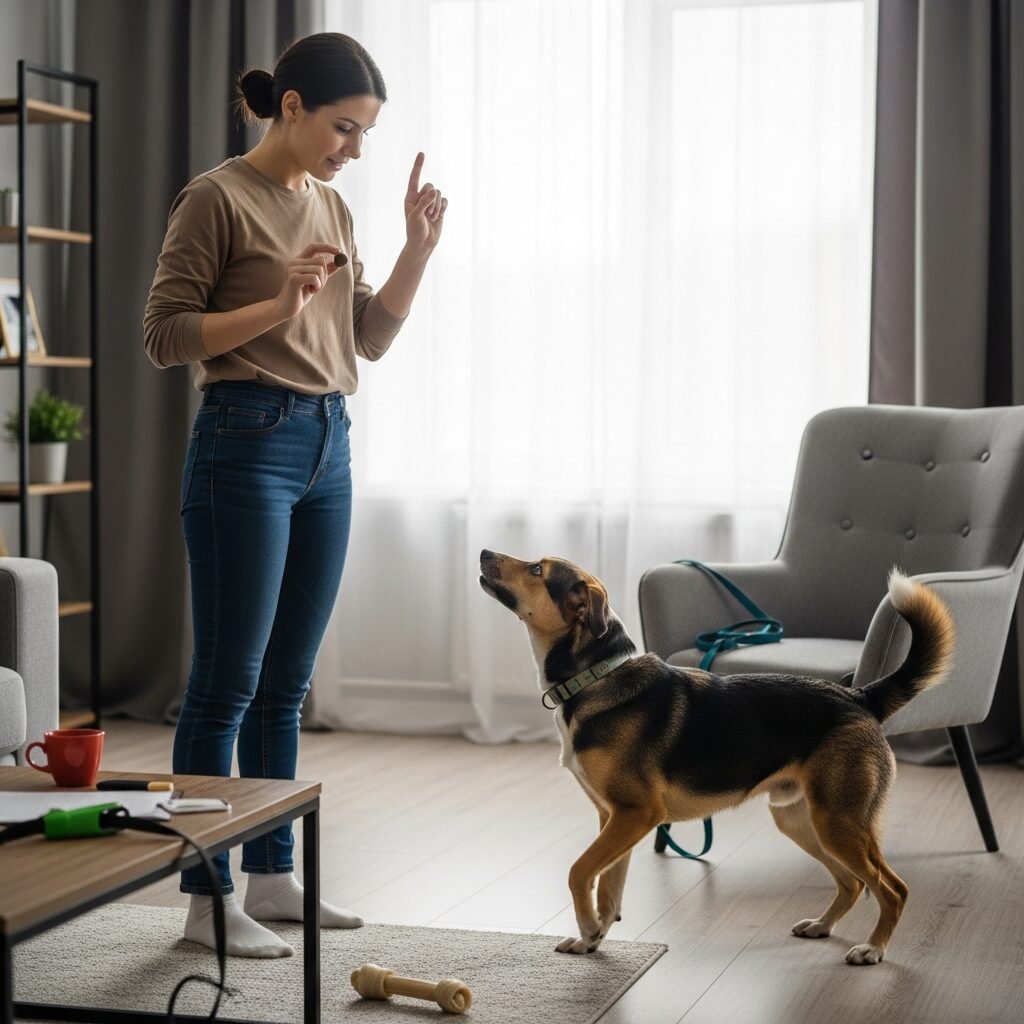
Imagine trying to learn a new skill when the rules keep changing. One day, you’re told to do it one way, the next day a different way, and sometimes, you’re not even sure what the rules are. This is often how our dogs feel when we are inconsistent with our training and household rules.
Why consistency matters
Consistency is the cornerstone of effective dog training. Dogs thrive on routine and predictability. When rules are clear and consistently enforced, they learn what is expected of them and feel more secure in their environment.
How inconsistency confuses dogs
Inconsistency can be incredibly confusing and stressful for your dog, leading to slower learning and a lack of reliable responses.
Unpredictable Commands
If “sit” means sit sometimes, but other times you allow your dog to jump up, or if different family members use different words for the same action, your dog can’t form a clear association. They don’t understand which response is the “correct” one.
Changing Household Rules
One day your dog is allowed on the couch, the next they aren’t. Sometimes jumping on guests is met with a stern “no,” other times with a playful pat. These mixed signals make it impossible for your dog to understand what behavior is acceptable and what isn’t.
Practical tips for consistency:
* Create a simple list of house rules and training commands.
* Ensure every family member uses the same commands and enforces rules in the same way.
* Commit to short, frequent training sessions daily, even if it’s just a few minutes.
Relying on Punishment Over Positive Reinforcement
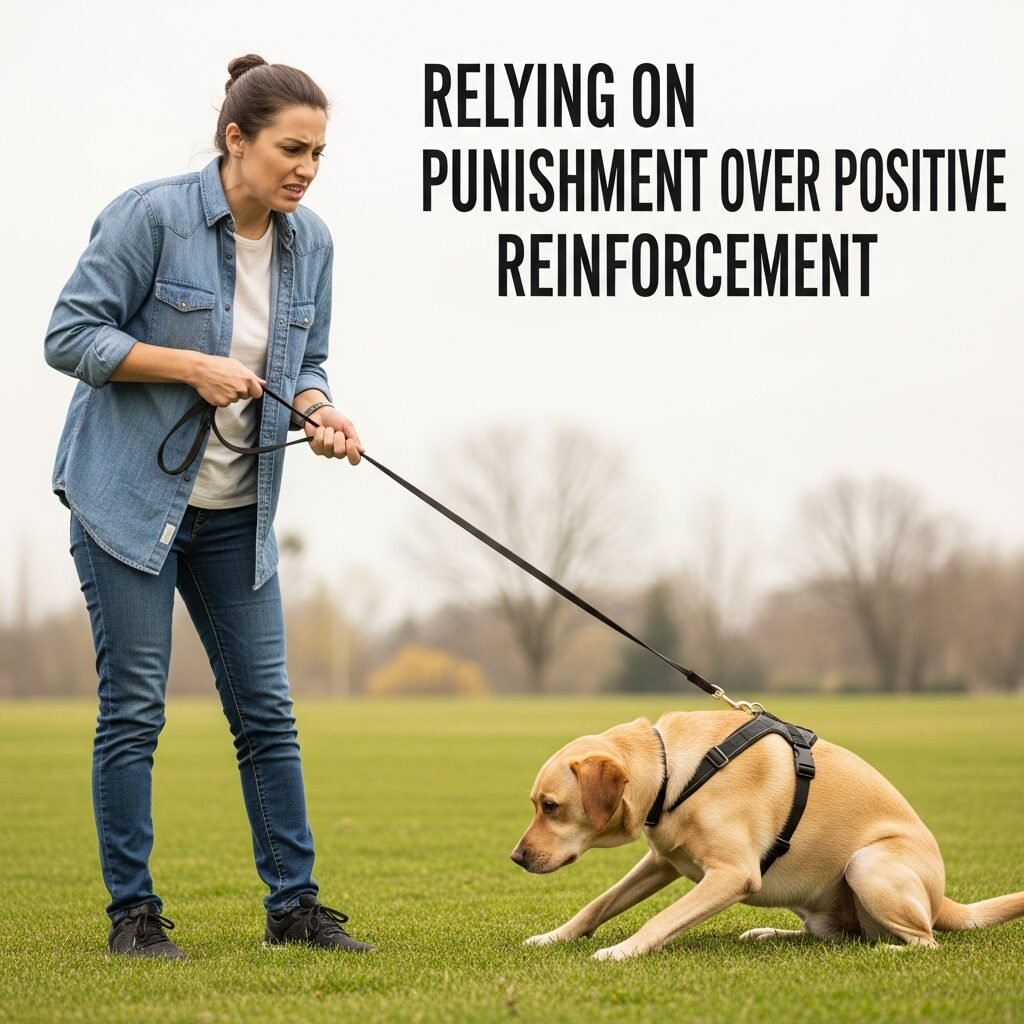
It’s natural to want to stop unwanted behaviors immediately. However, the way we choose to address these behaviors can have a profound impact on our dog’s learning, emotional well-being, and our relationship with them. Relying on punishment often creates more problems than it solves.
The drawbacks of punishment
Punishment, whether it’s yelling, hitting, or using tools that cause discomfort, can be detrimental to your dog’s development and your bond.
Fear and Anxiety
When a dog is punished, they don’t always understand why. They might associate the punishment with your presence, a specific object, or even the training situation itself, leading to fear, anxiety, and avoidance.
Damaged Trust
A relationship built on fear is not a healthy one. Punishment can erode your dog’s trust in you, making them less likely to engage with you in training or seek comfort when they are stressed. They might also become withdrawn or even aggressive out of fear.
The power of positive reinforcement
Positive reinforcement, which involves rewarding desired behaviors, is a far more effective and humane approach. It encourages your dog to repeat good choices because they associate them with pleasant outcomes.
Clear Communication
When you reward a specific action, you are clearly communicating to your dog, “Yes! That’s what I want!” This makes learning much faster and more enjoyable for them.
Building a Strong Bond
Positive reinforcement training strengthens your relationship by building trust and creating positive associations with you and the learning process. Your dog learns that you are the source of good things.
Practical tips:
* Identify what motivates your dog (treats, toys, praise, belly rubs).
* Reward immediately when your dog performs the desired action so they link the reward to the behavior.
* Focus on what you want your dog to do, rather than what you want them to stop doing. For example, instead of punishing jumping, reward them for keeping all four paws on the floor.
Overlooking Your Dog’s Breed and Individual Needs

Every dog is unique, a wonderful mix of their genetic heritage and individual personality. Trying a one-size-fits-all approach to training often leads to frustration because it ignores these fundamental differences.
Breed-specific traits
Different breeds were developed for different purposes, and these historical roles still influence their inherent drives and behaviors.
Energy Levels
A high-energy Border Collie, bred to herd all day, will have different exercise and mental stimulation needs than a low-energy Basset Hound. Expecting either to fit into the other’s activity level will lead to behavioral issues.
Instinctual Behaviors
Some breeds have strong instincts for digging (terriers), retrieving (retrievers), or barking (some hounds). Trying to suppress these completely without an outlet can be a source of stress and make training harder.
Individual personality matters
Beyond breed, each dog has its own personality, past experiences, and preferred learning style.
Shyness vs. Boldness
A naturally shy dog might need a different approach to socialization and confidence-building exercises compared to a bold, outgoing puppy. Pushing a shy dog too hard can make them more fearful.
Learning Styles
Some dogs are highly food motivated, others prefer toys, and some respond best to praise and play. Understanding what truly excites your dog will make training sessions more engaging and effective.
Practical tips:
* Research your dog’s breed to understand their typical traits and needs.
* Spend time observing your dog to learn their individual quirks, fears, and joys.
* Tailor your training methods, exercise routines, and mental enrichment activities to suit their specific temperament and energy levels.
Training Sessions That Are Too Long or Too Sparse

When it comes to dog training, more isn’t always better, and less is definitely not enough. The length and frequency of your training sessions play a huge role in your dog’s ability to learn and retain information.
The “too long” problem
Long, drawn-out training sessions can quickly turn into a negative experience for your dog, hindering their progress.
Boredom and Frustration
Dogs, especially puppies, have short attention spans. After a certain point, they become bored, distracted, or even frustrated. This makes them less receptive to learning and more likely to make mistakes.
Reduced Retention
Overwhelming your dog with too much information at once means they are less likely to remember what they’ve learned. Quality, focused attention for a short period is far more effective than an hour of half-hearted effort.
The “too infrequent” problem
On the flip side, not training often enough can lead to your dog forgetting what they’ve already learned.
Forgetting Learned Behaviors
If you only practice a command once a week, your dog may forget the association or lose the muscle memory for the behavior. Regular repetition is key for solidifying learning.
Lack of Progress
Infrequent training means slow progress, which can be disheartening for both you and your dog. You might feel like you’re stuck in a loop, always re-teaching the same things.
Practical tips:
* Keep training sessions short and sweet. Aim for 5-10 minutes, two to three times a day, especially for puppies or new behaviors.
* End each session on a positive note, even if it’s just with a simple command your dog knows well.
* Integrate training into your daily life. Ask for a “sit” before dinner or a “stay” before going out the door.
Lacking Patience and Setting Unrealistic Expectations
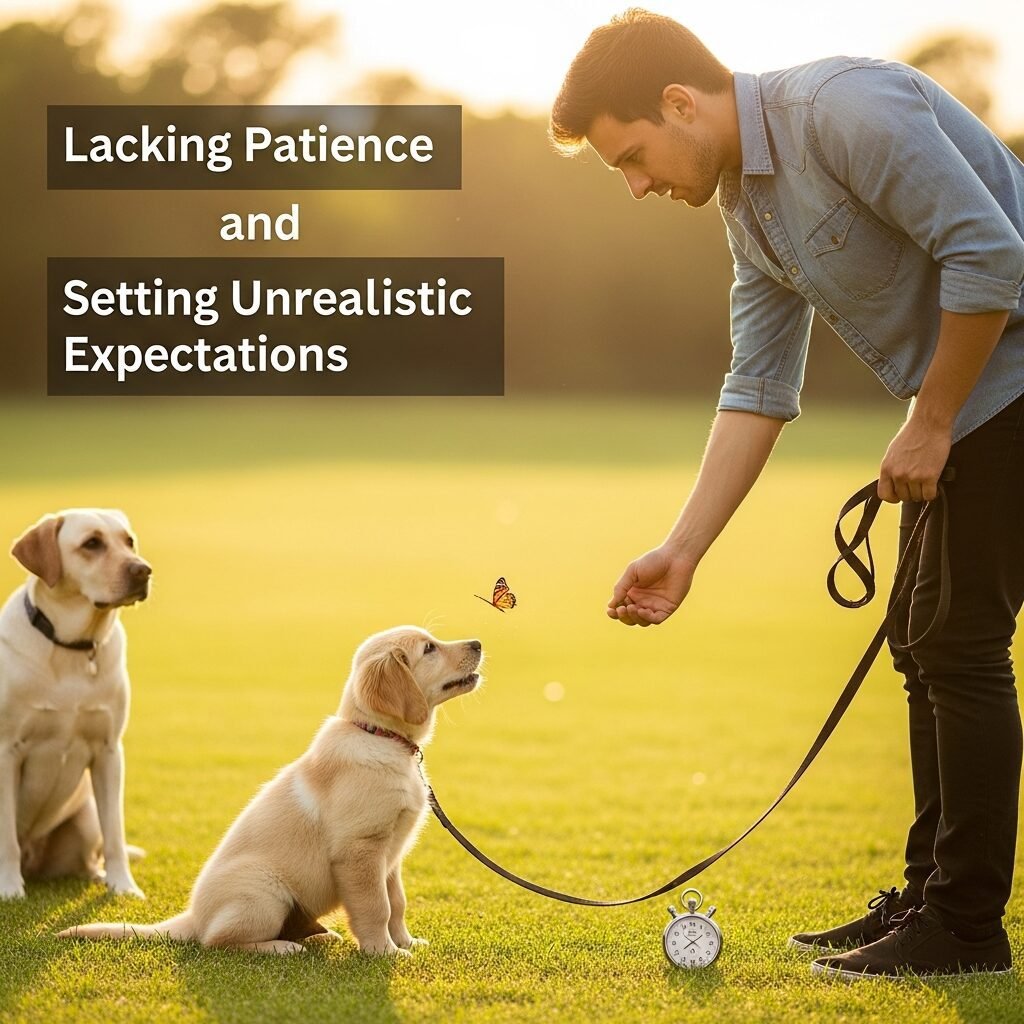
Dog training is a journey, not a race. One of the biggest obstacles many dog parents face is a lack of patience and the tendency to set expectations that are simply not realistic for their dog’s age, breed, or individual learning pace.
The myth of instant results
In a world of instant gratification, it’s easy to wish our dogs would learn things overnight. However, real learning and behavior change take time and consistent effort.
Every Dog is Different
Just like people, dogs learn at different speeds. Some pick up commands quickly, while others need more repetition and time to process. Comparing your dog to others can lead to frustration.
Learning Takes Time
Complex behaviors, proofing commands in different environments, and overcoming ingrained habits all require significant time, practice, and patience. Expecting perfection too soon can lead to disappointment.
The impact of owner frustration
When we become frustrated, our dogs pick up on it. This can make the training environment tense and counterproductive.
Stress on the Dog
Dogs are highly attuned to our emotions. If you’re stressed or angry during a training session, your dog will feel that stress and may become anxious, shut down, or less willing to participate.
Giving Up Too Soon
Frustration can lead to giving up on a particular behavior or even on training altogether. This not only leaves the behavior unaddressed but also misses an opportunity to strengthen your bond.
Practical tips:
* Celebrate every small win! Did your dog just hold a “stay” for an extra second? That’s fantastic progress!
* Break down complex behaviors into tiny, manageable steps.
* Take a deep breath and step away if you feel your patience wearing thin. A short break can reset both your moods.
* Remember that mistakes are part of the learning process for both of you.
Neglecting Proper Socialization
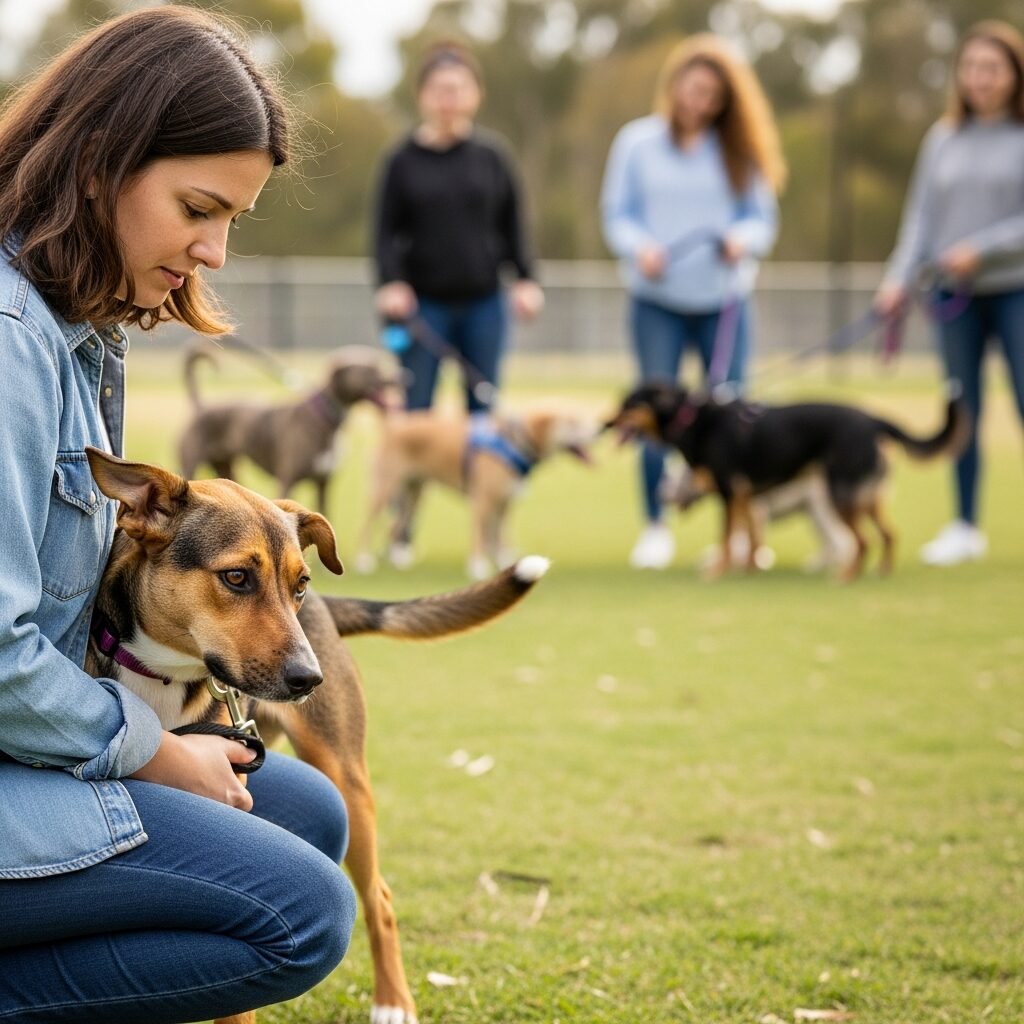
Socialization is one of the most vital components of raising a well-adjusted dog, yet it’s often overlooked or misunderstood. Neglecting proper socialization can make training harder by leading to a host of behavioral issues down the line.
Why socialization is crucial
Socialization goes beyond just letting your dog play with other dogs. It’s about positive exposure to the world around them.
Confidence and Adaptability
A well-socialized dog is confident and resilient. They are less likely to be fearful or anxious when encountering new people, places, sounds, or other animals. This confidence makes them more adaptable and easier to manage in various situations.
Preventing Behavioral Issues
Dogs who aren’t properly socialized might develop fear-based aggression, excessive barking, separation anxiety, or reactivity towards strangers or other dogs. These ingrained issues are much harder to address through training later in life.
What proper socialization looks like
Socialization isn’t just a one-time event; it’s an ongoing process, especially during a dog’s critical early development period (up to 16 weeks of age).
Different People, Places, Sounds
Expose your puppy or dog to a variety of safe, positive experiences. This includes different types of people (men, women, children, people in hats or uniforms), different environments (parks, stores where dogs are allowed, car rides), and various sounds (traffic, vacuums, thunderstorms via sound recordings).
Positive Dog-Dog Interactions
Supervised playdates with calm, vaccinated dogs are valuable, but also teach your dog to calmly observe other dogs from a distance. Not every dog interaction needs to be a play session.
Practical tips:
* Start socialization early, ideally during puppyhood (after receiving initial vaccinations and with veterinarian approval).
* Keep all new experiences positive and low-stress. Use treats and praise to create good associations.
* Never force your dog into a situation they are clearly uncomfortable with. Allow them to observe from a safe distance and approach on their own terms.
* Continue positive exposure throughout your dog’s life, not just when they are young.


