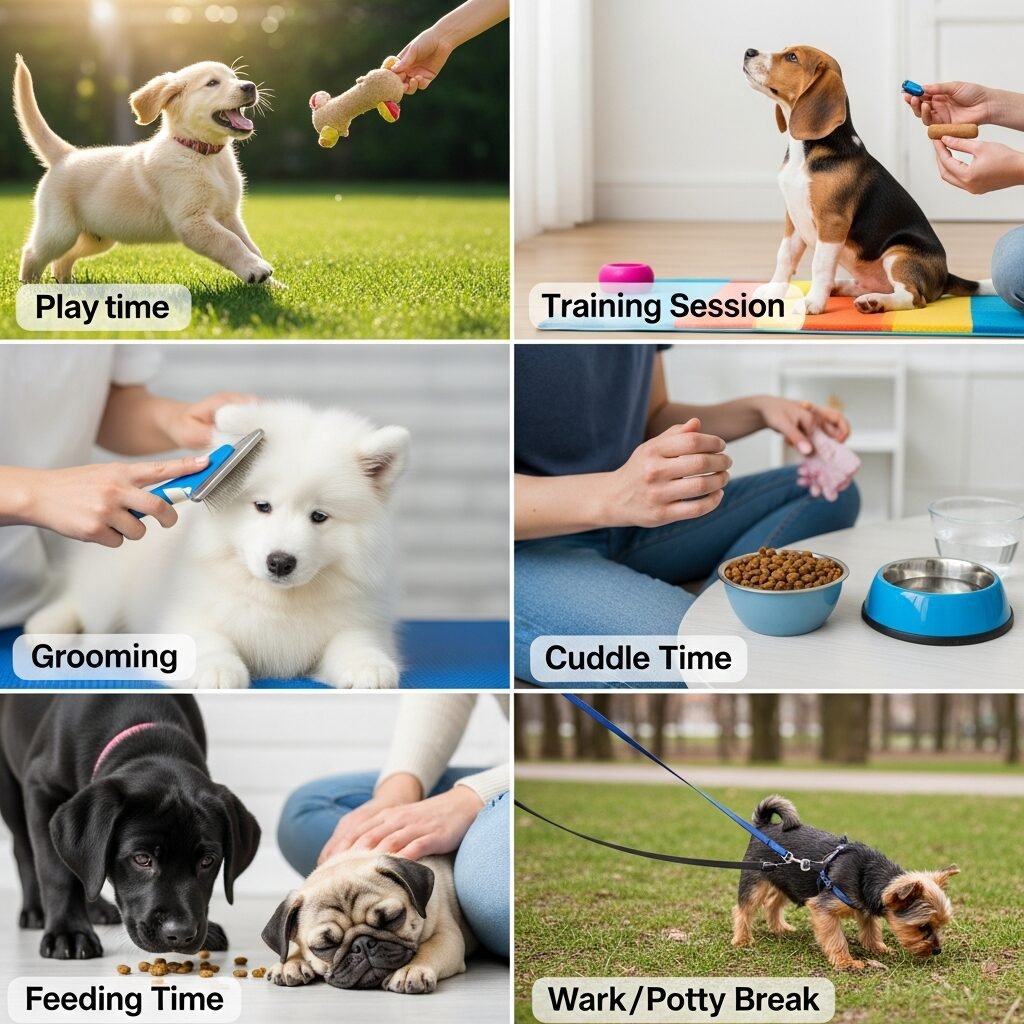
Bringing a new puppy into your home is an exciting adventure filled with slobbery kisses, playful bounciness, and endless curiosity. It also comes with a big responsibility: ensuring your little furry friend grows into a happy, well-adjusted dog. The secret ingredient to a happy puppy? Routine!
Just like human babies, puppies thrive on predictability. A consistent daily schedule helps them feel secure, understand expectations, and reduces anxiety. It makes house training easier, builds confidence, and fosters a strong bond between you and your new family member. Let’s dive into six essential daily routines that will lay the foundation for a truly happy puppy.
1. A Predictable Feeding Schedule
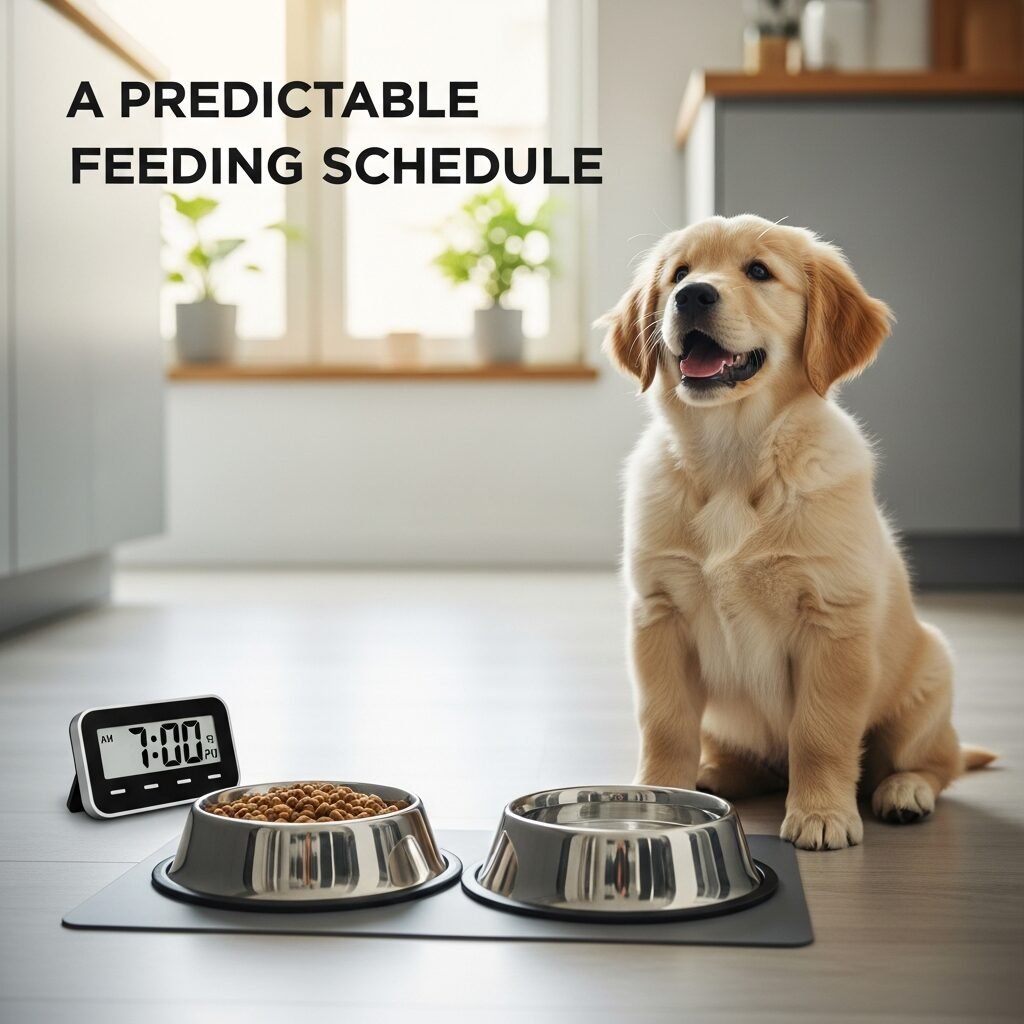
One of the most fundamental routines for any puppy is a consistent feeding schedule. It’s not just about providing nutrition; it’s about establishing regularity for their digestive system, managing their energy levels, and, crucially, aiding in house training.
How Often Should Puppies Eat?
A puppy’s stomach is small, and their metabolism is high. They need to eat more frequently than adult dogs.
– For puppies 2-3 months old: Aim for 3-4 meals per day.
– For puppies 4-6 months old: You can typically reduce this to 2-3 meals per day.
– By 6-12 months: Most puppies can transition to 2 meals a day, like adult dogs.
Always follow your veterinarian’s advice and the specific feeding guidelines on your puppy’s food bag, adjusting for their individual needs and activity level.
Tips for a Smooth Mealtime Routine
To make mealtime a positive and predictable experience for your puppy, consider these tips:
– Serve at the Same Time: Offer meals at consistent times each day. This helps regulate their digestive system and makes it easier to predict when they’ll need a potty break.
– Designated Feeding Spot: Choose a quiet, clean spot for your puppy’s food bowl. This helps them associate that area with peaceful eating.
– Monitor Food Intake: Watch how much your puppy eats. If they’re not finishing their food, or seem overly hungry, consult your vet.
– Fresh Water Always Available: Ensure your puppy always has access to fresh, clean water, especially around meal times.
– Don’t Free-Feed: Leaving food out all day can make house training difficult and lead to overeating. Stick to scheduled meals.
Here’s a sample feeding schedule for a young puppy:
| Age of Puppy | Meals Per Day | Sample Times |
| 2-3 Months Old | 3-4 | 7 AM, 11 AM, 3 PM, 7 PM |
| 4-6 Months Old | 2-3 | 7 AM, 1 PM, 7 PM (or 7 AM, 6 PM) |
Benefits Beyond Nutrition
A consistent feeding routine does more than just nourish your puppy. It also:
– Aids in potty training by making their bowel movements more predictable.
– Builds trust and strengthens the bond between you as you reliably provide for their needs.
– Helps manage their energy, ensuring they have fuel for play and learning.
2. Consistent Potty Breaks
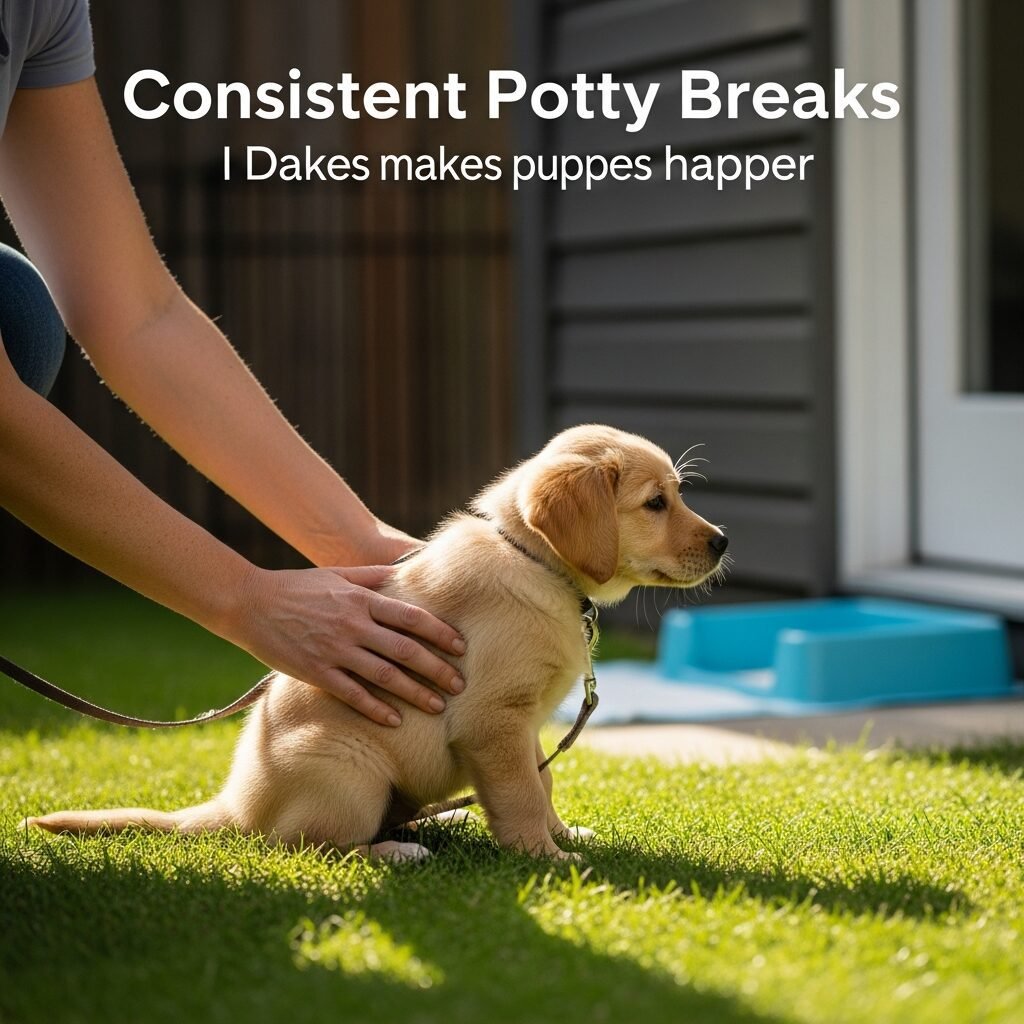
Potty training is a cornerstone of puppy parenthood, and a consistent potty break routine is the key to success. Puppies have small bladders and limited control, so frequent trips outside are a must.
Understanding Your Puppy’s Potty Needs
Puppies can typically hold their bladder for about one hour for every month of their age, plus one. So, a 3-month-old puppy might be able to hold it for about 4 hours. However, this is a maximum, and you should take them out much more frequently.
Key times for potty breaks include:
– Immediately after waking up (from naps or in the morning).
– After eating or drinking.
– After playing or any exciting activity.
– Before bedtime.
– Before leaving your puppy alone, even for a short time.
Establishing a Potty Routine
Creating a reliable potty routine involves consistency and positive reinforcement:
– Take Them Out Frequently: Especially in the beginning, aim for every 1-2 hours, regardless of whether they “ask” to go.
– Go to the Same Spot: Take your puppy to the same designated outdoor potty spot each time. The familiar scent encourages them to go.
– Use a Consistent Command: Say a phrase like “Go potty” or “Do your business” every time you take them out. This helps them associate the command with the action.
– Praise and Reward Immediately: As soon as your puppy finishes, offer enthusiastic praise, a small treat, and maybe a quick play session. This positive reinforcement teaches them that going outside is a good thing.
– Be Patient: Don’t rush them. Stand still and wait.
Here’s a sample potty break schedule for a young puppy:
| Time | Activity |
| 7:00 AM | Wake up, immediately outside to potty |
| 7:30 AM | Breakfast, then outside to potty |
| 8:30 AM | Outside to potty |
| 9:30 AM | Outside to potty |
| 10:30 AM | Playtime, then outside to potty |
| 11:00 AM | Lunch, then outside to potty |
| 12:00 PM | Outside to potty |
| 1:00 PM | Naptime, then outside to potty |
| … | Continue frequent breaks every 1-2 hours |
| Before Bed | Last potty break before sleeping |
Handling Accidents
Accidents will happen, especially in the early days. It’s crucial to handle them correctly:
– Don’t Scold: Never punish your puppy for an accident. They won’t understand why they’re being punished, and it can make them afraid to go in front of you, even outside.
– Interrupt and Redirect: If you catch them in the act, calmly interrupt them (a clap or “oops!”), immediately take them outside to their potty spot, and praise them if they finish there.
– Clean Thoroughly: Use an enzymatic cleaner to eliminate odors that might attract your puppy back to the same spot.
3. Dedicated Playtime
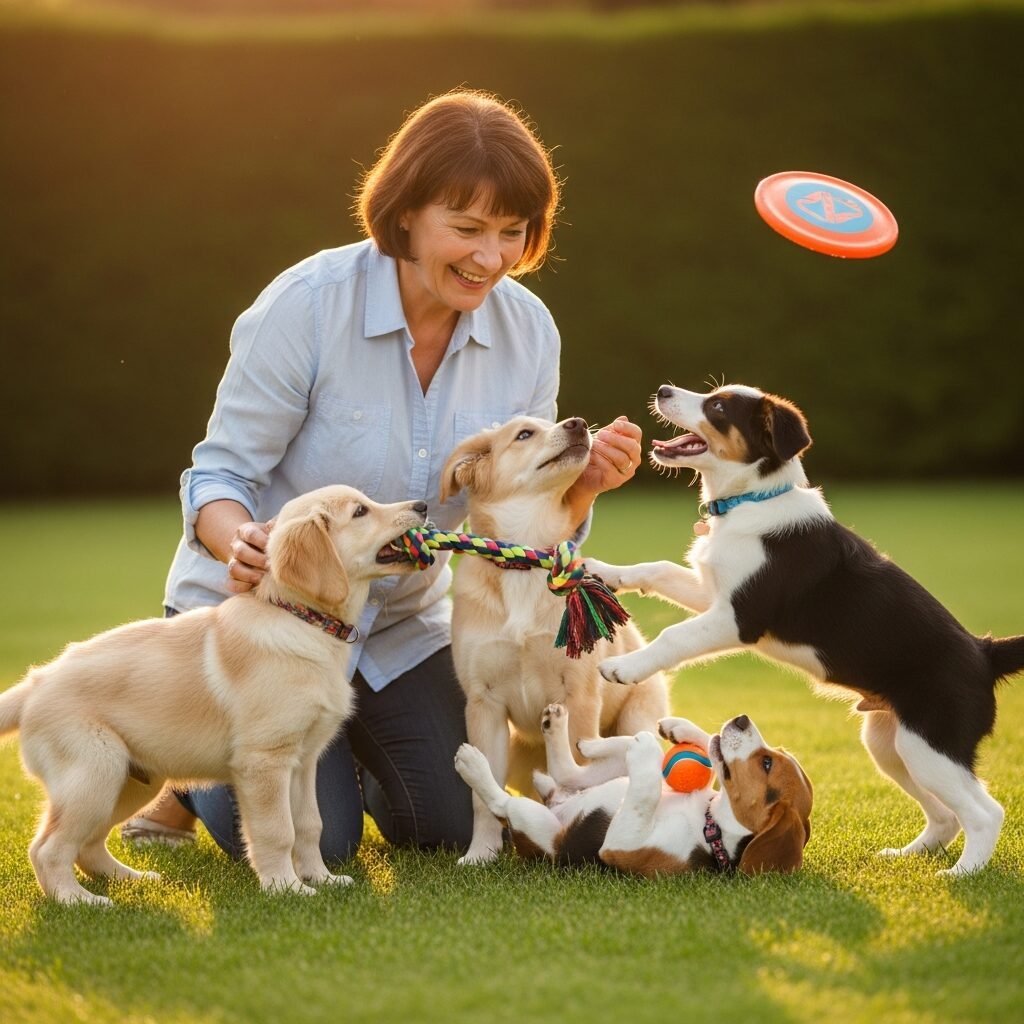
Play is not just fun for puppies; it’s a vital part of their development and overall happiness. Dedicated playtime helps them burn off energy, learn appropriate behavior, and strengthens the bond with their human family.
Why Play is Essential for Puppy Happiness
Play contributes significantly to a puppy’s well-being:
– Burns Energy: Puppies have boundless energy. Regular play sessions help them release it constructively, preventing boredom and destructive behaviors.
– Develops Motor Skills: Chasing, pouncing, and wrestling during play helps develop coordination and agility.
– Teaches Bite Inhibition: Through play with humans and other dogs, puppies learn how hard they can bite without causing pain.
– Strengthens Bond: Play is a wonderful way to connect with your puppy, build trust, and communicate in a language they understand.
– Mental Stimulation: Engaging in play often requires problem-solving and focus, providing important mental exercise.
Types of Play and How to Incorporate Them
Varying the types of play keeps things exciting for your puppy.
– Fetch and Chase: Great for physical exercise. Use soft toys appropriate for your puppy’s mouth.
– Tug-of-War (with rules): A good way to teach impulse control. Ensure you initiate and end the game, and teach a “drop it” command.
– Hide-and-Seek: Hide treats or yourself and call your puppy. This helps with recall and mental engagement.
– Puzzle Toys: These require your puppy to figure out how to get a treat, providing excellent mental stimulation, especially when you need them to settle down.
– Short, Frequent Sessions: Puppies have short attention spans. Aim for several short play sessions (10-15 minutes) throughout the day rather than one long one.
Safety First During Play
Always prioritize safety during playtime:
– Appropriate Toys: Ensure all toys are size-appropriate for your puppy and durable enough to withstand chewing without breaking into small, swallowable pieces.
– Supervision: Always supervise your puppy during play, especially with new toys or during interactions with other dogs.
– Know When to Stop: If your puppy becomes overly aroused, starts nipping too hard, or seems tired, it’s time to end the play session.
4. Short, Positive Training Sessions
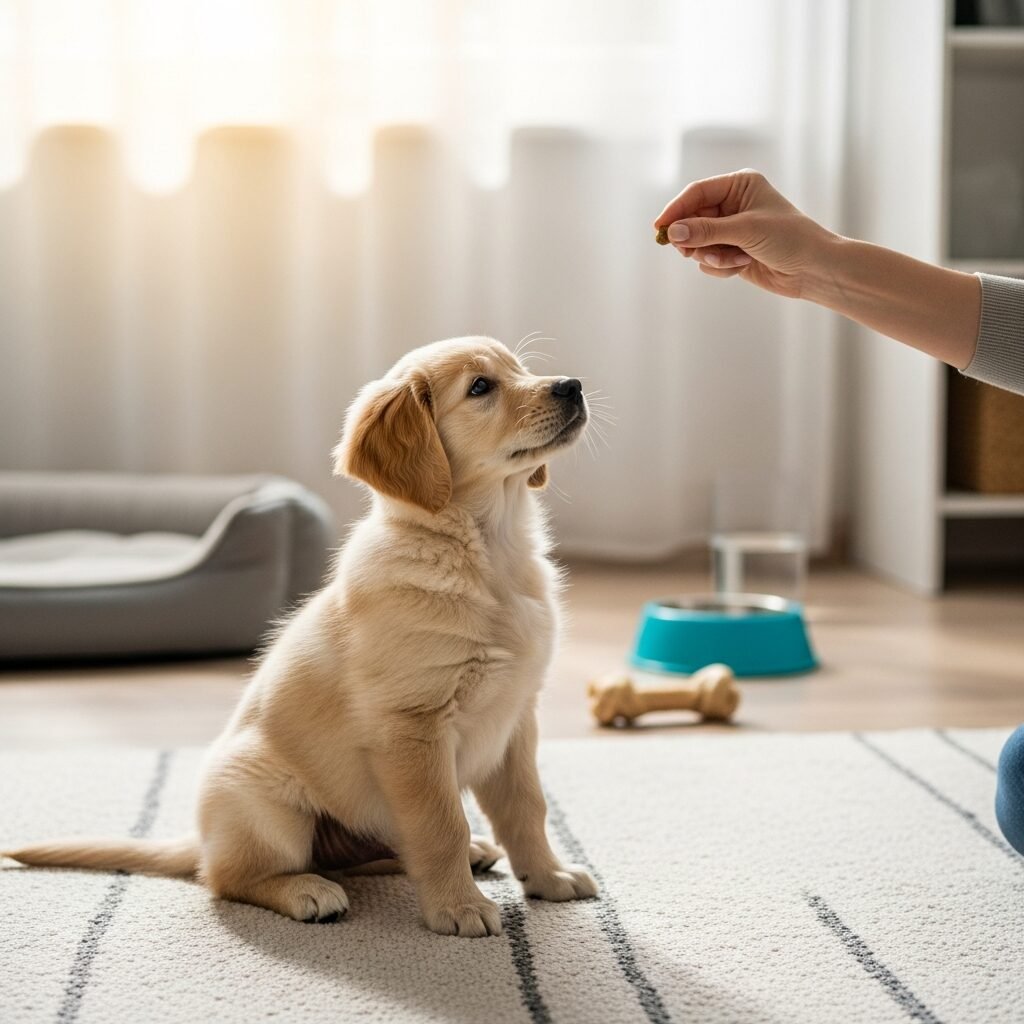
Training is a lifelong journey, but establishing a daily routine of short, positive training sessions with your puppy is crucial for their development. It builds communication, teaches good manners, and boosts their confidence.
The Power of Positive Reinforcement
Positive reinforcement is the most effective and humane way to train a puppy. It means rewarding desired behaviors, making your puppy more likely to repeat them.
– Rewards-Based Training: Use high-value treats, enthusiastic praise, and favorite toys to reward your puppy immediately when they do something correctly.
– Avoid Punishment: Scolding or physical punishment can create fear and anxiety, damaging your bond and hindering learning. Focus on showing your puppy what you *want* them to do.
Daily Training Goals for Your Puppy
Think of daily training as little lessons embedded throughout your day.
– Basic Commands: Work on foundational commands like “sit,” “stay,” “come,” “down,” and “leave it.” Practice these multiple times a day in various environments.
– Leash Manners: Practice walking nicely on a leash for short periods, even if it’s just in your yard.
– Socialization Cues: Teach your puppy to calmly greet people and other dogs without jumping or excessive barking.
– Focus on One or Two Things: Don’t overwhelm your puppy. Pick one or two specific skills to work on during a session.
– Problem Solving: Use training to address common puppy challenges like nipping, jumping, or chewing on inappropriate items.
Making Training Fun and Engaging
Keep training a positive experience your puppy looks forward to:
– Keep Sessions Short: Puppies have limited attention spans. Aim for 5-10 minute sessions, multiple times a day.
– End on a Positive Note: Always finish a training session after a success, even if it’s a simple “sit,” to leave your puppy feeling accomplished.
– Integrate Training into Daily Life: Ask your puppy to “sit” before receiving their food bowl, or “stay” before you open the door. This makes training practical and natural.
5. Socialization Opportunities
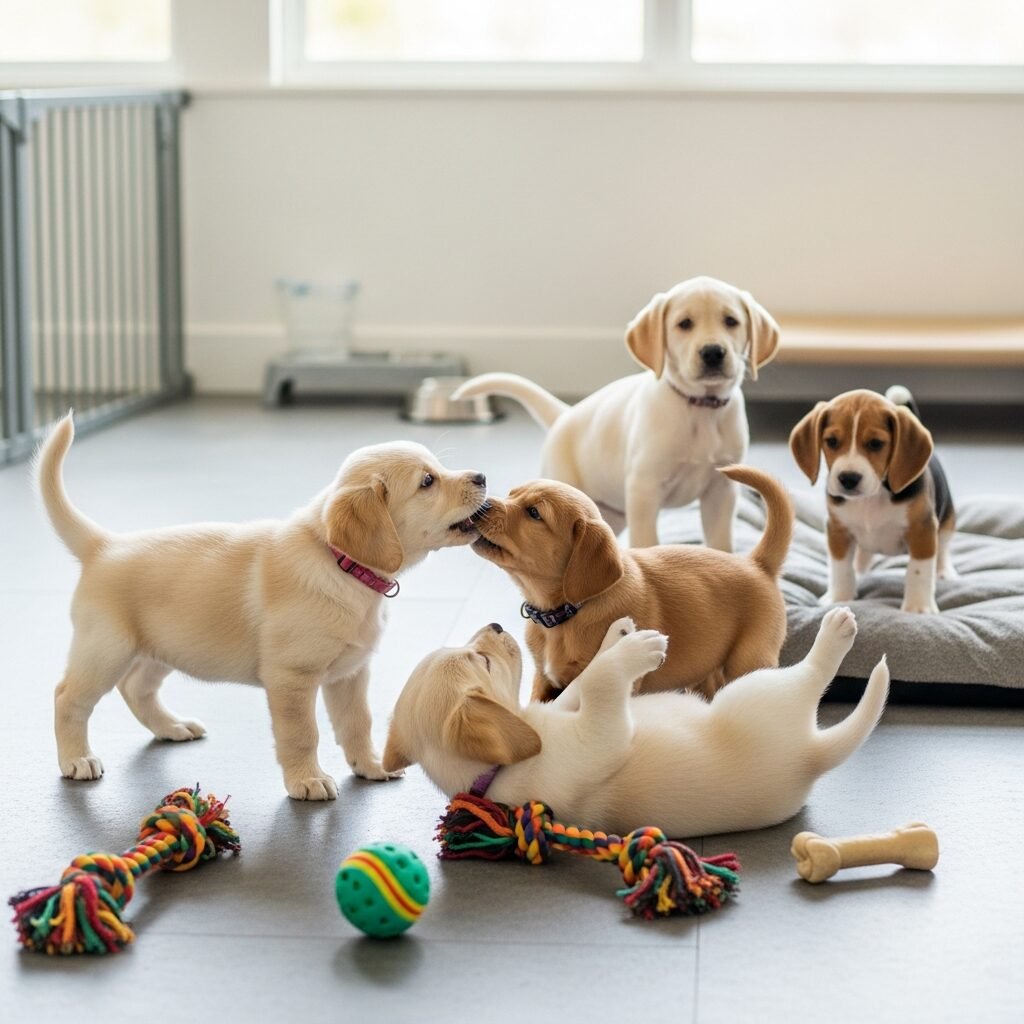
Socialization is arguably one of the most important routines for a puppy’s happiness and future well-being. It’s about exposing your puppy to a wide variety of new people, places, sounds, and experiences in a positive, controlled way.
The Critical Socialization Window
Puppies have a critical socialization window, typically from 3 weeks to 16 weeks of age. During this time, they are most open to new experiences and form lasting impressions. Positive experiences during this period can help prevent fear and aggression later in life.
How to Safely Socialize Your Puppy Daily
Consistent, gentle exposure is key to successful socialization.
– Controlled Exposure to People: Introduce your puppy to people of different ages, genders, appearances (hats, glasses), and voices. Always ensure interactions are calm and positive.
– Safe Interactions with Friendly Dogs: Once your puppy is vaccinated, arrange supervised playdates with calm, vaccinated, friendly adult dogs. This teaches them appropriate dog-dog communication.
– Introduce New Sights, Sounds, Textures: Take your puppy to different environments (vet office, pet-friendly stores, quiet parks). Let them hear various sounds (vacuum cleaner, traffic, doorbells) and walk on different surfaces (grass, pavement, carpet).
– Enroll in Puppy Classes: These are excellent for safe, structured socialization with other puppies and people, and for learning basic obedience.
– Positive Associations: Pair new experiences with treats and praise to create positive memories. If your puppy seems overwhelmed, don’t push them. Step back and try again later, or from a distance.
Observing Your Puppy’s Comfort
Always pay close attention to your puppy’s body language.
– Don’t Force Interactions: If your puppy is hiding, trembling, or trying to get away, they are uncomfortable. Remove them from the situation.
– Positive Associations: Aim for short, positive encounters. You want your puppy to associate new things with good feelings, not fear.
6. Scheduled Rest and Quiet Time
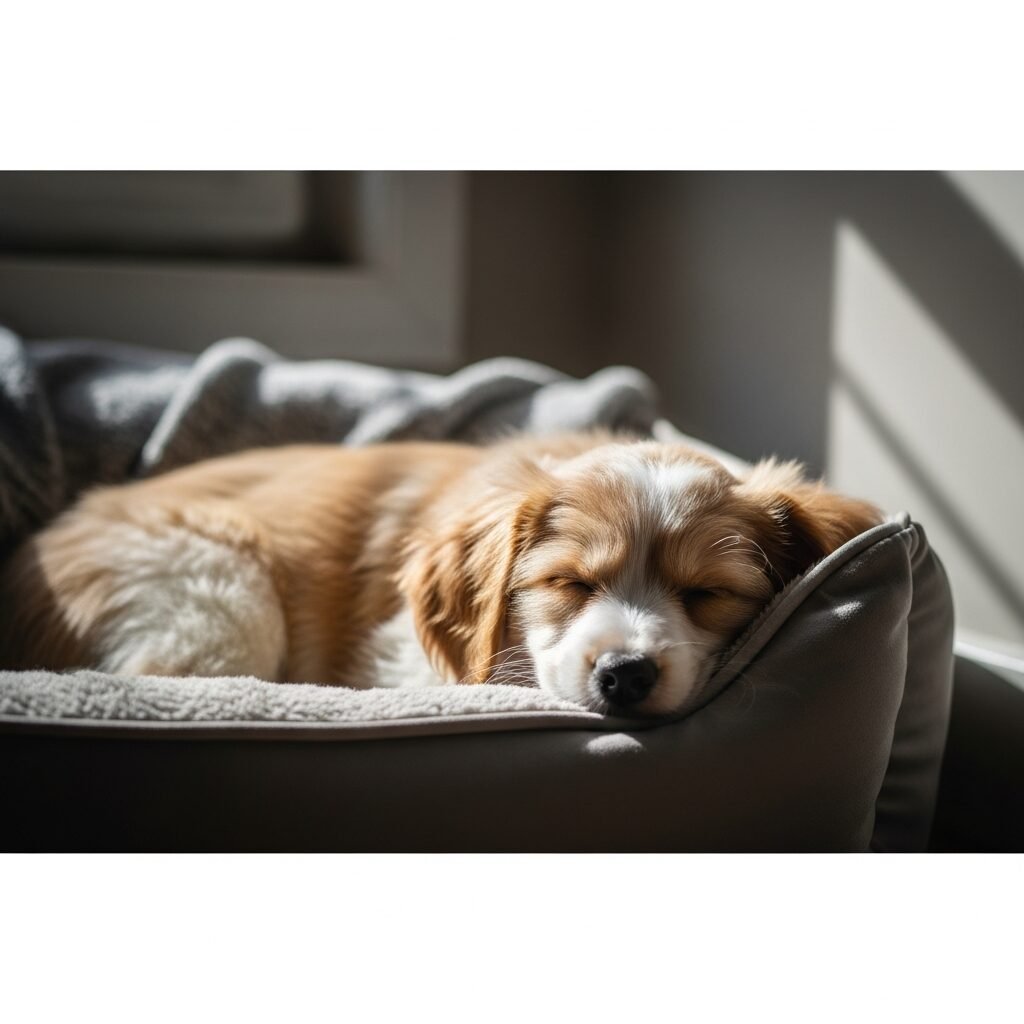
It might seem counterintuitive to schedule “doing nothing,” but quiet time and enforced naps are incredibly important for a puppy’s physical and mental health. Puppies need a lot of sleep to grow, develop, and process all the new information they encounter daily.
How Much Sleep Do Puppies Need?
Puppies typically need 18-20 hours of sleep per day. This might sound like a lot, but sleep is crucial for:
– Physical Development: Growth hormones are released during sleep.
– Immune System Strength: Adequate rest supports a healthy immune system.
– Learning and Memory: Puppies process and consolidate new information while they sleep.
– Preventing Overstimulation: An overtired puppy can become cranky, nippy, and more prone to accidents.
Creating a Restful Environment
Helping your puppy settle down for naps is an important routine.
– Crate Training: A crate can be a wonderful tool for creating a safe, den-like space for your puppy to rest without interruption. Cover the crate with a blanket to make it cozy.
– Quiet Corner: Designate a quiet, comfortable corner in your home where your puppy can retreat for uninterrupted rest.
– Comfortable Bedding: Provide a soft, comfortable bed or blanket in their rest area.
– Enforced Naps: If your puppy is getting overtired and nippy, gently guide them to their crate or quiet spot for a mandatory nap. This helps them learn to self-regulate.
The Benefits of Down Time
Scheduled rest and quiet time have numerous benefits:
– Prevents Overstimulation: Puppies get overwhelmed easily. Regular breaks help them decompress.
– Helps Regulate Mood and Behavior: A well-rested puppy is generally a happier, calmer, and better-behaved puppy.
– Teaches Self-Soothing: Learning to settle down in their own space is a valuable skill that fosters independence.
Putting It All Together: A Sample Daily Schedule
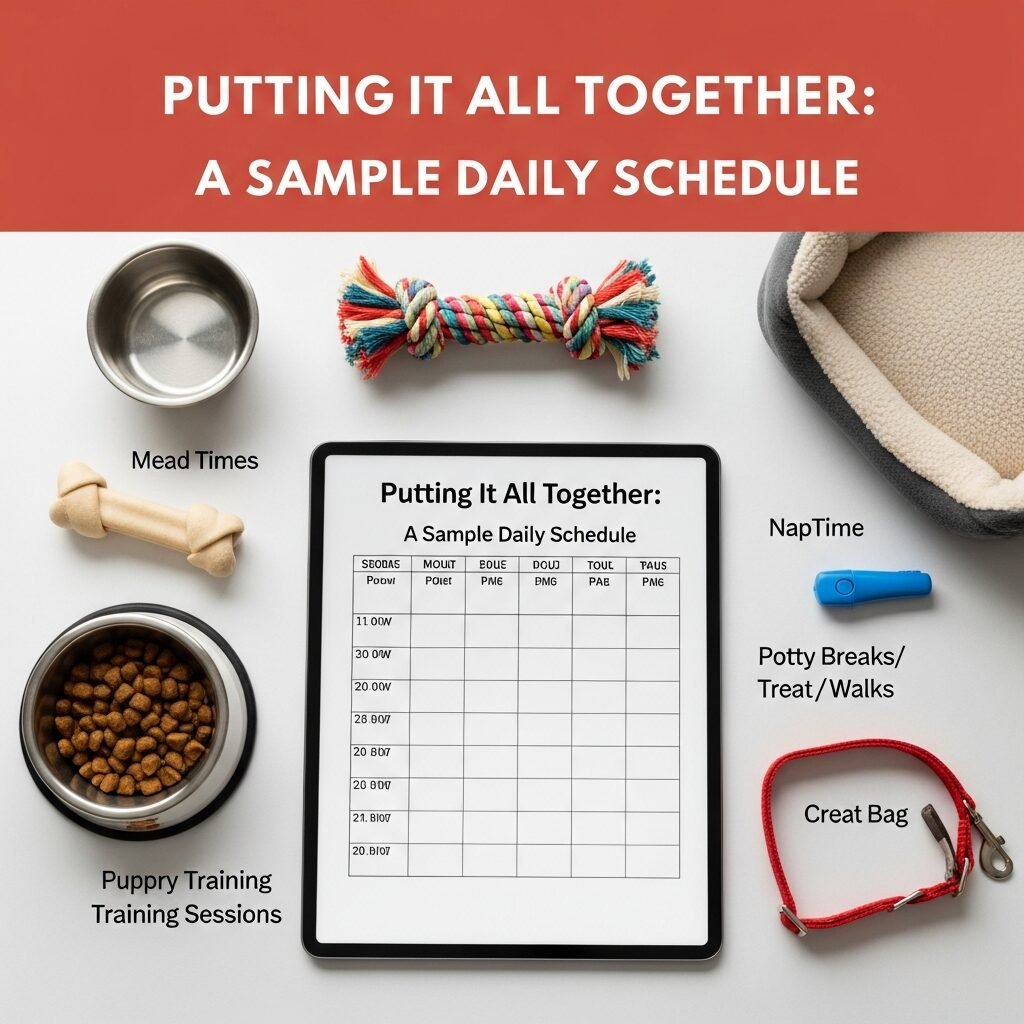
Integrating all these routines into a cohesive schedule might seem daunting at first, but with a little practice, it becomes second nature. Here’s a sample daily routine for a young puppy (adjust times based on your specific puppy’s needs and your lifestyle):
| Time | Activity |
| 7:00 AM | Wake up, immediate potty break, short walk/sniff time |
| 7:30 AM | Breakfast |
| 7:45 AM | Potty break, short play session |
| 8:15 AM | Training session (5-10 minutes) |
| 8:30 AM | Crate time / Enforced nap (2-3 hours) |
| 11:00 AM | Wake up, immediate potty break |
| 11:15 AM | Lunch, then potty break |
| 11:45 AM | Playtime (indoor or outdoor), socialization opportunity (if possible) |
| 12:45 PM | Potty break |
| 1:00 PM | Crate time / Enforced nap (2-3 hours) |
| 3:00 PM | Wake up, immediate potty break |
| 3:15 PM | Training session, puzzle toy activity |
| 4:00 PM | Potty break, supervised interaction (if children or other pets are around) |
| 4:30 PM | Playtime / Free time in a puppy-proofed area |
| 5:00 PM | Dinner |
| 5:15 PM | Potty break |
| 5:45 PM | Family time, calm cuddle session |
| 6:30 PM | Potty break |
| 7:00 PM | Quiet chew toy or settle in crate/bed |
| 8:00 PM | Last potty break before bed |
| 8:15 PM | Bedtime in crate |
| Midnight | *Optional* Middle-of-the-night potty break for very young puppies |
Remember, this is just a template. Flexibility is key, but the underlying structure of consistent feeding, potty breaks, play, training, socialization, and rest will make your puppy feel safe and happy.