Bringing a new puppy home is one of life’s most exciting adventures! There’s so much joy, laughter, and endless cuddles to look forward to. But let’s be honest, it also comes with a fair share of questions, worries, and sleepless nights. As a new puppy parent, it’s completely natural to wonder if your little furball is truly happy and settling into their new life with you.
That transition from their littermates or a shelter to your loving home is a big one. It takes time, patience, and understanding. But how do you know if your puppy is navigating this new world successfully? We’re here to help! In this article, we’ll share nine clear signs that indicate your puppy is adjusting well and feeling safe, loved, and confident in their new environment.
Why Understanding Adjustment Is Key
Knowing how to read your puppy’s cues is like learning their language. It helps you respond to their needs, build a strong bond, and ensure they grow into a well-adjusted adult dog.
The Puppy Honeymoon Phase
When a puppy first arrives, they might be quiet, a little shy, or even overwhelmed. This is often called the “honeymoon phase.” They’re absorbing everything, processing new smells, sounds, and faces. Don’t worry if they aren’t immediately bouncing off the walls; a calm start can often be a good sign of careful observation.
Setting Realistic Expectations
Remember, every puppy is unique. Some adjust quickly, while others need a bit more time and gentle encouragement. Comparing your puppy to others can sometimes cause unnecessary stress. Focus on your puppy’s individual progress and celebrate every little milestone.
The 9 Positive Signs Your Puppy Is Thriving
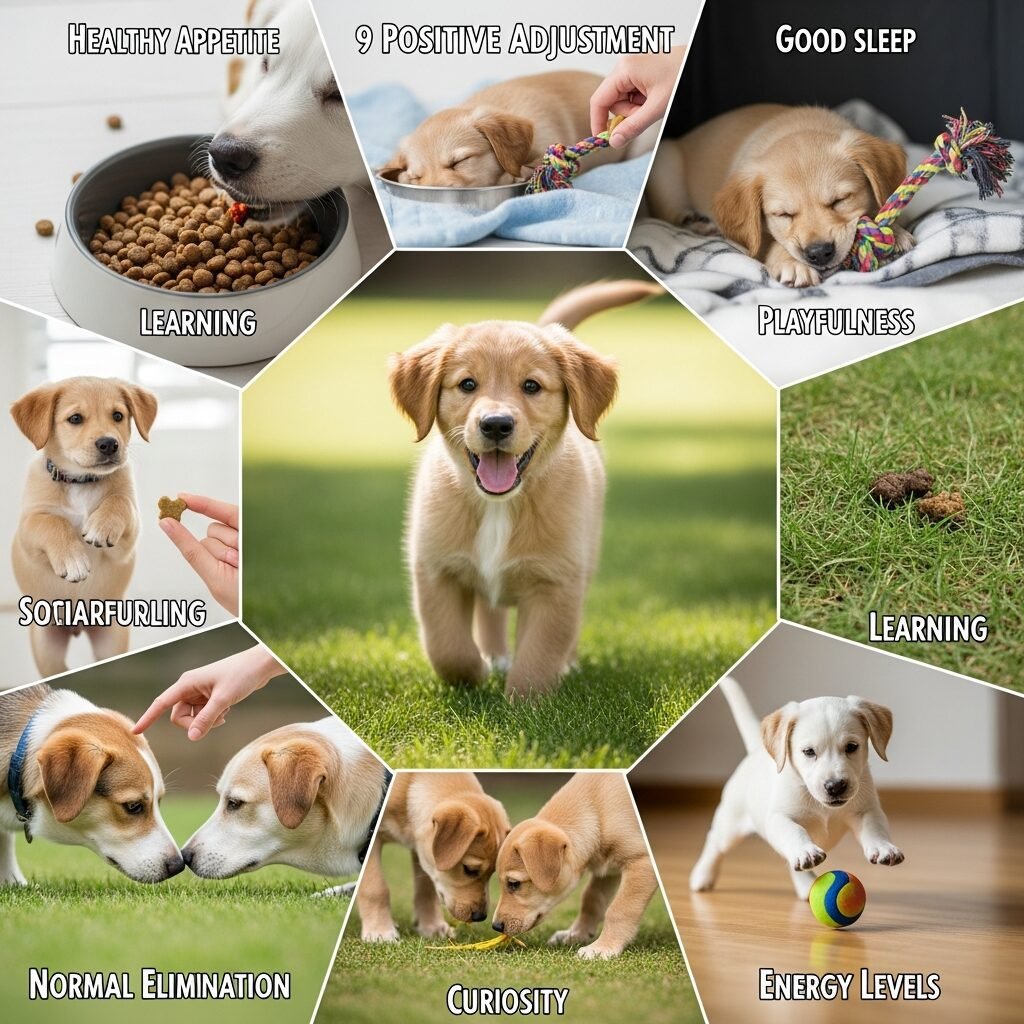
Let’s dive into the heartwarming signs that show your puppy is feeling right at home and is well on their way to becoming a cherished member of your family.
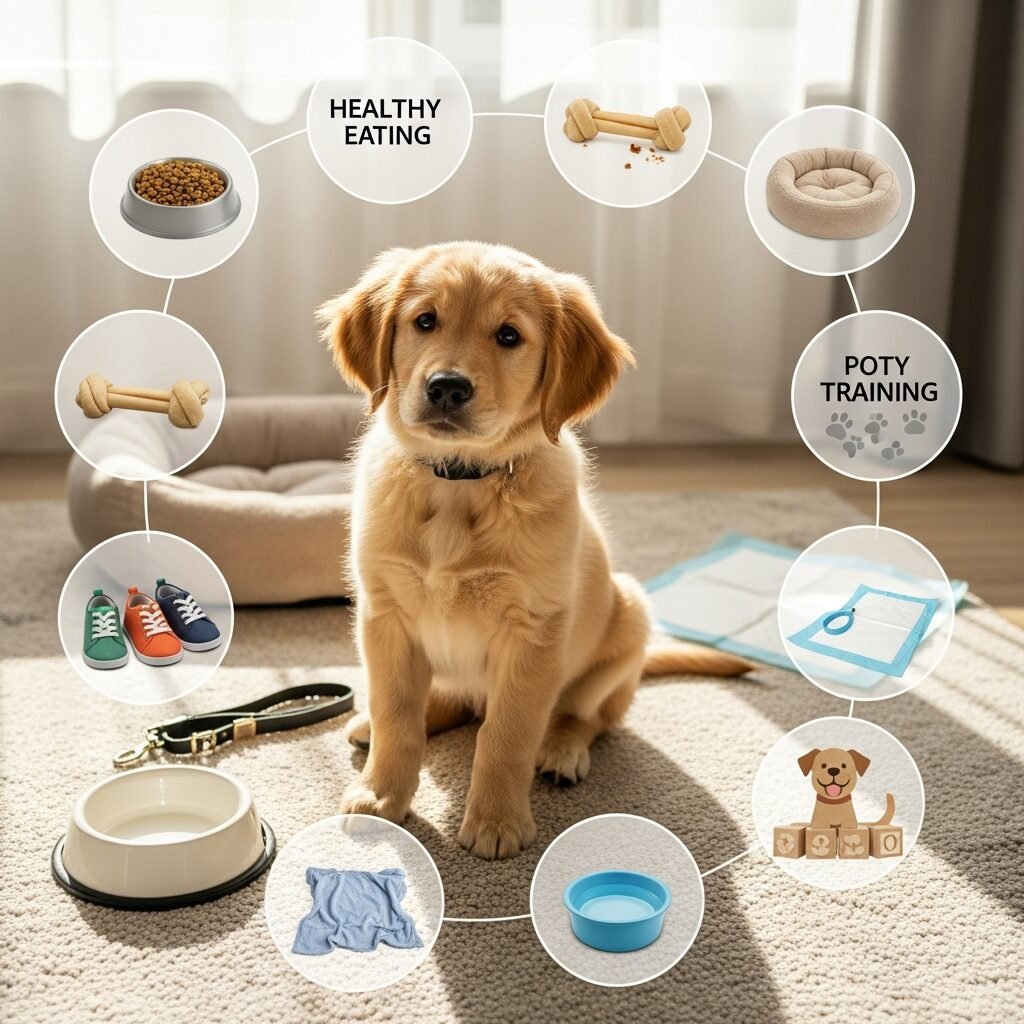
Sign 1: Eating and Drinking Regularly
A healthy appetite and consistent hydration are fundamental indicators of a well-adjusting puppy. When they feel secure, their natural instincts kick in, and eating becomes a comfortable, routine activity.
What to Look For
Observe your puppy finishing their meals with enthusiasm and drinking water throughout the day. A good sign is if they are not skipping meals or showing extreme pickiness after the first day or two.
Tips for Healthy Eating Habits
* Stick to a consistent feeding schedule.
* Provide fresh water at all times.
* Use a quiet, designated feeding area.
* Avoid leaving food out all day; pick up bowls after 15-20 minutes.
Sign 2: Sleeping Soundly
Sleep is incredibly important for growing puppies. Just like human babies, puppies need a lot of rest to develop properly and process all the new experiences of their day.
Quality Over Quantity
It’s not just about how much they sleep, but the quality of that sleep. A puppy that is truly settled will sleep deeply, often dreaming, without constant waking or whining.
Creating a Sleep Routine
* Establish a consistent bedtime.
* Provide a comfortable, safe den or crate.
* Ensure their sleeping area is quiet and dark.
* Take them for a final potty break just before bed.
Sign 3: Comfortable Exploring Their Environment
A puppy that feels safe will naturally begin to explore their surroundings. This curiosity shows confidence and a lack of fear in their new home.
Curious and Confident
Watch for your puppy sniffing corners, investigating toys, and gradually expanding their exploration from a small area to the entire puppy-proofed home. They might venture into different rooms or check out new smells.
Gentle Introductions
* Introduce new areas of the house slowly, one at a time.
* Supervise all exploration to ensure safety.
* Use positive encouragement and treats for brave discoveries.
Sign 4: Responding to Their Name and Basic Cues
This sign shows your puppy is not only learning but also forming an association with you and beginning to understand their place in your family.
Early Learning
When your puppy perks up their ears, looks at you, or comes when called by their name, it’s a wonderful indicator of developing focus and trust. Simple cues like “sit” or “stay” (even for a second) are also great signs.
Positive Reinforcement
* Use a happy, clear tone when calling their name.
* Always pair their name with something positive, like a treat or praise.
* Keep training sessions short, fun, and frequent.
Sign 5: Potty Training Progress
Potty training is a cornerstone of puppyhood, and seeing consistent progress is a strong sign of adjustment. It means your puppy is understanding the routine and developing bladder control.
Fewer Accidents
While accidents will happen, a puppy that is adjusting well will show a decrease in indoor accidents and an increase in successfully going to the bathroom outside.
Consistency is Key
* Take your puppy out frequently (every 1-2 hours, after waking, eating, and playing).
* Praise and reward immediately after they go potty outside.
* Clean up accidents thoroughly with an enzymatic cleaner to remove odors.
Sign 6: Engaging in Play
Play is essential for a puppy’s development, both physically and mentally. A playful puppy is a happy, healthy, and adjusting puppy.
Playful Interaction
Look for your puppy initiating play, whether it’s with you, their toys, or even another resident pet (if applicable and introduced safely). They might pounce, chase, or gently mouth toys.
Safe Playtime Ideas
* Tug-of-war with rules (you initiate and end the game).
* Fetch with soft toys.
* Puzzle toys that challenge their minds.
* Supervised playtime with other vaccinated, friendly dogs.
Sign 7: Showing Affection and Seeking Cuddles
This is one of the most heartwarming signs! When your puppy actively seeks out your attention, leans into you, or enjoys being petted, it means they feel a strong bond with you.
Building Bonds
Affectionate gestures are a clear sign of trust and comfort. They’re telling you they feel safe and loved in your presence.
Understanding Puppy Love
* Respond to their overtures with gentle petting and soft words.
* Avoid forcing cuddles if they seem overwhelmed.
* Spend quiet, calm moments together, perhaps during downtime.
Sign 8: Relaxed Body Language
A puppy’s body language speaks volumes. A relaxed posture indicates they are feeling secure and at ease in their environment.
Reading Your Puppy’s Signals
Learn to identify signs of relaxation: a soft gaze, loose wagging tail, relaxed mouth (not panting heavily unless exercised), and an overall ‘floppy’ appearance. They should appear unconcerned by normal household noises.
Signs of a Calm Puppy
* Lying down with an open, relaxed posture.
* Soft, blinking eyes; not wide or staring.
* Tail held in a neutral position or gently wagging.
* No excessive panting, trembling, or lip-licking unless thirsty or hot.
Sign 9: Recovering Quickly from Startles or Changes
The world is full of new experiences for a puppy. How quickly they bounce back from a sudden noise or a minor change shows their resilience and trust in their new home.
Resilience is a Good Sign
If your puppy hears a loud noise and quickly recovers, perhaps after a brief moment of surprise, it shows they’re confident that their environment is safe and that you are there to protect them.
Helping Your Puppy Cope
* React calmly to unexpected noises or events yourself.
* Never punish them for being startled.
* Reassure them with a gentle voice and proximity, then redirect their attention to a fun activity.
What to Do If Your Puppy Isn’t Showing These Signs

If your puppy isn’t displaying many of these signs right away, don’t panic. Adjustment is a process, not a race.
Patience and Consistency
The most important tools you have are patience, consistency, and a calm, reassuring demeanor. Continue to provide a stable routine, plenty of positive reinforcement, and a safe environment. Give them time.
When to Seek Professional Advice
If your puppy shows extreme fear, aggression, persistent lethargy, refuses to eat for more than 24 hours, or exhibits other concerning behaviors, it’s always best to consult with your veterinarian. They can rule out any underlying health issues and may recommend a certified professional dog trainer or behaviorist.
Setting Your Puppy Up for Continued Success
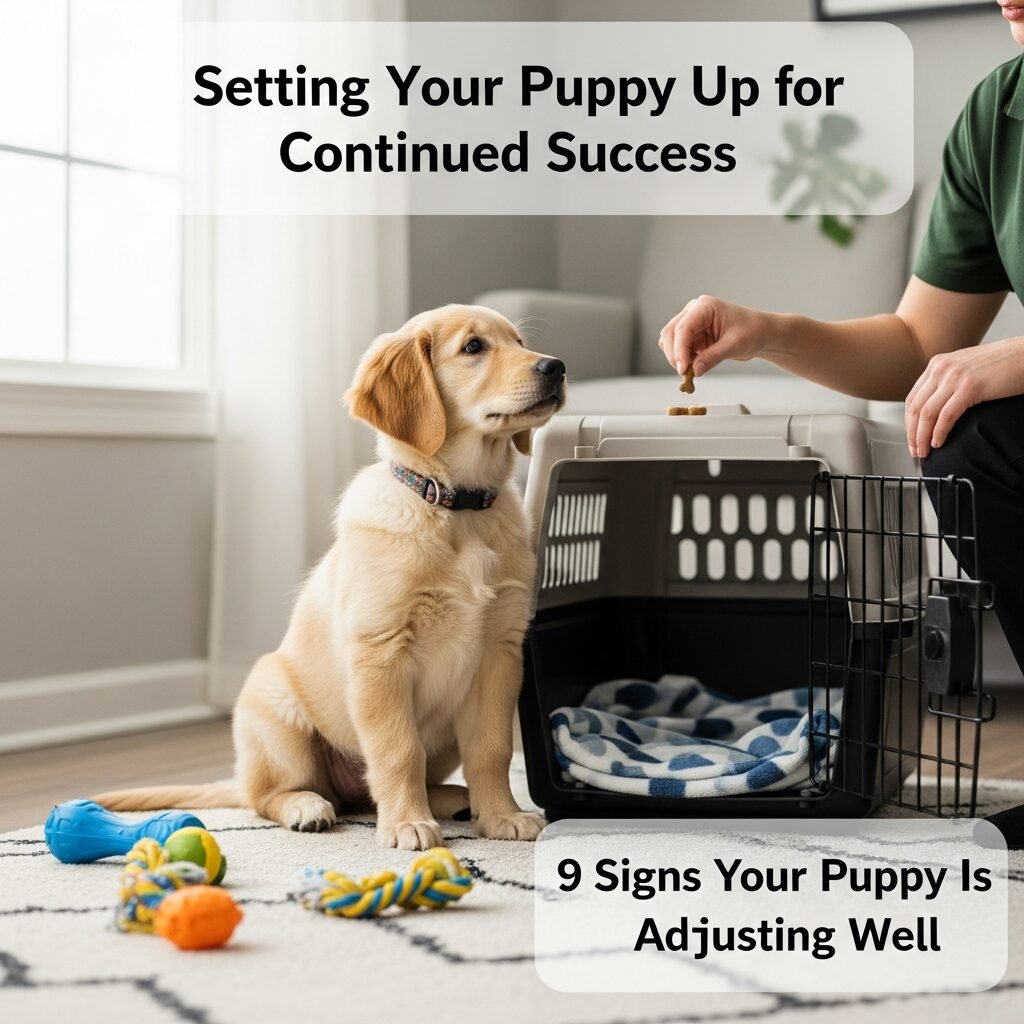
A smooth adjustment period is just the beginning. Ongoing effort helps your puppy continue to thrive.
Daily Routine Checklist
A predictable routine helps puppies feel secure and understand expectations.
* Feeding Schedule: Consistent times for meals.
* Potty Breaks: Frequent trips outside, especially after waking, eating, and playing.
* Playtime: Dedicated slots for interactive play and mental stimulation.
* Training Sessions: Short, positive sessions throughout the day.
* Cuddle Time: Moments for bonding and affection.
The Importance of Socialization
Once your puppy has settled in and received their initial vaccinations, safe and positive socialization experiences are crucial. Introduce them to a variety of sights, sounds, people, and friendly, vaccinated dogs. This builds their confidence and helps them navigate the world calmly.