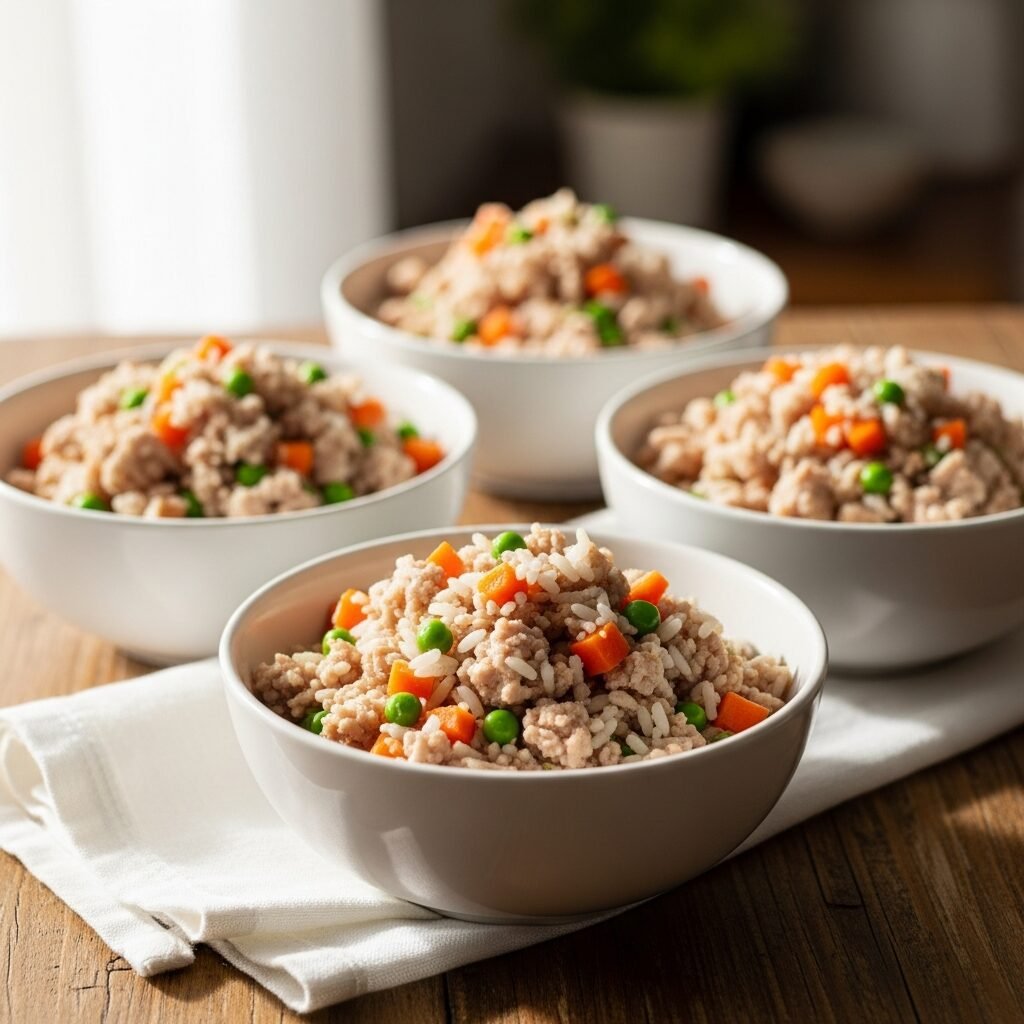
Giving our furry family members the very best is a top priority for every dog parent. From ensuring they have comfy beds to finding the perfect squeaky toy, we want to provide a life full of joy and good health. When it comes to their diet, many of us are looking for ways to offer wholesome, natural options beyond the typical bag of kibble.
That’s where simple, homemade dog meals come in! Imagine a meal that’s easy to prepare, uses only a few common ingredients, and can be a fantastic, healthy addition to your dog’s diet. Today, we’re diving into the world of 4-ingredient turkey and rice dog meals – a nutritious, delicious, and surprisingly straightforward way to show your dog some extra love.
Why Choose Homemade Dog Meals?
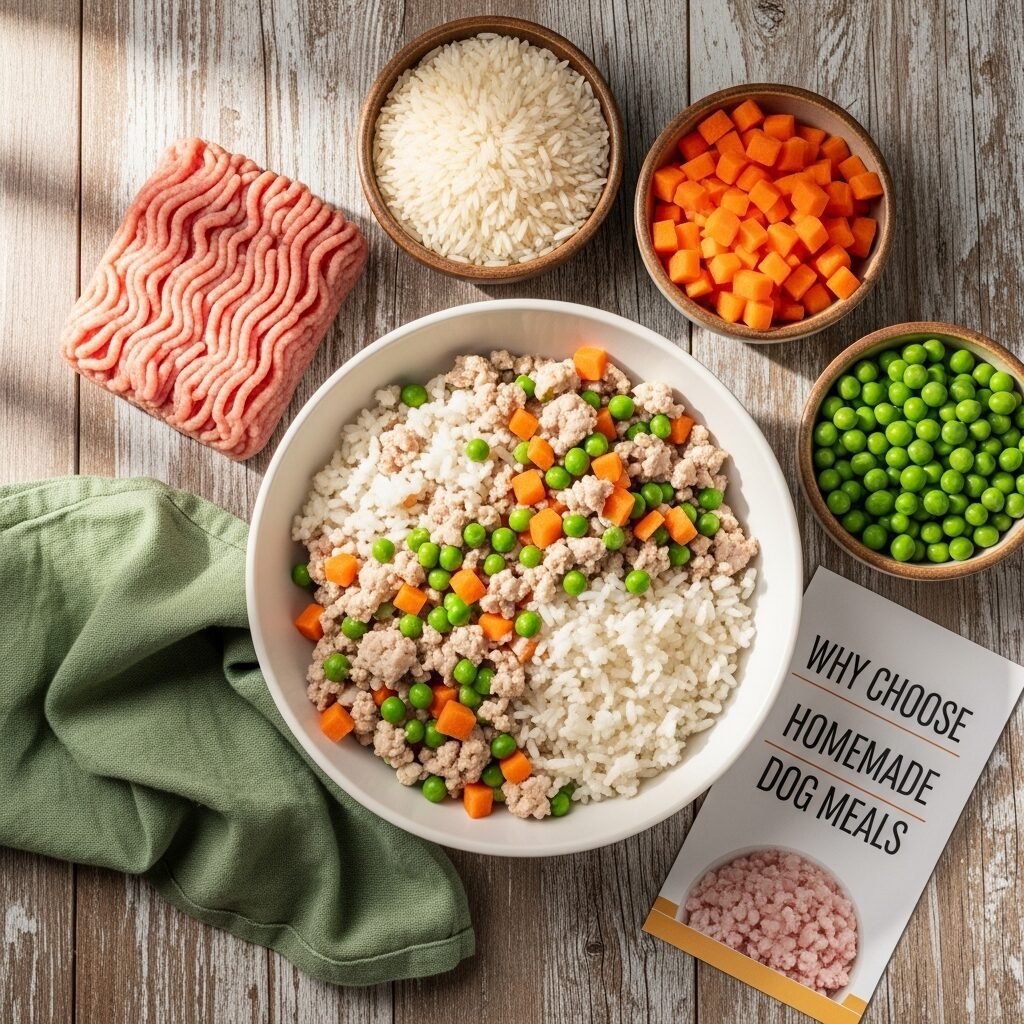
You might wonder why bother making your dog’s food when there are so many commercial options available. The truth is, homemade meals offer unique benefits that can truly make a difference in your dog’s health and happiness.
Control Over Ingredients
One of the biggest advantages of preparing your dog’s food at home is knowing exactly what goes into their bowl. You can avoid common fillers, artificial preservatives, colors, and flavors that are often found in processed commercial dog foods. This means a cleaner, purer meal for your beloved companion.
Addressing Sensitivities
Many dogs suffer from food allergies or sensitivities, which can manifest as digestive upset, itchy skin, or dull coats. By preparing meals with a limited number of wholesome ingredients like turkey and rice, you can easily identify and eliminate potential triggers, offering relief and comfort to your sensitive pup.
Freshness and Palatability
Let’s face it, dogs love fresh food just like we do! Homemade meals, prepared with fresh ingredients, often have a more appealing aroma and taste compared to dry kibble. This can be a game-changer for picky eaters or dogs who need a little encouragement to finish their meals.
Cost-Effective
While some specialty commercial dog foods can be quite expensive, making your own can often be more budget-friendly. Buying ingredients in bulk and cooking in batches can significantly reduce your dog food expenses over time, without compromising on quality.
The Core Four Ingredients for Happy Pups
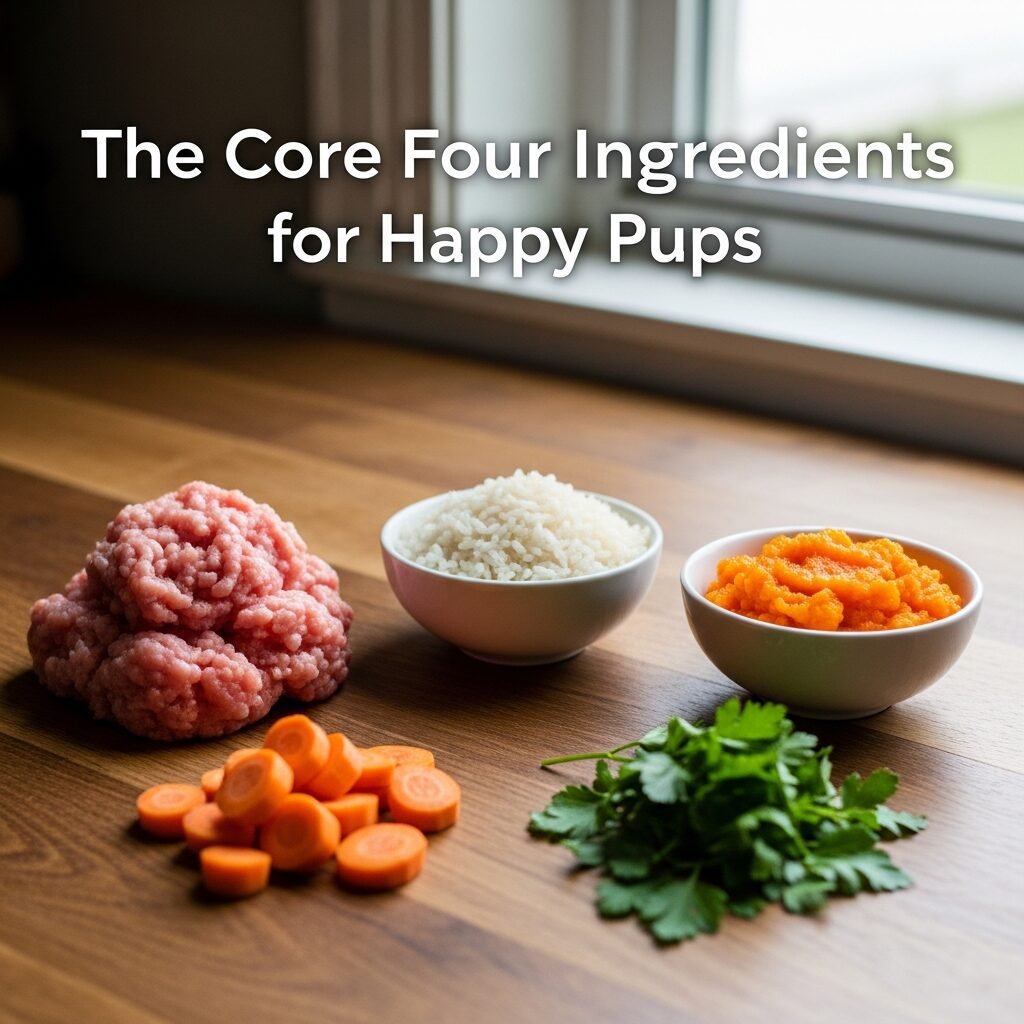
The beauty of this meal lies in its simplicity. With just four main components, you can create a complete and nourishing dish that your dog will adore. Let’s look at each one.
Ingredient 1: Lean Ground Turkey
Turkey is a fantastic protein source for dogs. It’s lean, easily digestible, and often a good alternative for dogs who might be sensitive to chicken.
Why turkey?
It provides essential amino acids for muscle development, energy, and overall body function. Lean ground turkey means less fat, making it suitable for dogs needing to manage their weight or those with sensitive stomachs.
Preparation tips:
Always cook turkey thoroughly without any seasonings, salt, or oils. Simply brown it in a pan, breaking it up into small pieces, until it’s fully cooked through and no pink remains. Drain any excess fat before mixing with other ingredients.
Ingredient 2: White or Brown Rice
Rice is an excellent carbohydrate source for dogs, providing energy and aiding digestion. The choice between white and brown often depends on your dog’s specific needs.
Why rice?
White rice is often recommended for dogs with upset stomachs because it’s easy to digest and low in fiber. Brown rice, on the other hand, offers more fiber, vitamins, and minerals, making it a great choice for healthy digestion in general.
Differences:
If your dog has an upset tummy, stick with plain white rice. For everyday feeding and healthy dogs, brown rice offers more nutritional benefits.
Preparation tips:
Cook the rice plain with water, just as you would for yourself, but without any salt, butter, or seasonings. Ensure it’s fully cooked and soft.
Ingredient 3: A Veggie Boost (e.g., Carrots or Green Beans)
Adding a vegetable provides essential vitamins, minerals, and dietary fiber, supporting overall health and well-being.
Why veggies?
Vegetables are packed with antioxidants, which help fight disease, and fiber, which aids in digestion and helps your dog feel full.
Safe options:
Carrots are a wonderful source of Vitamin A, great for vision. Green beans offer vitamins C and K, and fiber. Other safe options include peas, cooked sweet potato, or even a small amount of spinach. Avoid onions, garlic, and wild mushrooms, which are toxic to dogs.
Preparation tips:
Steam or boil vegetables until they are soft enough to be easily mashed or finely chopped. For carrots, you can even finely grate them raw into the mix.
Ingredient 4: Healthy Fat (e.g., Olive Oil or Fish Oil)
A small amount of healthy fat is crucial for your dog’s skin, coat, and overall health. It also helps with the absorption of fat-soluble vitamins.
Why healthy fat?
Omega-3 and omega-6 fatty acids are vital for brain health, joint support, and maintaining a shiny, healthy coat.
Safe options:
A tiny drizzle of olive oil or a small amount of high-quality fish oil supplement (like salmon oil) added after cooking are excellent choices.
Dosage caution:
It’s important not to overdo it with fats. Consult your vet for the appropriate dosage of fish oil, or add just a teaspoon of olive oil per serving for medium to large dogs, less for small dogs.
Step-by-Step Recipe: Making Your Turkey & Rice Meal
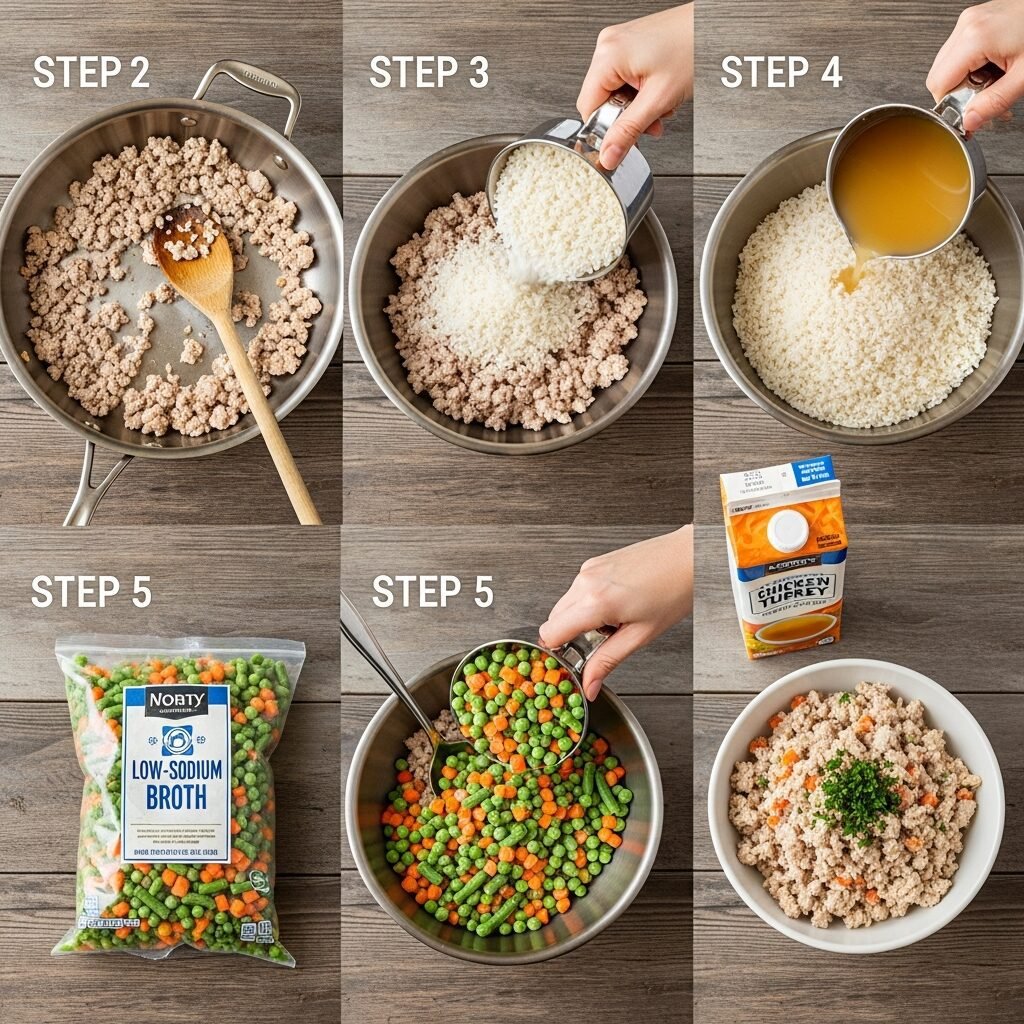
Now for the fun part – putting it all together! This recipe is incredibly simple, perfect for busy dog parents.
What You’ll Need
* 1 pound lean ground turkey
* 1 cup dry rice (white or brown, as preferred)
* 1-2 cups chopped or grated safe vegetables (e.g., carrots, green beans)
* 1-2 teaspoons olive oil or fish oil (per meal portion)
* Water for cooking
Easy Cooking Instructions
Follow these simple steps to prepare a wholesome meal for your dog:
Step 1: Cook the Turkey
In a large skillet, brown the ground turkey over medium heat. Break it up into small, even pieces as it cooks. Once fully cooked and no pink remains, drain off any excess fat. Set aside to cool slightly.
Step 2: Cook the Rice
While the turkey cooks, prepare the rice according to package directions, using only water. Remember, no salt or seasonings! If using white rice, cook until fluffy. If using brown rice, it will take longer but should also be cooked until soft.
Step 3: Prepare the Vegetables
Steam or boil your chosen vegetables until they are tender. Then, mash them slightly or chop them into very small, bite-sized pieces that your dog can easily digest. If using raw grated carrots, they are ready to go!
Step 4: Combine and Add Fat
In a large bowl, combine the cooked turkey, cooked rice, and prepared vegetables. Mix everything thoroughly. Once the mixture has cooled to a lukewarm temperature, stir in the appropriate amount of olive oil or fish oil for the batch, or add it to individual meal portions just before serving.
Step 5: Cool Down
Always allow the food to cool completely before serving it to your dog. Hot food can burn their mouth or throat.
Feeding Your Dog Homemade Meals Safely
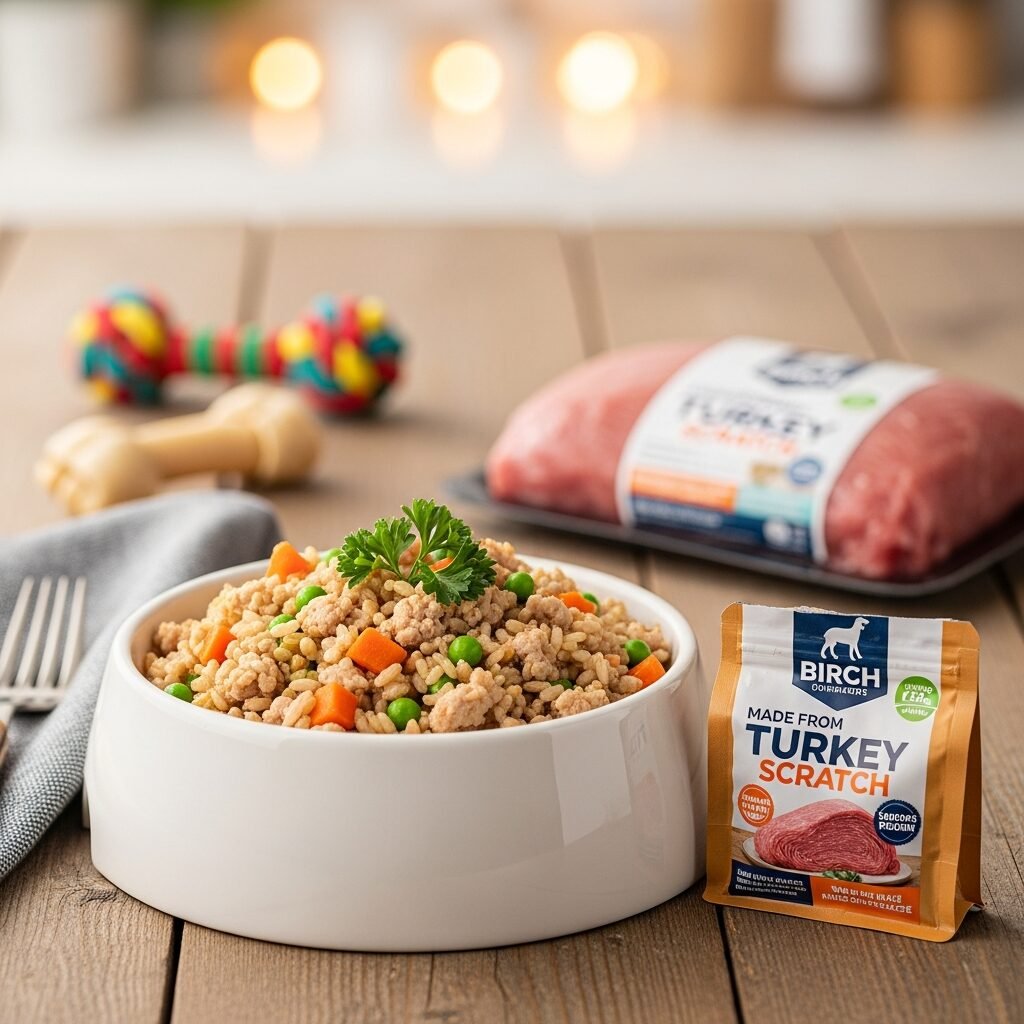
While homemade meals are wonderful, it’s essential to approach feeding them thoughtfully to ensure your dog gets all the nutrients they need.
Portion Control is Key
Just like humans, dogs need appropriate portion sizes to maintain a healthy weight. The amount of food your dog needs will vary based on several factors.
Factors:
Consider your dog’s age, current weight, activity level, and any underlying health conditions. A very active dog will need more calories than a senior couch potato.
General guidance/starting point:
As a general rule, a good starting point for homemade meals is about 1/4 cup to 1/3 cup of food per 10 pounds of body weight, divided into two meals per day. This is just a starting point, and you should adjust based on your dog’s condition.
| Dog Weight (lbs) | Approximate Daily Serving (cups) |
| 5-10 | 0.5 – 1 |
| 11-20 | 1 – 1.5 |
| 21-40 | 1.5 – 2.5 |
| 41-60 | 2.5 – 3.5 |
| 61-80 | 3.5 – 4.5 |
| 81-100+ | 4.5 – 6+ |
Remember, these are rough estimates. Always consult your veterinarian for precise feeding recommendations tailored to your individual dog.
Monitoring weight:
Regularly check your dog’s weight and body condition. You should be able to feel their ribs easily but not see them prominently. Adjust portions as needed.
Balancing the Diet
While a 4-ingredient meal is excellent for its simplicity and for dogs with sensitivities, it’s important to understand its role in your dog’s overall diet.
Homemade meals as a supplement vs. main diet:
This 4-ingredient meal can be a fantastic occasional treat, a supplemental meal, or a temporary bland diet for an upset stomach. For long-term, exclusive feeding, it might lack some essential vitamins and minerals your dog needs for complete nutrition.
Importance of veterinary consultation:
Before making any significant changes to your dog’s diet, especially transitioning to exclusively homemade meals, always consult your veterinarian. They can help you formulate a nutritionally balanced plan or recommend appropriate supplements.
Adding a supplement if it’s a long-term diet:
If you plan to feed this or similar homemade meals regularly as your dog’s primary diet, your vet will likely recommend a high-quality canine multivitamin and mineral supplement to ensure all nutritional bases are covered.
Storage and Shelf Life
Proper storage is crucial to keep homemade food fresh and safe for your dog.
Refrigeration guidelines:
Store leftover cooked turkey and rice mixture in an airtight container in the refrigerator for up to 3-4 days.
Freezing options:
For longer storage, divide the cooled mixture into individual meal portions and freeze them in freezer-safe containers or bags. This allows you to easily thaw a single serving as needed. Frozen meals can last for up to 2-3 months. Thaw overnight in the refrigerator before serving.
Introducing New Foods
When introducing any new food to your dog, it’s best to do so gradually to avoid digestive upset.
Gradual transition to avoid upset stomachs:
Start by mixing a small amount of the turkey and rice meal with their regular food. Over a week, slowly increase the proportion of the new food while decreasing the old food until your dog is fully transitioned. Watch for any signs of digestive discomfort during this time.
Customizing and Enhancing Your Dog’s Meals (Optional Add-ins)
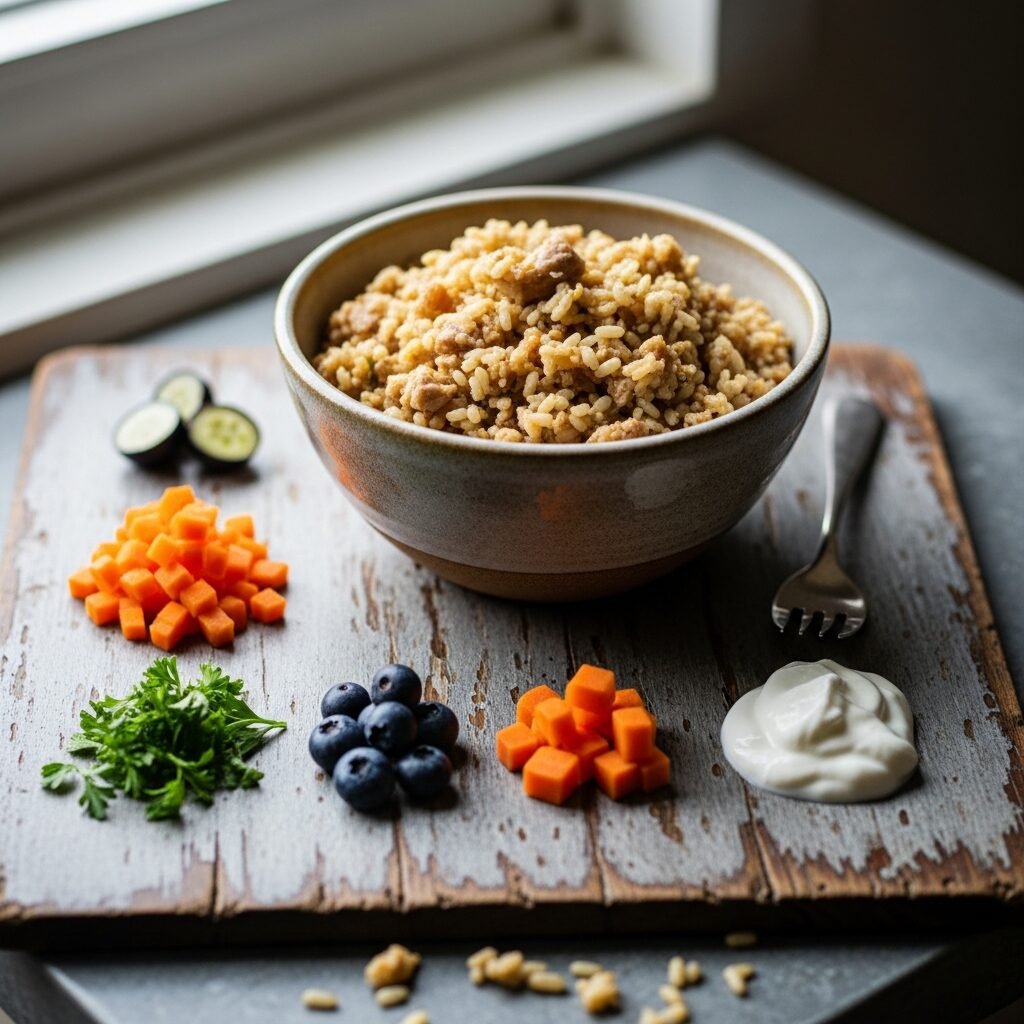
Once you’re comfortable with the basic 4-ingredient meal, you can explore adding other healthy ingredients to boost variety and nutrition, always with your vet’s approval.
More Veggies
Beyond carrots and green beans, many other vegetables are safe and beneficial.
* Pumpkin: Cooked, plain pumpkin (not pie filling) is excellent for digestion and can help with both diarrhea and constipation.
* Spinach: A nutrient-dense leafy green, rich in vitamins K, A, and C. Cook it lightly and chop finely.
* Blueberries: A fantastic source of antioxidants. A few mashed blueberries can add a sweet and healthy touch.
Healthy Proteins
You can occasionally swap or add other lean protein sources.
* Egg: Cooked, plain eggs are a great source of protein and essential fatty acids. Scramble or boil them.
* Chicken: Cooked, boneless, skinless chicken breast is another lean protein alternative to turkey.
Supplements
For long-term homemade diets, or for dogs with specific needs, your vet might recommend supplements.
* Joint support: Glucosamine and chondroitin supplements can be beneficial for older dogs or breeds prone to joint issues.
* Probiotics: Can aid in maintaining a healthy gut flora, especially useful for dogs with sensitive stomachs or after antibiotic use.
Always discuss any supplements with your veterinarian before adding them to your dog’s diet.
Never-Serve List
Just as important as knowing what to include is knowing what to absolutely avoid.
* Onions and Garlic: Toxic to dogs, even in small amounts.
* Grapes and Raisins: Can cause kidney failure.
* Chocolate: Contains theobromine, which is toxic.
* Xylitol: An artificial sweetener found in many sugar-free products, extremely toxic.
* Avocado: Contains persin, which can be toxic to some animals.
* Cooked Bones: Can splinter and cause internal damage.