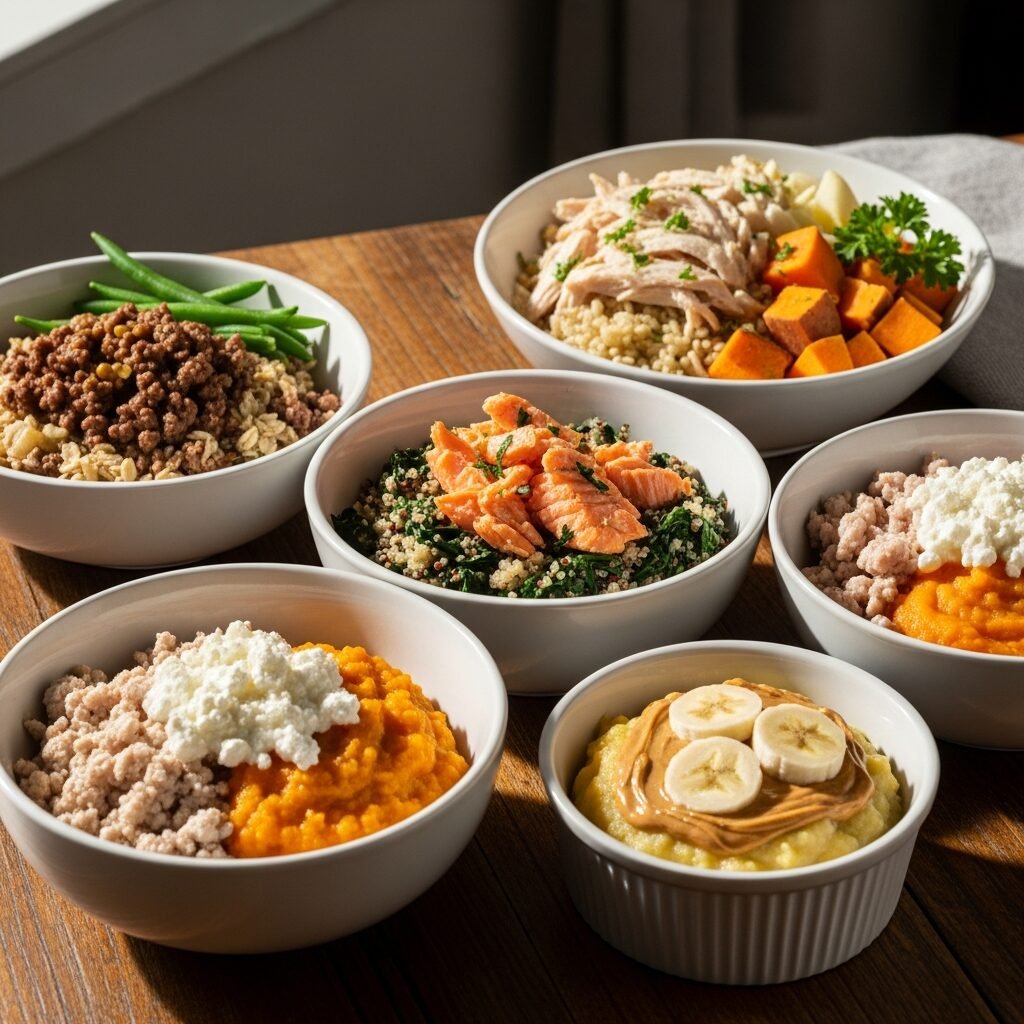
5 Homemade Dog Foods for Weight Gain
It is a true act of love to prepare meals for your beloved canine companion, especially when they need a little extra help to reach a healthy weight. Seeing your dog look a bit too thin can be concerning for any pet parent. Perhaps they are recovering from an illness, have an incredibly high metabolism, or are just naturally a bit underweight. Whatever the reason, providing nutrient-dense, calorie-rich homemade meals can be a wonderful way to support their journey to a healthier, happier self.
Before you dive into the kitchen, it is always, always best to chat with your veterinarian. They can help you understand why your dog might be underweight and ensure there are no underlying health issues that need medical attention. Once you have the green light, homemade food gives you complete control over the quality and type of ingredients, allowing you to tailor meals perfectly to your dog’s needs. Let us explore some fantastic homemade options to help your furry friend put on weight in a healthy, wholesome way.
Why Your Dog Might Need to Gain Weight
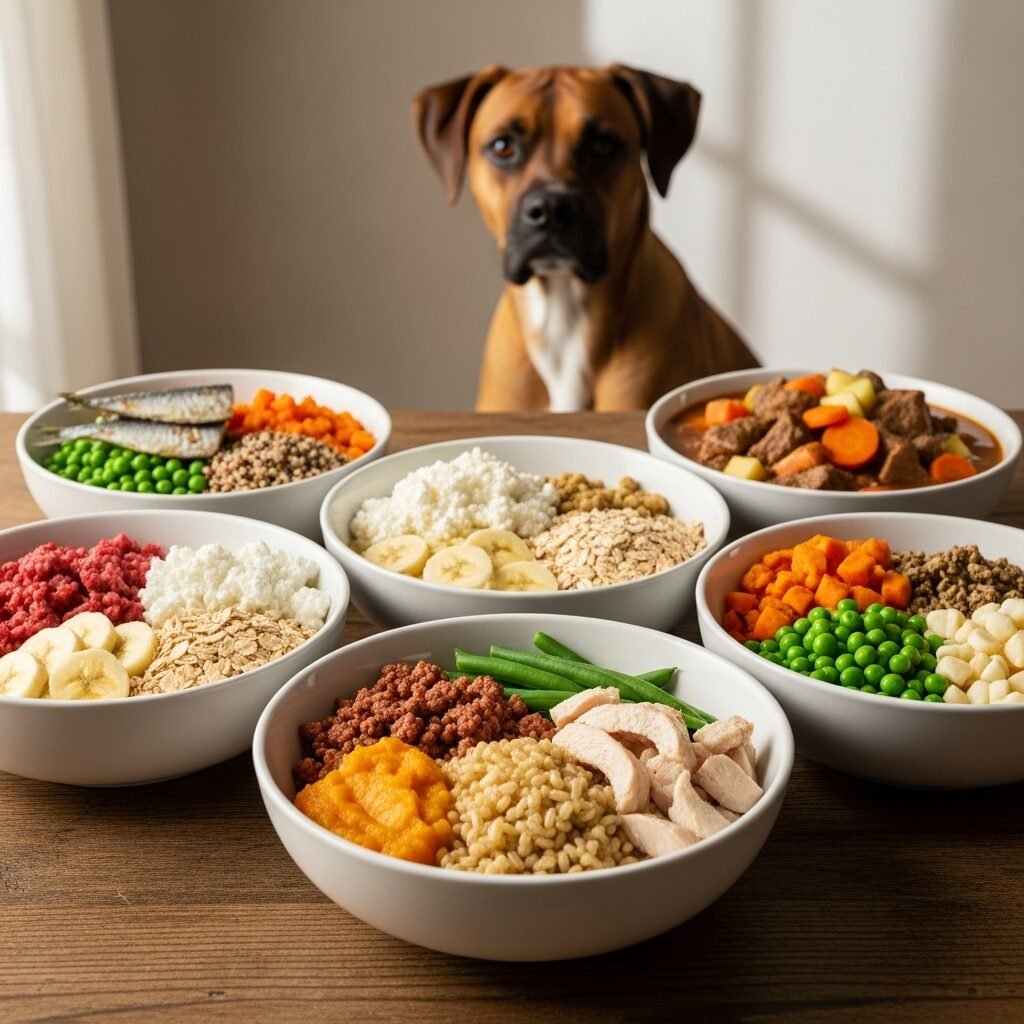
Sometimes, a dog being underweight is a clear sign that something is amiss. Other times, it is just their unique body type or a phase they are going through. Understanding the potential reasons can help you have a more informed conversation with your vet.
Health Concerns
A dog losing weight unexpectedly is often the first sign of a health issue. It is crucial to rule these out before simply adding more food to their bowl.
Recent Illness or Surgery
Recovering from sickness, an infection, or a surgical procedure can significantly deplete a dog’s energy reserves and appetite. They might lose weight during the recovery period and need extra calories to bounce back to their normal self.
Parasites
Internal parasites, like worms, can steal nutrients from your dog, leading to weight loss even if they are eating well. Regular deworming and veterinary check-ups are essential to prevent this.
Dental Issues
Painful teeth or gums can make eating a chore, leading to reduced food intake and subsequent weight loss. A vet can examine your dog’s mouth and address any dental problems.
High Metabolism or Picky Eaters
Just like people, some dogs naturally have a very fast metabolism and burn through calories quickly. Others might be very selective about what they eat, simply not consuming enough calories.
Growing Puppies
Puppies, especially those from large breeds, grow at an incredible rate. They need a lot of calories and nutrients to support their rapid development, and sometimes they struggle to keep up.
Active Dogs
Working dogs, highly athletic breeds, or those with an extremely active lifestyle can burn a tremendous amount of calories daily. They might need a calorie-dense diet just to maintain their weight, let alone gain a little.
Remember, seeing your vet is the very first step. They can provide a proper diagnosis and recommend the best course of action tailored to your dog’s specific health needs.
Essential Nutrients for Healthy Weight Gain
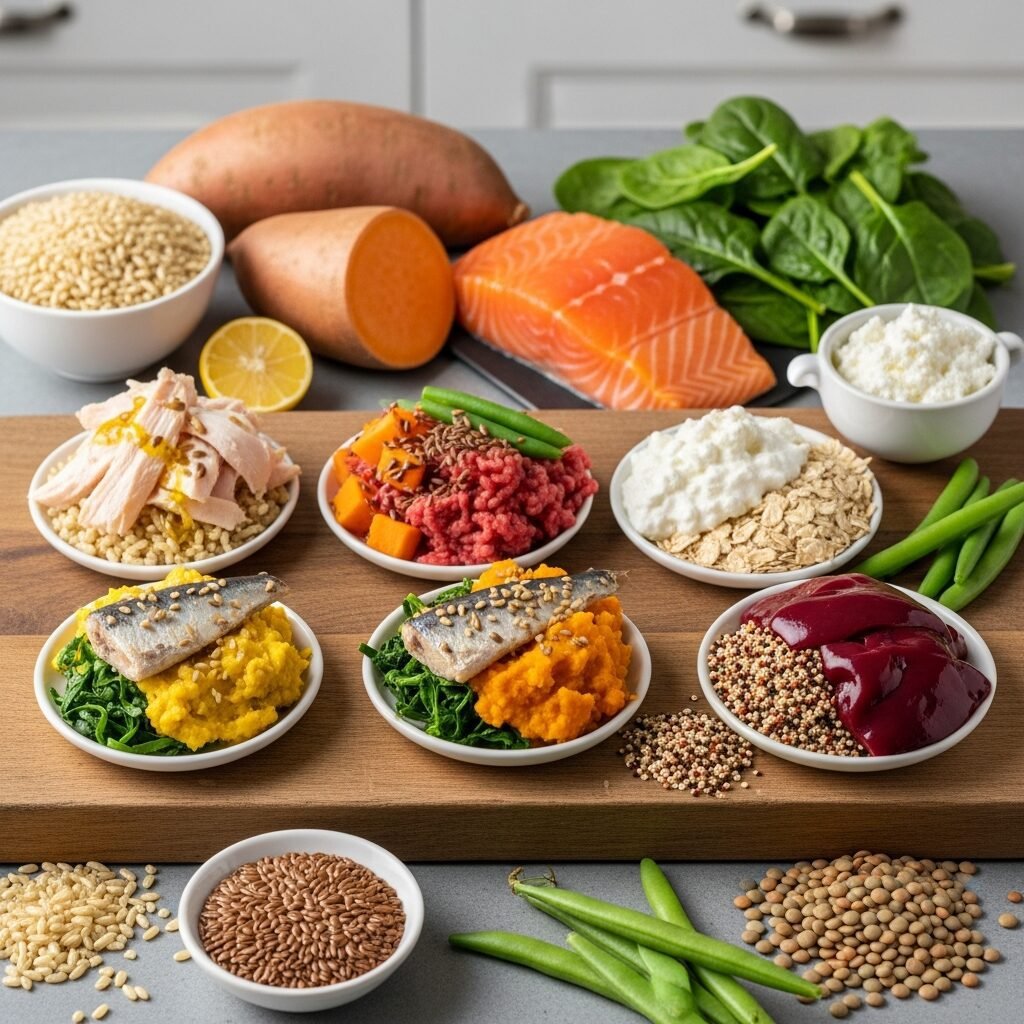
When your goal is for your dog to gain weight, it is not just about quantity; it is about quality. You want to provide nutrient-dense foods that offer a good balance of protein, healthy fats, and complex carbohydrates.
Protein
Protein is fundamental for building and repairing tissues, including muscle. For weight gain, lean, high-quality protein sources are vital to ensure your dog gains muscle mass rather than just fat. Good sources include chicken, turkey, lean beef, and fish.
Healthy Fats
Fats are calorie-dense, meaning they provide a lot of energy in a small serving. Healthy fats are crucial for weight gain, as they offer more than double the calories per gram compared to protein or carbohydrates. They also support skin and coat health. Excellent sources include fish oil, coconut oil, flaxseed oil, and the natural fats in lean meats.
Complex Carbohydrates
Carbohydrates provide sustained energy and are a good source of fiber. For weight gain, focus on complex carbs that offer nutritional value beyond just calories. Sweet potatoes, brown rice, oats, and quinoa are excellent choices.
Vitamins and Minerals
While not directly contributing to calorie count, vitamins and minerals are essential for overall health, metabolism, and ensuring that all the other nutrients are properly absorbed and utilized by your dog’s body. A balanced homemade diet incorporating a variety of vegetables can help provide these vital micronutrients.
Important Considerations Before You Start
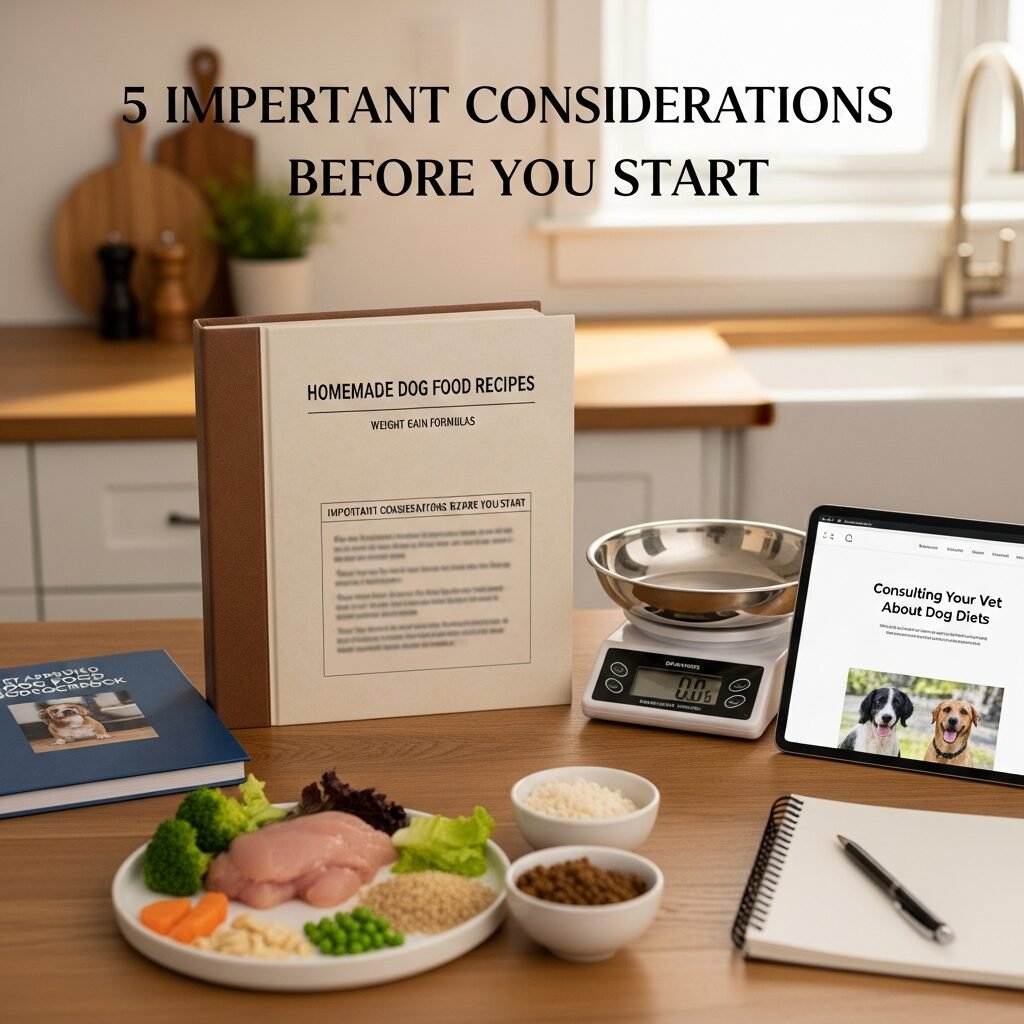
Embarking on a homemade diet for weight gain requires a thoughtful approach. Here are some key points to keep in mind to ensure your dog’s health and safety.
Vet Consultation is Key
This cannot be stressed enough. Always consult your veterinarian before making significant changes to your dog’s diet, especially if it is for a specific health goal like weight gain. They can help identify underlying issues and recommend appropriate calorie targets and nutrient ratios.
Gradual Introduction
Sudden changes in diet can upset your dog’s stomach. Introduce new homemade foods slowly, mixing small amounts with their current food and gradually increasing the homemade portion over 7-10 days.
Portion Control
Even though the goal is weight gain, portion control is still important. Your vet can help you determine the appropriate calorie intake for your dog’s target weight and activity level. Overfeeding too quickly can lead to digestive upset or unhealthy fat gain.
Allergen Awareness
If your dog has known food sensitivities or allergies, be extra careful when choosing ingredients. Stick to proteins and carbohydrates you know they tolerate well. If you are unsure, introduce one new ingredient at a time and monitor for any adverse reactions.
Balanced Nutrition
Simply adding more fat or calories to your dog’s diet without considering the overall nutritional balance can be detrimental. A good homemade diet for weight gain should still be well-rounded, providing all necessary vitamins, minerals, protein, and carbohydrates in appropriate ratios. Your vet might even suggest a canine-specific vitamin and mineral supplement to ensure completeness.
Top 5 Homemade Dog Food Recipes for Healthy Weight Gain
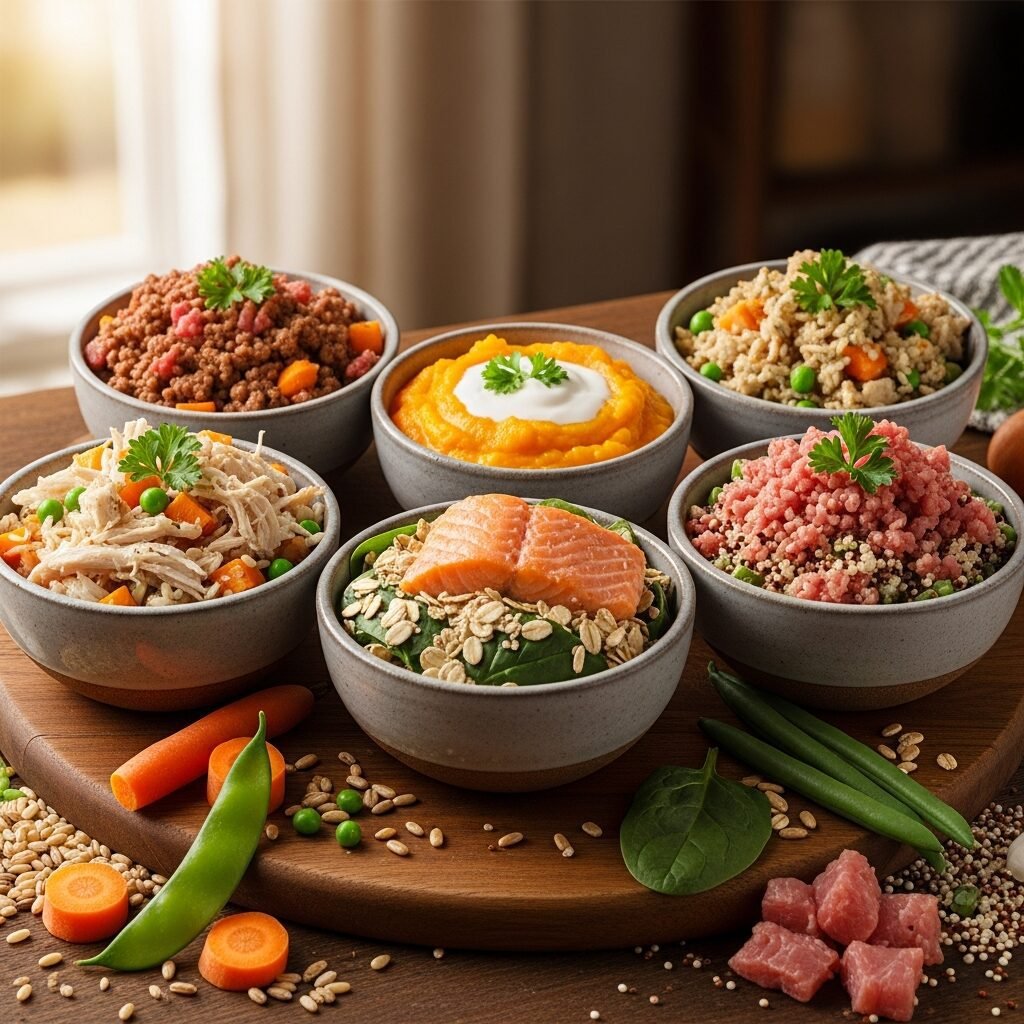
Here are five simple, wholesome homemade recipes designed to help your dog gain weight healthily. Remember to cook all ingredients thoroughly and cool them completely before serving.
Recipe 1: Hearty Chicken and Rice Bowl
This is a classic for a reason. Chicken is lean, easy to digest, and rice provides a good energy source. This recipe is often recommended for sensitive stomachs, making it a gentle way to add calories.
Why it is good for weight gain:
Chicken offers high-quality protein for muscle building, while brown rice provides complex carbohydrates for sustained energy. Sweet potatoes add extra calories, fiber, and essential vitamins.
Ingredients:
* 2 cups cooked, shredded boneless, skinless chicken breast
* 1.5 cups cooked brown rice
* 1 large sweet potato, peeled and cubed, steamed until soft
* 1/2 cup cooked green beans (chopped)
* 1 tablespoon olive oil or coconut oil
* 1/4 cup low-sodium chicken broth (optional, for moisture)
Instructions:
1. Cook chicken until thoroughly done, then shred it.
2. Cook brown rice according to package directions.
3. Peel and cube the sweet potato, then steam or boil until very soft. Mash lightly.
4. Steam or boil green beans until tender-crisp. Chop them if needed.
5. In a large bowl, combine the shredded chicken, brown rice, mashed sweet potato, and green beans.
6. Drizzle with olive oil or coconut oil and mix well. Add a splash of chicken broth if the mixture seems too dry.
Serving Suggestions:
Serve warm or at room temperature. Start with small portions added to their regular food, gradually increasing the amount. This meal can be a full meal replacement or a calorie-boosting addition.
Recipe 2: Beef and Sweet Potato Power Mix
Beef offers a richer flavor and higher calorie count than chicken, making it excellent for weight gain. Combined with nutrient-dense sweet potatoes and vegetables, this is a hearty option.
Why it is good for weight gain:
Lean ground beef is packed with protein and beneficial fats. Sweet potatoes are a calorie-dense carb, and carrots and spinach add vital nutrients without too much bulk. Flaxseed oil provides healthy Omega-3s.
Ingredients:
* 1 pound lean ground beef (90% lean or higher)
* 2 medium sweet potatoes, peeled and cubed
* 1 cup chopped carrots
* 1 cup fresh spinach
* 1/4 cup bone broth (low sodium)
* 1 tablespoon flaxseed oil
Instructions:
1. Brown the ground beef in a skillet until fully cooked, breaking it into small pieces. Drain any excess fat.
2. While the beef cooks, steam or boil the sweet potatoes and carrots until tender.
3. Once cooked, mash the sweet potatoes and carrots together or finely chop them.
4. Add the cooked beef, mashed sweet potatoes and carrots, and fresh spinach to a large bowl.
5. Pour in the bone broth and flaxseed oil. Mix everything thoroughly until well combined. The spinach will wilt from the warmth.
Serving Suggestions:
This mixture is quite rich. Introduce it slowly. It is perfect as a standalone meal or mixed with a smaller portion of their usual kibble.
Recipe 3: Salmon and Quinoa Feast
Salmon is a fantastic source of Omega-3 fatty acids, which are great for skin, coat, and brain health, and also contribute healthy fats for weight gain. Quinoa is a complete protein and a good complex carbohydrate.
Why it is good for weight gain:
Salmon provides healthy fats and high-quality protein. Quinoa is a complete protein source and offers complex carbs. Peas and zucchini add vitamins and minerals without being too heavy.
Ingredients:
* 1 pound boneless, skinless salmon fillet, cooked and flaked
* 1 cup cooked quinoa
* 1/2 cup cooked peas
* 1/2 cup cooked zucchini (finely diced)
* 1 teaspoon fish oil (e.g., salmon oil, if not already in salmon)
Instructions:
1. Cook salmon (bake, steam, or poach) until flaky. Ensure all bones are removed.
2. Cook quinoa according to package directions.
3. Steam or boil peas and finely diced zucchini until tender.
4. In a bowl, gently flake the cooked salmon.
5. Add the cooked quinoa, peas, and zucchini to the salmon.
6. Drizzle with fish oil and mix gently.
Serving Suggestions:
This meal is rich in healthy fats and protein. It is excellent as a main meal. Store any leftovers in an airtight container in the refrigerator for up to 3 days.
Recipe 4: Turkey and Oatmeal Delight
Turkey is a easily digestible, lean protein, and oatmeal provides soluble fiber and sustained energy. This recipe is gentle on the stomach while still providing the necessary calories.
Why it is good for weight gain:
Ground turkey is lean and easily digestible, while rolled oats are a source of complex carbohydrates and soluble fiber. Pumpkin puree aids digestion and adds vitamins, and a tiny bit of coconut oil boosts healthy calories.
Ingredients:
* 1 pound ground turkey
* 1 cup rolled oats (uncooked)
* 3 cups water or low-sodium chicken broth
* 1/2 cup pumpkin puree (100% pure pumpkin, not pie filling)
* 1 small apple, cored and grated (no seeds)
* 1 teaspoon coconut oil
Instructions:
1. In a large pot, brown the ground turkey until fully cooked, breaking it into small crumbles. Drain any excess fat.
2. Add the rolled oats and water (or broth) to the pot with the turkey. Bring to a simmer, then reduce heat and cook, stirring occasionally, until the oats are soft and have absorbed most of the liquid (about 10-15 minutes).
3. Stir in the pumpkin puree, grated apple, and coconut oil. Mix well.
4. Remove from heat and let cool completely before serving.
Serving Suggestions:
This is a hearty, comforting meal that is great for dogs with sensitive stomachs. Serve as a complete meal or as a nutrient-dense addition.
Recipe 5: Cottage Cheese & Egg Boost
This is less of a full meal and more of a powerful, protein-packed supplement you can add to your dog’s existing food to boost calories and nutrients. It is quick to prepare and very appealing to many dogs.
Why it is good for weight gain:
Low-fat cottage cheese provides easily digestible protein and calcium. Cooked eggs are a complete protein source, offering essential amino acids and healthy fats. Nutritional yeast adds B vitamins and a cheesy flavor without dairy concerns.
Ingredients:
* 1/2 cup low-fat cottage cheese
* 2 large eggs, cooked (scrambled or hard-boiled and chopped)
* 1 teaspoon nutritional yeast (optional, for flavor and B vitamins)
Instructions:
1. Cook the eggs thoroughly (scramble, boil, or poach). Allow them to cool.
2. Chop the cooked eggs into small, bite-sized pieces.
3. In a small bowl, combine the cottage cheese, chopped eggs, and nutritional yeast (if using). Mix gently.
Serving Suggestions:
This mixture is intended as a topper or addition to your dog’s regular meals, rather than a standalone meal. It is perfect for boosting protein and calories for underweight dogs or those needing extra energy. Add 1-2 tablespoons to each meal.
General Tips for Encouraging Weight Gain
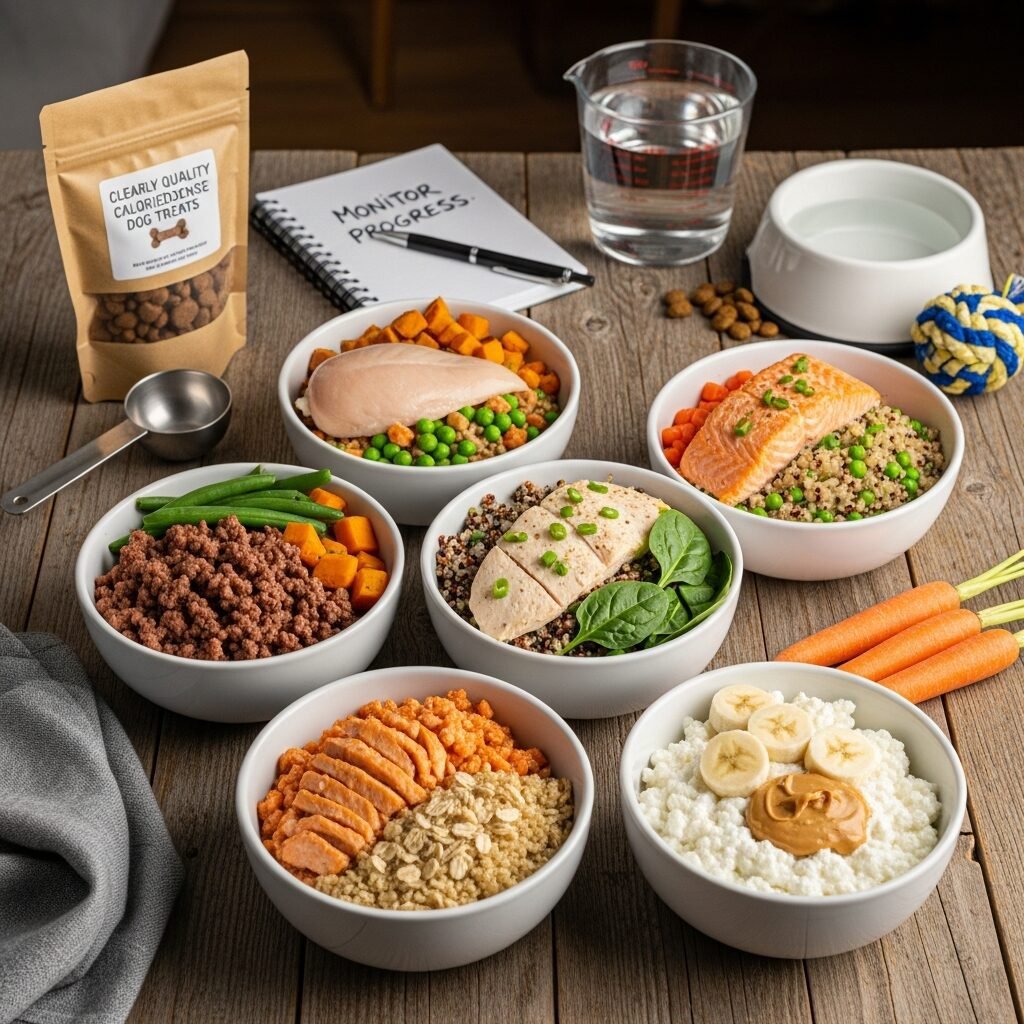
Beyond specific recipes, there are several practical strategies you can employ to help your dog reach and maintain a healthy weight.
Smaller, More Frequent Meals
Instead of one or two large meals, try feeding smaller portions three or four times a day. This can be easier on their digestive system and make it less overwhelming for dogs with a poor appetite.
Make Food Appealing
Sometimes, it is not just about the calories but about making the food irresistible. Warming homemade food slightly can release aromas that entice your dog. Adding a splash of low-sodium bone broth or a tiny bit of plain yogurt can also make meals more appealing.
Regular Exercise
While it might seem counterintuitive to exercise a dog needing to gain weight, regular, moderate activity helps build muscle mass rather than just fat. It also stimulates appetite and improves digestion. Consult your vet on the appropriate type and amount of exercise for your dog.
Monitor Weight Regularly
Weigh your dog weekly or bi-weekly to track their progress. This helps you adjust portion sizes as needed and ensures they are gaining weight at a healthy pace. Your vet can provide guidance on a target weight.
Stay Consistent
Consistency is key, both in the quality of food and the feeding schedule. Dogs thrive on routine, and sticking to a consistent plan can help them feel secure and encourage better eating habits.
Important Safety Notes for Homemade Dog Food
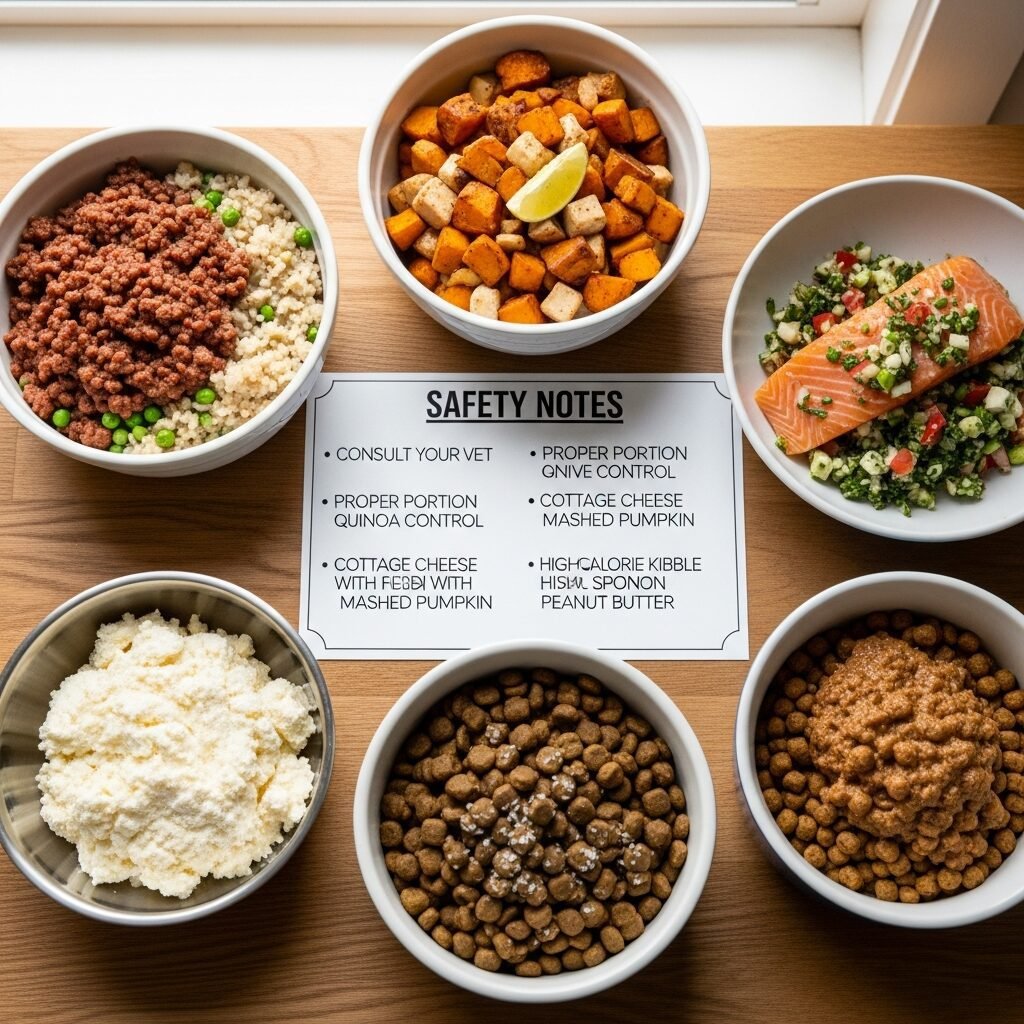
While homemade dog food offers many benefits, it is crucial to prioritize safety to prevent illness or nutritional deficiencies.
Avoid Harmful Ingredients
Many human foods are toxic to dogs. Always be vigilant about avoiding ingredients like onions, garlic, grapes, raisins, chocolate, xylitol (an artificial sweetener), avocado, macadamia nuts, and any processed foods high in salt or sugar. If in doubt, leave it out.
Cook Meats and Grains Thoroughly
Raw meat can carry bacteria like Salmonella or E. coli, which can be harmful to both dogs and humans. Always cook meats and grains completely to eliminate these risks.
Store Food Properly
Homemade dog food does not contain preservatives, so it spoils faster than commercial kibble. Store any uneaten portions in an airtight container in the refrigerator for no more than 3-4 days. For longer storage, freeze individual portions for up to a few months.
Supplement if Necessary
Even with the best intentions, it can be challenging to formulate a perfectly balanced homemade diet that meets all of a dog’s nutritional needs over the long term. Discuss with your vet whether a broad-spectrum canine-specific vitamin and mineral supplement is advisable, especially for prolonged feeding.


