Bringing a new puppy home is one of life’s greatest joys. Those tiny paws, the adorable puppy breath, and endless cuddles make your heart melt. But soon, the reality of puppy parenthood sets in, and with it, the wonderful (and sometimes challenging) world of puppy training.
Many new dog parents embark on this journey with enthusiasm, only to find themselves frustrated when progress seems slow or even nonexistent. It is easy to feel like you are doing something wrong, or that your puppy just isn’t getting it.
The good news is, often, it’s not the puppy’s fault. There are common pitfalls and mistakes that can inadvertently slow down the training process, making things harder for both you and your furry friend. Understanding these errors is the first step toward a smoother, more effective training experience.
This article will walk you through 12 common mistakes that can hinder your puppy’s learning, offering practical advice and simple solutions to get your training back on track. Let’s make this journey enjoyable and successful for both of you!
The Foundation: Early Mistakes That Set You Back
Mistake 1: Starting Too Late
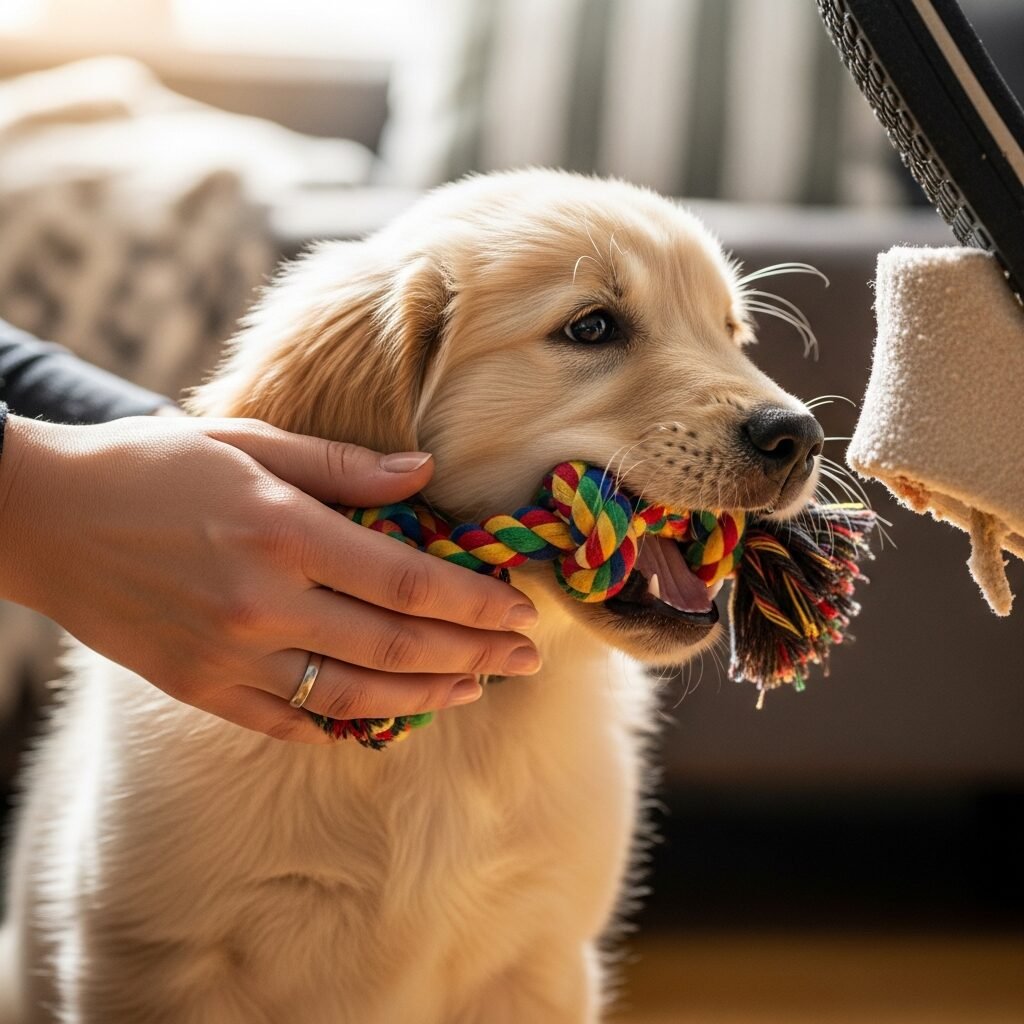
Many people believe they should wait until their puppy is a few months old before starting any serious training. This couldn’t be further from the truth! Puppies are like sponges; they start learning from the moment they are born.
Every interaction, every experience, teaches them something. Waiting to introduce basic commands, house-training principles, or socialization can mean missing crucial learning windows and allowing bad habits to form.
The younger a puppy is, the more open they are to new experiences and learning. By starting early, even with simple things like calling their name or gentle handling, you lay a strong foundation for future training.
- Tip: Begin basic training the day your puppy comes home. Simple commands like ‘sit,’ ‘come,’ and even just their name can be introduced through positive reinforcement.
Mistake 2: Inconsistent Training Methods
Imagine trying to learn a new language when everyone around you speaks it differently. That’s what it’s like for your puppy if you, your partner, your children, or even guests use different words or methods for the same behavior.
One person might say ‘down’ for ‘lie down,’ while another says ‘lie.’ One might reward with treats, another with praise, and yet another might not reward at all. This inconsistency is incredibly confusing for a puppy and significantly slows down their learning.
For a puppy to truly understand what you’re asking, the cues, rewards, and expectations must be consistent across everyone interacting with them. This removes confusion and builds confidence.
- Tip: Have a family meeting! Agree on specific commands for each behavior (e.g., ‘sit,’ ‘stay,’ ‘off,’ ‘leave it’). Everyone should use the same words, hand signals, and reward system.
Mistake 3: Lack of Patience and Realistic Expectations
We all want a perfectly behaved puppy right away, but the truth is, training takes time, repetition, and a whole lot of patience. Puppies are not robots; they have short attention spans, boundless energy, and are still figuring out the world.
Expect accidents during potty training, chewing on forbidden items, and occasional lapses in obedience. Getting frustrated or angry with your puppy for making mistakes is counterproductive. It can lead to fear, anxiety, and a breakdown in trust, making training even harder.
Celebrate the small victories, learn from the setbacks, and remember that consistency over time is what truly builds good habits. Every puppy learns at their own pace.
- Tip: Set realistic goals for each training session. Aim for short, frequent sessions (5-10 minutes) and end on a positive note. Remember that progress isn’t always linear.
Communication Breakdowns: When Your Puppy Doesn’t Understand

Mistake 4: Using Too Many Words or Confusing Cues
As humans, we tend to talk to our dogs in full sentences, often with a lot of emotional inflection. While they love hearing our voices, puppies don’t understand complex language.
If you say, ‘Fido, could you please sit down right here like a good boy?’ your puppy only hears a jumble of sounds. They are looking for specific, distinct cues. A long string of words or changing your cue each time makes it impossible for them to learn what you expect.
Think of commands as single, clear, consistent words paired with a specific action. This helps your puppy quickly connect the sound to the behavior.
- Tip: Keep commands short and sweet: ‘Sit,’ ‘Stay,’ ‘Come,’ ‘Off.’ Use a clear, consistent tone, and pair them with simple hand signals. Once they understand, you can gradually fade out the hand signal if desired.
Mistake 5: Poor Timing of Rewards
Timing is everything in dog training. For your puppy to understand that a specific action earned them a reward, that reward needs to be delivered almost immediately – ideally within 1 to 3 seconds of the desired behavior.
If you ask your puppy to sit, and they do, but you take too long to get the treat out of your pocket, they might stand up again, or look away. When the treat finally arrives, they won’t associate it with the ‘sit,’ but rather with whatever they were doing a moment ago.
This poor timing means your puppy isn’t making the crucial connection between their action and the positive reinforcement, slowing down the learning process considerably.
- Tip: Be prepared with treats in hand or a treat pouch. As soon as your puppy performs the desired action, mark it with a verbal ‘yes!’ or a clicker, then immediately give the treat.
Mistake 6: Not Using High-Value Rewards
Not all rewards are created equal in the eyes of a puppy. While a piece of their regular kibble might work for an easy task in a quiet room, it might not be motivating enough for a more challenging behavior or in a distracting environment.
If your puppy isn’t showing much enthusiasm for training, it might be that your rewards aren’t exciting enough. Think about what truly motivates your puppy – is it a specific toy, a special treat, or enthusiastic praise?
Using a higher-value reward for new or difficult behaviors can dramatically speed up learning. Once a behavior is well-established, you can gradually reduce the value of the treat or phase out treats for praise.
- Tip: Experiment with different treats. Small pieces of cooked chicken, cheese, hot dogs, or commercial training treats are often very popular. Reserve the highest-value treats for the hardest tasks or when training in distracting places.
Missed Opportunities: Overlooking Key Training Aspects
Mistake 7: Skipping Socialization (Beyond Other Dogs)
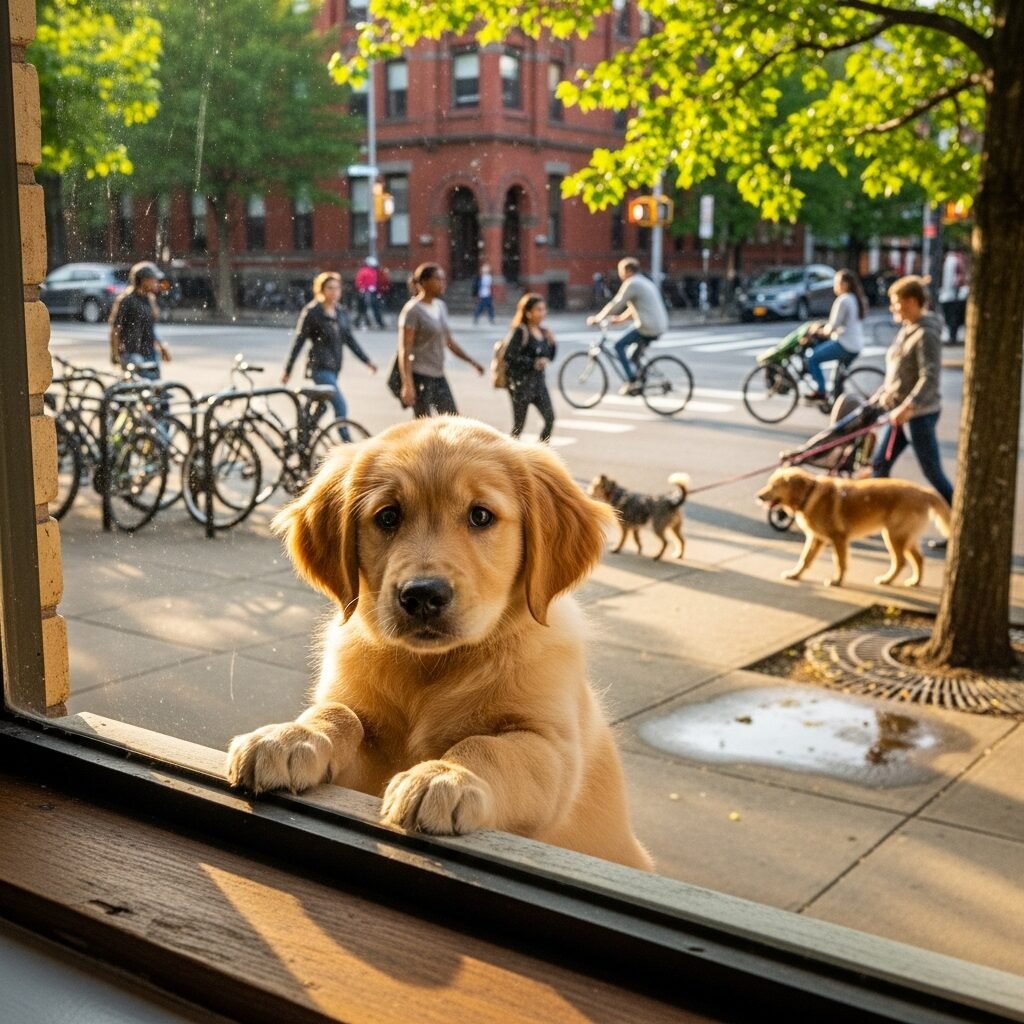
Socialization is often misunderstood as simply letting your puppy play with other dogs. While interaction with polite dogs is important, true socialization is much broader. It means exposing your puppy to a wide variety of sights, sounds, smells, people, and environments in a positive way.
Skipping this crucial step during their critical socialization window (roughly 3-16 weeks) can lead to fear, anxiety, and reactivity later in life. A puppy not exposed to different types of people (kids, elderly, people with hats), noises (vacuum, traffic), or surfaces (tile, grass, grates) might become fearful as an adult.
Positive, controlled exposure helps your puppy build confidence and teaches them that the world is a safe and interesting place, making them much more adaptable and easier to train in various situations.
- Tip: Safely introduce your puppy to new, positive experiences daily. This includes meeting different people, hearing various noises (YouTube can help), walking on different textures, and seeing unique objects. Always keep experiences positive and short.
Mistake 8: Neglecting Leash Training Early On
Many owners wait until their puppy is older and more energetic before tackling leash training. By then, the puppy might have already developed habits of pulling, lunging, or freezing on the leash, which are much harder to correct.
Introducing the leash and collar early, even just for short periods inside the house, helps your puppy get comfortable with the equipment. Teaching polite leash manners from day one can save you a lot of frustration and physical strain later.
A puppy that learns to walk nicely on a leash is a joy to take on adventures, and it opens up a world of new experiences for them.
- Tip: Start by letting your puppy wear a lightweight collar for short periods. Introduce the leash by letting them drag it around in a safe, supervised area. Then, practice short, positive walks in your yard or quiet areas, rewarding loose-leash walking heavily.
Mistake 9: Not Managing the Environment
One of the biggest mistakes you can make is allowing your puppy to practice unwanted behaviors. If a puppy repeatedly chews on furniture, pees inside, or jumps on guests without correction or prevention, they are learning that these behaviors are acceptable.
Managing your puppy’s environment means puppy-proofing your home, using crates or playpens for supervision, and preventing opportunities for them to make mistakes. It’s much easier to prevent a bad habit from forming than to break one.
By controlling their access to forbidden items or areas, you guide them towards making the right choices and save yourself a lot of cleaning and frustration.
- Tip: Puppy-proof your home extensively. Use baby gates, crates, or playpens to confine your puppy when you can’t actively supervise them. Offer plenty of appropriate chew toys and redirect them immediately if they chew on something they shouldn’t.
Emotional & Behavioral Pitfalls

Mistake 10: Punishing Accidents or “Bad” Behavior
It’s a common, instinctual reaction to scold a puppy for an accident or for chewing something they shouldn’t have. However, punishment (especially after the fact) is highly ineffective and can be damaging to your relationship with your puppy.
Puppies don’t understand revenge or spite. If you rub their nose in an accident, they don’t learn not to pee inside; they learn to fear you, or to hide their accidents. If you punish them for chewing, they might just learn to chew when you’re not around.
Positive reinforcement focuses on rewarding desired behaviors. This builds trust, encourages good choices, and teaches your puppy what you want them to do, rather than what not to do.
- Tip: If you catch your puppy in the act of an unwanted behavior, calmly interrupt them (e.g., a gentle clap), then redirect them to an appropriate alternative (e.g., take them outside for potty, offer a chew toy). Always reward them when they do the right thing.
Mistake 11: Insufficient Exercise and Mental Stimulation
A tired puppy is a good puppy! Many behavioral problems, like excessive chewing, barking, digging, or hyperactivity, stem from boredom and pent-up energy. Puppies, especially certain breeds, have immense energy levels that need an outlet.
It’s not just about physical exercise; mental stimulation is equally important. Engaging their minds with training sessions, puzzle toys, and new experiences can be just as tiring as a good walk.
If your puppy isn’t getting enough physical and mental exercise, they will find their own ways to entertain themselves, often leading to behaviors you consider ‘naughty’ and making training much harder.
- Tip: Provide daily walks appropriate for their age and breed, incorporate interactive play (fetch, tug), and use puzzle toys to make them work for their food. Short, frequent training sessions also provide excellent mental stimulation.
Mistake 12: Comparing Your Puppy to Other Dogs
It’s natural to look at other well-behaved dogs and wish your puppy was just like them. However, comparing your puppy’s progress to a friend’s dog, or a dog you see on social media, is a surefire way to feel discouraged and impatient.
Every puppy is an individual. They have different breeds, temperaments, past experiences, and learning styles. Some pick up things quickly, while others need more time and repetition.
Focusing on your puppy’s unique journey and celebrating their personal progress will make the training process more enjoyable and less stressful for both of you. Their development is not a race.
- Tip: Celebrate your puppy’s individual milestones, no matter how small. Focus on their progress from where they started, rather than where another dog is. Adjust your training methods to suit their personality and learning pace.