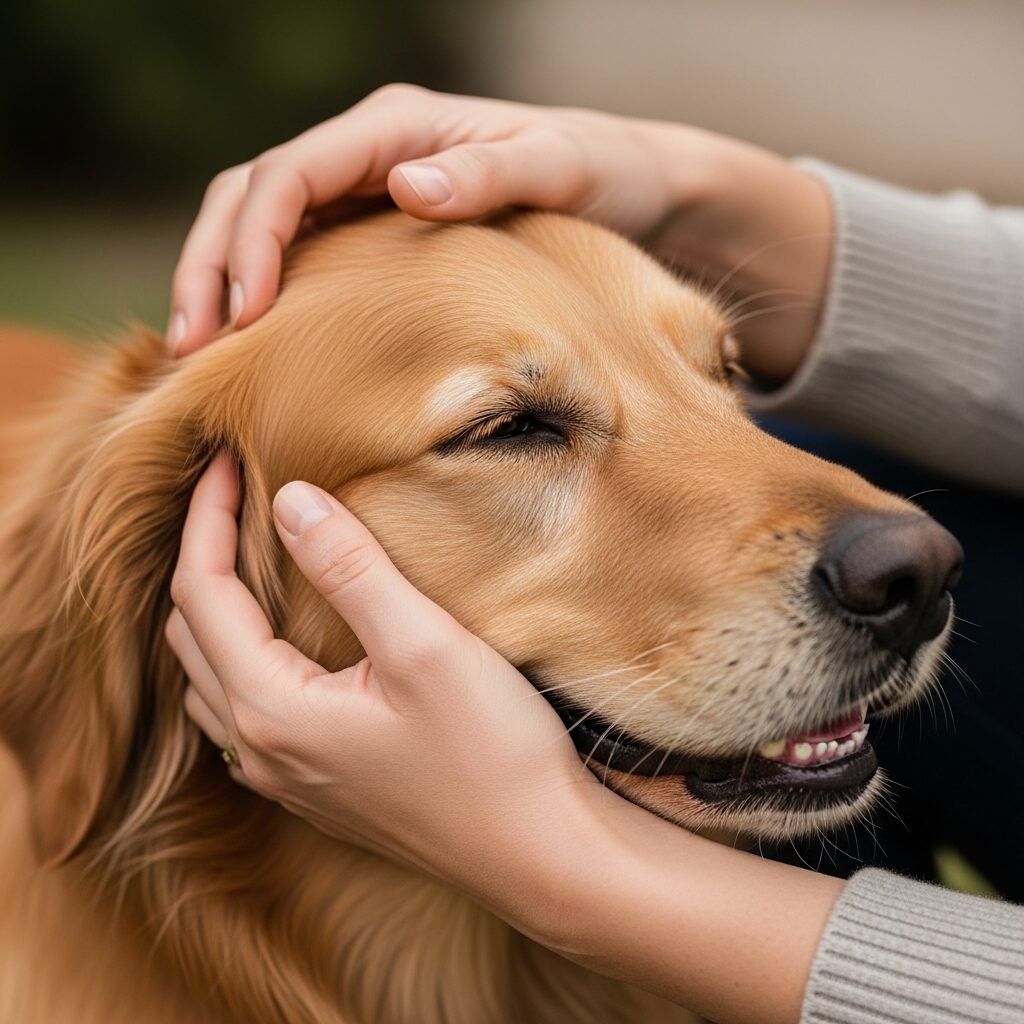
6 Ways to Build Trust With a New Dog
Bringing a new dog into your home is an exciting adventure, but it also comes with a big responsibility: building trust. For your new furry family member, everything is unfamiliar – new sights, sounds, smells, and people. It’s natural for them to feel a little overwhelmed, scared, or even wary at first.
Think of it like making a new human friend. Trust isn’t given instantly; it’s earned over time through consistent, positive interactions and understanding. For dogs, this means creating a safe haven where they feel understood, respected, and loved. When your dog trusts you, they’ll be more confident, happy, and willing to learn and bond with you.
This journey might take days, weeks, or even months, depending on your dog’s past experiences and personality. But with patience, empathy, and the right approach, you can lay a strong foundation for a lifelong, loving relationship. Let’s explore six essential ways to build that invaluable trust with your new best friend.
1. Create a Safe and Predictable Environment
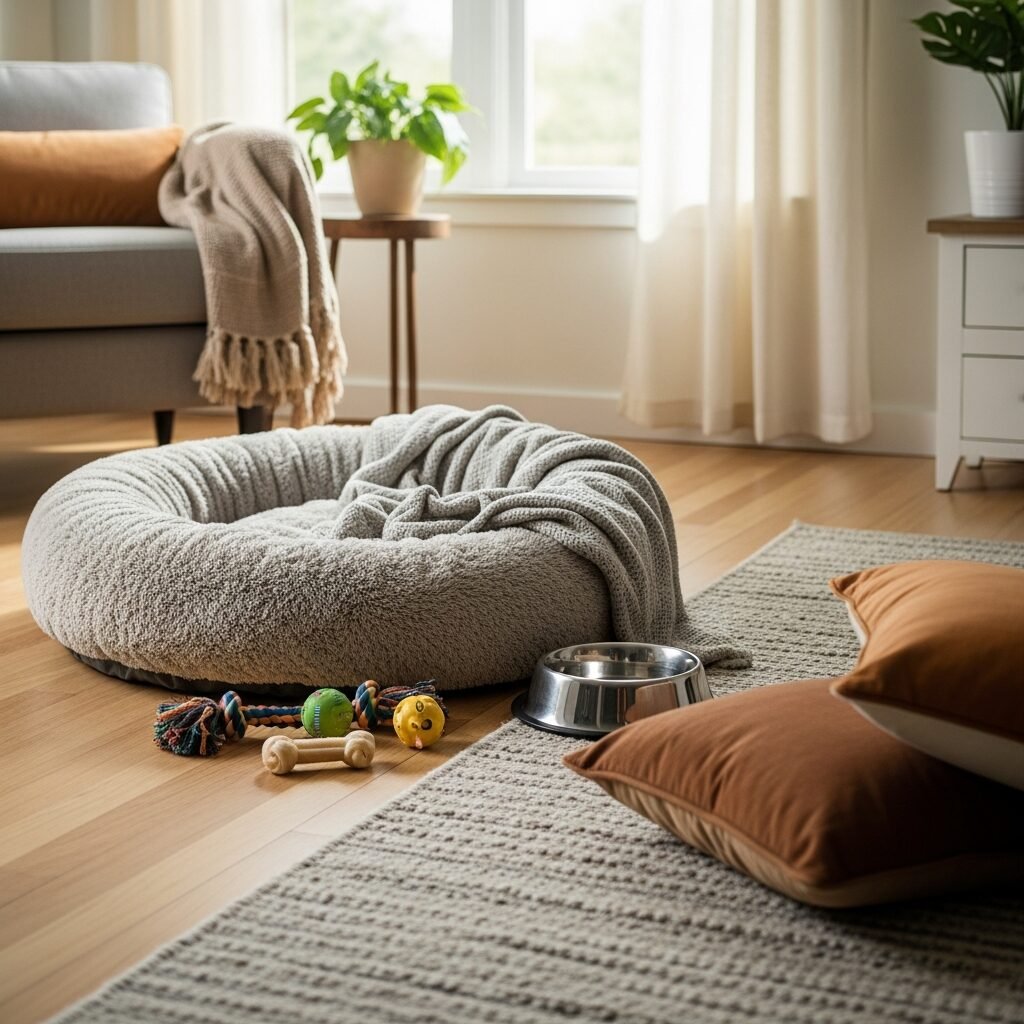
Imagine moving to a new country where you don’t speak the language and don’t know anyone. That’s a bit like what your new dog experiences. Providing them with a consistent, safe, and predictable environment is the very first step in helping them feel secure enough to open up and trust you.
A Designated Safe Space
Every dog needs a ‘den’ – a place where they can retreat and feel completely safe from perceived threats or overwhelming stimulation. This could be a crate, a dog bed in a quiet corner, or even a soft mat under a table. Make sure it’s away from high-traffic areas and has soft bedding.
- Place their bed or crate in a quiet area of your home, not in a bustling hallway.
- Ensure their safe space always has fresh water readily available.
- Include a comfort item, like a blanket that smells like their previous home or a soft toy.
- Teach children and other pets to respect this space, meaning no disturbances when the dog is there.
Consistency in Routines
Dogs thrive on routine. A predictable schedule helps them understand what to expect, reducing anxiety and building confidence. When they know when they’ll eat, go outside, or have playtime, they feel more in control of their world.
- Feed them at the same times each day. This signals stability and provides a positive association with you.
- Establish regular potty breaks. This prevents accidents and helps them learn the house rules.
- Create a consistent sleep schedule. A good night’s rest is crucial for their well-being.
- Stick to a regular exercise routine, whether it’s walks or playtime in the yard.
2. Positive Reinforcement and Gentle Communication
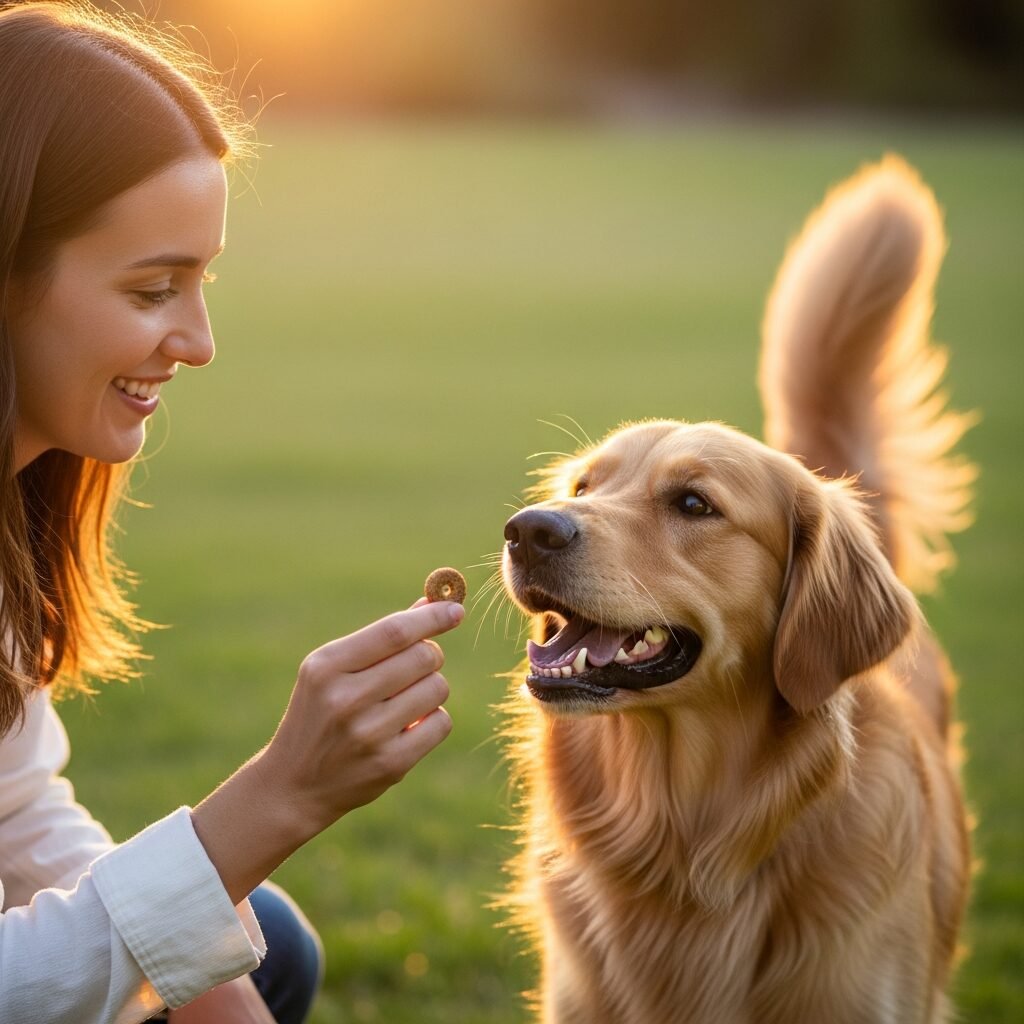
When we think about building trust, positive reinforcement is one of the most powerful tools we have. It’s about rewarding desired behaviors, which encourages your dog to repeat them and associate good things with you and their new home.
Reward Good Behavior
Focus on what your dog does right, even the smallest things. Did they calmly lie in their bed? Did they come when you called? Did they go potty outside? Reward these actions immediately with something they value.
- High-value treats: Small, soft, and delicious treats are often the best motivator.
- Verbal praise: Use a happy, upbeat tone like ‘Good dog!’ or ‘Yes!’
- Gentle petting: Many dogs enjoy soft scratches behind the ears or on their chest, but always observe their reaction.
- Favorite toys: A quick game of fetch or tug can be a great reward for some dogs.
Avoid Punishment and Harsh Correction
Yelling, hitting, or using harsh methods will only teach your dog to fear you, not trust you. Punishment can damage your bond, suppress natural behaviors, and lead to anxiety or aggression. Instead of punishing mistakes, focus on redirecting unwanted behaviors and rewarding the correct ones.
For example, if your dog jumps on the counter, instead of yelling, gently lead them away and reward them when all four paws are on the floor. If they chew on something inappropriate, redirect them to an approved chew toy and praise them for using it.
Calm and Clear Communication
Your voice and body language are powerful communication tools. Speak in a calm, soothing tone, especially when your dog seems anxious. Avoid sudden loud noises or sharp movements that could startle them. Consistent verbal cues for commands will also help them understand what you expect.
3. Respect Their Space and Body Language

Dogs communicate constantly through their body language, and it’s up to us to learn to ‘speak dog.’ Respecting their signals, especially when they need space, is critical for building trust.
Learn to Read Dog Body Language
Before you try to pet or interact, take a moment to observe your dog. Are their ears back? Is their tail tucked? Are they licking their lips, yawning excessively, or turning their head away? These are all signs of stress or discomfort. A relaxed dog will have a soft gaze, loose body, and perhaps a gently wagging tail.
- Stiff body, direct stare: Often a sign of tension or potential aggression.
- Licking lips, yawning when not tired: Stress signals.
- Ears back, tail tucked low: Fear or anxiety.
- Turning head away, avoiding eye contact: Discomfort or wanting to be left alone.
- Low growl or air snap: A warning signal that their boundaries are being pushed.
Avoid Forcing Interactions
Never force a dog to be petted, hugged, or interact if they seem uncomfortable. This is especially true for children or other family members. Allow your dog to approach you on their terms. Kneel down, offer a hand for them to sniff (palm up), and let them decide if they want to engage. If they walk away, let them go.
Approaching a dog head-on or from above can be intimidating. Instead, try approaching slightly from the side. Avoid hovering over them or staring directly into their eyes, which can be seen as a challenge.
4. Establish a Consistent Routine
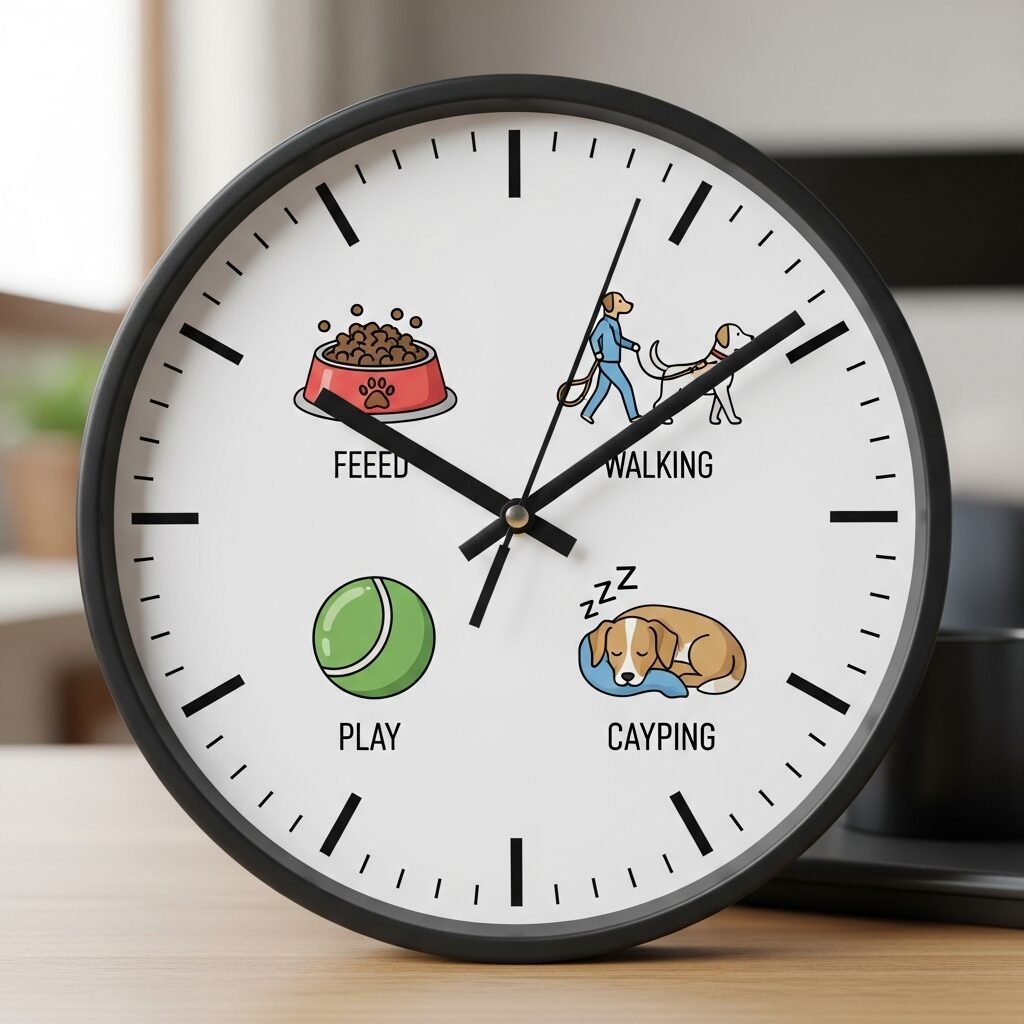
We touched on this briefly, but it’s so important that it deserves its own dedicated section. Consistency is the bedrock of a dog’s sense of security and trust. It’s how they learn to predict events and feel safe in their new world.
The Power of Predictability
Imagine if your meals, bathroom breaks, and bedtime happened at random times each day. You’d likely feel stressed and anxious. Dogs are no different. A consistent schedule helps them understand the rhythm of their new home and builds confidence in their caregiver – you!
- Feeding times: Stick to the same breakfast, lunch (if applicable), and dinner times daily.
- Potty breaks: Take them out first thing in the morning, before bed, and several times in between, at roughly the same intervals.
- Walks and exercise: Schedule daily walks or playtime at consistent times.
- Bedtime: Wind down around the same time each evening, signaling that it’s time to rest.
Benefits Beyond Trust
Beyond building trust, a consistent routine helps with house training, reduces destructive behaviors stemming from anxiety, and promotes overall mental and physical health. Your dog learns that you are reliable and that their needs will be met, which deepens their trust in you.
If you’re unsure where to start, begin by noting down your dog’s natural rhythms over a day or two, then gently guide them towards a more structured routine that fits both your lives. Remember, a routine doesn’t mean rigidity; there’s always room for flexibility within a general framework.
5. Engage in Positive, Low-Pressure Interactions
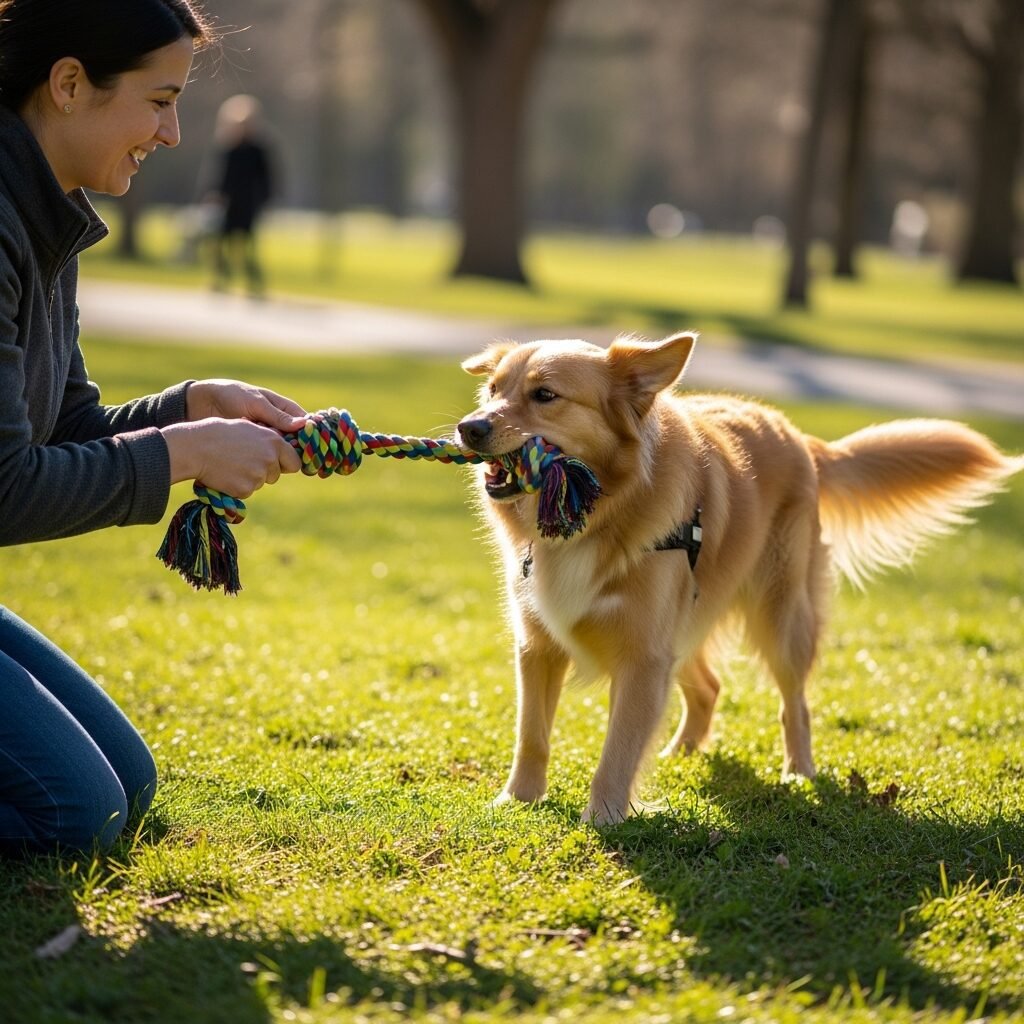
Building trust isn’t just about avoiding negative interactions; it’s also about actively creating positive ones. These interactions should be low-pressure, allowing your dog to feel comfortable and enjoy their time with you without feeling forced or overwhelmed.
Playtime is Bonding Time
Play is a fantastic way to bond and build trust. It’s a natural stress reliever for dogs and a great way to engage with them. Find out what kind of play your dog enjoys – fetch, tug, hide-and-seek, or simply chasing each other in the yard.
- Keep play sessions short and positive, ending on a high note.
- Use appropriate toys that are safe and durable for your dog.
- Let your dog ‘win’ sometimes during tug-of-war to build their confidence.
- Avoid aggressive or overly stimulating play that might lead to anxiety.
Gentle Grooming and Handling
Handling your dog, whether for grooming, vet checks, or just petting, should always be a positive experience. Start slow, using gentle touches and rewarding your dog for tolerating or enjoying the interaction.
- Start with short, gentle brushing sessions, rewarding with treats and praise.
- Pair nail trims or ear cleanings with high-value treats to create positive associations.
- Practice ‘consent tests’ for petting: pet for a few seconds, then pause. If your dog leans in for more, continue. If they move away, stop.
- Be patient. If your dog is fearful of handling, break it down into tiny steps over many days or weeks.
Shared Quiet Moments
Not all interactions need to be energetic. Simply sharing a quiet space, like sitting together on the couch while you read or watch TV, can build a strong bond. These calm moments show your dog that your presence is safe and comforting.
6. Patience and Understanding are Key

Perhaps the most crucial ingredient in building trust with a new dog is an abundance of patience and a deep well of understanding. Every dog is an individual, and their past experiences, breed, and personality will all influence how quickly they adapt and form a bond.
Don’t Rush the Process
It’s easy to want your new dog to instantly become your shadow, but pushing them too fast can backfire. Allow your dog to set the pace. If they’re shy, give them space. If they’re nervous, move slowly and calmly. Celebrate small victories, even if it’s just a soft tail wag or a gentle nudge.
- Avoid overwhelming them with too many new people or experiences in the first few days or weeks.
- Don’t take it personally if they don’t immediately snuggle or seem aloof. They’re still processing everything.
- Understand that setbacks can happen. A new noise or a strange visitor might temporarily set them back; just be consistent in your reassurance.
Empathy for Their Past
Many new dogs come from unknown backgrounds, often with past trauma, neglect, or simply a lack of socialization. Try to put yourself in their paws. What might have happened to them? How would that make them feel in a new situation? This empathy will guide your actions and help you respond with kindness and understanding rather than frustration.
Remember that behaviors like hiding, nipping, or house soiling are often rooted in fear or anxiety, not spite. Address these behaviors with patience and positive training, seeking professional help if needed.


