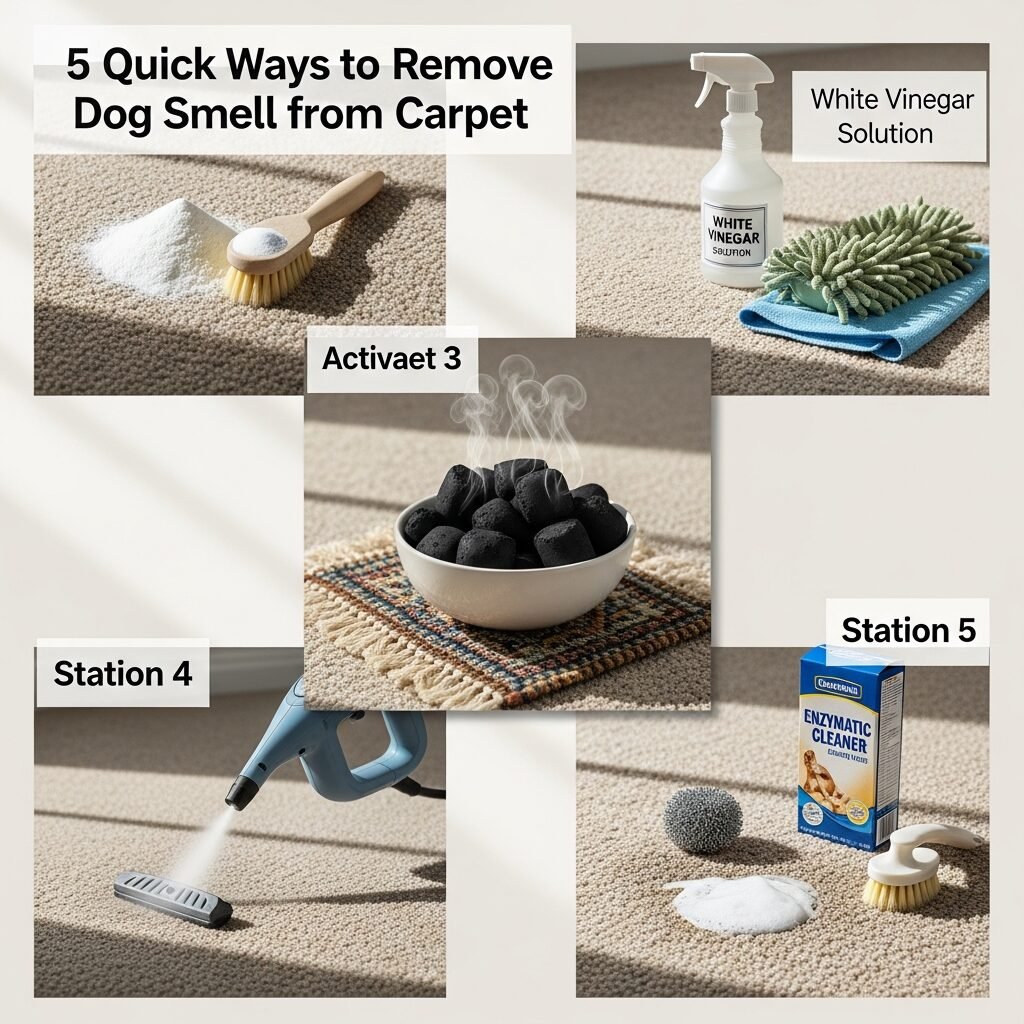
5 Quick Ways to Remove Dog Smell from Carpet
There’s nothing quite like the boundless love and joy our canine companions bring into our homes. They’re family, snuggling up on the sofa, chasing balls in the living room, and often, well, just being dogs. But let’s be honest, sometimes all that doggy goodness comes with a particular “eau de dog” that tends to settle deep into our carpets. It’s a common challenge for dog parents, and thankfully, it’s one we can tackle head-on.
You love your dog, but you don’t have to love the lingering scent they leave behind. The good news is, you don’t need a professional cleaning crew every time your home starts smelling a little too much like a dog park. We’re here to share five quick and effective ways to banish that telltale dog smell from your carpets, leaving your home fresh and inviting. Let’s get that carpet smelling clean again!
Understanding Dog Smell in Carpets
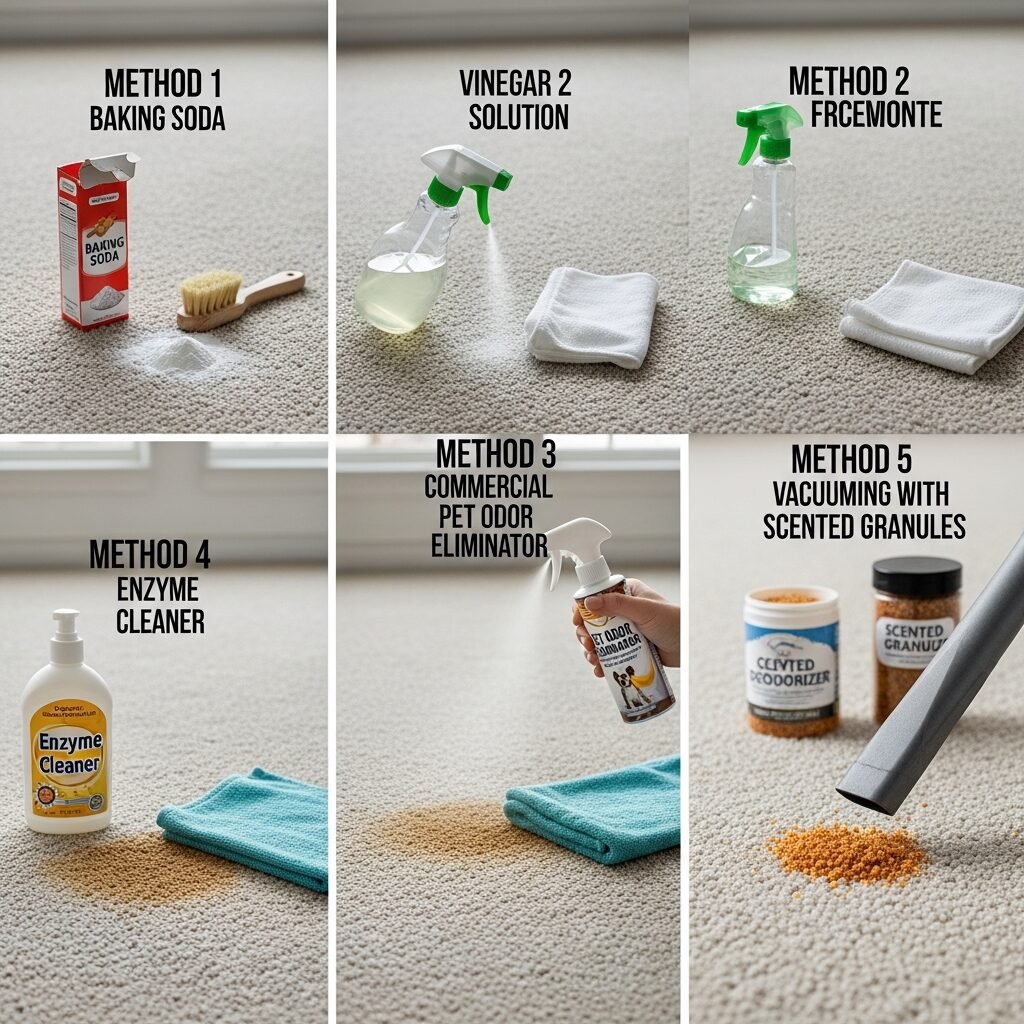
Before we dive into the solutions, it helps to understand why dog smell clings to carpets so stubbornly. Dog odors come from a combination of things: natural oils from their fur, dander, dirt tracked in from outside, and sometimes, accidents. Carpets are like giant sponges, absorbing these smells and holding onto them deep within their fibers.
Regular vacuuming helps, but it often only addresses the surface. To truly eliminate the odor, we need to neutralize or break down the smell at its source. That’s where these quick methods come in handy.
Way 1: The Mighty Baking Soda Blitz
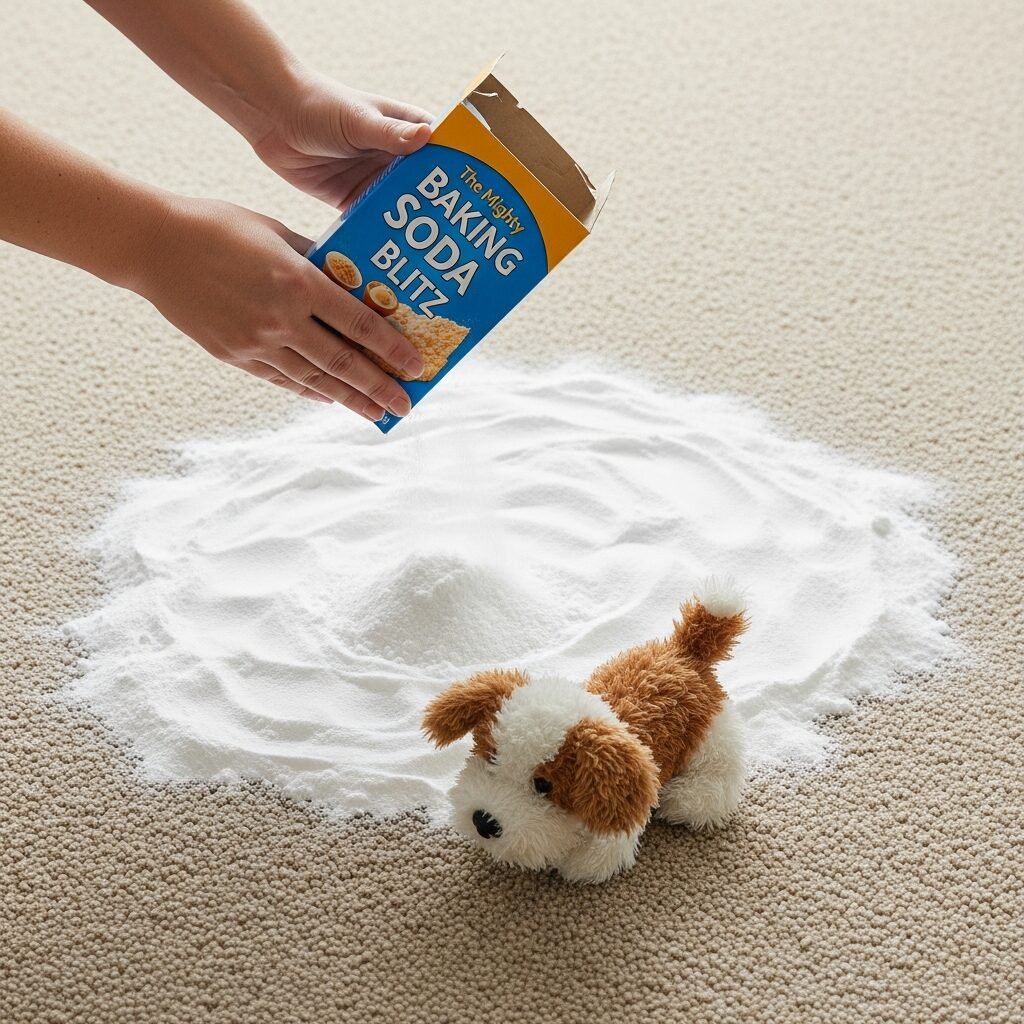
Baking soda isn’t just for baking; it’s a superstar natural deodorizer that every dog parent should have on hand. It works by absorbing and neutralizing odors rather than just masking them. It’s also incredibly safe for pets and children once vacuumed up.
Why Baking Soda Works
Baking soda, or sodium bicarbonate, is alkaline. Many odors are acidic, and the baking soda works to neutralize them, effectively eliminating the smell instead of just covering it up. Its fine texture also allows it to penetrate deep into carpet fibers.
How to Do It
This method is super simple and effective for general pet odors.
1. Vacuum First: Start by giving your carpet a thorough vacuuming. This removes loose fur, dirt, and any surface debris, making the baking soda more effective.
2. Sprinkle Generously: Liberally sprinkle baking soda all over the affected carpet area. For really strong smells, don’t be shy!
3. Let it Sit: This is key. Let the baking soda sit for at least 15-30 minutes. For tougher odors, leaving it overnight (or even up to 24 hours) will yield better results. The longer it sits, the more odor it can absorb.
4. Vacuum Thoroughly: Once it’s had enough time to work its magic, vacuum up all the baking soda. Take your time to ensure you’ve picked up every bit. You should notice a significant improvement in the carpet’s freshness.
Tips for Success
* For an extra boost, you can mix a few drops of pet-safe essential oils (like lavender or cedarwood, heavily diluted) into the baking soda before sprinkling, but always confirm safety for your specific pet first.
* Repeat this process weekly or whenever you notice the doggy smell returning. It’s a great maintenance trick.
Way 2: Vinegar & Water Wonders
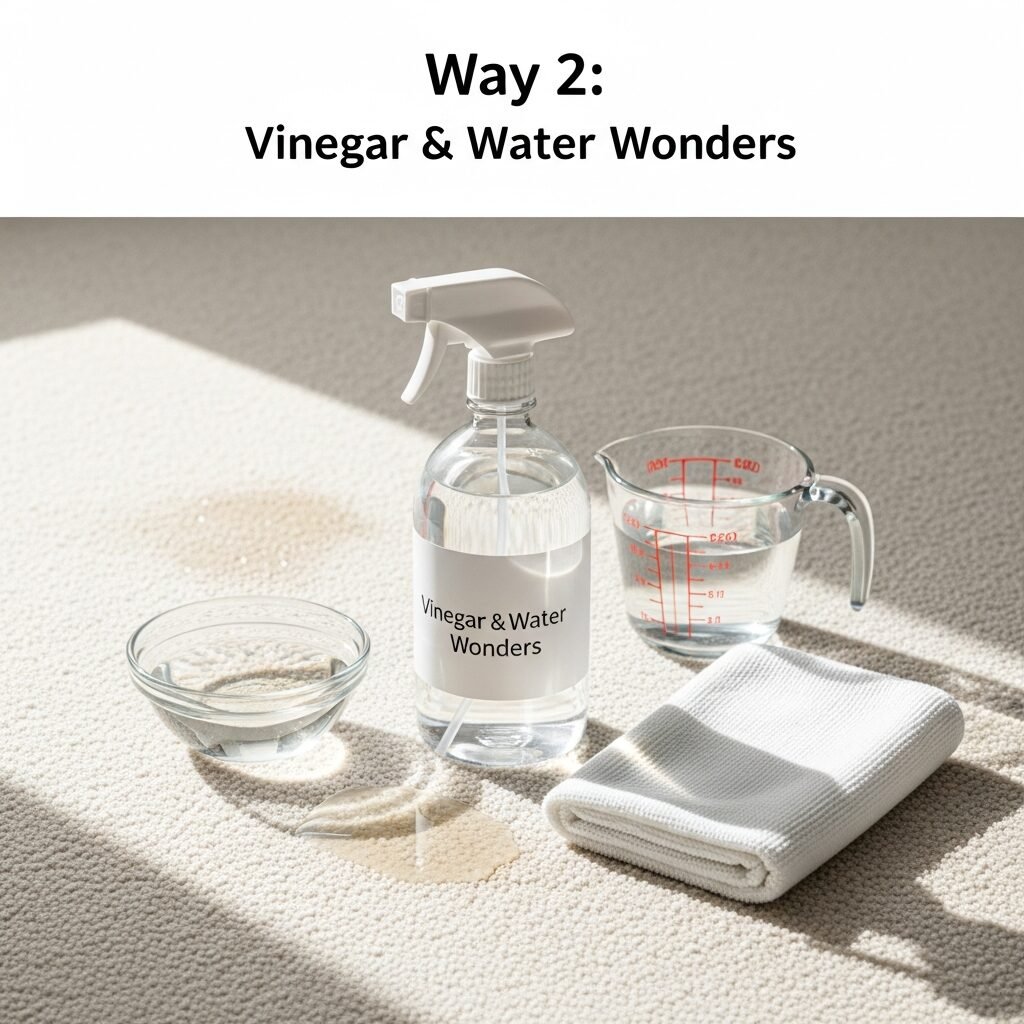
White vinegar might have a strong smell initially, but don’t let that deter you! As it dries, the vinegar smell dissipates completely, taking the unwelcome dog odors with it. It’s a fantastic, non-toxic cleaner and odor neutralizer.
Why Vinegar Works
Vinegar contains acetic acid, which is excellent at breaking down and neutralizing alkaline odors, much like baking soda works on acidic ones. It also has mild disinfectant properties, helping to kill some of the odor-causing bacteria.
How to Do It
This method is best for more localized odors or as a follow-up to baking soda.
1. Mix Your Solution: In a spray bottle, combine equal parts white vinegar and cool water. For example, one cup of white vinegar and one cup of water.
2. Test in an Inconspicuous Spot: Before spraying your whole carpet, always test the solution on a hidden area of your carpet (like under a sofa). This ensures it won’t cause discoloration or damage. Wait for it to dry completely and check.
3. Lightly Mist the Area: Once you know it’s safe, lightly mist the affected carpet area with your vinegar solution. You want the carpet to be damp, not soaked.
4. Allow to Air Dry: Open windows or use a fan to help the area dry completely. As it dries, the vinegar smell will vanish, taking the dog odor with it.
5. Vacuum (Optional): Once completely dry, a quick vacuum can help fluff up the carpet fibers.
Important Notes
* Never use apple cider vinegar, as it can leave a sticky residue and attract pests. Stick to white vinegar.
* Ensure proper ventilation to speed up drying and dissipate the initial vinegar smell.
* This method is particularly effective for urine odors, as vinegar helps neutralize the ammonia.
Way 3: Enzymatic Cleaner Magic
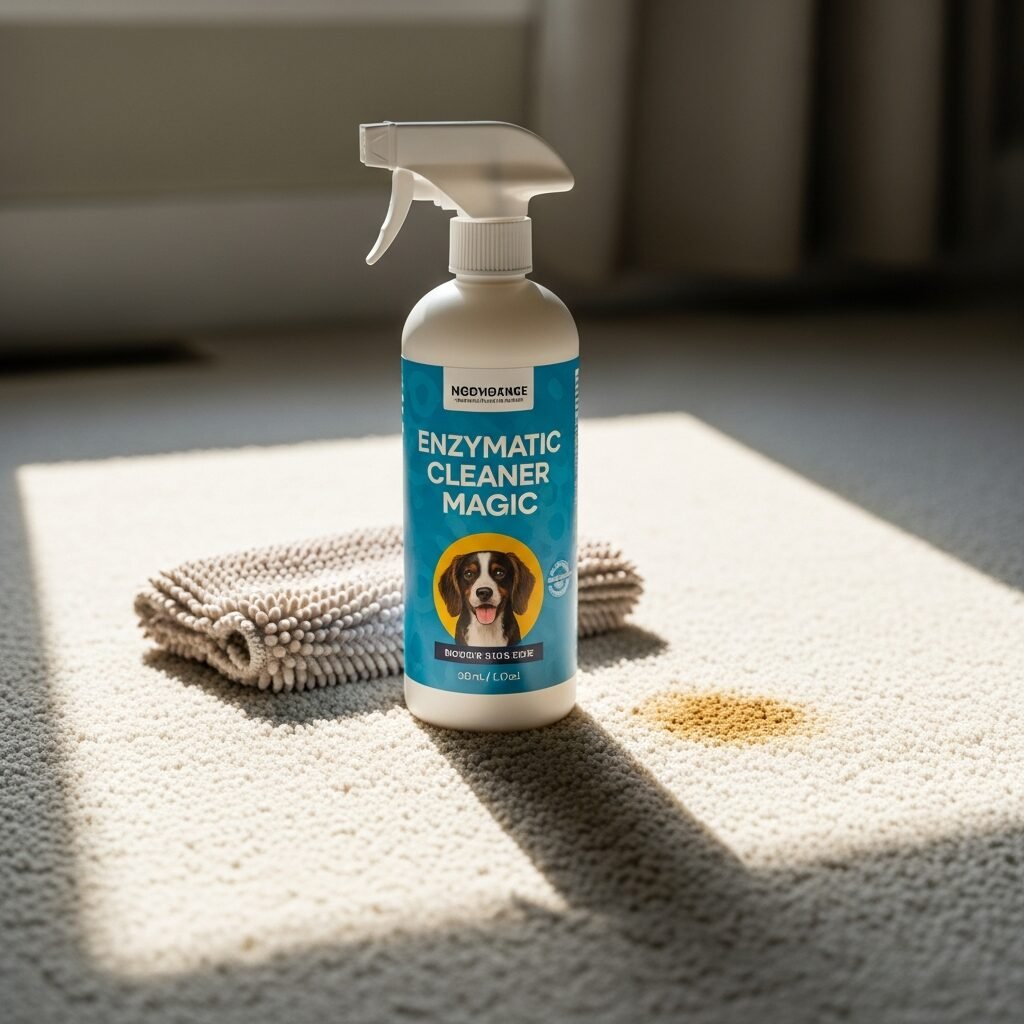
When it comes to biological odors like urine, feces, or vomit, enzymatic cleaners are your best friend. They are specifically formulated to break down the organic matter that causes these lingering smells, effectively eliminating the source.
Why Enzymatic Cleaners Work
Enzymatic cleaners contain beneficial bacteria that produce enzymes. These enzymes literally “eat” the odor-causing organic material, breaking it down into harmless compounds like water and carbon dioxide. This process eliminates the stain and the smell permanently.
How to Do It
This is crucial for accidents and deep-set biological odors.
1. Blot, Don’t Rub: If it’s a fresh accident, immediately blot up as much of the liquid or solid as possible with clean paper towels or a cloth. Avoid rubbing, as this can push the mess deeper into the carpet fibers.
2. Apply Generously: Follow the specific instructions on your chosen enzymatic cleaner. Generally, you’ll need to saturate the affected area, ensuring the cleaner reaches as deep as the original stain or odor source.
3. Let it Dwell: Allow the cleaner to sit for the recommended time, usually 10-15 minutes or even longer. This gives the enzymes time to work their magic. For old, persistent odors, you might need to cover the area with plastic wrap to keep it moist for several hours or overnight.
4. Blot Dry: After the dwell time, blot the area with a clean, dry cloth or paper towels to remove excess moisture and cleaner. Do not rinse the area unless the product instructions specify.
5. Air Dry Completely: Let the area air dry thoroughly. The enzymes continue to work as long as the area remains moist.
Choosing the Right Product
* Look for cleaners specifically labeled “enzymatic pet odor and stain remover.”
* Read reviews to find highly effective brands that are safe for your carpet type and pets.
* Always perform a patch test in an inconspicuous area first to ensure colorfastness.
Way 4: Spot Cleaner & Solution Surge
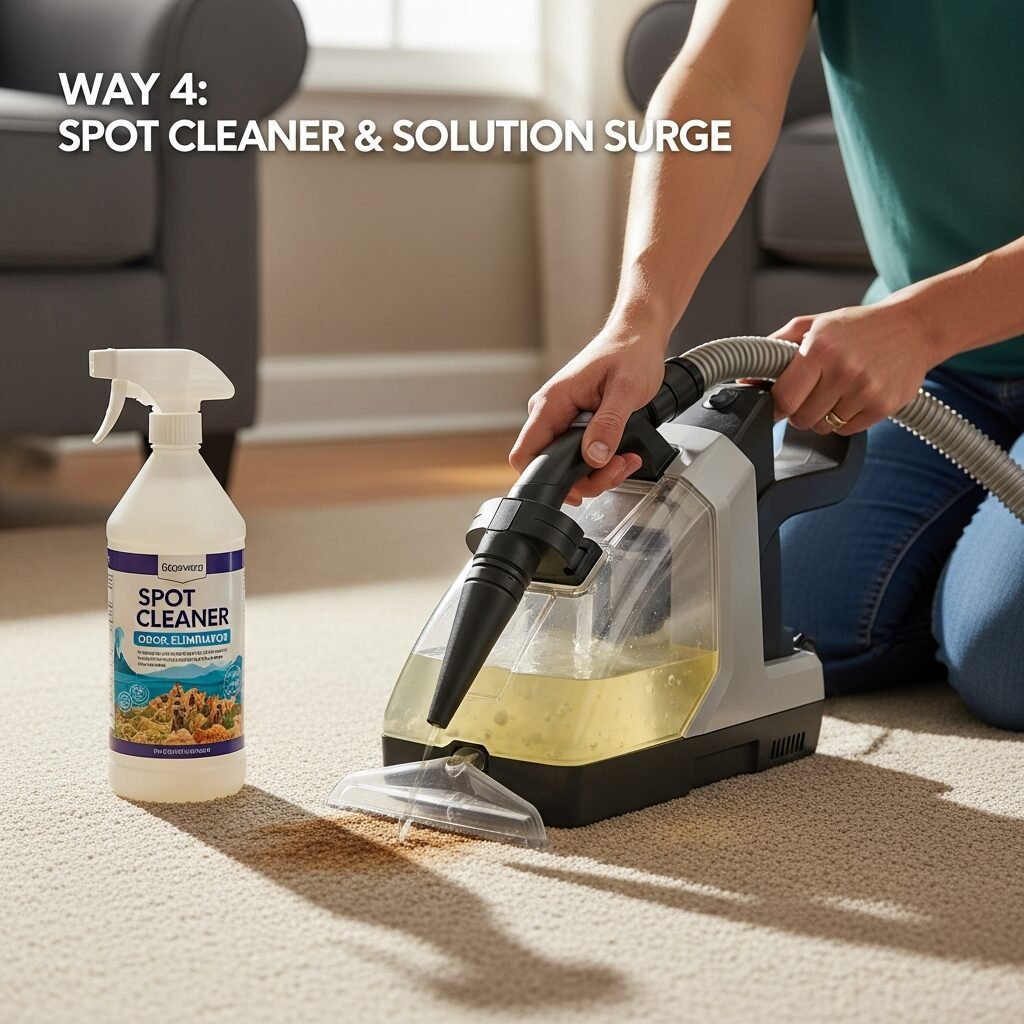
For those really stubborn spots or when you need a more intense clean than just blotting, a small spot cleaner machine or a wet/dry vacuum can be a lifesaver. These machines use water and a cleaning solution to wash and then extract moisture from your carpet, lifting odors and stains.
Why a Spot Cleaner Works
A spot cleaner or wet/dry vac provides a deeper clean by injecting a cleaning solution into the carpet and then suctioning it back out. This physical removal of the dirty solution and odor-causing particles is highly effective for quick, targeted clean-ups.
How to Do It
This method is perfect for refreshing high-traffic areas or addressing specific smelly spots quickly.
1. Pre-Treat if Necessary: If there’s a visible stain accompanying the smell, pre-treat it with an enzymatic cleaner or a spot remover designed for carpets. Let it sit for a few minutes.
2. Fill the Machine: Fill your spot cleaner’s clean water tank according to the manufacturer’s instructions. Add the recommended amount of carpet cleaning solution. Always use solutions safe for your machine and carpet.
3. Clean the Area: Apply the cleaning solution to the affected area using the machine’s spray nozzle. Then, use the suction feature to scrub and extract the dirty water. Move slowly and systematically over the area.
4. Rinse (Optional but Recommended): Some machines allow you to rinse with plain water. This is a good step to ensure no cleaning solution residue is left behind, which can attract dirt.
5. Extract Thoroughly: Go over the cleaned area multiple times with the suction only to remove as much moisture as possible. The dryer the carpet, the less likely mold or mildew will form, and the faster it will dry.
6. Air Dry: Allow the carpet to air dry completely, using fans or open windows to speed up the process.
Machine Maintenance
* Always empty and rinse the dirty water tank after each use.
* Clean out any brushes or nozzles to prevent buildup and maintain efficiency.
* Store your machine properly to ensure it’s ready for the next quick clean.
Way 5: Commercial Deodorizing Sprays for Quick Refresh
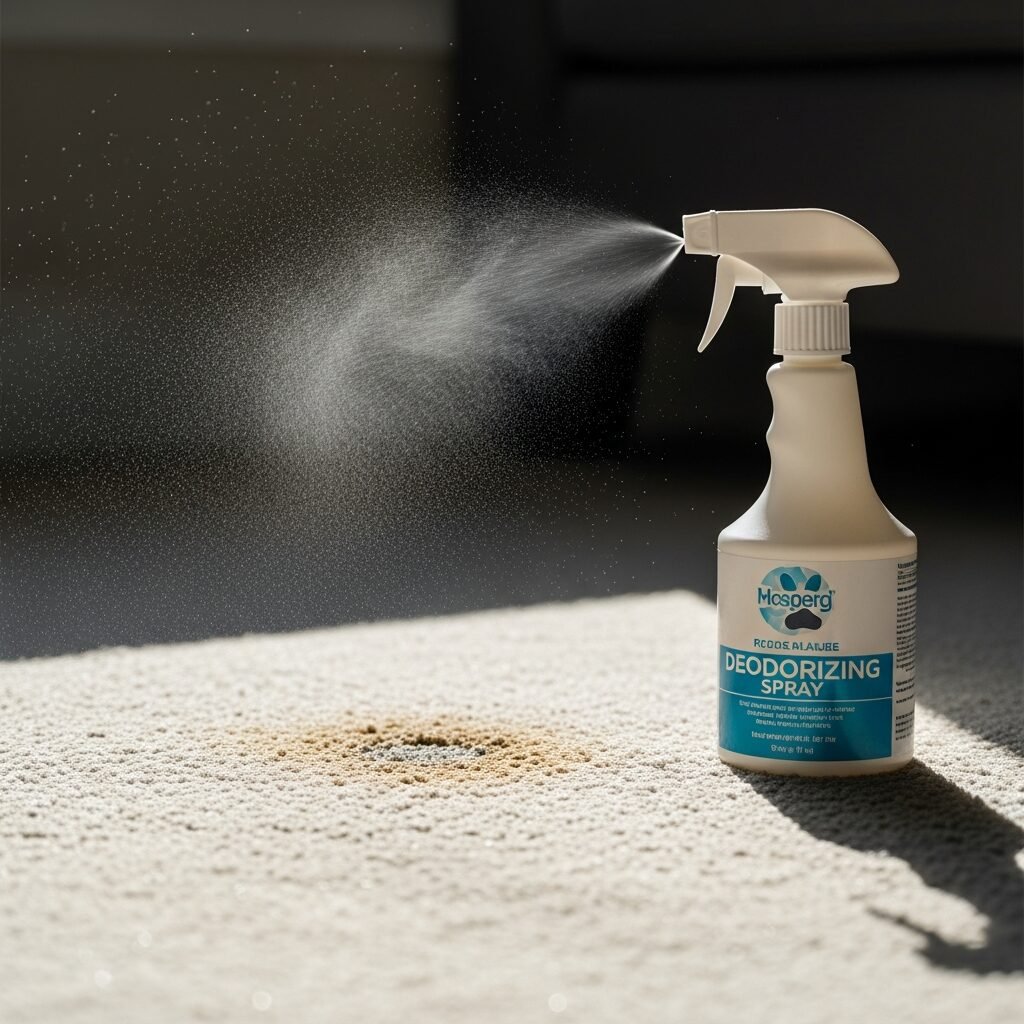
Sometimes you just need a quick fix before guests arrive, or you want to give your home an immediate lift. Commercial carpet deodorizing sprays are designed for this exact purpose, offering instant freshness when time is of the essence. While they might not tackle the root cause of deep-set odors, they are fantastic for a rapid refresh.
Why Deodorizing Sprays Work
Many commercial carpet deodorizers contain odor-neutralizing agents and pleasant fragrances. They work by encapsulating odor molecules or chemically altering them, alongside leaving a fresh scent. They’re excellent for surface-level smells and daily maintenance between deeper cleanings.
How to Do It
This is the fastest “quick way” for an immediate impact.
1. Vacuum First: As always, a quick vacuum helps remove loose dirt and fur, allowing the spray to work more effectively on the fibers.
2. Choose a Pet-Safe Product: This is critical. Always select a carpet deodorizer that explicitly states it is safe for pets. Avoid products with strong chemicals or artificial fragrances that could be irritating.
3. Lightly Mist the Carpet: Hold the spray bottle about an arm’s length from the carpet and mist the area evenly. You don’t want to soak the carpet, just a light, fine layer.
4. Allow to Dry: Give the spray a few minutes to settle and dry. You’ll notice an immediate improvement in the air quality and the scent of your carpet.
Tips for Effective Use
* Use these sprays as a temporary solution or a complement to deeper cleaning methods. They are great for maintaining freshness after you’ve tackled the source of the odor.
* Consider natural options like essential oil sprays (diluted in water with a dispersing agent) for a more natural fragrance, but always research essential oil safety for pets. Some oils are toxic to dogs, even diffused.
* For persistent odors, remember that a spray only masks the problem. You’ll need to go back to methods 1-4 to address the core issue.
Beyond the Quick Fix: Long-Term Odor Management
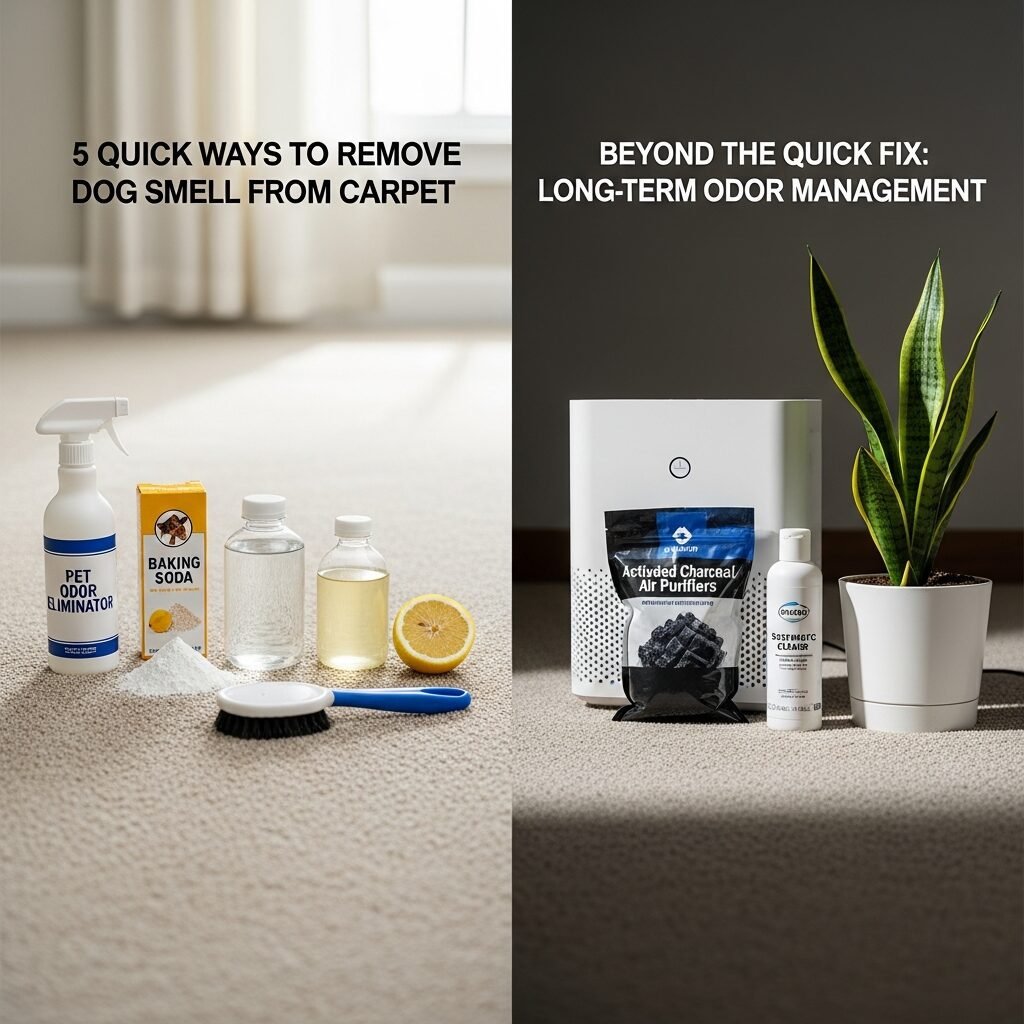
While these five methods are fantastic for quick odor removal, preventing the smell from returning is key to a consistently fresh home.
Regular Grooming
Bathing your dog regularly (as advised by your vet), brushing them daily, and even wiping their paws after outdoor excursions can significantly reduce the amount of dirt, dander, and oils that transfer to your carpets.
Frequent Vacuuming
Make vacuuming a habit, not a chore. Aim for at least 2-3 times a week, and more often if you have multiple pets or high-shedding breeds. Use a vacuum with a HEPA filter to trap allergens and fine particles.
Immediate Accident Cleanup
The faster you clean up pet accidents, the less likely the odor and stain will set into the carpet fibers. Always use enzymatic cleaners for urine, feces, or vomit.
Protect High-Traffic Areas
Consider using washable rugs or carpet runners in areas where your dog frequently rests or passes through. These can be easily tossed into the washing machine.
Professional Carpet Cleaning
Every 6-12 months, consider a professional carpet cleaning. They have powerful equipment and specialized solutions to deep clean and sanitize your carpets, getting rid of even the most deeply embedded odors and grime.


