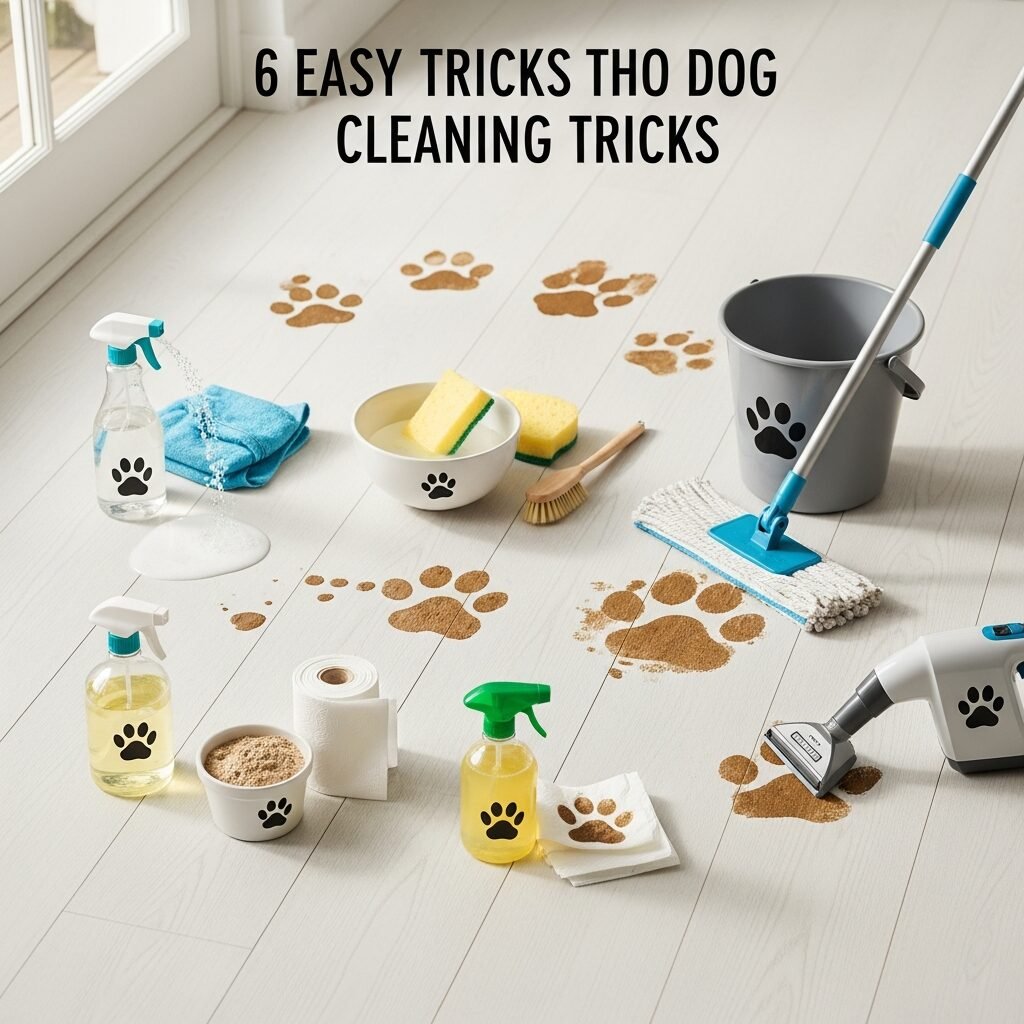
6 Easy Tricks to Clean Dog Paw Prints from Floors
There’s nothing quite like the boundless joy a dog brings into our lives. Their wagging tails, happy barks, and enthusiastic greetings make every day brighter. But let’s be honest, that joy often comes with a little bit of muddy reality, especially when those precious paws trek through the house after an exciting outdoor adventure. Suddenly, your pristine floors become a canvas of muddy, dusty, or wet paw prints.
As devoted dog parents, we know this is just part of the deal. Those paw prints are a sign of a life well-lived and loved! The good news is, you don’t have to spend hours scrubbing or stressing. We’ve put together six easy, effective tricks to help you get your floors sparkling clean again, no matter what kind of surface you have. Let’s dive into making your cleaning routine a breeze so you can get back to enjoying quality time with your furry best friend.
Understanding Different Floor Types and Their Needs
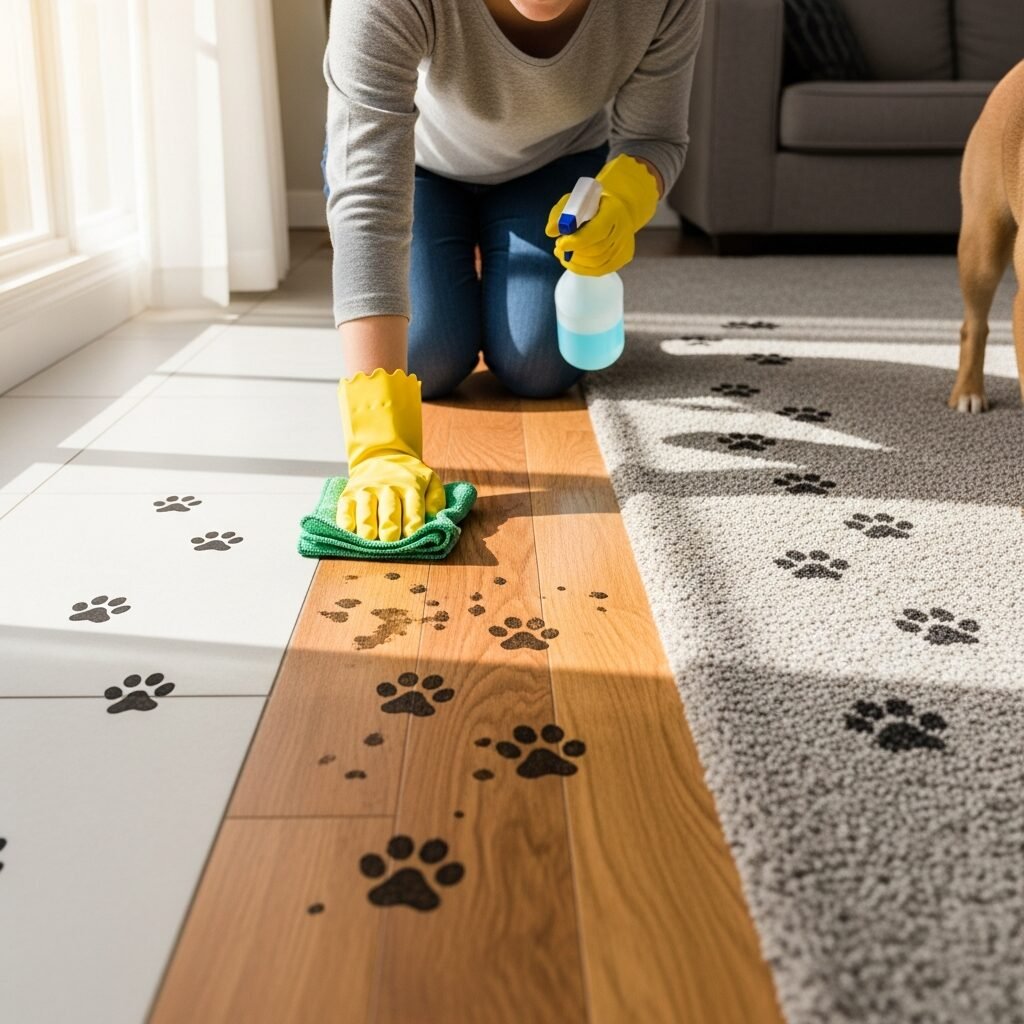
Before we grab our cleaning supplies, it’s helpful to remember that not all floors are created equal. What works wonderfully on a tile floor might not be the best choice for delicate hardwood. Knowing your floor type helps you choose the right cleaning method and prevents accidental damage.
Hardwood Floors
Hardwood floors are beautiful but can be quite sensitive, especially to excess moisture. Water left standing can cause warping, staining, or dulling. You’ll want to use minimal liquid and gentle cleaning agents, drying the surface quickly after cleaning.
Tile and Linoleum Floors
These surfaces are generally much more durable and water-resistant than hardwood. They can handle a bit more moisture and a wider range of cleaning solutions. However, grout lines on tile can trap dirt, requiring a little extra attention.
Carpeted Areas
Carpets are perhaps the trickiest when it comes to paw prints because they absorb liquids and dirt deeply into their fibers. Quick action is key here, along with specific spot-cleaning methods that lift the dirt rather than spreading it.
The Essential Paw Print Cleaning Toolkit
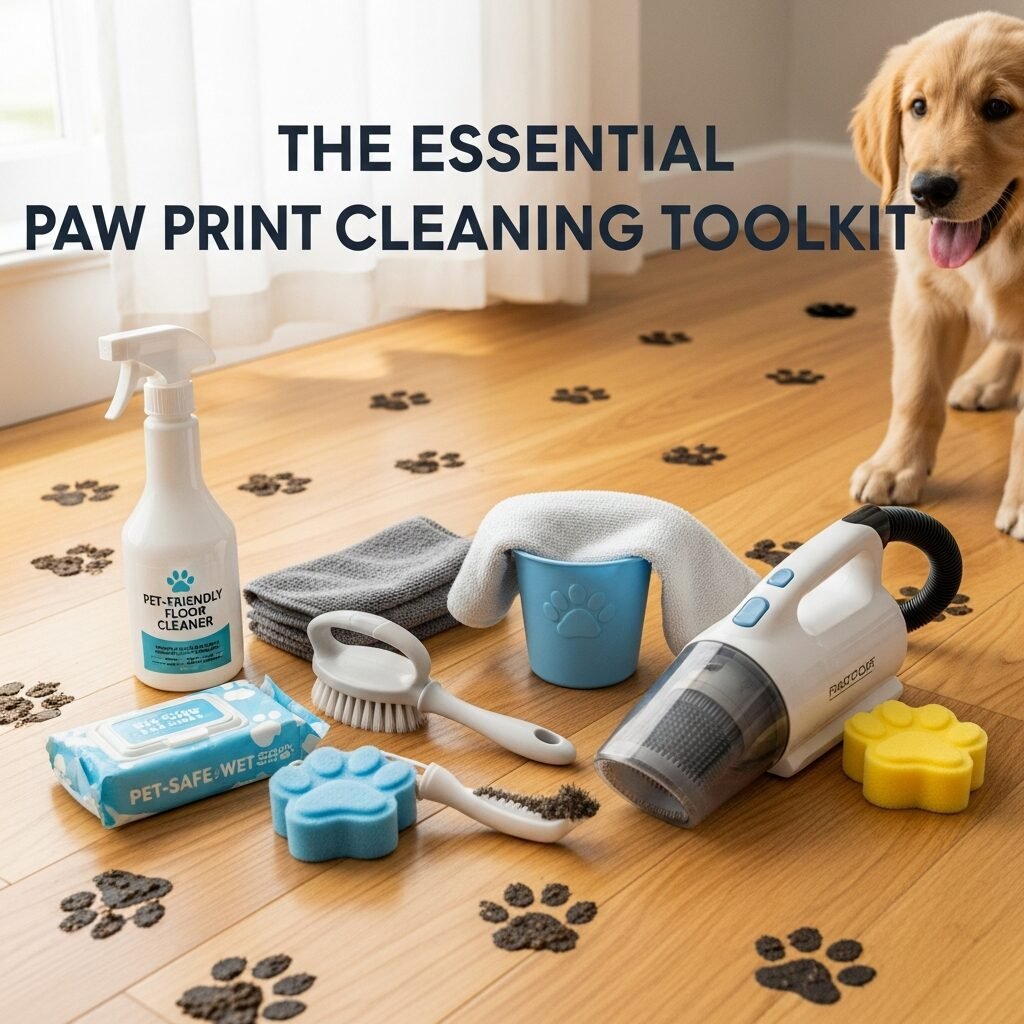
Having the right tools on hand makes all the difference when tackling paw prints. Most of these items are probably already in your home, making these tricks even easier to implement.
Basic Supplies You’ll Need
* Microfiber cloths: These are super absorbent and excellent for wiping and drying.
* Mop and bucket: For larger areas with hard floors.
* Vacuum cleaner: Great for picking up any dry dirt or loose debris before wet cleaning.
* Spray bottles: Handy for applying diluted cleaning solutions evenly.
* Soft-bristled scrub brush or old toothbrush: Useful for getting into grout lines or tough carpet spots.
* Warm water: The universal solvent!
* Cleaning solutions: We’ll talk about natural options like vinegar, dish soap, baking soda, and specialized enzymatic cleaners.
Trick 1: The Quick Wipe-Down (Best for Fresh Prints)
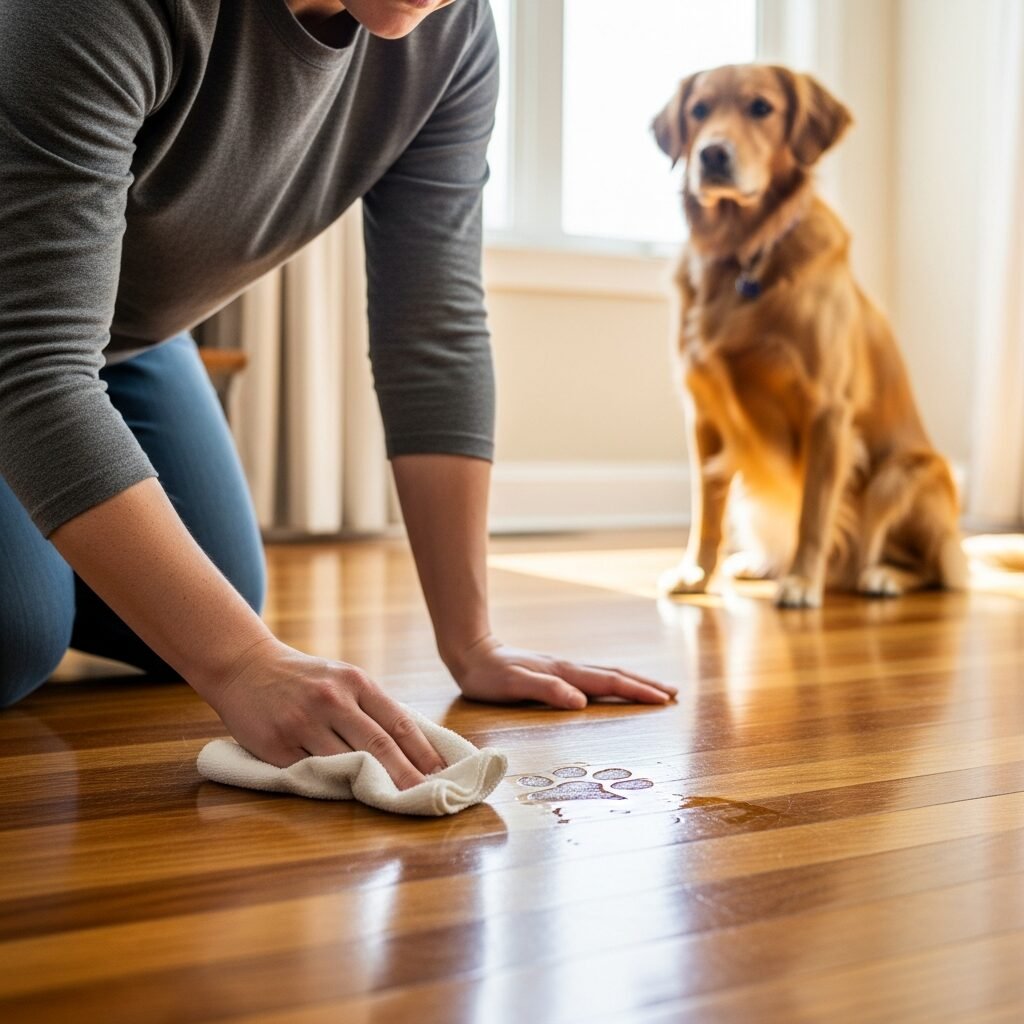
This is your first line of defense! The faster you act, the easier it will be to remove those fresh paw prints. Don’t let them dry and set.
For Hard Surfaces (Hardwood, Tile, Linoleum)
As soon as you spot fresh paw prints, grab a slightly damp microfiber cloth. Wipe up the muddy or dirty print gently. For hardwood, it’s really important to follow up immediately with a dry cloth to absorb any remaining moisture. For tile or linoleum, a quick wipe with a damp mop is also effective.
For Carpets
If paw prints appear on carpet, do not rub them in! This will only push the dirt deeper into the fibers. Instead, use a clean, dry cloth or paper towel to blot the area, trying to lift as much of the mud or dirt as possible. Once the excess is removed, you can proceed with a gentle spot cleaner if needed.
Trick 2: Vinegar Power – Your Natural Ally
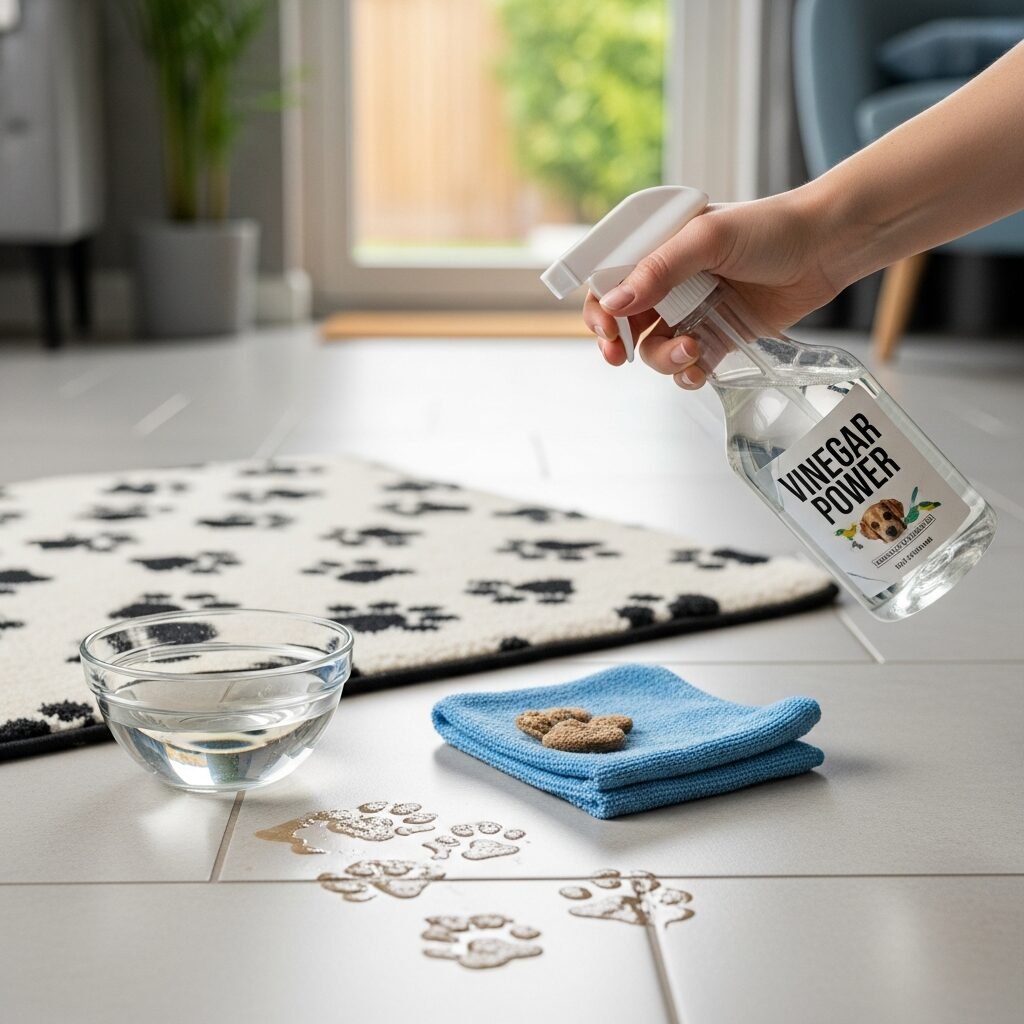
White vinegar is a cleaning superstar for a reason. It’s natural, non-toxic, a great disinfectant, and an excellent odor neutralizer – perfect for pet homes. It’s surprisingly effective at breaking down dirt and grime.
Vinegar Solution for Hard Floors
For a powerful yet gentle cleaner for hardwood, tile, or linoleum, mix equal parts white vinegar and warm water in a spray bottle or bucket.
* Spray the solution directly onto the paw prints.
* Let it sit for about a minute to loosen the grime.
* Wipe clean with a damp microfiber cloth or mop.
* For hardwood, always follow with a dry cloth to prevent moisture damage. The vinegar smell dissipates as it dries, leaving your floors fresh.
Vinegar for Carpet Stains
Vinegar can also work wonders on carpet paw prints after you’ve blotted up the excess.
* Mix one part white vinegar with one part warm water in a spray bottle.
* Lightly spray the stained area – avoid oversaturating the carpet.
* Let it sit for 5-10 minutes.
* Blot the area repeatedly with a clean, dry cloth, working from the outside of the stain inwards to prevent spreading.
* You might need to repeat this process a couple of times.
Trick 3: Dish Soap – The Everyday Grease Fighter
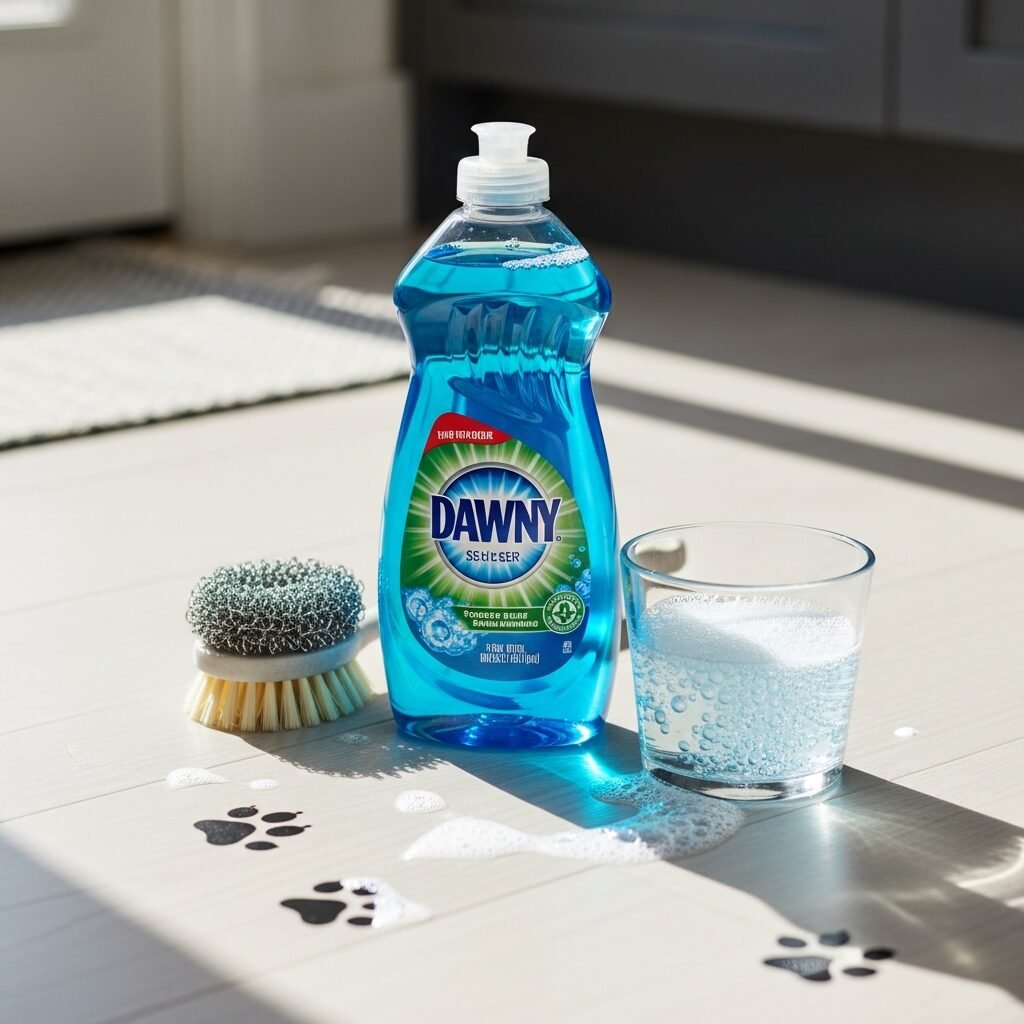
Your everyday dish soap isn’t just for dirty dishes; its degreasing properties make it excellent for breaking down the oils and dirt often found in paw prints. Just remember, a little goes a long way!
Dish Soap Mix for Hard Floors
For general paw print cleaning on tile and linoleum, a very mild dish soap solution is effective.
* Add just a few drops of mild dish soap (like Dawn) to a bucket of warm water.
* Dip your mop or microfiber cloth into the solution, wring it out very well, and clean the paw prints.
* For hardwood, use this solution even more sparingly and always follow with a clean, damp cloth rinse and then a dry cloth.
Tackling Carpet Prints with Dish Soap
For stubborn paw prints on carpets that the quick blot couldn’t handle, a gentle dish soap solution can help.
* Mix one teaspoon of mild dish soap with one cup of warm water.
* Dampen a clean cloth with the solution.
* Blot the paw print stain gently, working from the outside in.
* Once the stain lifts, use another clean cloth dampened with plain water to “rinse” the area by blotting, removing any soap residue.
* Finally, blot dry with a clean, dry towel.
Trick 4: Baking Soda’s Secret Weapon (Especially for Carpets)
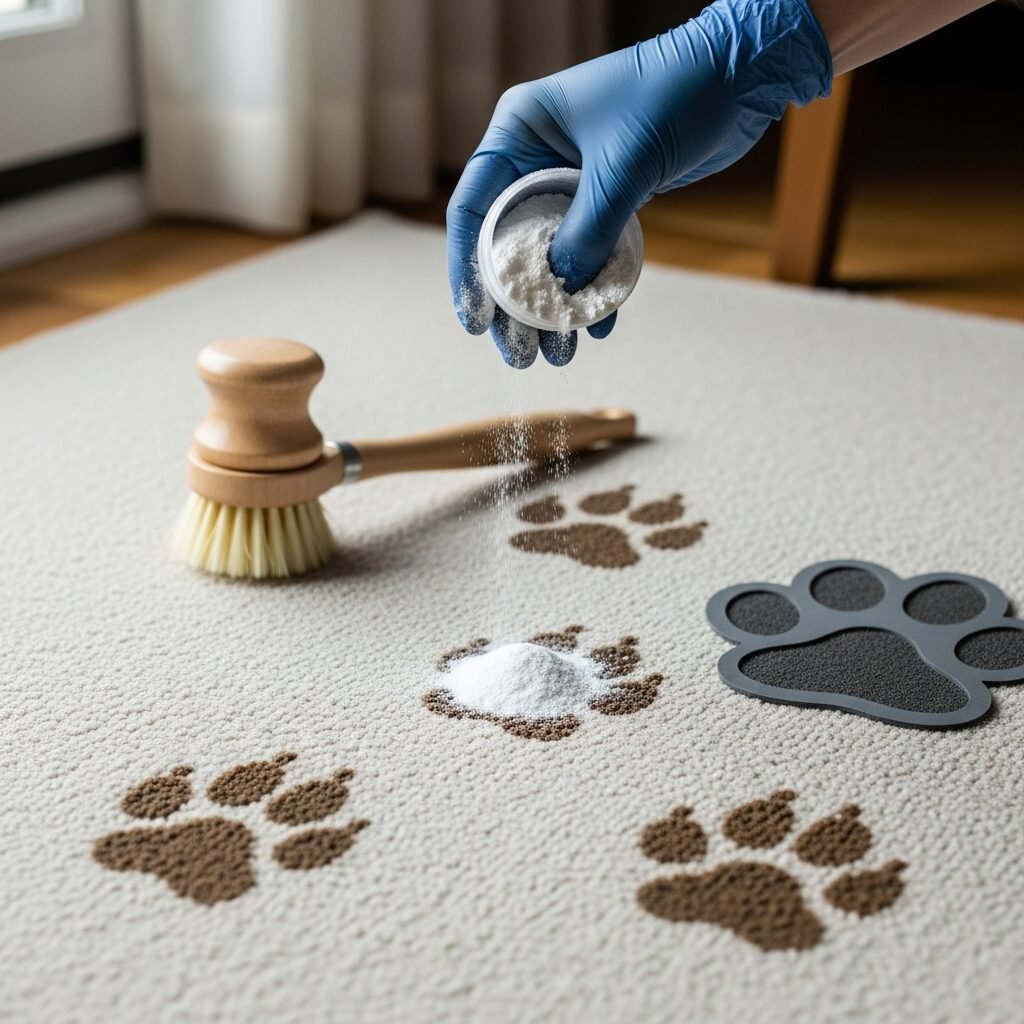
Baking soda is a natural deodorizer and a mild abrasive, making it fantastic for tackling dried-on paw prints and any lingering odors, particularly on carpets.
Baking Soda Paste for Tough Stains
If you have a dried-on paw print or a particularly muddy one on your carpet, a baking soda paste can work wonders.
* Mix baking soda with a small amount of water to form a thick paste.
* Apply the paste directly onto the dried paw print.
* Let it sit for several hours, or even overnight, allowing it to dry completely. As it dries, it absorbs the stain and odor.
* Once completely dry, vacuum up the baking soda residue. You might be amazed at how much of the stain lifts with it.
Dry Baking Soda for Odor and Light Prints
For lighter paw prints or just to refresh a carpeted area with a slight doggy smell, dry baking soda is an easy solution.
* Sprinkle a generous amount of baking soda over the affected carpet area.
* Let it sit for at least 15-30 minutes, or longer if you have time.
* Vacuum thoroughly to remove the baking soda and any loose dirt or odors it has absorbed.
Trick 5: Enzymatic Cleaners – For Stubborn Stains and Odors
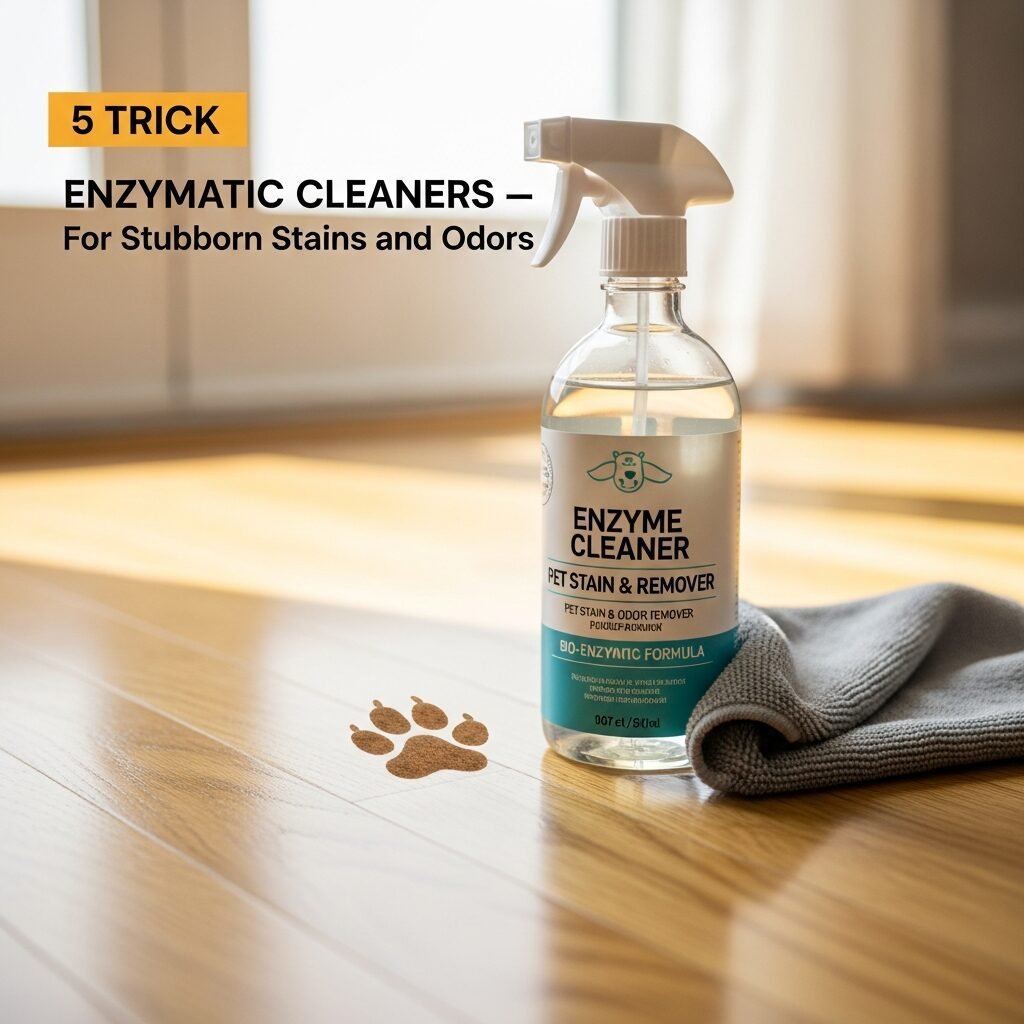
Sometimes, paw prints can contain more than just dirt – think dried mud, grass stains, or even a bit of accident residue. Enzymatic cleaners are specially formulated to break down organic matter and are a lifesaver for pet messes.
When to Use Enzymatic Cleaners
Enzymatic cleaners contain beneficial bacteria that produce enzymes. These enzymes literally “eat” the organic molecules that make up stains and odors, breaking them down into simpler, odorless compounds. They are perfect for:
* Older, dried paw prints that won’t budge with other methods.
* Stains that have a noticeable odor, as they eliminate the source rather than just masking it.
* Any organic pet mess on carpets or upholstery.
Application Guide
* Always read the specific instructions on your chosen enzymatic cleaner, as dwell times can vary.
* Remove as much solid residue as possible from the paw print first.
* Generously saturate the stained area with the cleaner. For carpets, ensure it reaches the padding if the stain has soaked through.
* Let the cleaner sit for the recommended time (often 10-15 minutes, but sometimes longer). Do not blot it too soon, as the enzymes need time to work.
* Blot the area with a clean, damp cloth to remove any remaining cleaner and residue.
* Allow the area to air dry completely. You might want to place a fan nearby to speed up drying.
Trick 6: The Preventative Approach – Less Cleaning Later
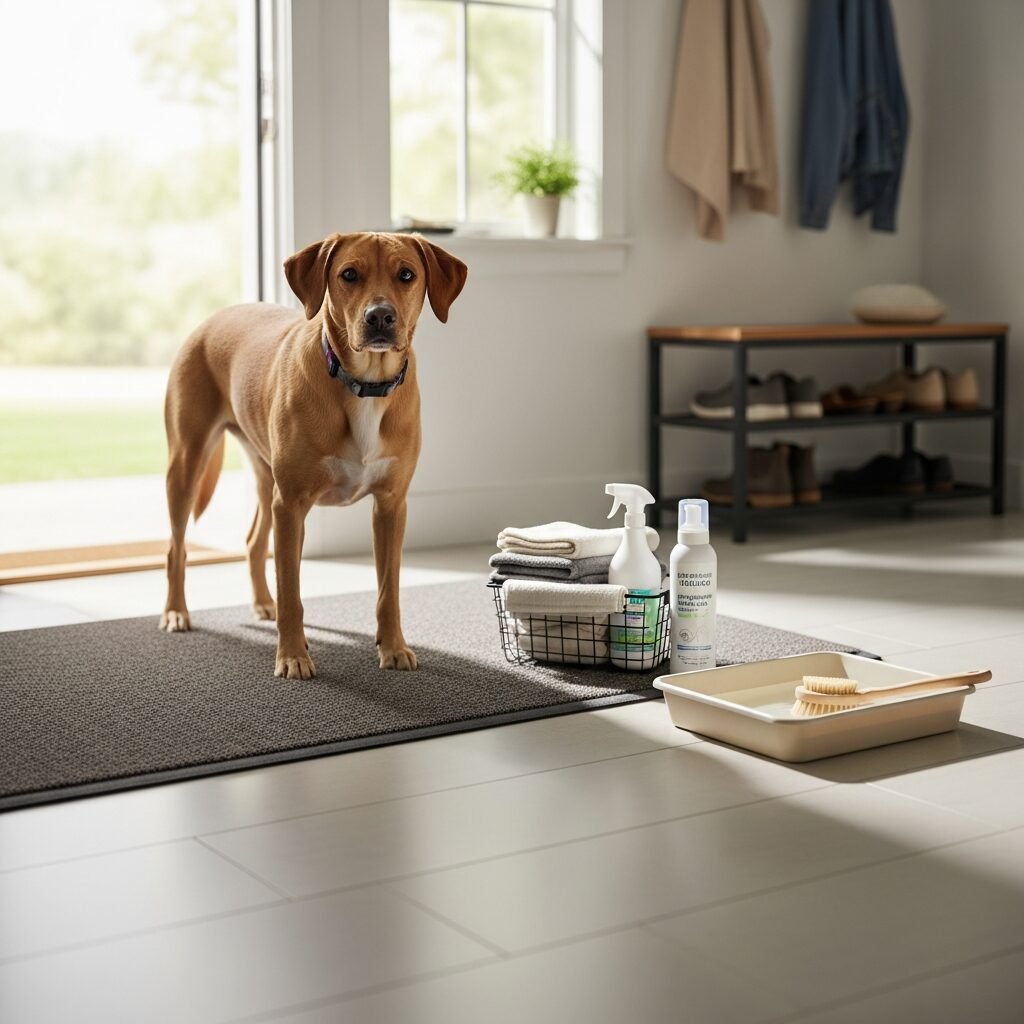
While these cleaning tricks are fantastic, the best trick of all is preventing those paw prints from happening in the first place. A little proactive effort can save you a lot of scrubbing later.
Regular Paw Cleaning
Make it a habit to clean your dog’s paws regularly, especially after walks, playtime in the yard, or wet weather.
* Keep a “paw station” by your door: A towel, a bowl of warm water, or a specialized paw cleaner cup.
* Paw wipes: Keep pet-safe paw wipes handy for a quick swipe.
* Training: Teach your dog to “wait” at the door while you clean their paws. Reward them generously for their patience.
Door Mat Strategies
Strategically placed doormats can trap a surprising amount of dirt before it enters your home.
* Outside: Place a coarse, bristly mat outside your door to scrape off initial mud.
* Inside: Place a large, super absorbent mat directly inside the door. Many companies make specific “mud trap” mats designed for pet homes.
Training for Cleaner Paws
Consistency in training can go a long way.
* “Wipe your paws” command: You can actually train your dog to rub their paws on a mat!
* “Wait” command: Teach your dog to wait patiently at the door until you give them the “OK” to enter, allowing you time to grab a towel.
Important Safety Tips for Cleaning
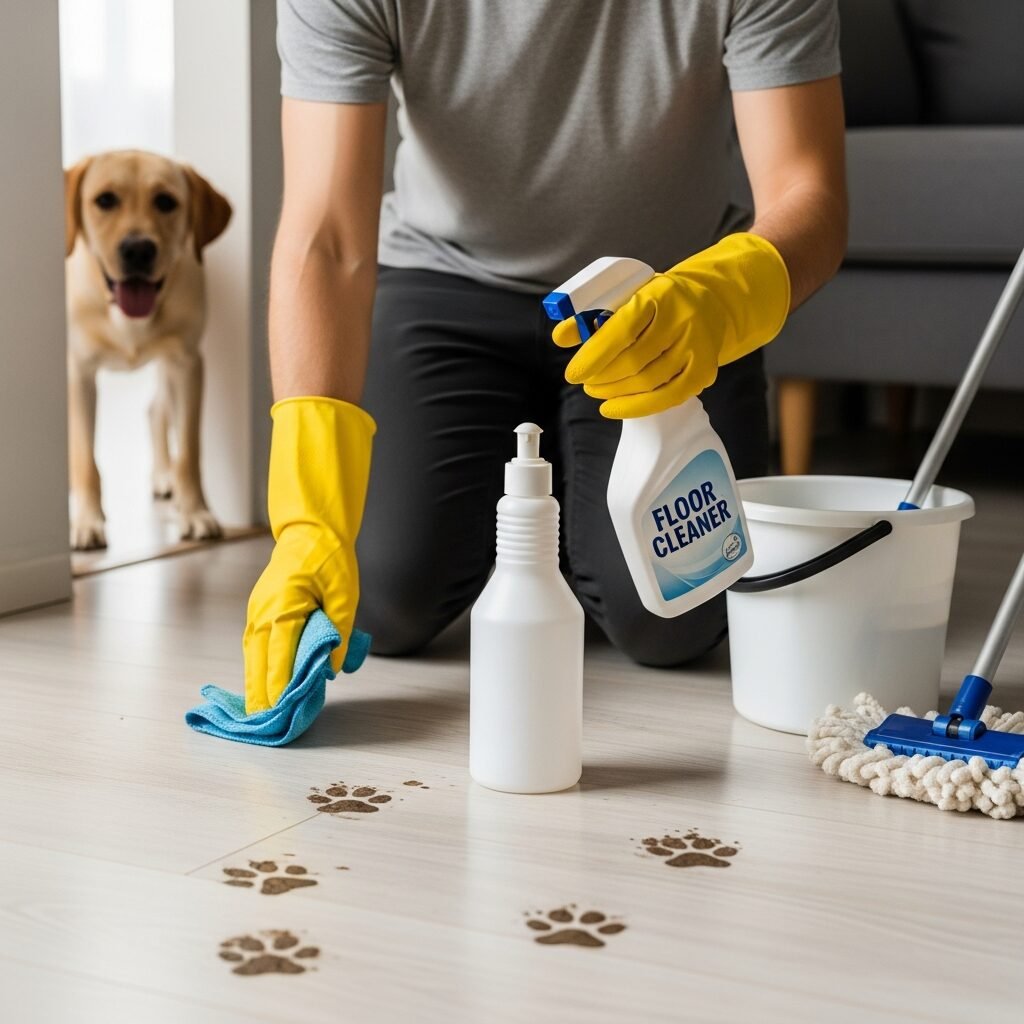
When cleaning up after our beloved pets, their safety is always paramount.
Always Test in an Inconspicuous Area
Before using any new cleaning solution (even natural ones like vinegar), always test it on a small, hidden section of your floor or carpet. This ensures it won’t discolor or damage the surface.
Keep Pets Away While Cleaning
It’s best to keep your dog in another room or safely contained while you’re actively cleaning, especially if you’re using stronger solutions or making a mess. Once the area is dry and any fumes have dissipated, it’s safe for them to return.
Proper Ventilation is Key
Open windows and doors while cleaning. Good air circulation helps cleaning solutions dry faster and dissipates any lingering odors or fumes, making the environment safer for both you and your pet.
Quick Reference: Cleaning Solution Table
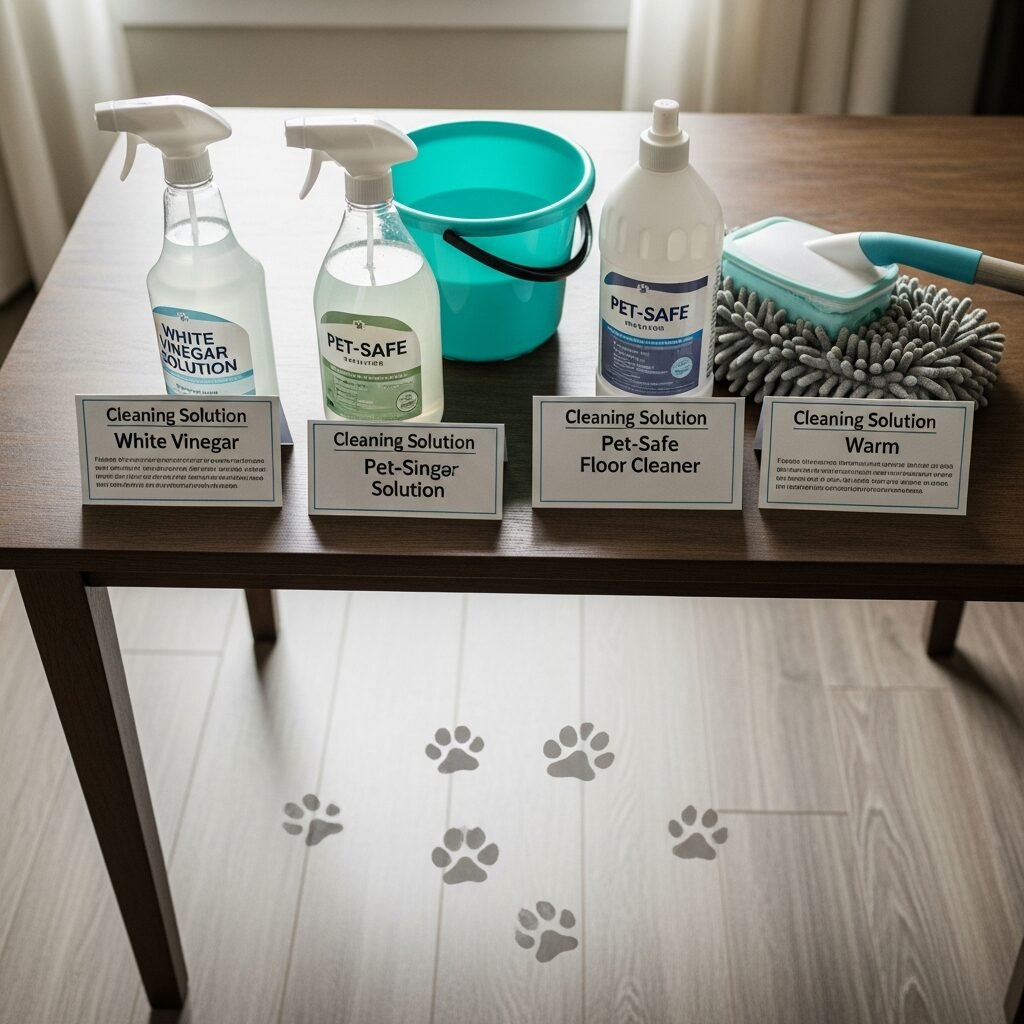
Here’s a handy summary to quickly choose the best approach for different floor types and stain conditions.
| Floor Type | Fresh Prints | Dried Prints | Best Cleaner Options | Notes |
| Hardwood | Damp cloth | Vinegar solution (diluted), mild dish soap (very diluted) | Microfiber cloth, dry immediately | Avoid excess moisture. Always dry thoroughly. |
| Tile/Linoleum | Damp cloth, mop | Vinegar solution, dish soap (diluted), general floor cleaner | Mop, sponge, microfiber cloth | Generally durable. Grout may need extra scrub. |
| Carpet | Blot with damp cloth | Baking soda paste, enzymatic cleaner, dish soap solution | Blot, vacuum. Soft scrub brush for paste. | Act fast. Never rub. Avoid oversaturation. |


