10 Signs Your Dog Feels Safe With You
As dog parents, we all want our furry friends to feel absolutely safe and loved in our homes. It’s one of the most rewarding feelings to know your dog trusts you completely and sees you as their ultimate protector.
But how can you really tell if your dog feels that deep sense of security? Sometimes, their signals can be subtle, and other times, they are wonderfully obvious. Understanding these signs can help you strengthen your bond and ensure your pup always feels at ease.
Let’s dive into the top 10 indicators that your dog feels safe and cherished with you, offering peace of mind and joy to both of you.
1. They Show Relaxed Body Language
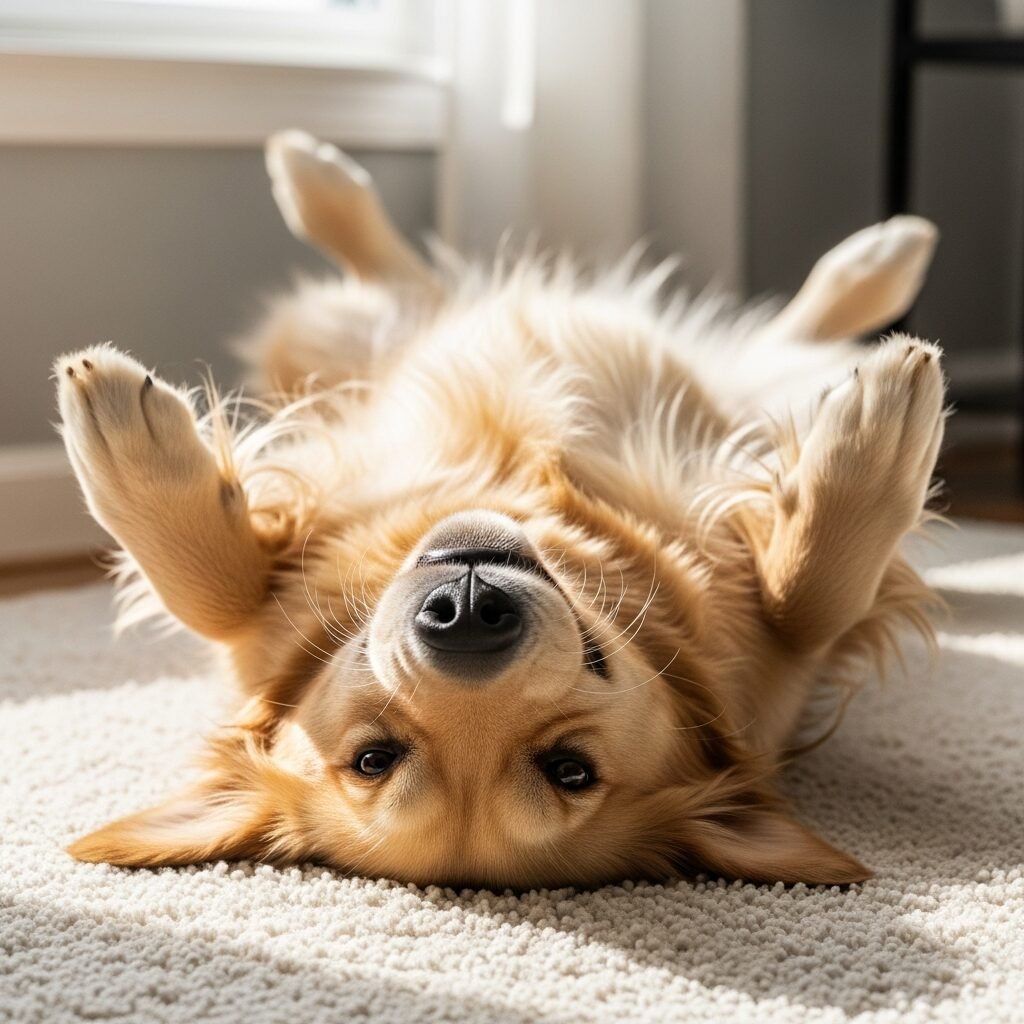
One of the clearest signs a dog feels safe is when their body language screams relaxation. This isn’t just about a wagging tail, but a whole host of subtle (and not-so-subtle) cues.
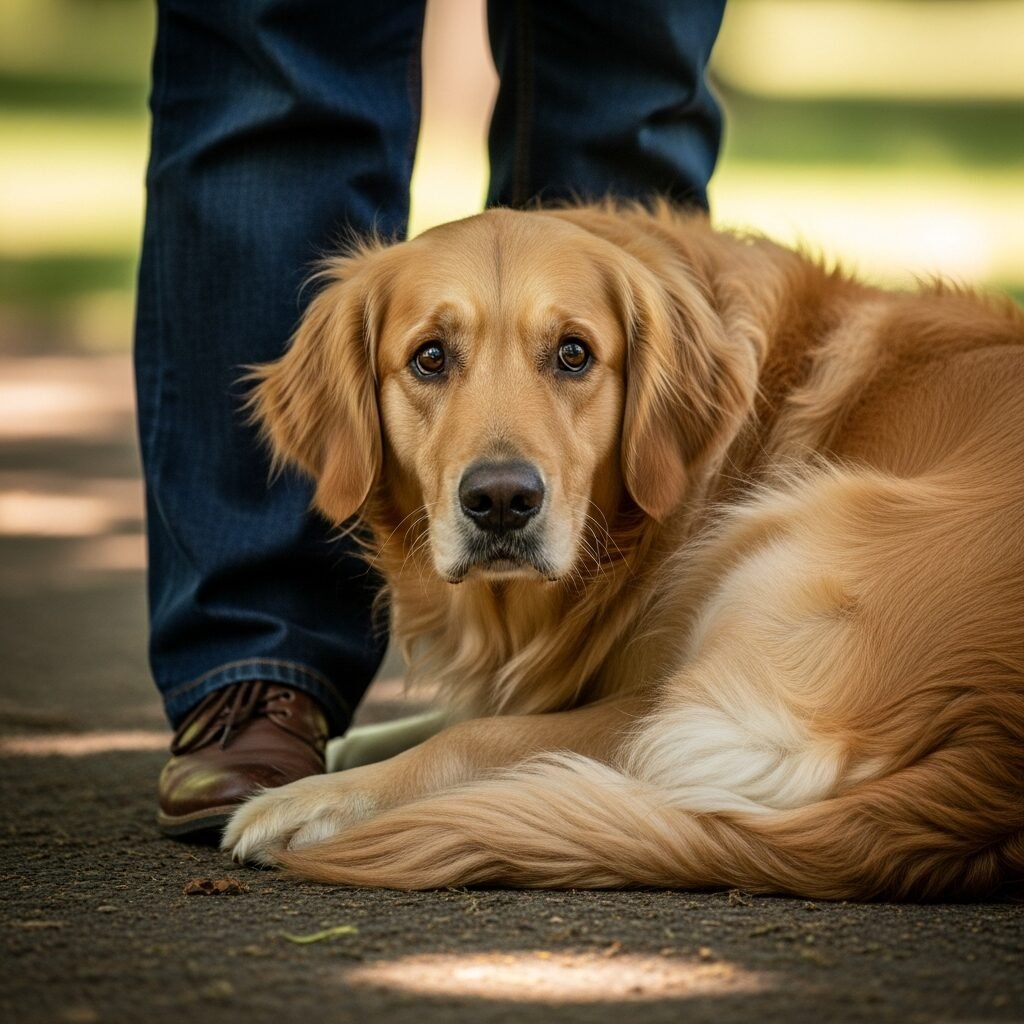
A relaxed dog will have a soft gaze, not a hard stare. Their ears might be in a natural position, not pinned back or stiffly alert. Their muscles won’t be tense, and their breathing will be even and calm.
You might see them stretch out fully on the floor, maybe even exposing their belly. This vulnerable position is a huge sign of trust, as they wouldn’t do it if they felt threatened.
What to Look For:
- Soft, squinty eyes or ‘whale eye’ (where the whites of their eyes show) during a relaxed moment.
- A relaxed mouth, sometimes slightly open with a ‘smile’ or a visible tongue.
- Ears in a natural, unfurrowed position, not flattened or erect.
- A loose, ‘wiggly’ body, especially when greeting you.
- Frequent yawning, not from tiredness, but as a calming signal.
2. They Follow You Around (The Shadow Effect)
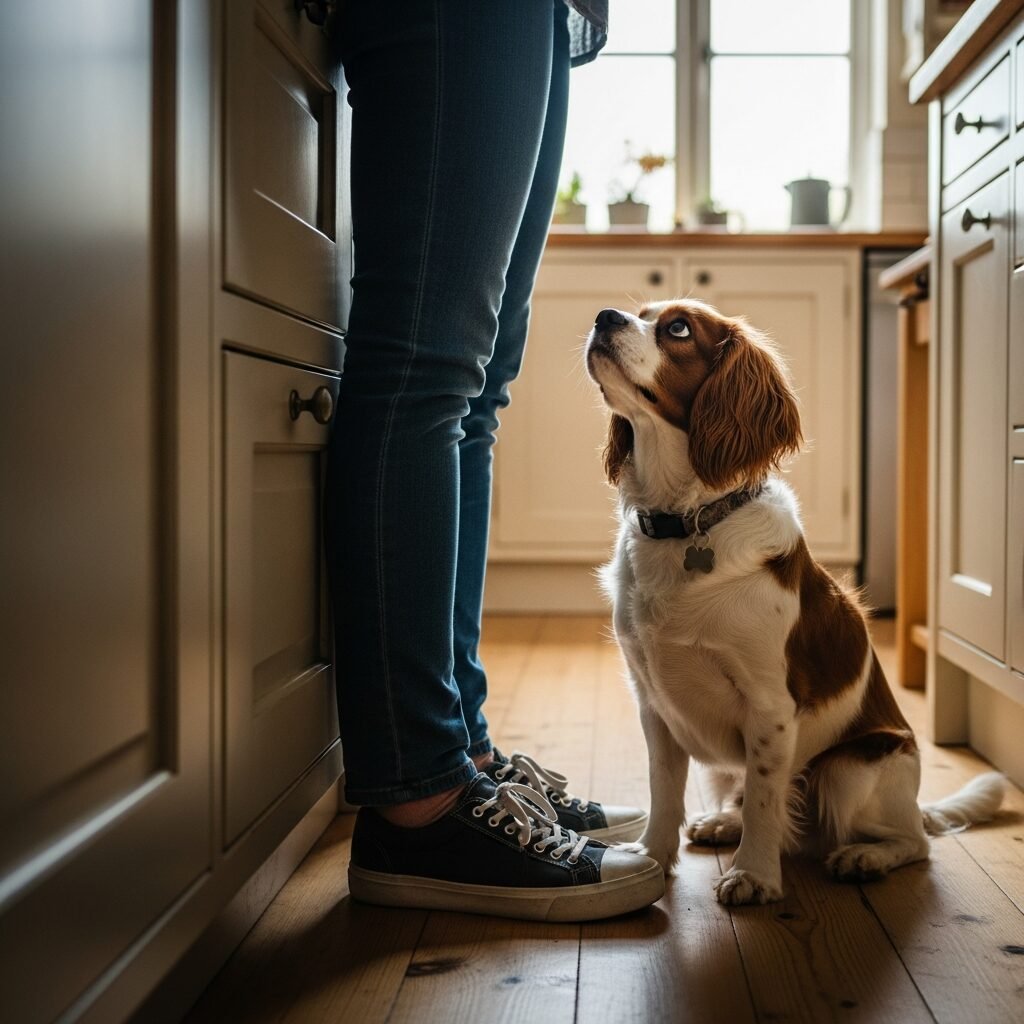
Does your dog follow you from room to room, even if you’re just going to the kitchen for a snack or the bathroom for a minute? This ‘shadow effect’ is a common and adorable sign of security.
They aren’t just looking for food; they want to be near you because you represent safety, comfort, and good things. They see you as their pack leader and want to stay connected.
This behavior shows they feel secure in your presence and enjoy your company, rather than feeling anxious when you move out of sight.
3. They Initiate Cuddles and Physical Contact
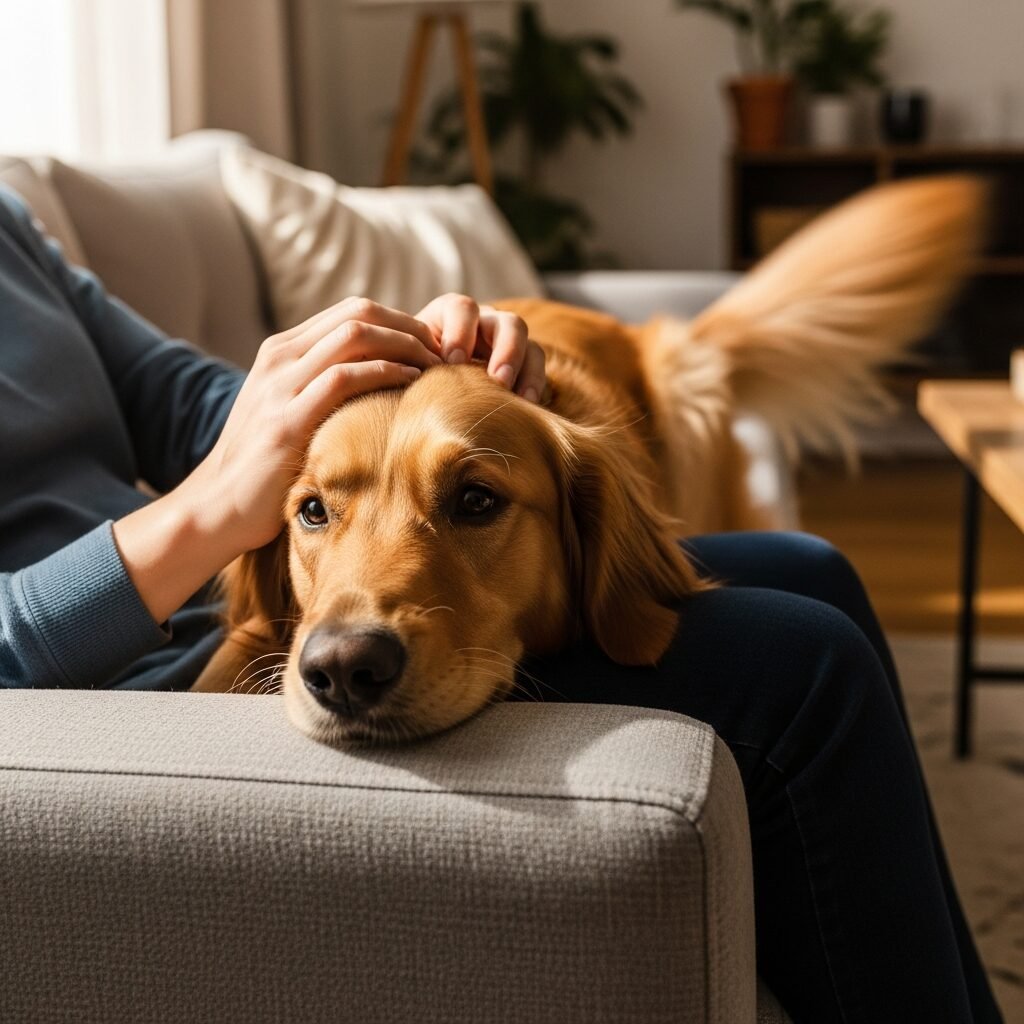
A dog that feels safe and loved will often initiate physical contact. This could be nudging their head into your hand, resting their paw on your lap, or leaning their entire body against you while you’re sitting or standing.
They might even climb onto your lap for a cuddle or snuggle up beside you on the couch. This isn’t just about seeking warmth; it’s a profound expression of trust and affection.
They know you will respond with gentleness and love, reinforcing their sense of safety.
4. They Eat and Drink Comfortably in Your Presence
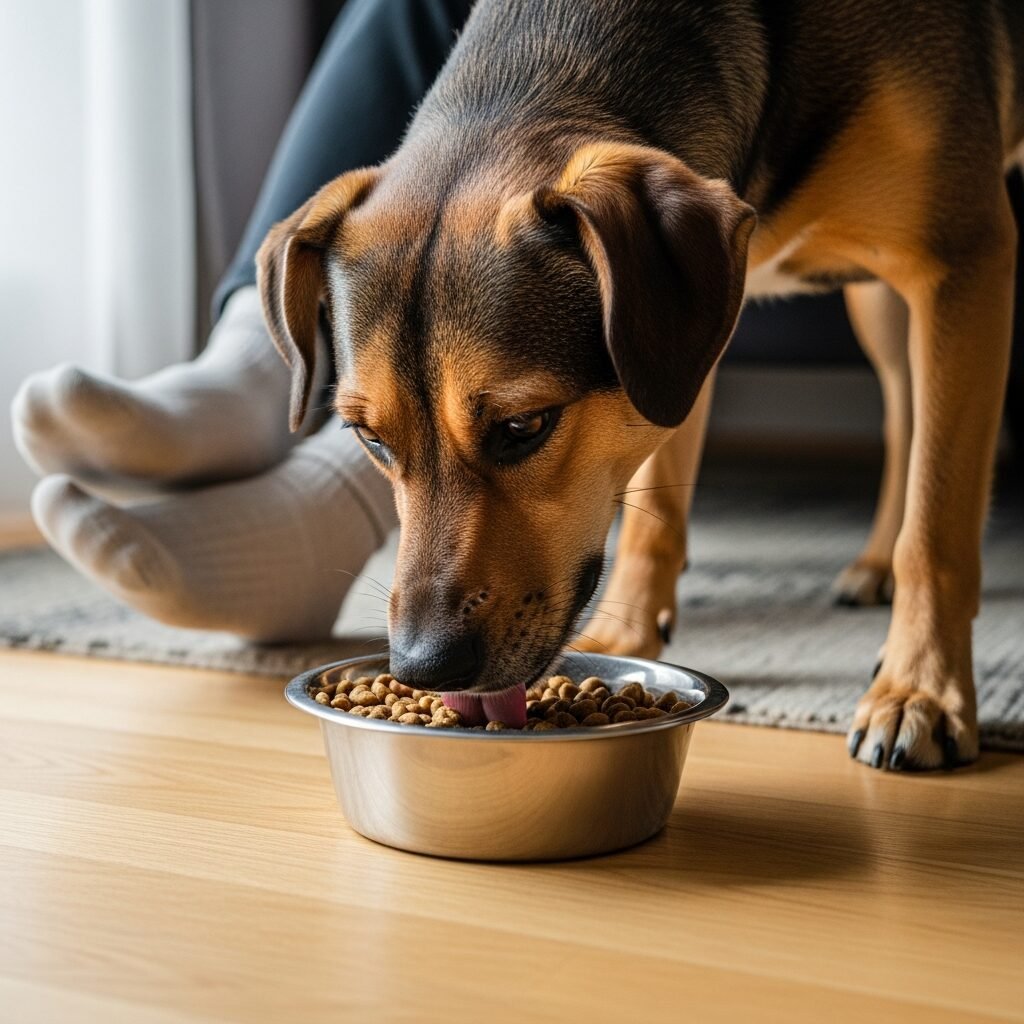
Mealtimes can be vulnerable moments for animals. If your dog eats their food calmly and without rushing, especially when you are nearby, it’s a great sign of security.
A dog that feels threatened might gobble food quickly, guard their bowl, or eat in a hidden spot. A comfortable dog knows their resources are safe with you.
They also drink water without excessive vigilance, taking their time and feeling secure in their environment.
5. They Sleep Soundly and Expose Their Belly While Sleeping
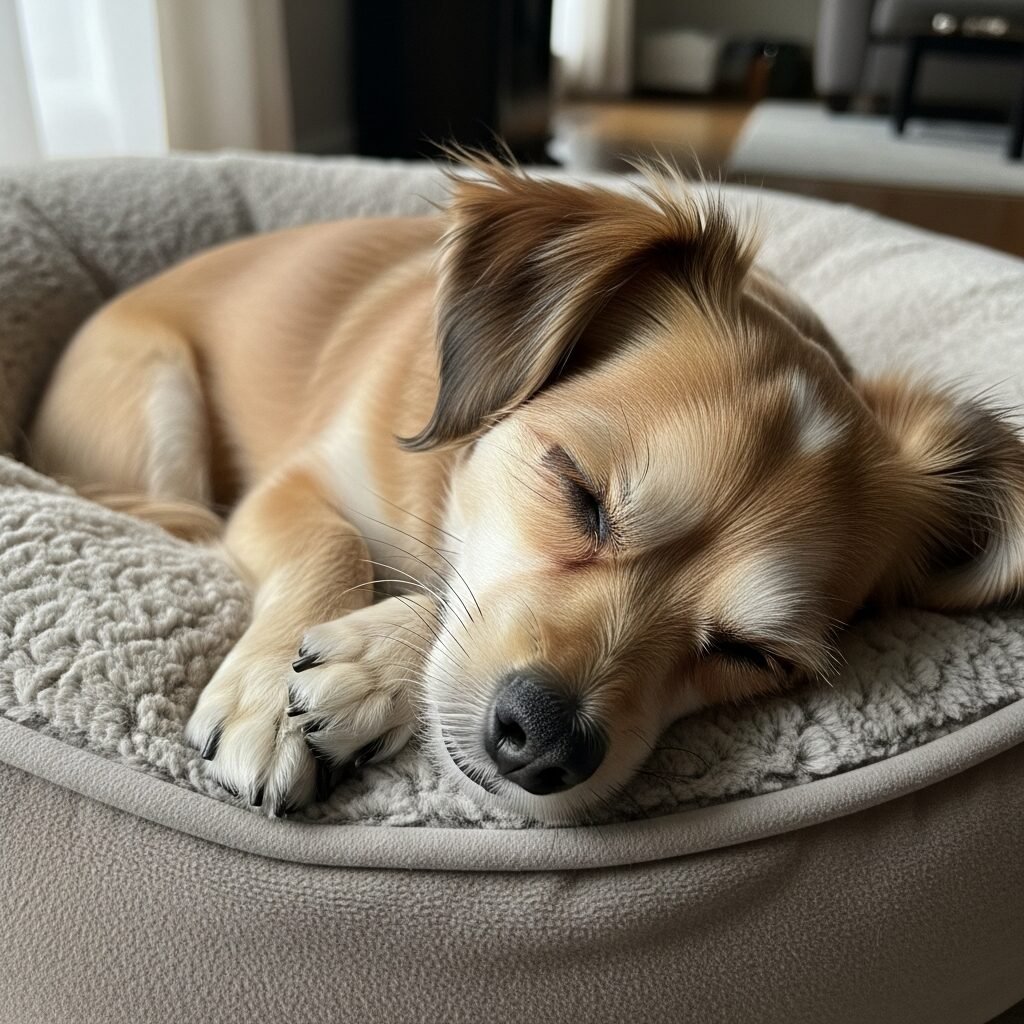
A truly safe dog will sleep deeply and without constant vigilance. You might hear soft snores or see them twitching their paws as they dream. They aren’t waking at every little sound.
Even more telling is how they position themselves for sleep. Many secure dogs will choose to sleep near you or even on your bed, often curled up or, again, exposing their vulnerable belly.
This belly-up sleeping position signifies complete relaxation and an absolute trust that you will protect them while they are most defenseless.
6. They Bring You Toys and Initiate Play
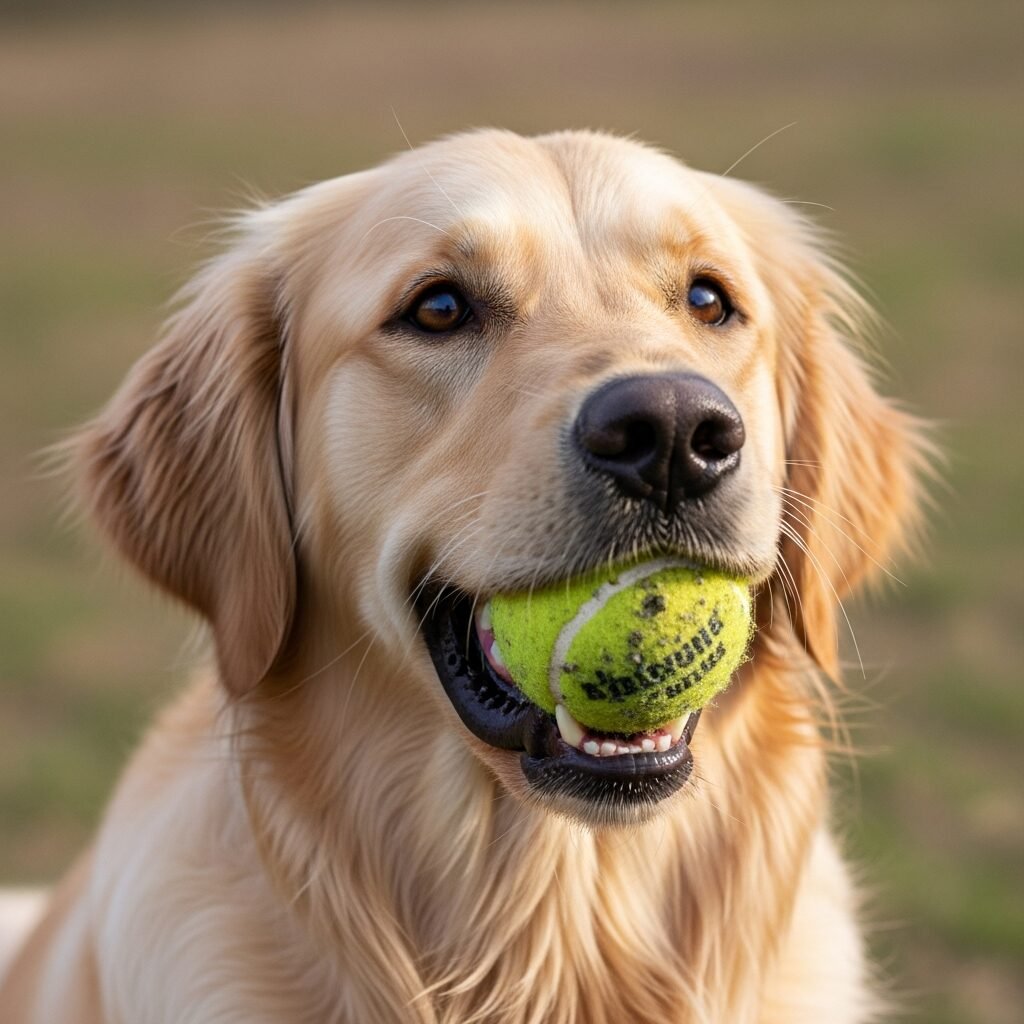
Play is a fundamental part of a dog’s well-being and a huge indicator of comfort. If your dog frequently brings you toys, nudges your hand with their nose, or bows playfully, they are inviting you to engage.
This shows they associate you with fun and positive interactions. A dog that doesn’t feel safe might be too stressed or preoccupied to play.
They trust you to play fairly and gently, making it a shared joyful experience.
7. They Don’t Hide From You or Avoid Eye Contact

A dog that feels safe doesn’t feel the need to hide from their human. They won’t dart away when you approach or consistently avoid your gaze. Instead, they will meet your eyes with a soft, trusting look.
If a dog consistently tries to put objects between themselves and you, or always turns their head away, it might be a sign they are uncomfortable or feel threatened.
A safe dog engages with you openly and without fear.
8. They Respond Positively to Your Voice
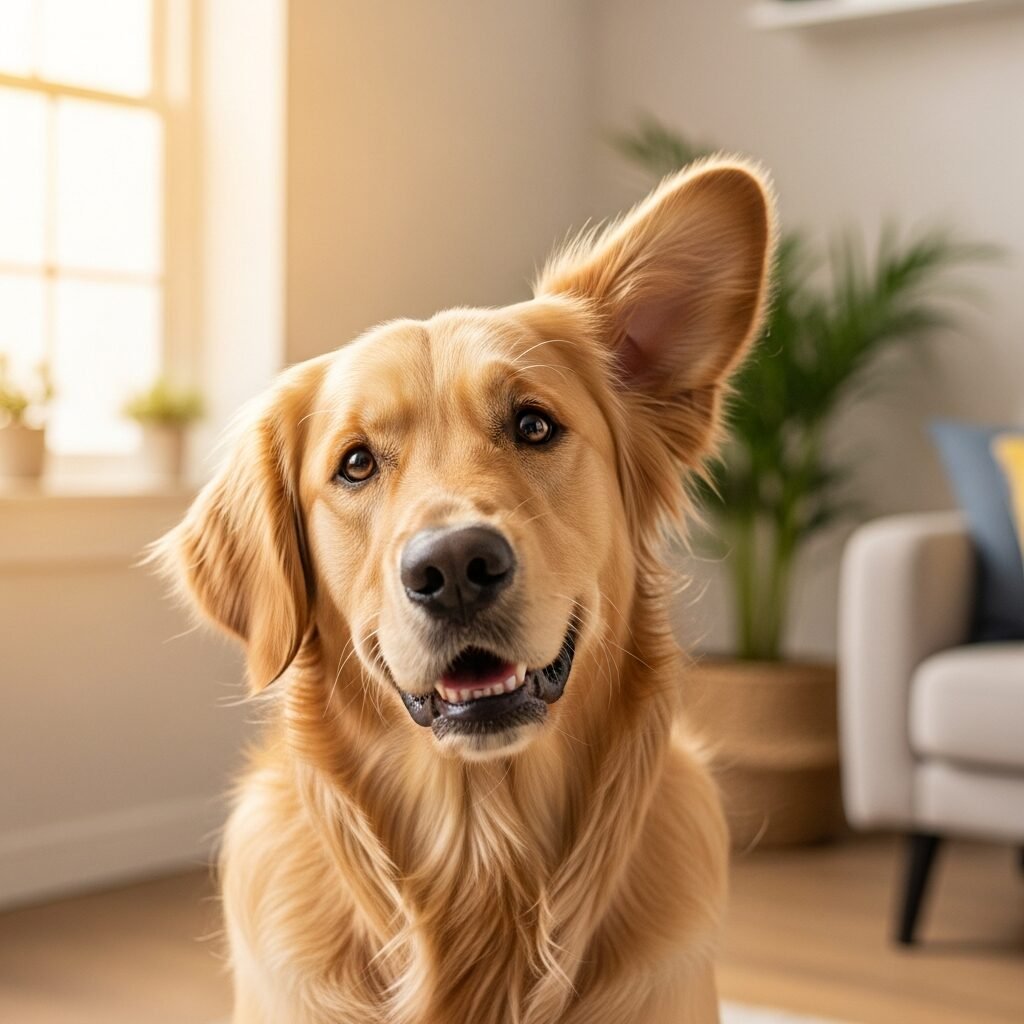
Pay attention to how your dog reacts when you speak. A dog that feels safe will often respond with a happy wag of the tail, a quick ear twitch, or an excited look when they hear your voice.
Even if they are just resting, they might open an eye to acknowledge you. Your voice is a source of comfort and familiarity, not something to fear or ignore.
They understand that your tone is usually gentle and loving, even when you’re giving commands.
9. They Show Confident Exploration and Curiosity
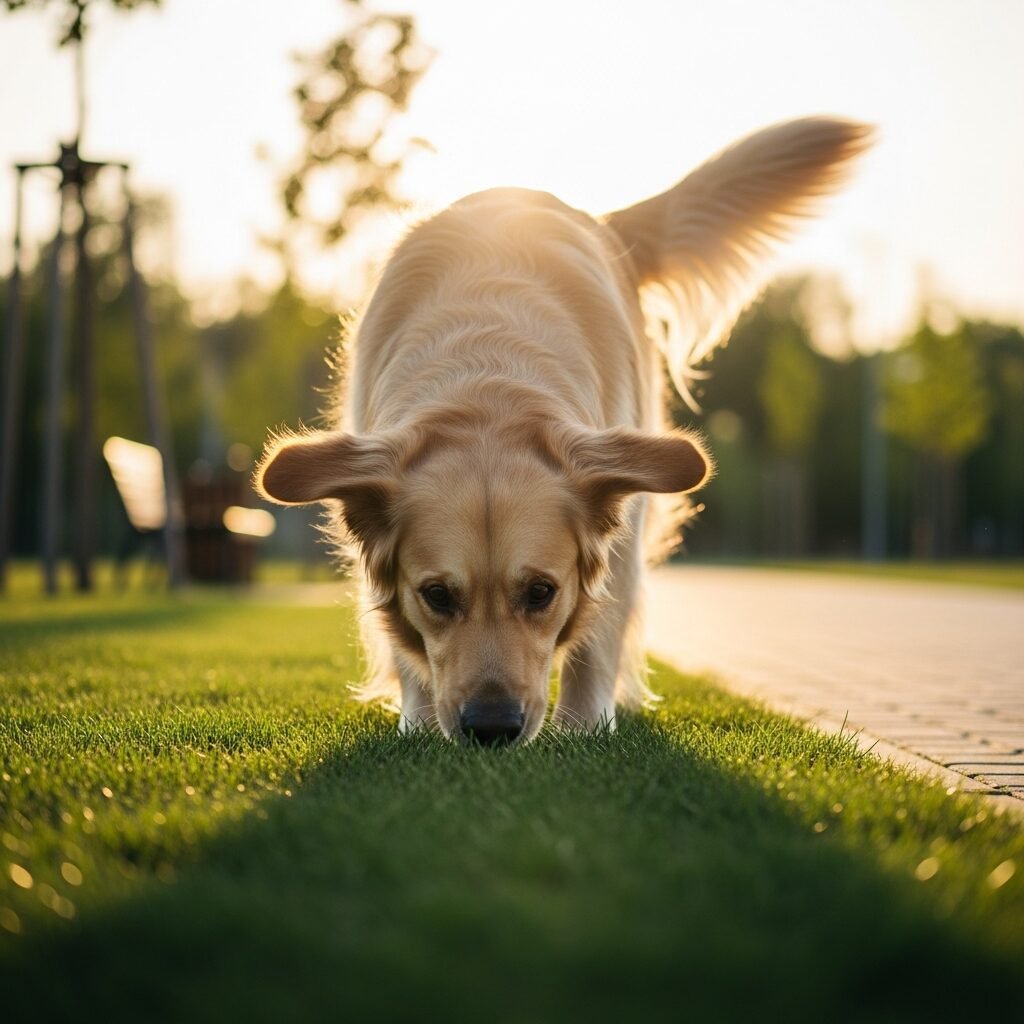
When you take your dog to a new place, like a park or a friend’s house, do they confidently explore their surroundings? Or do they cling to your leg, looking anxious?
A dog that feels safe with you uses you as their ‘secure base.’ They will venture out to sniff and investigate, but they will regularly check back with you for reassurance.
This balance of independence and reliance on you shows a deep sense of security and trust in your presence.
10. They Tolerate Handling and Grooming
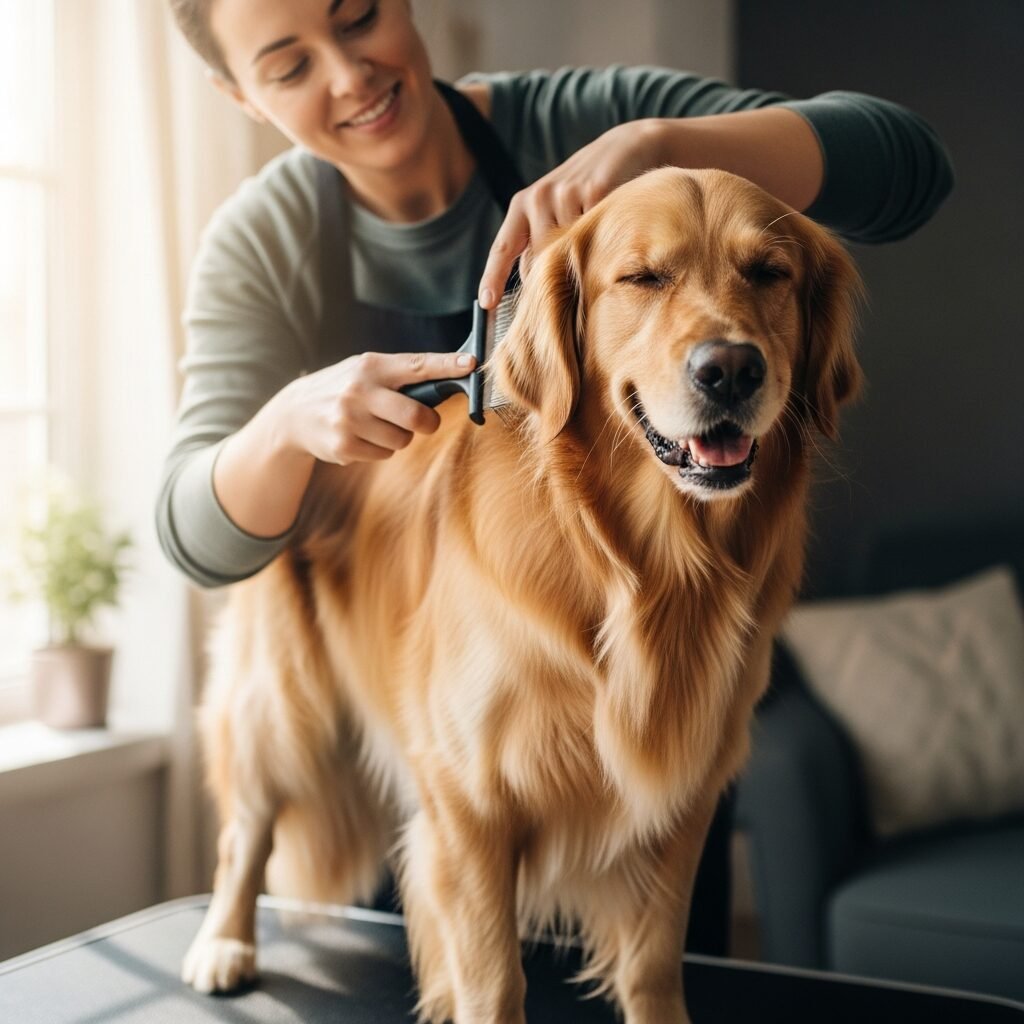
Allowing you to touch their paws, clean their ears, brush their fur, or give them a bath are all huge signs of trust. These are often sensitive areas for dogs, and they wouldn’t tolerate it from someone they didn’t trust.
If your dog is relaxed during these sessions, it means they feel safe enough to be vulnerable with you. They know you won’t hurt them and that these interactions are part of their care.
This trust extends to things like giving medicine or checking for injuries. A safe dog understands you’re helping them.
Beyond the Signs: What Creates a Safe Environment?
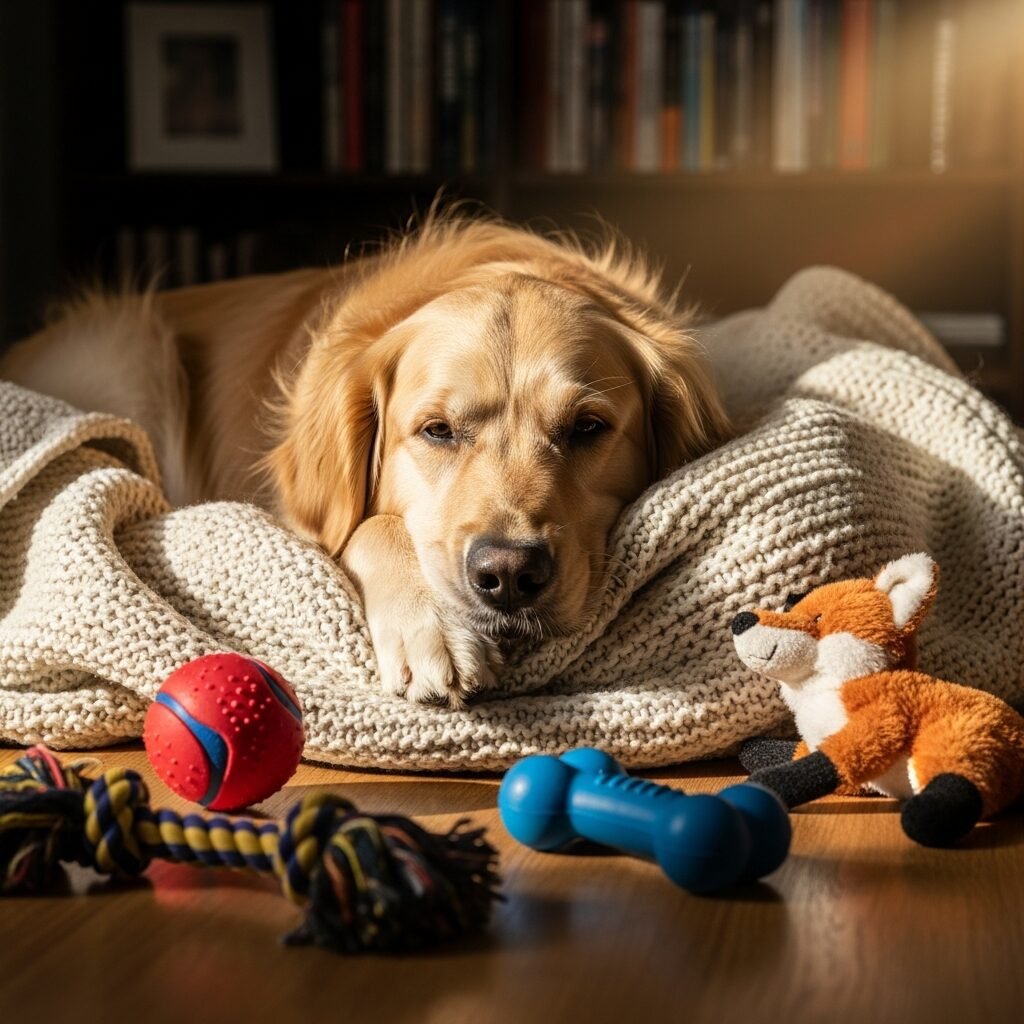
Recognizing these signs is wonderful, but it’s equally important to understand what fosters such deep trust and safety. It’s not just about one thing, but a combination of consistent care, positive reinforcement, and a predictable environment.
Consistency and Routine
Dogs thrive on routine. Knowing when they’ll eat, go for walks, and have playtime helps them feel secure and reduces anxiety. A predictable schedule builds confidence.
Positive Reinforcement Training
Using rewards-based training methods builds a strong, positive association with you. Your dog learns that obeying commands leads to good things, strengthening their trust and making them eager to please.
Plenty of Exercise and Mental Stimulation
A tired dog is a happy dog. Physical activity and mental challenges (like puzzle toys or training sessions) reduce excess energy and anxiety, contributing to a calm and secure demeanor at home.
A Safe and Cozy Space
Every dog needs their own safe space, whether it’s a cozy bed, a crate, or a specific corner. This is their den, where they can retreat when they need peace and quiet, knowing they won’t be disturbed.
The Importance of Trust and Bond
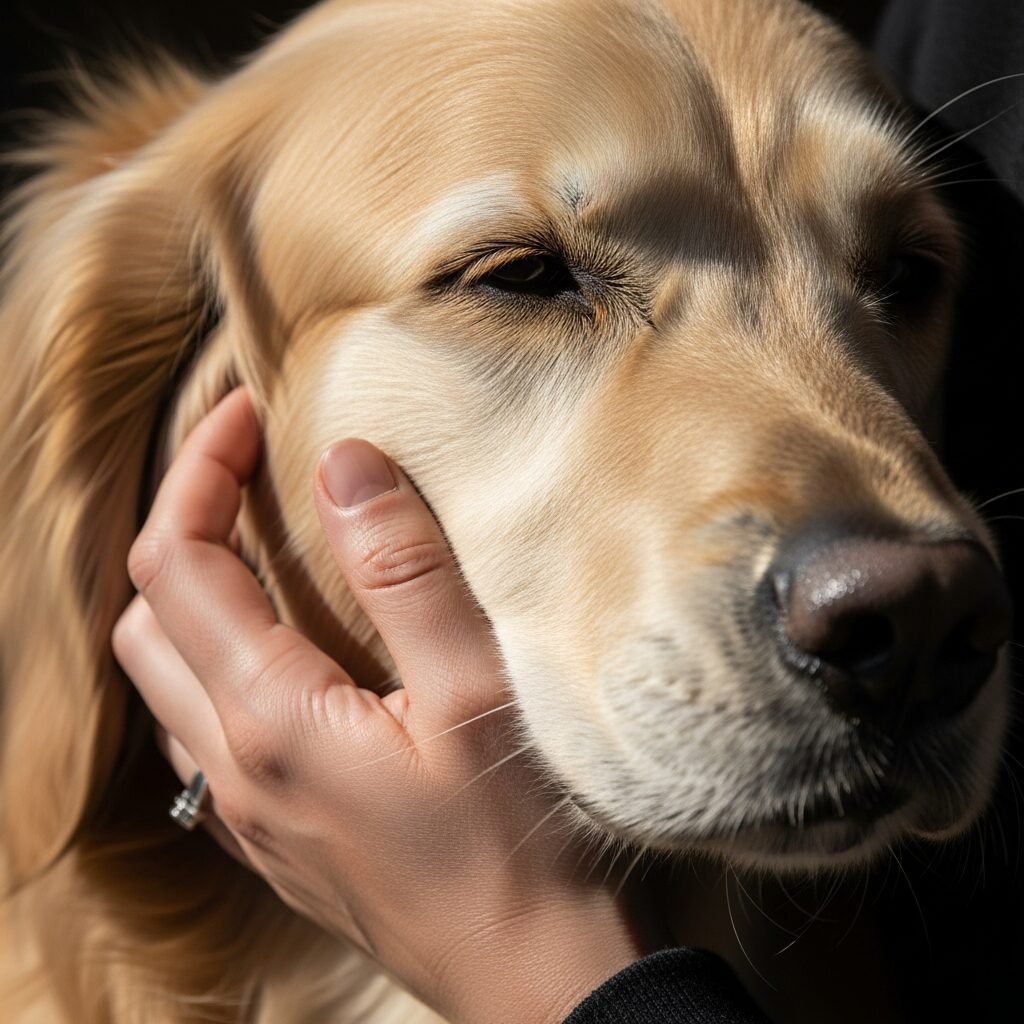
At the heart of all these signs is the invaluable bond you share with your dog. Trust isn’t given instantly; it’s earned through consistent kindness, understanding, and meeting their needs.
When your dog feels safe, they are more confident, less prone to anxiety, and happier overall. This deep security allows their true personality to shine through, enriching both your lives.
It allows them to be the goofy, loving, loyal companions we cherish so much. Nurturing this feeling of safety is one of the greatest gifts we can give our canine family members.
Troubleshooting: What if My Dog Doesn’t Show These Signs?
If your dog isn’t displaying many of these signs, don’t despair. Building trust can take time, especially with rescue dogs or those with a difficult past. Here are a few steps you can take:
- Be Patient: Rome wasn’t built in a day, and neither is deep trust. Give your dog time to adjust and feel secure.
- Positive Reinforcement: Focus on rewarding desired behaviors with treats, praise, and gentle petting.
- Establish Routine: Predictability helps reduce anxiety. Stick to regular feeding, walking, and play schedules.
- Create a Safe Haven: Ensure your dog has a quiet, comfortable space where they can retreat and feel safe.
- Avoid Punishment: Yelling or harsh corrections can erode trust and increase fear. Always use gentle, positive methods.
- Consult a Professional: If you’re concerned about your dog’s anxiety or fear, a certified professional dog trainer or veterinary behaviorist can provide tailored guidance and support.


