
8 Reasons Dogs Tilt Their Head
If you’re a dog parent, you’ve undoubtedly witnessed that adorable head tilt. You know, the one where your furry friend cocks their head to one side, ears perked, eyes wide, as if trying to understand the deepest secrets of the universe, or perhaps just what that crinkling sound from the kitchen means. It’s one of the most charming and universally loved canine behaviors, often melting our hearts instantly.
But have you ever stopped to wonder why they do it? Is it just for attention, or is there a deeper, more scientific reason behind this endearing gesture? As dog parents, understanding our pets’ behaviors helps us connect with them on a more profound level and better meet their needs. Let’s dive into the fascinating world of dog head tilts and uncover the top reasons why our beloved companions perform this delightful move.
Understanding Your Dog’s Communication
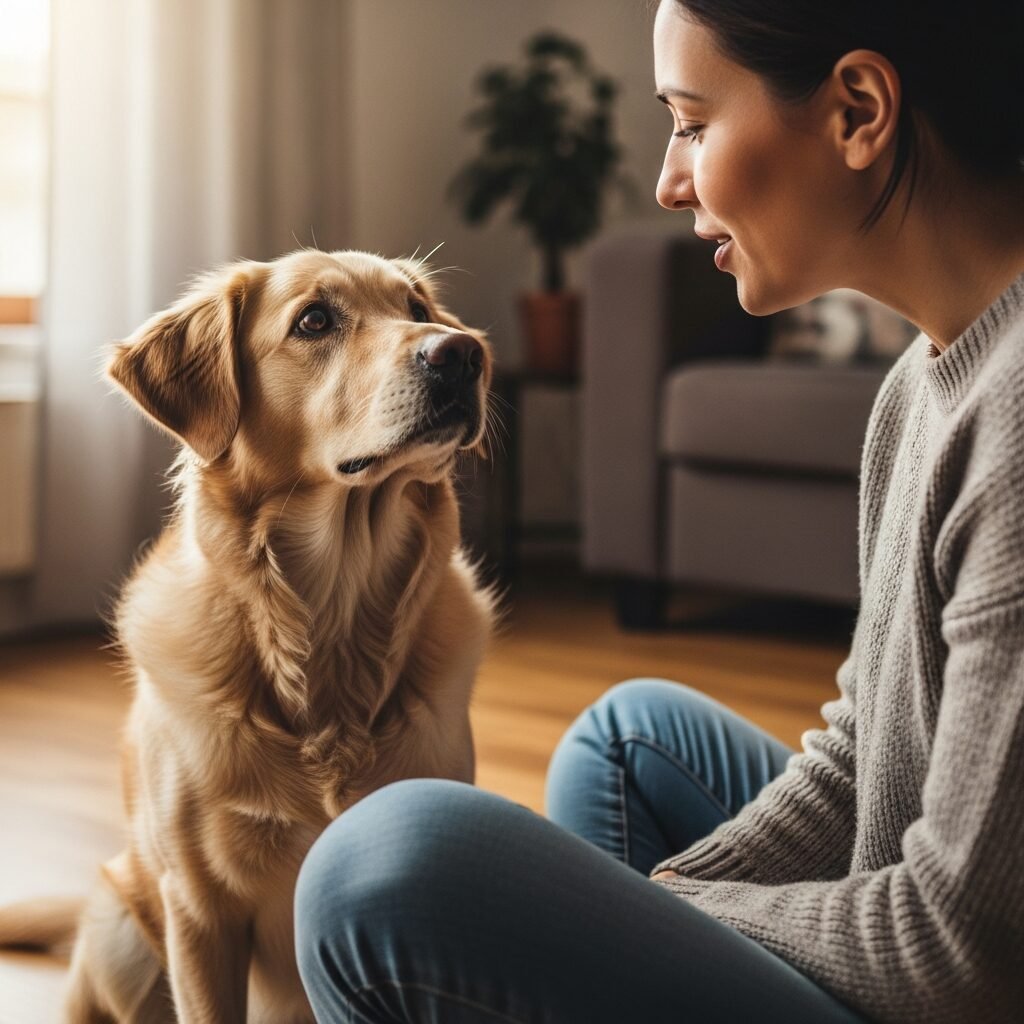
Dogs communicate with us in countless ways, from the wag of a tail to a specific bark. Their body language is a rich tapestry of signals, and the head tilt is certainly a significant thread in that fabric. While it’s undeniably cute, it’s also a powerful non-verbal cue that offers insights into their sensory world and cognitive processes.
It’s Not Just Cute, It’s Meaningful
For a long time, the head tilt was largely a mystery, attributed mostly to a ‘cute factor.’ However, modern behavioral science and veterinary insights suggest that this behavior is far more than just an endearing quirk. It’s often a purposeful action, driven by their incredible senses and their deep desire to understand our world, and especially, our words.
The 8 Reasons Dogs Tilt Their Head
1. They’re Trying to Hear Better
One of the most widely accepted reasons for a dog’s head tilt is to optimize their hearing. Dogs possess an incredible sense of hearing, far superior to ours, capable of detecting sounds at much higher frequencies and from greater distances. However, even with this advantage, certain sounds can be tricky to pinpoint.
By tilting their head, dogs subtly change the position of their outer ears (pinnae). This adjustment helps them funnel sound waves more effectively into their ear canals, allowing them to better localize the source of a sound. It’s like us turning our head or cupping an ear to catch a faint whisper from across the room.
This behavior is especially noticeable when they hear an unusual or novel sound, a high-pitched noise, or when you use specific tones in your voice. They’re essentially trying to get a better ‘audio fix’ on what’s happening around them, processing the nuances of the sound to understand its direction and meaning.
2. They’re Trying to See Your Face Better
While dogs primarily rely on their sense of smell and hearing, their eyesight also plays a crucial role in understanding their environment and interacting with us. However, a dog’s long muzzle can sometimes obstruct their frontal view, especially when trying to focus on something directly in front of their nose – like your mouth.
Think about it: when you speak, your mouth moves, and your facial expressions change. By tilting their head, a dog might be adjusting their line of sight to get a clearer view of your face, particularly your mouth and eyes. This allows them to better ‘read’ your expressions and body language, helping them interpret your words and emotions.
For breeds with longer snouts, this visual adjustment can be even more important. They want to see every nuance of your facial cues, connecting your words with your emotions and intentions. It’s their way of making sure they don’t miss any part of the ‘conversation.’
3. They’re Processing Information (Cognitive Response)
Dogs are incredibly intelligent creatures, constantly learning and processing information from their environment. When you speak to your dog, especially if you use words they recognize or a tone that suggests a command or question, they’re actively trying to make sense of it all. The head tilt can be a sign of deep concentration and cognitive effort.
It’s like a human furrowing their brow in thought. When your dog tilts their head, they might be mentally sifting through their vocabulary of learned words, trying to match your sounds to known commands, objects, or actions. They are truly listening and thinking, trying to connect the dots in their furry brains.
This behavior often occurs when you introduce a new word or concept, or when you speak in a particularly expressive tone. They are trying to ‘decode’ your message, using all their senses to understand what you’re asking or telling them.
4. They’re Associating Sounds with Actions or Rewards
Dogs are masters of association. They quickly learn to link specific sounds with certain outcomes or rewards. For example, the crinkle of a treat bag, the jingle of keys, the sound of their leash being picked up, or specific words like ‘walkies!’ or ‘dinner!’
When they hear these familiar, positive-association sounds, a head tilt can be a sign of anticipation. They’re not just hearing the sound; they’re connecting it to the good things that usually follow. The tilt can be a moment of ‘Is it happening now?!’ or ‘I know that sound! What’s next?’
This is a classic example of operant conditioning at play. They’ve learned that certain auditory cues lead to happy events, and the head tilt is part of their excited, focused response as they await the impending reward.
5. It’s an Inherited Trait or Breed Predisposition
While not definitively proven, some veterinarians and behaviorists suggest that certain breeds or individual dogs might be more prone to head tilting than others. This could be due to their specific ear set, skull shape, or even their natural inclination for attentiveness.
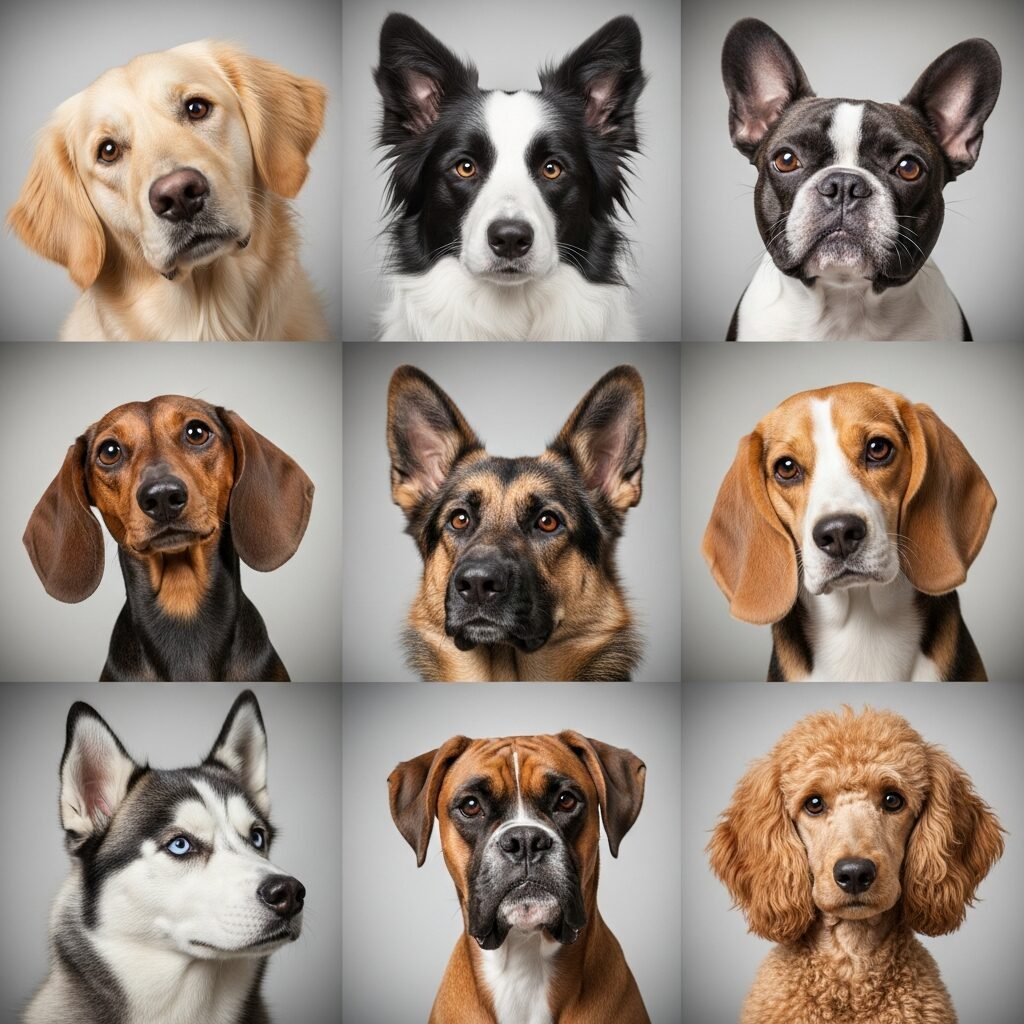
For instance, dogs with floppy ears might tilt their heads more often to better position their ear canals and overcome any physical obstruction their ears might create for sound reception. Breeds known for their keen intelligence and strong bond with humans, like herding breeds, might also exhibit this behavior more frequently as they are constantly tuned into their owners’ cues.
It’s not a hard-and-fast rule, as any dog can tilt their head, but individual genetic predispositions or breed characteristics could play a minor role in how often and how pronounced the tilt is.
6. They’ve Learned It Gets a Positive Reaction (Learned Behavior)
Let’s be honest: when our dogs tilt their heads, we usually react with an enthusiastic ‘Aww!’ or ‘How cute!’ We might give them extra praise, a gentle pat, or even a treat. Dogs are incredibly smart and quick to pick up on behaviors that earn them positive attention from their favorite humans.
If a dog learns that tilting their head consistently results in positive reinforcement (attention, praise, affection), they are very likely to repeat that behavior. It becomes a learned trick, a charming way for them to ‘ask’ for your engagement and adoration.
This doesn’t mean their initial tilt wasn’t for a sensory reason, but over time, the positive human reaction can reinforce and even increase the frequency of the head tilt. It’s a testament to how closely our dogs observe and respond to our emotional cues.
7. Underlying Health Issues (Less Common, But Important)
While most head tilts are harmless and endearing, it’s crucial for dog parents to recognize when this behavior might be a sign of something more serious. If a head tilt is persistent, involuntary, accompanied by other worrying symptoms, or seems to cause discomfort, it’s time to consult your veterinarian.
Potential health issues that can cause a persistent head tilt include ear infections (which can cause pain or a feeling of imbalance), vestibular disease (affecting balance and coordination), neurological problems, or even hearing loss in one ear. These conditions can make a dog feel disoriented or unbalanced, leading to an involuntary tilt.
Always observe your dog closely. If the tilt appears suddenly, is constant, or is accompanied by other symptoms like loss of balance, circling, eye twitching, walking into things, or pawing at their ears, seek veterinary attention immediately. Early diagnosis can make a significant difference.
8. Showing Empathy and Connection
Dogs are incredibly empathetic creatures, deeply attuned to the emotions of their human companions. When we’re sad, happy, or even just speaking to them in a soft, gentle voice, they often mirror our emotions or try to comfort us. A head tilt can be a profound sign of this emotional connection.
When you’re speaking to your dog with emotion in your voice, or perhaps expressing a little sadness, their head tilt might be a way of showing they are listening intently and connecting with you on an emotional level. It’s their way of saying, ‘I hear you, I understand, and I’m here for you.’
This aspect of the head tilt reinforces the incredible bond we share with our dogs. It’s a non-verbal affirmation of their loyalty, understanding, and unconditional love, making the gesture even more special.
When to Be Concerned About a Head Tilt
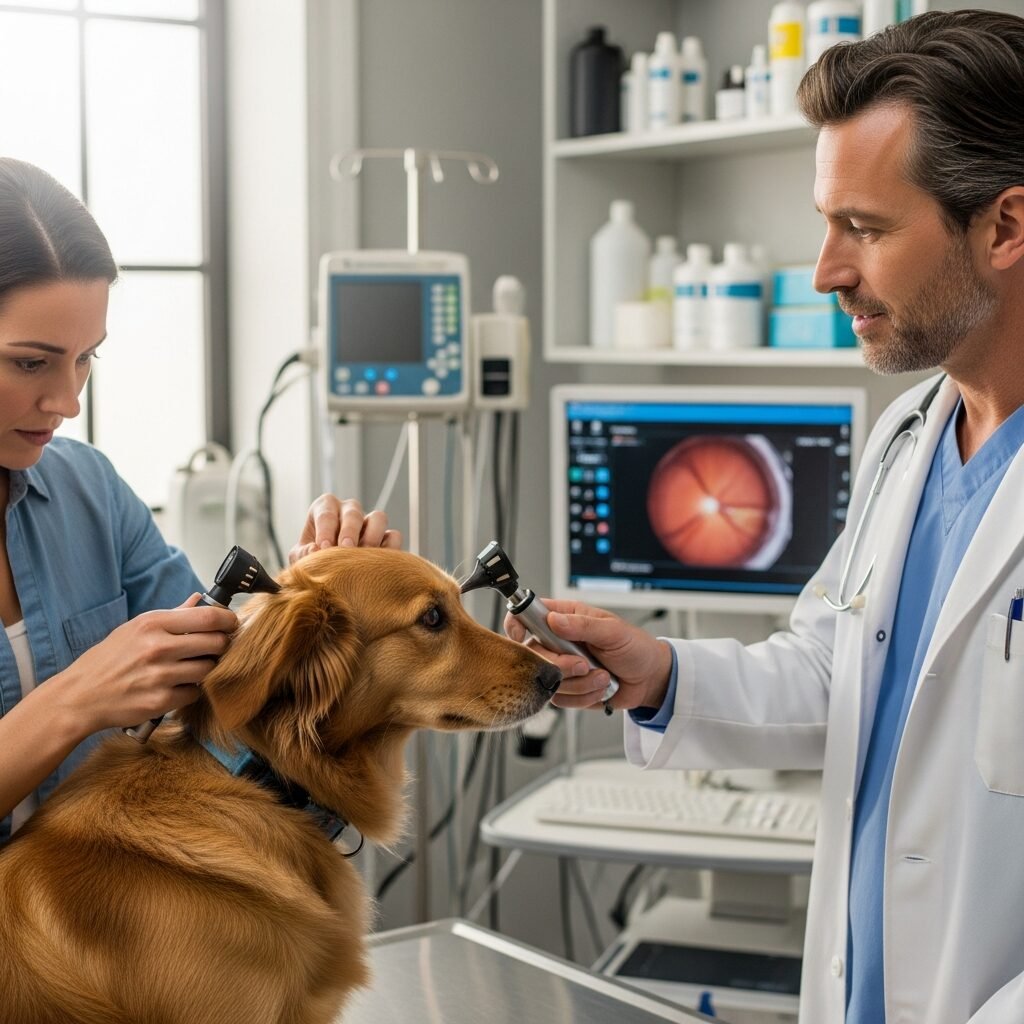
Most of the time, a dog’s head tilt is a normal, healthy, and adorable behavior. However, it’s important to differentiate between a curious, temporary tilt and one that might signal an underlying health issue. A ‘red flag’ head tilt is usually persistent, appears suddenly, or is accompanied by other symptoms.
- Loss of balance or coordination (stumbling, falling, circling)
- Disorientation or confusion
- Nystagmus (involuntary, rapid eye movements)
- Vomiting or decreased appetite
- Visible redness, discharge, or foul odor from the ear
- Pawing at the ear or shaking the head excessively
- Changes in temperament or lethargy
- A tilt that is constant and doesn’t resolve
If you observe any of these symptoms alongside a head tilt, please do not hesitate to contact your veterinarian. Early intervention is key for many of these conditions.
Encouraging Your Dog’s Adorable Head Tilts (If Desired)
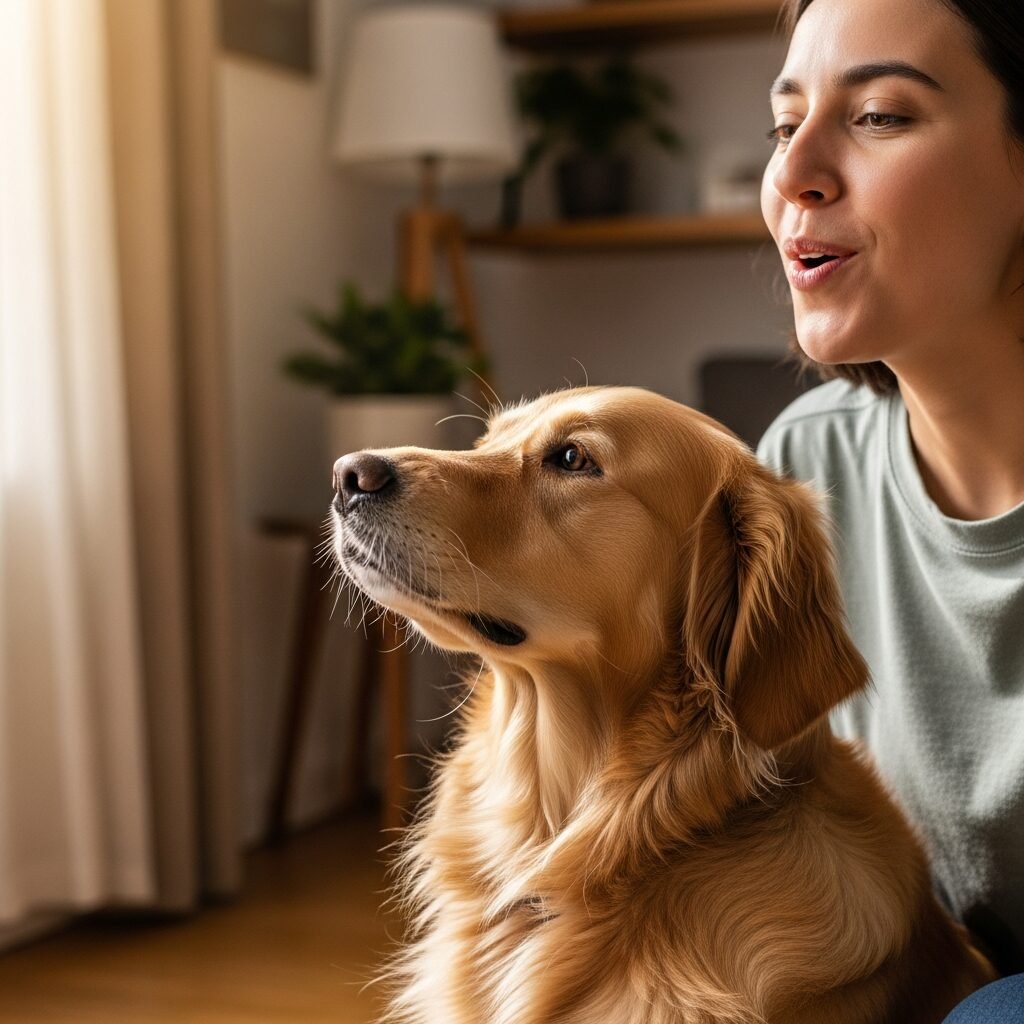
Since we know that head tilts are often a sign of attentiveness and engagement, you can gently encourage this delightful behavior if you enjoy seeing it. The best way is to simply talk to your dog in varying tones, especially using higher pitches or ‘baby talk’ when you’re interacting with them.
You can also introduce new or unusual sounds – perhaps a novel squeaky toy or a unique vocalization – and observe their reaction. When they do tilt their head, offer plenty of praise and positive reinforcement. Just remember, never force or tease your dog; the goal is to enhance their natural curiosity and communication with you.


