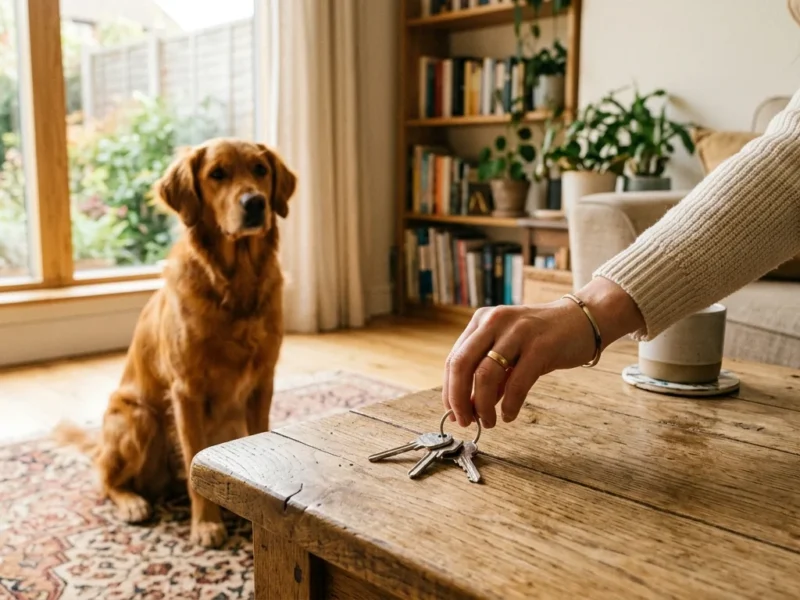
As loving dog parents, we always want the best for our furry family members. We provide comfy beds, delicious food, and endless cuddles. But sometimes, even with all our love, our dogs might be feeling a little stir-crazy and underwhelmed. Just like us, dogs need purpose, stimulation, and a variety of activities to stay happy and healthy. A bored dog isn’t just a bit lazy; they can actually develop behavioral issues that are frustrating for both of you.
Recognizing the signs of boredom is the first step toward enriching your dog’s life. Think of it as a subtle cry for help or a gentle nudge that they need more engagement. If you’ve noticed your dog acting a little out of character lately, it might be time to investigate if boredom is the culprit. Let’s dive into some common indicators that your beloved companion might be feeling a bit uninspired at home.
Why is Your Dog Bored? Understanding the Root Cause

Before we jump into the signs, it’s helpful to understand why a dog might get bored in the first place. It’s usually not a reflection of your care, but rather a mismatch between their natural needs and their daily routine. Understanding the root causes can help you tailor your solutions effectively.
Lack of Mental Stimulation
Dogs, especially intelligent breeds, thrive on mental challenges. Their ancestors had to hunt, forage, and problem-solve daily. Modern house dogs often don’t get these opportunities. If their minds aren’t engaged, they’ll find their own “work” which might involve shredding your couch cushions or ‘rearranging’ the trash.
Insufficient Physical Exercise
Every dog needs daily physical activity, but the amount varies greatly by breed, age, and individual personality. A short walk around the block might be enough for a senior pug, but a young husky or Labrador needs much more to burn off energy. Pent-up physical energy often translates into destructive or restless behavior indoors.
Not Enough Social Interaction
Dogs are social creatures. They thrive on interaction with their human families and, often, with other dogs. If they’re left alone for long periods without quality interaction, they can feel isolated and bored. Even if you’re home, if you’re constantly busy and not engaging with them, they can still feel neglected.
Changes in Routine or Environment
Dogs are creatures of habit. A sudden change in your work schedule, a new baby, a move to a new house, or even just a long spell of bad weather keeping them indoors can disrupt their sense of normalcy. These changes can lead to anxiety and, you guessed it, boredom if their needs aren’t adjusted for the new situation.
The 6 Key Signs Your Dog is Bored at Home

Now that we’ve explored the ‘why,’ let’s focus on the ‘what.’ Here are the most common ways your dog might be telling you they’re bored and need more to do. Pay close attention to these cues; they’re your dog’s way of communicating.
1. Destructive Chewing and Digging
This is often the first and most obvious sign for many dog parents. If your shoes, furniture legs, or even walls are suddenly becoming chew toys, your dog is likely trying to alleviate boredom. Chewing is a natural dog behavior, but when it targets inappropriate items, it’s a clear signal.
- Why it happens: Chewing provides mental stimulation, releases endorphins, and is a way to cope with stress or excess energy. Digging, for many breeds, is an instinctive behavior that can be used to escape boredom, cool down, or just create something to do.
- What to look for: New damage to household items, shredded mail, torn up bedding, or sudden holes appearing in your garden or even carpets.
Your dog isn’t doing it to spite you; they’re doing it because they need an outlet. It’s like a human pacing or drumming their fingers when bored or anxious.
2. Excessive Barking, Whining, or Howling
While some barking is normal, especially when someone’s at the door, constant or aimless vocalization can be a major sign of boredom and frustration. Your dog might be trying to get your attention, express their discontent, or simply entertain themselves by making noise.
- Why it happens: It’s a plea for interaction. They might be trying to initiate play, signal their need to go out, or just alleviate the quiet monotony of an unstimulating environment. Some breeds are naturally more vocal, but excessive noise from even quiet breeds is a red flag.
- What to look for: Barking at nothing in particular, whining at you constantly, or prolonged howling when left alone (which neighbors might tell you about!).
It’s important to distinguish this from anxiety barking. While there can be overlap, boredom barking is often less panicked and more of a persistent, attention-seeking noise.
3. Repetitive or Obsessive Behaviors
When dogs don’t have enough constructive outlets, they can develop repetitive behaviors, sometimes called ‘stereotypies.’ These can be unsettling to watch and are a strong indicator that your dog is under-stimulated and potentially stressed. These behaviors serve as a coping mechanism.
- Why it happens: These behaviors release energy and provide a form of self-stimulation when no other engaging activities are available. They can be a way to manage anxiety, boredom, or frustration. Think of it as a nervous habit.
- What to look for: Compulsive tail chasing, excessive licking of paws or other body parts (sometimes leading to hot spots), pacing endlessly, light or shadow chasing, or constantly nudging objects with their nose.
If you notice these behaviors, it’s crucial to intervene and provide more enrichment. Left unaddressed, they can become deeply ingrained habits and even lead to physical harm, like skin infections from constant licking.
4. Lethargy and Lack of Interest
Not all bored dogs are destructive. Some react to under-stimulation by becoming withdrawn and unusually sleepy. If your normally playful pup suddenly seems uninterested in their toys, walks, or even your attention, boredom could be at play. They simply have nothing to do and no motivation to do anything.
- Why it happens: A lack of mental and physical engagement can lead to a kind of canine depression or apathy. If there’s no novelty or challenge, why bother exerting energy? It’s their way of conserving resources in an unstimulating environment.
- What to look for: Excessive sleeping (beyond normal nap times), disinterest in previously loved toys or activities, reluctance to go for walks, or a general lack of enthusiasm for interaction.
Of course, always rule out any underlying medical conditions first if your dog’s energy levels drastically change. But once health is cleared, consider boredom as a strong possibility.
5. Nuisance Begging or Attention-Seeking
Do you feel like your dog is constantly underfoot, nudging you, pawing at you, or bringing you toys incessantly even when you’re busy? This isn’t always just affection; it can be a clear sign they’re bored and desperately seeking interaction and stimulation from you. They’ve run out of ways to entertain themselves.
- Why it happens: Your dog is trying to get you to engage with them. Any attention, even negative attention (like you telling them to stop), is better than no attention at all when they are bored. They’re trying to spark some activity.
- What to look for: Persistent nudging, pawing, dropping toys at your feet repeatedly, following you from room to room with no other purpose, or constantly trying to get into your lap or space.
While it can be annoying, try to remember it comes from a place of need. They are asking you, in the only way they know how, to help them fill their time.
6. Escapist Behavior or Restlessness
This sign is often a more intense manifestation of boredom and pent-up energy. If your dog is constantly pacing, trying to bolt out the door whenever it opens, or even attempting to dig under fences, they are likely desperate for an escape from their current, unstimulating environment. They want to find something, anything, to do.
- Why it happens: This is a strong indicator of both physical and mental under-stimulation. They have excess energy and an innate drive to explore, and if those needs aren’t met, they will seek to fulfill them elsewhere. The world outside promises novelty and adventure.
- What to look for: Constant pacing indoors, hovering by the door or gate, attempts to run away during walks or when let outside, or showing extreme excitement/anxiety at the mere mention of going out.
This behavior can be dangerous, as it puts your dog at risk of getting lost or injured. It’s a critical sign that your dog needs a significant boost in their daily enrichment.
What Can You Do About Dog Boredom? Practical Solutions!

Recognizing the signs is a huge first step! Now comes the fun part: enriching your dog’s life. Here are some actionable strategies to banish boredom and bring back that spark to your pup’s eyes.
Boost Physical Exercise
This is fundamental. Most dogs need more than just a quick potty break. Tailor the exercise to your dog’s breed, age, and health, but always aim for quality over just duration.
- Longer, more vigorous walks: Explore new routes, allow for sniffing (it’s mentally stimulating!), or try brisk jogs.
- Fetch and play: If your dog loves it, throw a ball or frisbee in the yard or at a local park. Tug-of-war is also a great energy burner.
- Dog parks or daycare: For social dogs, these offer a chance to run and play with other pups.
- Hiking or swimming: If accessible, these are fantastic full-body workouts and expose your dog to new sights and smells.
- Structured play sessions: Even 15-20 minutes of dedicated, high-energy play can make a big difference.
Remember, a tired dog is often a well-behaved dog. Consistent daily exercise is key.
Engage Their Brain with Mental Games
Physical exercise isn’t enough; their minds need a workout too! Mental stimulation can be even more tiring than physical activity for some dogs. Think of it as homework for their brains.
- Puzzle feeders and slow feeders: Instead of a regular bowl, make them work for their meals. These toys dispense food as your dog manipulates them, providing a challenge.
- Obedience training: Regular training sessions, even just 10-15 minutes a day, keep their minds sharp. Teach new tricks or reinforce old commands.
- Interactive toys: Toys that squeak, light up, or move unpredictably can keep them engaged. Rotate toys to keep things fresh.
- Scent work/nose games: Hide treats around the house or yard and encourage your dog to find them. Dogs have an incredible sense of smell, and using it is incredibly satisfying for them.
- Enrichment walks: Let your dog sniff! Don’t rush them. Sniffing is a huge mental workout and allows them to ‘read’ their environment.
Start simple and gradually increase the difficulty of puzzles and training. Celebrate every success to build their confidence.
Enrich Their Environment
Make your home a more interesting place for your dog. A stimulating environment can help prevent boredom even when you’re busy.
- Toy rotation: Don’t leave all toys out all the time. Rotate them weekly to keep them feeling new and exciting. Consider different types: chew toys, squeaky toys, tug toys.
- Window perches: If safe, give your dog a spot where they can comfortably look out the window and watch the world go by. This provides visual stimulation.
- Safe chew items: Provide plenty of appropriate chew toys like Kongs filled with peanut butter, bully sticks, or dental chews. These can keep them occupied for extended periods.
- Snuffle mats: These fabric mats with hidden pockets for treats are fantastic for engaging a dog’s natural foraging instincts.
- Durable chew toys: Especially if your dog is a power chewer, invest in toys designed to withstand strong jaws.
A varied and engaging environment gives your dog options for self-entertainment and discovery, reducing their reliance on you for constant interaction.
Prioritize Socialization
Dogs are pack animals. They need interaction with their family and, for many, with other dogs. Don’t underestimate the power of social connection.
- Quality time with you: Even if it’s just a few minutes of focused petting, belly rubs, or gentle play, make sure you’re truly present and engaging with your dog daily.
- Doggy playdates: If your dog enjoys the company of other dogs, arrange playdates with friends’ dogs or visit a local dog park.
- Doggy daycare: For working parents, a reputable doggy daycare can be a lifesaver, providing supervised play and interaction for several hours a day.
- Family inclusion: Involve your dog in family activities when appropriate, whether it’s a car ride to run errands or relaxing together on the couch in the evening.
- Walks with friends: Walking your dog with a friend and their dog can provide a double dose of social stimulation for both you and your pup.
Regular, positive social interaction helps fulfill their deep-seated need for companionship and belonging.
Consider Professional Help
If you’ve tried everything and your dog’s boredom behaviors persist or seem extreme, don’t hesitate to seek professional guidance. A certified dog trainer or a veterinary behaviorist can provide tailored advice and strategies.
They can help identify underlying issues, rule out anxiety or other behavioral conditions, and design an enrichment plan specific to your dog’s needs and your lifestyle.
Creating a Daily Routine to Prevent Boredom
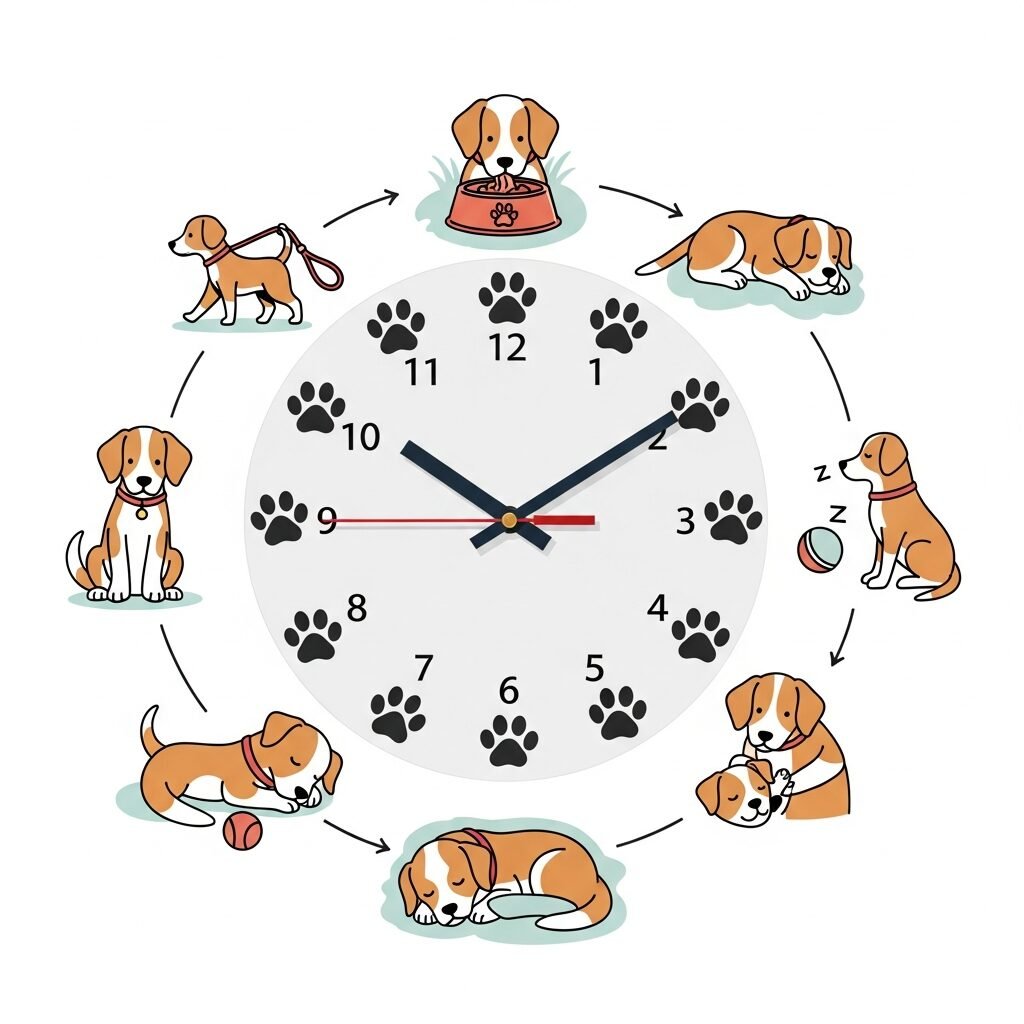
Dogs thrive on routine. A predictable schedule helps them feel secure and gives them expectations for when their needs will be met. Building enrichment into your daily rhythm can dramatically reduce boredom.
Sample Daily Schedule
- Morning (7:00 AM – 9:00 AM): Potty break, vigorous walk (30-45 mins), breakfast in a puzzle feeder, short training session (10 mins).
- Mid-day (12:00 PM – 2:00 PM – if possible): Potty break, quick play session (15 mins), fresh chew toy or Kong, maybe a short sniffy walk.
- Afternoon/Evening (5:00 PM – 7:00 PM): Potty break, longer walk/dog park visit (45-60 mins), dinner in a puzzle feeder, interactive play (fetch, tug).
- Late Evening (8:00 PM – 10:00 PM): Cuddle time, gentle grooming, final potty break before bed.
This is just a sample; adjust it to fit your work schedule and your dog’s specific needs. The key is consistency and ensuring a balance of physical activity, mental stimulation, and social interaction.