9 Behaviors That Show Your Dog Trusts You
As dog parents, we all want to know that our furry friends feel safe, loved, and truly connected to us. There’s a special kind of warmth that comes from realizing your dog sees you as their rock, their protector, and their best friend. This deep connection is built on trust, a fundamental element in any strong relationship, especially the one you share with your canine companion.
But how do you really know if your dog trusts you? They can’t tell us in words, so it’s up to us to learn their language. Dogs communicate through their actions, their body language, and their everyday behaviors. Understanding these subtle cues can help you gauge the depth of your bond and reinforce the wonderful connection you share.
In this article, we’ll explore nine clear behaviors that demonstrate your dog’s unwavering trust in you. Get ready to feel even more connected to your four-legged family member!
Understanding Dog Trust: What Does It Really Mean?
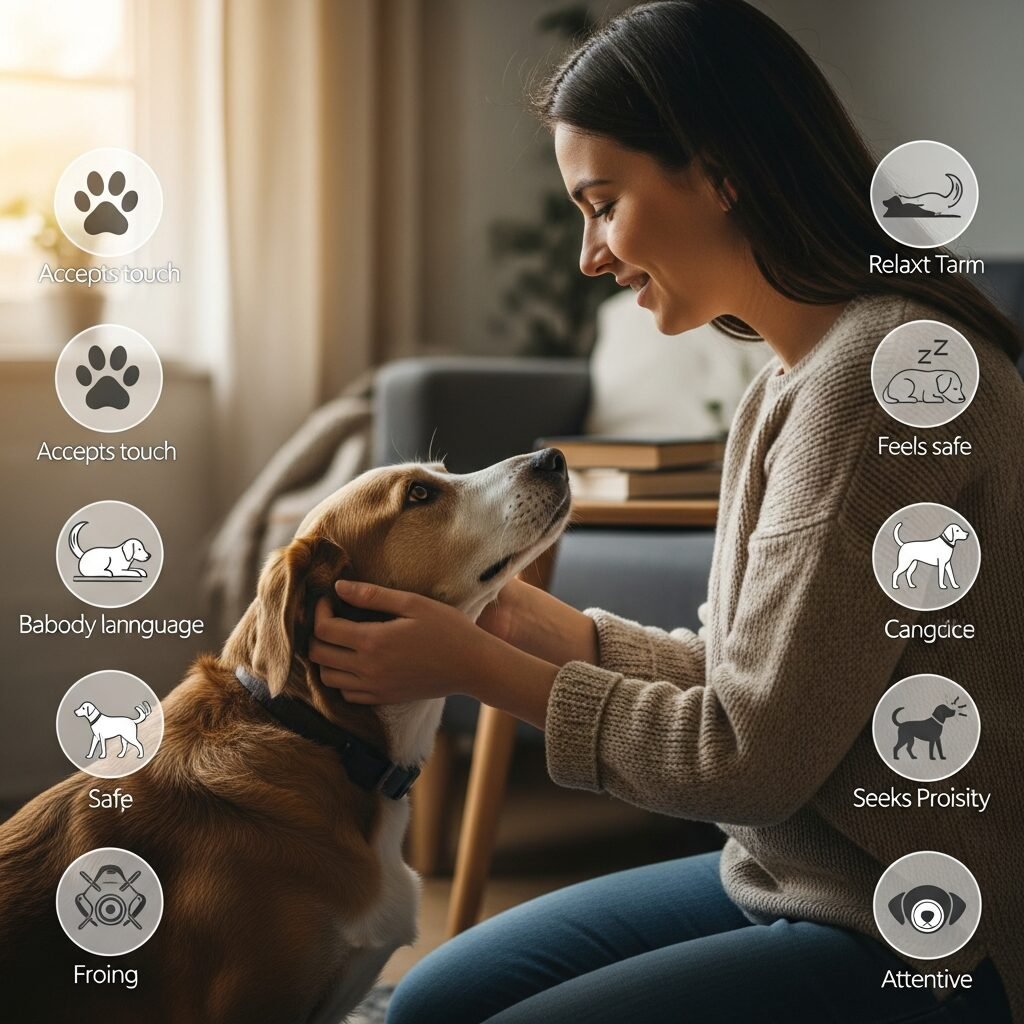
Trust, for a dog, isn’t just about believing you’ll feed them. It’s about feeling secure, knowing you’ll keep them safe, and relying on you to understand their needs. It’s the foundation of a harmonious life together.
The Foundation of a Strong Bond
A trusting relationship with your dog means they view you as a benevolent leader, not a dictator. They feel comfortable being vulnerable around you, knowing you’ll always have their best interests at heart. This bond is built over time through consistent, positive interactions and mutual respect.
How Dogs Communicate Trust
Dogs don’t have human words, but they have a rich vocabulary of body language and actions. A wagging tail, relaxed posture, soft eyes, and specific behaviors like those we’re about to discuss are all ways your dog tells you, “I trust you completely.”
The 9 Behaviors: Signs Your Dog Trusts You Deeply
Let’s dive into the heartwarming behaviors that reveal just how much your dog relies on and trusts you.
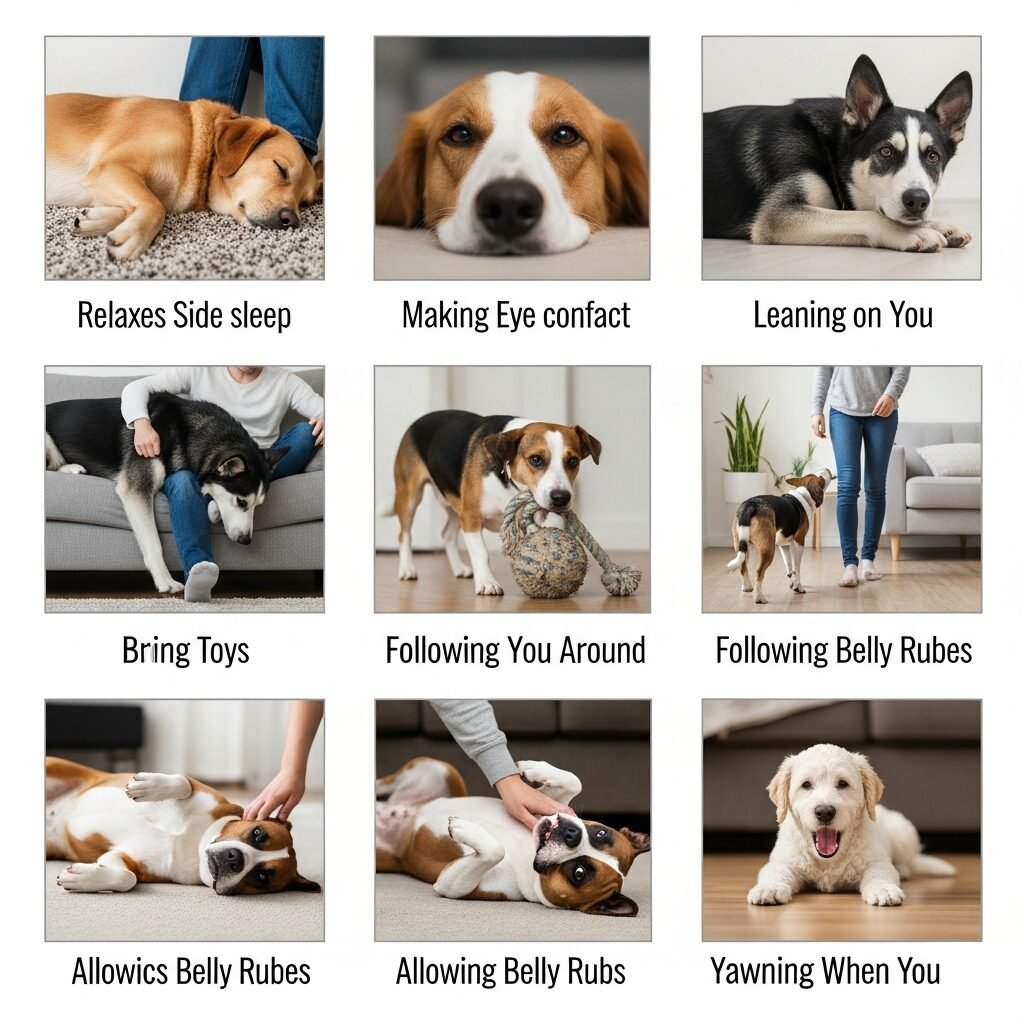
1. They Make Eye Contact with You
When a dog looks into your eyes, especially a soft, prolonged gaze, it’s a powerful sign of connection and trust. Unlike a direct, challenging stare which can be confrontational in the dog world, a loving gaze indicates comfort and affection.
Why Eye Contact Matters
For dogs, direct eye contact with a stranger can be intimidating. But with their trusted human, it’s an invitation to connect, a way to communicate their feelings, and a sign that they feel completely safe in your presence.
Building Trust Through Gaze
Often, your dog might look at you for reassurance in new situations or simply to check in. Responding with a gentle smile and a soft voice reinforces this bond.
2. They Lean or Cuddle Against You
There’s nothing quite like the feeling of your dog leaning their full weight against your legs or snuggling close on the couch. This isn’t just about seeking warmth; it’s a profound display of trust.
The Comfort of Physical Touch
When a dog leans on you, they’re physically declaring you a safe space. They’re seeking comfort and affirming their confidence in your protective presence. It’s a way of saying, “I feel secure when I’m close to you.”
A Safe Haven
This behavior is particularly common during moments of relaxation, like watching TV or resting. It shows they associate you with security and calm.
3. They Follow You From Room to Room
Do you have a furry shadow that trails you everywhere, even into the bathroom? While sometimes a little inconvenient, this “velcro dog” behavior is a huge compliment.
More Than Just Curiosity
This isn’t just about wanting to know what you’re up to. It’s a primal pack behavior, indicating that you are their leader, their source of safety, and their preferred companion. They want to be near you because they trust you to keep them safe.
The Security Blanket
Your presence offers them comfort and security. They feel most at ease when they know where you are, signifying a deep reliance on you.
4. They Bring You Their Favorite Toys
When your dog brings you their cherished squeaky toy or worn-out tennis ball, they’re not just inviting you to play. They’re sharing something precious with you.
Sharing Their Treasures
For a dog, their toys can be highly valued possessions. Presenting them to you is a gesture of sharing and an invitation into their world. It shows they trust you won’t take it away or harm it, but rather engage with them positively.
An Invitation to Play
Beyond sharing, it’s also a sign they trust you to understand their need for interaction and fun. They believe you’ll join in and enjoy playtime together.
5. They Expose Their Belly to You
The ultimate sign of vulnerability and trust in the canine world is exposing their soft underbelly. This position leaves them completely defenseless.
The Ultimate Vulnerability
When your dog rolls over and offers their belly for rubs, they are showing complete submission and absolute trust. They believe you will not harm them and will only provide gentle, loving attention.
Trust in Your Gentle Touch
This behavior is a clear indication that they view you as a kind and trustworthy figure. It’s an open invitation for affection and a testament to their comfort around you.
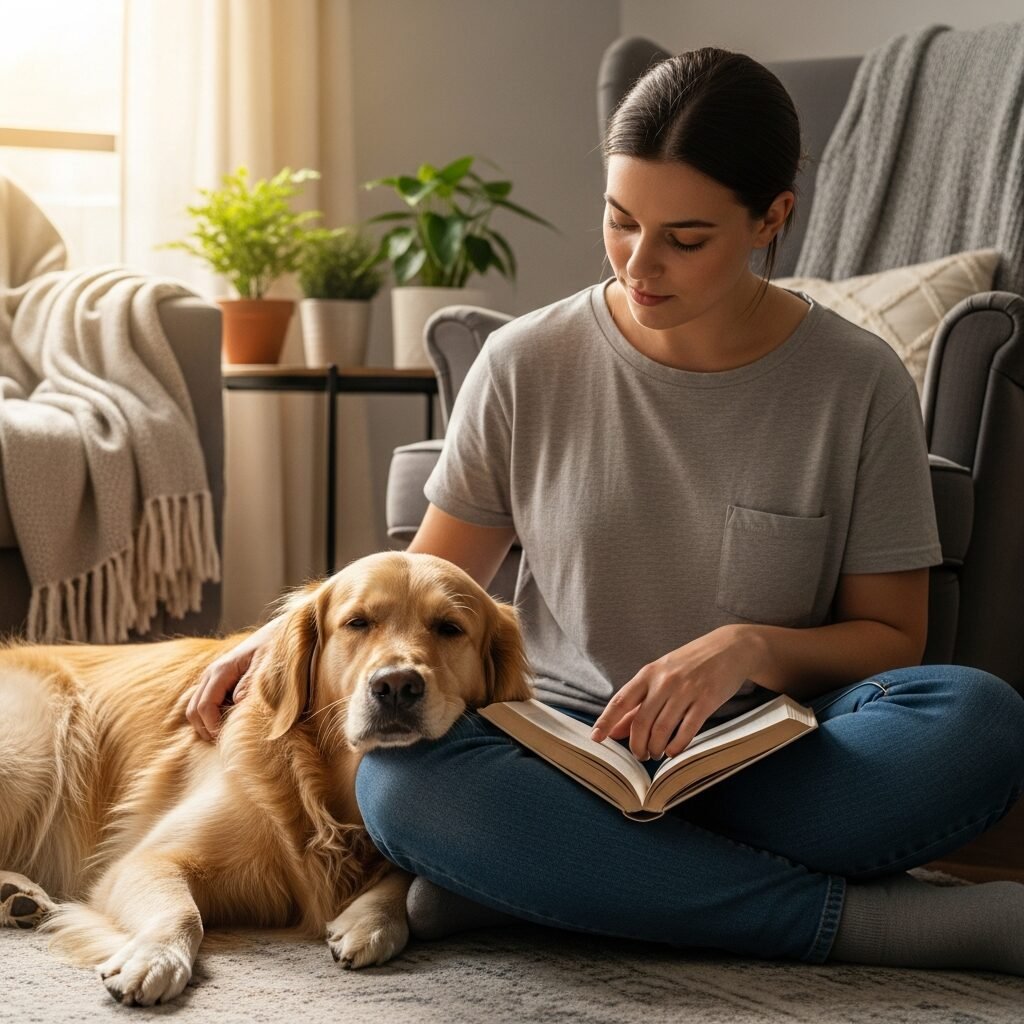
6. They Sleep Near or With You
Where your dog chooses to sleep speaks volumes about their sense of security and trust. Whether it’s on your bed, beside it, or in the same room, proximity is key.
The Pack Instinct
In the wild, pack animals sleep close together for warmth and protection. When your dog chooses to sleep near you, they are reinforcing their bond and showing that they trust you as a part of their inner circle, their pack.
Feeling Safe While Resting
Sleep is a vulnerable state. If your dog can rest soundly and peacefully in your presence, it means they trust you implicitly to protect them from any perceived threats.
7. They Eat Comfortably Around You
A dog’s food is a very important resource. If your dog eats calmly and confidently in your presence, it’s a strong indicator of trust.
No Resource Guarding
Dogs who don’t trust their humans might exhibit resource guarding behaviors, such as growling or eating quickly, to protect their food. A dog that eats without tension shows they don’t fear you will take their food or harm them while they are most vulnerable.
Feeling Secure About Their Food
They feel secure that their meal is theirs and that you are not a threat to their resources. This confidence is a clear sign of trust and a well-established hierarchy where you are seen as the provider.
8. They Seek You Out for Comfort When Scared
When a loud noise, a stranger, or an unfamiliar situation frightens your dog, where do they go? If their first instinct is to come to you for comfort and reassurance, you’ve earned their deep trust.
Your Role as Protector
This behavior highlights that they see you as their primary source of safety and security. They believe you can protect them and make them feel better when they are anxious or afraid.
The Anchor in the Storm
Curling up against you, nudging your hand, or hiding behind your legs are all ways a dog expresses their reliance on you to be their anchor in stressful situations.
9. They Stay Calm When You Leave and Return
While a happy greeting is wonderful, a dog that remains calm and composed both when you leave and when you return is showing a mature level of trust and security.
Confidence in Your Return
This isn’t indifference; it’s confidence. It means your dog trusts that you will always come back, and they are secure enough in your bond not to panic or become overly anxious during your absence.
A Sign of Security, Not Indifference
While they might still be excited to see you, the absence of excessive destructive behavior or extreme distress upon your departure signals a deep-seated trust that their world is stable and you are reliable.
How to Deepen Your Dog’s Trust
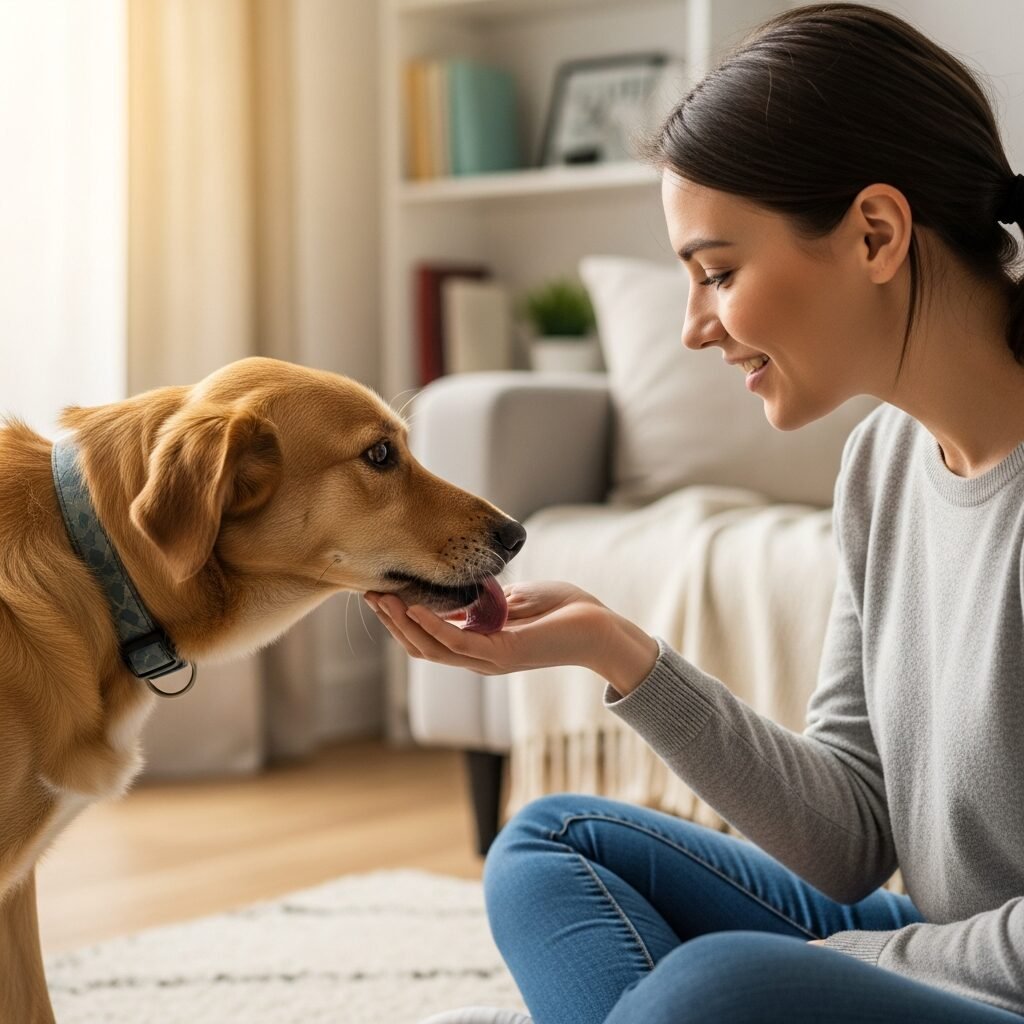
Building and maintaining trust is an ongoing process. Here are some simple ways to strengthen that incredible bond.
Consistent Positive Reinforcement
Always use reward-based training. Praise, treats, and toys make learning fun and associate you with positive experiences. Avoid punishment, which can erode trust.
Regular Exercise and Mental Stimulation
A tired dog is a happy dog. Providing plenty of physical activity and engaging puzzle toys or training sessions meets their innate needs and shows them you care about their well-being.
Gentle Handling and Routine Care
Be gentle during grooming, vet visits, and everyday interactions. Make these experiences as stress-free as possible to reinforce that your touch is always safe and kind.
Quality Time Together
Whether it’s a walk, a cuddle on the couch, or a game of fetch, dedicate time each day to simply “be” with your dog. These shared moments are invaluable for building trust.


