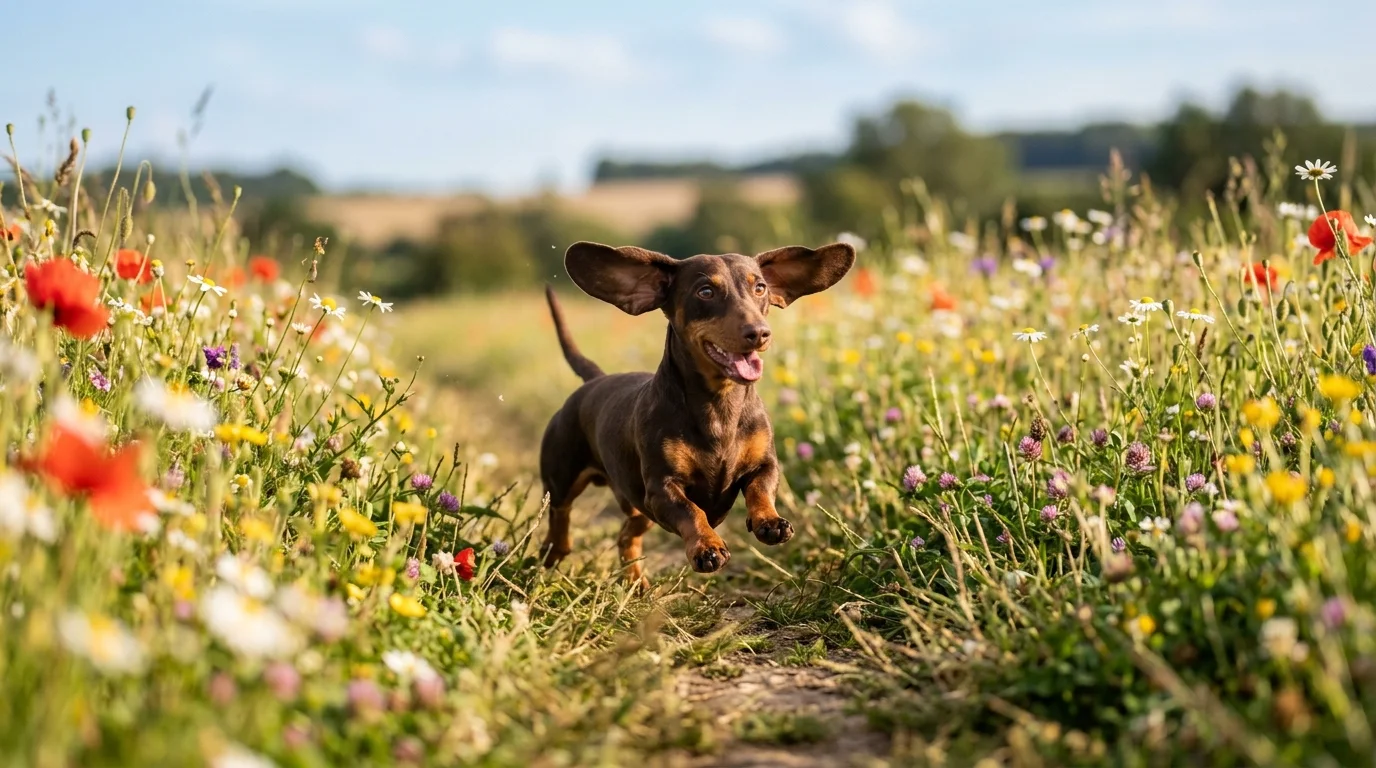
9 Weiner Dog Facts That Will Make You Smile
The Dachshund, affectionately known as the “weiner dog,” is perhaps one of the most recognizable and beloved dog breeds on the planet. With their elongated bodies, short legs, and soulful eyes, they possess a unique charm that has captivated humans for centuries. Whether they are strutting down a city sidewalk or burrowing under a pile of blankets, these “low riders” of the canine world are full of personality and surprises. Beyond their comical appearance lies a history of bravery, a touch of royalty, and a surprising connection to our favorite stadium snacks. Here are nine fascinating facts about Dachshunds that will leave you smiling and appreciating these spunky little hounds even more.
1. Badger Hunters
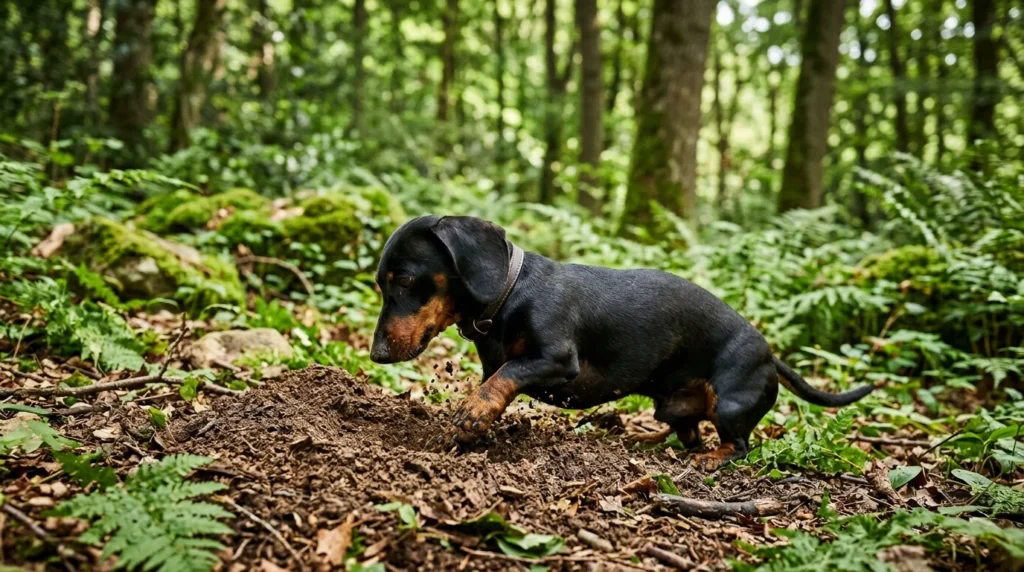
The distinctive shape of a Dachshund isn’t just a quirky evolutionary fluke; it was a deliberate design choice by German breeders. The word “Dachshund” literally translates from German to “badger dog.” Starting around 600 years ago, these dogs were specifically bred to hunt badgers. Their long, tubular bodies allowed them to crawl deep into underground burrows, while their short, sturdy legs were perfect for maneuvering in tight spaces.
Even their tails serve a functional purpose in this regard. The thick, sturdy tail of a Dachshund was designed to be used as a “handle,” allowing hunters to safely pull the dog out of a burrow if it got stuck or needed help wrestling a stubborn badger. While most modern weiner dogs spend more time hunting for treats than woodland creatures, that tenacious, brave digging instinct remains a core part of their DNA.
2. Three Varieties
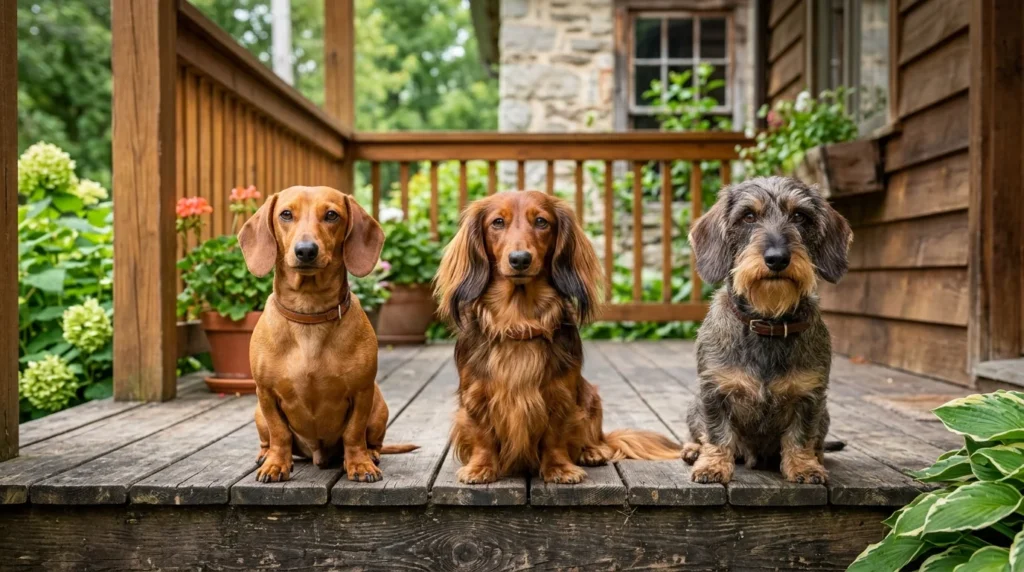
When many people think of a weiner dog, they picture the classic smooth-coated variety. However, the breed actually comes in three distinct coat types: smooth, long-haired, and wire-haired. Each type was developed for a specific purpose related to the environment they hunted in. The smooth coat was ideal for underground work, the long-haired coat provided protection in colder climates, and the wire-haired coat was specifically bred to protect the dog from thorny brush and thickets.
Beyond the coat types, they also come in two official sizes: standard and miniature. In Germany, there is even a third size called the Kaninchen (rabbit size), which is even smaller than the miniature. This variety ensures that there is a Dachshund for every preference, whether you like a sleek athlete or a fluffy, bearded companion.
3. Hot Dogs
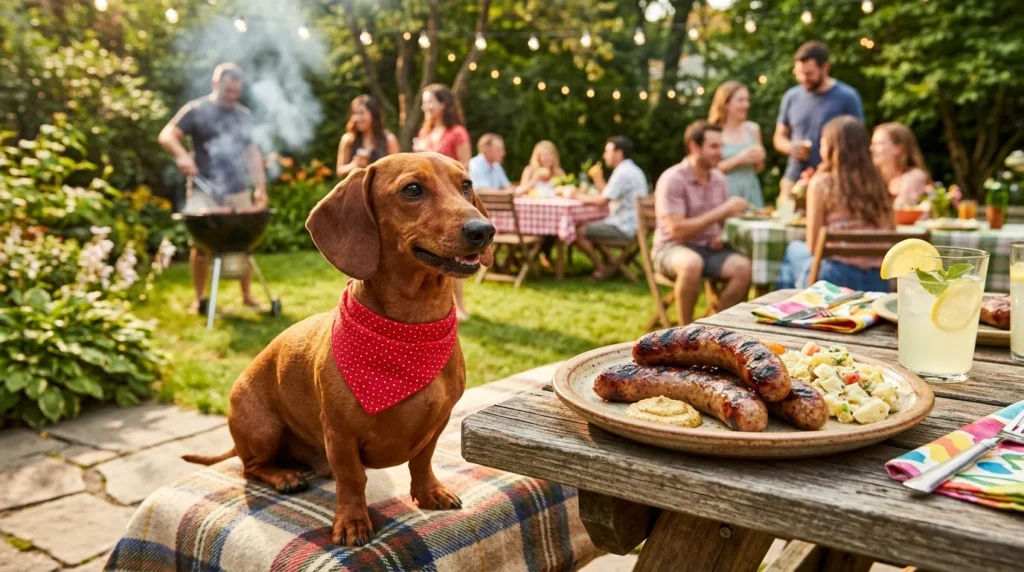
Believe it or not, the “weiner dog” gave its name to the “hot dog,” not the other way around. In the 1800s, German immigrants brought both their elongated dogs and their long sausages (known as “dachshund sausages”) to the United States. Legend has it that at a New York Giants baseball game in 1901, a cartoonist named Tad Dorgan saw a vendor selling these “hot dachshund sausages” and couldn’t figure out how to spell “Dachshund” for his illustration.
Instead, he simply labeled them “hot dogs.” While the veracity of the cartoonist story is often debated by historians, the connection between the breed and the food is undeniable. The name stuck, and today, the term “hot dog” is a staple of American culture, all thanks to the silhouette of a German hunting hound.
4. Olympic Mascot
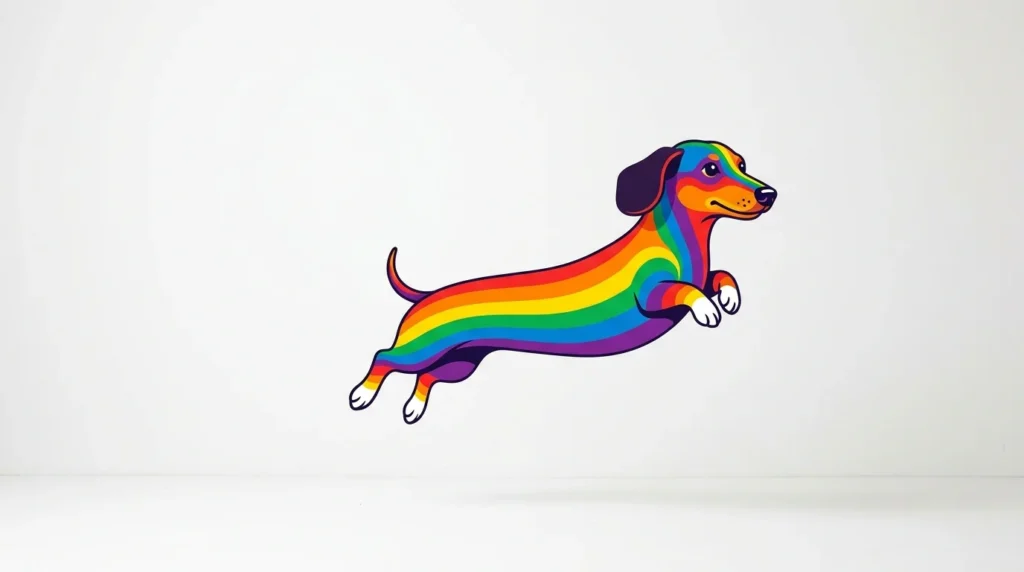
Dachshunds have even made their mark on the world of international sports. For the 1972 Summer Olympics held in Munich, Germany, the official mascot was a Dachshund named Waldi. He was the very first official Olympic mascot in history. The organizers chose the Dachshund because the breed represents the qualities required for a great athlete: resistance, tenacity, and agility.
Waldi was designed with a bright, multi-colored striped body, representing the Olympic colors (excluding the colors used by the Nazi party, to distance the games from Germany’s past). The marathon route of the 1972 games was even designed in the shape of a Dachshund as a tribute to Waldi.
5. Royal Fans

The charm of the weiner dog has reached the highest levels of society. Queen Victoria of Great Britain was a massive fan of the breed and is often credited with boosting their popularity throughout Europe during the 19th century. She famously said, “Nothing will turn a man’s home into a castle more quickly and effectively than a Dachshund.”
The Queen owned several Dachshunds throughout her life, and her public adoration for them helped transition the breed from a working hunting dog to a fashionable companion for the elite. This royal endorsement helped the breed spread across the English-speaking world, where they remain a top favorite to this day.
6. Brave Hearts
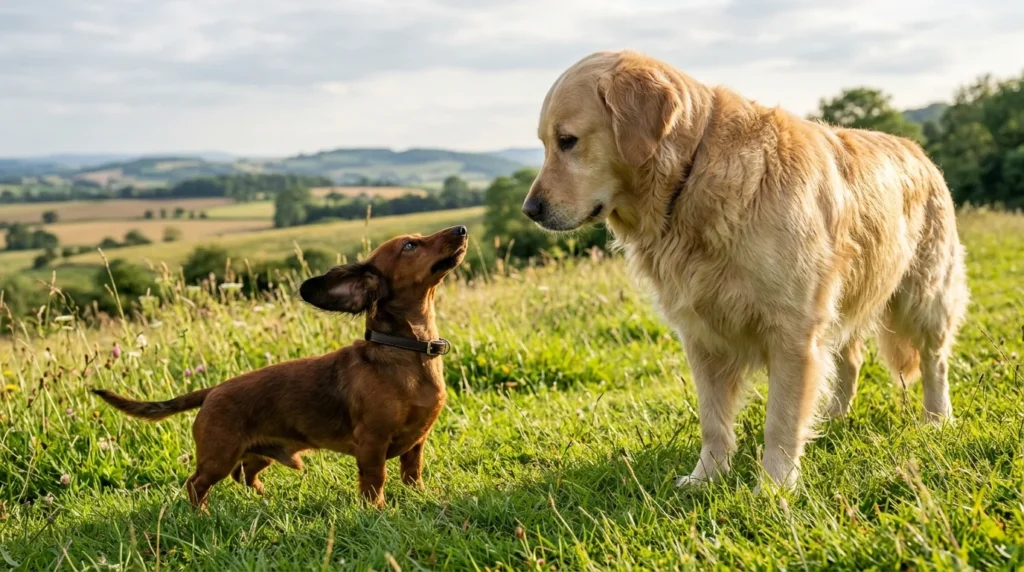
Don’t let their size fool you—Dachshunds have no idea they are small. They are famously “big dogs in small packages.” Because they were bred to face off against badgers (which are notoriously fierce and grumpy animals), they developed a level of courage that borders on recklessness.
This bravery makes them excellent watchdogs. They are highly alert and possess a surprisingly deep, loud bark that sounds like it belongs to a dog twice their size. While they are incredibly affectionate with their families, they are often wary of strangers and won’t hesitate to stand their ground if they feel their home is being “invaded” by a delivery person or a wayward squirrel.
7. Jumping Prohibitions

Because of their unique anatomy—specifically their long spines and very short rib cages—Dachshunds are prone to back issues, most notably Intervertebral Disc Disease (IVDD). About one in four Dachshunds will experience some form of back problem in their lifetime. Because of this, owners are often advised to discourage their “weiner dogs” from jumping off high furniture or stairs.
This has led to a booming industry of “doggy ramps” and “doggy stairs” specifically designed for the breed. Watching a Dachshund master their personal ramp system is one of the cuter sights a pet owner can experience. Despite this physical vulnerability, with proper care, weight management, and a little help getting onto the couch, they live very active and happy lives.
8. Longevity
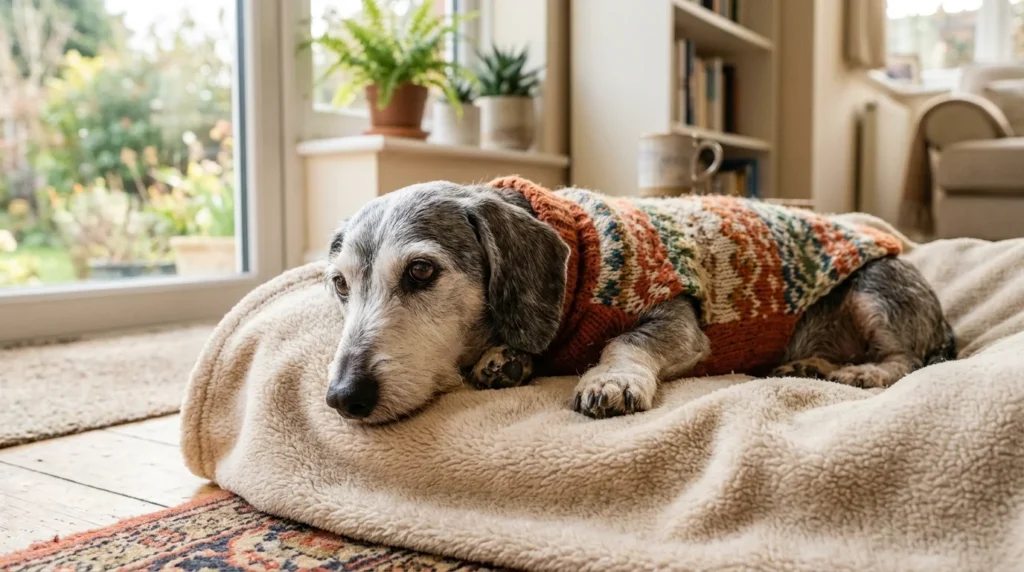
If you bring a Dachshund into your life, be prepared for a very long-term commitment. On average, Dachshunds live between 12 and 16 years, though it is not uncommon for them to reach 18 or even 20. Their longevity is one of the reasons they form such deep, inseparable bonds with their owners.
One of the oldest dogs ever recorded was a Dachshund-terrier mix named Max, who lived to be 29 years old. Another famous Dachshund named Chanel held the Guinness World Record for the world’s oldest dog when she was 21. These “long dogs” truly go the distance, providing nearly two decades of laughs and companionship.
9. First Cloned Dog

In a fascinating turn for modern science, a Dachshund became the first dog in the United Kingdom to be successfully cloned. An owner won a contest to have her beloved 12-year-old Dachshund, Winnie, cloned. The resulting puppy, named “Mini-Winnie,” was born in 2014 and was an exact genetic match to the original.
This scientific milestone highlighted just how much people adore this specific breed. The owner’s desire to preserve the spirit and appearance of her companion was so strong that she turned to cutting-edge technology. While Mini-Winnie has her own personality, the physical resemblance was uncanny, proving that the world just can’t get enough of that classic weiner dog shape.


