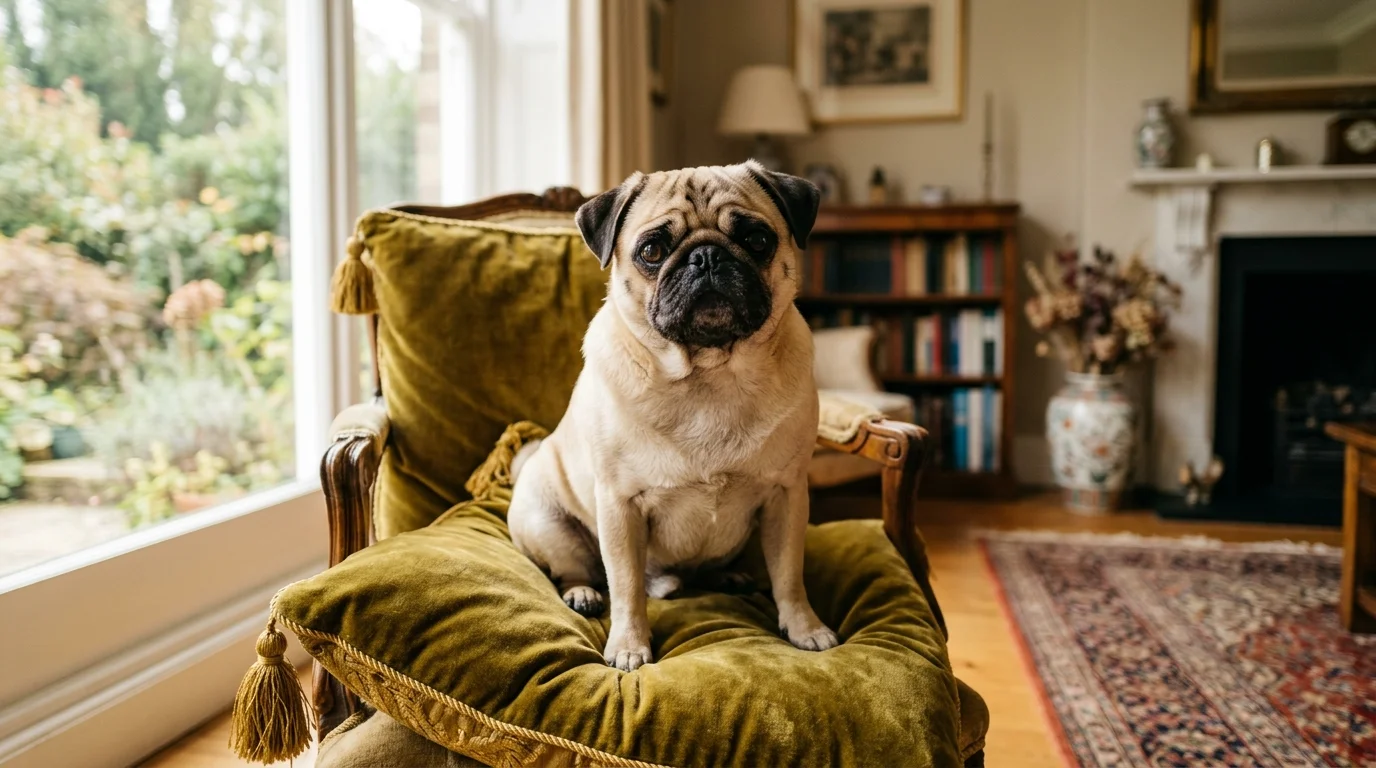
14 Pug Dog Facts Every Future Owner Needs
The Pug is often described as the “clown of the canine world,” a title they earn daily through their expressive faces and comedic antics. With a history that stretches back to ancient dynasties and a personality that fills every corner of a room, these small dogs are much more than just a lap pet. If you are considering bringing one of these “Multum in Parvo” (much in little) dogs into your life, there is a lot you need to understand beyond their cute, wrinkled faces. From their unique health needs to their surprisingly intense shedding, here are 14 essential Pug facts every future owner must know.
1. Ancient Origins
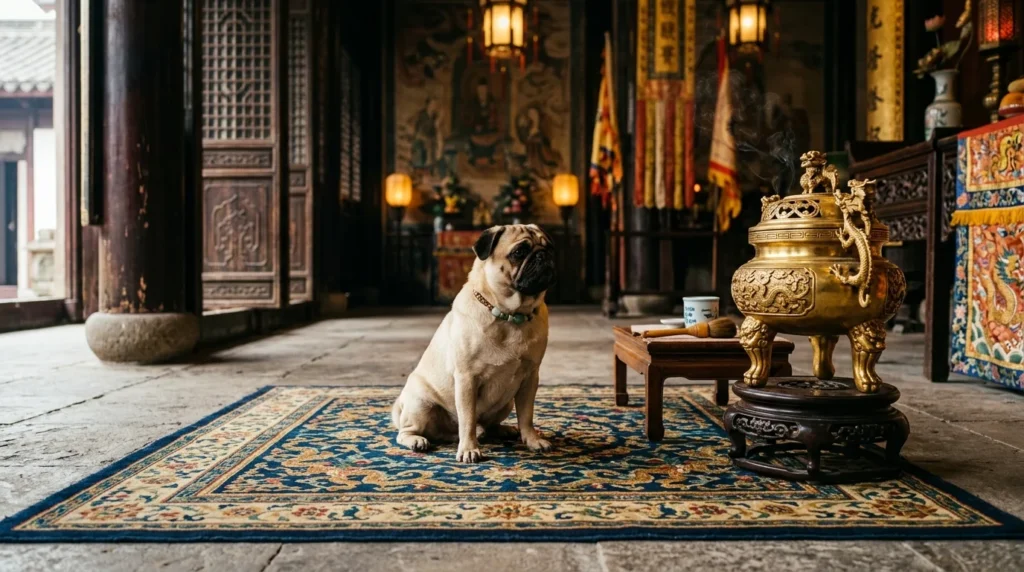
Pugs are one of the oldest dog breeds in existence, with roots tracing back to before 400 B.C. They originated in China, where they were bred specifically to be companions for royalty. Chinese emperors held them in such high regard that the dogs were often guarded by soldiers and lived in extreme luxury. It wasn’t until the 16th century that they were brought to Europe by Dutch traders, eventually becoming the preferred pet of the House of Orange and, later, Queen Victoria. When you own a Pug, you are participating in a lineage of royal companionship that has lasted for millennia.
2. Brachycephalic Nature
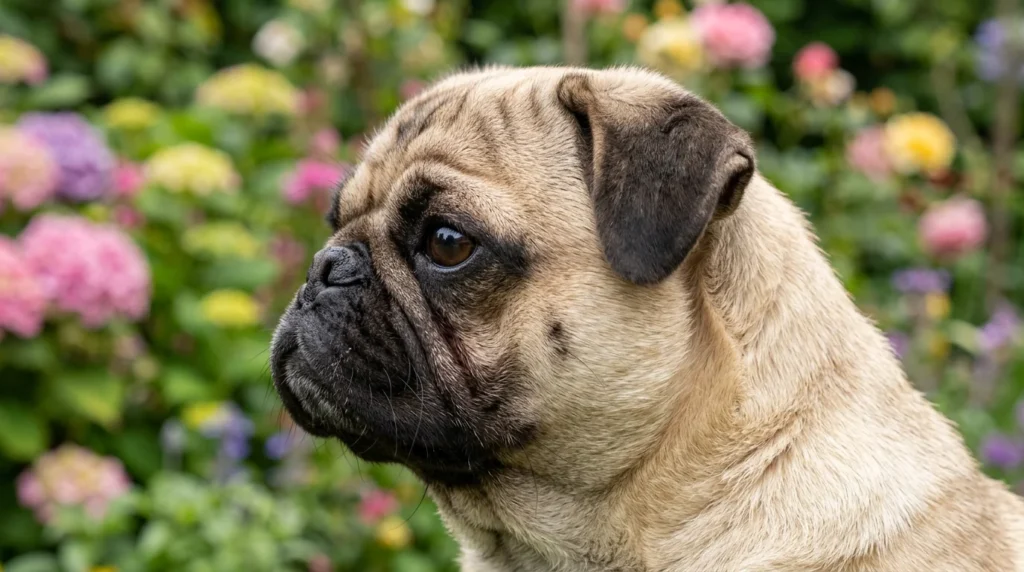
One of the most defining physical characteristics of a Pug is its flat face, scientifically known as being brachycephalic. While this gives them their adorable, human-like expressions, it also comes with significant responsibilities for the owner. Their shortened airways mean they are not efficient at cooling themselves down through panting. This makes them highly susceptible to heatstroke. Future owners must be prepared to monitor their Pug closely in warm weather and ensure they always have access to air conditioning and shade.
3. Velcro Dogs
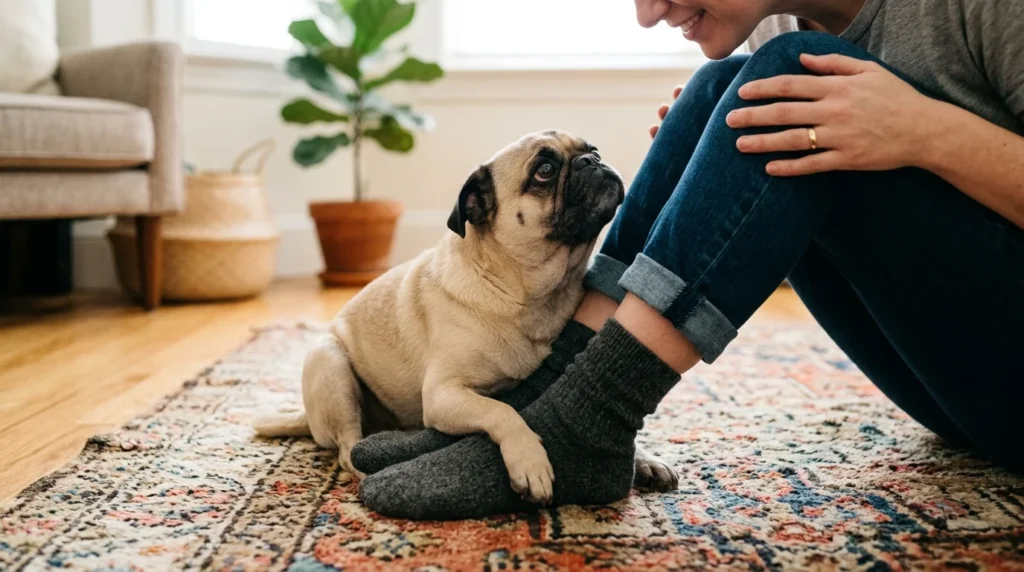
If you value your personal space, a Pug might give you a run for your money. They are famously known as “Velcro dogs.” This breed thrives on human interaction and will likely follow you from room to room, including the bathroom. They do not do well when left alone for long periods and can suffer from separation anxiety. A Pug wants to be in your lap, on your feet, or right by your side at all times. They are the ultimate companion breed, living solely to love and be loved by their humans.
4. Extreme Shedders
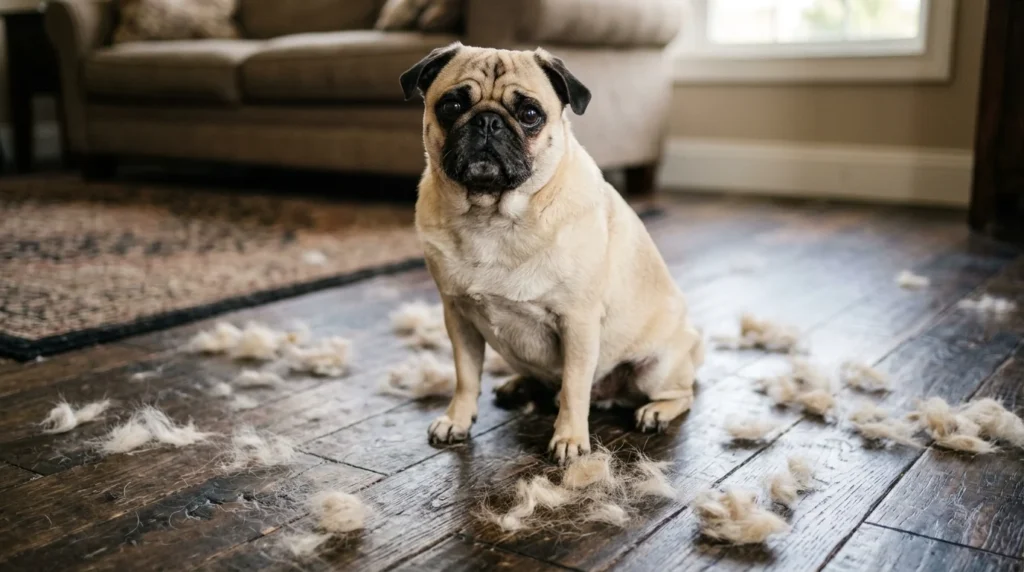
Do not let their short coats fool you. Many prospective owners assume that because a Pug has short hair, they won’t shed much. In reality, Pugs are notorious for being heavy shedders. They have a double coat that releases fur year-round, with heavier shedding periods in the spring and fall. You will find “Pug glitter” (their fur) on your clothes, your furniture, and even in your food. Regular brushing can help manage the volume, but if you are allergic to dog dander or obsessed with a fur-free home, a Pug will be a challenge.
5. Food Obsession
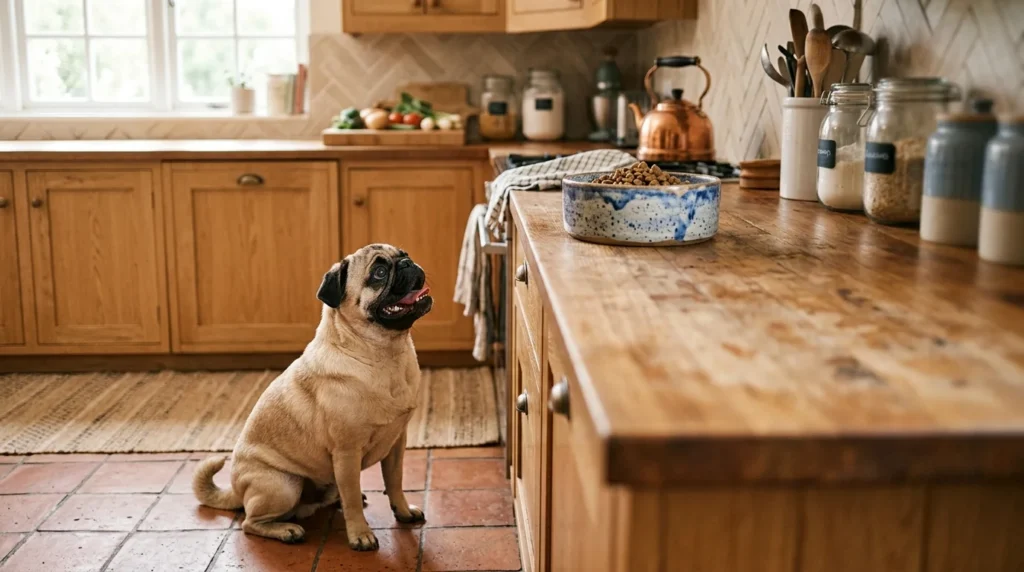
Pugs are highly motivated by food, which is both a blessing and a curse. While their love for treats makes them relatively easy to train compared to other stubborn breeds, it also makes them prone to obesity. A Pug does not have an “off switch” when it comes to eating. Because they are small and not overly active, even a few extra treats a day can lead to significant weight gain. Obesity in Pugs exacerbates their breathing issues and puts unnecessary strain on their joints, so strict portion control is a necessity.
6. Vocal Personalities
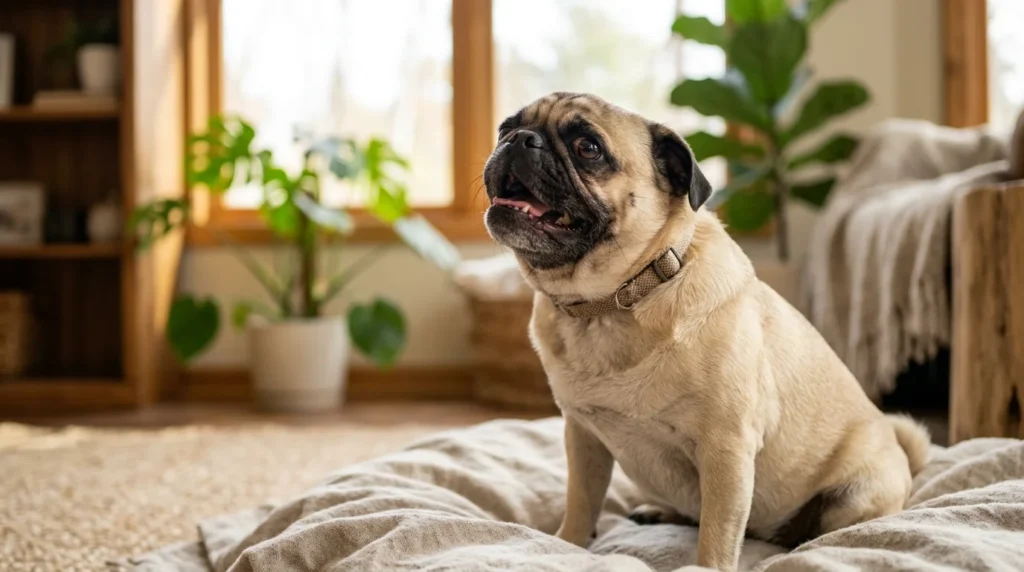
Pugs are not typically big barkers in the traditional sense, but they are incredibly vocal. They make a wide range of sounds often referred to as “Pug talk,” including grunts, snorts, wheezes, and a unique kind of yodel. Because of their flat faces, they are also world-class snorers. If you are a light sleeper, having a Pug in the bedroom might feel like sleeping next to a freight train. Their vocalizations are part of their charm, but they definitely mean your house will never be truly silent.
7. Eye Sensitivity
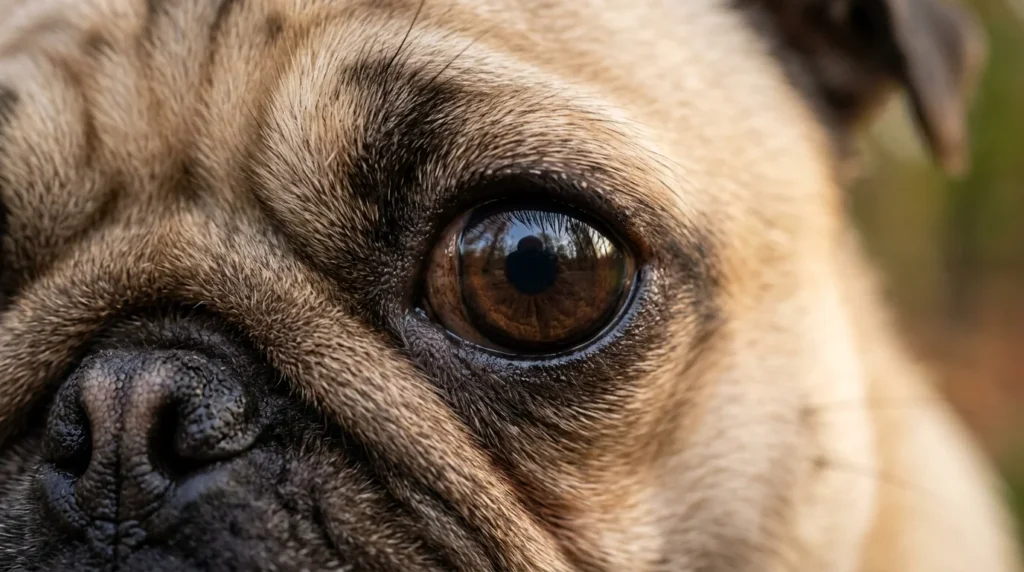
Those large, soulful eyes are one of the breed’s most endearing features, but they are also quite vulnerable. Because their eyes protrude from their skull, they are prone to scratches, ulcers, and infections. Pugs also suffer from a condition called “proptosis,” where the eyeball can actually dislodge from the socket due to trauma. Owners must be careful during play and avoid environments with sharp bushes or tall grass that could poke those sensitive eyes. Regular eye checks are a vital part of Pug maintenance.
8. Moderate Exercise
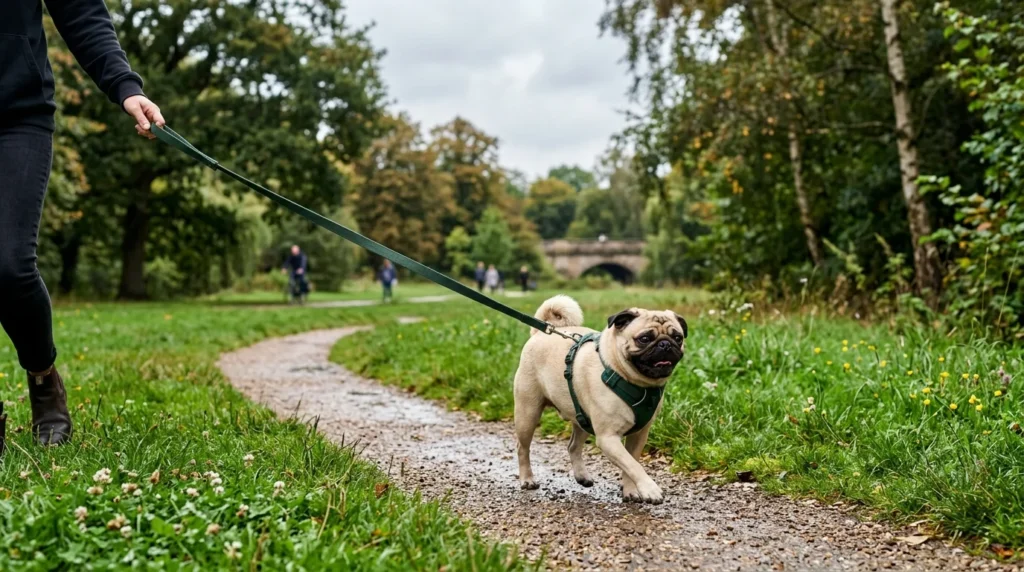
Pugs are not marathon runners or hiking partners, but they do need regular exercise to stay healthy. A couple of short walks a day and some indoor play sessions are usually enough to keep them fit. They enjoy playing with toys and can be surprisingly fast in short bursts (often called “the zoomies”). However, owners must be careful not to overexert them, especially in humid or hot conditions. If your Pug starts gasping or looking distressed, it’s time to head back to the air conditioning immediately.
9. Stubborn Streak
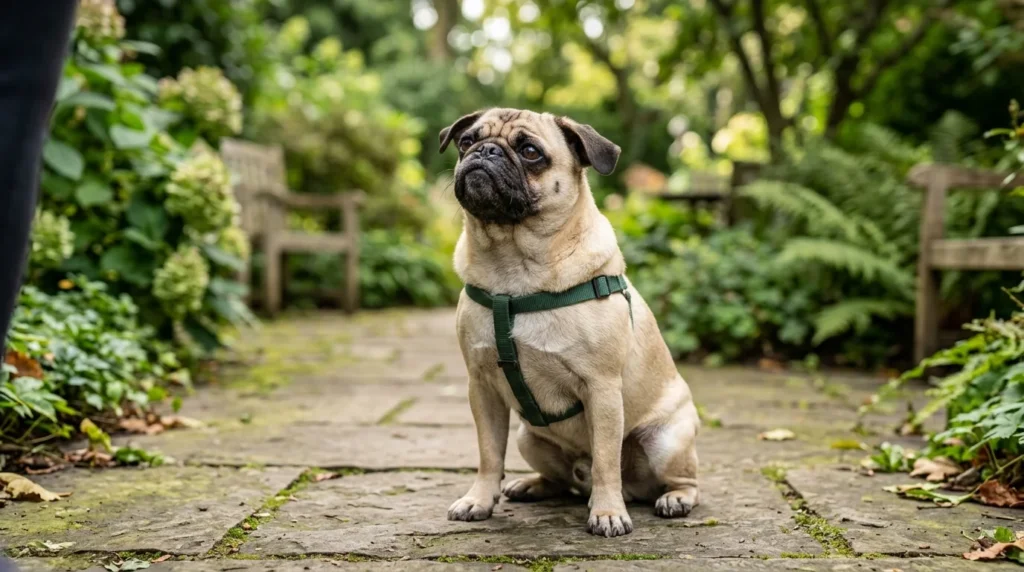
While they are eager to please in exchange for a snack, Pugs have a well-documented stubborn streak. They are intelligent enough to understand what you want, but they might decide they simply don’t feel like doing it at that moment. Housebreaking a Pug can be particularly challenging and often takes longer than with other breeds. Consistency, patience, and a lot of positive reinforcement (and treats!) are the keys to successful training with this breed.
10. Wrinkle Maintenance
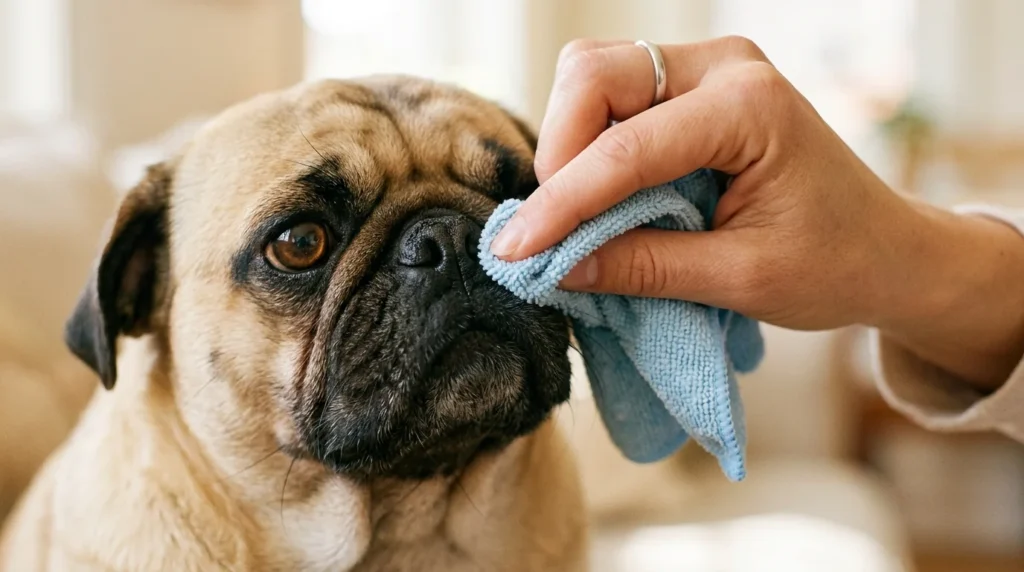
Those iconic facial wrinkles are a magnet for moisture, dirt, and bacteria. If not cleaned regularly, the folds can develop painful skin infections or “fold dermatitis.” A future Pug owner needs to be prepared to clean these wrinkles daily or at least several times a week using a damp cloth or specialized pet wipes. It is essential to dry the area thoroughly after cleaning to prevent yeast growth. It’s a small grooming task that makes a massive difference in their comfort and health.
11. Multum in Parvo
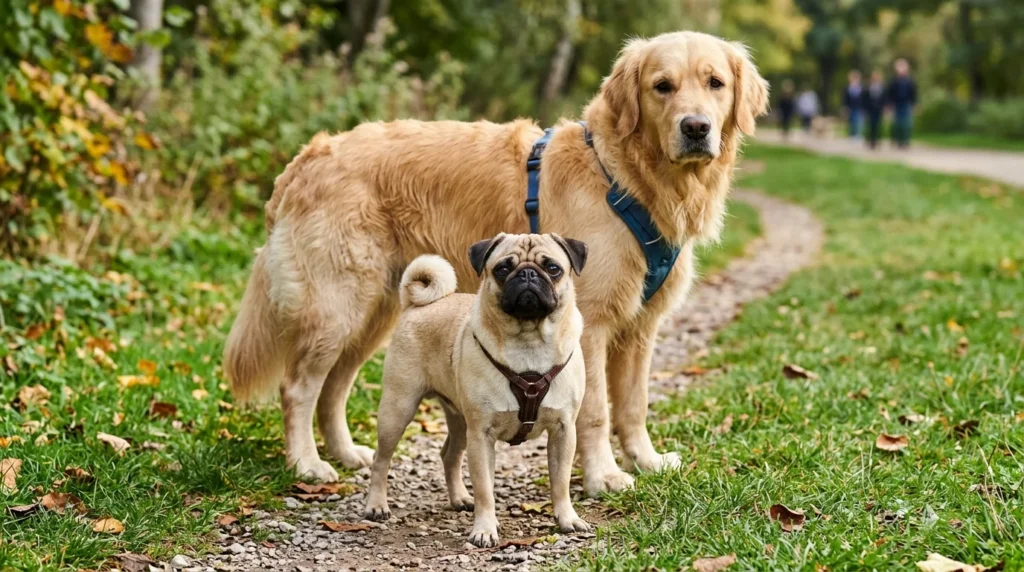
The Latin phrase “Multum in Parvo” is the official motto of the Pug, meaning “a lot of dog in a small space.” This perfectly captures their essence. They don’t realize they are small dogs. They have the confidence of a Mastiff and the personality of a stage performer. They are sturdy, compact, and carry themselves with a certain level of dignity—until they see a butterfly or a piece of cheese, at which point the dignity usually disappears in favor of pure comedy.
12. Temperature Sensitivity
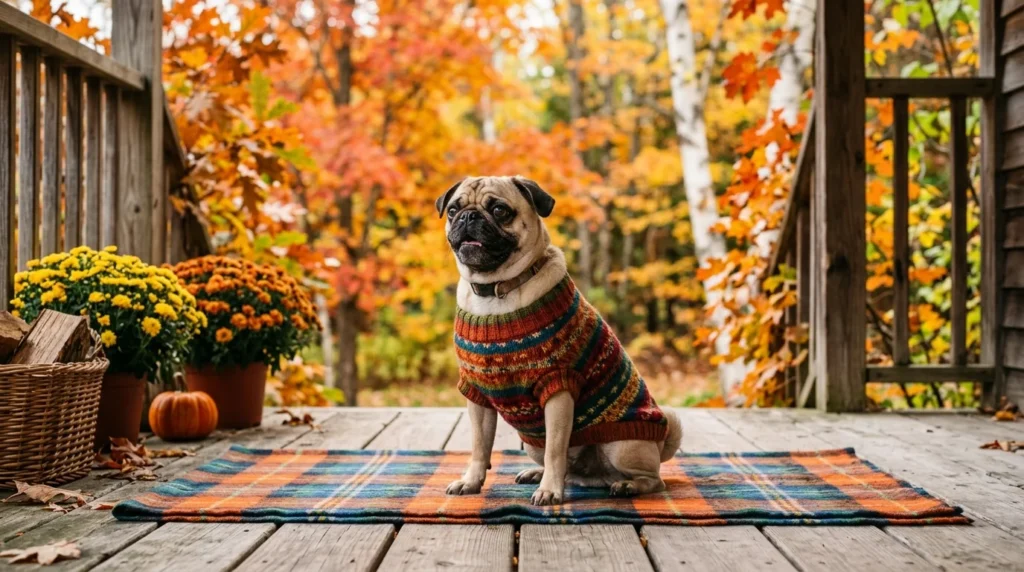
Because of their thin coats and respiratory structure, Pugs struggle with temperature extremes in both directions. In the summer, they overheat almost instantly. In the winter, they chill easily because they lack a heavy winter coat. Owning a Pug often means investing in a wardrobe of sweaters and coats for the winter and staying indoors during the peak heat of summer days. They are strictly indoor dogs; they cannot live outside under any circumstances.
13. Life Expectancy
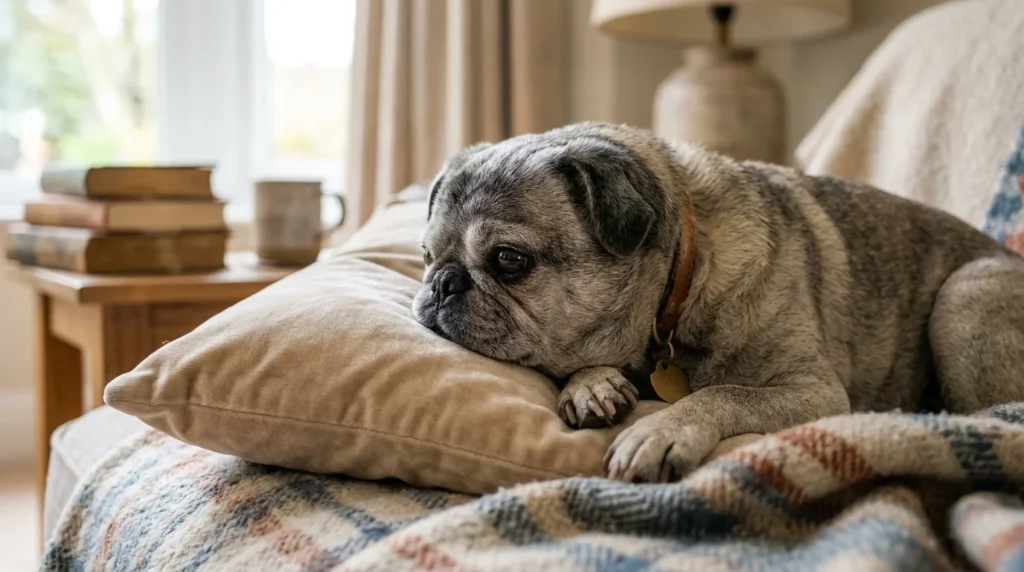
A Pug is a long-term commitment. On average, they live between 12 to 15 years, with some even reaching their late teens. Because they are companion animals through and through, they will be your shadow for over a decade. This means considering your long-term life plans—travel, moving, and career changes—and how a small, needy, and sensitive dog fits into those plans. They remain puppy-like in their affection even as they age, requiring consistent care throughout their senior years.
14. Unmatched Loyalty
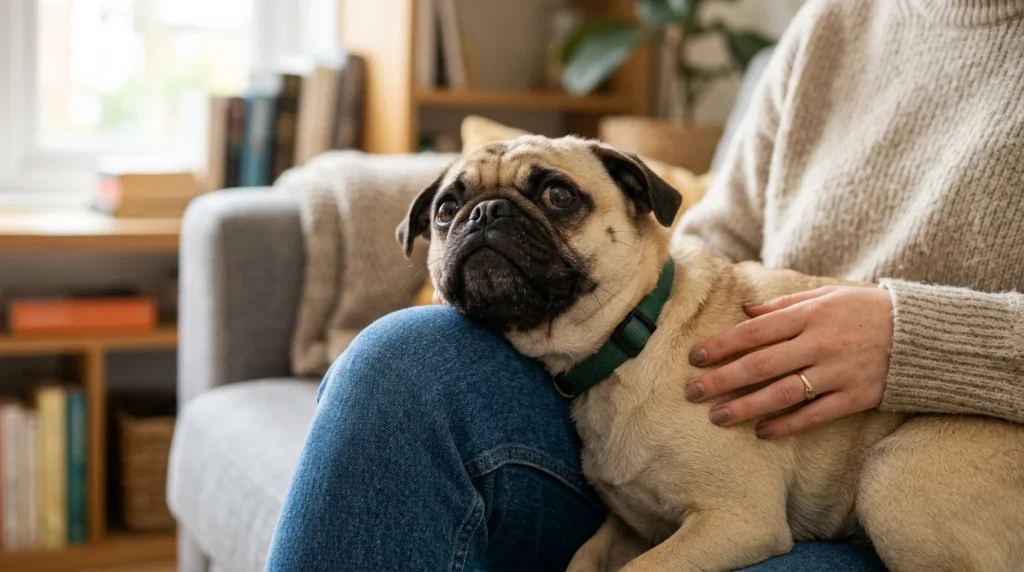
Despite the shedding, the snoring, and the potential health hurdles, the loyalty of a Pug is unmatched. They are not dogs that wander off; they want to be exactly where you are. They possess an incredible emotional intelligence and often seem to know when their owner is feeling down, offering “Pug kisses” and cuddles as a remedy. If you are looking for a best friend who will think you are the center of the universe, the Pug is the breed for you.


