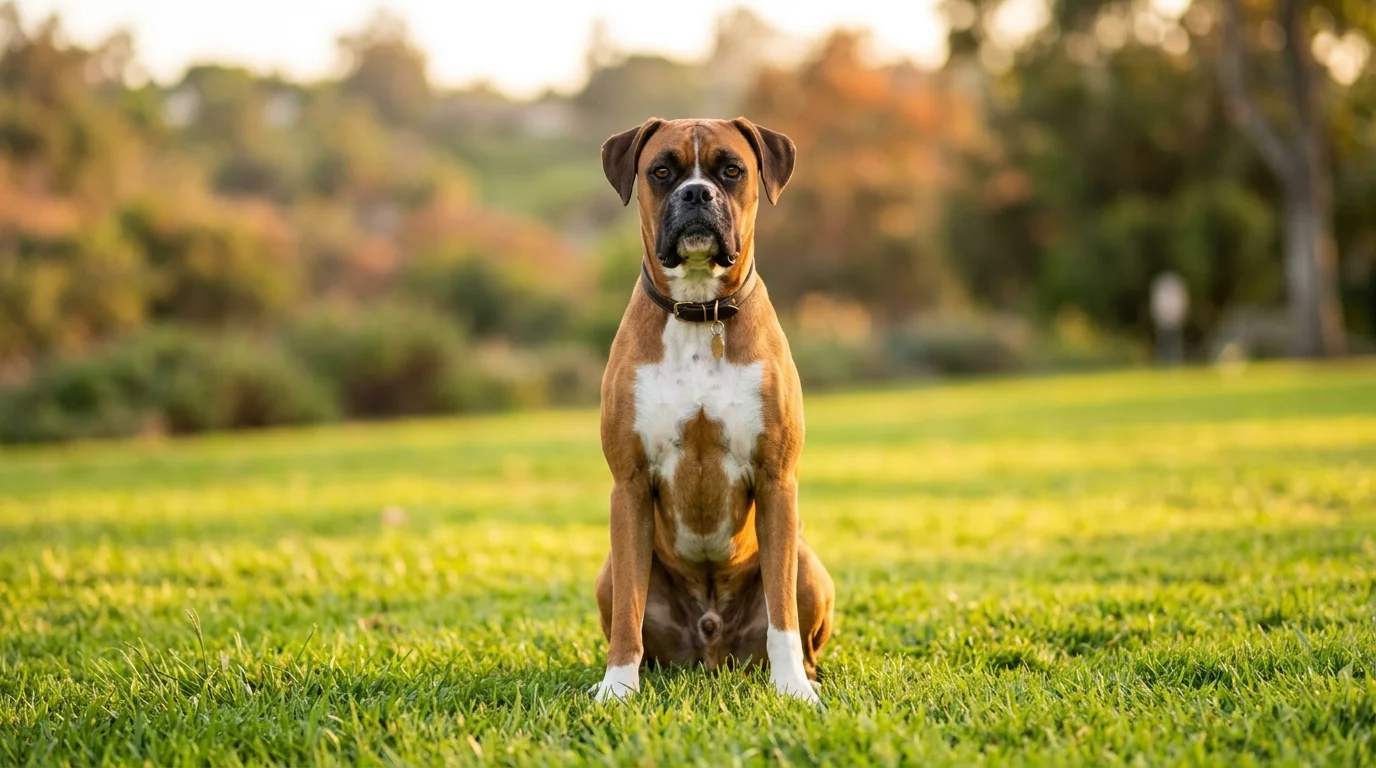
10 Reasons Boxer Dogs Make Great Family Pets
The Boxer dog is often described as the “Peter Pan” of the canine world. Known for their puppy-like exuberance that persists well into their senior years, Boxers are a unique blend of a courageous guardian and a silly, lighthearted companion. Originating in Germany in the late 19th century, these dogs have evolved from working hunters to one of the most beloved family breeds in the world. If you are looking for a dog that brings laughter, security, and an endless supply of love to your household, the Boxer might be the perfect match.
1. Playfulness
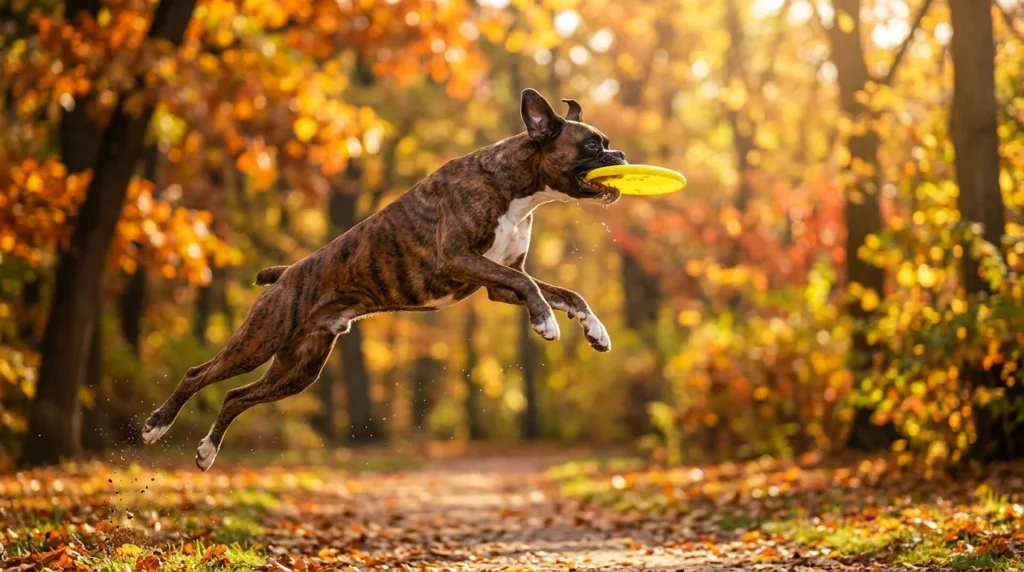
Boxers are high-energy dogs that never seem to lose their zest for life. This breed is famous for its “play bow” and its desire to engage in games at any moment. For active families, a Boxer is a dream come true. They are always ready for a game of fetch, a hike in the woods, or a vigorous wrestling match on the living room floor. Their energy is infectious, often encouraging their human companions to get up and move. This playfulness makes them excellent companions for children who have just as much energy to burn, creating a bond built on shared fun and adventure.
2. Loyalty
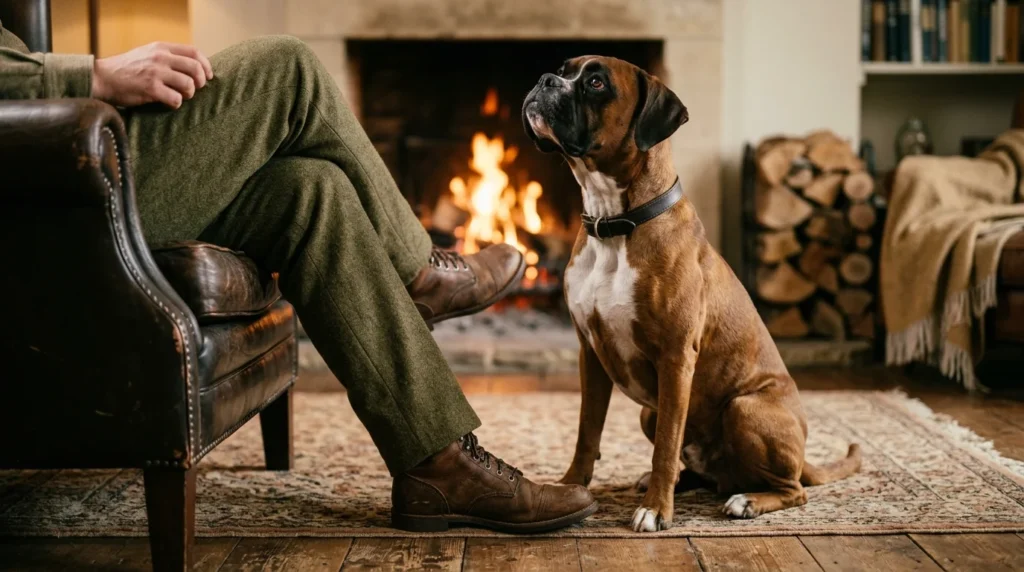
One of the most defining characteristics of the Boxer is its unwavering loyalty to its “pack.” They are incredibly people-oriented and form deep, emotional bonds with every member of the family. A Boxer doesn’t just live in your house; they become a core part of your family unit. They are known for following their owners from room to room, simply wanting to be in the presence of their favorite humans. This devotion means they are highly sensitive to the moods of their owners, often offering a comforting head on a lap when they sense someone is feeling down.
3. Gentleness
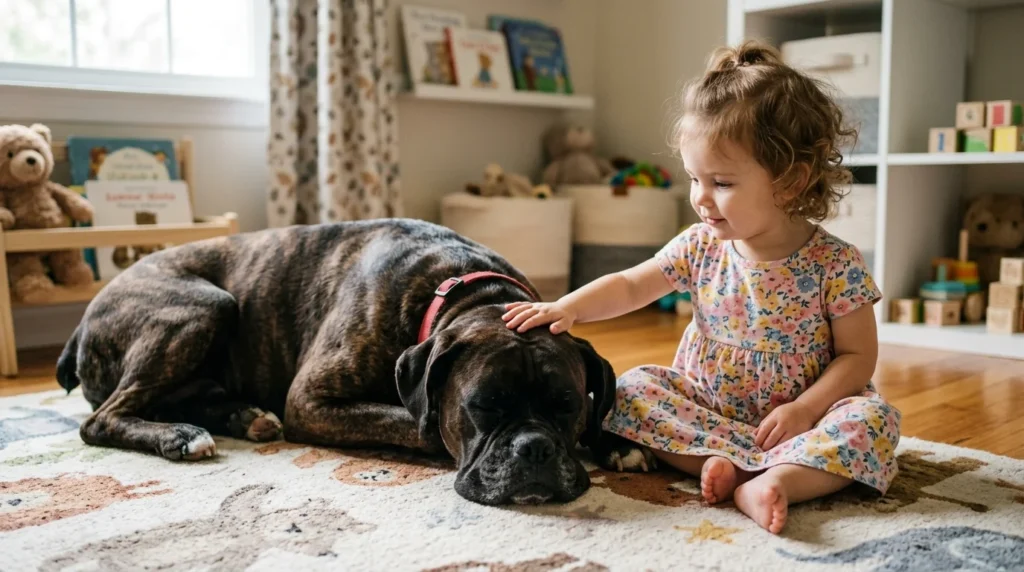
Despite their muscular build and intimidating appearance, Boxers are famously gentle with children. In fact, they are often referred to as “nanny dogs” because of their patient and protective nature toward the smallest members of the family. They seem to possess an innate understanding of a child’s vulnerability, often toning down their usual rowdiness when interacting with toddlers. A well-socialized Boxer will tolerate a lot of ear-tugging and hugging with nothing but a wagging tail and a slobbery kiss, making them a safe and sturdy choice for families with kids.
4. Intelligence
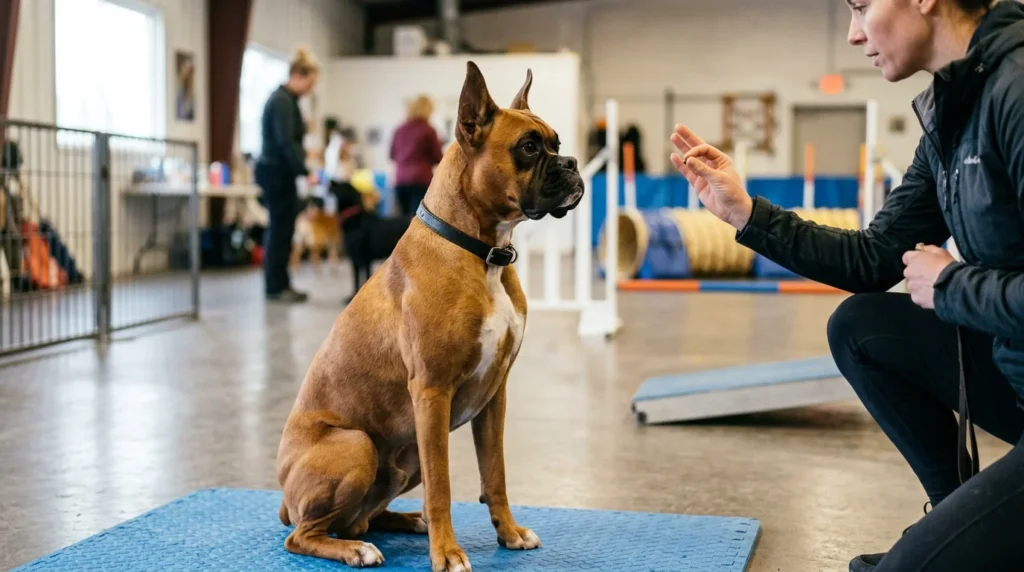
Boxers are highly intelligent and quick learners. They were among the first breeds used as police and military dogs, a testament to their ability to handle complex tasks and follow commands. In a family setting, this intelligence translates to a dog that is highly trainable—provided you keep the sessions fun and engaging. They thrive on mental stimulation and love the challenge of learning new tricks or navigating agility courses. Because they are “thinking” dogs, they often surprise their owners with their problem-solving skills, making everyday life with them an interesting experience.
5. Protection
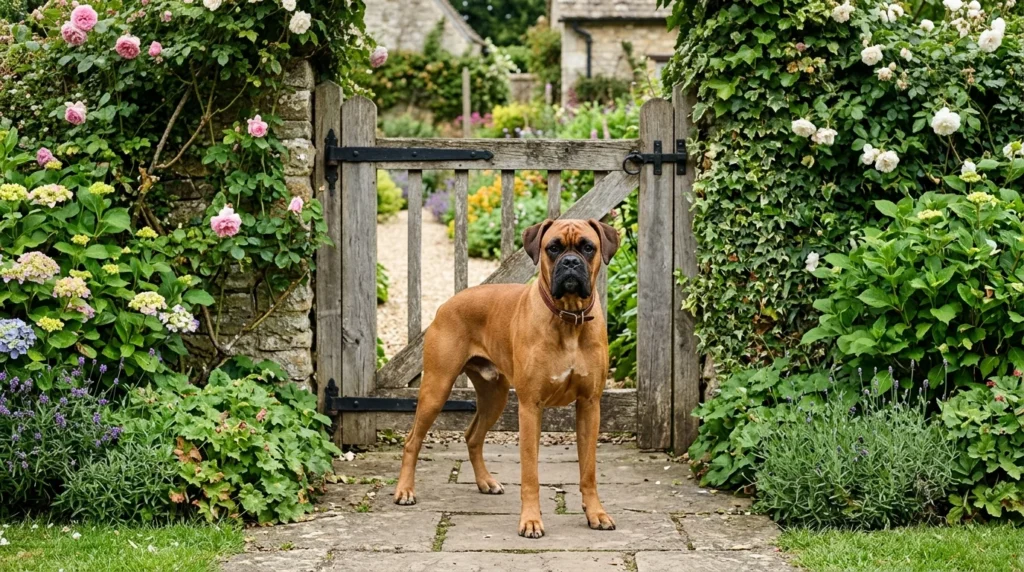
While they are lovers at heart, Boxers possess a natural guarding instinct. They are deeply protective of their territory and their family. A Boxer is rarely an aggressive dog without cause, but they are excellent at alerting their owners to strangers or unusual noises. Their imposing physical presence and deep bark are usually enough to deter any unwanted visitors. This sense of security is a major plus for families, as you can rest easy knowing your Boxer is always on the lookout. They strike the perfect balance between being a friendly house pet and a reliable guardian.
6. Grooming

For busy families, the low-maintenance grooming requirements of a Boxer are a huge advantage. Their short, tight coat requires very little attention compared to long-haired breeds. A quick weekly brushing with a rubber curry comb is usually enough to keep their coat healthy and shiny. They are naturally clean dogs and don’t carry that typical “doggy odor” as much as other breeds might. This means less time spent at the professional groomer and less time vacuuming up piles of long hair from your carpets and furniture.
7. Comedy

If you want a dog that will make you laugh every single day, look no further than the Boxer. They are the clowns of the dog world. From their famous “kidney bean” dance—where they wiggle their bodies into a C-shape with excitement—to their wide range of vocalizations (grunts, woo-woos, and sighs), they are endlessly entertaining. Boxers are incredibly expressive; you can always tell exactly what they are thinking by the tilt of their head or the furrow of their brow. Their goofy antics and expressive faces are a constant source of joy and humor in any household.
8. Affection

Boxers are “velcro dogs.” They crave physical contact and are not shy about asking for it. Whether it’s leaning against your legs while you’re washing dishes or trying to squeeze their 65-pound frame into your lap on the sofa, they are a deeply affectionate breed. They thrive on human interaction and do best in homes where they aren’t left alone for long periods. This need for closeness makes them wonderful emotional support animals within the family, providing a sense of warmth and companionship that is hard to beat.
9. Energy

While their energy was mentioned in the context of play, it deserves its own spot for the lifestyle benefits it brings. A Boxer is a great motivator for an active lifestyle. They are excellent running partners and companions for long walks or weekend camping trips. Their stamina and athletic ability mean they can keep up with the most active families. Having a Boxer ensures that you’ll never have an excuse to stay on the couch all day; their wagging tail and expectant look at the leash will get you out the door and enjoying the fresh air.
10. Devotion
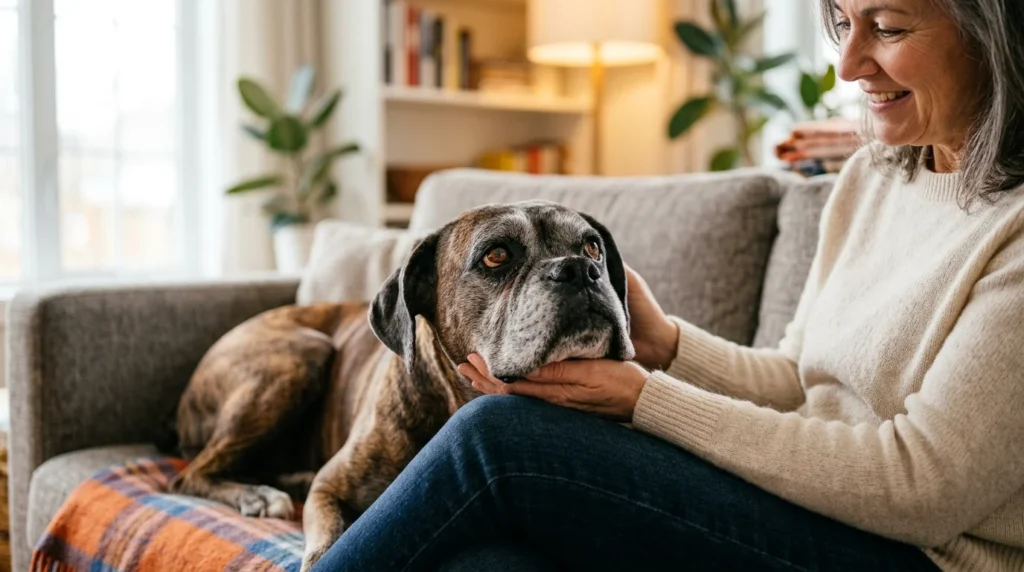
The bond a Boxer forms with its family is lifelong and profound. They are incredibly devoted pets that live to please their owners. Even as they age and their muzzles turn grey, their heart remains committed to their family. They are dogs that truly value the concept of “home” and “togetherness.” Bringing a Boxer into your life isn’t just about getting a pet; it’s about gaining a devoted companion who will stand by you through thick and thin, bringing a unique blend of courage, silliness, and love to every day you spend together.


