12 Corgi Dog Facts You Probably Didn’t Know
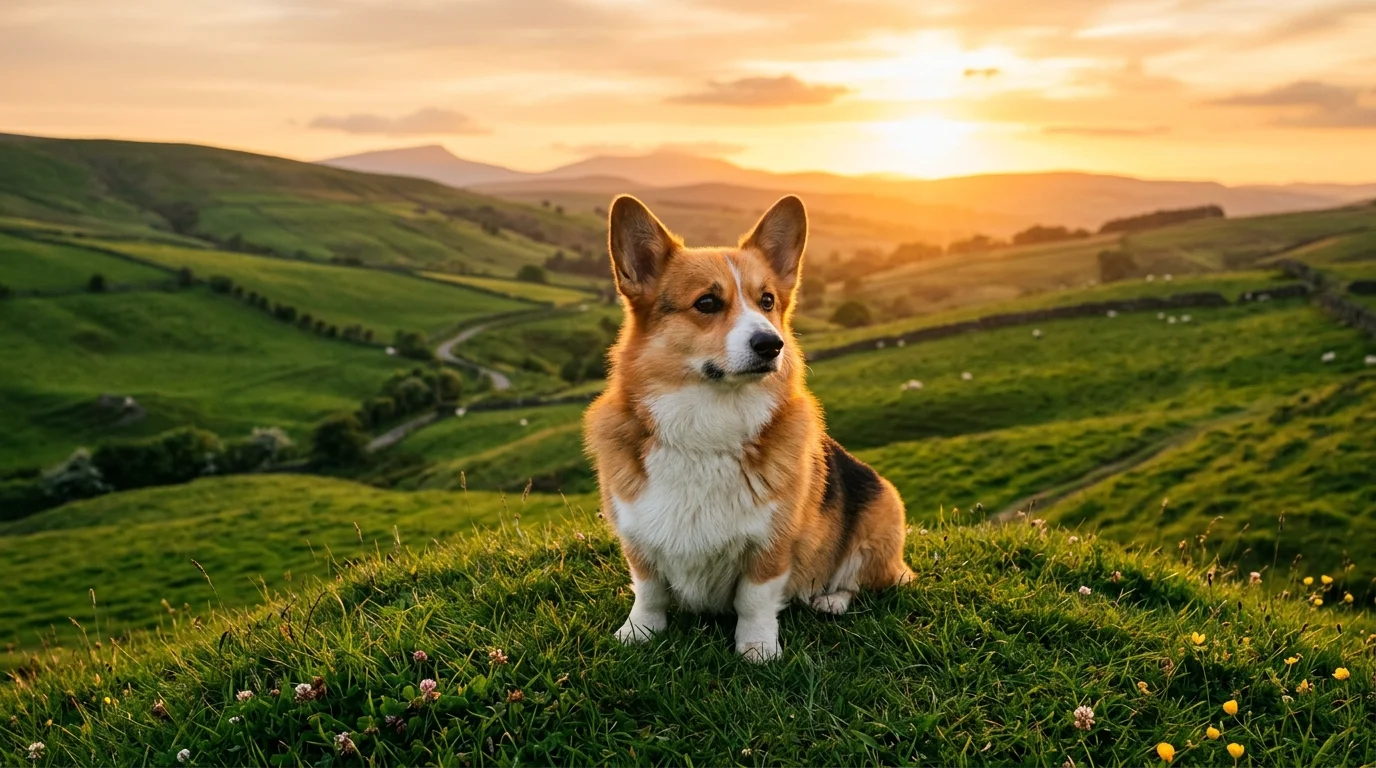
The Corgi is perhaps one of the most recognizable and beloved dog breeds on the planet. With their short legs, fluffy behinds, and permanent smiles, they have captured the hearts of millions. However, beyond their “Instagrammable” aesthetic lies a history rich in folklore, a work ethic that rivals the most rugged farm dogs, and a personality that is far larger than their stature suggests. Whether you are a long-time owner or a casual admirer, these twelve facts will reveal the surprising depth of this enchanting breed.
1. Dwarf Dog
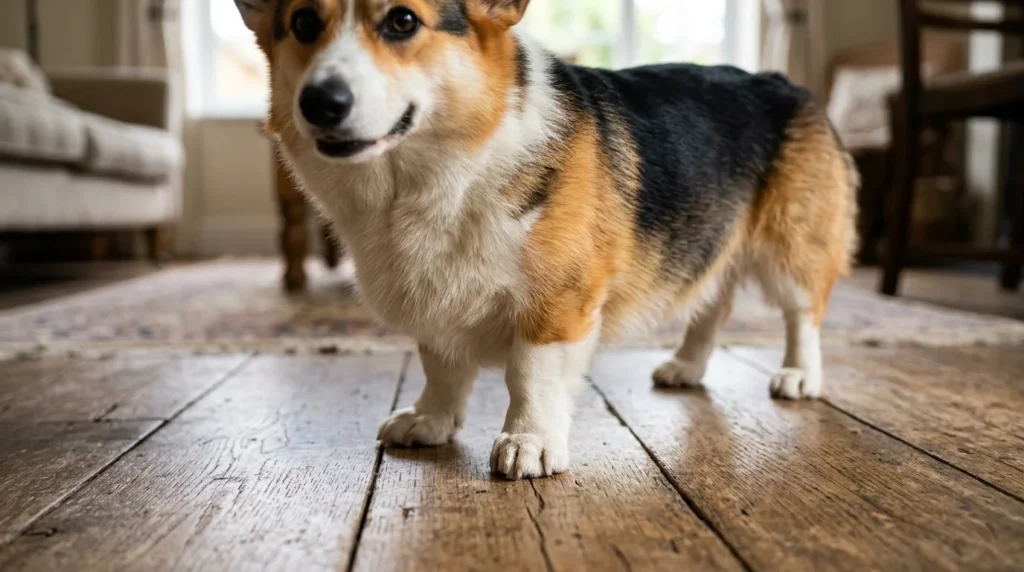
The very name “Corgi” is a nod to the dog’s unique physical build. In the native Welsh language, “Cor” translates to dwarf and “Gi” translates to dog. Therefore, the name literally means “Dwarf Dog.” This wasn’t meant to be a slight against their height; rather, it was a functional description of a breed specifically designed to be low to the ground. Their short stature allowed them to avoid the kicks of the cattle they were bred to herd. By being low, a Corgi could nip at the heels of a cow and immediately drop to the ground to let a retaliatory kick pass harmlessly over its head.
2. Fairy Steeds
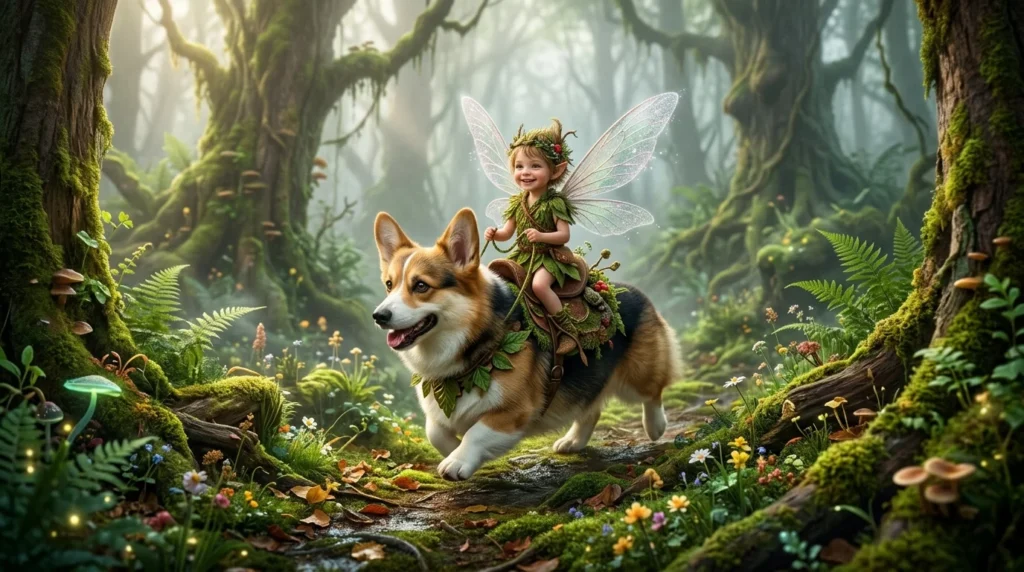
According to Welsh folklore, Corgis are enchanted animals. Legend has it that these dogs were the preferred mounts for woodland fairies and elves. The fairies would use Corgis to pull their tiny carriages or ride them into battle. If you look closely at the coat of a Pembroke Welsh Corgi, particularly around the shoulders and back, you can often see markings that resemble a “saddle.” Folklore enthusiasts believe these markings are the permanent imprints of the harnesses and saddles used by their fairy riders. It is said that the Corgis were a gift from the fairies to human children to help them with their chores on the farm.
3. Royal Favorites
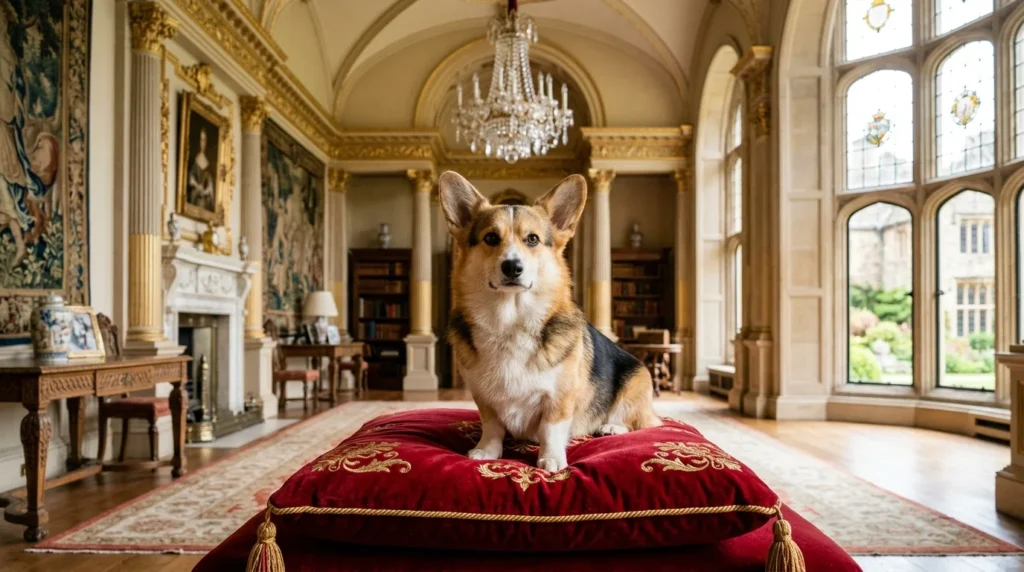
It is impossible to discuss Corgis without mentioning the late Queen Elizabeth II. Her love for the breed began in 1933 when her father, King George VI, brought home a Pembroke Welsh Corgi named Dookie. For her 18th birthday, she was gifted Susan, the dog from whom almost all of the Queen’s subsequent Corgis were descended. Throughout her reign, she owned more than 30 Corgis and “Dorgis” (a Corgi-Dachshund cross). The Queen’s devotion turned the Corgi into a global symbol of British royalty, often seen accompanying her in official portraits and even during high-profile events like the 2012 Olympic opening ceremony.
4. Distinct Breeds
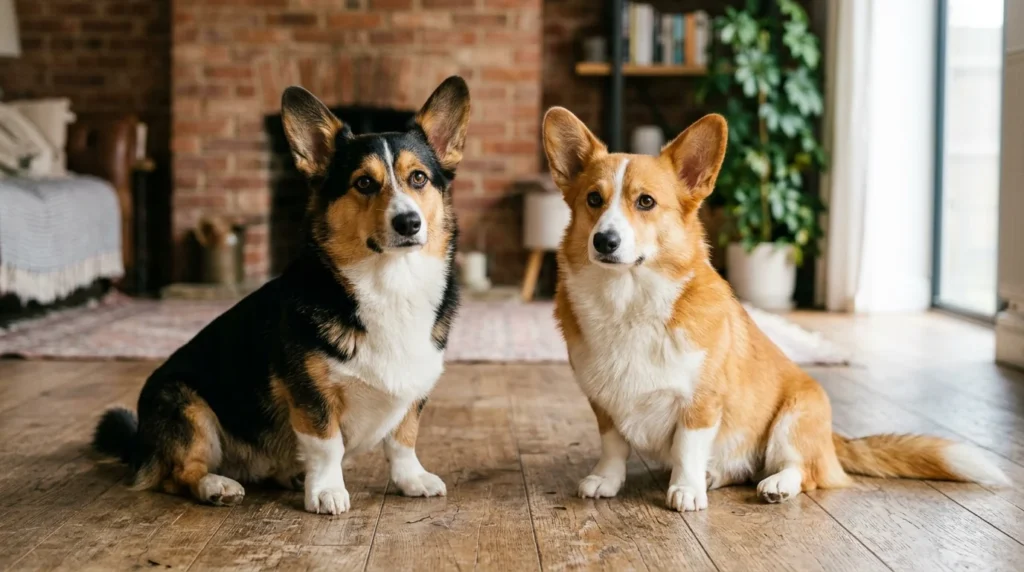
Many people assume that there is only one type of Corgi, but there are actually two distinct breeds: the Pembroke Welsh Corgi and the Cardigan Welsh Corgi. While they look similar to the untrained eye, they have different ancestral roots. The Cardigan is the older of the two, characterized by its long, fox-like tail and slightly larger, more rounded ears. The Pembroke is the more common breed, usually smaller with more pointed ears and a tail that is naturally short or traditionally docked. They were not even recognized as separate breeds by the American Kennel Club until 1934.
5. Master Herders
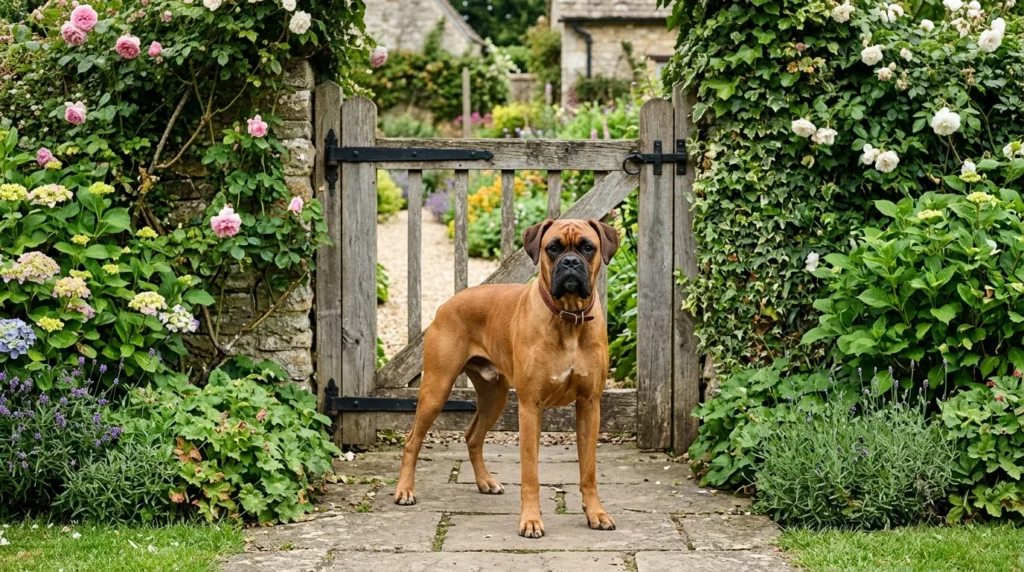
Don’t let the short legs fool you; Corgis are elite athletes. They belong to the Herding Group, and they were bred to be “heelers.” Unlike Collies that use “the eye” to stare down sheep, Corgis use a more physical approach. They nip at the heels of much larger livestock like cattle and ponies to keep them moving. Their intelligence and boldness allow them to control animals ten times their size. Because they are so low to the ground, they are incredibly agile and can turn on a dime, making them surprisingly difficult for a disgruntled cow to catch.
6. Vocal Nature
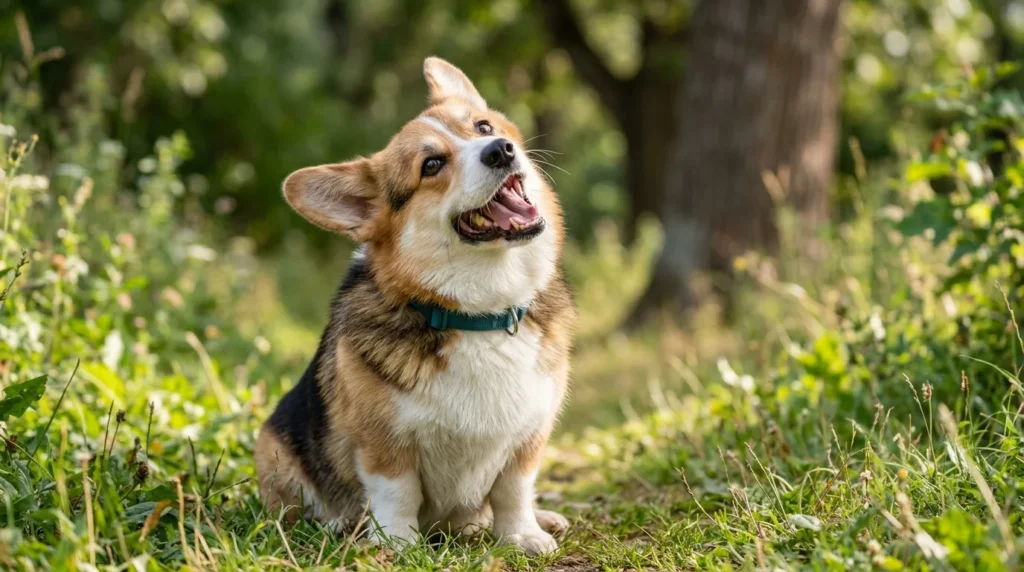
Corgis are known for being “big dogs in small bodies,” and this extends to their voices. They are highly vocal and possess a bark that sounds like it should come from a much larger animal. This trait was intentionally bred into them so they could use their voices to alert farmers to intruders or to command the attention of the livestock they were herding. If you own a Corgi, you know they don’t just bark; they grumble, “talk,” and let out “woofs” to communicate their every mood and desire.
7. Double Coat
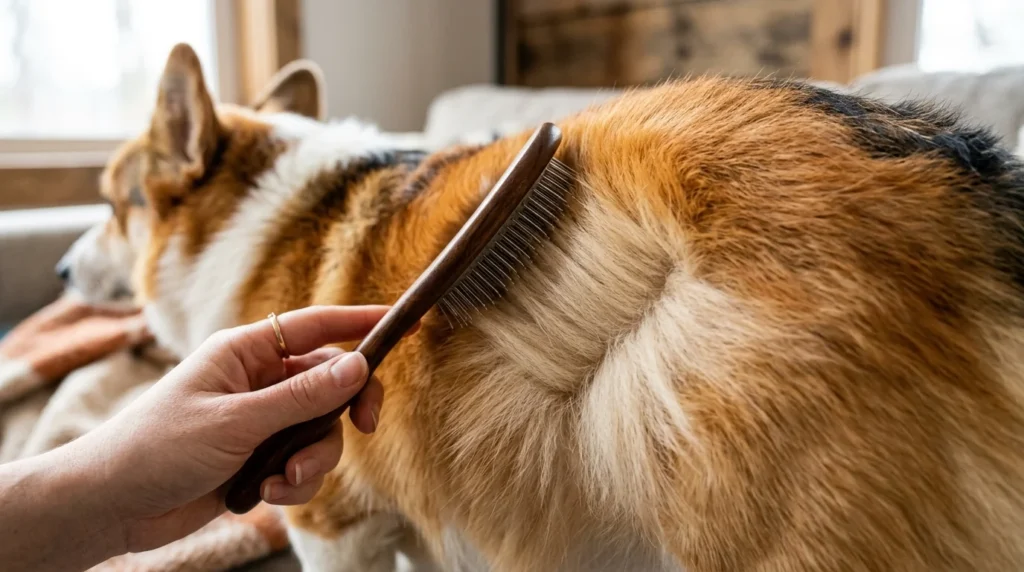
The weather in Wales can be harsh, damp, and cold. To survive long workdays in the fields, Corgis developed a thick double coat. They have a soft, insulating undercoat that keeps them warm and a coarser, water-resistant outer coat that sheds rain and dirt. While this makes them very hardy, it also means they are legendary shedders. Corgis “blow” their coats twice a year, resulting in an incredible amount of fur. Owners often joke that Corgi hair is both a fashion accessory and a permanent part of their home decor.
8. Zoomie Experts
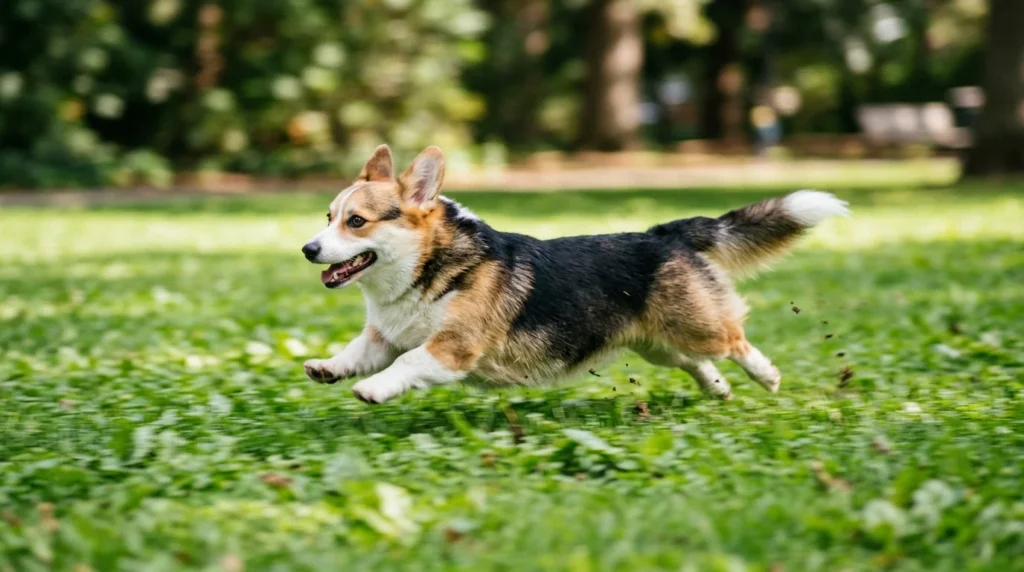
Corgis are prone to what owners call the “FRAP” (Frenetic Random Activity Period), more commonly known as “the zoomies.” Because they have a surprising amount of pent-up energy from their herding lineage, they will often burst into a sprint, weaving through rooms and circling furniture at high speeds. Despite their “stumpy” legs, they can reach speeds of up to 25 miles per hour. This sudden explosion of energy is a hallmark of the Corgi personality and a sign that they are happy and well-exercised.
9. High Intelligence
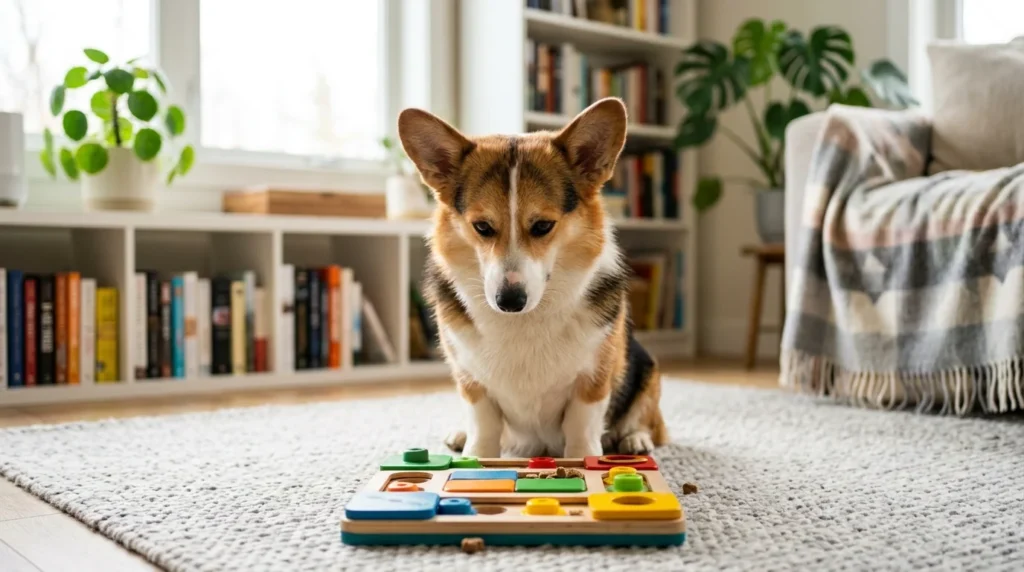
Corgis are remarkably smart. In Stanley Coren’s famous book The Intelligence of Dogs, the Pembroke Welsh Corgi ranks 11th out of 110 breeds for working and obedience intelligence. This means they are capable of learning a new command in just 5 to 15 repetitions and tend to obey the first command given to them at least 85% of the time. While their intelligence makes them easy to train, it also means they can be stubborn. If they don’t see the point in a task, or if there isn’t a treat involved, they might decide to do things their own way.
10. Winter Resilience
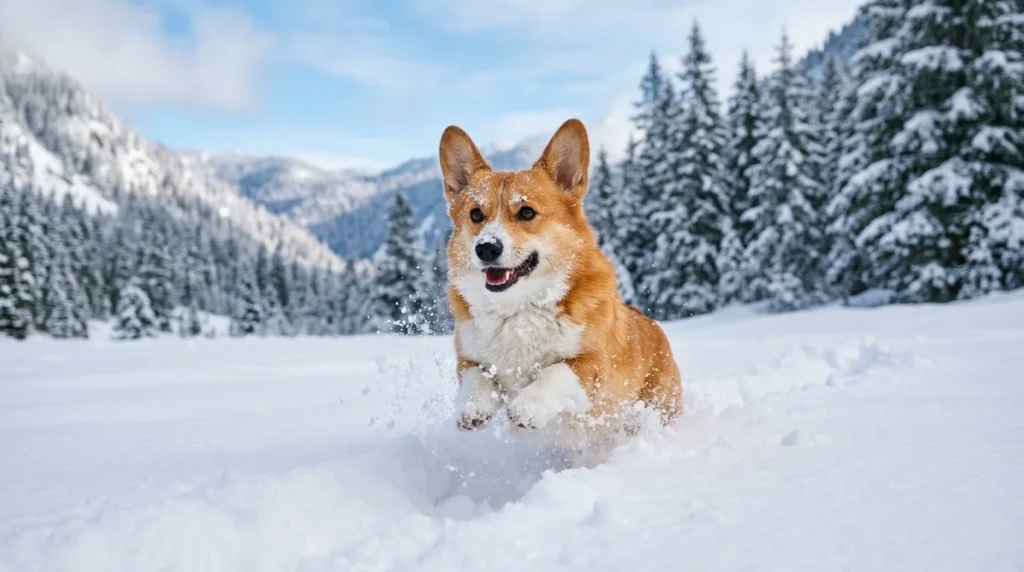
While many small dogs struggle in the cold, Corgis are generally very fond of winter weather. Their thick double coats act as a natural parka. Many Corgi owners find it difficult to get their dogs to come back inside once it starts snowing. They love to “plow” through the snow with their chests, often looking like little furry submarines as they navigate deep drifts. As long as their paws are protected from salt and ice, they are perfectly happy to spend hours playing in the freezing cold.
11. Tail Mystery
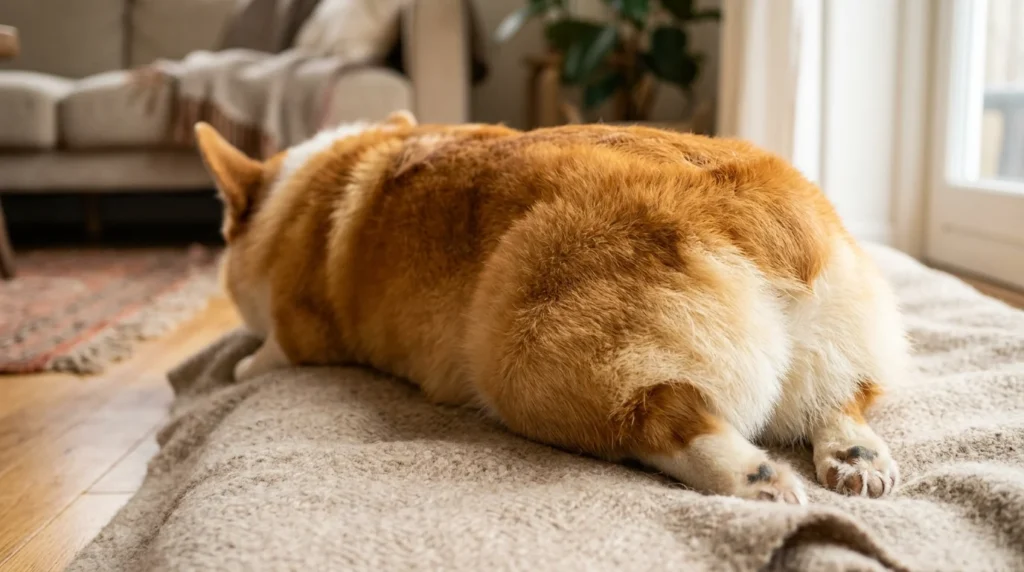
The “lack” of a tail is one of the most discussed aspects of the Pembroke Welsh Corgi. Historically, their tails were docked to avoid injury while herding or to avoid “luxury dog” taxes in the UK, where working dogs with no tails were exempt. However, many Pembrokes are born with a “natural bobtail” due to a specific gene. In contrast, Cardigan Welsh Corgis always have long, bushy tails. Today, docking is banned in many countries, leading to a rise in the sight of Pembrokes with full, wagging tails, which adds an entirely new dimension to their expressive body language.
12. Emotional Sensitive
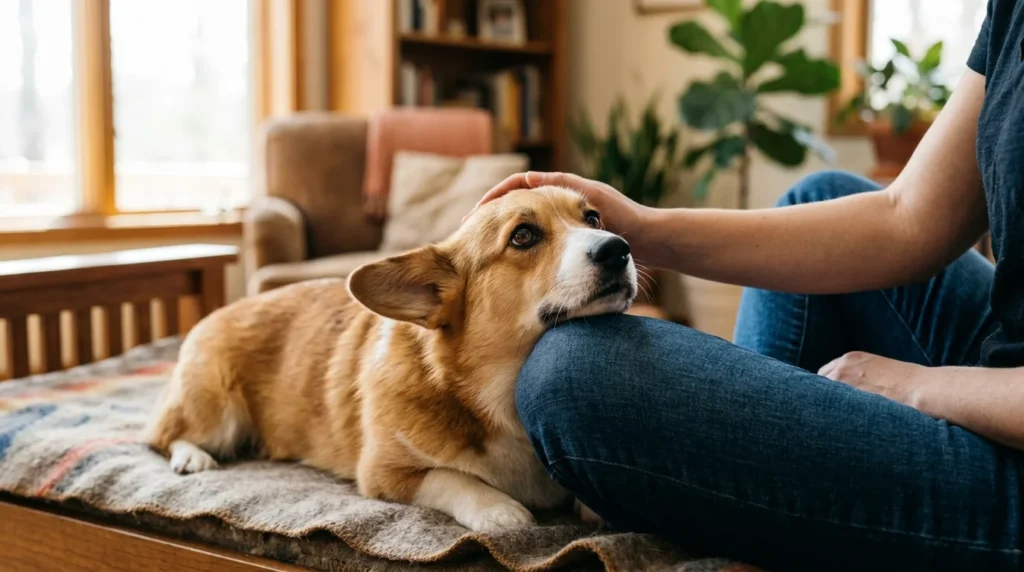
Corgis are incredibly attuned to their owners’ emotions. While they are independent thinkers, they are also highly social pack animals. If their owner is feeling sad or stressed, a Corgi is often the first to notice, offering a “sploot” nearby or a nudge of the nose to offer comfort. This emotional sensitivity, combined with their playful nature, makes them excellent therapy dogs. They thrive on being part of the family “action” and do best in households where they are treated as full members of the pack rather than just pets.


