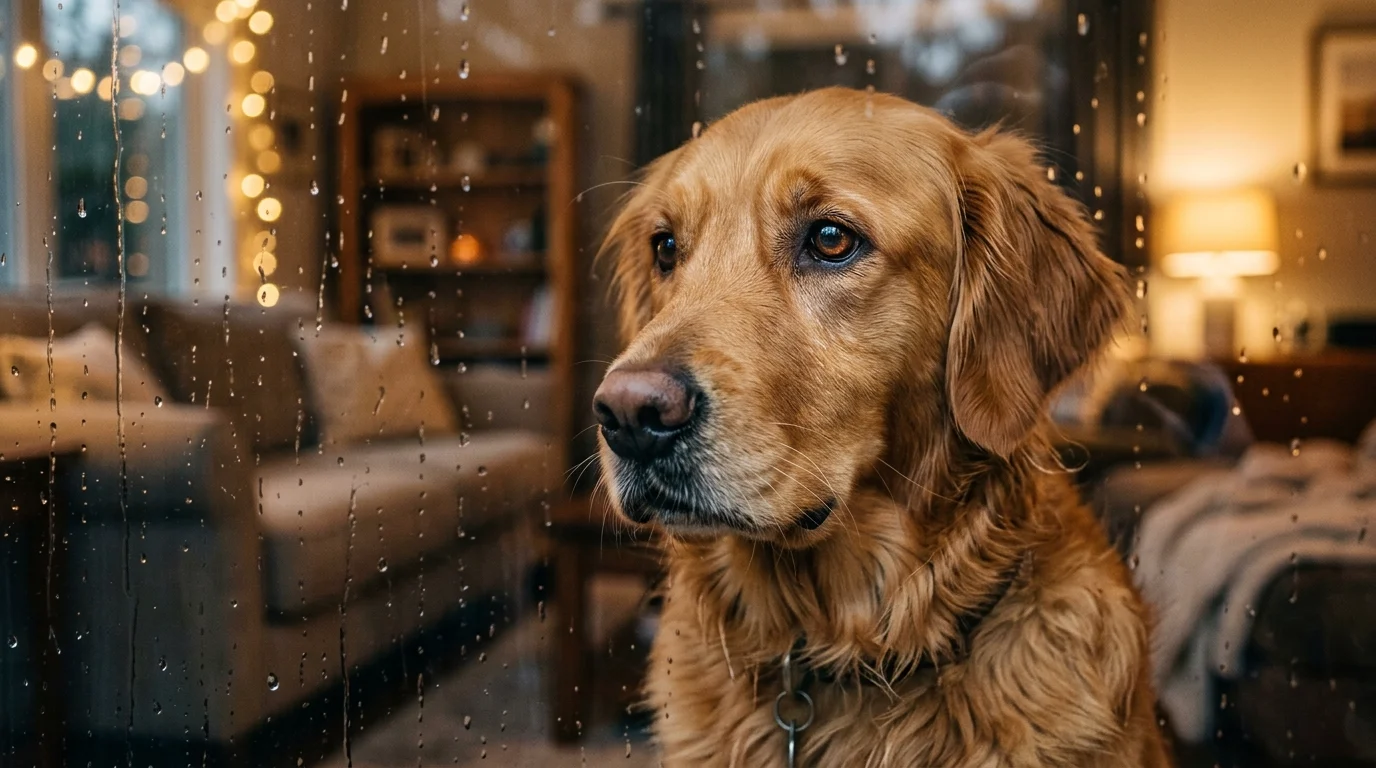
11 Dog Separation Anxiety Tips That Actually Help
For many dog owners, the sound of a turning key in the lock isn’t met with a happy tail wag, but with the sight of chewed doorframes, shredded pillows, or a neighbor’s complaint about non-stop howling. Separation anxiety is more than just “missing” an owner; it is a clinical panic attack that dogs experience when left alone.
Understanding that your dog isn’t being “bad” or “spiteful” is the first step toward healing. Their destructive behavior is a physical manifestation of an overwhelming fear. Fortunately, with patience, consistency, and the right strategies, you can help your canine companion feel safe in their own company. Here are 11 proven tips to manage and resolve dog separation anxiety.
1. Desensitization
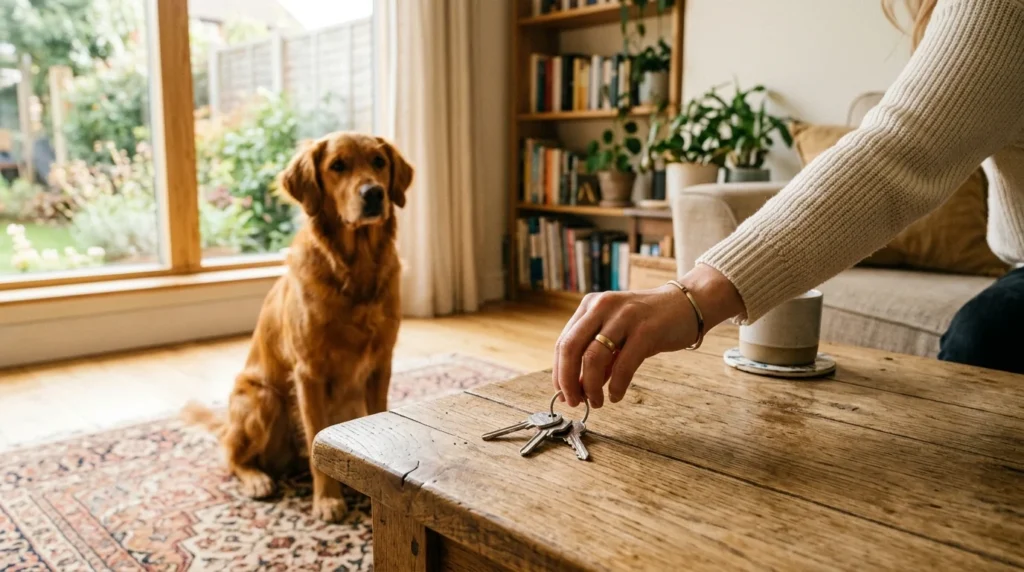
Dogs are masters of observation. They know exactly when you are preparing to leave long before you actually walk out the door. The sound of jangling keys, the clicking of heels, or the putting on of a coat acts as a “trigger” that ramps up their cortisol levels.
To break this cycle, you must desensitize these triggers. Pick up your keys and then sit on the couch to watch TV. Put on your heavy winter coat and then go into the kitchen to make a sandwich. By performing these “departure cues” without actually departing, you weaken the association between the action and the anxiety. Over time, your dog will stop reacting to these sounds with panic.
2. Counterconditioning

Counterconditioning is the process of changing a dog’s emotional response to a stimulus from negative to positive. In the case of separation anxiety, the goal is to make “leaving” synonymous with “getting something amazing.”
Provide your dog with a high-value treat that they only get when you leave. This should be something long-lasting and incredibly delicious, like a frozen lick mat, a stuffed puzzle toy, or a fresh marrow bone. If the treat is enticing enough, your dog may actually start looking forward to your departure. The key is to remove the treat as soon as you return so that its value remains tied exclusively to your absence.
3. Exercise
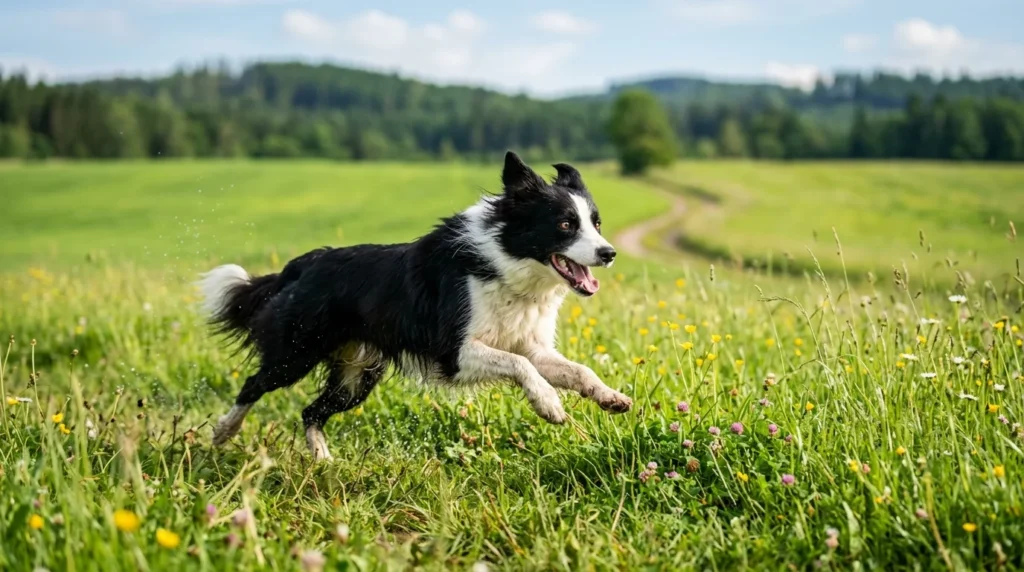
A tired dog is a quiet dog. While physical exercise isn’t a “cure” for a psychological disorder like anxiety, it significantly lowers a dog’s overall energy levels, making it harder for them to maintain a state of high-intensity panic.
Before you plan to leave the house, engage in a vigorous session of fetch, a long brisk walk, or a game of tug-of-war. By expending their physical energy, you encourage their body to enter a rest-and-digest state. When you leave, they are more likely to spend their time napping and recovering from their workout rather than pacing the floors and barking.
4. Puzzles
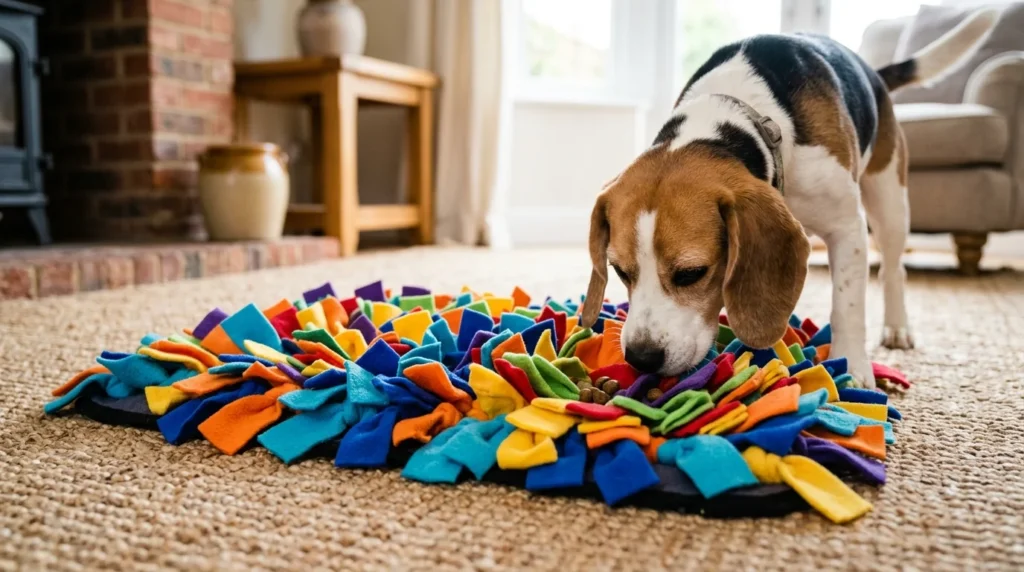
Mental fatigue can be just as effective as physical fatigue. Engaging a dog’s brain requires an immense amount of focus, which can distract them from the rising tide of anxiety.
Interactive puzzles, snuffle mats, and hide-and-seek treat games are excellent tools. These activities tap into a dog’s natural foraging instincts. When a dog is focused on solving a puzzle to get a reward, their brain is occupied with a task-oriented goal. This cognitive engagement can “bridge the gap” during the first critical 20 minutes after you leave, which is typically when the highest level of panic occurs.
5. Sanctuary
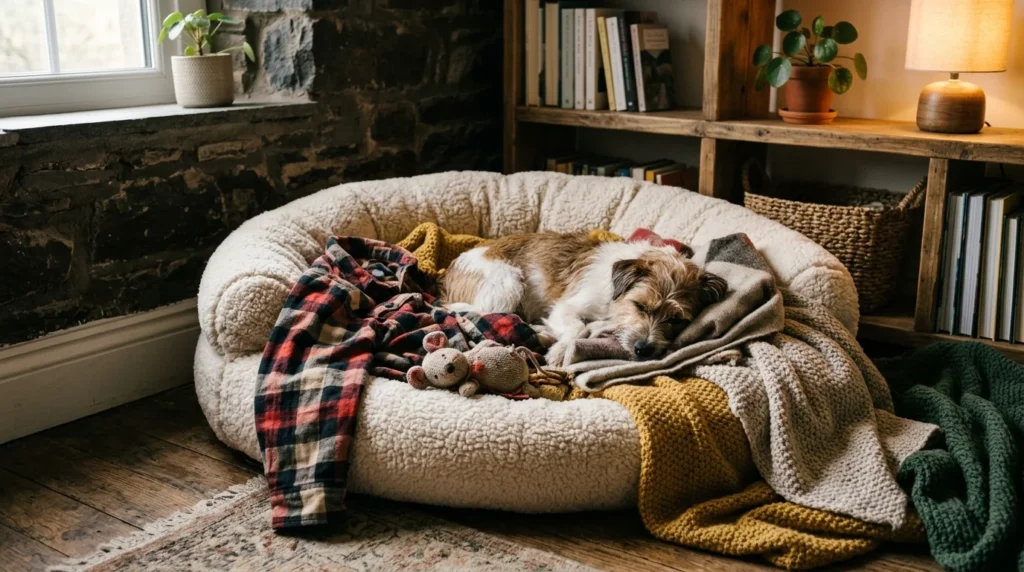
Every dog needs a “safe base”—a specific area in the home where they feel completely secure. This might be a crate (if they are already crate-trained and find it comforting), a specific spare bedroom, or a gated-off section of the laundry room.
To make this sanctuary even more effective, leave a piece of your recently worn clothing (like a t-shirt or pajama bottoms) in their bed. Your scent is a powerful pheromonal trigger for safety and comfort. Additionally, using “white noise” or a radio tuned to a calming classical music station can help drown out outside noises that might startle an already anxious dog.
6. Calmness
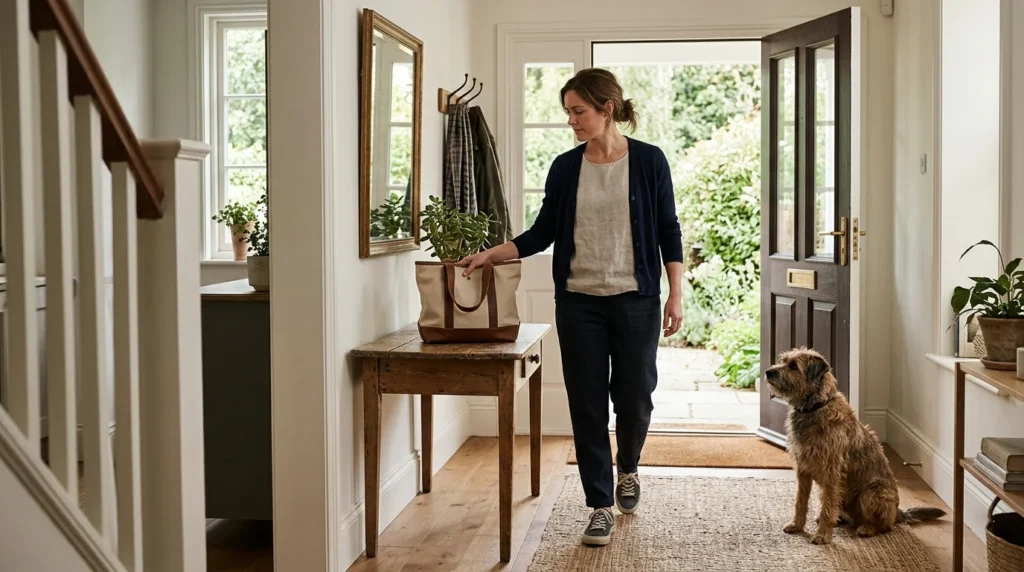
One of the hardest things for a dog owner to do is to ignore their pet, but it is essential for managing separation anxiety. If you make a huge production out of leaving (“Goodbye! Be a good boy! I’ll be back soon!”) and an even bigger production out of arriving, you are validating the dog’s belief that your absence is a momentous and scary event.
Keep your departures and arrivals completely neutral. When you come home, do not pet, talk to, or look at your dog until they have settled down. By remaining calm, you signal to your dog that coming and going is a boring, routine part of life that doesn’t require an emotional outburst.
7. Supplements

Sometimes, a dog’s anxiety is so high that they are “over threshold,” meaning they are too panicked to learn or respond to training. In these cases, calming supplements can provide the chemical support they need to stay level-headed.
Look for ingredients like L-theanine, melatonin, valerian root, or CBD formulated specifically for pets. Pheromone diffusers, which mimic the calming scents produced by nursing mother dogs, can also help create a soothing atmosphere. Always consult with your veterinarian before starting any new supplement regimen to ensure it is safe for your dog’s specific health profile.
8. Monitoring
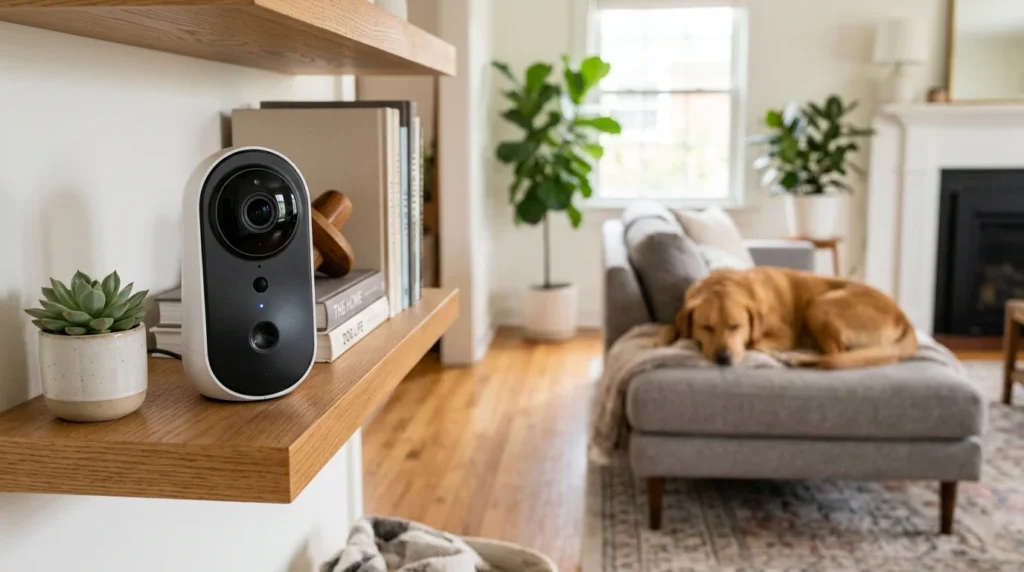
You can’t fix what you can’t see. Using a pet camera allows you to observe your dog’s behavior in real-time while you are away. This is crucial for determining the severity of the anxiety.
Does your dog start howling the moment the door closes, or does it take ten minutes? Do they settle down after an hour, or do they pace for the entire duration? Monitoring allows you to catch the “panic points” and adjust your training accordingly. Many modern cameras even allow you to toss treats or speak to your dog through a two-way audio system, though be careful—sometimes hearing your voice without seeing you can actually increase distress in some dogs.
9. Training
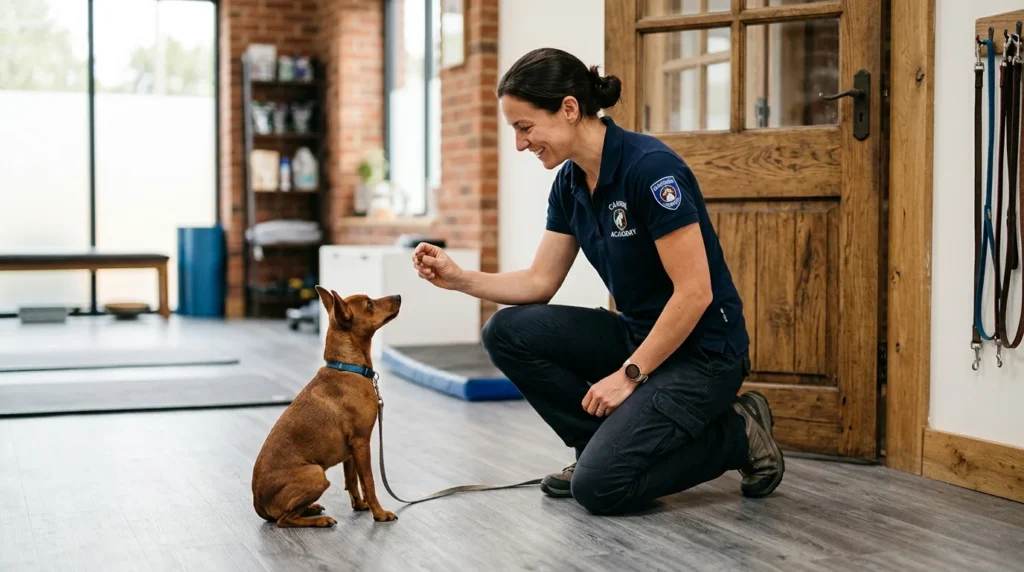
Working with a Certified Separation Anxiety Trainer (CSAT) can be a game-changer. These professionals specialize in systematic desensitization protocols tailored to your dog’s specific needs.
Anxiety training often involves “sub-threshold” work. This means practicing departures that are so short—literally seconds at first—that the dog doesn’t have time to get upset. Slowly, you build up that time. A trainer can help you navigate the “plateaus” where progress seems to stall and provide you with a structured plan that prevents you from moving too fast and accidentally triggering a setback.
10. Gradualism
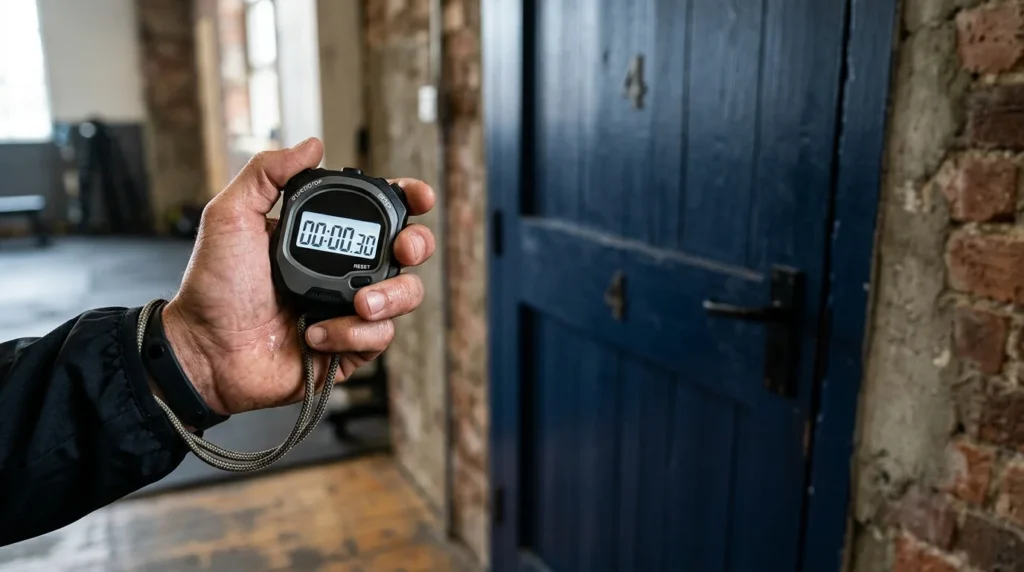
The biggest mistake owners make is trying to leave for four hours when the dog hasn’t even mastered four minutes. Helping a dog with separation anxiety is a marathon, not a sprint.
Start by simply walking to the door, touching the handle, and sitting back down. Then, step outside for five seconds and come back in. Once the dog is comfortable with that, move to 30 seconds, then one minute, then five. If at any point the dog shows signs of distress (whining, lip licking, panting), you have gone too far too fast. Go back to the previous step where they were successful and build up more slowly.
11. Socialization
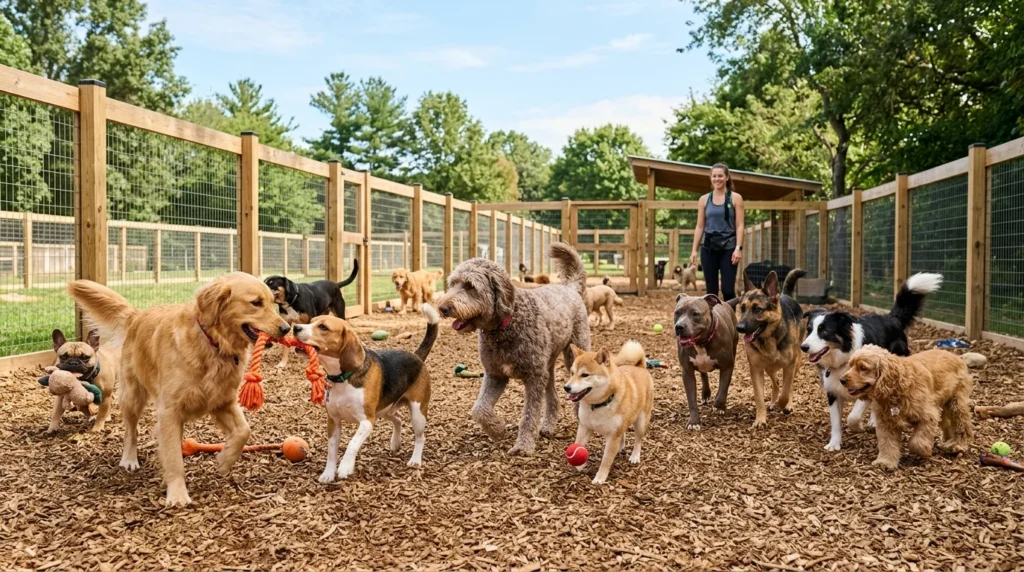
If your dog’s anxiety is severe and you must be away for long work hours, consider “management” options to prevent the panic from occurring in the first place. Doggy daycare, a professional dog walker, or a “pet sitter” can provide the human or canine companionship your dog needs.
By ensuring your dog is never truly alone during the training phase, you prevent them from practicing the anxious behaviors. This “breaks the habit” of panicking. As your training at home progresses and your dog becomes more confident, you can slowly phase out these services, but in the beginning, they are invaluable for maintaining your dog’s mental health and your own peace of mind.


