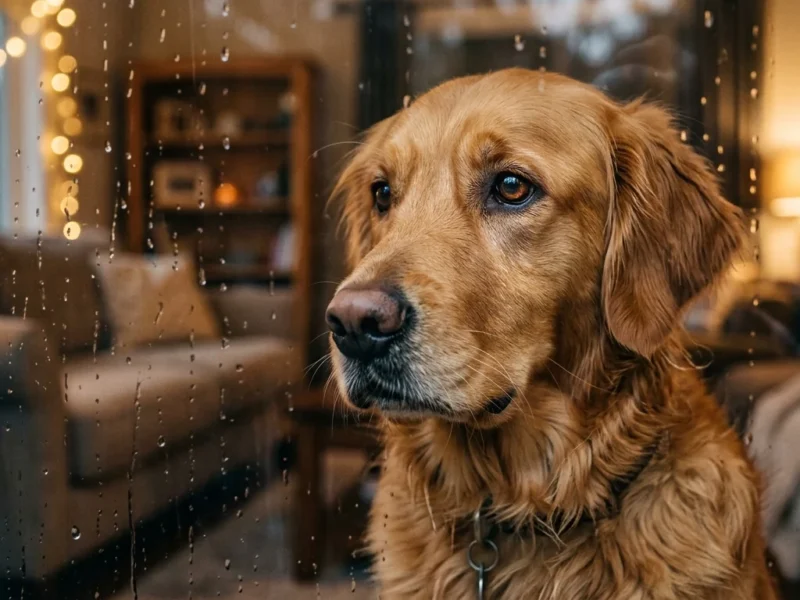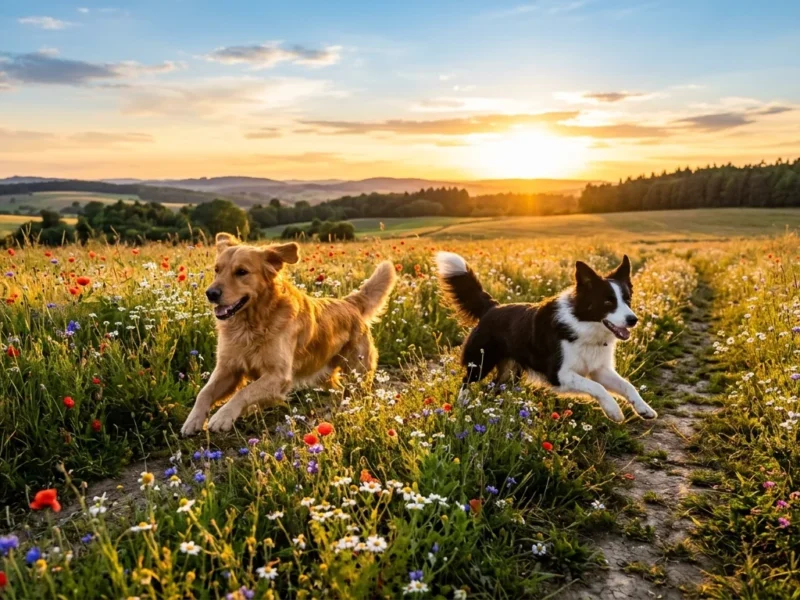
Every dog owner knows the feeling. You grab your keys, put on your shoes, and look down only to see those soulful, pleading eyes staring back at you. Leaving your canine companion home alone can trigger a massive wave of “pet parent guilt,” but for most of us with jobs, errands, and social lives, it is an unavoidable part of life.
The good news? Dogs are remarkably adaptable creatures. With the right preparation, your home can transform from a place of isolation into a secure sanctuary where your dog feels safe, entertained, and relaxed until your return. Whether you have a rambunctious puppy or a senior dog who prefers long naps, these eight smart strategies will help you master the art of leaving your dog home alone without the stress.
1. Morning Exercise
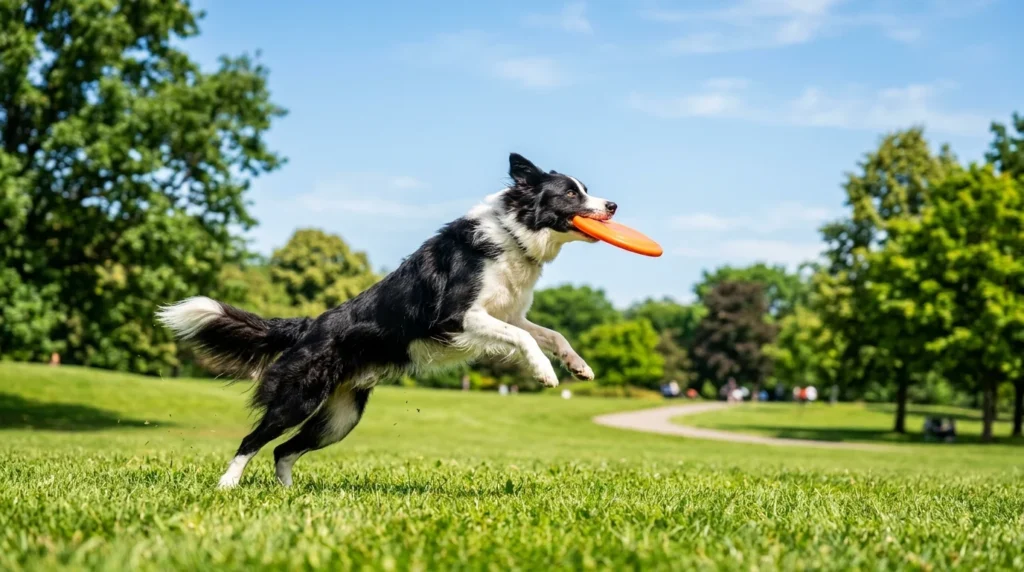
The secret to a peaceful dog is a tired dog. If you head straight from your bed to the front door, your dog is likely left with a surplus of morning energy and nowhere to put it. This pent-up adrenaline often manifests as destructive behavior, such as chewing furniture or incessant barking.
By incorporating a vigorous exercise session into your morning routine, you tap into your dog’s natural circadian rhythm. A 30-minute brisk walk, a game of fetch, or even a quick training session in the backyard burns off physical energy and provides mental stimulation. When you finally leave, your dog’s body will naturally want to enter a rest state, making the transition from “active time” to “alone time” much smoother.
2. Interactive Toys

Mental fatigue is just as important as physical fatigue. When a dog is bored, they look for ways to entertain themselves—and usually, that involves your favorite pair of shoes or the corners of your drywall. Interactive toys and puzzle feeders are the perfect solution to keep their brains occupied.
Consider stuffing a sturdy rubber toy with peanut butter (xylitol-free!), yogurt, or wet food and freezing it overnight. This creates a long-lasting “pupsicle” that can keep a dog busy for an hour or more. There are also advanced snuffle mats and treat-dispensing balls that require your dog to use their nose and paws to solve problems. This mimics the natural foraging behavior of canines, providing a satisfying “job” for them to do while you’re away.
3. Safety Zones
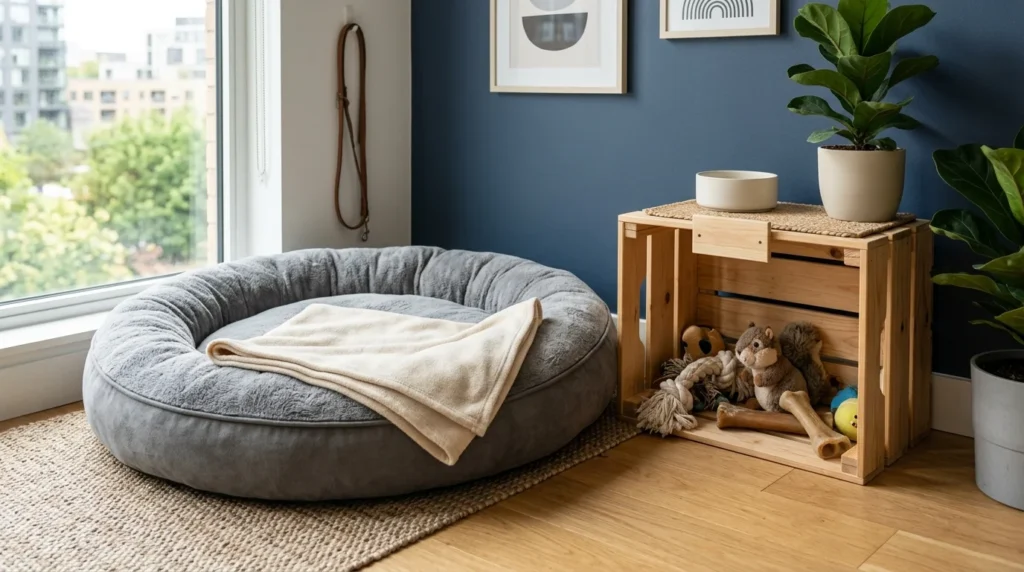
Dogs are den animals by nature. Providing them with a designated “safety zone” helps them feel secure when the “pack leader” (you) is gone. For some dogs, this is a crate; for others, it might be a specific room gated off with a laundry door or a cozy corner of the living room.
Ensure this area is filled with comfort. An orthopedic bed, a blanket that smells like you, and access to fresh water are essentials. Limit the space if your dog tends to get overwhelmed by large areas, as a smaller, controlled environment can actually reduce anxiety. Make sure the area is free of hazards like loose electrical cords, toxic plants, or small objects they might swallow.
4. Ambient Sounds
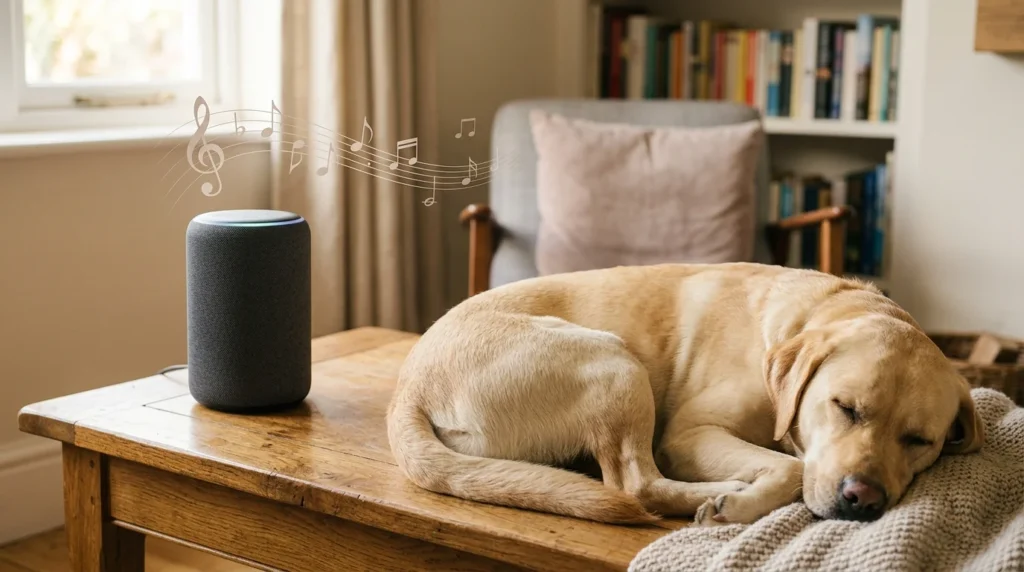
The silence of an empty house can be deafening for a dog, making every outside noise—a car door slamming, a neighbor walking by, or a squirrel on the roof—sound like a major threat. This “alert barking” can keep your dog in a high state of arousal all day.
To counter this, provide some background “white noise.” Leaving a radio on a classical music station, playing a “calming music for dogs” playlist on a smart speaker, or even leaving the TV on a nature channel can work wonders. These sounds mask the unpredictable noises from outside and provide a consistent auditory environment that signals “everything is normal.”
5. Digital Check-ins
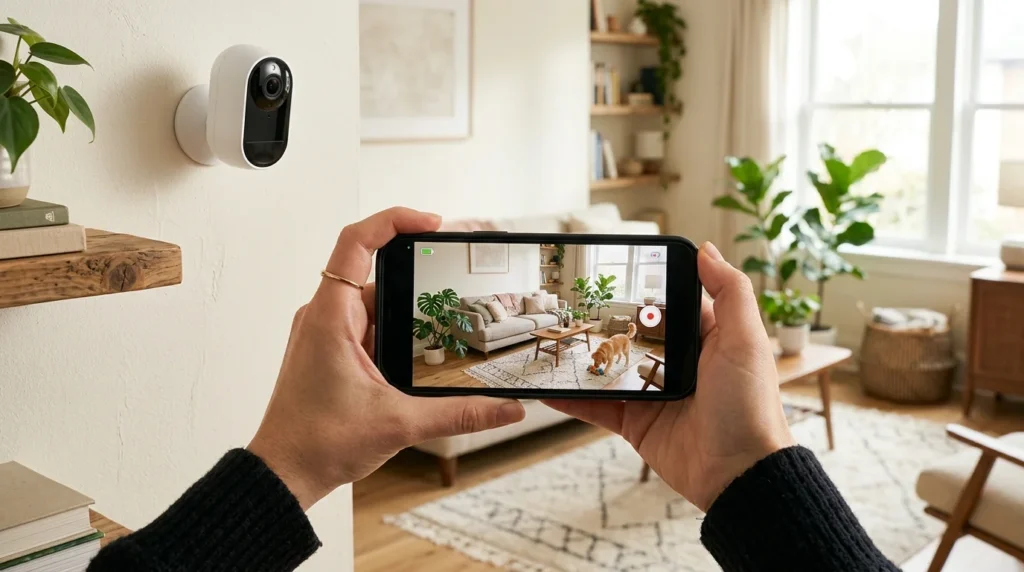
In the age of smart homes, you never truly have to be “away” from your pet. Pet cameras have become an essential tool for the modern dog owner. Many of these devices offer two-way audio, allowing you to soothe your dog with your voice or tell them to “get off the couch” in real-time.
Some advanced models even feature treat-tossers, allowing you to reward your dog remotely for good behavior. More importantly, these cameras allow you to monitor for signs of separation anxiety, such as pacing, panting, or howling. If you see your dog is resting calmly, it provides you with much-needed peace of mind while you’re at the office or running errands.
6. Exit Rituals
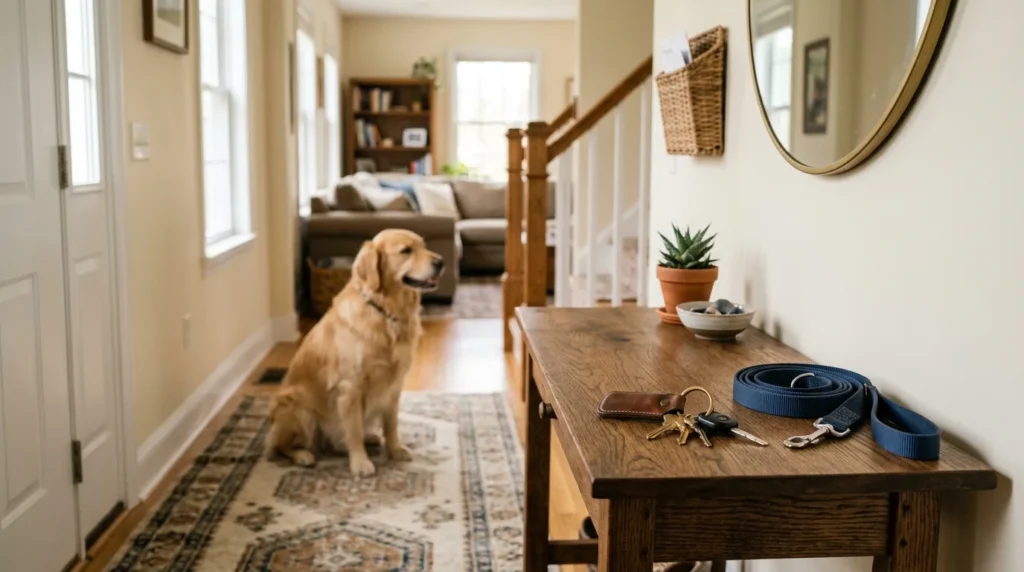
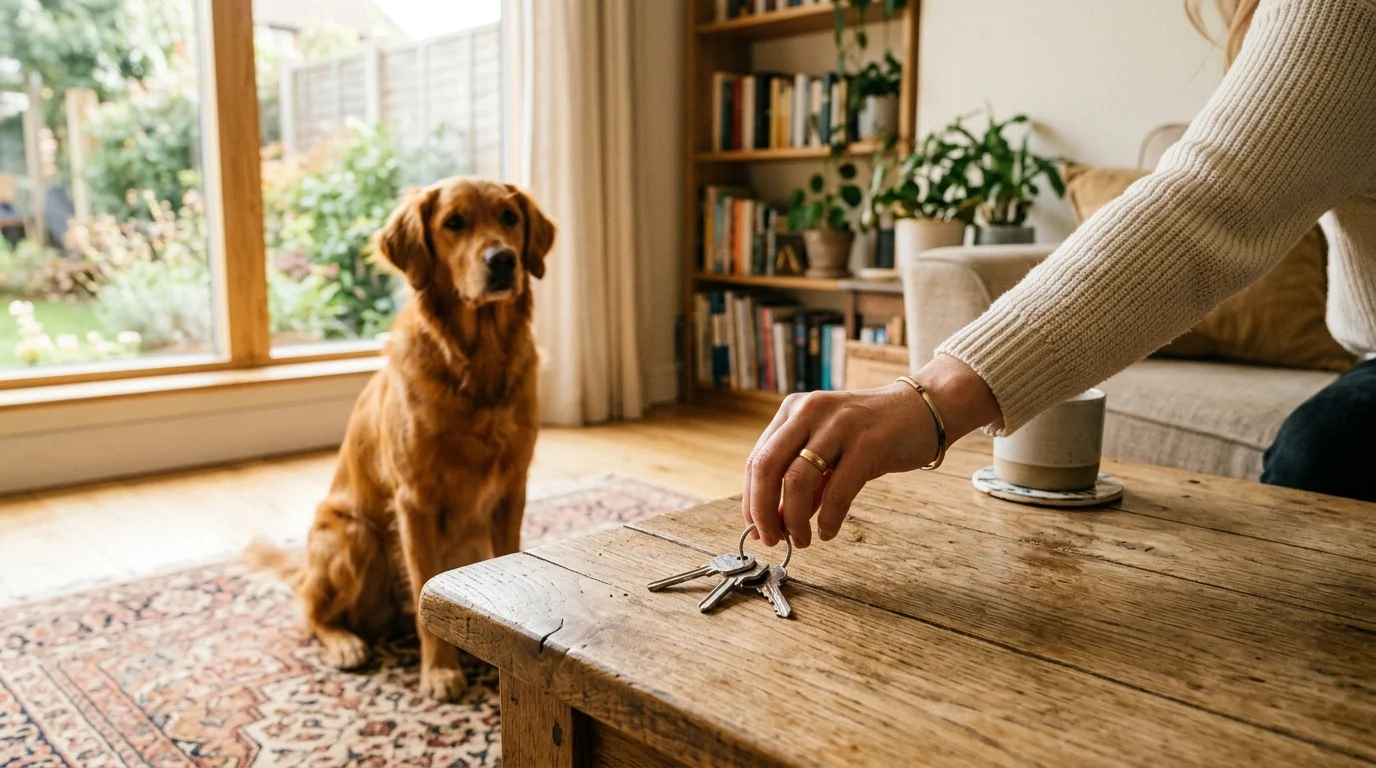
Dogs are masters of observation. They know exactly when you’re leaving because of the cues you give off: picking up your keys, putting on your coat, or the specific way you lacing your boots. For a dog with separation anxiety, these “pre-departure cues” can trigger a panic attack before you even step outside.
To break this cycle, desensitize your dog to these rituals. Pick up your keys and then sit on the couch to watch TV. Put on your coat and then go into the kitchen to make a sandwich. By uncoupling these actions from your actual departure, you lower the stakes. Additionally, try to keep your actual exits and entrances low-key. A frantic “goodbye” or an over-excited “hello” only reinforces the idea that your absence is a big, stressful deal.
7. Soothing Aromas
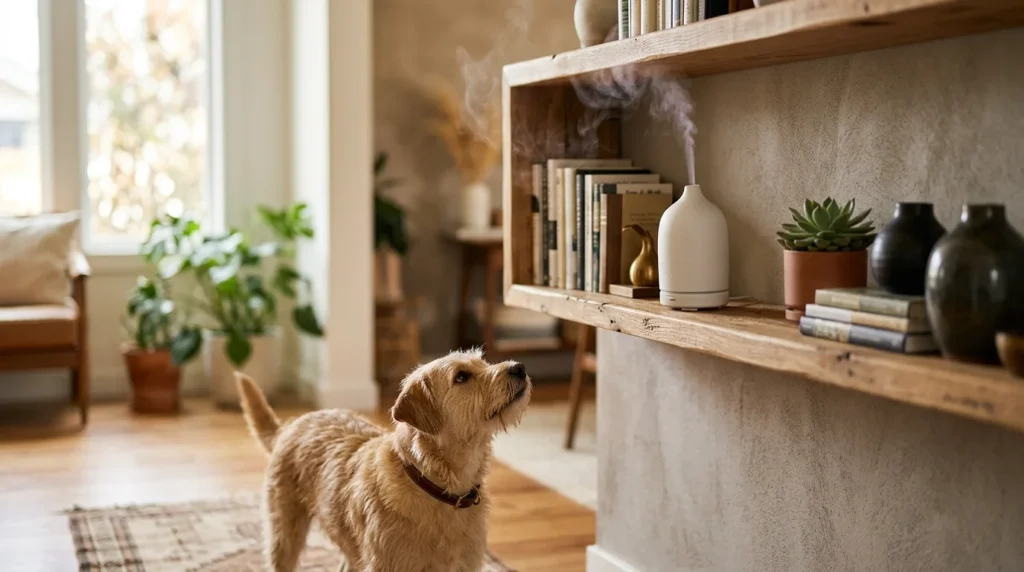
A dog’s sense of smell is their primary way of navigating the world. You can use this to your advantage by creating a calming olfactory environment. Certain scents, like lavender and chamomile, have been scientifically shown to reduce stress in canines.
Consider using a dog-specific pheromone diffuser. These devices release a synthetic version of the calming pheromone mothers produce to soothe their puppies. It’s odorless to humans but can have a profound “chill-out” effect on dogs. Alternatively, leaving an unwashed t-shirt you’ve recently worn in your dog’s bed can provide comfort through your familiar scent, making them feel like you’re still close by.
8. Human Connection
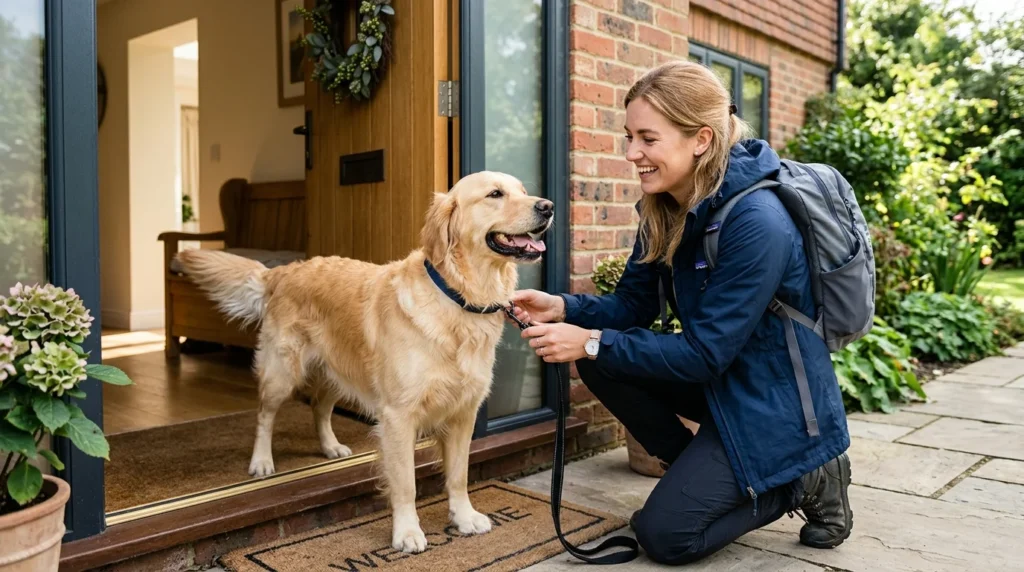
If you are going to be away for more than 4 to 6 hours, your dog will likely need a break—not just for a bathroom trip, but for social interaction. Dogs are social pack animals, and extended isolation can be difficult for them to handle.
Hiring a professional dog walker, asking a trusted neighbor to pop in for fifteen minutes, or enrolling your dog in a high-quality doggy daycare once or twice a week can make a massive difference. This mid-day “reset” breaks up the monotony of the day, allows them to relieve themselves, and provides the mental stimulation of seeing a friendly face. It ensures that the time they spend alone is manageable and that their physical and emotional needs are being met.