Regular grooming is one of the best things you can do for your dog’s health, comfort, and overall happiness. Grooming isn’t just about looking good — it helps prevent skin problems, reduces shedding, keeps infections away, and strengthens the bond between you and your furry companion. Whether you’re a new dog owner or an experienced pet parent, following expert grooming practices ensures your pup feels fresh, clean, and loved.
Here are 10 expert dog grooming tips that will help keep your dog healthy, comfortable, and tail-wagging happy.
1. Brush Your Dog Regularly to Prevent Shedding and Mats
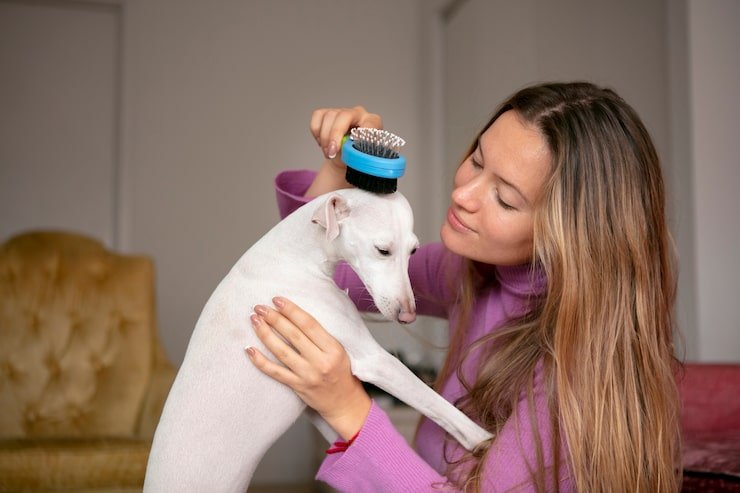
Brushing is one of the most important grooming steps. It removes loose fur, prevents mats, distributes natural oils, and keeps your dog’s coat shiny. Different breeds have different coat types, so choose a brush suited to your dog:
- Slicker brush for long-haired breeds
- Bristle brush for smooth coats
- Undercoat rake for double-coated breeds
- Pin brush for curly coats
Aim to brush at least 2–3 times a week, though heavy shedders may need daily brushing.
2. Choose the Right Shampoo for Your Dog’s Skin & Coat
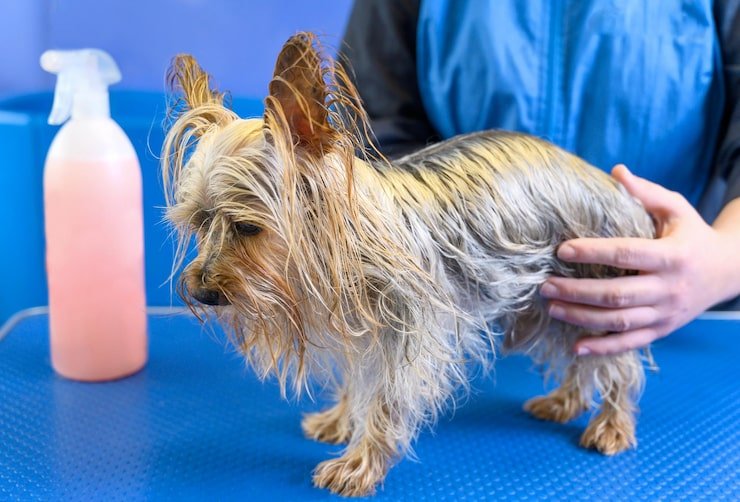
Not all shampoos are created equally. Human shampoos can irritate your dog’s skin, so always use a gentle, dog-specific formula.
For best results, choose shampoos based on your dog’s needs:
- Oatmeal shampoo for sensitive skin
- Shed-control shampoo for double-coated breeds
- Hypoallergenic shampoo for allergies
- Whitening shampoo for light coats
- Flea and tick shampoo for protection
Avoid over-bathing — most dogs only need a bath every 4–6 weeks unless they get dirty frequently.
3. Trim Nails Regularly to Avoid Pain and Injury
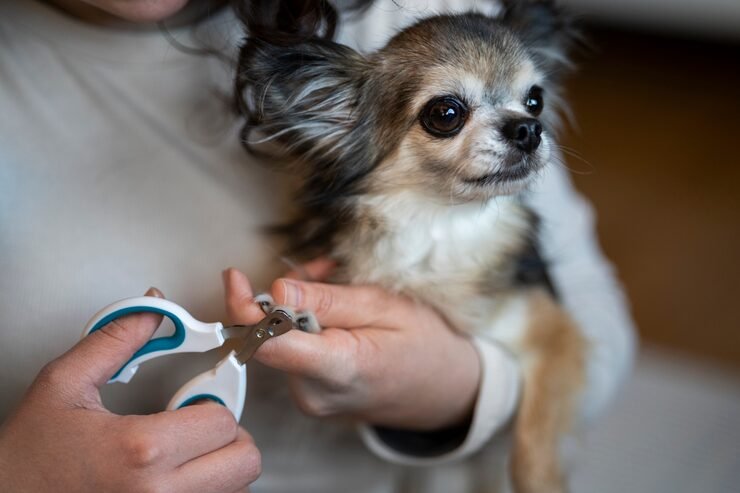
Long nails can cause discomfort, misaligned posture, and even joint issues. If you hear clicking on the floor, it’s time for a trim.
Expert tips:
- Use dog nail clippers or a grinder
- Trim just the tip to avoid the quick
- Reward your pup after every nail
- Trim once every 2–4 weeks
If your dog is anxious about nail trims, go slowly and introduce the process gradually with treats and praise.
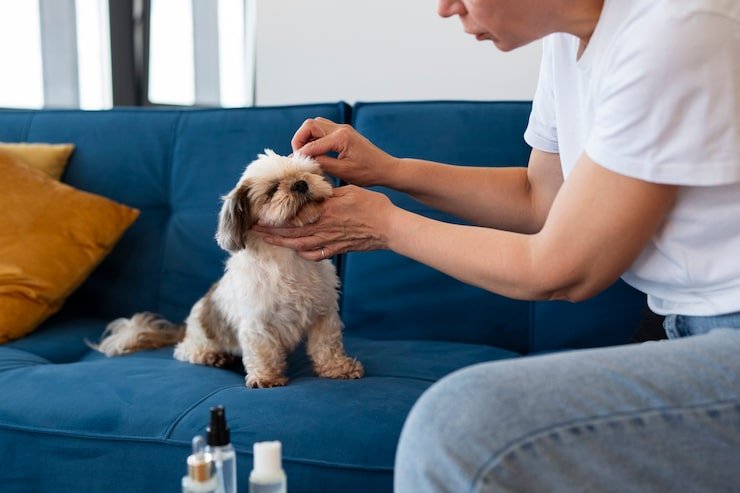
4. Clean the Ears to Prevent Infections
Ear grooming is extremely important — especially for floppy-eared dog breeds like Cocker Spaniels, Beagles, and Labradors. Moisture and wax buildup can lead to infections.
Clean ears by:
- Using a vet-approved ear cleaning solution
- Applying the solution and gently massaging
- Wiping away debris with cotton pads
- Avoiding cotton swabs deep inside the ear
Check your dog’s ears weekly to catch any redness, odor, or discharge early.
5. Brush Your Dog’s Teeth for Fresh Breath and Healthy Gums
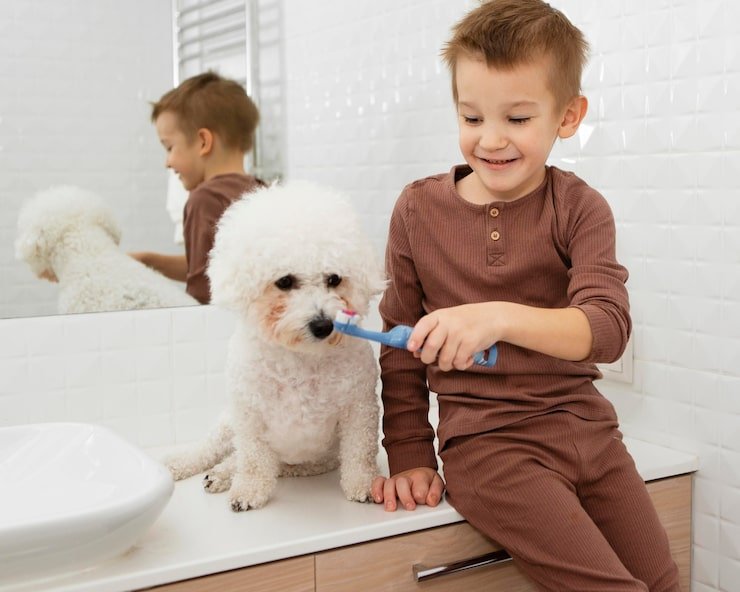
Dental hygiene is often overlooked but essential. Poor oral care can cause tartar buildup, gum disease, and even heart issues.
Expert recommendations:
- Brush teeth 2–3 times a week
- Use dog-friendly toothpaste (never human toothpaste)
- Try dental chews for extra cleaning
- Consider water additives for oral health
Start slowly so your pup gets used to the routine.
6. Keep the Eyes Clean and Tear-Free
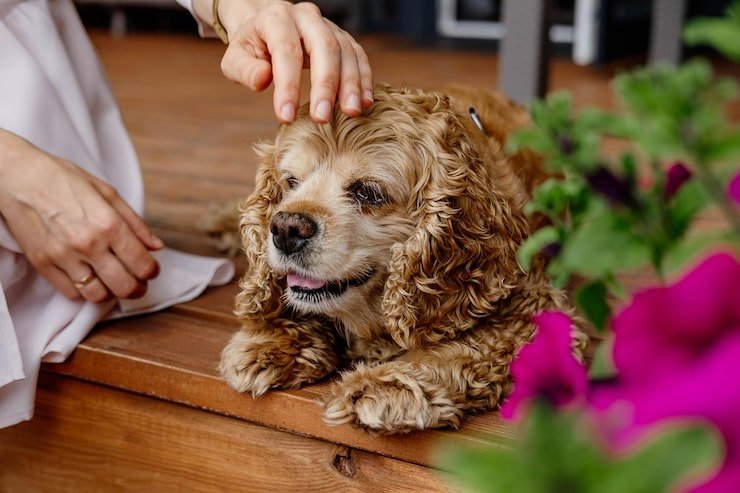
Some dogs naturally produce more tears or develop tear stains, especially breeds like Shih Tzus, Poodles, and Maltese.
To maintain clean, healthy eyes:
- Wipe gently with pet-safe eye wipes
- Trim hair around the eyes
- Watch for redness or discharge
- Keep the face dry to reduce staining
If your dog shows signs of irritation, consult a vet immediately.
7. Trim and Shape the Coat for Comfort
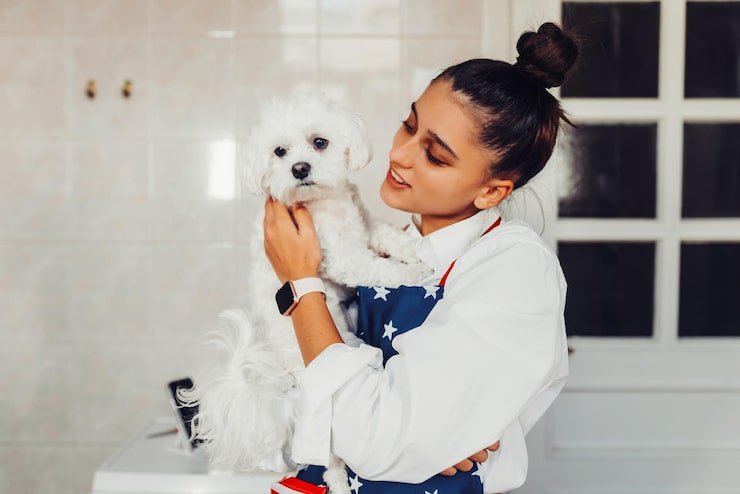
Depending on your dog’s breed, regular trimming helps maintain hygiene and comfort. Long-haired breeds need trimming more frequently, while short-haired breeds may only require touch-ups.
Trimming benefits include:
- Reducing matting
- Keeping paws clean
- Preventing overheating
- Maintaining hygiene around sanitary areas
It’s best to use professional groomers for complicated cuts like Poodle or Schnauzer trims.
8. Check and Clean Your Dog’s Paws
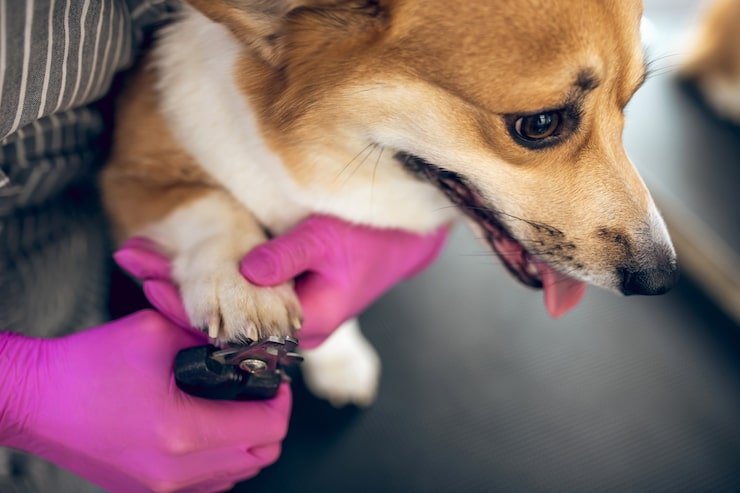
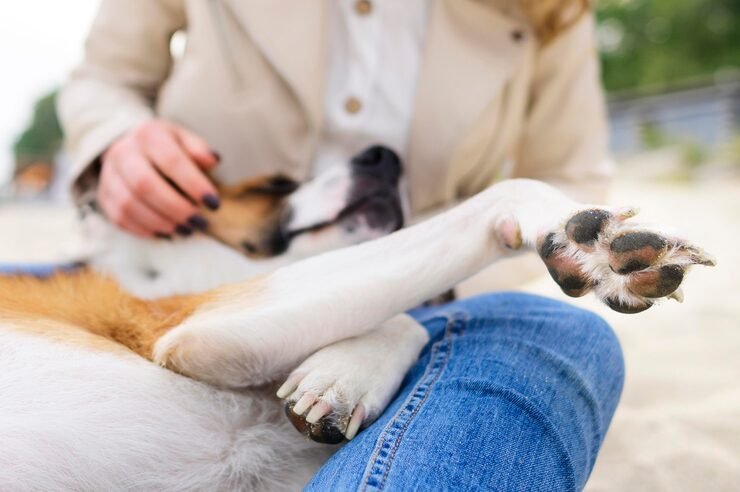
Paws experience the most wear, so paw care is essential. Regularly examine your dog’s paw pads for cracks, debris, or irritation.
Expert paw-care tips:
- Trim fur between paw pads
- Moisturize with dog-safe paw balm
- Remove dirt, stones, or grass
- Rinse paws after walks in mud or snow
Healthy paws keep your dog comfortable and active.
9. Understand Your Dog’s Breed-Specific Grooming Needs
Every breed has unique grooming requirements. Double-coated dogs shed seasonally, while curly-coated pups need regular trimming.
Examples:
- Huskies & German Shepherds: heavy seasonal shedding
- Poodles & Doodles: coat trimming every 6–8 weeks
- Bulldogs & Pugs: facial wrinkle cleaning
- Yorkshire Terriers: daily brushing for silky coats
- Beagles & Boxers: low-maintenance coats
Knowing your dog’s breed needs ensures you groom them properly and avoid common coat issues.
10. Make Grooming a Positive, Stress-Free Experience
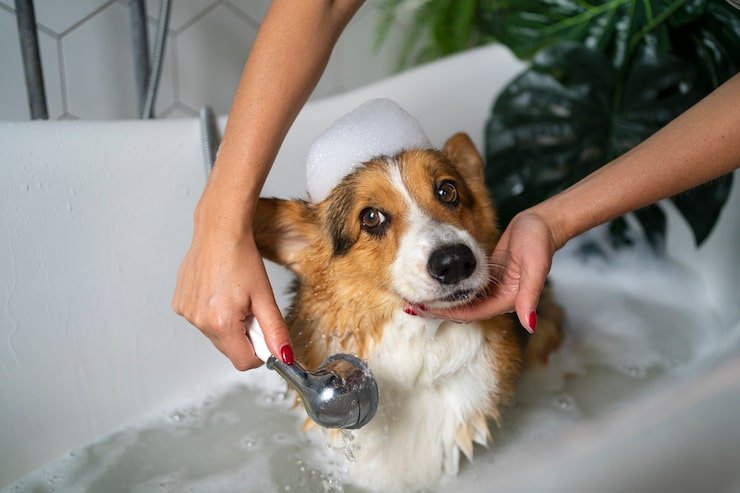
The best grooming routine is one your dog feels comfortable with. Turn grooming time into bonding time by creating a calm, loving environment.
Tips to reduce stress:
- Start grooming early in puppyhood
- Offer treats and praise throughout
- Use slow movements and gentle tools
- Keep sessions short and pleasant
- Avoid forcing your dog when they’re stressed
A relaxed grooming environment helps your dog enjoy the process instead of fearing it.
Bonus Tip: Visit a Professional Groomer When Needed
Even experienced dog parents sometimes need help from professionals — especially for complex cuts, heavy shedding seasons, or tricky areas like under the tail or between paw pads.
Professional grooming is great for:
- Full-body trims
- Deep coat conditioning
- De-shedding treatments
- Nail grinding
- Anal gland expression (if needed)
Scheduling grooming every 6–12 weeks keeps your pup in perfect shape.
Conclusion
Grooming your dog is essential for their health, happiness, and overall well-being. With these expert tips — from regular brushing and paw care to proper bathing and dental hygiene — you can keep your dog looking and feeling their best. A well-groomed dog is not only healthier but also more confident, comfortable, and joyful.
Whether you do it yourself or partner with a professional groomer, investing time in grooming strengthens your bond and ensures your pup enjoys a clean, happy, and stress-free life.