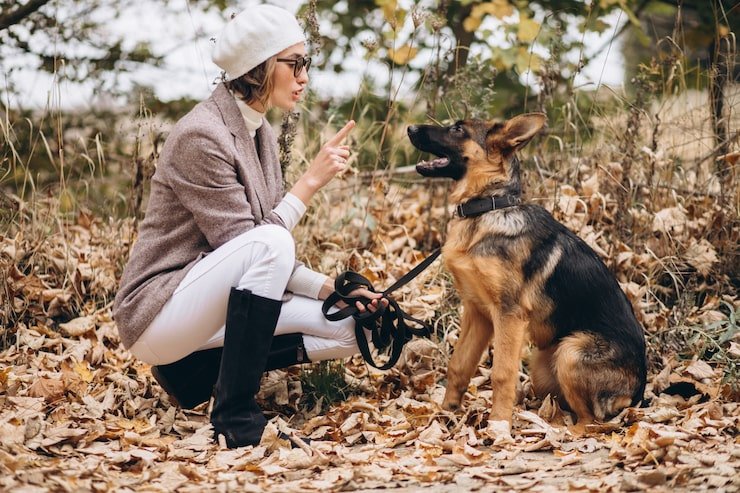
German Shepherds are one of the most loyal, intelligent, and hardworking dog breeds in the world. Whether you’re bringing home a puppy or already living with this majestic breed, understanding their needs is crucial for raising a healthy, confident, and well-behaved dog. Known for their courage, versatility, and deep devotion to their families, German Shepherds thrive with proper training, structure, and stimulation.
Here are 10 important things every German Shepherd owner should know to ensure your dog grows into a happy, healthy, and well-balanced companion.
1. German Shepherds Need Daily Mental Stimulation
German Shepherds are one of the smartest dog breeds, originally bred for working roles such as herding, guarding, and search-and-rescue. Their sharp intelligence means they get bored easily — and boredom can lead to destructive behavior.
Ways to stimulate their minds:
- Puzzle toys
- Obedience training
- Scent games
- Hide-and-seek
- Advanced commands
- Interactive toys
A mentally challenged German Shepherd is a calm and satisfied companion.
2. They Require Plenty of Exercise
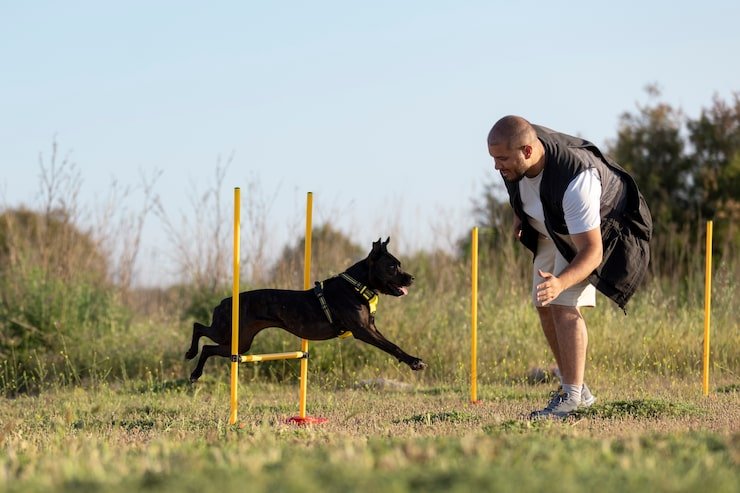
These dogs are highly energetic and athletic. Without proper exercise, they may become restless, anxious, or overly protective.
Daily exercise routine:
- 60–90 minutes of physical activity
- Long walks or jogs
- Fetch sessions
- Hiking
- Agility training
A tired German Shepherd is a good German Shepherd. Regular exercise helps reduce behavioral issues.
3. Training Should Start Early and Stay Consistent

German Shepherds are natural learners, but they need firm, consistent training from an early age. Positive reinforcement works best for this breed.
Training essentials:
- Start with basic commands (sit, stay, come)
- Maintain consistency
- Avoid harsh punishments
- Reward good behavior
- Attend obedience classes if needed
Early socialization helps them grow into confident, well-mannered adults.
4. Socialization Is Crucial for a Balanced Temperament
Without proper socialization, German Shepherds may become overprotective or wary of strangers. Expose them to different:
- People
- Places
- Dogs
- Sounds
- Environments
The more positive experiences they have, the more stable their temperament will become. Socialization should continue throughout their life.
5. Their Coat Needs Regular Grooming
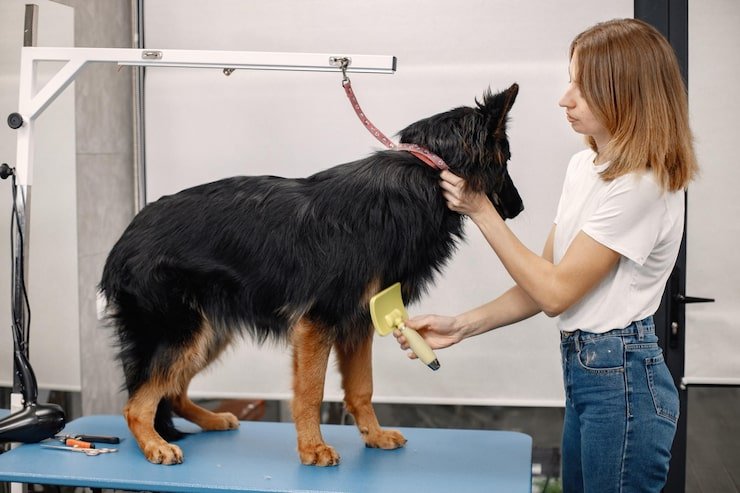
German Shepherds have a double coat and are known as “German Shedders” for a reason — they shed year-round and heavily during seasonal changes.
Grooming tips:
- Brush 3–4 times a week
- Use an undercoat rake during heavy shedding
- Bathe every 4–6 weeks
- Keep nails trimmed
- Clean ears regularly
Proper grooming keeps their skin healthy and reduces shedding around the house.
6. They Are Prone to Certain Health Issues
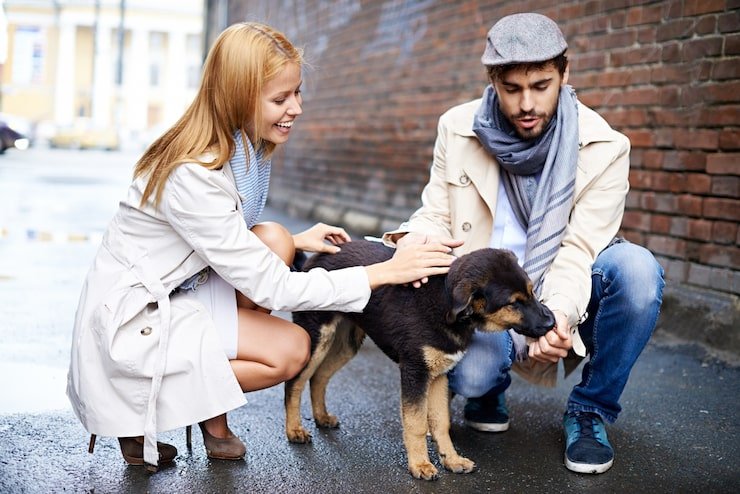
German Shepherds are a hardy breed but can develop certain genetic conditions. Responsible owners should stay proactive with health check-ups.
Common health concerns:
- Hip and elbow dysplasia
- Degenerative myelopathy
- Allergies
- Digestive issues
- Bloat (gastric torsion)
Regular vet visits, a balanced diet, and early detection can help prevent complications.
7. They Need High-Quality Nutrition
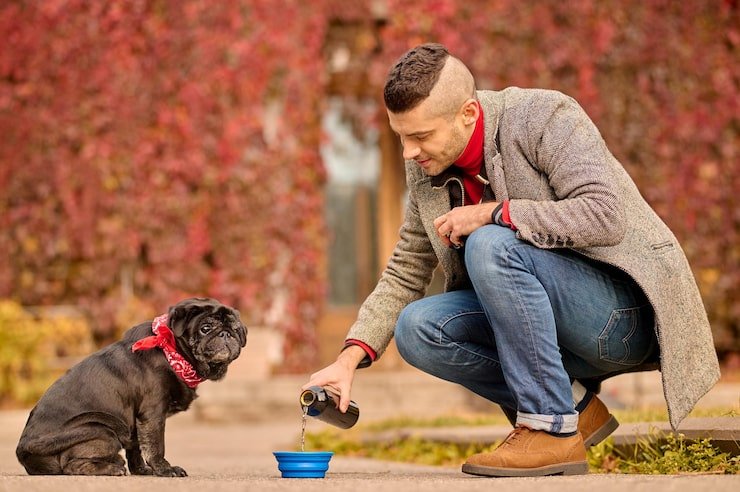
A powerful, active breed like the German Shepherd requires a nutrient-rich diet to support their joints, muscles, and energy levels.
Ideal diet components:
- High-quality protein
- Healthy fats
- Omega-3 fatty acids
- Glucosamine and chondroitin for joints
- Limited filler ingredients
Large-breed dog food formulas are a great option to help maintain healthy growth and reduce joint stress.
8. They Form Deep Bonds and Need Emotional Connection
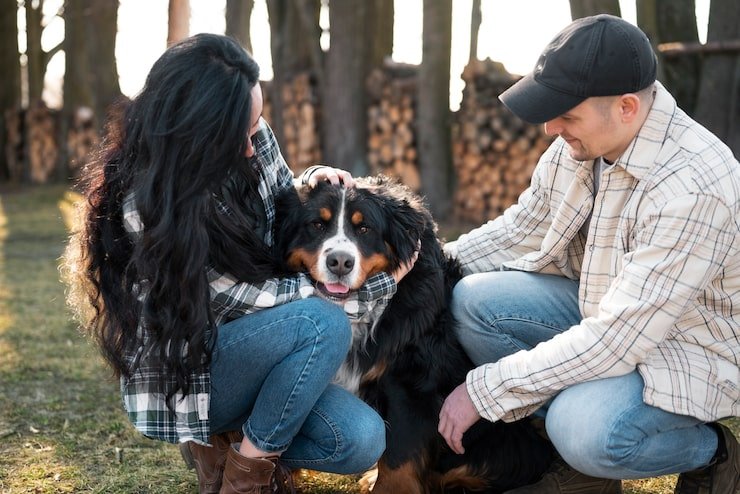
German Shepherds are incredibly loyal and devoted to their families. They thrive on closeness and can become anxious if left alone for long periods.
To support their emotional well-being:
- Spend quality time
- Offer affection
- Allow them to stay close to you
- Provide mental and physical engagement
They are happiest when they feel included in daily activities.
9. They Excel in Jobs and Structured Roles

German Shepherds shine when given tasks or purpose. They love to work and need structure to feel fulfilled.
Great activities for Shepherds include:
- Agility sports
- Obedience competitions
- Search-and-rescue
- Therapy work
- Herding
- Protection training (only with professionals)
Giving them a job boosts confidence and keeps their mind active.
10. They Need a Confident, Calm Leader

German Shepherds look to their owners for guidance. To raise a well-balanced dog, you must be a confident, calm, and consistent leader.
Leadership essentials:
- Set boundaries
- Maintain stable routines
- Be patient
- Stay in control during training
- Offer clear communication
When a German Shepherd trusts your leadership, they become the most loyal and obedient companions.
Bonus Tip: Give Them Plenty of Love and Positive Reinforcement
German Shepherds respond best to love, praise, and rewards — not punishment. They are sensitive, intuitive, and deeply connected to their owners.
Show them:
- Patience
- Consistency
- Encouragement
- Gentle corrections
- Lots of affection
A loved German Shepherd is a confident, well-behaved dog who will protect and adore you unconditionally.
Conclusion
German Shepherds are extraordinary dogs — loyal, smart, strong, and full of heart. But they require commitment, structure, and understanding. With proper training, exercise, socialization, and care, your German Shepherd will grow into a well-mannered, loving, and deeply devoted companion.
By knowing these key things — from their exercise needs to their emotional bonds — you’ll create a happy life for both you and your furry friend. German Shepherds give their whole heart, and with the right guidance, they become the most incredible lifelong partners.