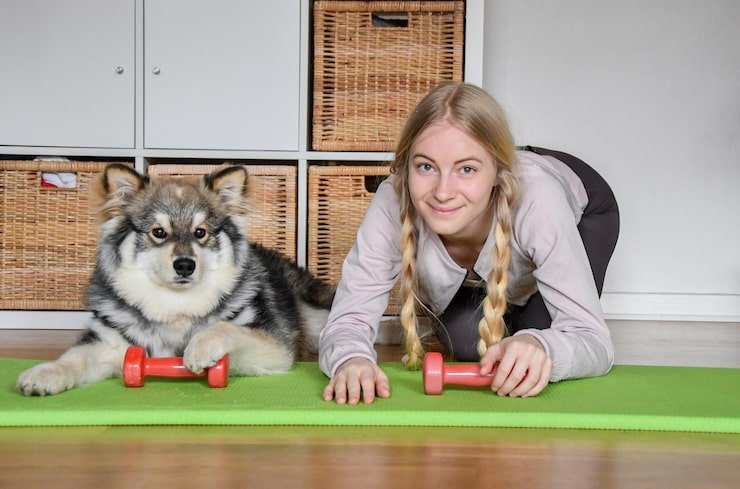
As dogs grow older, their bodies, minds, and daily needs begin to change. Senior dogs require more patience, gentler care, and thoughtful adjustments to keep them comfortable, healthy, and happy. While aging is a natural part of life, there are things we must avoid to ensure our senior dogs live their golden years with dignity and love. Knowing what not to do can protect your senior dog from unnecessary stress, pain, and health complications.
Here are the 10 things you should never do with a senior dog—and what to do instead.
1. Don’t Ignore Subtle Health Changes
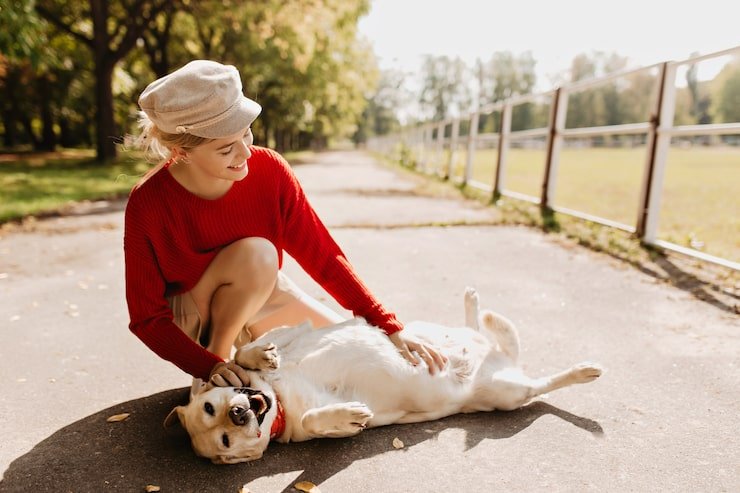
Senior dogs often hide pain or discomfort, and small changes can indicate serious issues.
Never ignore signs like:
- Decreased appetite
- Limping or stiffness
- Excessive thirst
- Vomiting or diarrhea
- Confusion or restlessness
- Sudden weight gain or loss
Instead, schedule regular checkups and contact your vet when you notice new or unusual symptoms. Early intervention keeps health problems manageable.
2. Don’t Skip Regular Vet Visits
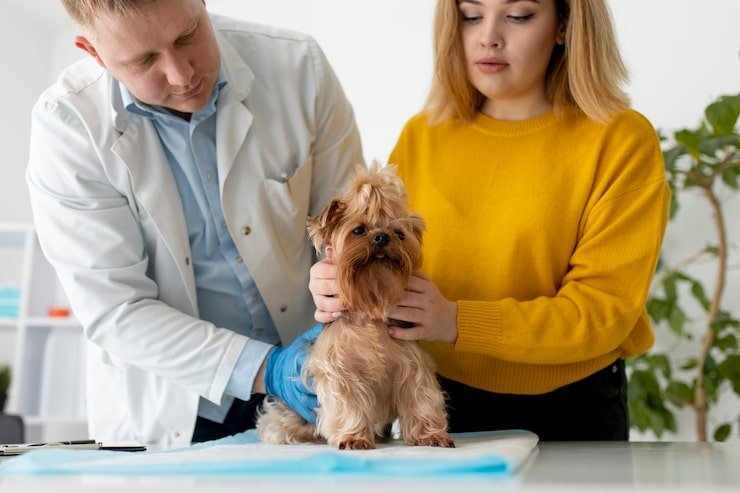
Younger dogs may only need annual checkups, but senior dogs need more frequent visits.
Avoid skipping:
- Wellness exams
- Blood tests
- Dental checks
- Joint assessments
Most vets recommend checkups every 6 months for senior pets. Catching problems early can extend your dog’s life and improve their comfort.
3. Don’t Overexercise Them Like a Young Dog
Senior dogs still need exercise, but their bodies can’t handle intense activity.
Avoid:
- Long hikes
- High-impact running
- Jumping on and off furniture
- Strenuous agility training
Instead, opt for gentle daily walks, slow play sessions, and mental stimulation to keep them strong without causing pain.
4. Don’t Change Their Diet Suddenly
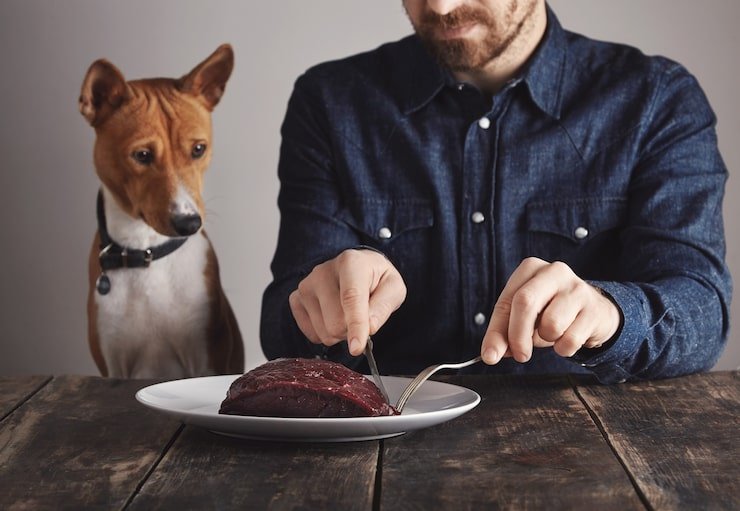
Senior dogs often have sensitive stomachs, and sudden dietary changes can cause digestive upset.
Avoid:
- Switching food overnight
- Feeding rich, fatty foods
- Giving table scraps
- Ignoring dietary needs like joint health or weight control
Always transition food slowly and choose senior-specific formulas that support digestion, mobility, and immune health.
5. Don’t Neglect Their Dental Care
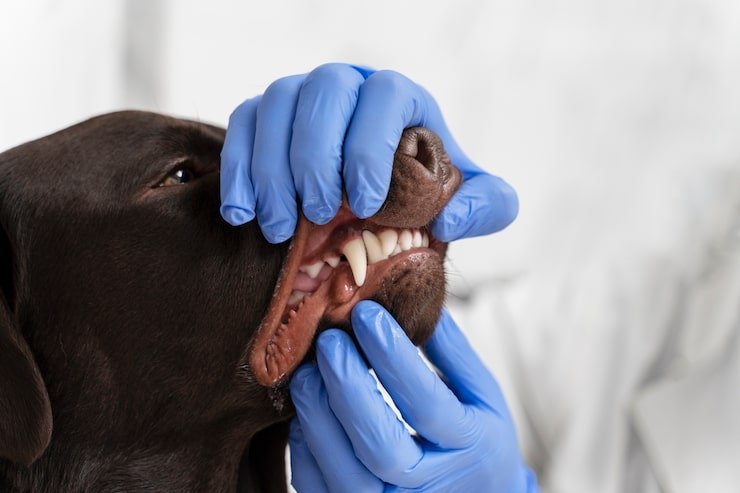
Dental problems are extremely common in older dogs and can lead to pain, infection, and organ issues.
Never ignore:
- Bad breath
- Red or swollen gums
- Difficulty chewing
- Drooling
- Loose or broken teeth
Regular dental checkups, brushing, and vet cleanings are essential.
6. Don’t Force Them Into Stressful Situations
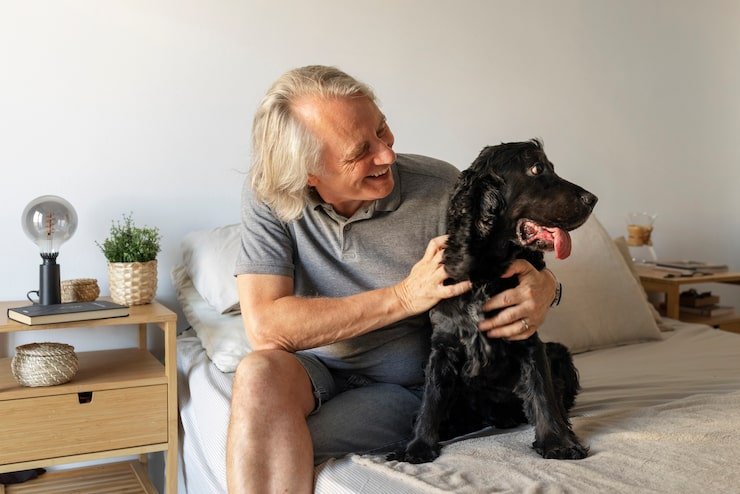
Senior dogs may become more sensitive to loud noises, busy environments, or new people.
Avoid:
- Crowded events
- Rough play with young children
- Loud parties
- New places without preparation
Provide quiet zones, soft bedding, and familiar routines to help them feel safe.
7. Don’t Overlook Mobility Issues
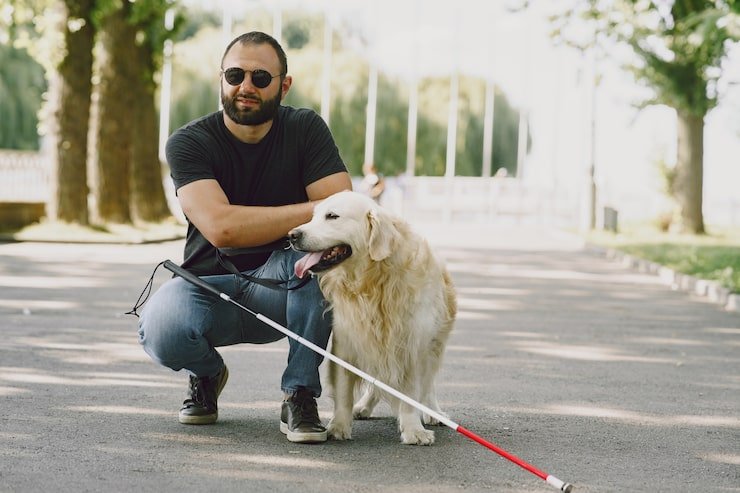
Arthritis and joint problems are extremely common in senior dogs.
Avoid:
- Slippery floors
- Making them climb stairs often
- High jumps onto beds or couches
- Hard sleeping surfaces
Use ramps, non-slip mats, orthopedic beds, and joint supplements to improve comfort.
8. Don’t Punish Them for Accidents
Senior dogs may have accidents due to weak bladder control, cognitive decline, or medical conditions.
Avoid:
- Scolding
- Yelling
- Rubbing their nose in it
Instead, schedule more bathroom breaks, consider pee pads, and talk to your vet about possible causes and treatments. Gentle support is key.
9. Don’t Ignore Their Emotional Needs
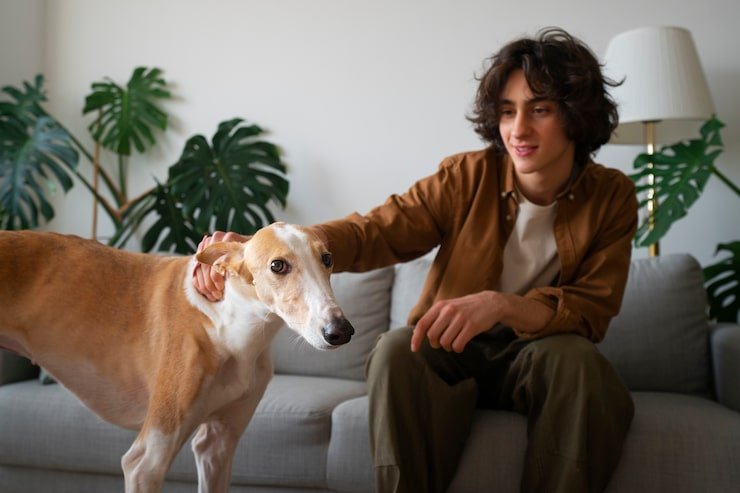
Older dogs often become more attached to their humans and may feel anxious when left alone.
Avoid:
- Long periods of isolation
- Ignoring clinginess
- Sudden big changes in routine
Provide extra cuddles, gentle reassurance, and keep schedules predictable. Emotional care is just as important as physical health.
10. Don’t Forget to Give Them Extra Love
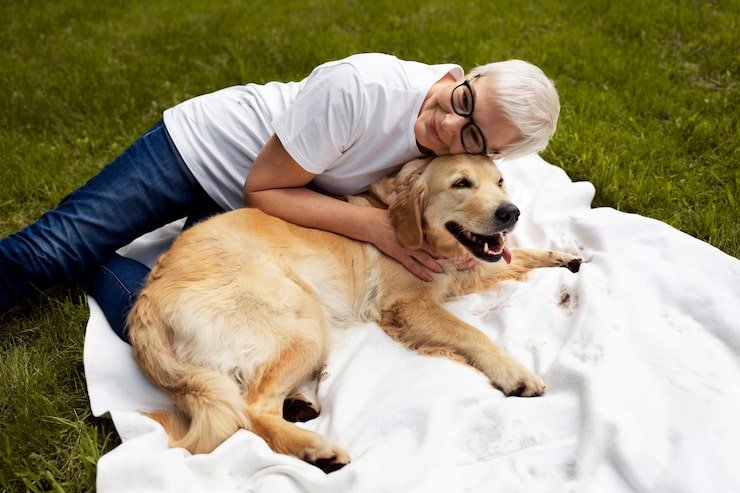
As dogs age, they may slow down—but they still crave affection and connection.
Never:
- Push them aside when they want attention
- Forget playtime
- Stop including them in family activities
Even if your senior dog can’t do what they used to, your love keeps them happy and mentally healthy.
Bonus Tips for Caring for a Senior Dog
Provide Orthopedic Support
Invest in:
- Memory foam beds
- Heated pads
- Joint supplements
These reduce pain and improve sleep quality.
Keep Their Mind Active
Senior dogs need mental exercise too.
Try:
- Puzzle toys
- Scent games
- Short training refreshers
- Slow strolls with sniffing time
Mental enrichment helps prevent cognitive decline.
Maintain a Stable Routine
Predictability makes senior dogs feel secure and relaxed.
Establish:
- Set meal times
- Regular bathroom breaks
- Consistent sleep patterns
Stability reduces anxiety and confusion.
Give Lots of Praise and Reassurance
Senior dogs thrive when they feel loved, safe, and appreciated.
Conclusion
Senior dogs deserve extra compassion, patience, and thoughtful care as they move through their golden years. Avoiding these common mistakes ensures your aging dog stays comfortable, happy, and healthy. By adjusting routines, watching for health changes, offering gentle exercise, and surrounding them with love, you can make their final years some of the best they’ve ever had.
Our senior dogs have given us a lifetime of loyalty — it’s our turn to give them the gentle care they deserve.