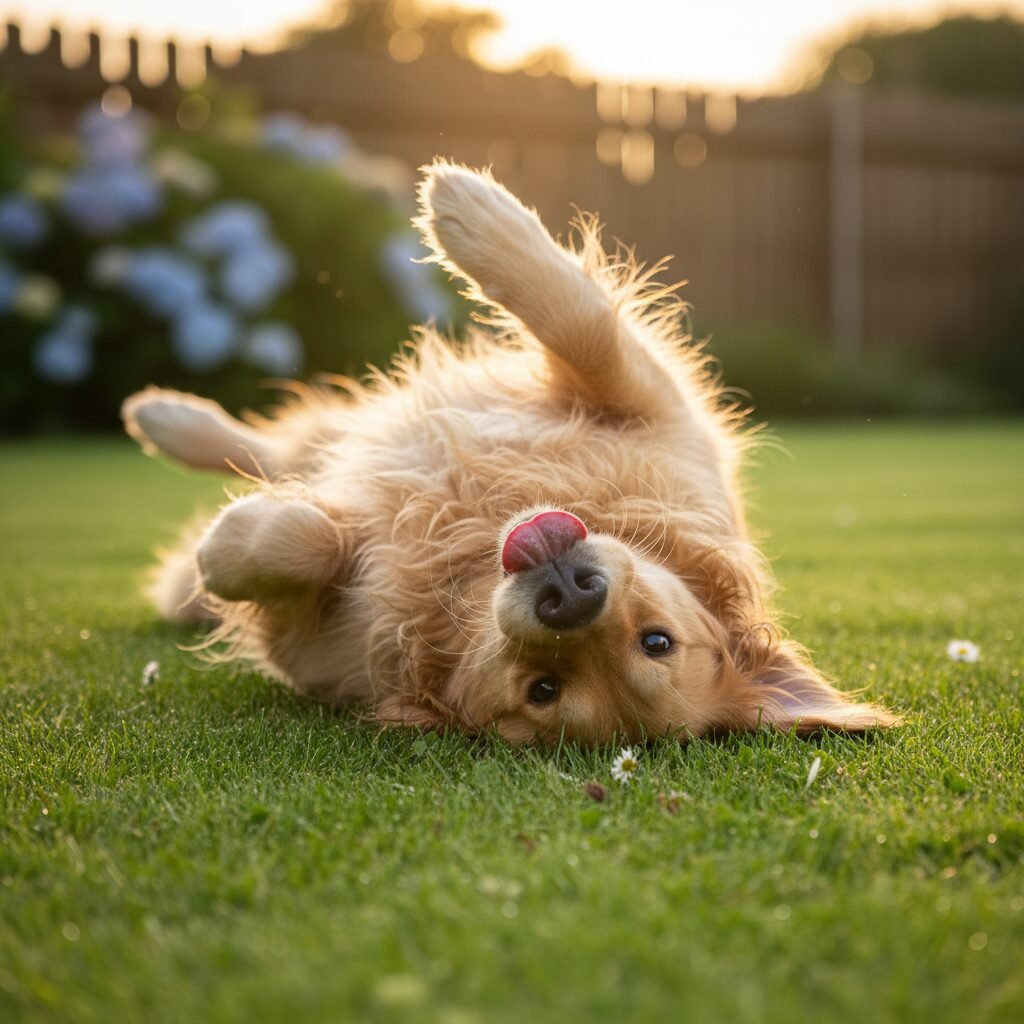
5 Simple Steps to Teach Your Dog to Roll Over Like a Pro
Simple Steps to Teach Your Dog to Roll Over Like a Pro
Teaching your dog new tricks is one of the most rewarding parts of dog parenting. Not only does it strengthen your bond, but it also provides mental stimulation and builds confidence in your furry friend. Among the most impressive tricks, ‘roll over’ stands out as a crowd-pleaser. While it might look complex, breaking it down into simple, manageable steps makes it easy for both you and your dog to master. Ready to turn your pup into a rolling superstar? Let’s dive in!
Before You Start – Essential Tips
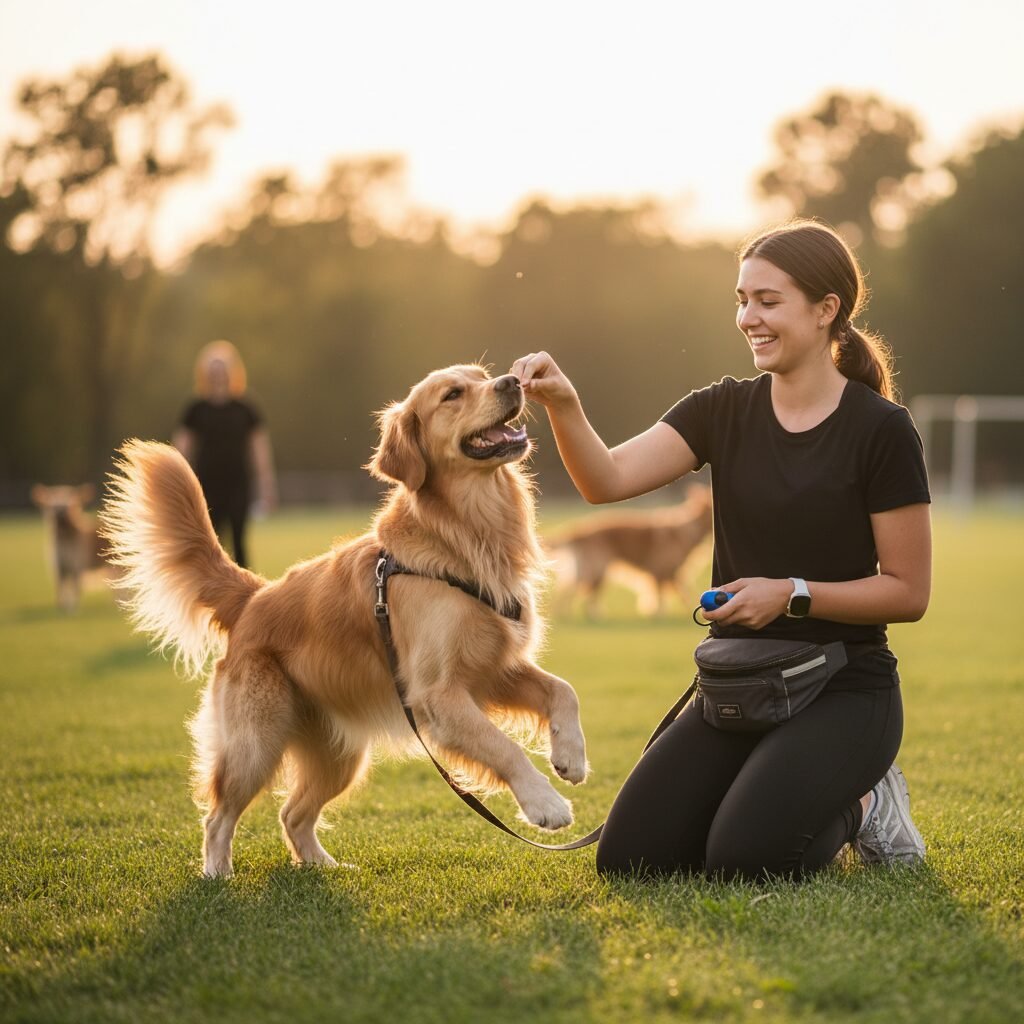
Before we begin the step-by-step guide, here are a few foundational tips to ensure your training sessions are successful and enjoyable for both of you:
- Keep it Positive Always use positive reinforcement. High-value treats, praise, and gentle petting work wonders.
- Short and Sweet Keep training sessions brief, around 5-10 minutes, especially when introducing a new trick. Multiple short sessions are better than one long, tiring one.
- Quiet Zone Choose a quiet, familiar space with minimal distractions. A soft surface like a rug or carpet can be more comfortable for your dog to roll on.
- Patience is Key Every dog learns at their own pace. Don’t get discouraged if it takes a few sessions or even days. Celebrate small victories!
- Prerequisite Your dog should ideally know ‘lie down’ comfortably before attempting ‘roll over’.
Step 1 – The Lie Down and Side Lure
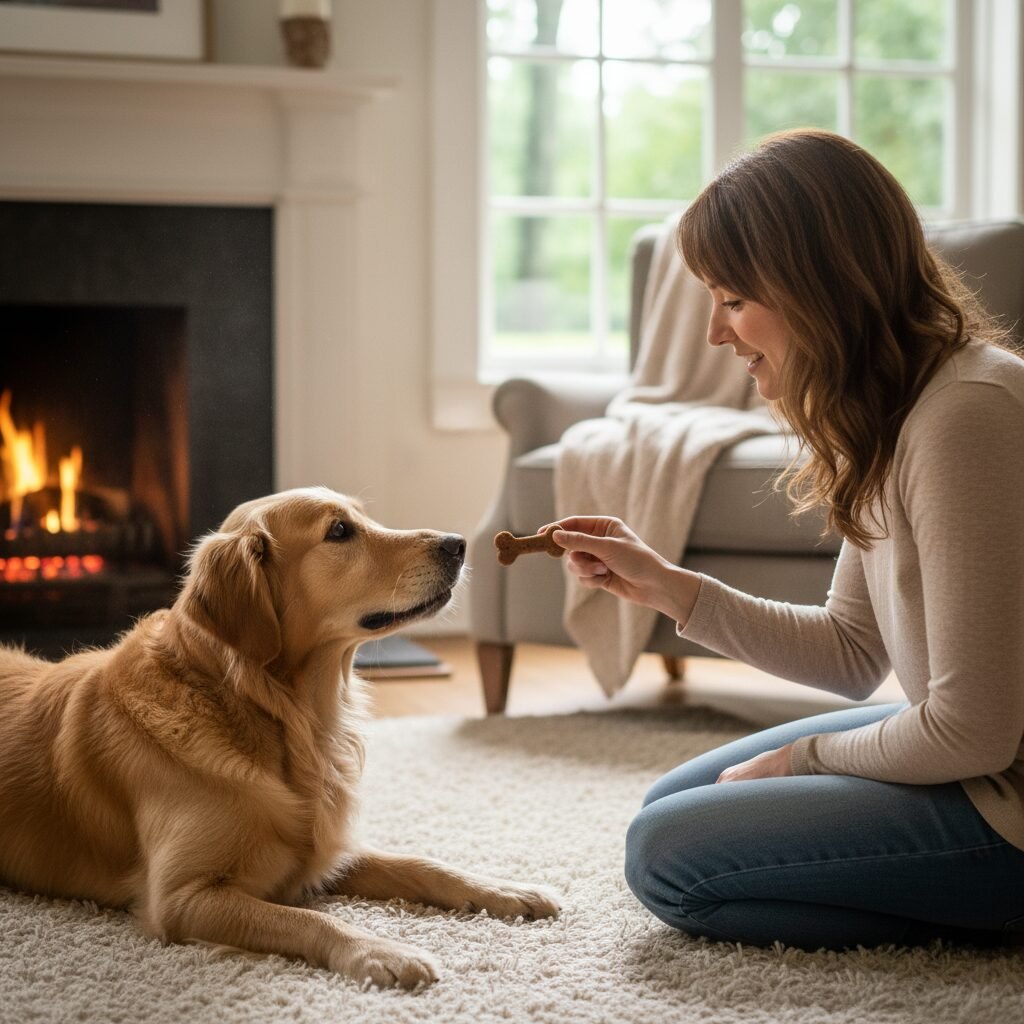
The first step builds directly on the ‘lie down’ command. If your dog isn’t solid on ‘lie down’ yet, practice that first until they can do it consistently.
- Ask your dog to lie down.
- Once they are lying down, hold a high-value treat close to their nose.
- Slowly move the treat from their nose towards their shoulder, then gently arc it towards their hip, luring their head and body to turn onto one side.
- As soon as their body rolls onto one side, even if it’s just slightly, say “Yes!” or click your clicker and give them the treat.
- Repeat this several times, always rewarding them for getting onto their side.
Goal for this step Your dog consistently lies down and then easily shifts onto their side when lured.
Step 2 – Luring the Full Roll
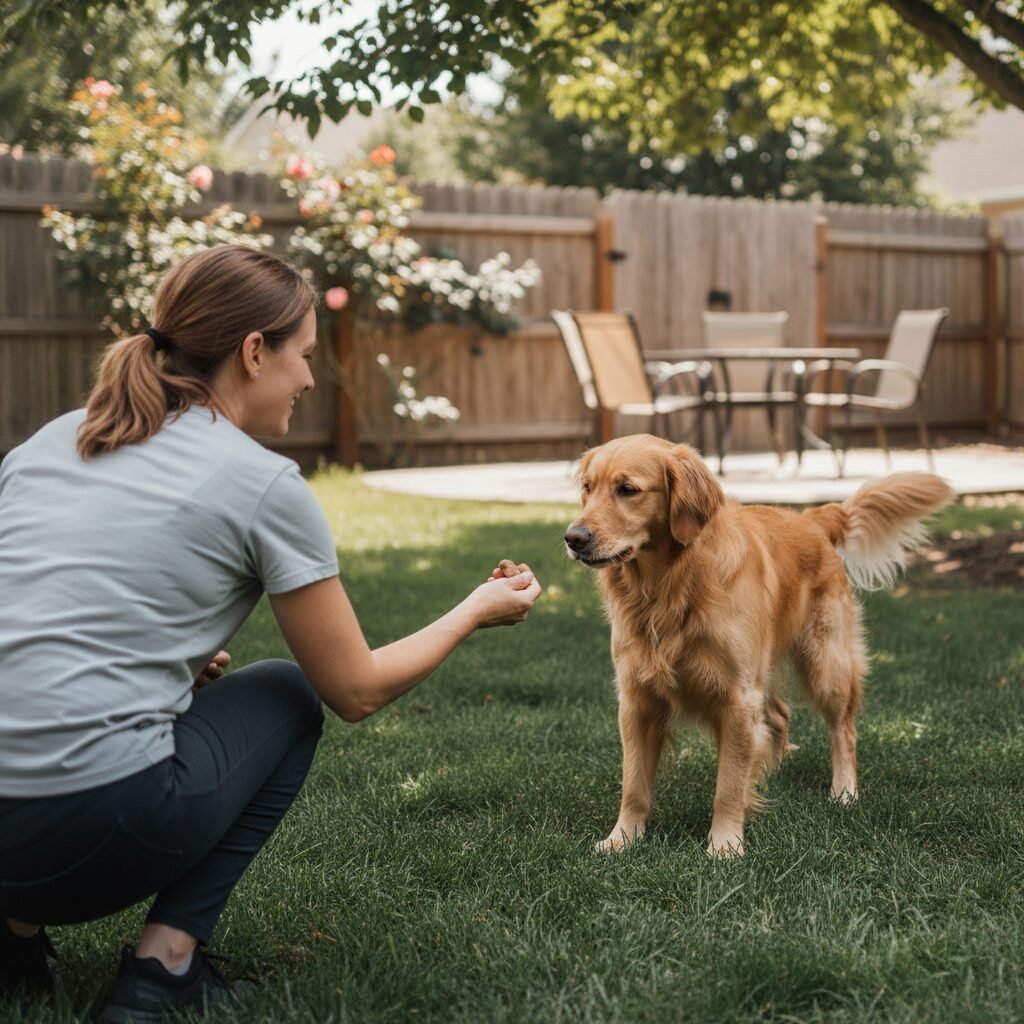
Now that your dog is comfortable lying on their side, we’ll extend the lure to complete the roll.
- Ask your dog to lie down and then lure them onto their side as practiced in Step 1.
- Once they are on their side, continue to move the treat in a smooth, continuous arc over their back, towards their other shoulder.
- The goal is for their head to follow the treat, causing their body to naturally roll over to the other side.
- The moment they complete the roll (even if it’s a bit clumsy at first), mark the behavior with “Yes!” or a click, and reward them enthusiastically.
- If they struggle, try breaking it down further. Reward for just getting onto their back, then for rolling a little further.
Troubleshooting If your dog tries to stand up, you’re moving the treat too far away or too quickly. Keep the treat close to their body.
Step 3 – Adding the Verbal Cue
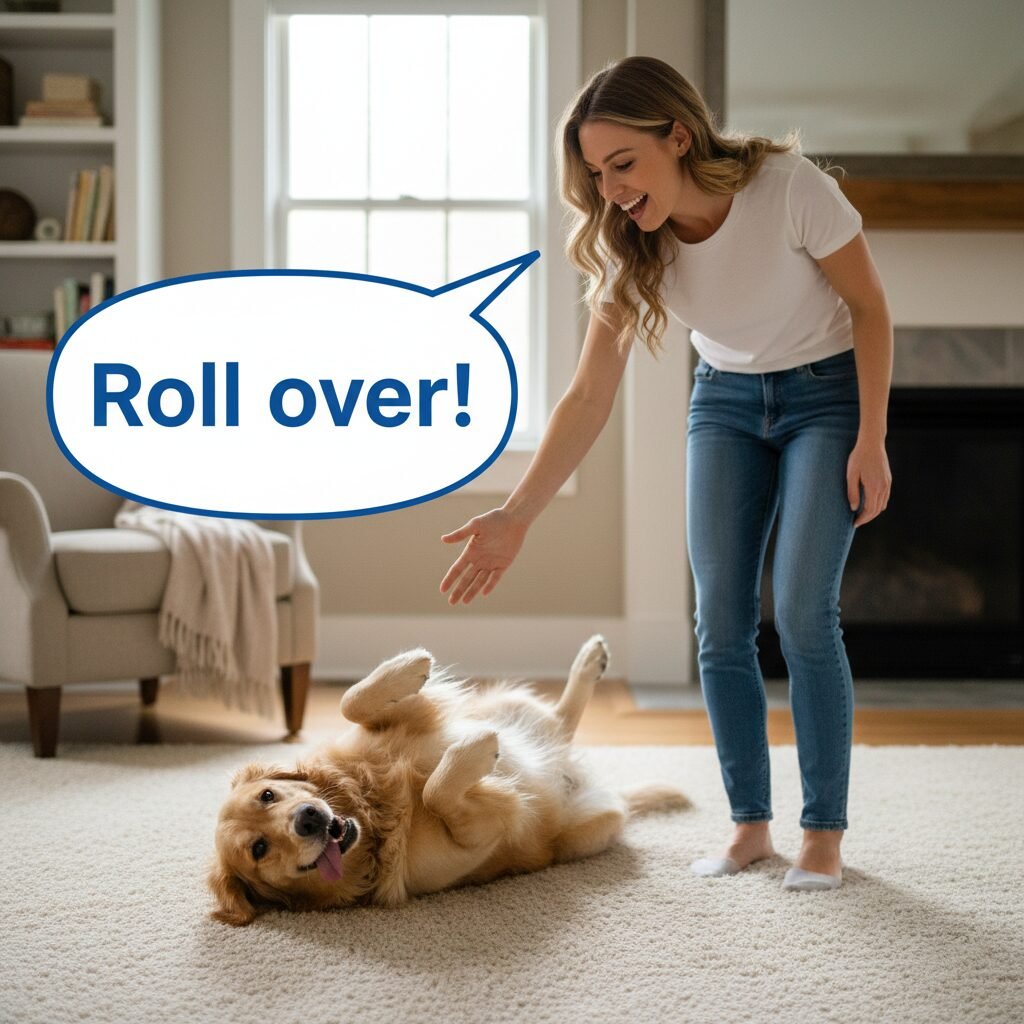
Once your dog is consistently rolling over with the lure, it’s time to introduce the verbal command.
- As you begin to move the treat to initiate the roll, say your chosen cue, such as “Roll over!” or “Roll!”.
- Continue to lure and reward as before.
- Repeat this many times, always saying the cue just as the action begins.
- Gradually, start to make the lure smaller and less obvious. Instead of moving the treat in a big arc, use a smaller hand motion, still saying “Roll over!”.
Important Be consistent with your chosen verbal cue. Everyone in the household should use the same one.
Step 4 – Fading the Lure
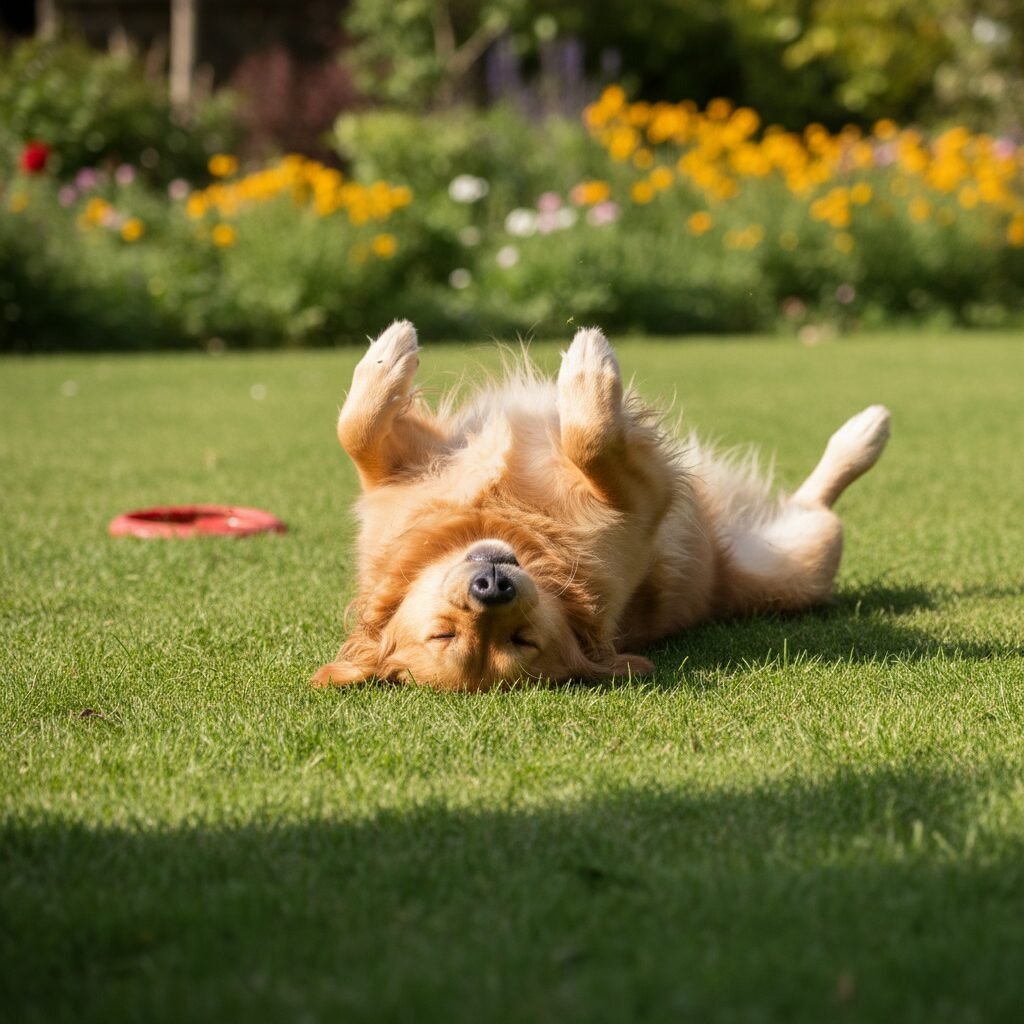
The goal is for your dog to roll over on command without needing to see the treat or a big hand motion.
- Start by holding an empty hand in the same luring motion you used before, while saying “Roll over!“.
- If your dog rolls, reward them with a treat from your other hand or a nearby pouch.
- Slowly reduce the size of your hand motion until you are just giving the verbal cue “Roll over!” and a very small, subtle hand signal, or no hand signal at all.
- Always reward immediately after they perform the trick correctly.
Don’t Rush It This step requires patience. If your dog struggles, go back to using the lure more obviously and gradually fade it again.
Step 5 – Practice and Proofing
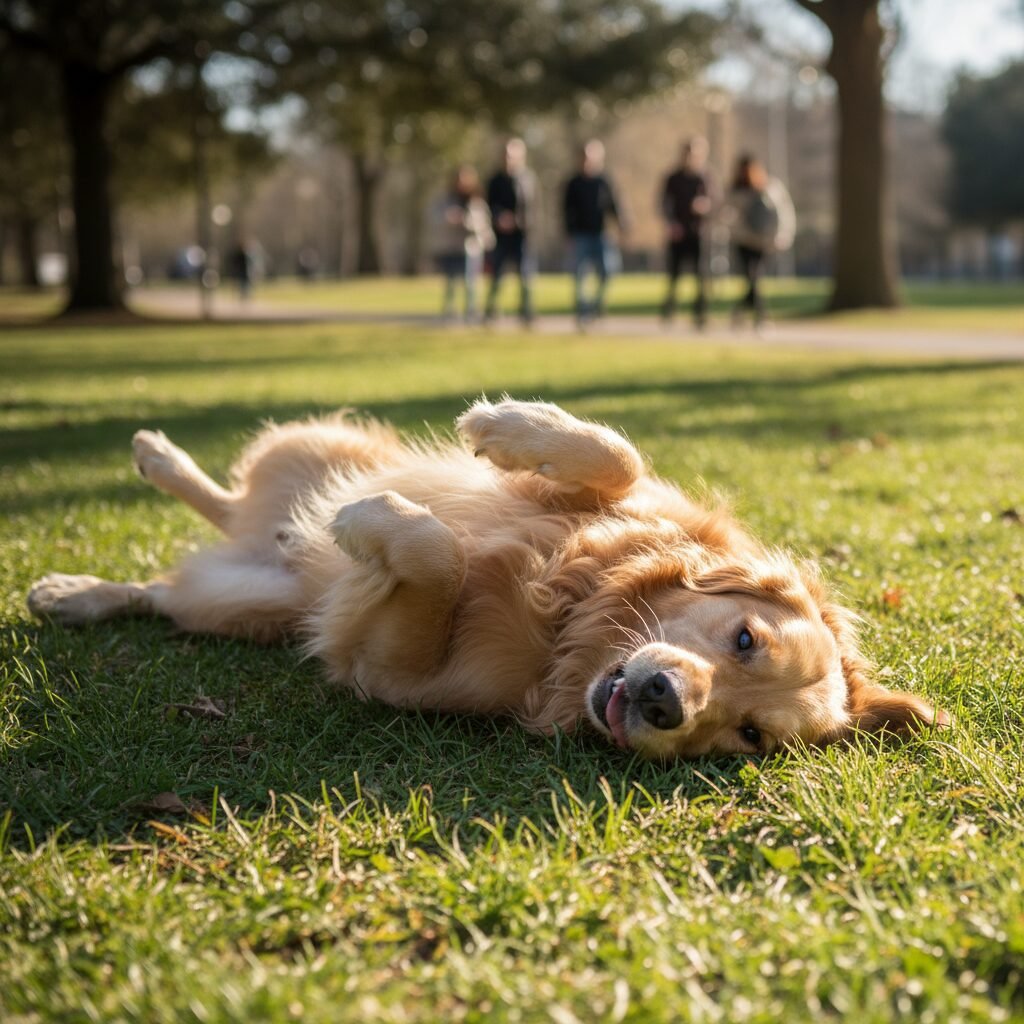
Congratulations! Your dog can now roll over on command. But training doesn’t stop there.
- Practice Regularly Keep practicing the trick in short, fun sessions a few times a week to keep it fresh in their mind.
- Vary the Rewards Mix up treats with toys or praise to keep your dog engaged.
- Proofing Once your dog is reliable in a quiet environment, start practicing in different locations (e.g., backyard, a friend’s house) and with slight distractions. This helps generalize the behavior.
- Add a Spin Once ‘roll over’ is solid, you can teach them to roll the other way, or combine it with other tricks!
Common Challenges and Solutions
My Dog Just Sits Up or Stands Up
This often happens if the treat is too far away or the lure is too fast. Keep the treat very close to their nose and body, guiding them smoothly. Ensure they are comfortable in the ‘lie down’ position before attempting to roll.
My Dog Doesn’t Seem Interested
Are you using high-value treats? Some dogs are more motivated by specific treats (e.g., small pieces of cheese, cooked chicken). Make sure your training sessions are short, fun, and end on a positive note. Try training when your dog is slightly hungry.
My Dog Only Rolls Partially
Reward the partial roll initially, then gradually raise your criteria. Only reward when they roll a little further each time until they complete the full motion. Ensure your lure is a continuous, smooth arc.


