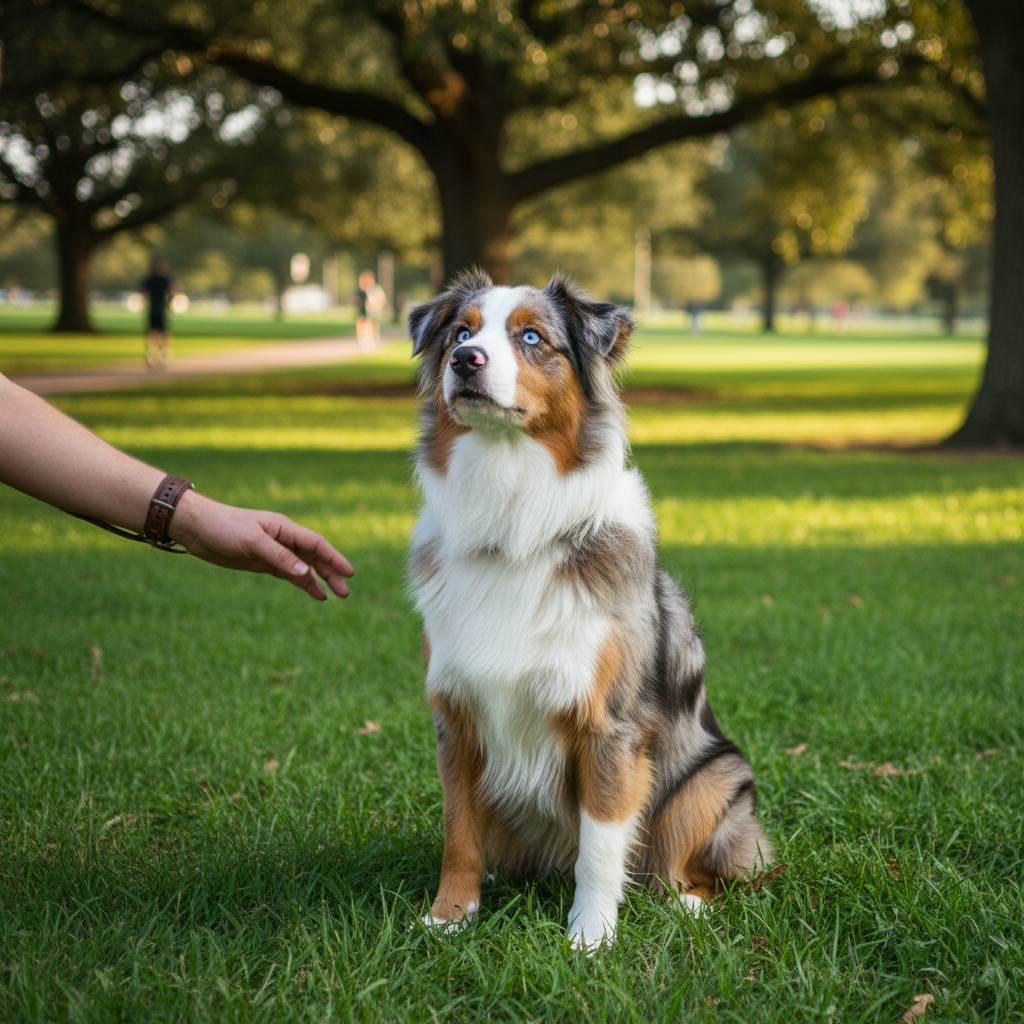
Australian Shepherds are renowned for their striking beauty, keen intelligence, and boundless energy. Bred for herding livestock, these dogs possess a strong work ethic and an eagerness to please that makes them highly trainable. However, their intelligence and energy also mean they require consistent guidance and mental stimulation to prevent unwanted behaviors.
If you’re a proud Aussie parent, or considering becoming one, understanding effective training methods is crucial for a happy, well-adjusted companion. This guide will walk you through seven essential Australian Shepherd training tips designed to foster better behavior, strengthen your bond, and help your intelligent canine thrive.
Early Socialization is Key for a Well-Adjusted Aussie
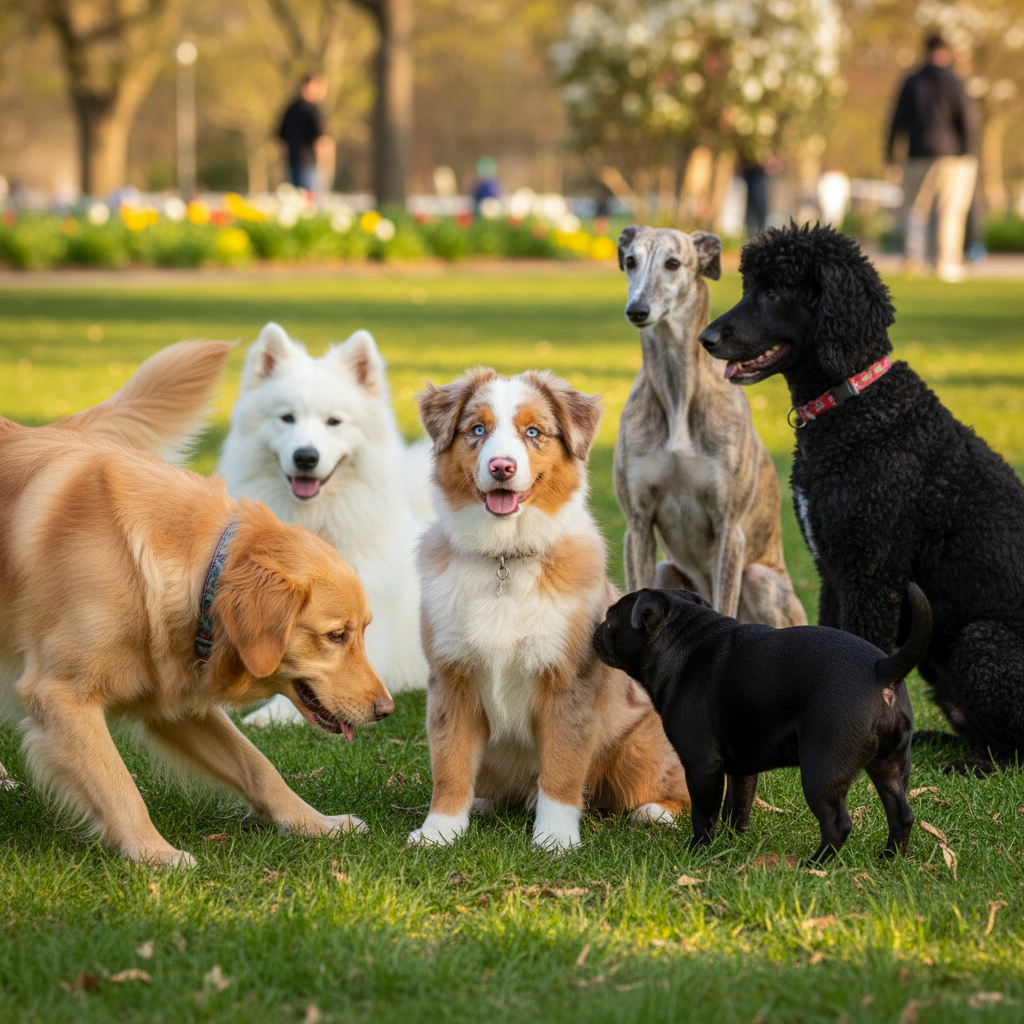
Starting early with socialization is paramount for Australian Shepherds. Their natural herding instincts can sometimes lead to wariness around strangers or other animals if not properly managed. Exposing your Aussie puppy to a variety of sights, sounds, people, and other friendly dogs during their critical developmental period (3-16 weeks) is vital.
- Puppy Classes: Enroll in a reputable puppy socialization class. This provides a safe, structured environment for your pup to interact with others.
- Varied Experiences: Take your puppy to different dog-friendly places – parks, pet stores, friends’ homes. Ensure these experiences are positive and calm.
- Gentle Introductions: Always supervise interactions and ensure they are positive. Avoid overwhelming your puppy with too many new things at once.
A well-socialized Aussie is more likely to be confident, friendly, and less prone to anxiety or aggression in new situations.
Consistency and Positive Reinforcement are Your Best Tools
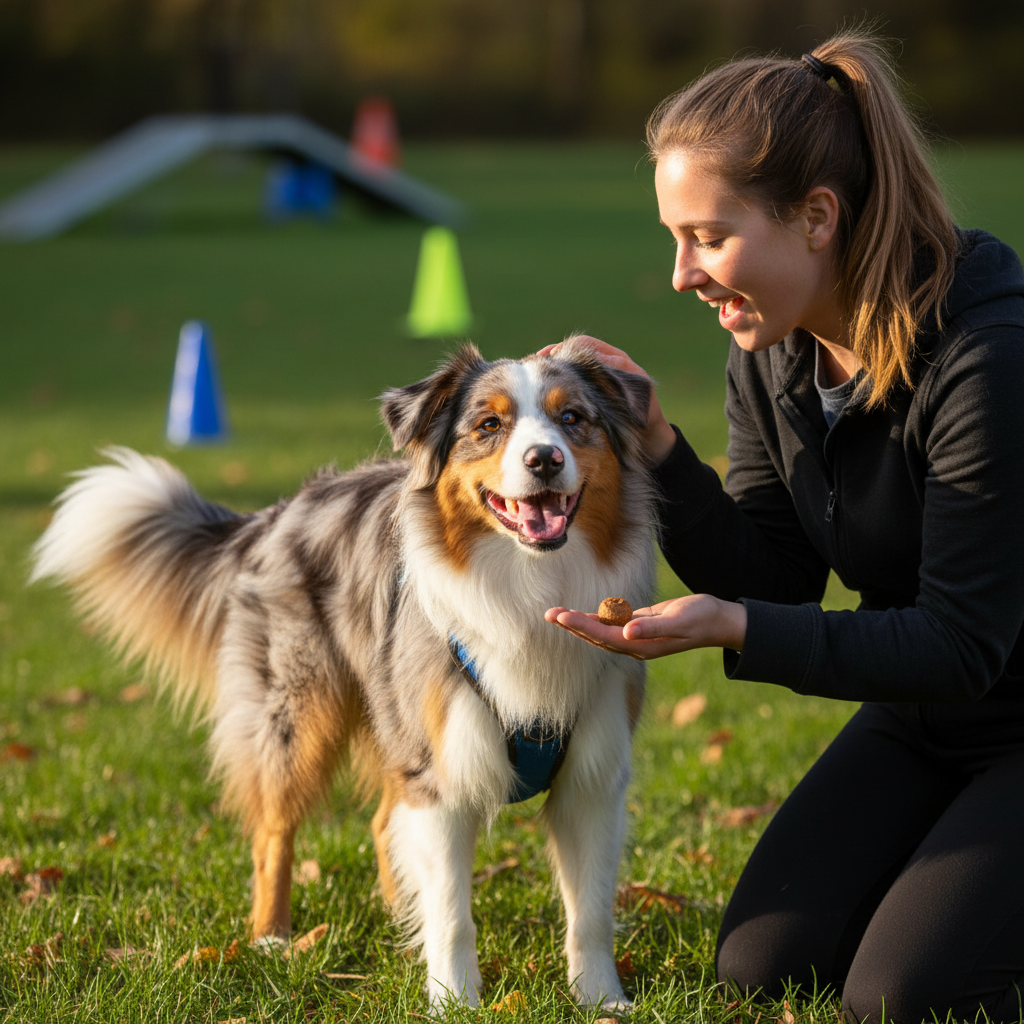
Australian Shepherds respond exceptionally well to positive reinforcement. This means rewarding desired behaviors with treats, praise, toys, or affection. Avoid harsh corrections, which can damage your bond and make your Aussie fearful or resistant to training.
- Clear Communication: Use consistent commands and hand signals. Everyone in the household should use the same cues.
- Timely Rewards: Reward your Aussie immediately (within 1-3 seconds) after they perform the desired action so they associate the reward with the behavior.
- Short, Frequent Sessions: Aussies thrive on engagement. Keep training sessions short (5-10 minutes) and fun, repeating them several times a day.
Consistency across all family members and environments reinforces what your Aussie learns, making good behavior a habit.
Master Basic Obedience Commands for Control
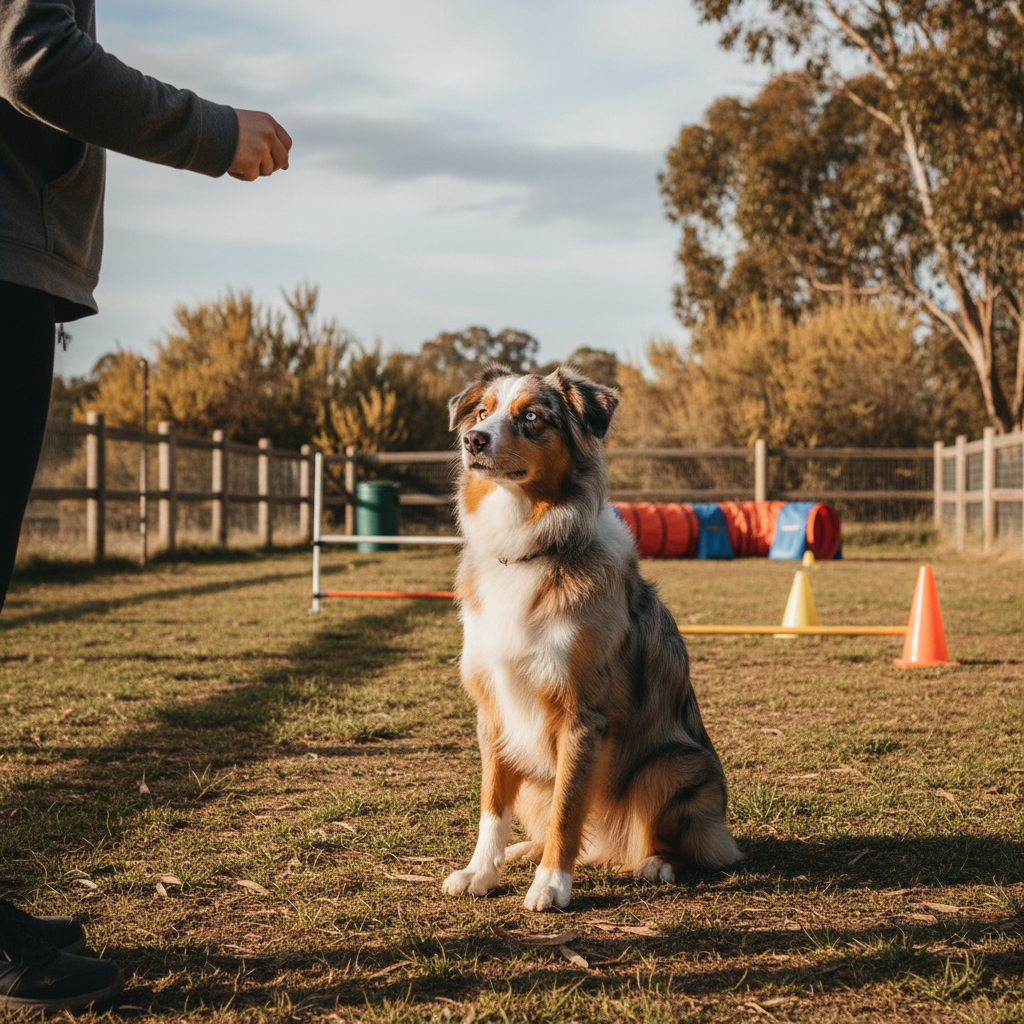
Basic obedience commands are the foundation of good behavior and safety. Commands like “sit,” “stay,” “come,” “down,” and “leave it” are not just tricks; they are crucial for managing your Aussie in various situations, from walks to vet visits.
- “Sit” and “Stay”: Essential for impulse control and polite greetings.
- “Come” (Recall): A life-saving command, especially important for energetic dogs who might wander. Practice in a safe, enclosed area first.
- “Leave It”: Prevents your Aussie from picking up dangerous items or unwanted food.
- “Loose Leash Walking”: Teaches your Aussie to walk politely beside you without pulling, making walks enjoyable for both of you.
Practice these commands daily in different environments to ensure your Aussie responds reliably, even with distractions.
Channel Their Energy with Mental Stimulation and Exercise
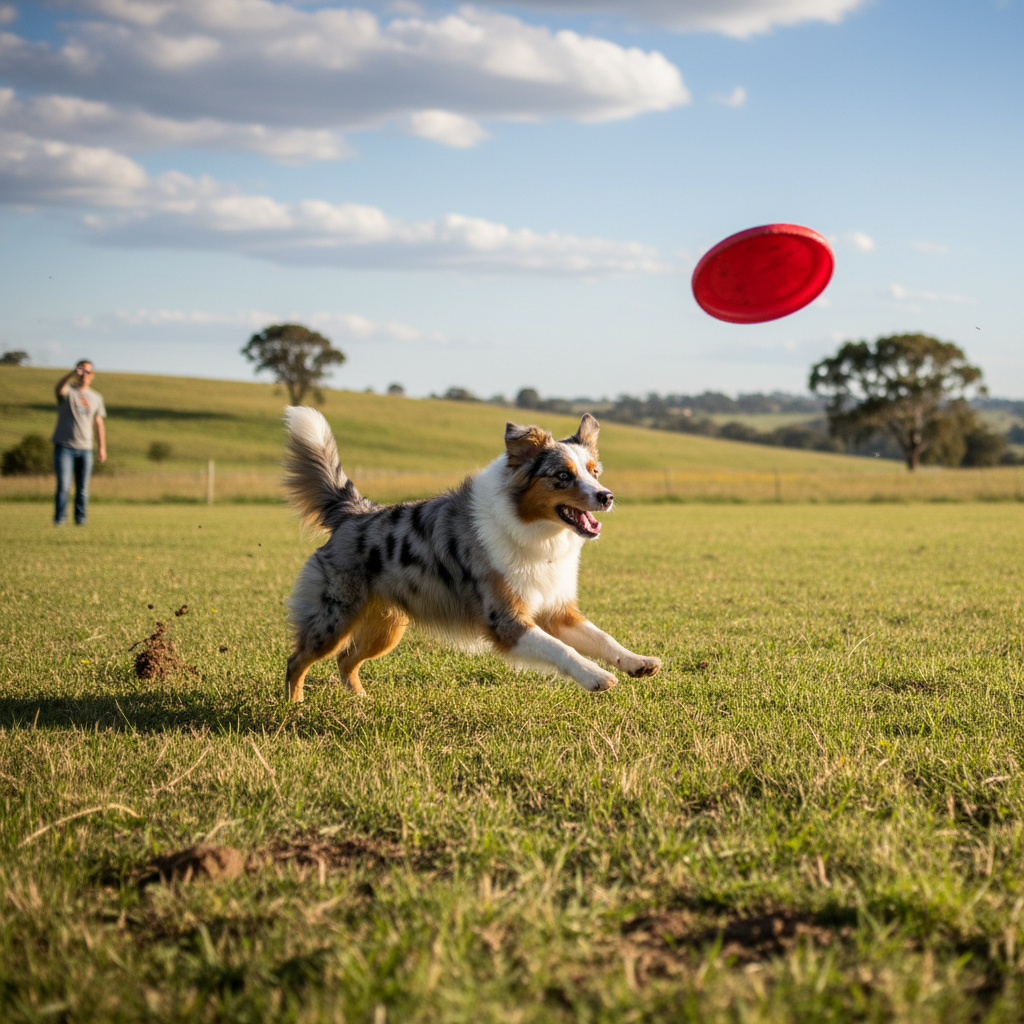
An under-exercised or under-stimulated Australian Shepherd is a recipe for destructive behavior. These dogs need both physical exertion and mental challenges to be content. They are not couch potatoes!
- Daily Physical Activity: Aim for at least 1-2 hours of vigorous exercise daily. This could include long walks, running, hiking, or playing fetch.
- Mind Games: Incorporate puzzle toys, scent work, or hide-and-seek with treats to engage their intelligent minds.
- Dog Sports: Consider agility, flyball, or obedience trials. Aussies excel in these activities and love having a “job” to do.
Satisfying their innate need for activity will significantly reduce boredom-induced behaviors like chewing, digging, or excessive barking.
Address Nipping and Herding Instincts Constructively
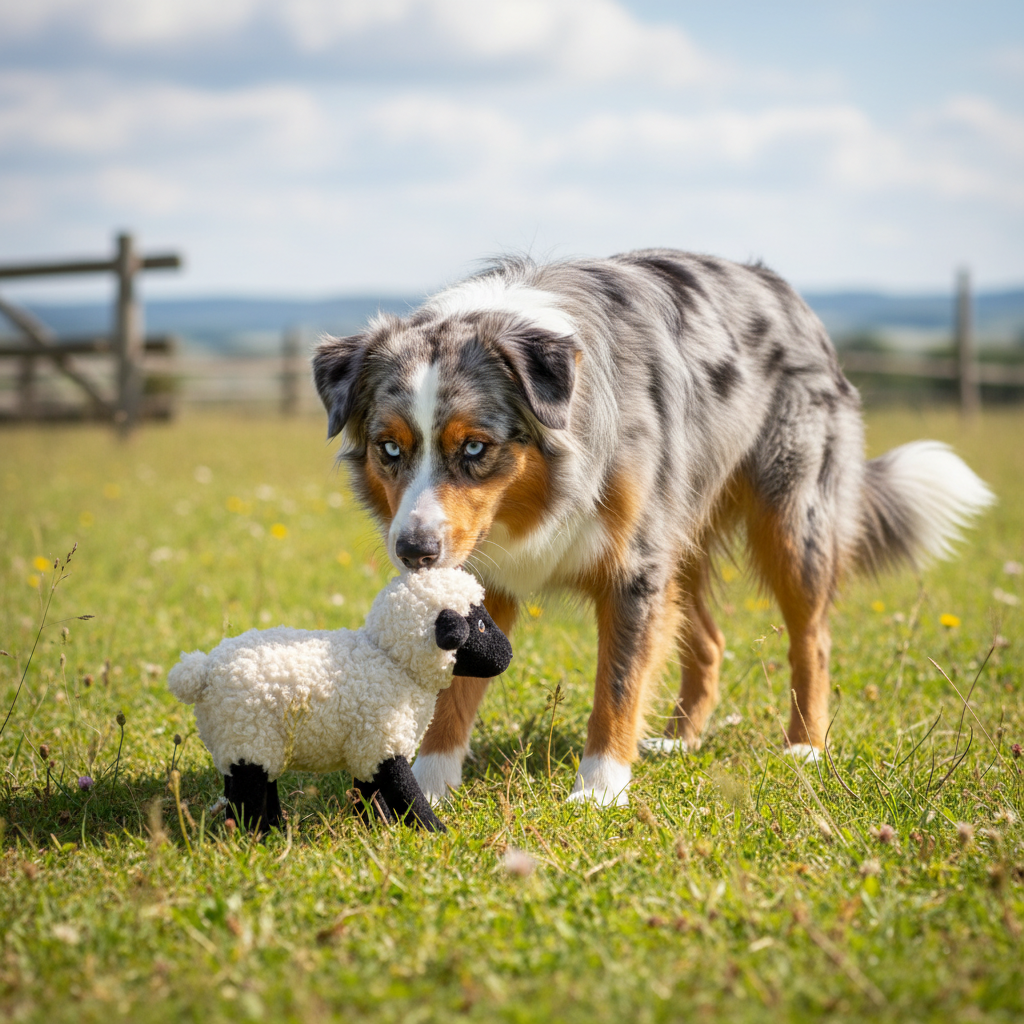
Australian Shepherds were bred to herd, and this instinct often manifests as nipping at heels, chasing children or other pets, or circling. It’s crucial to redirect these natural behaviors into acceptable outlets rather than punishing them.
- Teach Bite Inhibition: For puppies, yelp loudly when they nip too hard, then ignore them for a moment. This teaches them appropriate mouth pressure.
- Redirect Herding: Instead of letting them herd people, provide appropriate outlets like herding balls or supervised play with other dogs who enjoy the chase.
- Boundary Training: Teach your Aussie that certain areas or people are “off-limits” for herding behavior.
Understanding and managing these instincts with patience and redirection is key to harmonious living.
Crate Training for Security and Structure
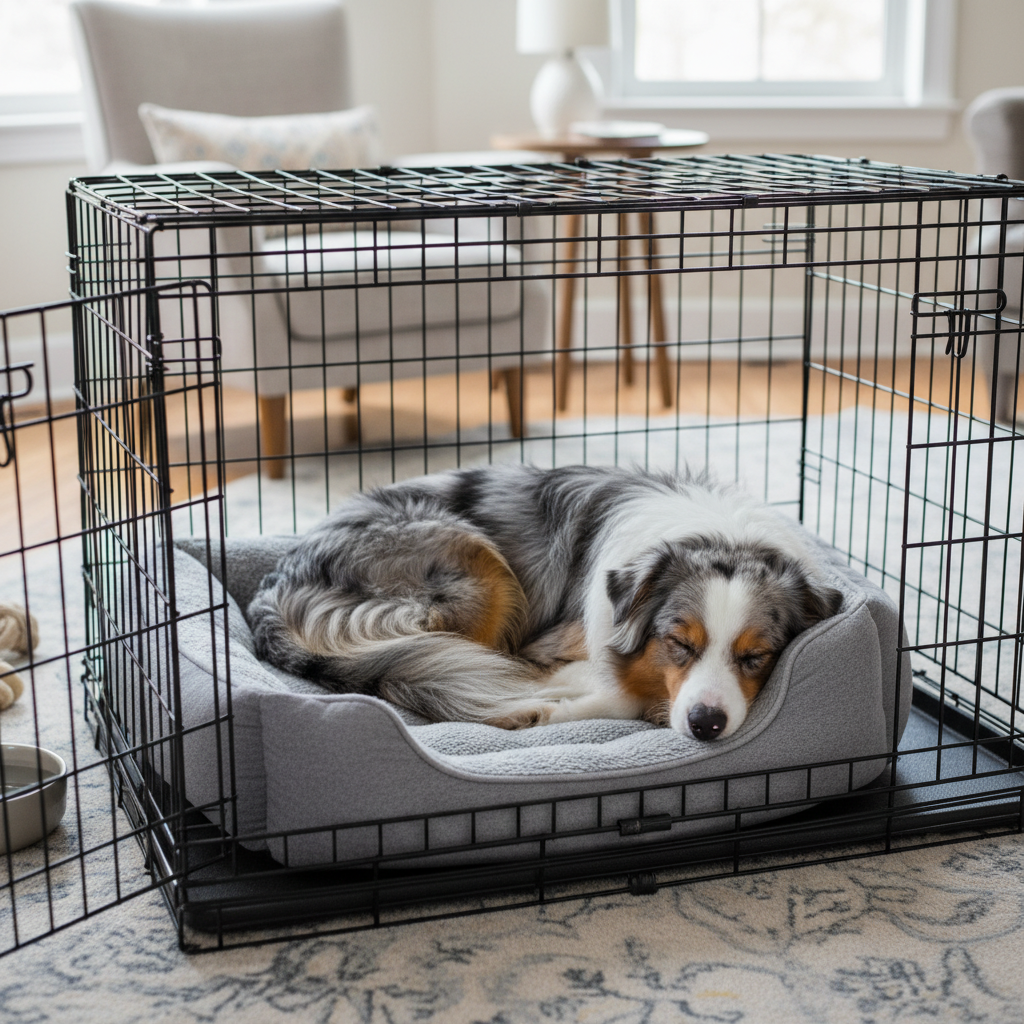
Crate training, when done correctly, is not cruel; it provides your Australian Shepherd with a safe den, aids in house-training, and can prevent destructive behaviors when you can’t supervise them directly. It also offers a secure space for them to retreat to.
- Positive Association: Make the crate a pleasant place with comfy bedding, toys, and treats. Never use it for punishment.
- Gradual Introduction: Start with short periods and gradually increase the time your Aussie spends in the crate.
- Appropriate Size: The crate should be large enough for your Aussie to stand up, turn around, and lie down comfortably.
A well-crate-trained Aussie will view their crate as a safe haven, reducing stress and providing structure.
Manage Separation Anxiety Proactively

Due to their strong bond with their families and high intelligence, Australian Shepherds can sometimes develop separation anxiety. This can manifest as destructive chewing, excessive barking, or inappropriate urination when left alone. Proactive management is essential.
- Gradual Departures: Start by leaving your Aussie alone for very short periods, gradually increasing the time.
- Calm Departures and Arrivals: Avoid making a big fuss when you leave or return. This helps reduce the emotional intensity of your absence.
- Mental Stimulation Before Leaving: A tired Aussie is a calm Aussie. Provide a puzzle toy or a long-lasting chew to keep them occupied when you’re gone.
- Consider a Dog Sitter or Walker: If you’re gone for long hours, consider professional help to break up their time alone.
Addressing potential separation anxiety early can prevent it from becoming a severe problem, ensuring your Aussie feels secure and loved even when you’re not there.
Training an Australian Shepherd is a rewarding journey that requires patience, consistency, and a deep understanding of their unique needs. By implementing these seven tips – from early socialization and positive reinforcement to channeling their boundless energy and managing their natural instincts – you’ll be well on your way to raising a well-behaved, happy, and confident companion.
Remember, every Aussie is an individual, so be observant, adapt your approach, and celebrate every small victory. The bond you build through dedicated training will be one of the most fulfilling aspects of sharing your life with these extraordinary dogs. Embrace the process, and enjoy the incredible companionship your Australian Shepherd has to offer!