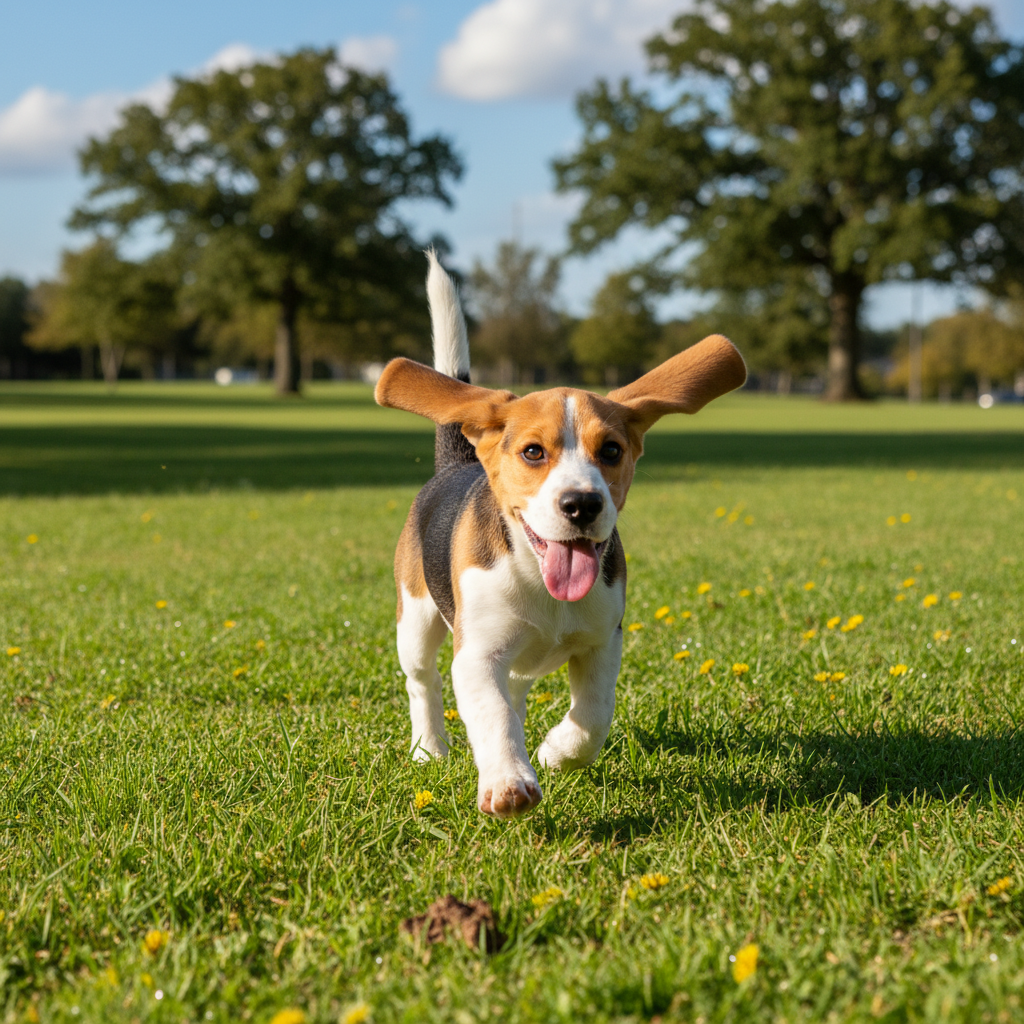
Beagles are undeniably charming, with their soulful eyes, wagging tails, and infectious curiosity. These affectionate hounds bring immense joy to their families, but their unique traits can also lead to specific challenges if not fully understood. Without proper knowledge and proactive care, even the most devoted Beagle parents can unknowingly fall into common pitfalls that can be costly—not just in terms of money, but also time, stress, and your dog’s well-being. This guide will explore eight frequent errors Beagle parents often make and provide smart, practical ways to prevent them, ensuring a harmonious and happy life for you and your beloved companion.
1. Underestimating Their Exercise Needs
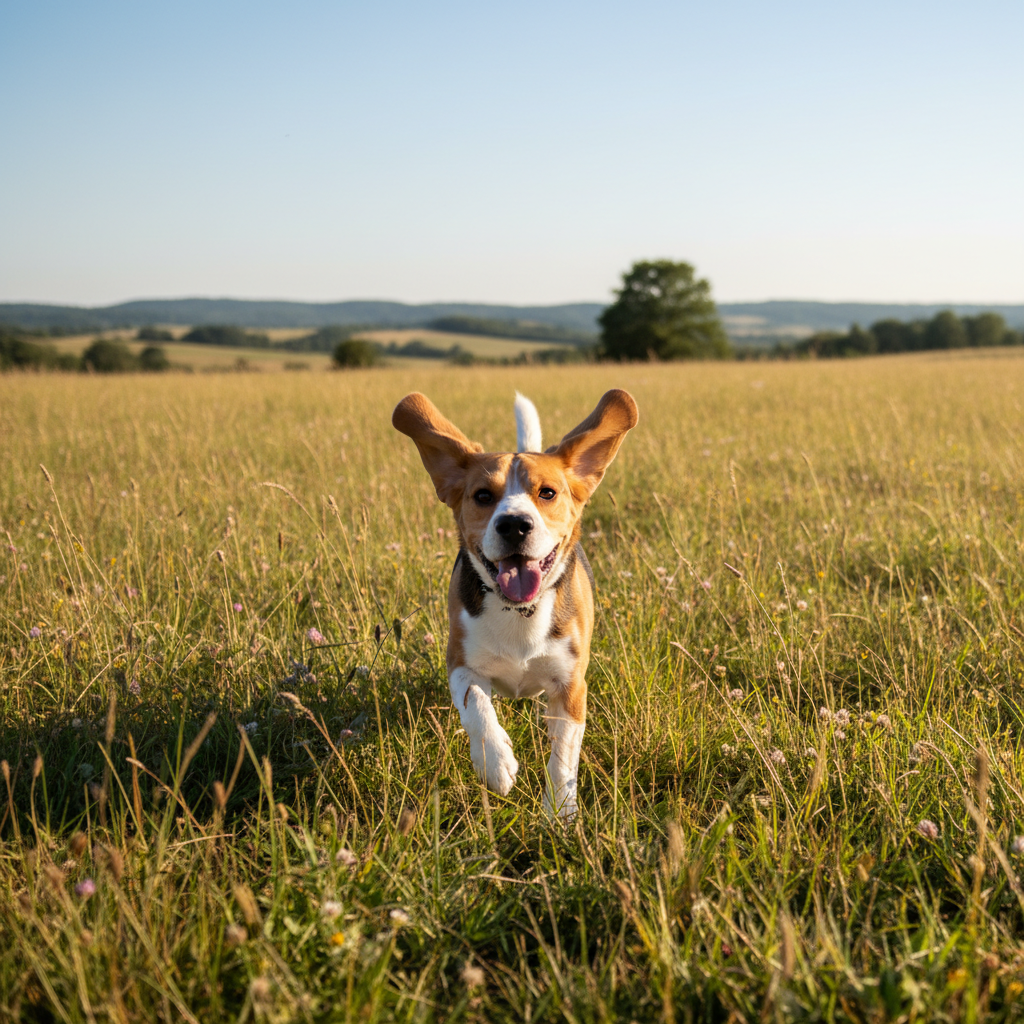
Beagles were originally bred as hunting dogs, known for their incredible stamina and endurance. They aren’t content with just a quick stroll around the block. A lack of adequate exercise is one of the quickest ways to a restless, destructive, or overweight Beagle.
Smart Prevention Strategies
- Daily Vigorous Walks Aim for at least 60-90 minutes of brisk walking or jogging daily, ideally split into two or more sessions.
- Secure Off-Leash Play If you have a securely fenced yard, allow them time to run freely. Dog parks can also be great, but always ensure your Beagle’s safety and recall skills.
- Interactive Games Incorporate games like fetch, hide-and-seek, or even a ‘flirt pole’ to burn energy and engage their minds.
2. Ignoring Their Powerful Scent Drive and Wanderlust

That incredible nose is a Beagle’s superpower, but it can also be a source of trouble. Once they catch a scent, they become single-minded, often tuning out everything else, including your calls. This strong scent drive makes them prone to wandering off.
Smart Prevention Strategies
- Leash Training is Paramount Always keep your Beagle on a leash when outside an enclosed area. A long line can offer more freedom in safe spaces.
- Secure Fencing Ensure your yard has a fence that is at least 5-6 feet high and ideally extends underground to prevent digging escapes.
- Recall Training Practice recall extensively in a safe, enclosed space using high-value treats. Make coming back to you the most rewarding thing ever.
- GPS Trackers Consider a GPS tracker for peace of mind, especially if your Beagle is an escape artist.
3. Not Managing Their Vocal Nature

Beagles are known for their distinct vocalizations—howling, baying, and barking. While this is part of their charm, excessive noise can be a problem for both you and your neighbors.
Smart Prevention Strategies
- Identify Triggers Understand why your Beagle is vocalizing (loneliness, boredom, attention-seeking, alarm).
- Positive Reinforcement for Quiet Reward quiet behavior. When they are quiet, praise them and offer a treat.
- Teach ‘Speak’ and ‘Quiet’ By teaching them to ‘speak’ on command, you can then teach them to be ‘quiet’ by rewarding silence.
- Address Underlying Issues Ensure they have enough exercise, mental stimulation, and don’t suffer from separation anxiety.
4. Neglecting Mental Stimulation

Beyond physical exercise, Beagles are intelligent dogs that need their brains challenged. A bored Beagle is often a destructive Beagle, turning to chewing, digging, or excessive barking to entertain themselves.
Smart Prevention Strategies
- Puzzle Toys Invest in food-dispensing puzzle toys that make them work for their meals or treats.
- Scent Work Games Utilize their amazing nose! Hide treats around the house or yard and encourage them to find them.
- Obedience Training Consistent training sessions, even short ones, provide mental engagement and strengthen your bond.
- Teach New Tricks Learning new commands or tricks keeps their minds sharp and prevents boredom.
5. Improper Diet and Overfeeding

Beagles are notorious food lovers and are highly prone to obesity. Their pleading eyes can make it hard to resist giving extra treats, but overfeeding can lead to serious health issues like joint problems, diabetes, and heart disease.
Smart Prevention Strategies
- Measured Meals Always measure your Beagle’s food according to their age, weight, and activity level. Consult your vet for precise portion sizes.
- High-Quality Dog Food Choose a balanced, high-quality dog food appropriate for their life stage.
- Limited Healthy Treats Use treats sparingly and opt for healthy options like small pieces of carrot, apple, or commercial low-calorie dog treats.
- Regular Vet Check-ups Your vet can monitor their weight and offer dietary advice.
6. Inconsistent Training and Lack of Patience
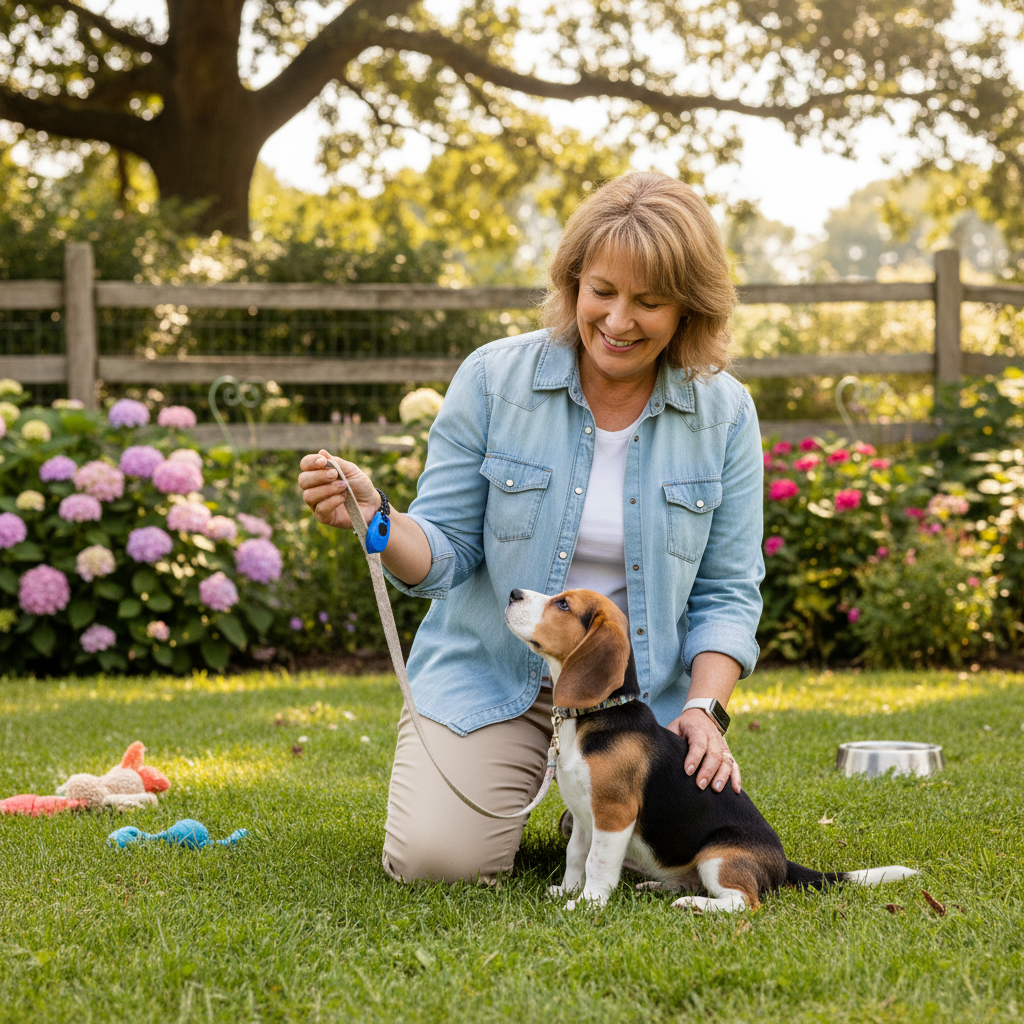
While intelligent, Beagles can also be perceived as stubborn due to their independent nature and strong instincts. Inconsistent training or a lack of patience can lead to a dog that doesn’t understand expectations.Smart Prevention Strategies
- Start Early and Be Consistent Begin training and socialization as soon as you bring your Beagle home. Everyone in the household should use the same commands and rules.
- Positive Reinforcement Beagles respond best to positive, reward-based training methods. Use treats, praise, and toys to motivate them.
- Short, Frequent Sessions Keep training sessions short (5-10 minutes) and fun to maintain their attention.
- Professional Help Don’t hesitate to seek guidance from a professional dog trainer if you’re struggling with specific behaviors.
7. Leaving Them Alone Too Long

Beagles are social dogs who thrive on companionship. Leaving them alone for extended periods can lead to separation anxiety, destructive chewing, excessive barking, or house-soiling.Smart Prevention Strategies
- Crate Training A properly introduced crate can be a safe den for your Beagle, providing comfort when you’re away.
- Gradual Desensitization Practice leaving for short periods and gradually increase the time.
- Enrichment Before You Leave Provide puzzle toys or a stuffed Kong to keep them occupied when you depart.
- Consider Dog Walkers or Daycare If you work long hours, a dog walker or doggy daycare can provide much-needed companionship and exercise.
8. Overlooking Essential Grooming
While Beagles have short coats, they still require regular grooming. Neglecting their floppy ears, nails, or shedding can lead to discomfort and health issues.
Smart Prevention Strategies
- Regular Ear Checks and Cleaning Their droopy ears are prone to infections. Check them weekly for redness, odor, or discharge, and clean them gently with a vet-approved solution.
- Nail Trims Trim your Beagle’s nails every 3-4 weeks to prevent overgrowth, which can cause pain and affect their gait.
- Brushing A weekly brush with a rubber curry comb can help remove loose hair, reduce shedding, and keep their coat healthy.
- Dental Care Regular dental hygiene, including brushing their teeth, is crucial for preventing dental disease.
Understanding these common pitfalls and implementing smart preventative strategies can transform your Beagle ownership experience. Beagles are wonderful companions who thrive on love, consistency, and a good understanding of their unique needs. By being proactive and patient, you’ll build an even stronger bond with your furry friend and prevent costly mistakes before they happen. Your Beagle’s health and happiness are a testament to your dedication and care. Enjoy every moment with your loyal hound!