8 Training Mistakes Every Beagle Puppy Owner Should Avoid
Bringing a Beagle puppy into your home is an exciting adventure! These charming hounds are known for their sweet nature, boundless energy, and undeniable cuteness. However, their independent spirit and strong scent drive can make training a unique challenge. Many new Beagle owners, despite their best intentions, fall into common traps that can hinder their puppy’s development. But don’t worry! With the right approach and a little patience, you can raise a well-behaved, happy Beagle. Let’s explore the eight most common training mistakes and how to steer clear of them.
Mistake 1- Not Starting Early Enough
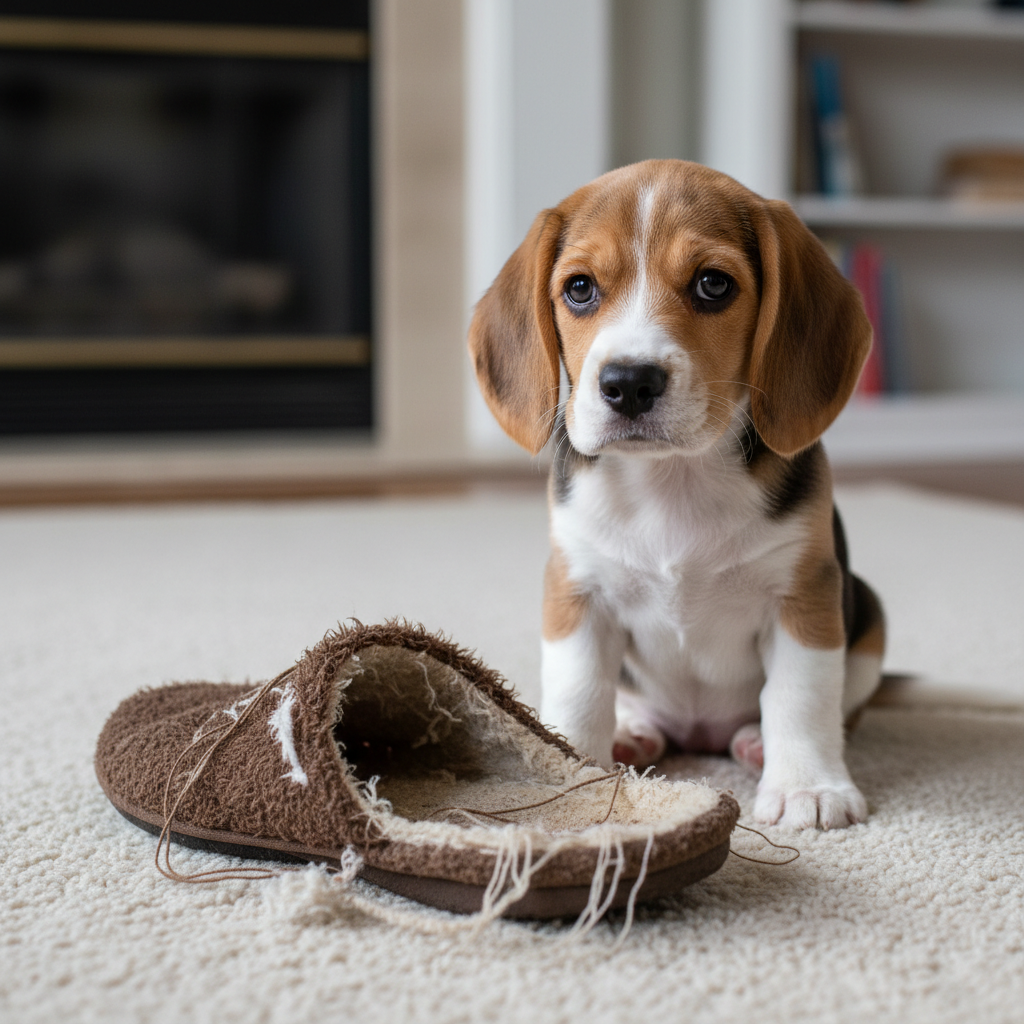
Puppies are like sponges, and Beagle puppies are no exception. The critical socialization period for dogs is generally between 3 to 16 weeks of age. Waiting until your Beagle is older to begin basic training, house-training, or socialization can make the process significantly harder. Early intervention sets the foundation for good behavior and helps prevent bad habits from forming.
The Fix
- Begin Immediately– Start basic training (sit, stay, come) and house-training the moment your puppy arrives home.
- Short, Fun Sessions– Keep training sessions brief (5-10 minutes) and positive to maintain your puppy’s attention and enthusiasm.
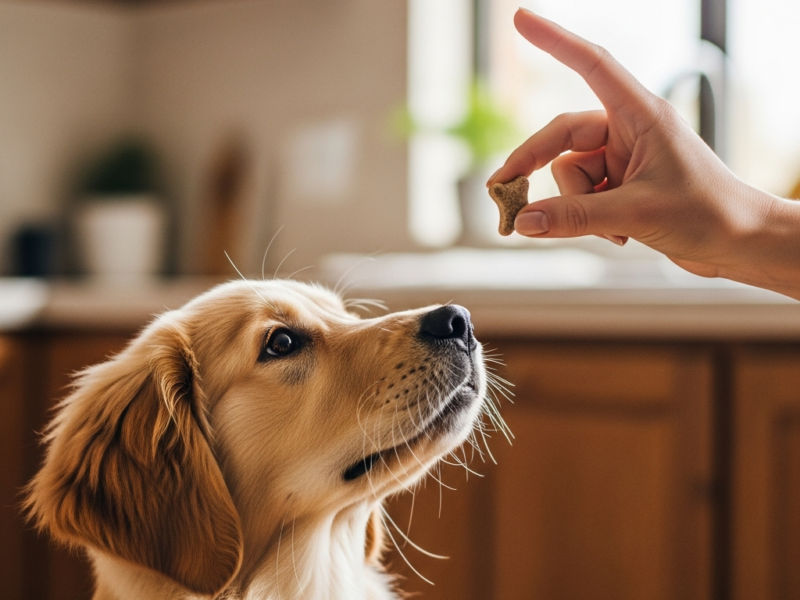
- Positive Reinforcement– Always use treats, praise, and toys to reward desired behaviors.
Mistake 2- Inconsistent Training Methods
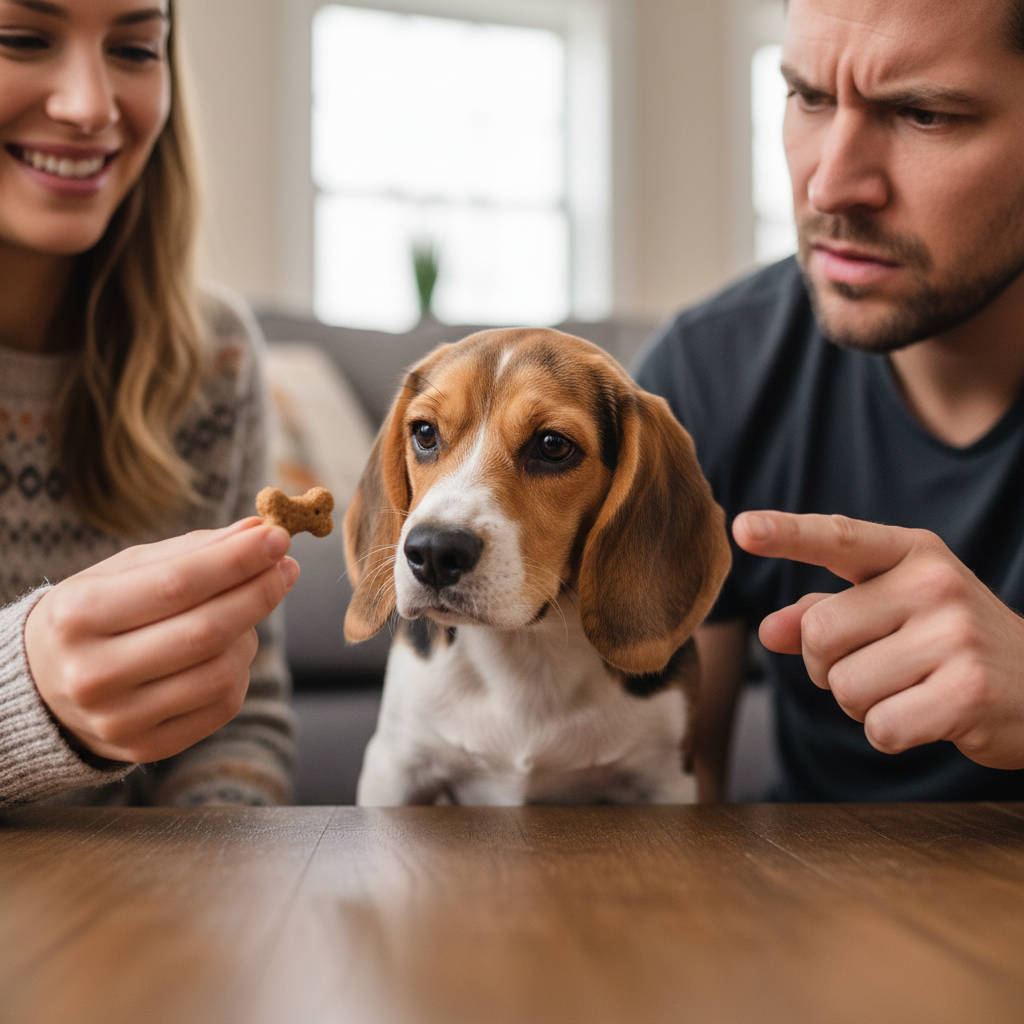
Consistency is key in any dog training, but especially so with intelligent and sometimes stubborn Beagles. If one family member allows the puppy on the couch while another scolds them for it, your Beagle will become confused. This inconsistency can lead to frustration for both you and your puppy, making training efforts less effective.
The Fix
- Family Rules– Establish clear rules for your puppy and ensure everyone in the household adheres to them consistently.
- Consistent Commands– Use the same verbal cues and hand signals for each command every time.
- Predictable Routine– Beagles thrive on routine. Stick to consistent feeding, potty, play, and training schedules.
Mistake 3- Over-Reliance on Punishment
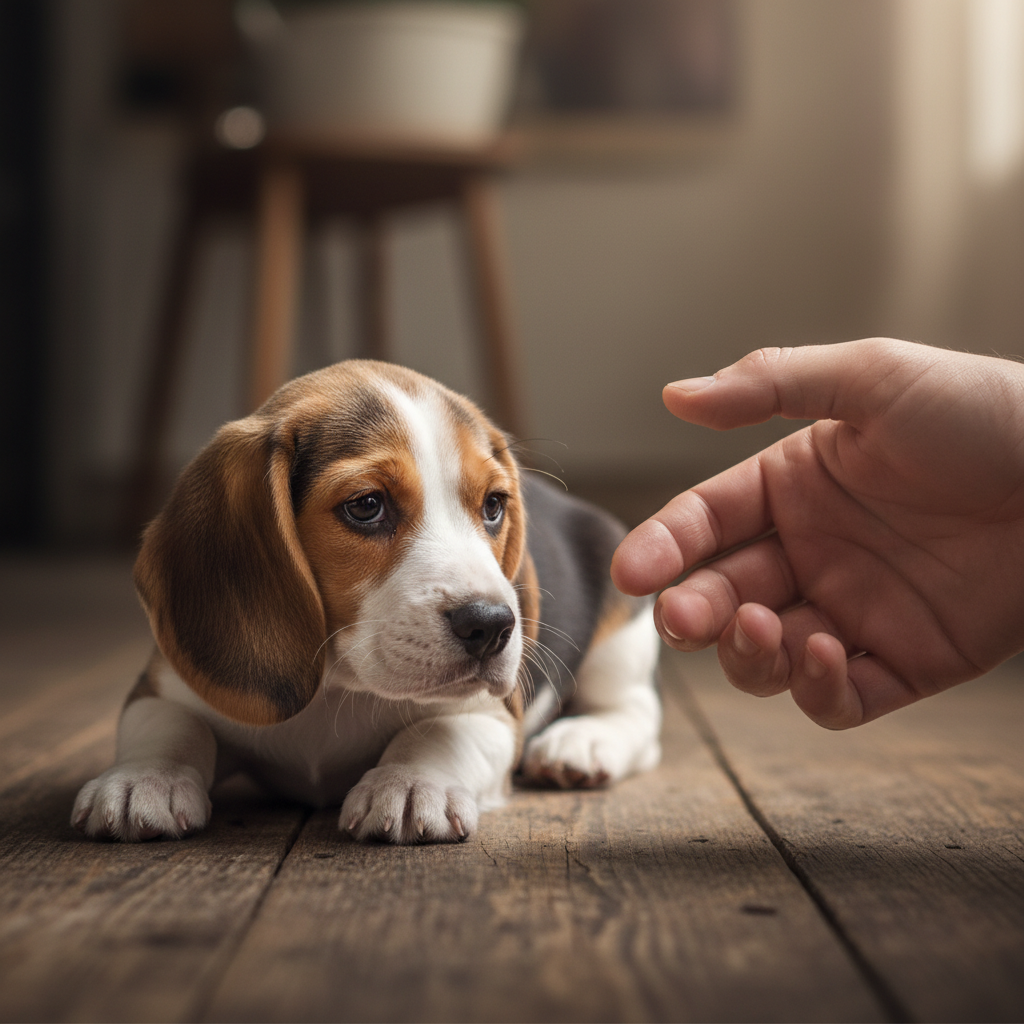
While it might be tempting to scold or punish your Beagle puppy for accidents or misbehavior, this approach is often counterproductive. Beagles are sensitive dogs, and harsh corrections can lead to fear, anxiety, and a breakdown of trust between you and your puppy. It can also teach them to hide their “misbehavior” rather than to stop it.
The Fix
- Positive Reinforcement Always– Focus on rewarding good behavior rather than punishing bad behavior.
- Redirect and Manage– If your puppy is doing something undesirable (like chewing furniture), redirect them to an appropriate toy. Prevent future problems through management (e.g., puppy-proofing your home).
- Understand the “Why”– Try to understand why your puppy is misbehaving. Are they bored? Do they need to potty? Are they seeking attention?
Mistake 4- Ignoring Their Strong Sense of Smell
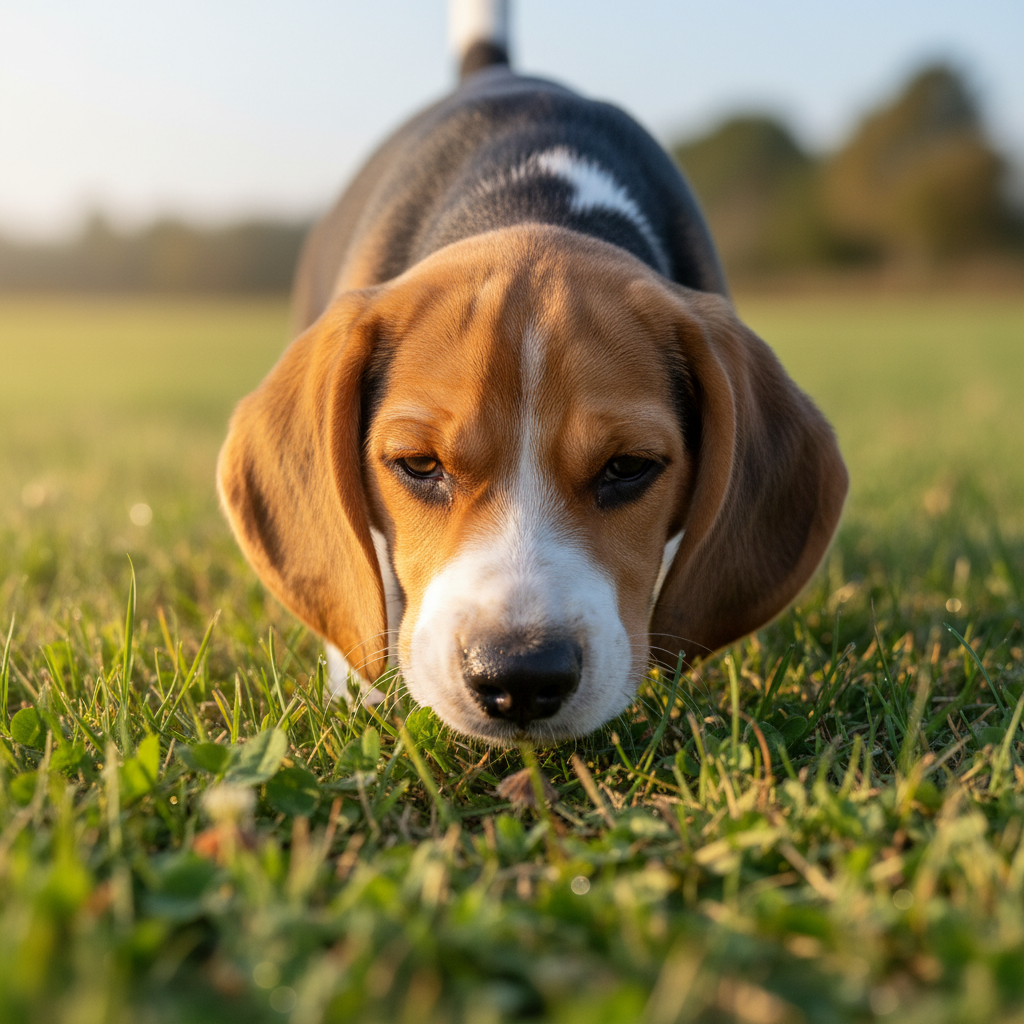
Beagles are scent hounds, bred to follow a trail with unwavering determination. This incredible sense of smell is both a gift and a challenge in training. Ignoring this innate drive can lead to a frustrated puppy or an owner who feels constantly pulled by their leash. They aren’t being disobedient; they are simply following their instincts.
The Fix
- Leash Training is Paramount– Invest significant time in teaching a loose-leash walk from day one.
- Scent Games– Channel their natural abilities into fun, structured activities like “find the treat” or scent work games.
- Secure Environments– Never let a Beagle off-leash in an unfenced area, as their nose can lead them far astray.
Mistake 5- Insufficient Exercise and Mental Stimulation
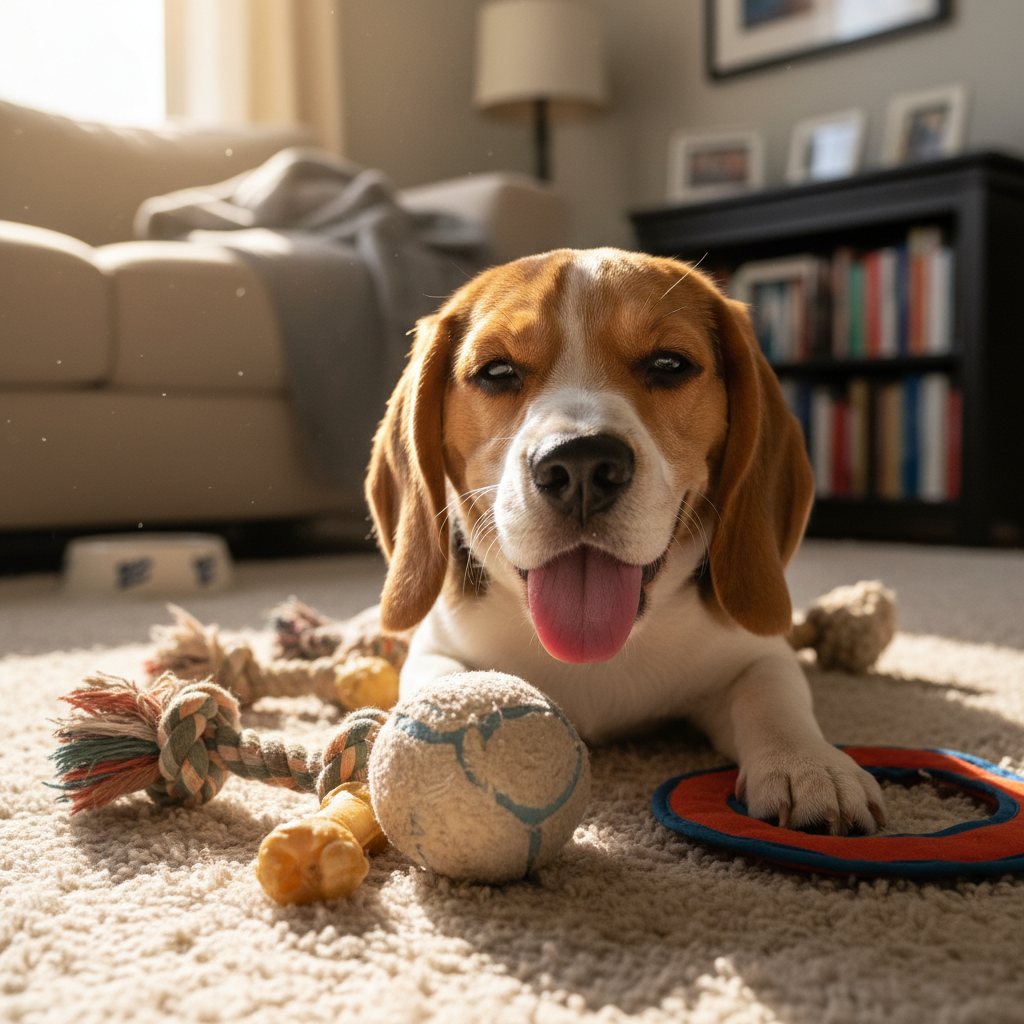
Beagles are energetic dogs that need a good outlet for their physical and mental energy. A bored Beagle is often a destructive Beagle. If they don’t get enough exercise or mental challenges, they might resort to barking, chewing, digging, or other undesirable behaviors to entertain themselves.
The Fix
- Daily Walks– Provide at least two good walks a day, plus playtime in a secure yard.
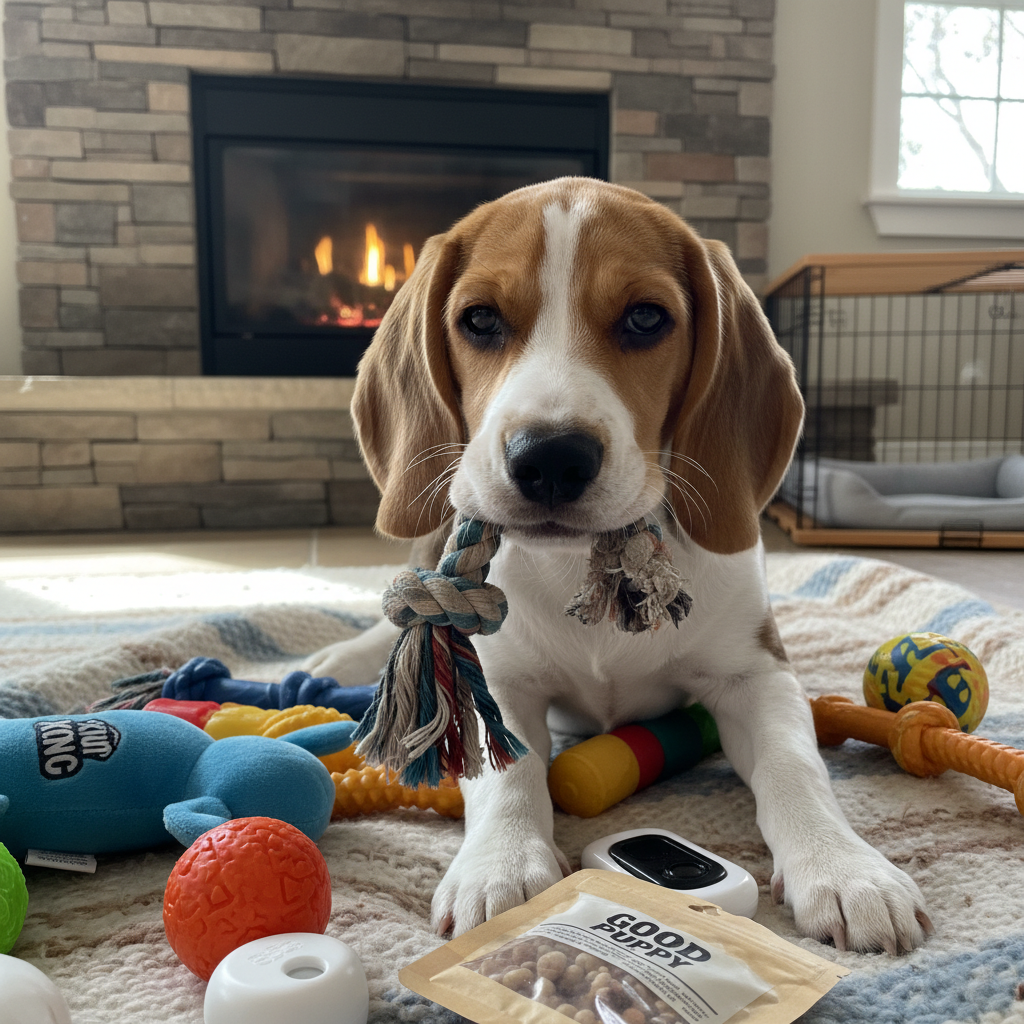
- Interactive Toys– Use puzzle toys, KONGs stuffed with treats, and chew toys to keep their minds engaged.
- Training as Exercise– Incorporate short training sessions throughout the day as a form of mental exercise.
Mistake 6- Skipping Socialization
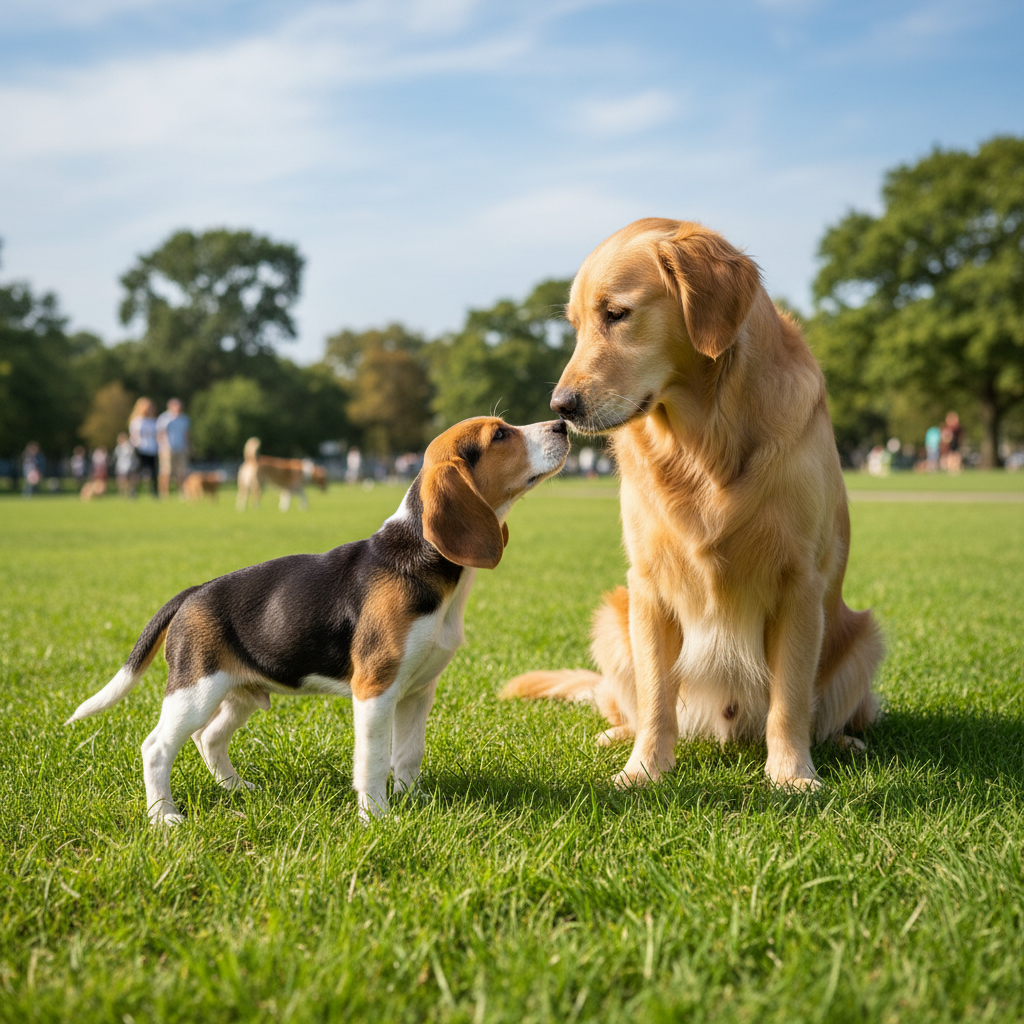
Proper socialization is crucial for developing a well-adjusted, confident Beagle. Without exposure to various sights, sounds, people, and other dogs during their critical developmental period, Beagles can become fearful, anxious, or even aggressive. This isn’t just about playing with other dogs; it’s about positive exposure to the world.
The Fix
- Puppy Classes– Enroll in a reputable puppy socialization class where they can interact safely.
- Controlled Exposure– Gradually introduce your puppy to new people, environments, and friendly, vaccinated dogs.
- Positive Experiences– Always ensure these experiences are positive, using treats and praise to create good associations.
Mistake 7- Giving Up Too Soon
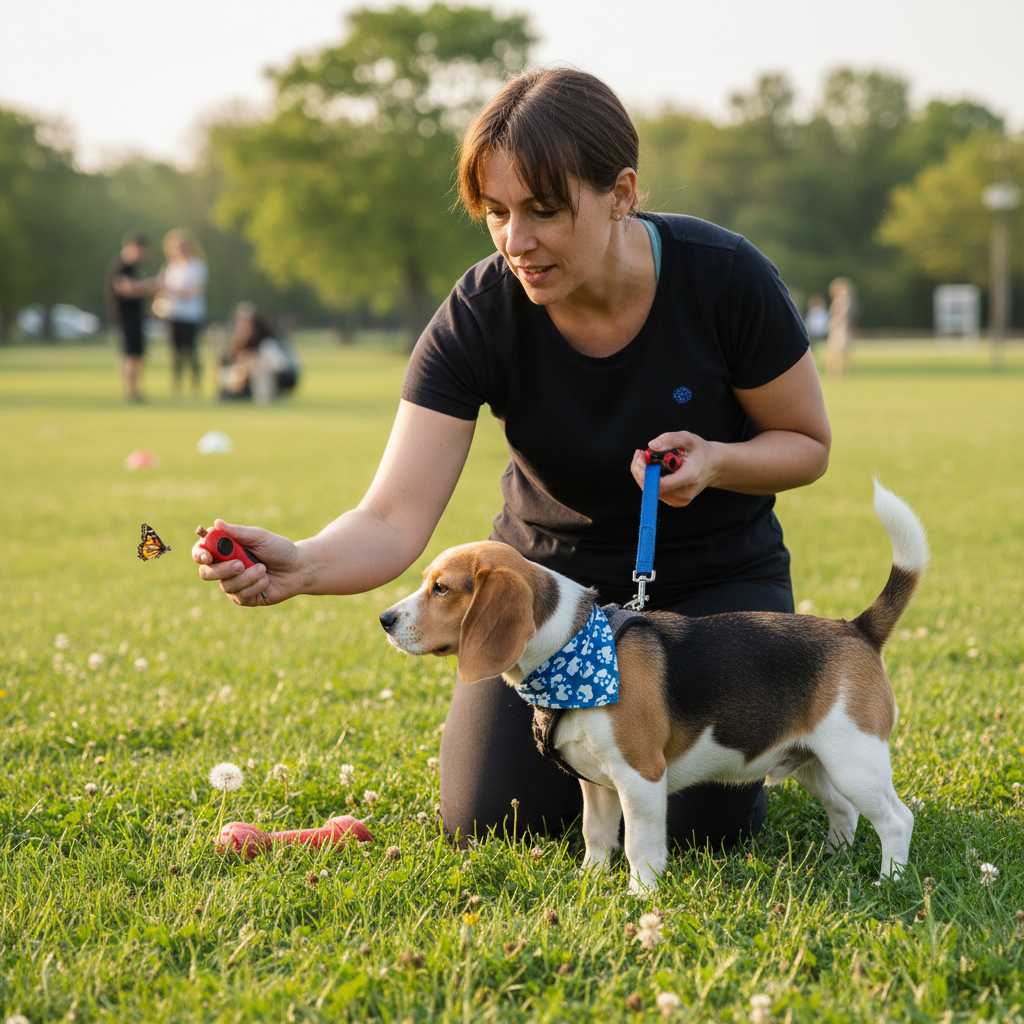
Beagles are intelligent but can be perceived as stubborn due to their independent nature and strong drive. It’s easy to get discouraged if your Beagle isn’t picking up a command as quickly as you’d hoped. Giving up on a specific training goal or allowing bad habits to persist will only make them harder to correct later.
The Fix
- Patience is a Virtue– Understand that training takes time, consistency, and patience.
- Break it Down– If a command is too complex, break it into smaller, easier steps.
- Seek Professional Help– If you’re struggling, don’t hesitate to consult a certified professional dog trainer.
Mistake 8- Forgetting Positive Reinforcement
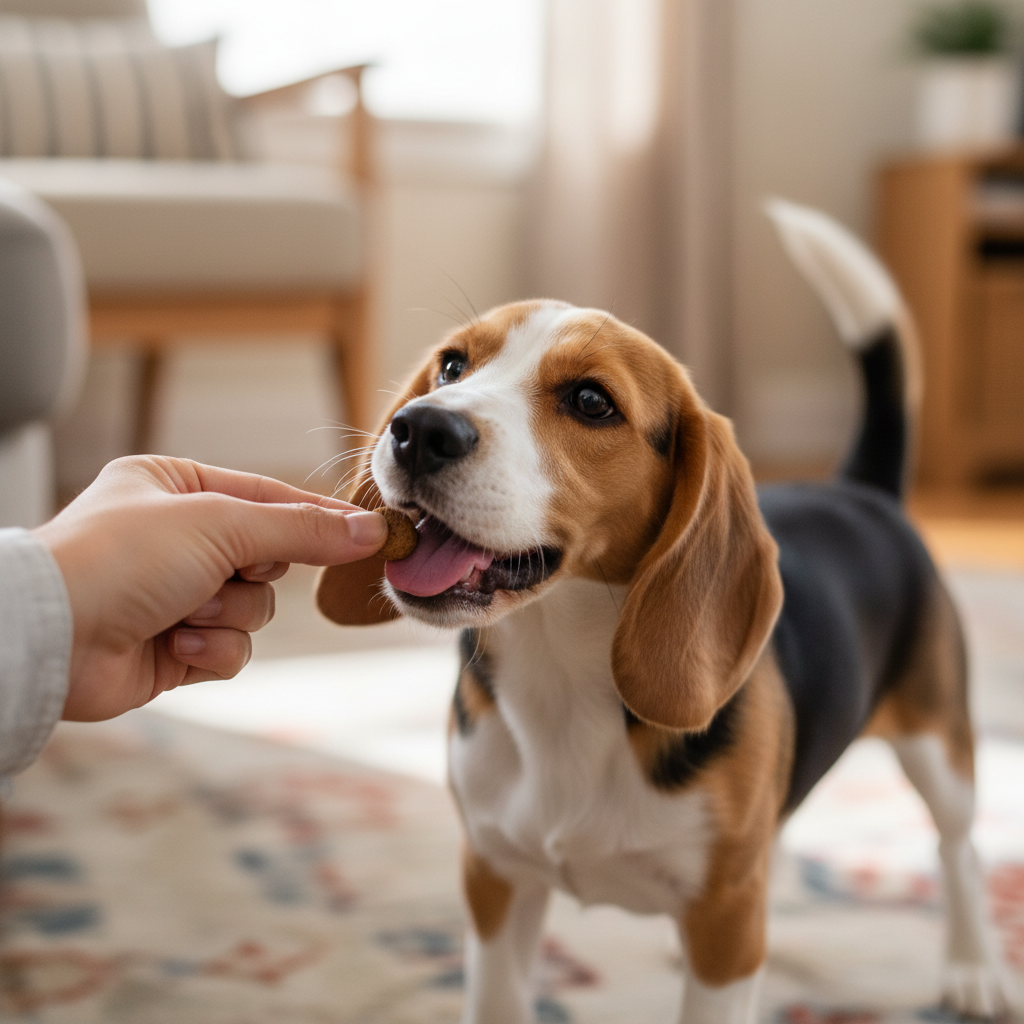
While it was mentioned earlier, it’s worth reiterating the power of positive reinforcement. Beagles respond incredibly well to rewards. Forgetting to consistently praise, treat, or play with your puppy when they do something right is a missed opportunity to reinforce good behavior. They need to know what makes you happy!
The Fix
- High-Value Treats– Use small, soft, irresistible treats during training.
- Enthusiastic Praise– Combine treats with verbal praise and gentle petting.
- Timely Rewards– Deliver rewards immediately (within 1-3 seconds) after the desired behavior.