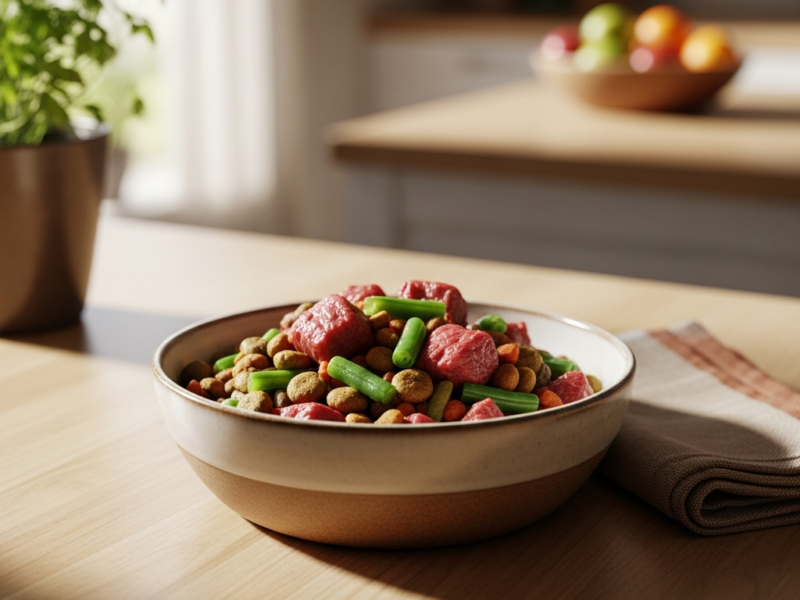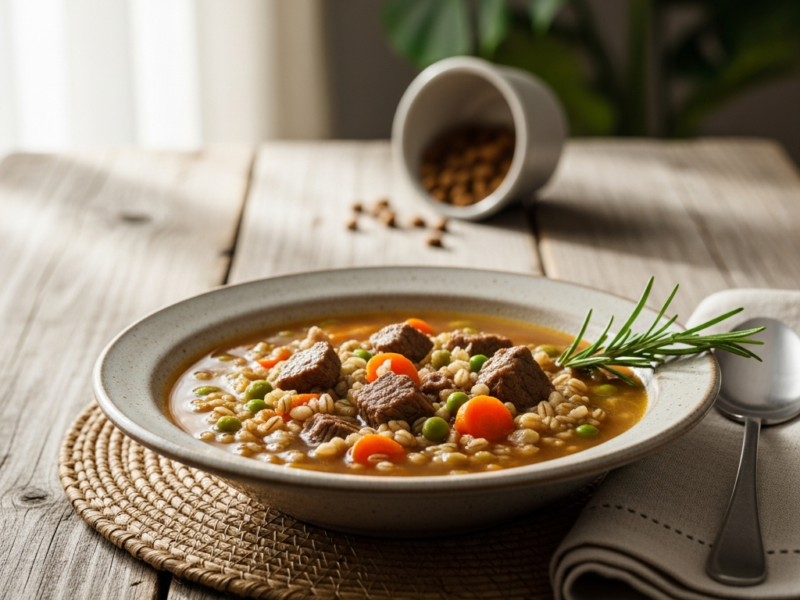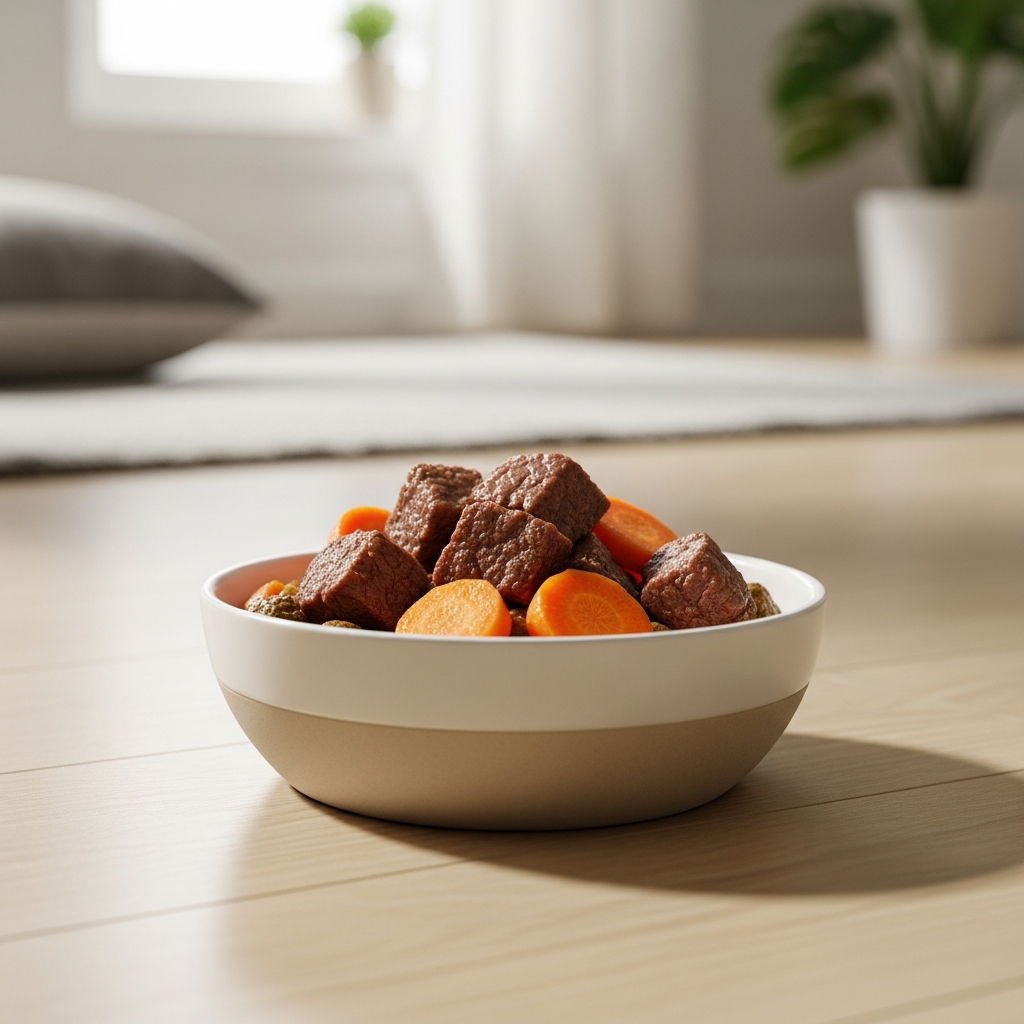
There’s a special kind of joy that comes from seeing your dog eagerly wagging their tail, waiting for mealtime. As dog parents, we always want the best for our furry family members, and that often includes thinking about what goes into their food bowl. While commercial dog foods are convenient, many of us are exploring the world of homemade meals to add fresh, wholesome goodness to our dogs’ diets.
Today, we’re diving into a simple yet nutritious option: the Beef & Carrot Dog Meal Bowl. This isn’t just a tasty treat; it’s a way to provide your dog with real, recognizable ingredients that support their health and happiness. We’ll explore why beef and carrots are fantastic choices, how to prepare them safely, and how to make this meal a wonderful addition to your dog’s routine.
Why Homemade Meals Matter for Your Furry Friend
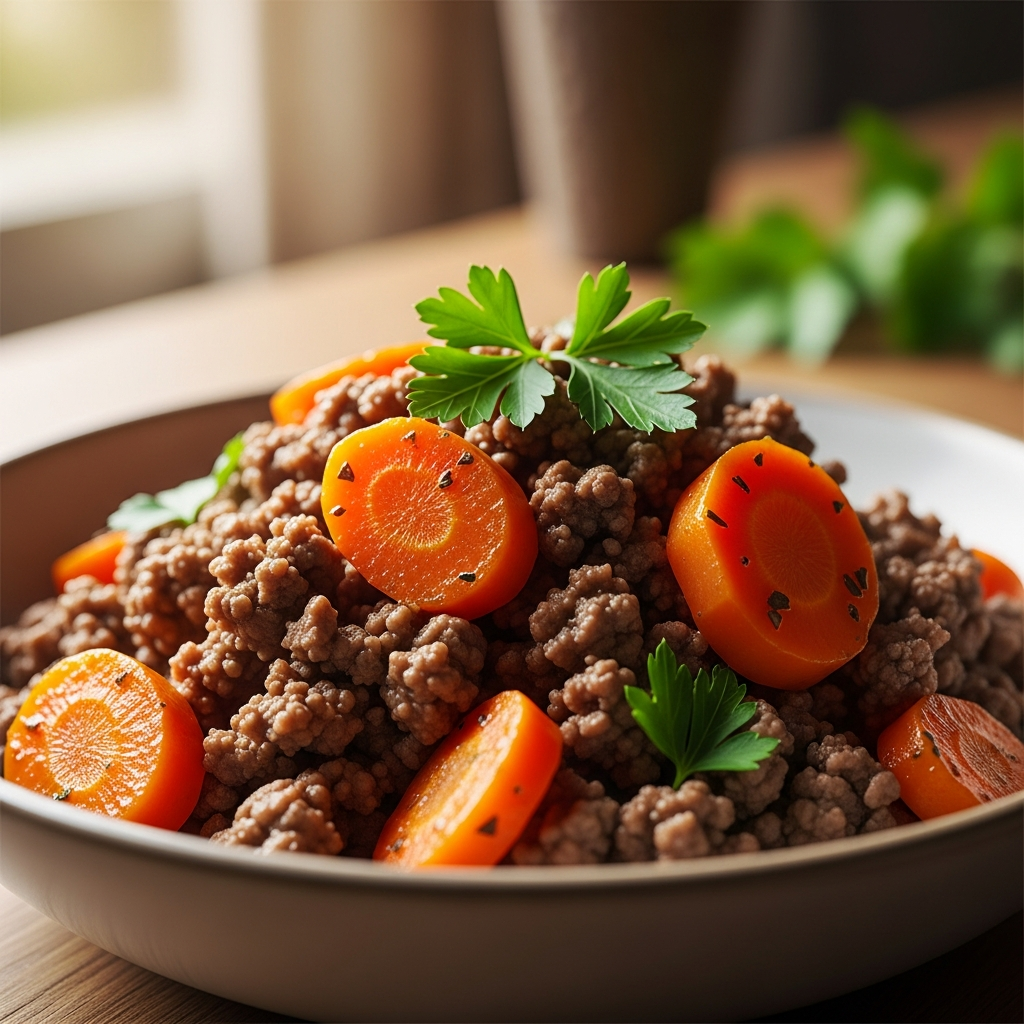
Feeding our dogs is more than just filling a bowl; it’s about providing the fuel for their playful antics, their cozy cuddles, and their overall well-being. Choosing to make some of your dog’s meals at home can bring a lot of benefits, both for them and for you.
Understanding Your Dog’s Dietary Needs
Dogs need a balanced diet rich in protein, healthy fats, carbohydrates, vitamins, and minerals. These nutrients work together to keep their muscles strong, their coats shiny, their energy levels high, and their immune systems robust. While most commercial dog foods aim to be complete, a fresh meal can offer variety and a boost of natural goodness.
Sometimes, highly processed commercial foods might lack the vibrant nutrient profile of fresh ingredients. Making meals at home allows you to see exactly what your dog is eating and ensure they’re getting real, wholesome components.
The Benefits of a Fresh Approach
Opting for homemade additions or meals gives you full control. You can select high-quality ingredients, avoid artificial colors, flavors, and preservatives, and skip common allergens that might upset your dog’s tummy.
Preparing meals at home can also be a wonderful way to tailor your dog’s diet to their specific needs. If your dog has sensitivities or needs extra support for certain health conditions, a fresh approach lets you make adjustments with confidence. It’s a mindful way to care for your canine companion.
The Stars of Our Bowl: Beef and Carrots
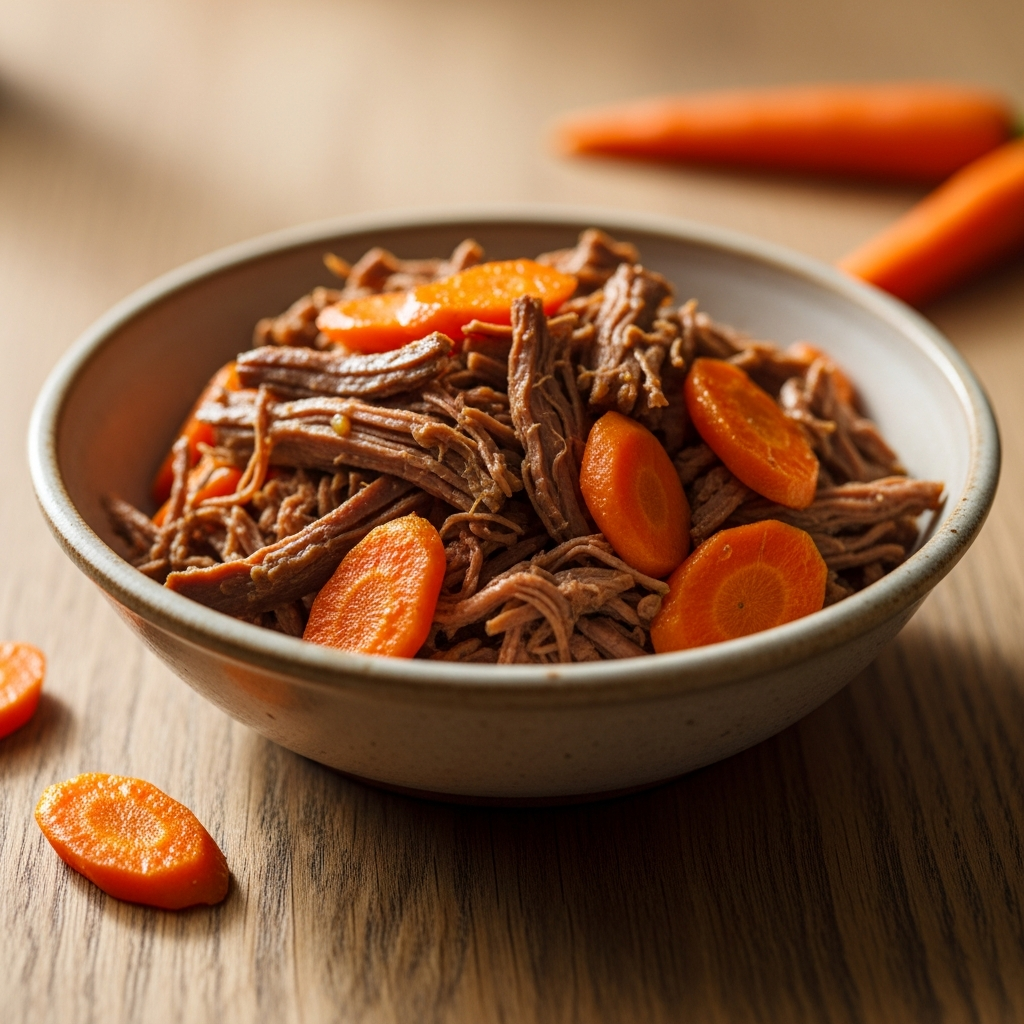
Every great meal has its star ingredients, and for our dog meal bowl, it’s beef and carrots. These two ingredients are not only delicious for dogs but also packed with essential nutrients that contribute to their health.
Beef: A Powerhouse of Goodness
Beef is a fantastic protein source for dogs. Protein is crucial for building and repairing muscles, making strong bones, and supporting healthy skin and coat. It’s the building block for nearly every part of your dog’s body.
Beyond protein, beef is rich in iron, which helps in the formation of red blood cells and prevents anemia. It also provides essential B vitamins, like B12 and niacin, which are vital for energy metabolism and proper nerve function. When choosing beef, lean ground beef or small cubes of stew meat are excellent choices, making sure to avoid excessive fat.
Carrots: A Crunchy, Healthy Treat
Carrots are more than just a sweet, crunchy vegetable; they’re a nutritional powerhouse for dogs. They are an excellent source of beta-carotene, which converts to Vitamin A in your dog’s body. Vitamin A is vital for healthy vision, immune function, and skin health.
The fiber content in carrots also aids in healthy digestion, promoting regular bowel movements. Plus, the natural crunchiness of raw carrots can act like a natural toothbrush, helping to clean your dog’s teeth and gums. Whether served raw or lightly cooked, carrots are a wonderful addition to your dog’s diet.
Crafting Your Beef & Carrot Dog Meal Bowl: A Step-by-Step Guide
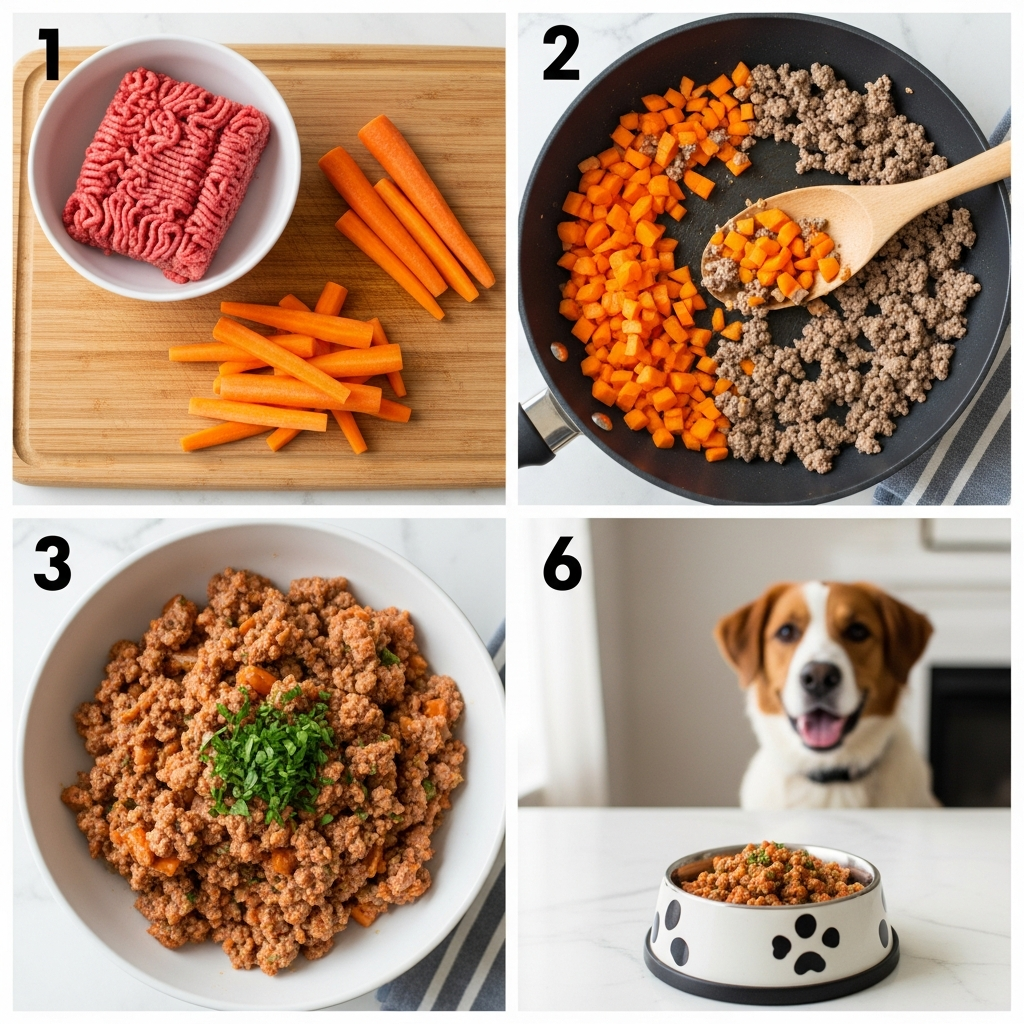
Making this meal bowl is simpler than you might think. With just a few basic ingredients and straightforward steps, you can create a nutritious and delicious dish your dog will adore. Remember, this recipe is designed as a hearty supplement or occasional meal, and not a complete and balanced diet on its own without professional veterinary or nutritionist guidance.
Ingredients You’ll Need
Here’s what you’ll gather to make this nourishing meal for your dog:
* Lean ground beef or small beef cubes (about 1 pound)
* Fresh carrots (2-3 medium-sized)
* A small amount of dog-safe oil for cooking (like olive oil or coconut oil, optional)
* Water or low-sodium, plain beef broth (optional, for moisture)
Other Beneficial Additions (in moderation, always plain and cooked):
* A small handful of green beans or peas
* A tablespoon or two of cooked brown rice or sweet potato
* A tiny drizzle of fish oil (check with your vet first)
Simple Preparation Steps
Follow these easy steps to prepare your Beef & Carrot Dog Meal Bowl:
1. Cook the Beef: In a pan, brown the lean ground beef thoroughly. If using beef cubes, cook until fully done and tender. Drain any excess fat. Do not add any seasonings like salt, pepper, onions, or garlic, as these can be harmful to dogs.
2. Prepare the Carrots: Wash the carrots well. You can peel them if you like, but it’s not strictly necessary.
For easier digestion, lightly steam or boil the carrots until they are slightly tender. This also makes them easier for older dogs or those with dental issues to eat.
* Alternatively, you can grate raw carrots into the bowl for an extra crunch and fiber boost.
* Cut the cooked carrots into small, bite-sized pieces appropriate for your dog’s size to prevent choking.
3. Combine Ingredients: Once the beef has cooled slightly, combine it with the prepared carrots in a bowl.
4. Add Moisture (Optional): If the mixture seems a little dry, you can add a small amount of water or plain, low-sodium beef broth to make it more palatable.
5. Cool Down: Always ensure the meal is completely cooled to a safe temperature before serving it to your dog.
Important Considerations for Balance
While this meal bowl is packed with goodness, it’s important to remember that it’s an excellent addition to your dog’s diet, not necessarily a standalone, long-term complete diet. For dogs with specific health issues or dietary needs, it is always best to consult with your veterinarian or a certified canine nutritionist. They can help ensure your dog is getting all the necessary nutrients for their unique situation.