As loving dog parents, we always strive to give our furry family members the very best. This often means carefully considering what goes into their food bowl. While commercial dog foods have come a long way, many owners are discovering the joy and benefits of preparing homemade meals.
Homemade dog food allows you to control every ingredient, ensuring your dog gets fresh, wholesome nutrients without any unwanted additives or preservatives. Beef is a fantastic protein source for dogs, packed with essential amino acids, iron, and zinc. It helps build strong muscles, supports a healthy immune system, and gives your dog the energy they need to play and thrive.
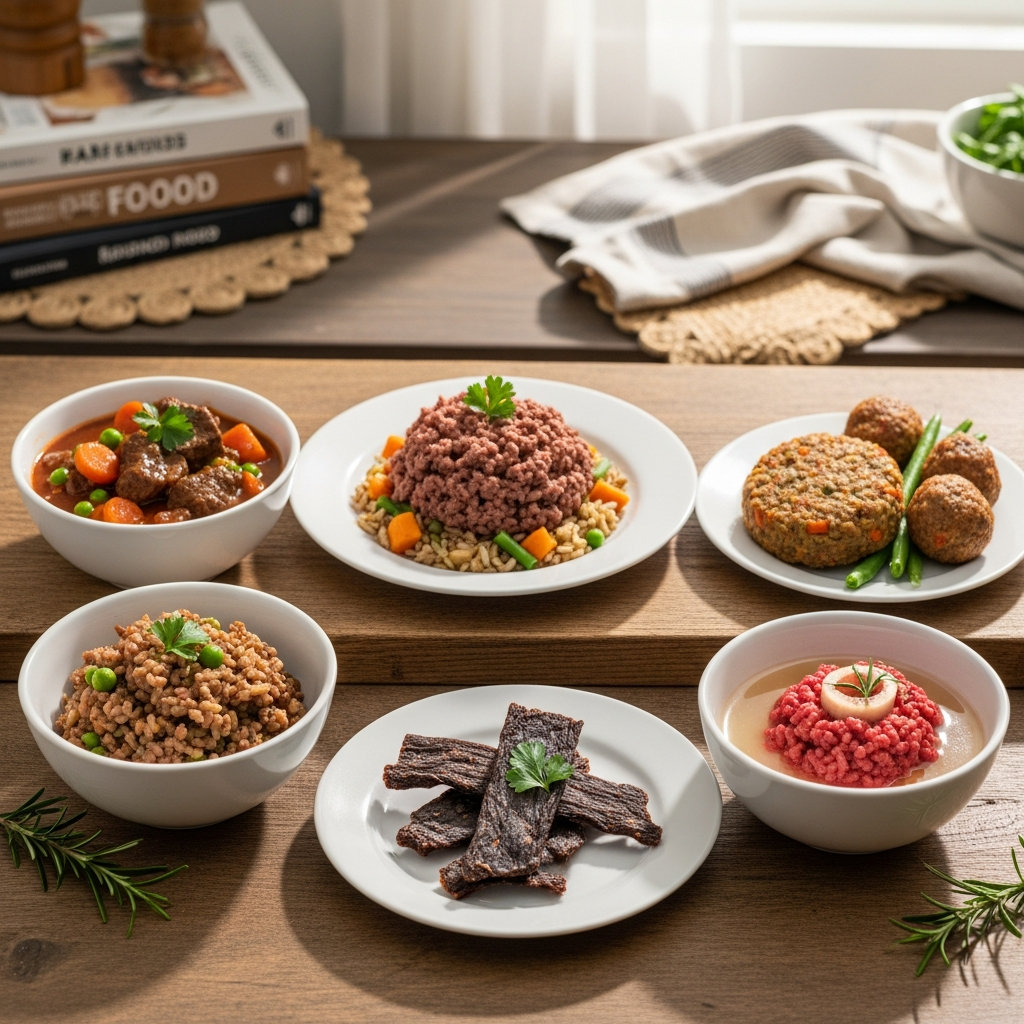
If you’re curious about whipping up delicious and nutritious meals for your canine companion, you’ve come to the right place. We’ve put together six wonderful beef dog food recipes that are simple to make and sure to get tails wagging!
Why Homemade Beef Dog Food?
Opting for homemade dog food, especially with a star ingredient like beef, offers several appealing advantages for both you and your dog.
Better Ingredient Control
When you cook at home, you know exactly what your dog is eating. You can choose high-quality cuts of beef and fresh vegetables, avoiding fillers, artificial colors, and mysterious by-products found in some commercial foods.
Addresses Sensitivities and Allergies
Many dogs suffer from food sensitivities or allergies. Homemade meals allow you to tailor ingredients specifically to your dog’s needs, easily excluding common allergens like certain grains or proteins.
Increased Hydration
Homemade dog food often has a higher moisture content compared to dry kibble. This extra hydration can support kidney function and overall health.
Enhanced Palatability
Let’s be honest, fresh, warm food usually smells and tastes better than dried pellets. Your dog will likely find homemade beef meals much more enticing, which is great for picky eaters.
Stronger Bond
Preparing meals for your dog is a wonderful way to deepen your bond. It’s an act of love that shows your commitment to their well-being, and they’ll feel that care with every bite.
Important Considerations Before You Start
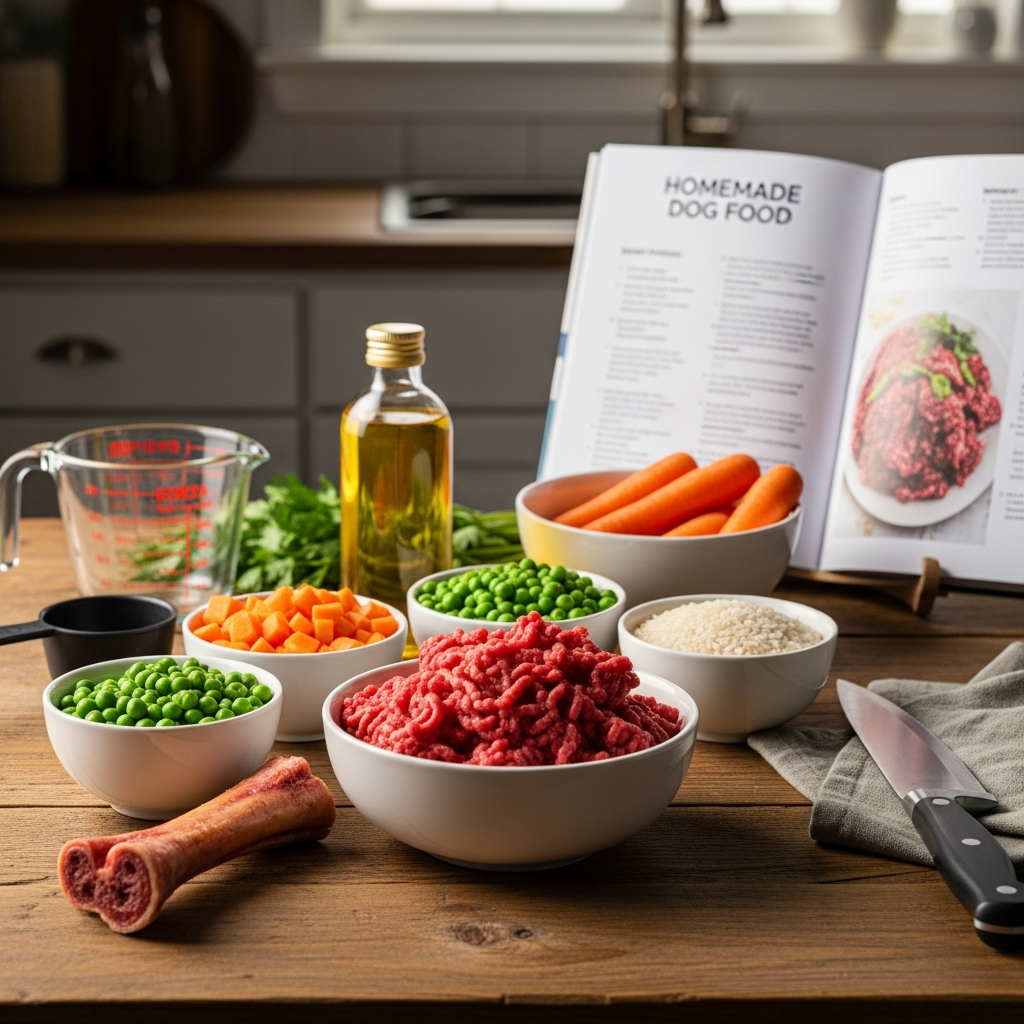
Before you dive into cooking, it’s crucial to keep a few key points in mind to ensure your homemade dog food is safe and balanced.
Consult Your Veterinarian
This is the most important step. Always discuss any dietary changes with your vet or a veterinary nutritionist. They can help you determine the right nutrient balance for your dog’s age, breed, activity level, and specific health conditions. They might also recommend specific supplements to ensure a complete diet.
Nutritional Balance is Key
Dogs need a balanced diet that includes protein, fat, carbohydrates, vitamins, and minerals. While these recipes are designed to be nutritious, long-term feeding of homemade food may require careful attention to micronutrients. Your vet can advise on this.
Cook All Meat Thoroughly
Raw meat can contain bacteria like Salmonella or E. coli, which can be harmful to both dogs and humans. Always cook beef and other meats thoroughly until no pink remains.
Avoid Harmful Ingredients
Many human foods are toxic to dogs. Always be mindful of ingredients like onions, garlic, xylitol, grapes, raisins, chocolate, and avocado. When in doubt, leave it out!
Proper Storage
Just like human food, homemade dog food needs to be stored correctly to prevent spoilage. Cooked food should be refrigerated in airtight containers and can often be frozen for longer storage.
Essential Ingredients for Homemade Dog Food
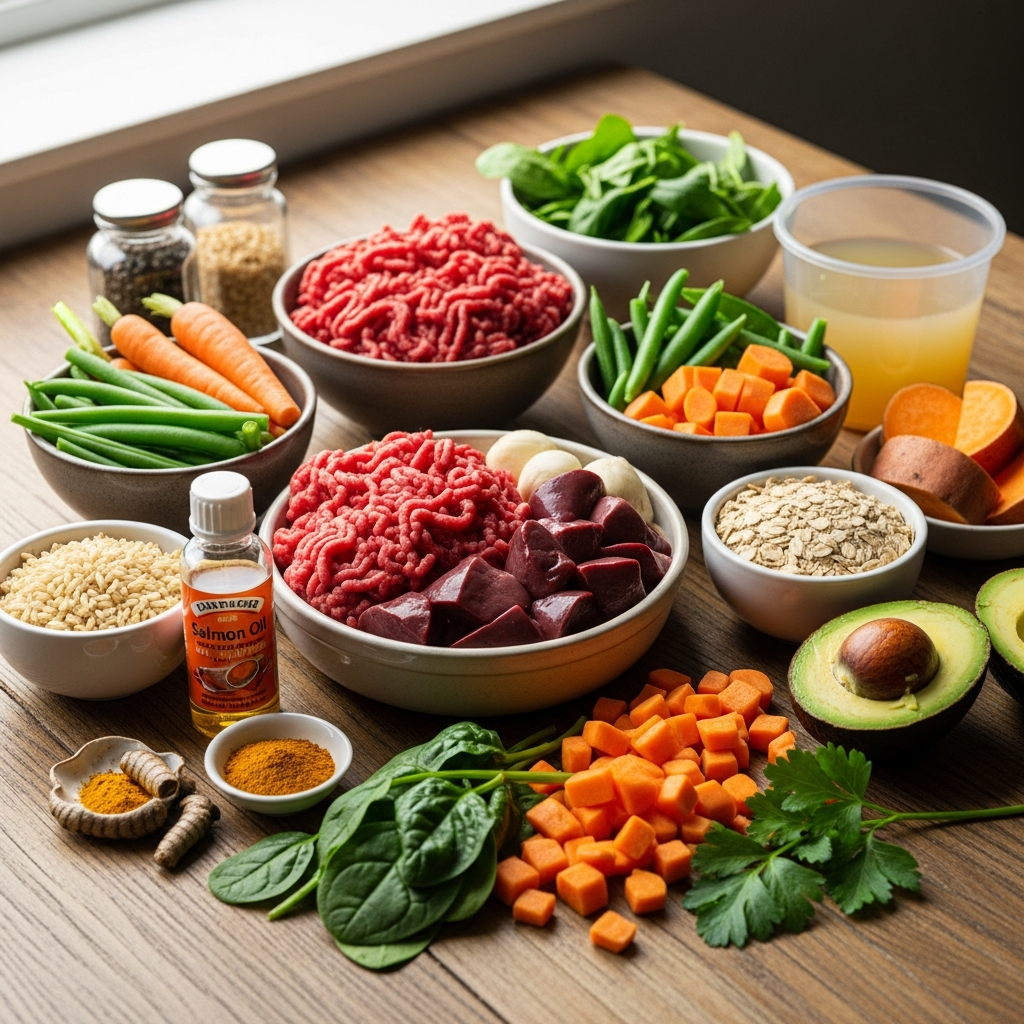
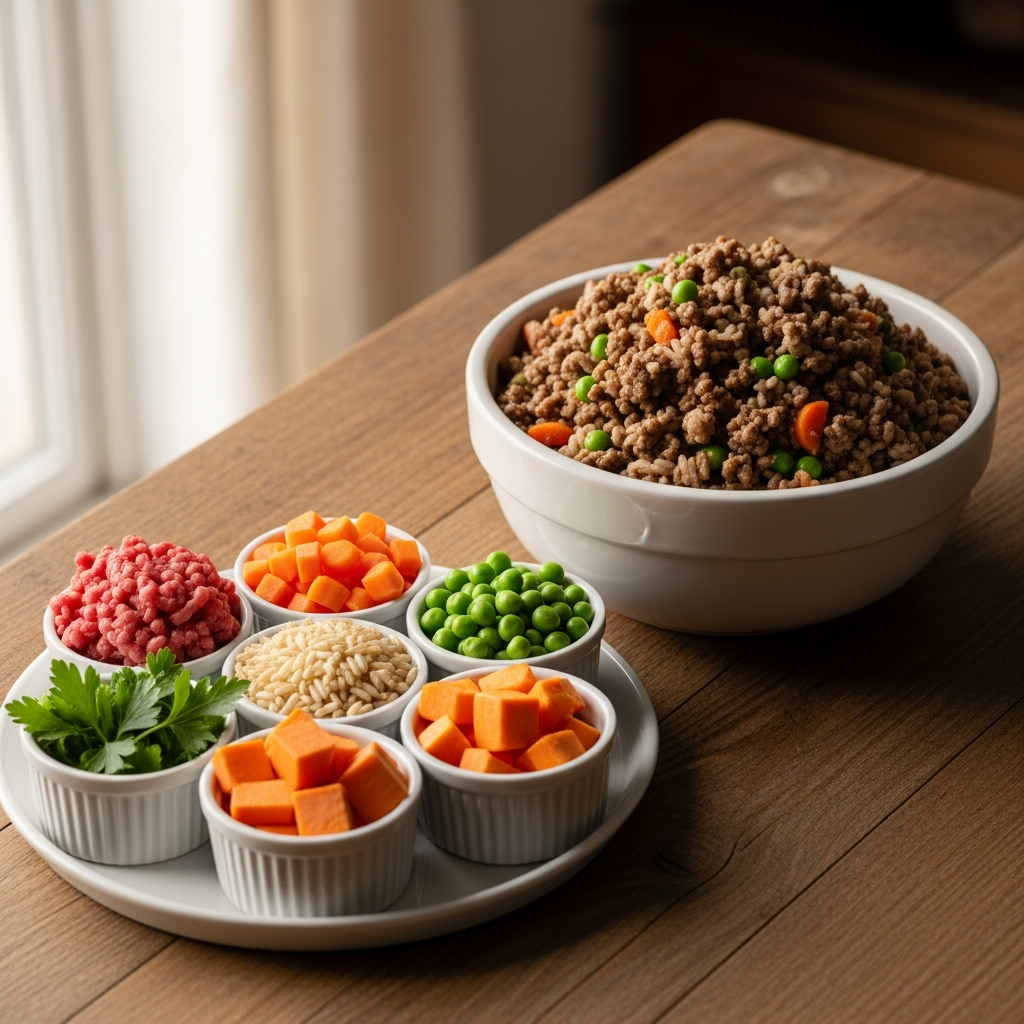
A well-rounded homemade dog meal typically consists of a few main components.
Lean Protein
Beef is our star today! Choose lean ground beef, stewing beef, or sirloin. Always cook it thoroughly.
Complex Carbohydrates
These provide energy and fiber. Good options include brown rice, oats, quinoa, sweet potatoes, and pumpkin.
Healthy Fats
Essential for skin, coat, and overall health. These often come naturally from the meat, but a touch of fish oil or flaxseed oil can be added (consult your vet first).
Dog-Safe Vegetables
Veggies provide vitamins, minerals, and fiber. Favorites include carrots, green beans, peas, spinach, broccoli (in moderation), and zucchini.
Fruit (in moderation)
Small amounts of dog-safe fruits like blueberries or apples (without seeds) can add antioxidants and flavor.
Recipe Time! 6 Delicious Beef Dog Food Recipes
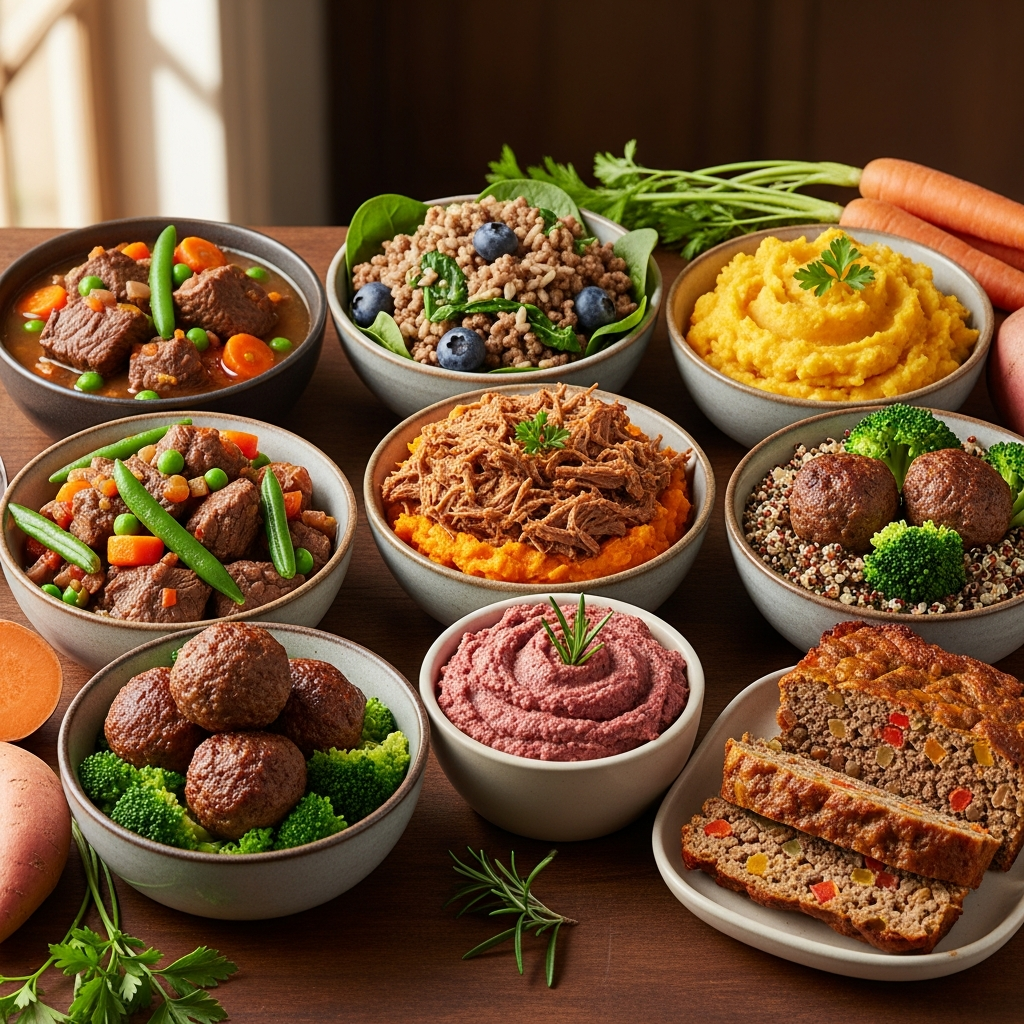
These recipes are designed for a medium-sized dog (around 30-50 pounds) for about 2-3 days’ worth of food. Always adjust portion sizes based on your dog’s specific needs, weight, and activity level, and check with your vet.
Recipe 1: Classic Beef & Veggie Stew
A comforting and nutritious stew that’s packed with flavor and essential nutrients.
Ingredients
1 pound lean ground beef
2 cups chopped carrots
1 cup frozen peas
2 cups cooked brown rice
4 cups water or low-sodium beef broth (ensure no onion/garlic)
1 tablespoon olive oil (optional)
Instructions
1. In a large pot, heat olive oil over medium heat if using. Add ground beef and cook thoroughly, breaking it up with a spoon, until no pink remains. Drain any excess fat.
2. Add chopped carrots and water or broth to the pot. Bring to a boil, then reduce heat, cover, and simmer for 10-15 minutes, or until carrots are tender.
3. Stir in the frozen peas and cooked brown rice. Cook for another 3-5 minutes until peas are heated through.
4. Remove from heat and let cool completely before serving.
Storage Tips
Store cooled stew in airtight containers in the refrigerator for up to 3-4 days. You can also portion and freeze for up to 2-3 months.
Recipe 2: Hearty Beef & Rice Bowl
A simple yet complete meal, great for dogs who enjoy a straightforward approach to dinner.
Ingredients
1 pound stew beef or beef sirloin, cut into 1/2-inch cubes
3 cups cooked white or brown rice
2 cups fresh spinach, roughly chopped
1/2 cup finely chopped bell pepper (any color, avoid spicy types)
4 cups water
* 1 tablespoon olive oil
Instructions
1. Heat olive oil in a large skillet or pot over medium heat. Add beef cubes and cook until browned on all sides and cooked through.
2. Add water to the pot, bring to a simmer, then reduce heat and cover. Cook for about 20-30 minutes, or until beef is very tender.
3. Stir in the chopped spinach and bell pepper. Cook for another 5 minutes until spinach is wilted and bell pepper is slightly softened.
4. Remove from heat. Once cooled, mix in the cooked rice thoroughly.
5. Serve once completely cooled.
Storage Tips
Refrigerate in sealed containers for 3-4 days. Freezing in individual portions is also an excellent option.
Recipe 3: Lean Beef & Sweet Potato Delight
Sweet potatoes are a fantastic source of vitamins and fiber, making this a gentle option for many dogs.
Ingredients
1 pound lean ground beef
2 medium sweet potatoes, peeled and diced
1.5 cups fresh green beans, trimmed and cut into 1/2-inch pieces
3 cups water or low-sodium chicken broth (no onion/garlic)
1 tablespoon coconut oil (optional)
Instructions
1. In a large pot, melt coconut oil (if using) over medium heat. Add ground beef and cook until fully browned, draining any fat.
2. Add diced sweet potatoes and water or broth to the pot. Bring to a boil, then reduce heat, cover, and simmer for 15-20 minutes, or until sweet potatoes are very tender.
3. Stir in the green beans and cook for an additional 5-7 minutes until they are tender-crisp.
4. Remove from heat. Mash the sweet potatoes slightly with a fork or potato masher to create a more integrated texture, or leave chunky if your dog prefers.
5. Allow to cool completely before serving.
Storage Tips
This mixture keeps well in the refrigerator for up to 4 days and can be frozen for several weeks.
Recipe 4: Savory Beef & Green Bean Medley
A light yet satisfying meal focusing on lean protein and vibrant vegetables.
Ingredients
1 pound lean ground beef
3 cups fresh green beans, trimmed and cut into 1-inch pieces
1 cup chopped carrots
1/2 cup cooked plain rolled oats (cook according to package directions using water)
3 cups water
1 tablespoon olive oil
Instructions
1. Heat olive oil in a large pot or deep skillet over medium heat. Cook ground beef until thoroughly browned, then drain off any fat.
2. Add green beans, carrots, and water to the pot. Bring to a boil, then reduce heat and simmer, covered, for 10-12 minutes, or until vegetables are tender.
3. Stir in the cooked rolled oats and cook for another 2-3 minutes to heat through.
4. Remove from heat and let cool completely before serving.
Storage Tips
Store in an airtight container in the fridge for up to 3 days. Freezes well.
Recipe 5: Beef & Quinoa Power Meal
Quinoa is a complete protein and a great gluten-free grain option for dogs.
Ingredients
1 pound lean ground beef
1 cup uncooked quinoa, rinsed
2 cups water (for quinoa)
2 cups chopped broccoli florets
1/2 cup fresh blueberries (optional, for antioxidants)
1 tablespoon flaxseed oil (optional, consult vet)
Instructions
1. Cook quinoa: Combine 1 cup rinsed quinoa with 2 cups water in a saucepan. Bring to a boil, then reduce heat to low, cover, and simmer for 15 minutes, or until all water is absorbed. Fluff with a fork.
2. In a separate large skillet, cook ground beef over medium heat until thoroughly browned. Drain off any excess fat.
3. Steam or lightly boil broccoli florets until tender-crisp (about 5-7 minutes).
4. In a large bowl, combine the cooked ground beef, cooked quinoa, steamed broccoli, and blueberries (if using).
5. If adding flaxseed oil, drizzle it over the cooled mixture and stir well.
6. Mix everything thoroughly and allow to cool completely before serving.
Storage Tips
Keep refrigerated in an airtight container for up to 3-4 days. This recipe also freezes beautifully.
Recipe 6: Simple Ground Beef & Carrot Mash
This recipe is incredibly straightforward, perfect for beginners or those with limited time.
Ingredients
1.5 pounds lean ground beef
4 large carrots, peeled and roughly chopped
2 small zucchini, roughly chopped
3 cups water
Instructions
1. In a large pot, add ground beef and cook over medium heat, breaking it up, until it is thoroughly browned. Drain off any fat.
2. Add chopped carrots, zucchini, and water to the pot. Bring to a boil, then reduce heat, cover, and simmer for 20-25 minutes, or until vegetables are very soft.
3. Remove from heat. Use a potato masher or immersion blender to mash the mixture to a desired consistency. Some dogs prefer it chunky, while others like a smoother mash.
4. Let the food cool completely before serving to your dog.
Storage Tips
Refrigerate in an airtight container for up to 4 days. This mash can also be frozen in individual portions for easy meal prep.
Proper Portioning and Feeding Guidelines
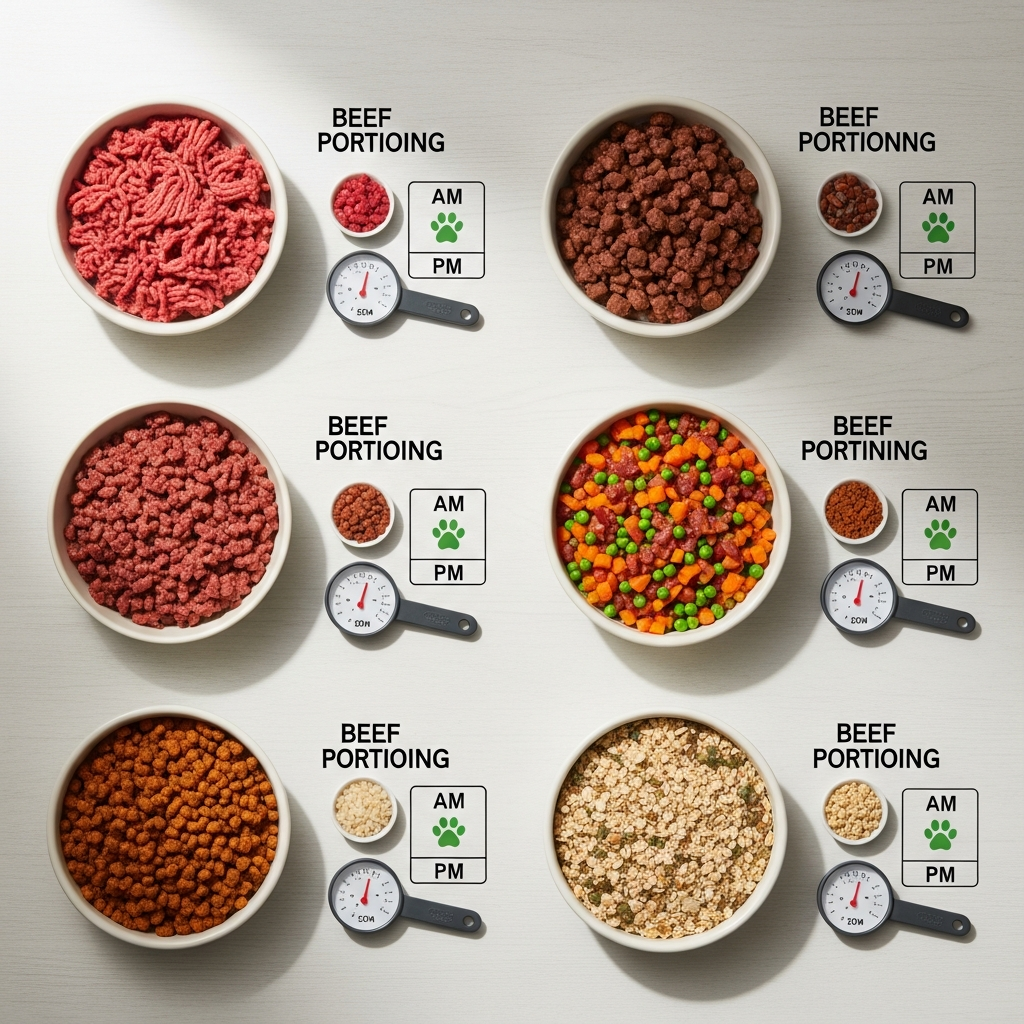
Determining the right portion size for your dog is vital. Overfeeding can lead to obesity, while underfeeding can cause malnutrition. These are general guidelines, and your vet’s advice is paramount.
| Dog Weight (Adult) | Approximate Daily Feeding (Cups) | Notes |
| :—————– | :——————————- | :————————————— |
| 5-10 lbs | 1/2 – 1 cup | Small breeds, lower activity |
| 10-20 lbs | 1 – 1.5 cups | Terriers, smaller spaniels |
| 20-40 lbs | 1.5 – 2.5 cups | Beagles, larger terriers |
| 40-70 lbs | 2.5 – 4 cups | Labs, Retrievers, Boxers |
| 70-100+ lbs | 4 – 6+ cups | Larger breeds, high activity might need more |
Adjust for Activity: Active dogs will need more calories than sedentary ones.
Monitor Weight :Regularly check your dog’s weight and body condition. You should be able to feel their ribs easily but not see them prominently.
Divide Meals: Most adult dogs benefit from two meals a day. Puppies need more frequent, smaller meals.
Treats: Account for any treats you give throughout the day when calculating total caloric intake.
Tips for a Smooth Transition to Homemade Food
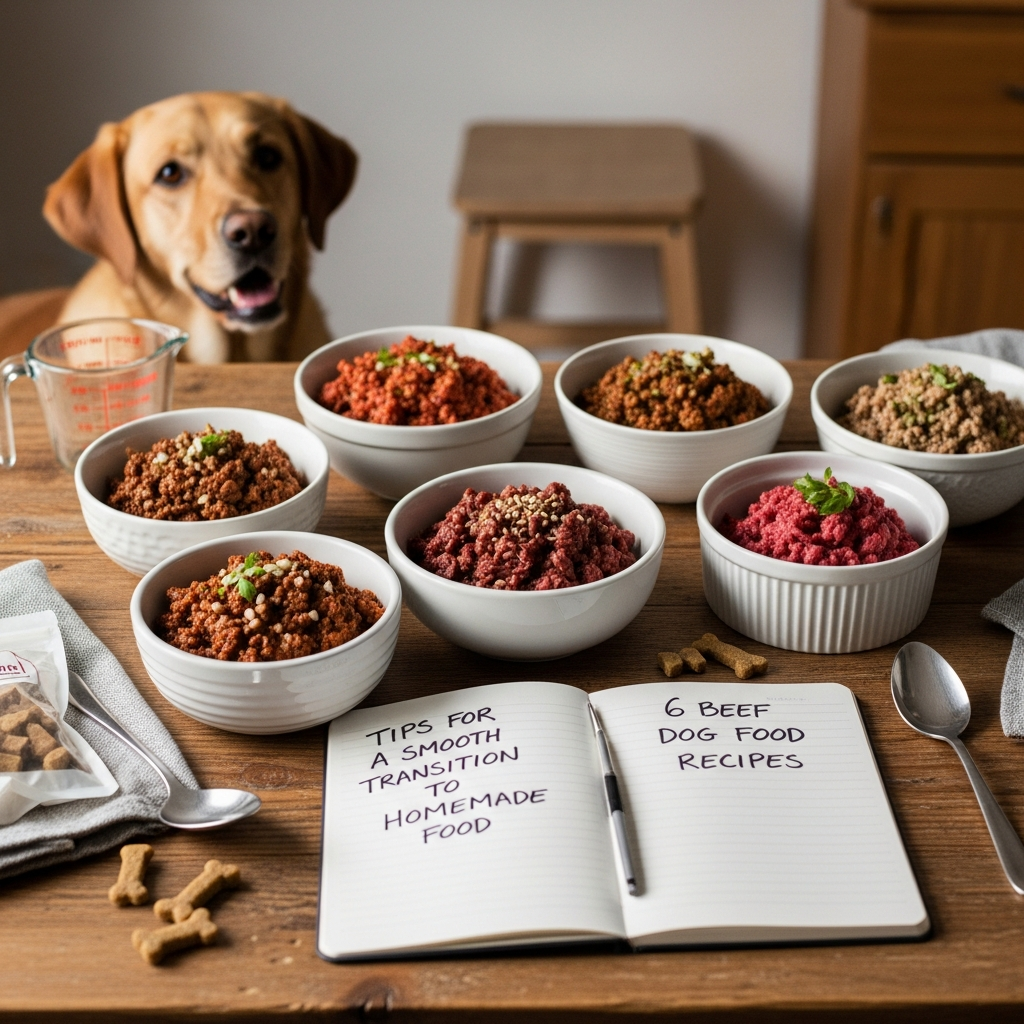
If your dog is used to commercial kibble, a sudden switch to homemade food can sometimes upset their stomach. A gradual transition is usually best.
1. Start Slowly:** Begin by mixing a very small amount of the new homemade food with their regular food.
2. Increase Gradually: Over 7-10 days, slowly increase the proportion of homemade food while decreasing the amount of their old food.
3. Watch for Changes: Monitor your dog for any signs of digestive upset, such as diarrhea, vomiting, or excessive gas. If you notice any issues, slow down the transition.
4. Stay Consistent: Once transitioned, try to stick to a consistent feeding schedule.