5 Best Beef Dog Food Recipes for Sensitive Stomachs Every Owner Should Try
As a devoted dog parent, there’s nothing more worrying than seeing your beloved companion struggle with an upset stomach. From unpredictable bathroom breaks to a lack of appetite, digestive issues can significantly impact your dog’s quality of life and your peace of mind. While commercial dog foods often promise complete nutrition, many contain ingredients that can trigger sensitivities in some pups. If you’ve been searching for a solution that’s both nourishing and gentle, you’re in the right place.
Beef, when prepared correctly, can be a fantastic protein source for dogs with sensitive stomachs. It’s rich in essential nutrients and highly palatable, making it an appealing option for even the pickiest eaters. In this comprehensive guide, we’ll dive into why beef can be beneficial, what to look out for, and—most importantly—share five delicious, vet-friendly beef dog food recipes designed to soothe your dog’s tummy and bring back their joyful wag.
Understanding Sensitive Stomachs in Dogs

Just like humans, dogs can experience a range of digestive sensitivities. These can stem from various factors, including food allergies, intolerances, abrupt diet changes, stress, or underlying health conditions. Identifying the signs early is crucial for providing the right support.
Common Symptoms to Watch For
Keep a close eye on your dog for any of these indicators of a sensitive stomach:
- Vomiting – Especially if it’s frequent or contains undigested food.
- Diarrhea – Loose stools, often with increased frequency.
- Excessive Gas – More flatulence than usual.
- Abdominal Pain – Reluctance to be touched, hunched posture, or restlessness.
- Loss of Appetite – Refusing meals or showing little interest in food.
- Weight Loss – A concerning sign if persistent.
- Poor Coat Condition – Dull, dry, or flaky skin can sometimes indicate nutrient malabsorption.
Why Beef Can Be a Good Choice
Beef often gets a bad rap due to misconceptions about its digestibility, but for many dogs, it’s an excellent protein. Here’s why:
- High-Quality Protein – Beef provides essential amino acids vital for muscle development, tissue repair, and overall health.
- Nutrient-Dense – It’s packed with iron, zinc, selenium, and B vitamins, all crucial for a dog’s well-being.
- Palatability – Most dogs adore the taste of beef, making it easier to encourage eating, especially when they’re feeling a bit off.
- Limited Ingredient Control – When you prepare homemade beef dog food, you control exactly what goes into it, avoiding common irritants found in commercial foods.
The key is selecting lean cuts and preparing it simply, often in combination with easily digestible carbohydrates and vegetables.
Before You Start- Essential Tips

Before you embark on your culinary journey for your canine companion, there are a few important steps and considerations to keep in mind.
Consulting Your Vet
This is paramount. Always speak with your veterinarian before making significant changes to your dog’s diet, especially if they have a sensitive stomach. Your vet can rule out underlying medical conditions and provide guidance on appropriate ingredients and nutritional balance for your dog’s specific needs.
Gradual Transitions
Never switch your dog’s food abruptly. A sudden change can actually cause digestive upset. Gradually introduce the new homemade beef food over 7-10 days by mixing increasing amounts of the new food with decreasing amounts of their old food. This allows their digestive system to adjust smoothly.
Ingredient Quality Matters
Opt for high-quality, human-grade ingredients. Choose lean cuts of beef (like ground sirloin or lean stew meat) and fresh, organic vegetables if possible. Avoid highly processed ingredients, artificial additives, and excessive fats, which can exacerbate digestive issues.
Our Top 5 Beef Dog Food Recipes for Sensitive Stomachs
These recipes focus on simplicity, digestibility, and balanced nutrition. Always cook beef thoroughly and ensure all vegetables are well-cooked and mashed or pureed for easier digestion. Remember to adjust portion sizes based on your dog’s weight, activity level, and vet’s recommendations.
Recipe 1 – Gentle Ground Beef & Sweet Potato
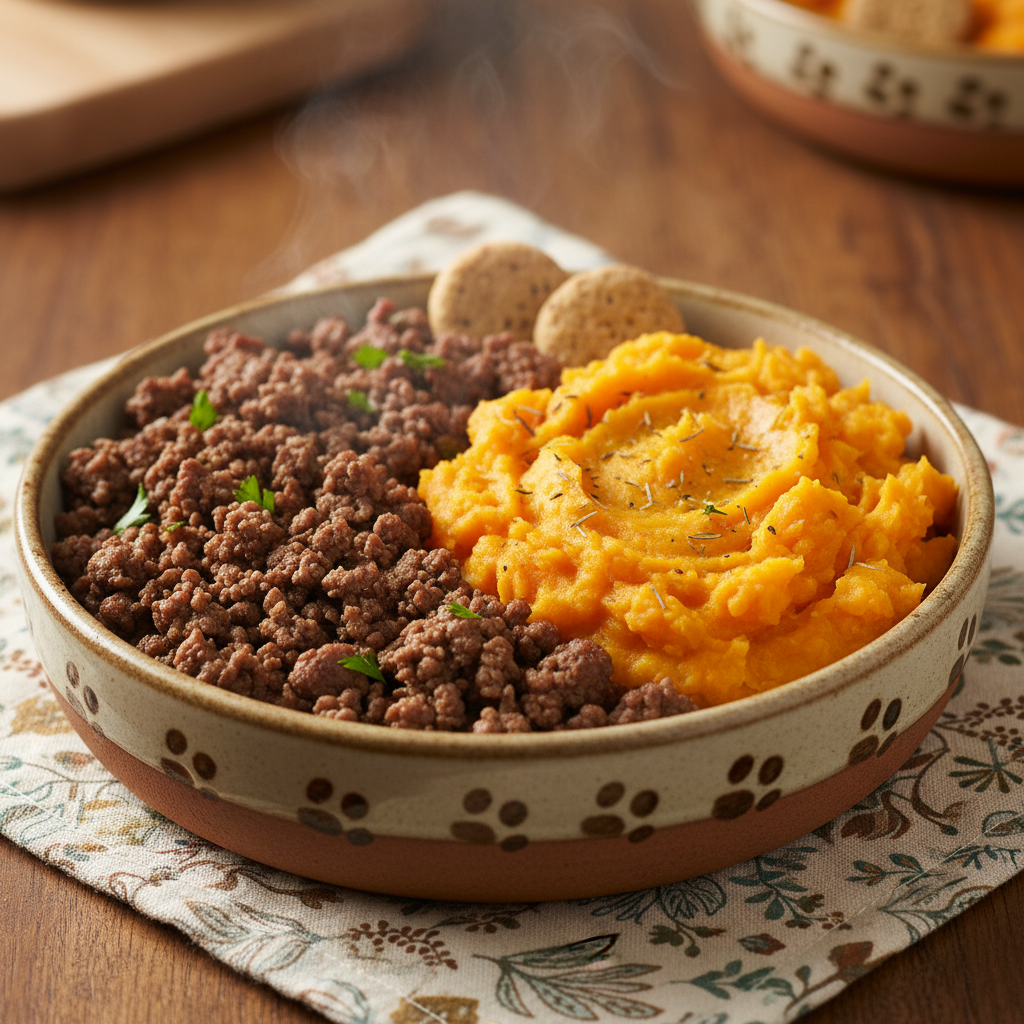
This classic combination is gentle and highly nutritious, perfect for sensitive tummies.
Ingredients-
- 1 lb lean ground beef
- 2 medium sweet potatoes, peeled and diced
- 1 cup green beans (fresh or frozen), steamed
- 1 tbsp olive oil (optional, for cooking)
- Water or low-sodium beef broth
Instructions-
- In a large pot, brown the ground beef over medium heat. Drain any excess fat.
- Add diced sweet potatoes to the pot with the beef. Cover with water or broth.
- Bring to a boil, then reduce heat and simmer for 15-20 minutes, or until sweet potatoes are very tender.
- Add the steamed green beans and cook for another 5 minutes.
- Mash the sweet potatoes and green beans with the beef mixture. You can use a potato masher or a food processor for a smoother consistency.
- Allow to cool completely before serving. Store leftovers in an airtight container in the refrigerator for up to 3-4 days.
Recipe 2 – Lean Beef & Rice Medley
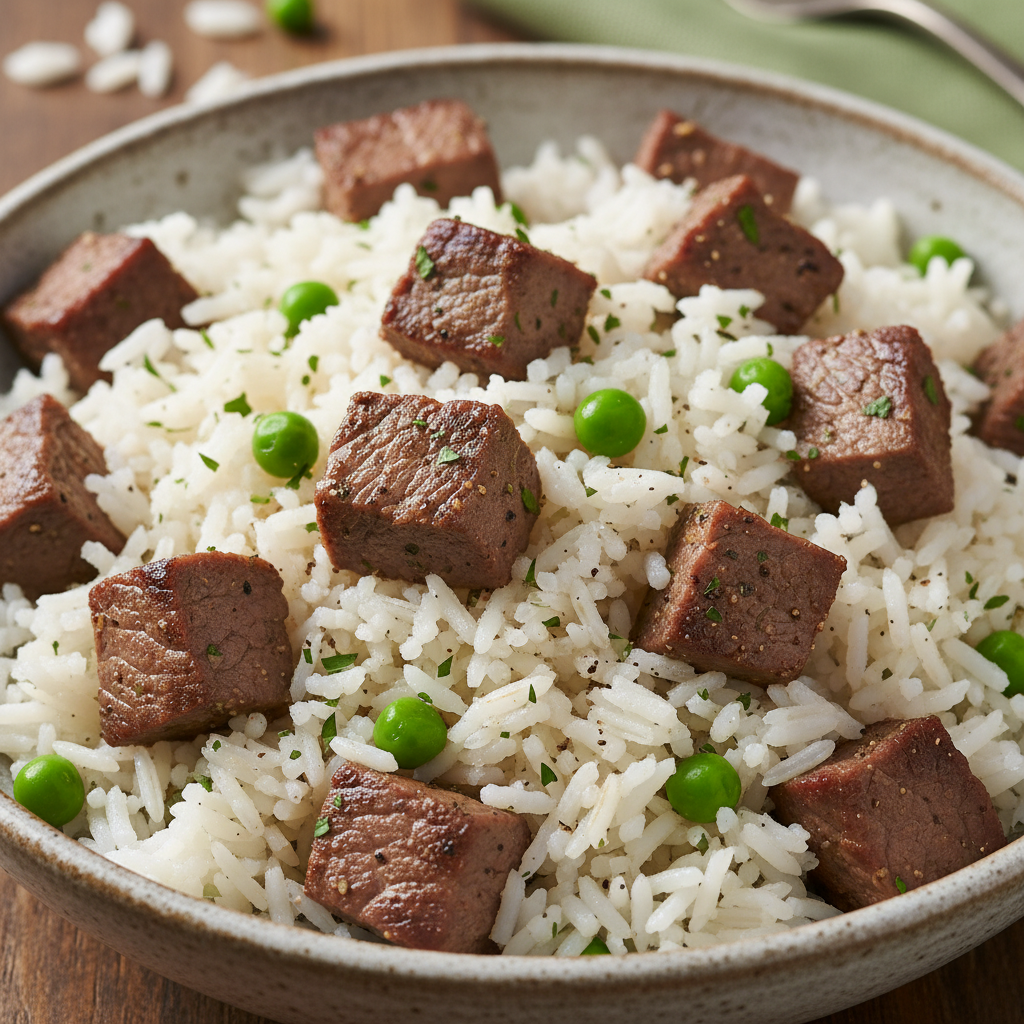
White rice is known for being easy on the stomach, making it an excellent base for dogs with digestive upset.
Ingredients-
- 1 lb lean beef stew meat, cut into small cubes
- 1 cup white rice
- 3 cups water
- 1 cup carrots, finely diced
- 1/2 cup peas (fresh or frozen)
Instructions-
- In a pot, combine beef cubes, white rice, and water.
- Bring to a boil, then reduce heat to low, cover, and simmer for 20-25 minutes, or until rice is cooked and beef is tender.
- Add diced carrots and peas during the last 10 minutes of cooking.
- Stir well and ensure all ingredients are thoroughly cooked.
- Cool completely before serving. Store refrigerated for up to 3 days.
Recipe 3 – Hearty Beef & Carrot Stew
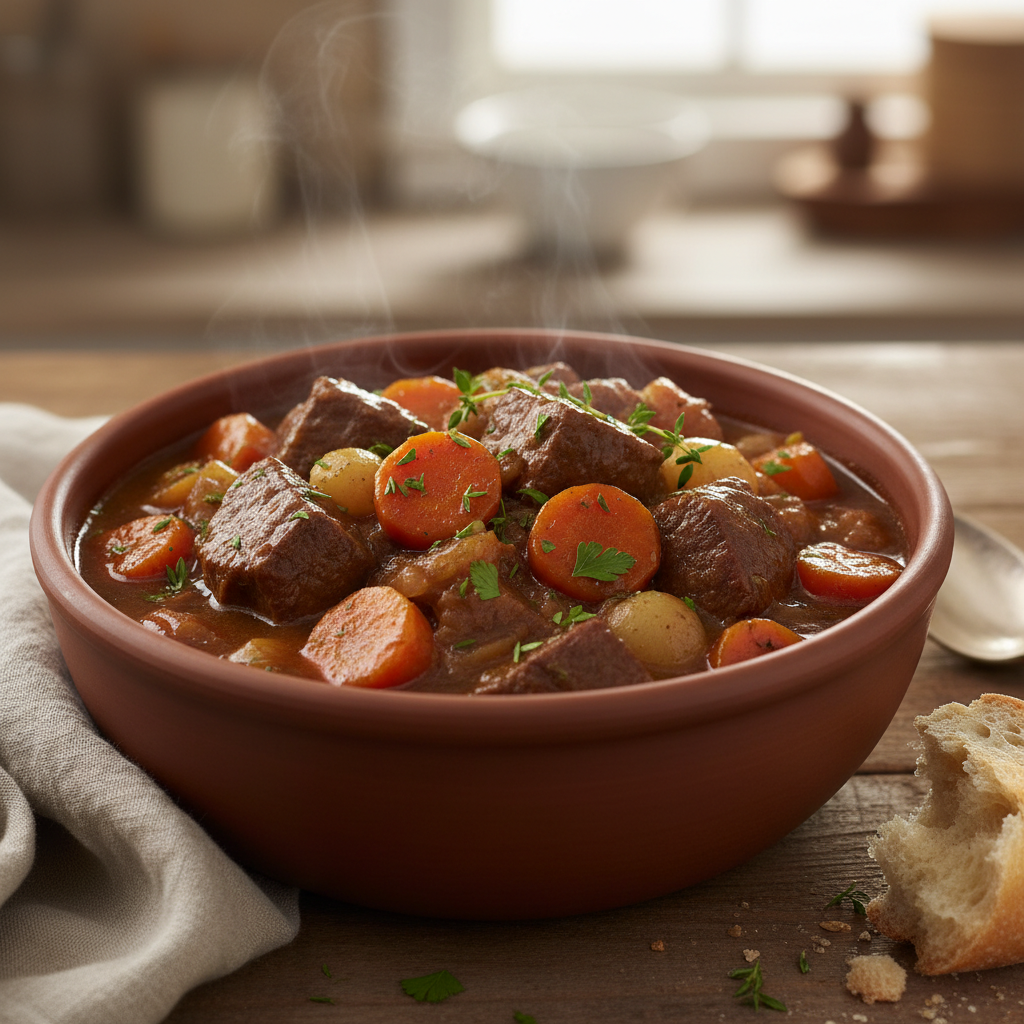
This stew is packed with flavor and nutrients, offering a comforting meal that’s gentle on the digestive system.
Ingredients-
- 1.5 lbs lean beef stew meat, cut into small cubes
- 4-5 cups water or low-sodium beef broth
- 2 cups carrots, chopped
- 1 cup zucchini, chopped
- 1/2 cup rolled oats (uncooked)
- 1 tbsp fresh parsley, chopped (optional, for garnish and digestion)
Instructions-
- Place beef cubes in a large pot and cover with water or broth. Bring to a boil, then reduce heat and simmer for 30 minutes, skimming any foam.
- Add chopped carrots and zucchini. Continue to simmer for another 15-20 minutes, or until vegetables are tender.
- Stir in the rolled oats and cook for an additional 5-7 minutes, until oats are soft and the stew thickens slightly.
- Remove from heat, stir in fresh parsley if using.
- Let cool completely before serving. This can be stored in the refrigerator for up to 4 days or frozen in individual portions.
Recipe 4 – Simple Beef & Green Bean Bites
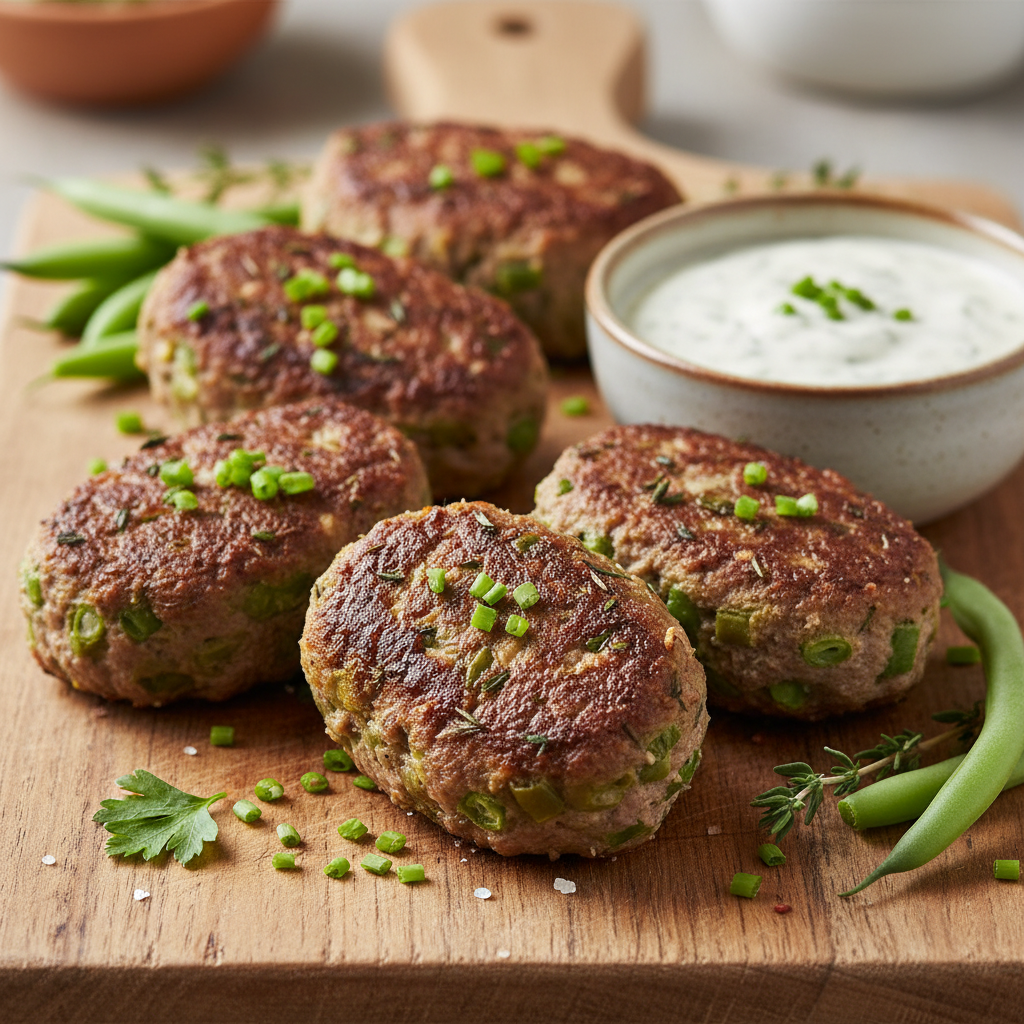
These are great for portion control and can be easily served as a meal or a healthy, digestive-friendly treat.
Ingredients-
- 1 lb lean ground beef
- 1 cup cooked green beans, finely chopped or pureed
- 1/2 cup cooked brown rice (optional, for added fiber)
- 1 egg, lightly beaten
Instructions-
- Preheat oven to 350°F (175°C). Line a baking sheet with parchment paper.
- In a large bowl, combine ground beef, chopped green beans, cooked brown rice (if using), and beaten egg. Mix thoroughly.
- Form the mixture into small, bite-sized patties or meatloaf shapes.
- Place on the prepared baking sheet and bake for 20-25 minutes, or until cooked through and lightly browned.
- Cool completely before serving. Store in the refrigerator for up to 3-4 days or freeze for longer storage.
Recipe 5 – Beef Liver & Pumpkin Puree
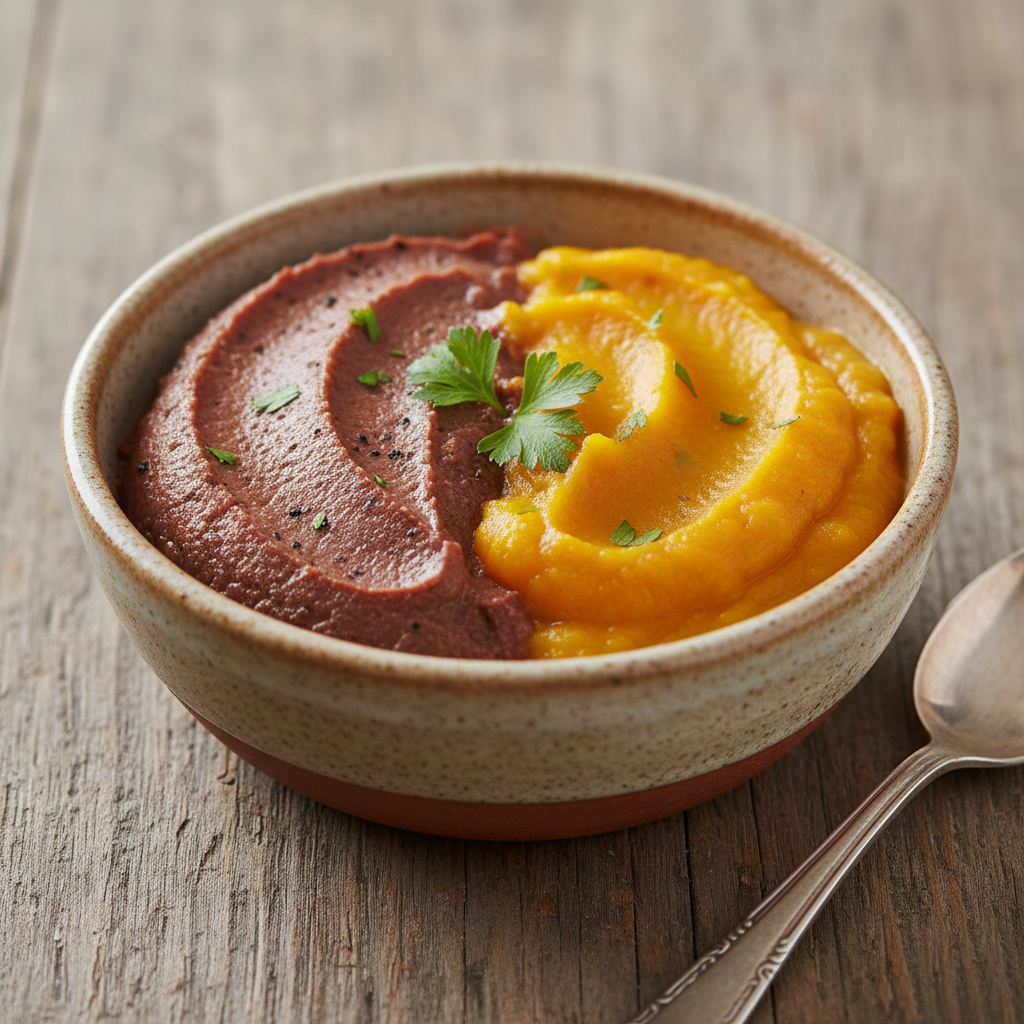
Beef liver is a powerhouse of nutrients, and pumpkin is renowned for its digestive benefits. This recipe is best as a supplemental meal or a small, nutrient-dense addition to other foods.
Ingredients-
- 1/2 lb beef liver, cut into small pieces
- 1 cup plain canned pumpkin puree (NOT pumpkin pie filling)
- 1/4 cup low-sodium beef broth or water
Instructions-
- In a small saucepan, gently simmer beef liver pieces in broth or water for 10-15 minutes, until fully cooked through.
- Drain any excess liquid.
- In a food processor, combine the cooked beef liver and pumpkin puree. Blend until smooth.
- Serve in small portions. This mixture is very rich, so start with a small amount.
- Store remaining puree in an airtight container in the refrigerator for up to 3 days or freeze in ice cube trays for convenient portions.
Important Considerations for Homemade Dog Food
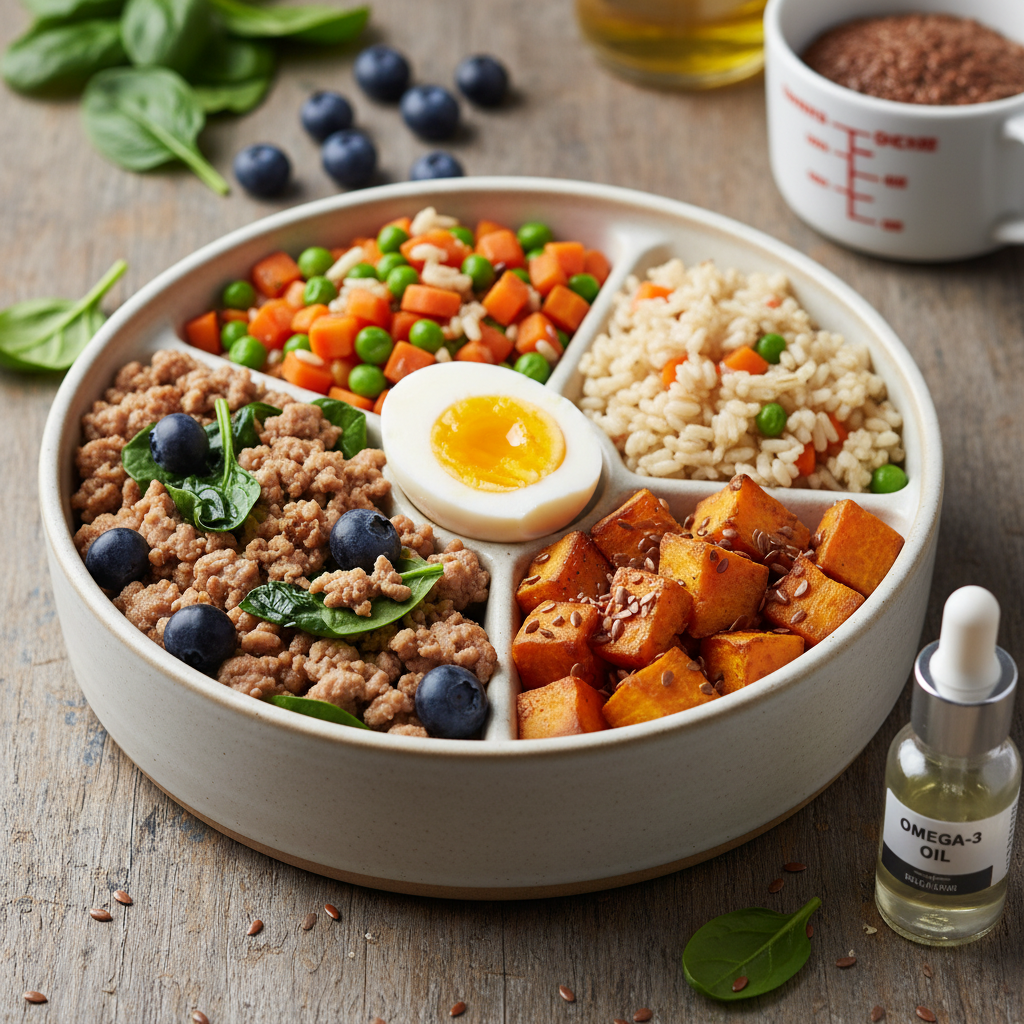
While homemade meals can be incredibly beneficial, it’s vital to ensure they are complete and safe for your dog.
Nutritional Balance
These recipes are designed to be gentle, but for long-term feeding, consult with a veterinary nutritionist to ensure your homemade diet meets all of your dog’s specific nutritional requirements, including vitamins and minerals. Commercial supplements may be necessary.
Storage and Safety
Always store homemade dog food in airtight containers in the refrigerator and use within 3-4 days. For longer storage, freeze individual portions. Proper food handling is crucial to prevent bacterial contamination. Always cool food completely before storing or feeding.
Portion Control
Overfeeding can lead to digestive upset and weight gain, even with healthy food. Work with your vet to determine the appropriate portion size for your dog based on their age, weight, activity level, and health status.