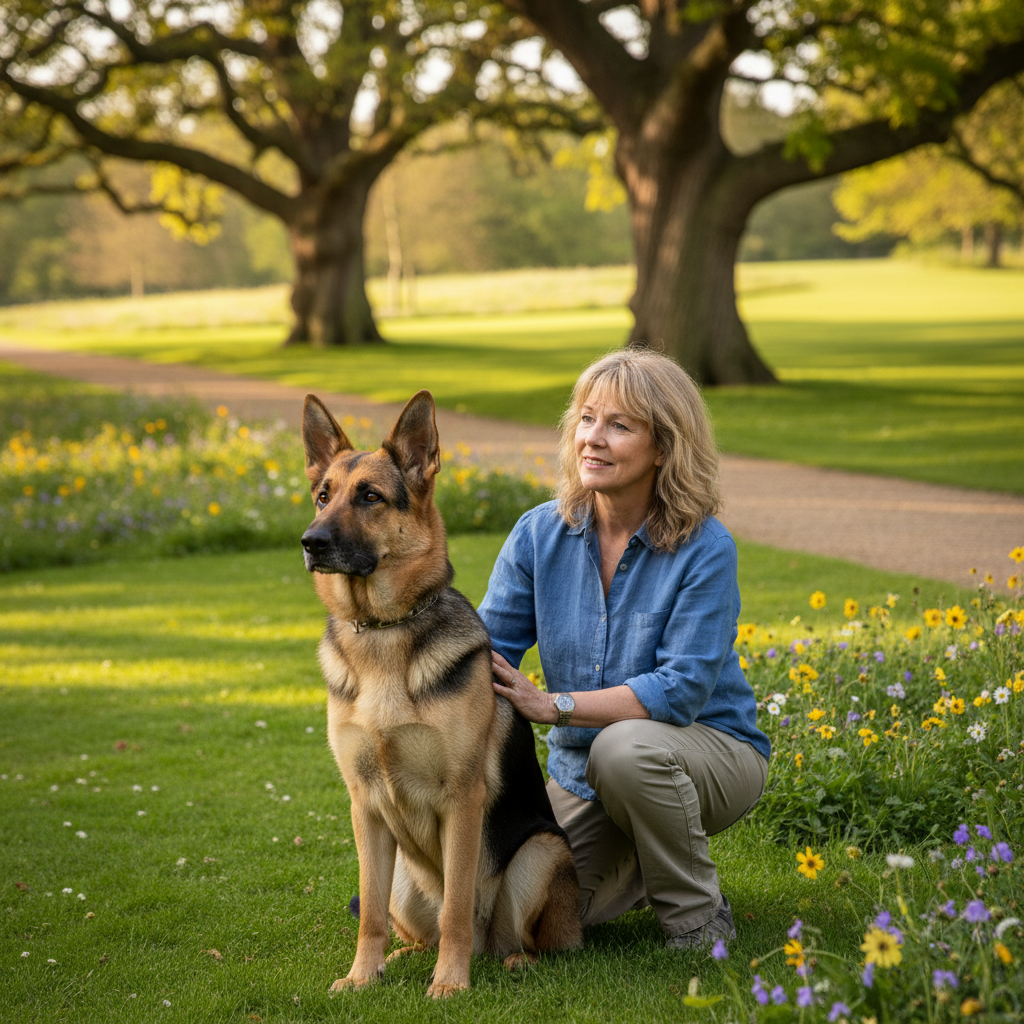
Shepherds, with their intelligent eyes and boundless energy, are truly remarkable companions. Yet, their strong protective instincts and high drive mean that building both confidence and discipline is essential for a happy, well-adjusted dog and a harmonious home. A confident Shepherd is less prone to anxiety or fear-based reactions, while a disciplined Shepherd understands boundaries and responds reliably to commands. This guide will walk you through seven proven techniques to nurture these vital traits in your beloved canine friend.
1. Master Basic Obedience for a Strong Foundation
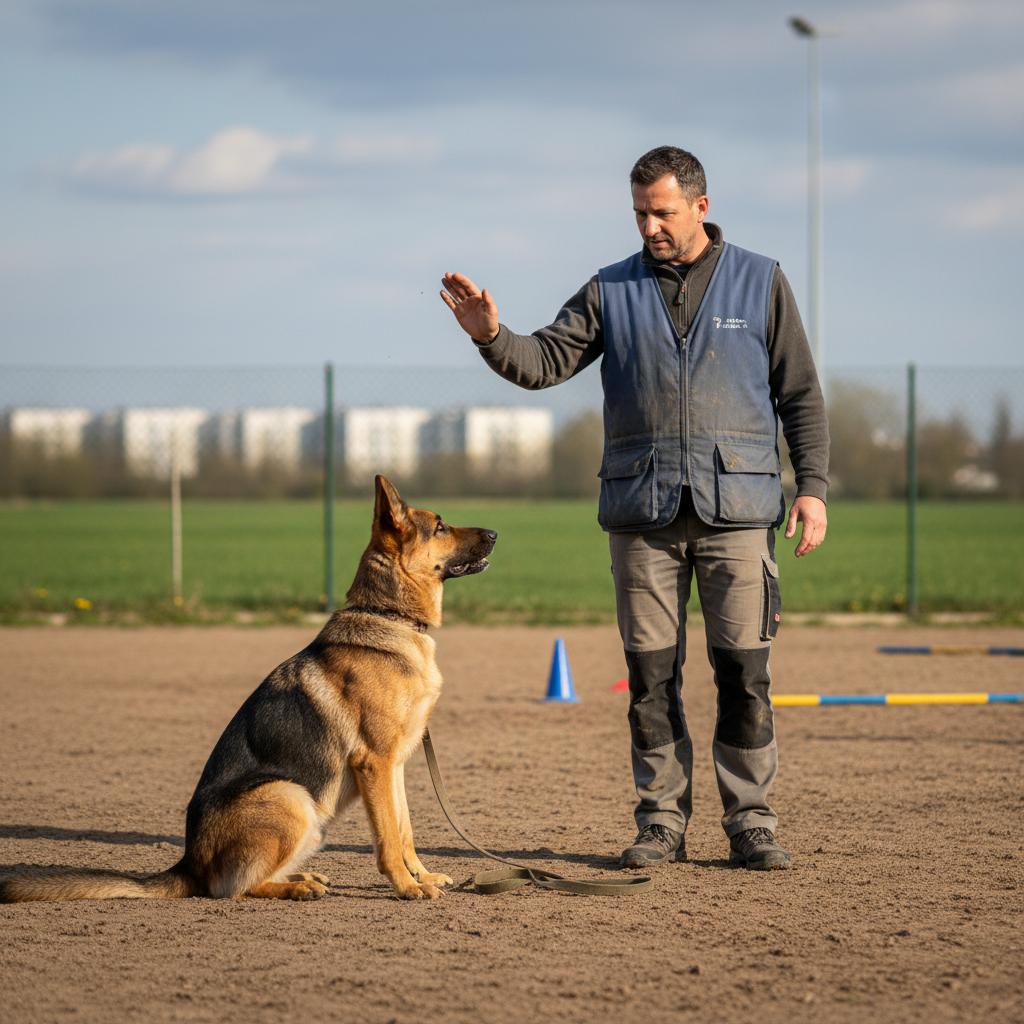
Basic obedience isn’t just about good manners; it’s the bedrock of communication and trust between you and your Shepherd. Consistent training builds confidence by giving your dog a clear understanding of expectations, reducing confusion and anxiety.
The Power of Consistency
- Daily Practice Short, frequent training sessions (5-10 minutes) are more effective than long, infrequent ones.
- Positive Reinforcement Reward desired behaviors immediately with treats, praise, or toys. This makes learning enjoyable and reinforces good choices.
- Clear Commands Use consistent, single-word commands (e.g., ‘Sit’, ‘Stay’, ‘Come’, ‘Down’, ‘Heel’). Avoid lengthy sentences.
- Proofing Practice commands in various environments—first in quiet settings, then gradually introducing distractions. This generalizes their learning.
When your Shepherd understands and responds to commands, they feel more secure and capable, which directly boosts their confidence.
2. Socialize Early and Continuously

Socialization is critical for Shepherds to develop into confident adults who are comfortable in various situations. It helps them learn that new experiences, people, and other dogs don’t always pose a threat.
Broaden Their World Safely
- Puppy Classes Enroll in structured puppy classes for safe, supervised interactions with other puppies and people.
- Controlled Introductions Introduce your Shepherd to a variety of calm, vaccinated dogs one-on-one.
- Diverse Environments Expose them to different sights, sounds, and smells from a young age—busy parks (from a distance initially), car rides, different floor textures, and people of all ages and appearances.
- Positive Associations Always ensure these experiences are positive. If your Shepherd shows signs of fear, create distance and try again later with a more controlled approach, always ending on a good note.
A well-socialized Shepherd is less likely to react out of fear or over-protectiveness, exhibiting calm confidence instead.
3. Provide Ample Physical and Mental Stimulation
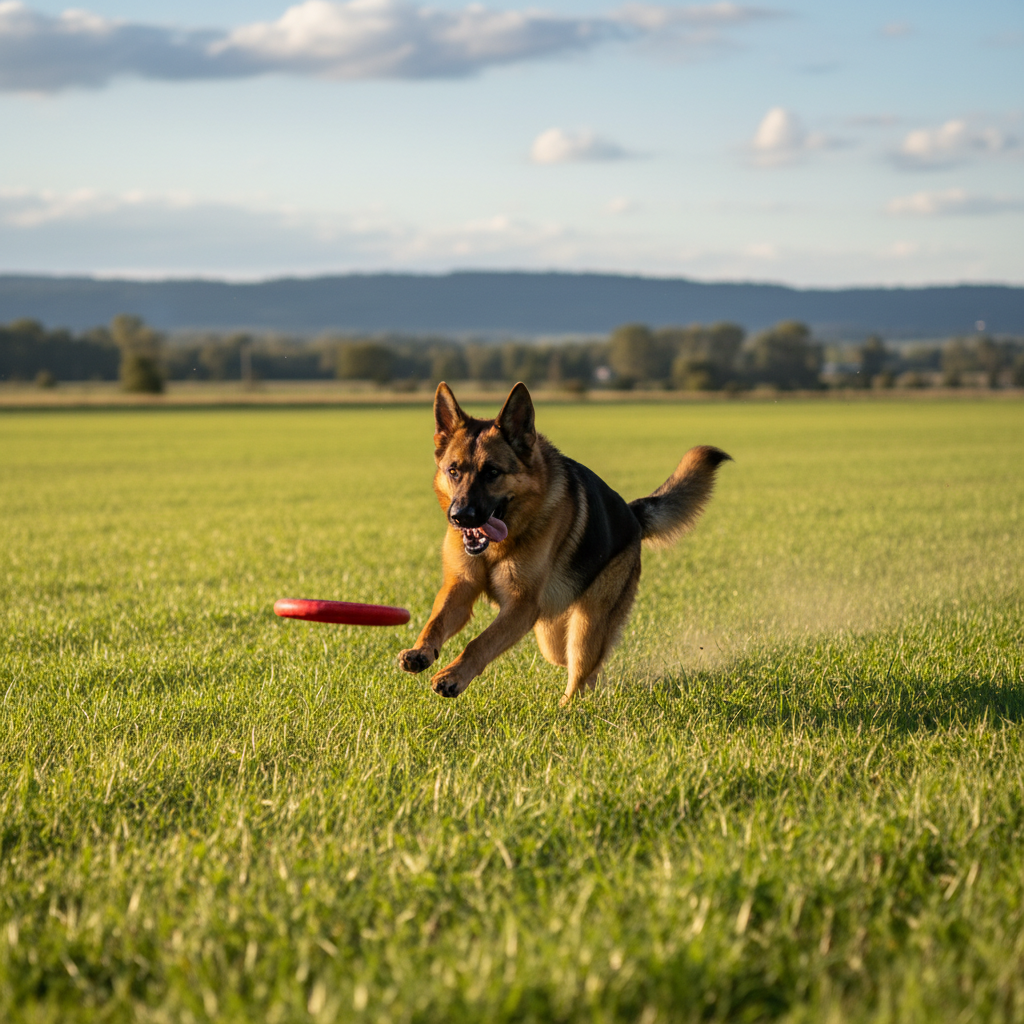
Shepherds are working dogs, and an under-exercised or under-stimulated Shepherd can develop behavioral issues stemming from boredom and pent-up energy. This can manifest as anxiety, destructive behavior, or a lack of focus, all of which hinder confidence and discipline.
Keep Their Minds and Bodies Engaged
- Daily Exercise Aim for at least 1-2 hours of vigorous exercise daily. This could include long walks, runs, fetch, or swimming.
- Interactive Toys Use puzzle toys or KONGs filled with treats to challenge their minds.
- Scent Work and Tracking Shepherds excel at using their noses. Engage them in scent games or beginner tracking exercises.
- Agility or Herding Sports If possible, consider dog sports like agility, obedience trials, or even herding (if you have access to livestock). These activities provide purpose and build immense confidence.
A tired Shepherd is a happy, well-behaved Shepherd, and engaging their natural instincts builds their sense of purpose and self-assurance.
4. Establish Clear Boundaries and Consistent Rules
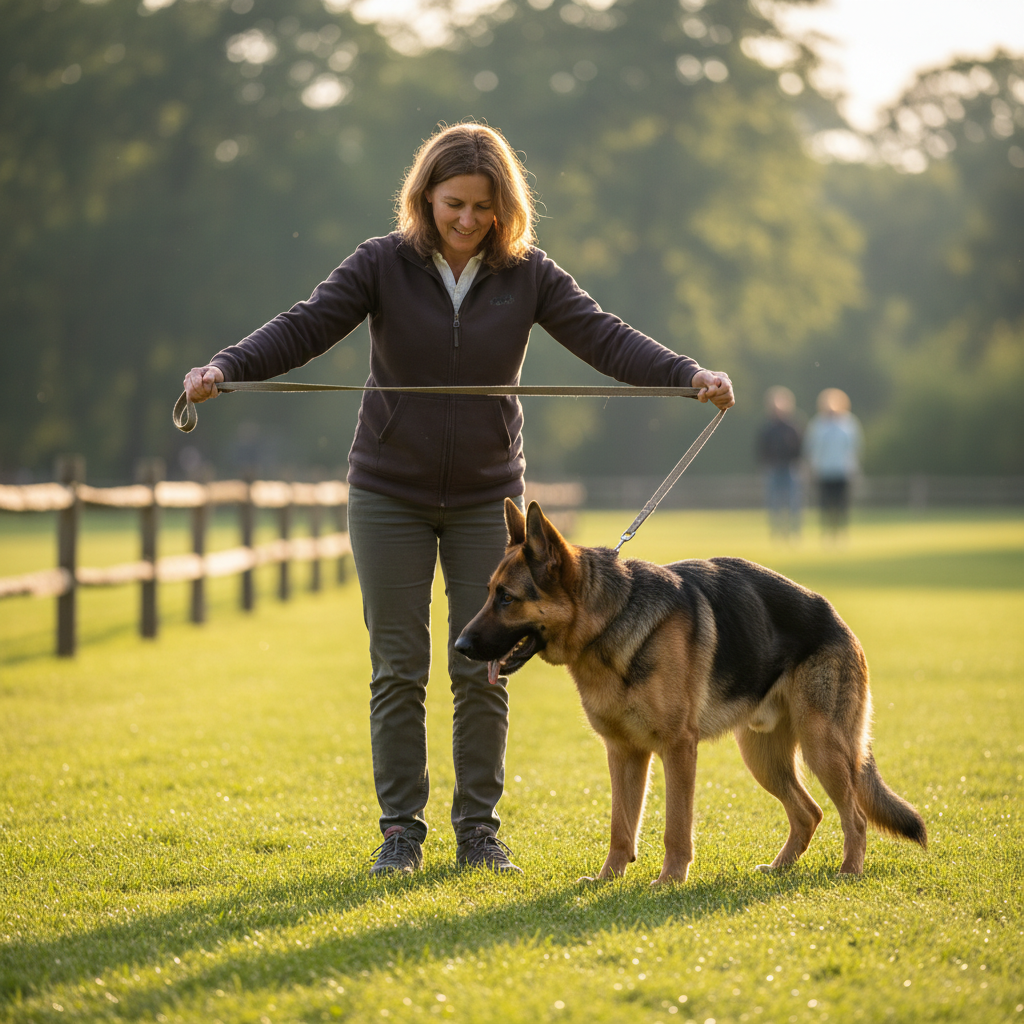
Dogs thrive on routine and clear expectations. Without them, a Shepherd might feel insecure or try to take on the role of leader, leading to disciplinary challenges. Establishing boundaries is crucial for them to understand their place in the family hierarchy.
Be the Calm, Consistent Leader
- House Rules Decide what’s allowed and what’s not (e.g., no jumping on furniture, no begging at the table) and enforce them 100% of the time.
- Crate Training A crate can be a safe, den-like space for your Shepherd, teaching them to be comfortable alone and providing a clear boundary.
- Leash Manners Teach loose-leash walking from day one. Consistent leash training reinforces your leadership and the dog’s discipline.
- Doorway Manners Teach your Shepherd to wait patiently at doorways until released. This teaches impulse control.
Consistency is key. Every family member must adhere to the same rules to avoid confusing your Shepherd. This predictability builds their confidence in your leadership.
5. Practice Relaxation and Calmness Exercises

Shepherds can be high-strung, and teaching them to relax on command is a powerful tool for building confidence and managing discipline. A dog that can settle in various environments is a more confident and less reactive dog.
Teach Them to Chill Out
- ‘Place’ or ‘Mat’ Training Teach your Shepherd to go to a specific spot (a mat or bed) and stay there calmly until released. Start with short durations and gradually increase.
- Controlled Greetings Teach your Shepherd to greet guests calmly, without jumping or excessive barking. Practice having them sit or lie down before visitors enter.
- Desensitization If your Shepherd reacts to certain triggers (e.g., doorbells, specific noises), gradually expose them to these triggers at a low intensity while rewarding calm behavior.
A Shepherd who can regulate their excitement and remain calm in stimulating situations is a testament to both their discipline and your effective training.
6. Build Trust Through Positive Experiences and Affection
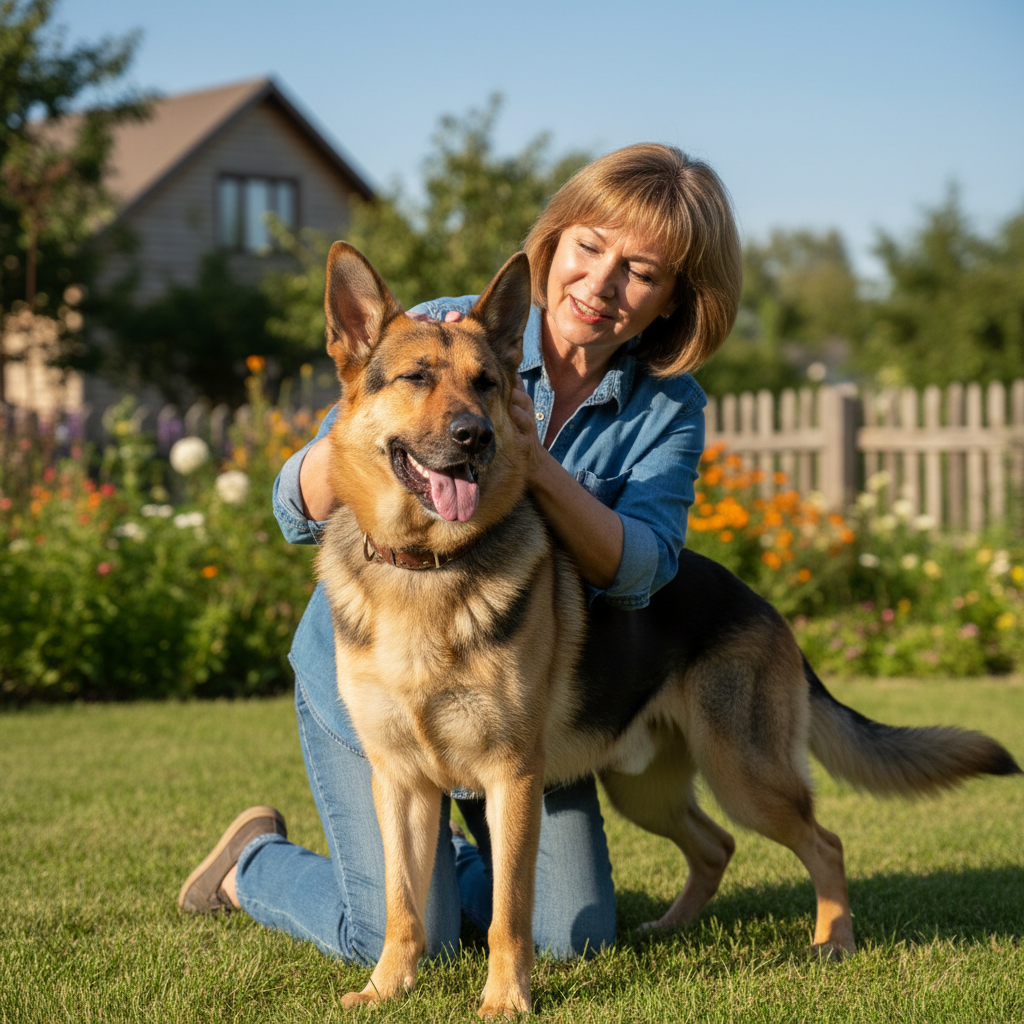
Confidence and discipline are not just about commands; they’re deeply rooted in the bond you share. A Shepherd who trusts you implicitly will be more willing to follow your lead and feel secure in your presence.
Nurture Your Bond
- Gentle Handling Practice gentle handling and grooming from a young age. Make vet visits and nail trims positive experiences.
- Play Together Engage in interactive play that your Shepherd enjoys, like fetch or tug-of-war (with rules). This strengthens your bond and provides an outlet for their energy.
- Affection and Praise Offer plenty of genuine praise, cuddles, and attention when your Shepherd is behaving well. This reinforces positive actions.
- Be Predictable Dogs thrive on routine. Maintain a consistent daily schedule for feeding, walks, and training.
Your Shepherd looks to you for guidance and safety. A strong, trusting relationship makes them feel secure, which is the ultimate foundation for confidence and discipline.
7. Seek Professional Guidance When Needed
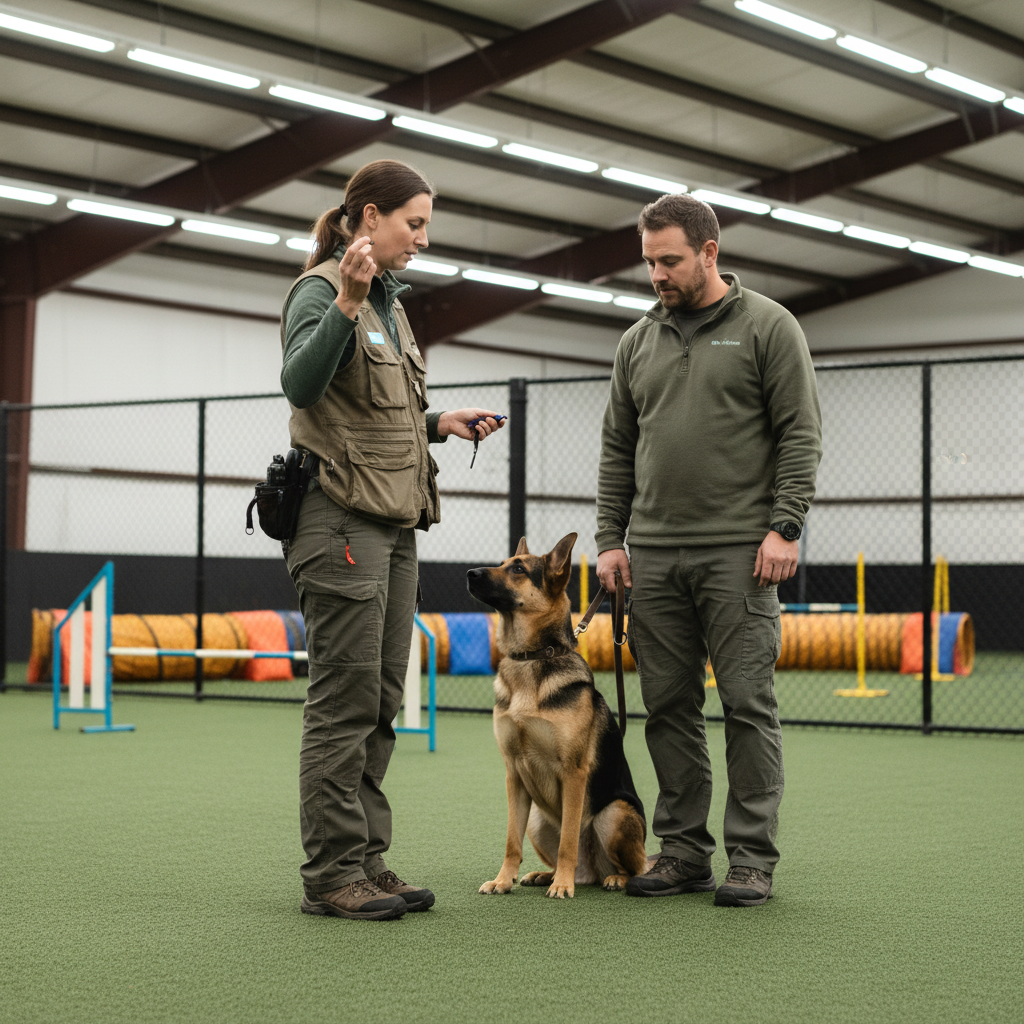
While these techniques are highly effective, every Shepherd is an individual. Some may have unique challenges or deeply ingrained behaviors that require specialized attention. There’s no shame in asking for help; in fact, it’s a sign of a responsible and caring dog parent.
Don’t Hesitate to Get Help
- Certified Professional Dog Trainer (CPDT-KA) A good trainer can provide personalized strategies and help you troubleshoot specific issues.
- Veterinary Behaviorist For more complex behavioral problems (e.g., severe anxiety, aggression), a veterinary behaviorist has medical expertise and can offer comprehensive solutions, including medication if necessary.
- Online Resources Reputable online courses and communities can offer support, but always prioritize professional, in-person guidance for serious issues.
Investing in professional guidance can accelerate your Shepherd’s progress, ensuring they receive the best possible support to become the confident, disciplined companion you both deserve.
Conclusion
Building confidence and discipline in your Shepherd is a journey, not a destination. It requires patience, consistency, and an abundance of love. By implementing these seven proven techniques—from mastering basic obedience to nurturing a strong bond—you are not just training a dog; you are shaping a loyal, well-adjusted, and happy family member. Embrace the process, celebrate every small victory, and remember that the effort you put in today will result in a lifetime of joyful companionship with your magnificent Shepherd. Your dedication will be rewarded with a confident, disciplined partner who trusts you implicitly and enriches your life in countless ways.