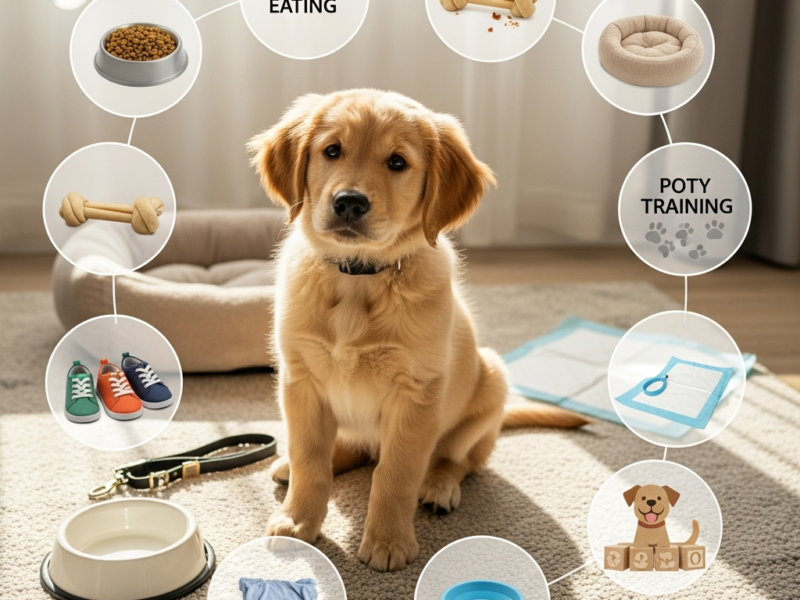
Bringing a new puppy into your home is an incredibly exciting time! It’s a moment filled with joy, anticipation, and the start of countless cherished memories. Your new furry family member will bring so much love and laughter, but before they arrive, there’s a little bit of homework to do – and by homework, we mean shopping!
Just like preparing for a new baby, getting ready for a puppy ensures a smoother transition for everyone. Having the right supplies on hand from day one reduces stress, helps with training, and sets your puppy up for success in their new environment. You want to make their welcome as warm and comfortable as possible. This article will walk you through the five essential categories of items you absolutely need before your puppy steps paw through your door.
1. Nourishment Essentials: Food, Bowls, and Treats
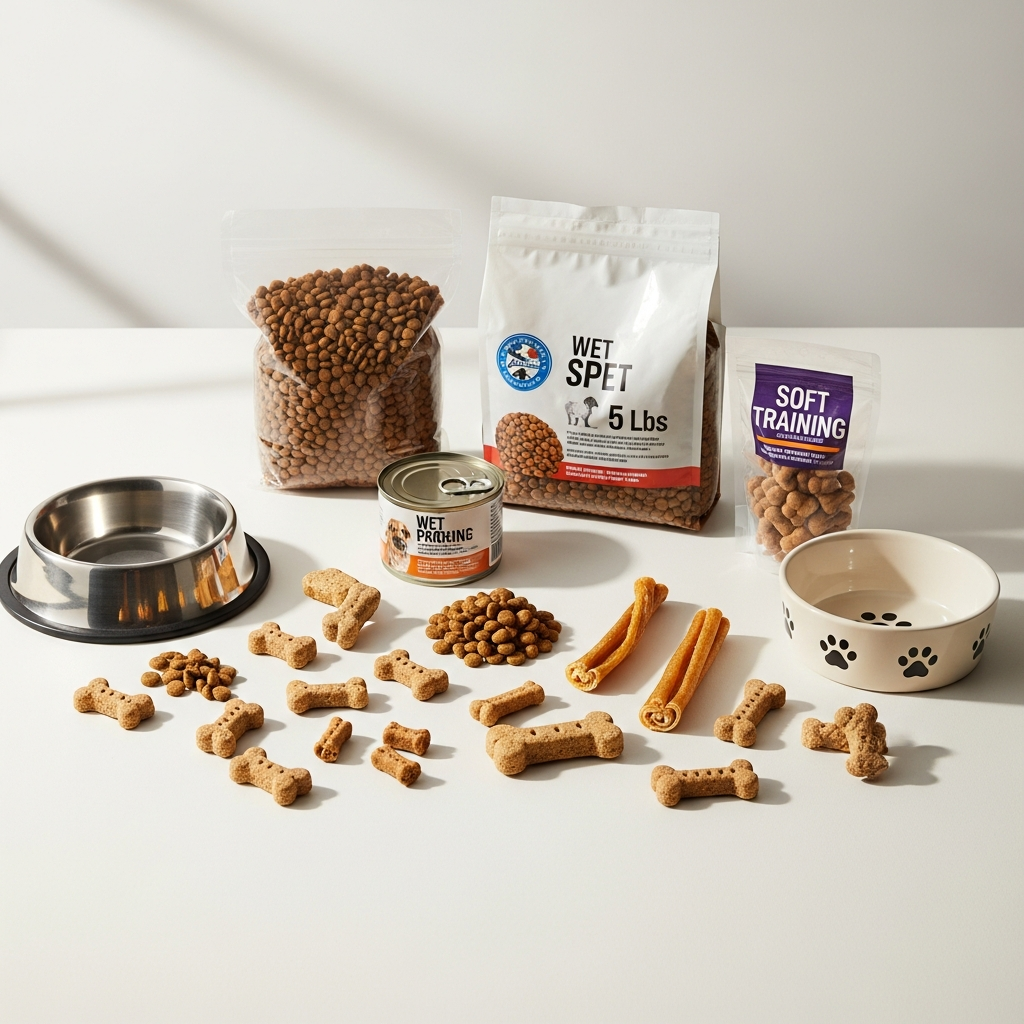
One of the first things your puppy will need is, of course, food! Proper nutrition is the foundation of a healthy, happy puppy. Making sure you have the right food and feeding accessories ready will make their first meals stress-free.
Choosing the Right Puppy Food
It’s crucial to select a high-quality puppy food specifically formulated for their growth stage. Puppies have different nutritional needs than adult dogs.
Puppy-Specific Formula
Always look for food labeled “puppy formula” or “all life stages.” These foods contain the right balance of proteins, fats, vitamins, and minerals to support their rapid development.
Breed Size Considerations
If you know your puppy’s breed or estimated adult size, consider foods tailored for small, medium, or large breed puppies. Large breed puppy formulas, for instance, are designed to support controlled growth to prevent joint issues later on.
Consult with Your Breeder or Vet
The best advice often comes from your puppy’s breeder or the rescue organization. They can tell you what food your puppy is currently eating. Sticking to the same food initially prevents tummy upsets during an already stressful transition. Your veterinarian can also provide guidance on the best food for your specific puppy’s needs.
Feeding Bowls
You’ll need at least two bowls: one for food and one for fresh water.
Material Matters
Stainless steel bowls are generally recommended because they are durable, easy to clean, and hygienic. Plastic bowls can harbor bacteria and might be chewed by puppies. Ceramic bowls are also an option, but they can chip or break.
Size and Stability
Choose bowls that are appropriately sized for your puppy now and will still be useful as they grow a bit. Non-slip bottoms are a bonus to prevent spills during enthusiastic meal times.
Special Bowls
If your puppy tends to eat too fast, a slow feeder bowl can be incredibly helpful in preventing gulping and potential digestive issues.
Training Treats
Treats are invaluable for positive reinforcement during training sessions.
Small, Soft, High-Value
Opt for treats that are small, soft, and easy for your puppy to chew and swallow quickly. High-value treats are ones your puppy absolutely loves, which makes them extra motivating for learning new commands.
Healthy Options
Look for treats with wholesome ingredients. You can also use small pieces of cooked chicken, cheese, or even their kibble as treats.
Food Storage
An airtight container is essential for keeping your puppy’s kibble fresh and free from pests. This also helps preserve the nutritional quality of the food.
Tips for Puppy Feeding
* Establish a consistent feeding schedule from day one. This helps with potty training too.
* Always provide access to fresh, clean water.
* Monitor your puppy for any signs of allergies or digestive upset after starting a new food.
2. A Safe Haven: Crate, Bedding, and Playpen
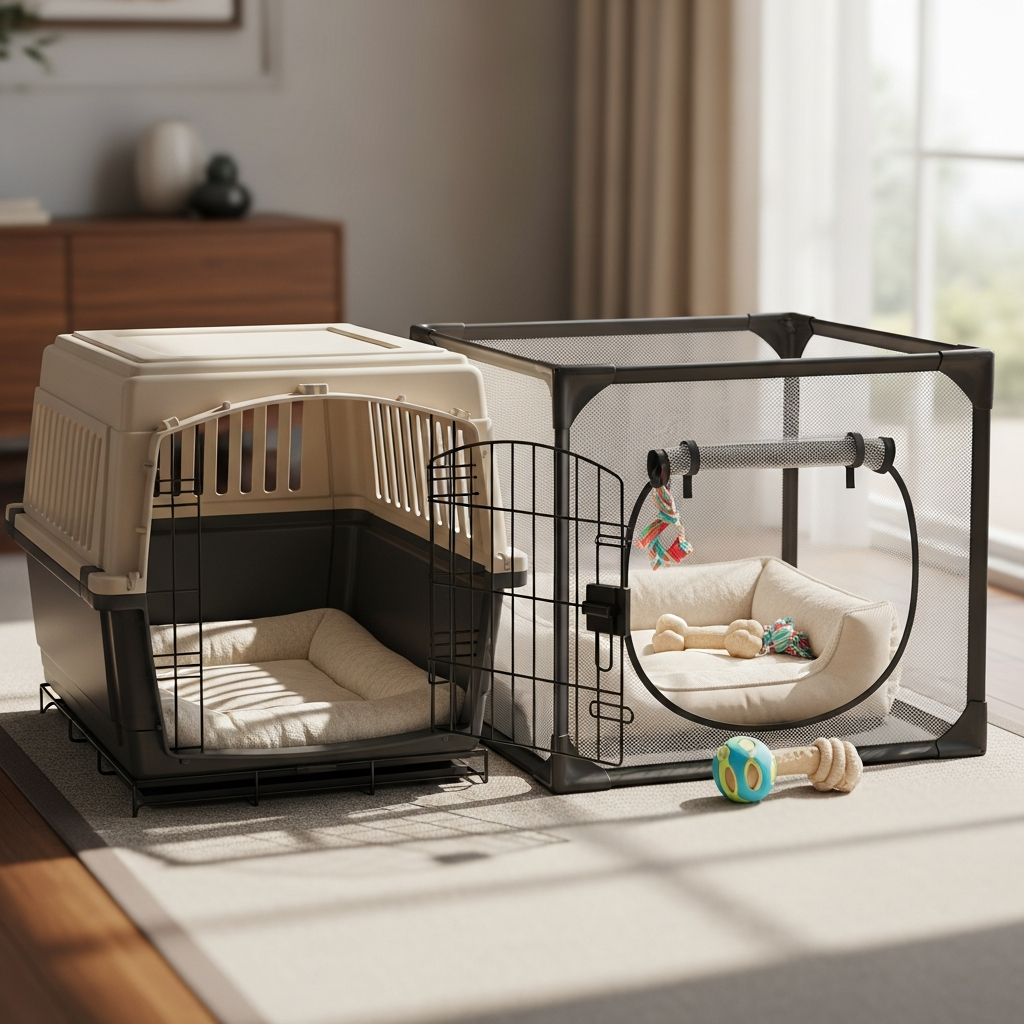
Every puppy needs a safe, comfortable, and secure place of their own. A crate and cozy bedding provide this den-like space, while a playpen offers a larger supervised area.
The Right Crate
Crate training is one of the most beneficial things you can do for your puppy. It aids in potty training, provides a safe space when you can’t supervise, and can be a travel haven.
Size for Growth
Choose a crate that will be large enough for your puppy when they are fully grown. Most wire crates come with a divider panel, which allows you to adjust the size of the living space as your puppy grows. This is important for potty training – a puppy won’t want to soil their sleeping area, so if the crate is too big, they might use one end as a potty spot.
Material
Wire crates are popular due to their ventilation and the ability to see your puppy. Plastic crates offer more of a den-like feel and are often preferred for travel.
Location
Place the crate in a central, family-oriented part of your home, but out of direct sunlight or drafts. Your puppy wants to feel like part of the family, even when resting.
Cozy Bedding
Make that crate or sleeping area inviting and comfortable.
Washable and Durable
Look for bedding that is machine washable, as accidents are bound to happen. Durable materials will stand up to puppy chewing and nesting.
Soft Blankets or Pads
A soft, comfy pad or blanket inside the crate makes it a much more appealing place for your puppy to rest. Consider having a couple of options so you can rotate them during washes.
Playpen
A playpen is an excellent addition, especially for young puppies.
Supervised Containment
It provides a safe, larger enclosed area where your puppy can play with toys and move around when you’re busy with chores or simply can’t offer 100% direct supervision. It’s perfect for keeping them contained but still engaged with the family in a safe space.
When You Can’t Actively Supervise
A playpen can prevent your puppy from getting into trouble (like chewing furniture or electrical cords) without confining them to a crate for extended periods.
Crate Training Benefits
* Aids significantly in potty training by teaching bladder control.
* Provides a safe, den-like retreat where your puppy feels secure.
* Prevents destructive behaviors when you’re not able to supervise.
* Prepares your puppy for safe travel or vet visits.
3. Walkies Ready: Collar, Leash, and Harness
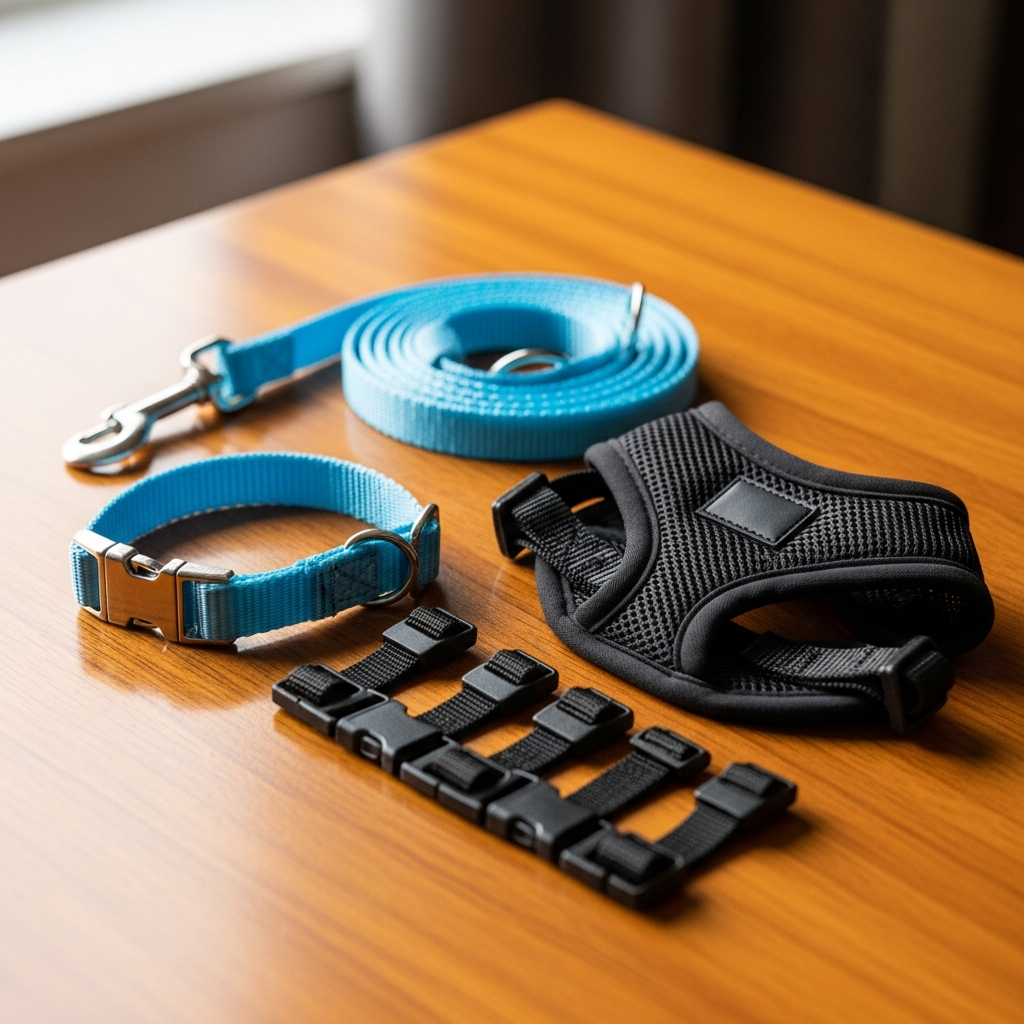
Soon enough, your puppy will be ready for adventures outside the house. Having the right walking gear is essential for safety, identification, and early training.
Collar
The collar is not just for walks; it’s where your puppy’s vital identification will live.
Adjustable and Comfortable
Choose a lightweight, adjustable collar made from a comfortable material like nylon or soft fabric. Puppies grow fast, so adjustability is key.
ID Tags
This is a non-negotiable item. Your puppy’s ID tag should include your name, phone number, and address. Consider adding a tag with their microchip number if applicable.
Proper Fit
A properly fitted collar should allow you to slip two fingers comfortably underneath it. It shouldn’t be so loose that it can slip over their head, nor so tight that it restricts breathing or chafes their skin.
Leash
Your leash is your communication line with your puppy during walks.
Standard Length
A 4- to 6-foot leash is ideal for training and everyday walks. It gives your puppy enough room to explore safely while allowing you to maintain control.
Material
Nylon leashes are popular for their durability and affordability. Leather leashes are also durable and comfortable to hold but can be more expensive.
Retractable Leashes
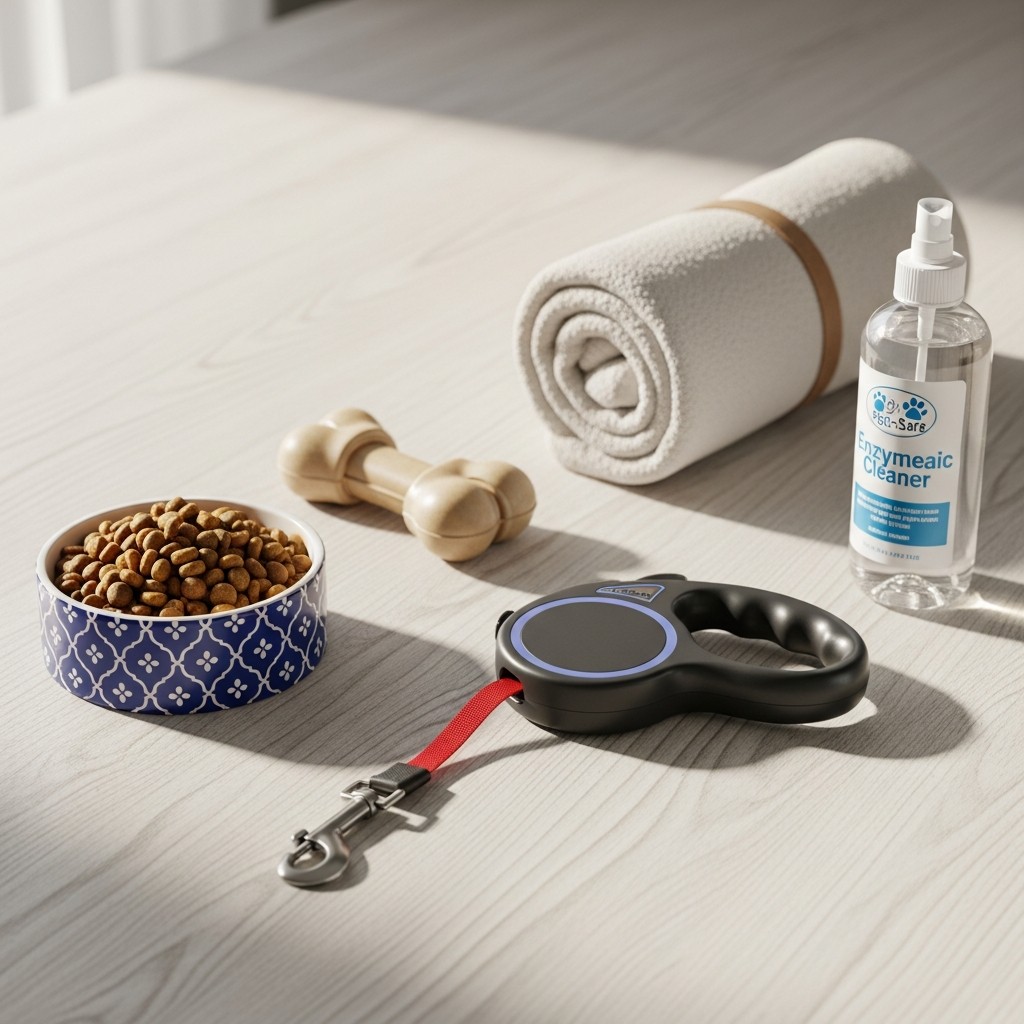
Avoid retractable leashes for puppies. They can teach pulling, offer less control, and pose safety risks.
Harness
A harness can be a great option for puppies, especially while they are learning to walk on a leash.
Spreading Pressure
Harnesses distribute pressure across your puppy’s chest and shoulders, rather than on their delicate neck and throat, which is safer for small puppies and those prone to pulling.
Front-Clip vs. Back-Clip
Front-clip harnesses are often recommended for puppies who pull, as they gently redirect the puppy’s attention back towards you. Back-clip harnesses are generally fine for puppies who walk nicely.
Importance of Early Leash Training
* Helps with socialization by safely introducing your puppy to new sights, sounds, and smells.
* Establishes good walking habits from a young age.
* Ensures safety in public and during vet visits.
4. Potty Training & Cleanup Crew: Pads, Cleaner, and Poop Bags
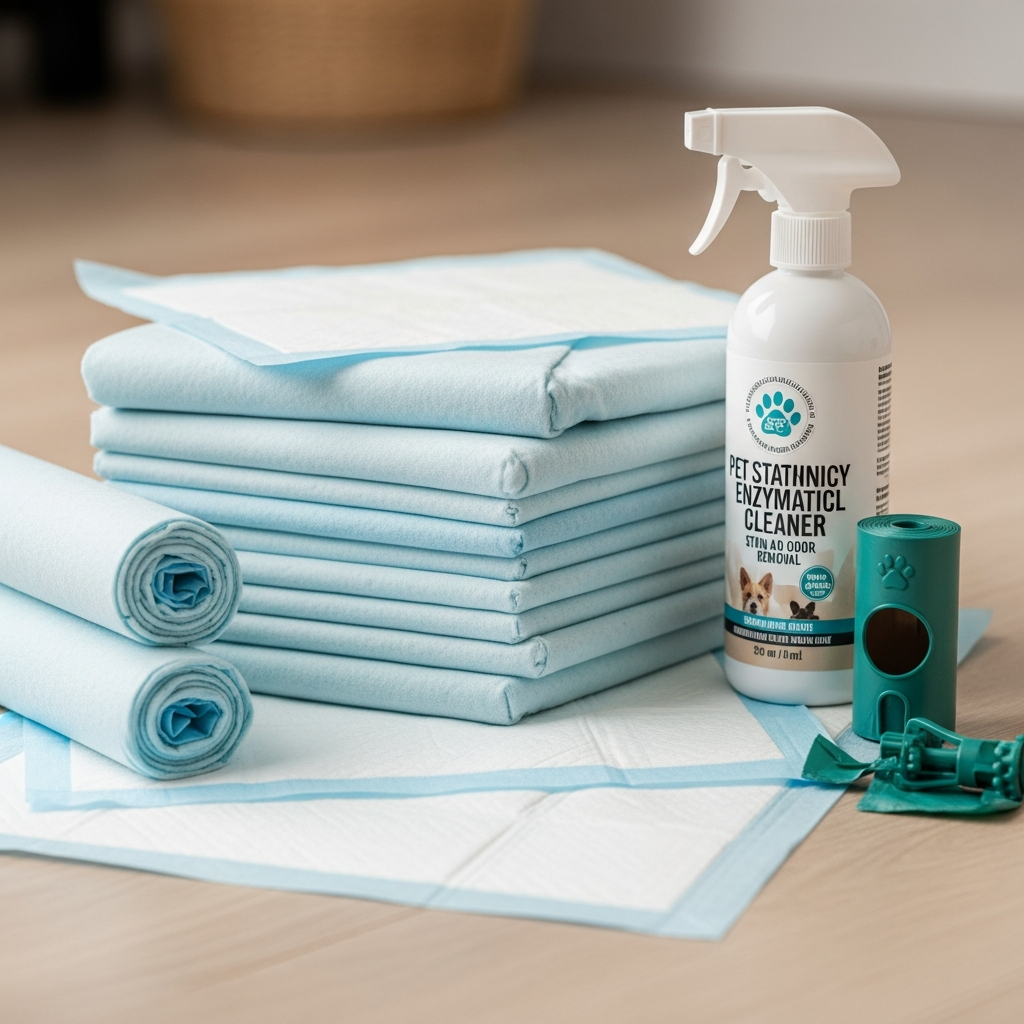
Let’s be real: accidents will happen. It’s a normal part of puppyhood! Being prepared with the right cleanup supplies will save you stress and help your puppy learn faster.
Potty Pads
Potty pads can be useful, especially for very young puppies, puppies living in apartments, or during inclement weather.
Effective Use
Place pads in a designated area away from their food and sleeping spot. Reward your puppy immediately when they use the pad. The goal is to eventually transition them outdoors.
Transitioning Outdoors
As your puppy grows, gradually move the potty pad closer to the door and eventually outside to encourage outdoor elimination.
Enzyme Cleaner
This is perhaps the most important cleaning product you’ll buy.
Why Enzyme Cleaner?
Puppy urine and feces leave behind odors that regular household cleaners can’t fully eliminate. Puppies, with their superior sense of smell, will detect these residual odors and be encouraged to re-soil the same spot. Enzyme cleaners break down the organic matter, neutralizing the odor completely and preventing repeat accidents.
Pet-Safe Options
Always choose an enzyme cleaner specifically designed for pet stains and odors.
Poop Bags
An absolute must-have for walks!
Essential for Walks
It’s your responsibility to pick up after your puppy every single time. Keep a roll handy in your pocket, bag, or attached to their leash dispenser.
Biodegradable Options
Consider biodegradable poop bags to be environmentally friendly.
Other Handy Supplies
* Paper towels or old towels: For immediate cleanup of any wet messes.
* Puppy gates: These are fantastic for limiting your puppy’s access to certain areas of your home, preventing them from roaming unsupervised and getting into trouble. They create a safe, contained space.
Potty Training Schedule Example
Consistency is key!
* First thing in the morning
* After waking from a nap
* After eating or drinking
* After playing
* Before bed
Take your puppy out frequently, praise and reward them when they go in the right spot, and be patient!
5. Playtime & Comfort: Toys and Chews
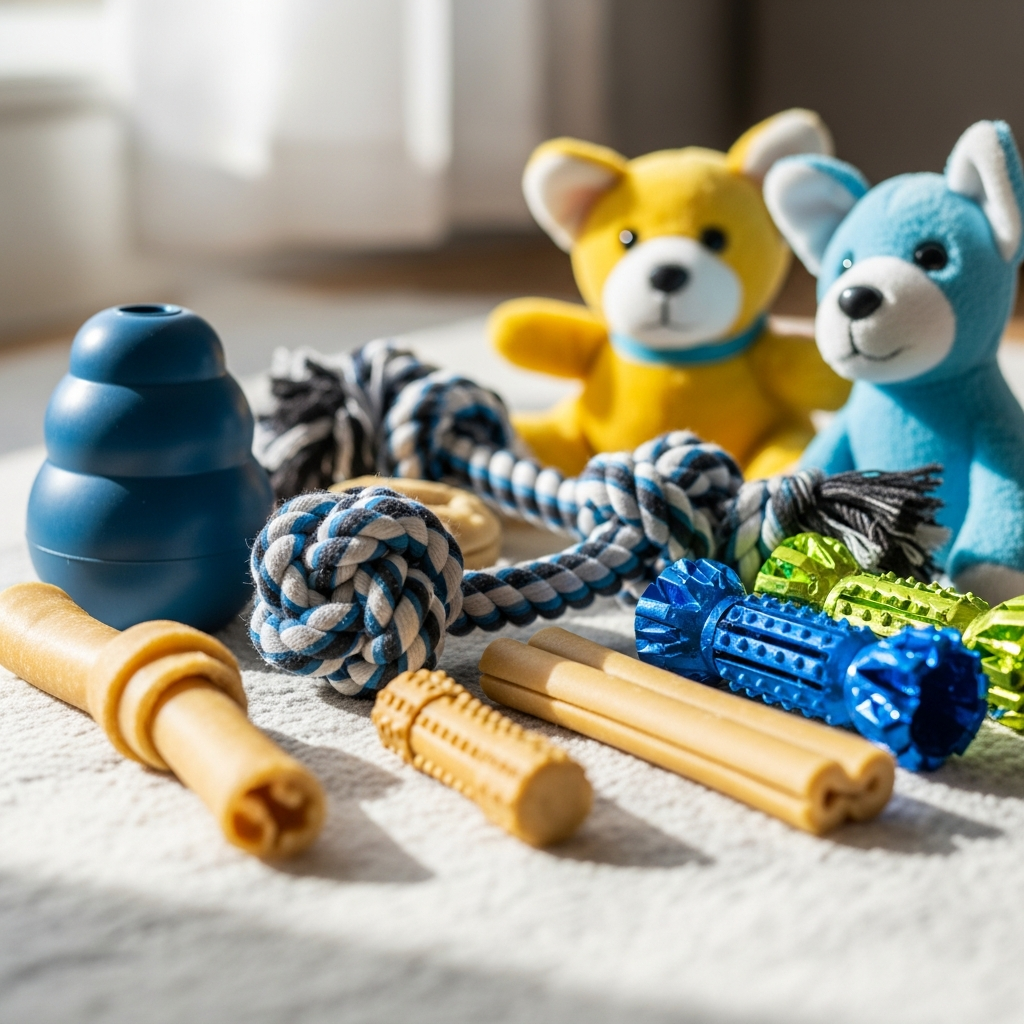
Play is crucial for a puppy’s development. It provides mental stimulation, physical exercise, and helps establish your bond. Plus, appropriate chew toys are essential for teething puppies!
Variety of Toys
Having a range of toys caters to different needs and keeps your puppy engaged.
Chew Toys
Puppies need to chew, especially when teething. Provide a variety of safe, durable chew toys made from rubber or sturdy plastic (like Nylabones). This helps redirect their natural chewing instincts away from your furniture and shoes.
Puzzle Toys
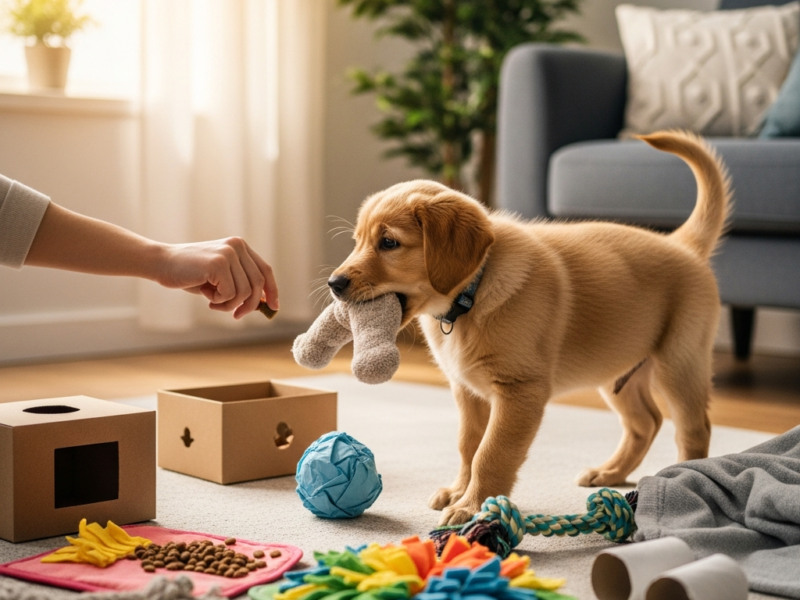
These toys require your puppy to think to get a treat, providing excellent mental enrichment and preventing boredom. They can be invaluable when you need to keep your puppy occupied for a short period.
Comfort Toys
A soft, plush toy can provide comfort, especially during their first nights in a new home. Choose one without small, easily detachable parts.
Tug Toys
Interactive toys like tug ropes are great for bonding and playtime with you. Always supervise tug-of-war games and teach your puppy to “drop it.”
Safety Considerations
* Size-appropriate: Ensure toys are too large to be swallowed but small enough for your puppy to mouth comfortably.
* Durable materials: Avoid toys that can easily break into small pieces, which could be choking hazards.
* Non-toxic: Always check that toys are made from pet-safe, non-toxic materials.
* Supervise play: Especially with new toys, supervise your puppy to ensure they are playing safely and not ingesting pieces.
Benefits of Appropriate Chewing
* Relieves discomfort during teething.
* Helps keep teeth clean and healthy.
* Prevents destructive chewing on household items.
* Provides mental stimulation and stress relief.
Rotating Toys for Engagement
Don’t give your puppy all their toys at once. Rotate them every few days to keep things fresh and exciting, maintaining their interest and preventing boredom.