
As a devoted dog parent, there’s little that tugs at your heartstrings more than seeing your furry friend tremble. Is it just a chill, or is something more serious at play? Trembling in dogs can be a perplexing behavior, often leaving us searching for answers. It’s a common concern, and understanding the root cause is crucial for your dog’s well-being.
This guide will walk you through the top medical and emotional reasons behind your dog’s trembling, offering insights into when to seek veterinary attention and how you can provide comfort at home. Let’s uncover the mysteries behind those shivers and ensure your canine companion receives the best care.
Understanding Dog Trembling
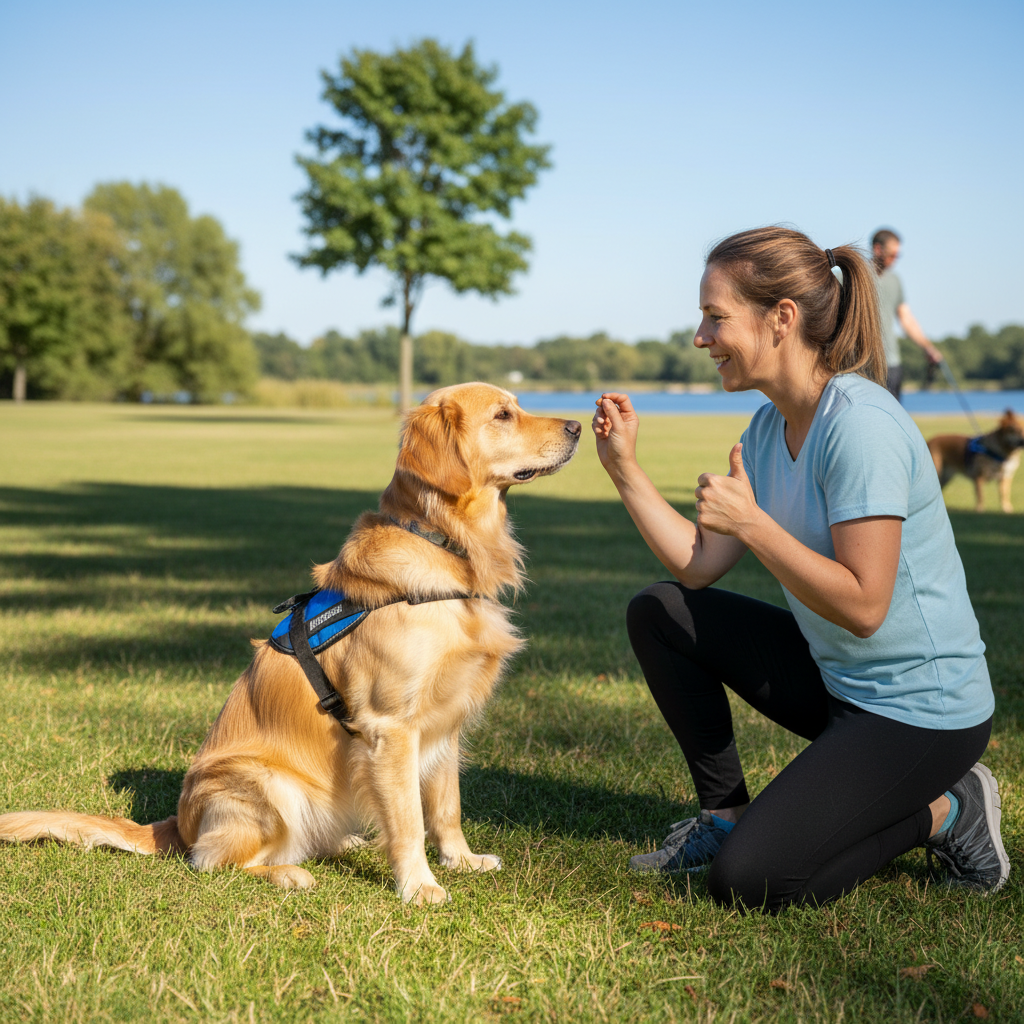
Trembling, shivering, or shaking in dogs can manifest in various ways, from subtle tremors to noticeable full-body shakes. It’s not always a sign of something serious, but it’s never something to ignore. Your dog can’t tell you what’s wrong, so observing their behavior and understanding potential causes is your superpower as a pet parent.
Before diving into specific causes, remember to consider the context. Is your dog otherwise acting normal? Are there other symptoms accompanying the trembling? These details are vital clues in piecing together the puzzle.
7 Medical and Emotional Causes of Trembling
1. Pain or Injury

One of the most common reasons a dog might tremble is pain. Just like humans, dogs can shiver when they’re hurting. This could be due to an obvious injury like a sprain or cut, or an internal issue like arthritis, a stomach ache, or even a dental problem. If your dog is trembling and also showing signs of discomfort—such as limping, reluctance to move, yelping when touched, or changes in eating habits—pain is a strong possibility.
- Look for: Lameness, sensitivity to touch, changes in posture, lethargy.
- Action: Gently check for visible injuries. If pain is suspected, a vet visit is essential to diagnose and treat the underlying issue.
2. Nausea or Upset Stomach

A queasy stomach can also lead to trembling. Dogs often shake when they feel nauseous, similar to how humans might feel clammy or shiver before vomiting. This could be due to eating something they shouldn’t have, car sickness, or a more serious gastrointestinal problem. Other signs of nausea might include excessive drooling, lip-licking, restlessness, loss of appetite, or vomiting.
- Look for: Vomiting, diarrhea, excessive drooling, loss of appetite, lethargy.
- Action: Monitor your dog closely. If symptoms persist or worsen, contact your vet.
3. Generalized Tremor Syndrome (GTS)

Sometimes referred to as “White Shaker Syndrome,” Generalized Tremor Syndrome is a neurological condition most commonly seen in small, white-coated breeds like Maltese, West Highland White Terriers, and Poodles, though it can affect any dog. It causes full-body tremors that can range from mild to severe. The exact cause is unknown, but it’s thought to be an autoimmune disease.
- Look for: Consistent, full-body tremors that are not linked to fear or cold.
- Action: This condition requires veterinary diagnosis and often responds well to corticosteroids.
4. Poisoning or Toxin Exposure

Exposure to toxins can cause a dog to tremble violently. This is a serious emergency. Common household items like chocolate, xylitol (a sugar substitute), certain plants, pesticides, or human medications can be highly toxic to dogs. Trembling, seizures, weakness, vomiting, diarrhea, and disorientation are all red flags.
- Look for: Sudden onset of trembling, vomiting, diarrhea, weakness, disorientation, seizures.
- Action: If you suspect poisoning, seek immediate emergency veterinary care. Time is critical.
5. Anxiety, Fear, or Stress

Emotional factors are a huge reason for trembling. Dogs often shake when they are feeling anxious, fearful, or stressed. Common triggers include loud noises (thunderstorms, fireworks), new environments, separation anxiety, vet visits, or unfamiliar people or animals. This is often accompanied by other body language cues like tucked tail, flattened ears, yawning, lip-licking, or panting.
- Look for: Tucked tail, flattened ears, panting, pacing, hiding, destructive behavior.
- Action: Identify the trigger and try to remove your dog from the stressful situation or provide comfort. Consider training and behavior modification for chronic anxiety.
6. Cold or Hypothermia

This is perhaps the most straightforward cause. Just like us, dogs shiver when they’re cold to generate body heat. Small breeds, dogs with thin coats, or those with less body fat are more susceptible to the cold. Prolonged exposure to cold temperatures can lead to hypothermia, a dangerous drop in body temperature.
- Look for: Cold ears, nose, or paws, lethargy, weakness, shallow breathing.
- Action: Bring your dog indoors, provide warm blankets, and ensure they are dry. For severe hypothermia, seek vet attention.
7. Old Age and Weakness

As dogs age, their muscles can weaken, and they may develop tremors, especially in their legs. This can be a normal part of the aging process, similar to essential tremors in humans. Arthritis and other age-related conditions can also contribute to weakness and instability, causing them to tremble more easily, particularly when standing or moving.
- Look for: Tremors primarily in legs, difficulty standing or walking, general weakness.
- Action: While often benign, discuss new or worsening tremors with your vet to rule out other treatable conditions and manage discomfort.
When to Seek Veterinary Help

While some trembling is harmless, it’s crucial to know when to call the vet. You should seek immediate veterinary attention if your dog’s trembling is:
- Sudden and severe
- Accompanied by other worrying symptoms like vomiting, diarrhea, lethargy, difficulty breathing, seizures, or disorientation.
- Persistent or worsening
- Following a known or suspected injury or toxin exposure
- If your dog appears to be in pain
When in doubt, it’s always best to err on the side of caution and consult your veterinarian. They can perform a thorough examination and recommend appropriate tests to determine the cause.
What You Can Do at Home

For mild, non-emergency trembling, there are several things you can do to help your dog feel more comfortable:
- Provide Warmth: If cold is the cause, offer a warm blanket, a cozy bed, or bring them inside.
- Create a Safe Space: For anxiety or fear, provide a quiet, secure den where your dog can retreat from triggers.
- Offer Comfort: Gentle petting, a soothing voice, and your calm presence can be very reassuring.
- Remove Triggers: If you know what’s causing fear or stress, try to remove your dog from the situation or minimize exposure.
- Monitor and Observe: Pay close attention to when the trembling starts, what makes it better or worse, and any other accompanying symptoms. This information will be invaluable if you need to consult your vet.
Remember, your dog relies on you to be their advocate and protector. Trust your instincts—if something feels off, it probably is.
Conclusion
Witnessing your dog tremble can be unsettling, but understanding the potential reasons behind it is the first step toward providing them with the care they need. From simple chills to more complex medical conditions or emotional distress, each tremor tells a story. By being observant, responsive, and proactive, you empower yourself to act decisively for your beloved companion.
Always remember that you are your dog’s best friend and their first line of defense. If you ever have concerns about your dog’s health, don’t hesitate to reach out to your veterinarian. Together, you can ensure your furry family member lives a happy, healthy, and comfortable life, free from unnecessary shakes and worries.