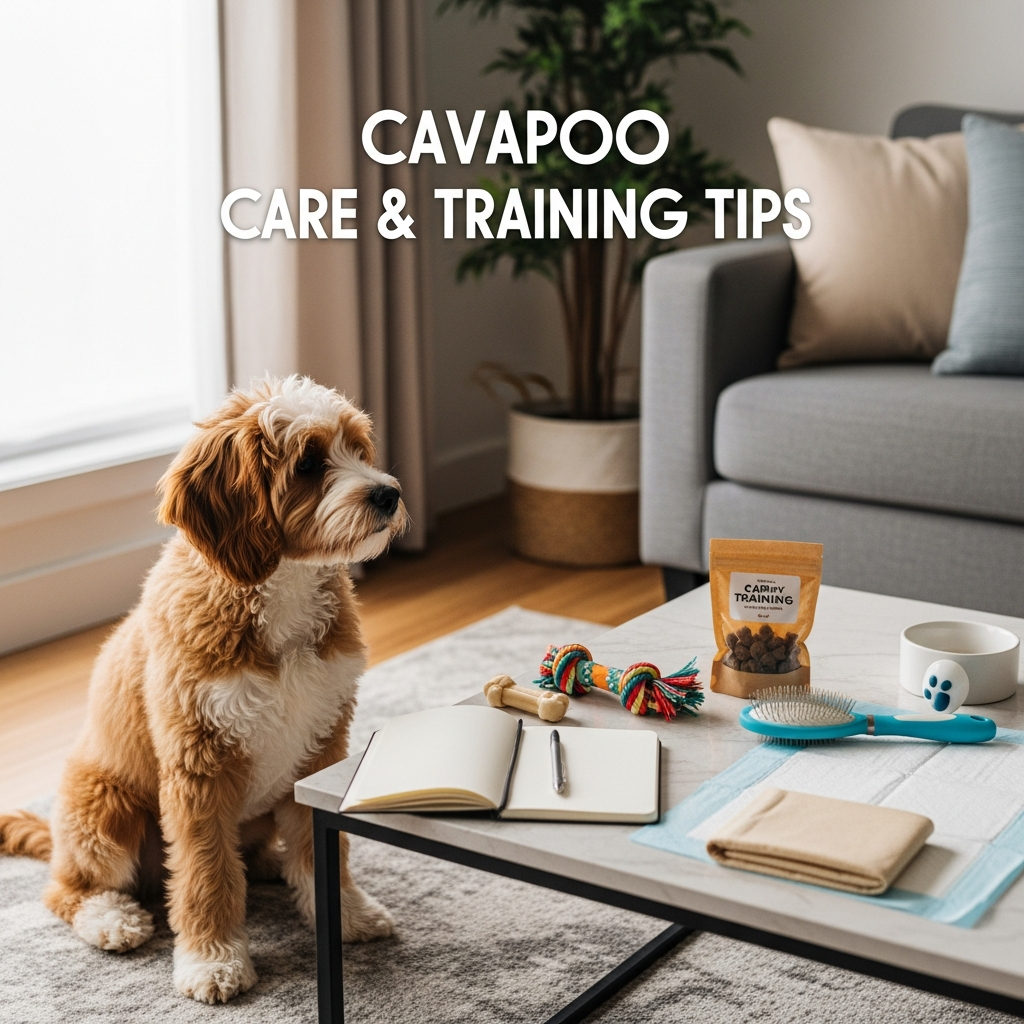
Bringing a Cavapoo into your life is like welcoming a little ray of sunshine. These adorable dogs, a delightful mix of the Cavalier King Charles Spaniel and the Poodle, are known for their sweet nature, intelligence, and playful spirit. Their soft, curly coats and expressive eyes quickly capture hearts.
As loving as they are, like any dog, Cavapoos thrive with proper care and consistent training. Understanding their specific needs will help them grow into well-adjusted, happy companions. If you’re a new Cavapoo parent or considering adding one to your family, these seven essential tips will guide you in providing the best possible life for your furry friend.
Tip 1: Understanding Their Unique Grooming Needs
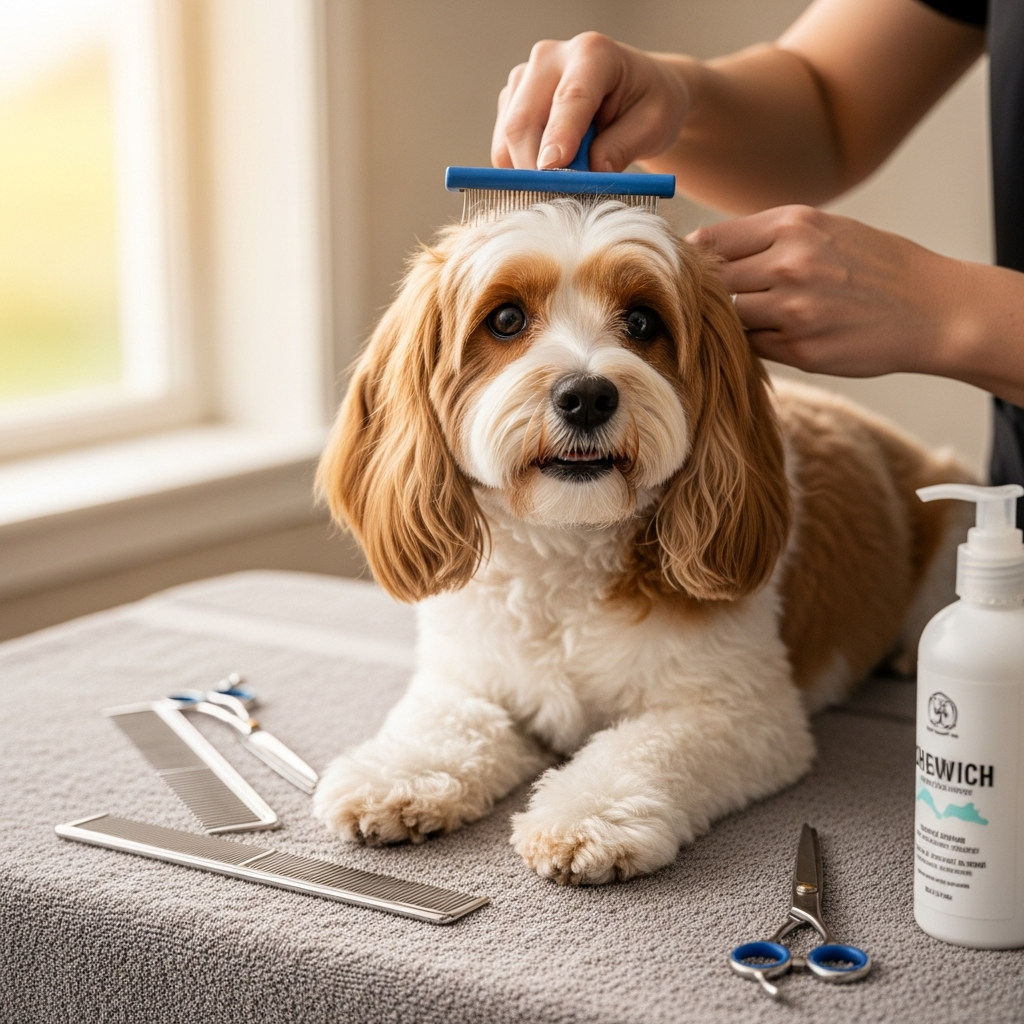
Cavapoos have a lovely coat that’s often low-shedding, thanks to their Poodle heritage. However, this non-shedding quality means their fur continues to grow and can easily get matted without regular attention. Grooming is a crucial part of their health and comfort.
Daily Brushing for a Healthy Coat
Aim to brush your Cavapoo every day, or at least every other day. This prevents knots and tangles from forming. A slicker brush followed by a metal comb works best to get through their thick, wavy or curly fur.
Start young: Get your puppy used to brushing early with gentle, positive experiences.
* **Make it fun:** Use treats and praise to make grooming sessions enjoyable.
Check common tangle spots: Pay extra attention to behind the ears, armpits, and under the tail.
Regular Professional Grooming
Even with daily brushing, your Cavapoo will need professional grooming every 6-8 weeks. A professional groomer can give them a proper bath, trim their fur to a manageable length, and address areas you might miss.
Discuss coat length: Talk to your groomer about a style that suits your lifestyle and your dog’s comfort.
Maintain hygiene trims: Crucial for keeping fur clean around their eyes, paws, and sanitary areas.
Ear Care
Cavapoos often have floppy ears, which can trap moisture and debris, making them prone to ear infections. Regular ear cleaning is essential.
Weekly checks: Look inside their ears for redness, discharge, or a foul smell.
Gentle cleaning: Use a vet-approved ear cleaning solution and cotton balls to gently wipe the visible parts of the ear canal. Never insert anything deep into the ear.
Hair plucking (if needed): Some Cavapoos grow hair inside their ear canal. Your vet or groomer can advise if this needs to be plucked to improve air circulation.
Nail Trimming and Dental Hygiene
Don’t forget their paws and teeth! Overgrown nails can be painful and affect their gait. Dental care is vital for preventing gum disease.
Nail trims: Trim nails every 2-4 weeks. If you hear their nails clicking on the floor, they’re too long.
Tooth brushing: Aim for daily tooth brushing with a dog-specific toothpaste. Dental chews and professional cleanings can supplement this.
Tip 2: Providing Optimal Nutrition
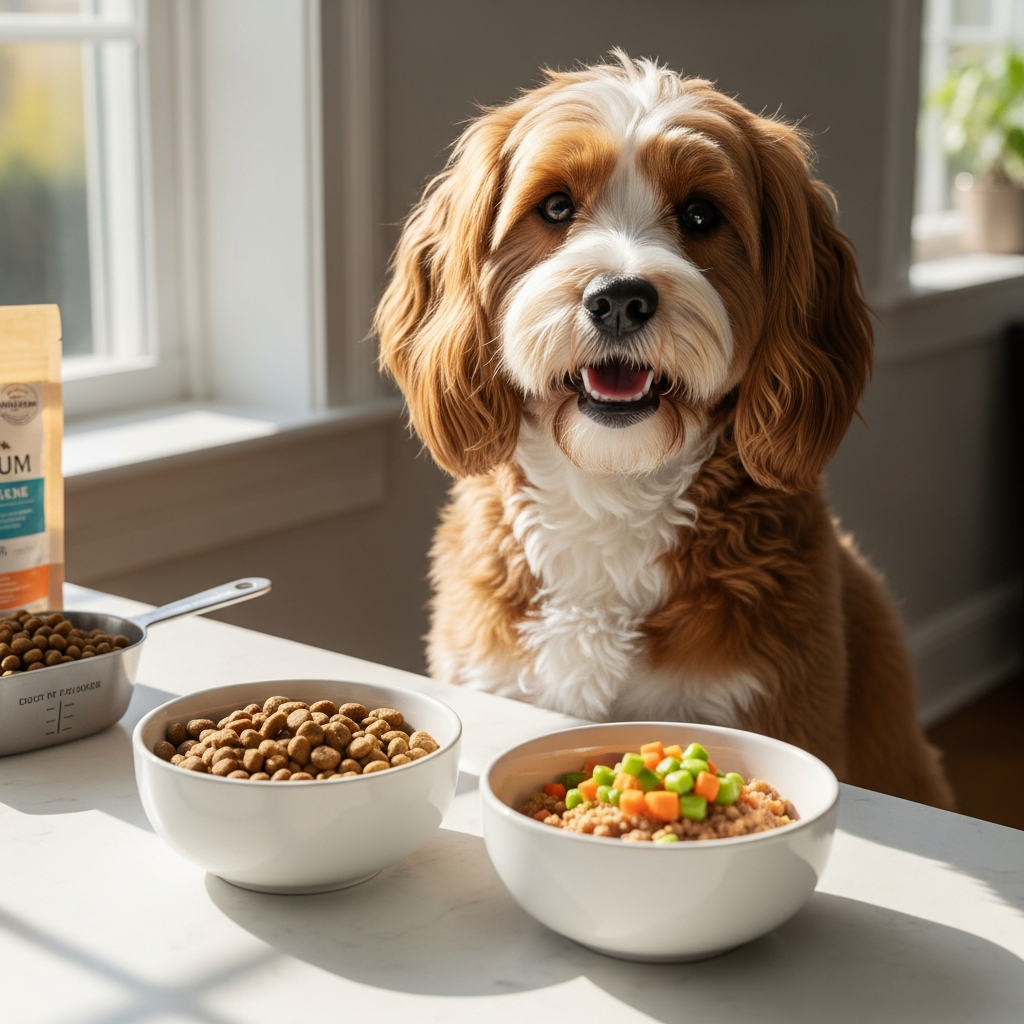
Good nutrition is the foundation of your Cavapoo’s health and energy. Choosing the right food and feeding schedule tailored to their size and activity level is key.
High-Quality Dog Food
Select a high-quality commercial dog food appropriate for small breeds. Look for formulas that list real meat as the first ingredient and avoid excessive fillers, artificial colors, or preservatives.
Puppy formula: Feed a puppy-specific food until they are about 10-12 months old.
Adult formula: Transition to an adult formula once they reach maturity.
Senior formula: As they age, consider a senior formula to support joint health and manage weight.
Proper Portion Control and Feeding Schedule
Cavapoos can gain weight easily if overfed. Always follow the feeding guidelines on the dog food packaging, adjusting as needed based on your dog’s activity level and body condition.
Measure meals: Use a measuring cup to ensure accurate portions.
Twice a day: Most adult Cavapoos do well with two meals a day, once in the morning and once in the evening. Puppies may need three to four smaller meals.
Healthy treats: Use treats sparingly for training and rewards, and choose low-calorie, healthy options.
Avoid human food: Many human foods can be harmful or lead to an upset stomach. Stick to dog-specific treats.
Fresh Water is a Must
Always make sure your Cavapoo has access to fresh, clean water. Change their water bowl daily and clean it regularly to prevent bacteria buildup. Hydration is crucial for all bodily functions.
Tip 3: Ensuring Adequate Exercise and Mental Stimulation
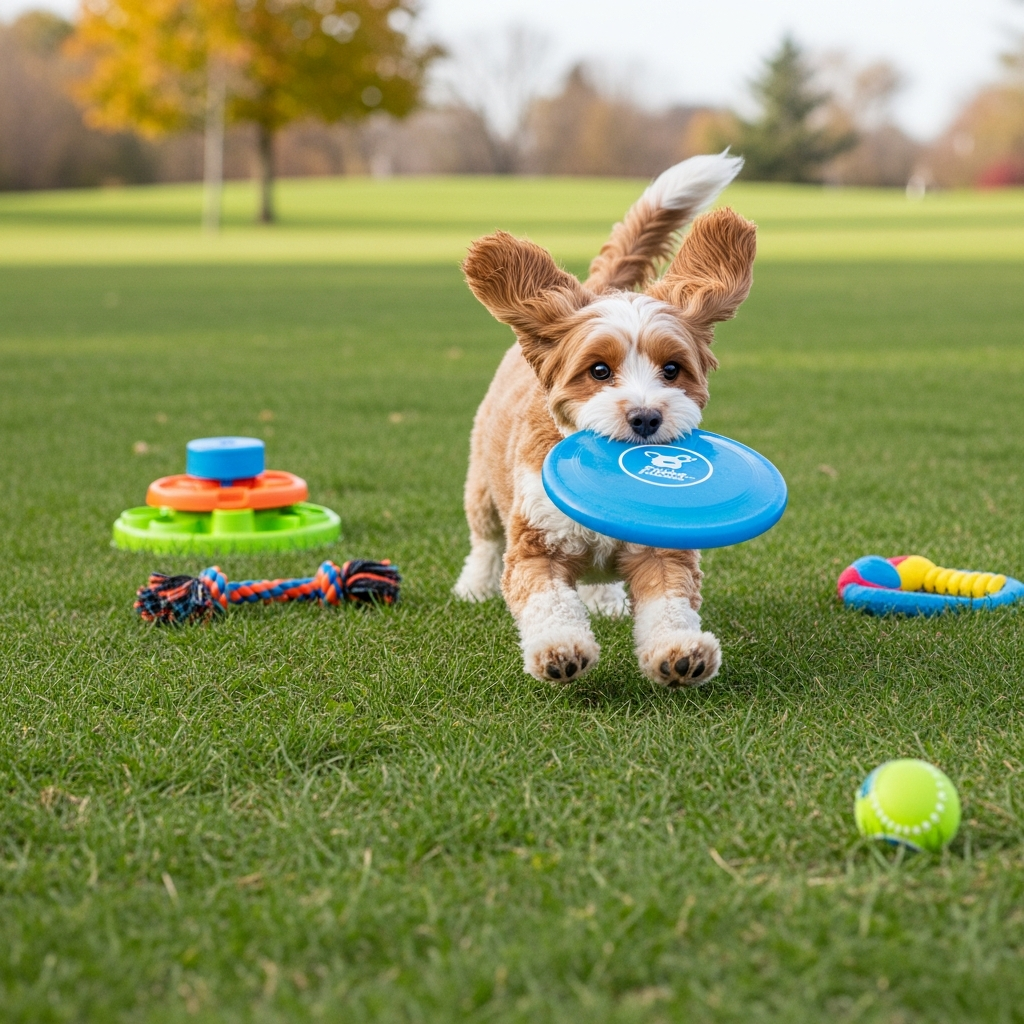
Cavapoos are small but active dogs that need both physical exercise and mental engagement to stay happy and well-behaved. They aren’t couch potatoes, but their exercise needs are generally moderate.
Daily Physical Activity
A couple of short walks a day, combined with some playtime, is usually sufficient. Remember their small size when planning activities.
Morning and evening walks: Aim for 20-30 minute walks, allowing them time to sniff and explore.
Indoor play: Fetch, tug-of-war, or hide-and-seek can be great ways to burn energy indoors.
Dog parks: If socialized, supervised visits to a dog park can be fun, but ensure it’s safe for smaller breeds.
Mental Stimulation and Enrichment
Cavapoos are intelligent and enjoy having their brains challenged. Mental stimulation is just as important as physical exercise to prevent boredom and destructive behaviors.
Puzzle toys: Food-dispensing toys or puzzle feeders can keep them occupied and thinking.
Training sessions: Short, fun training sessions are excellent mental workouts.
New experiences: Introduce them to new sights, sounds, and safe environments regularly.
Playtime with Owners
Cavapoos thrive on companionship and love interacting with their families. Dedicate time each day for interactive play. This strengthens your bond and fulfills their social needs.
Variety of toys: Offer a range of toys like squeaky toys, chew toys, and soft plushies.
Engage with them: Don’t just leave toys out; play *with* your Cavapoo.
Tip 4: Embracing Early Socialization
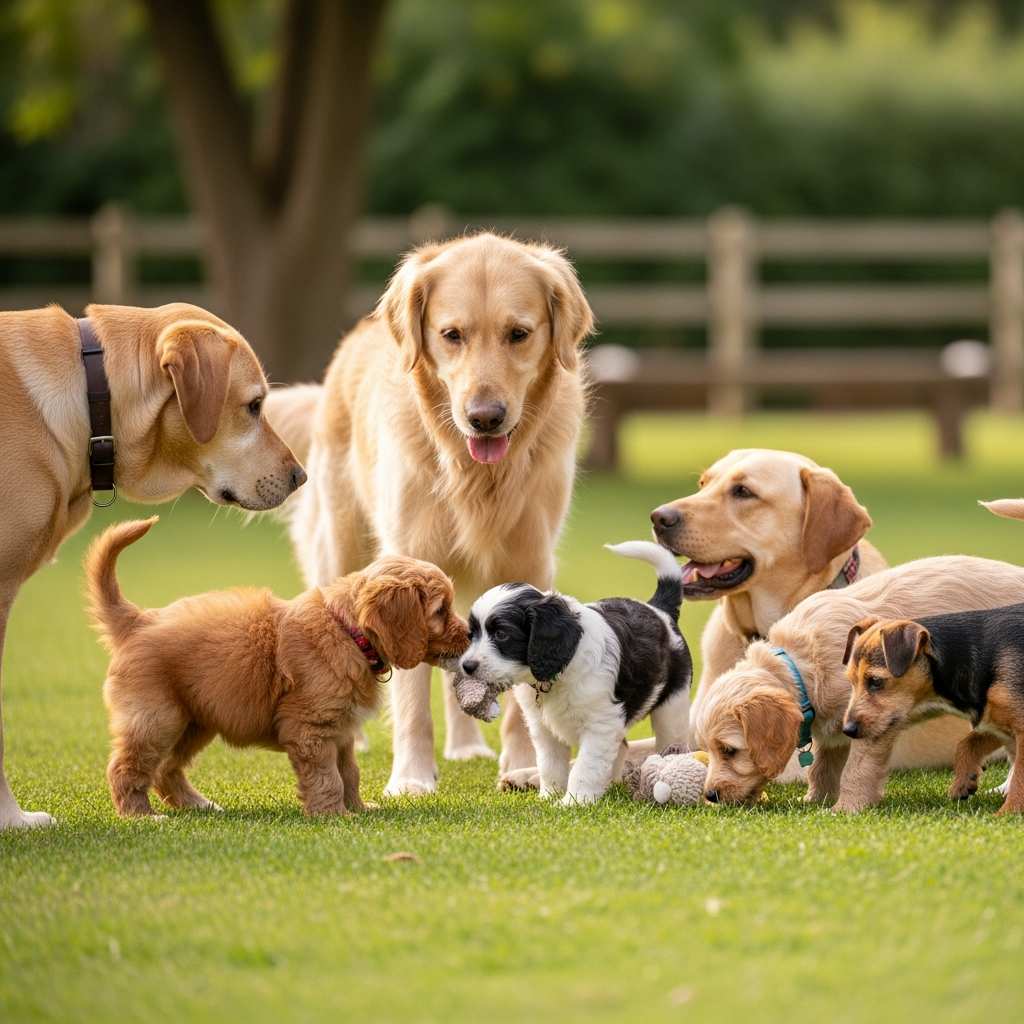
Socialization is the process of exposing your puppy to a variety of safe new experiences, people, animals, and environments. This helps them grow into a confident, well-adjusted adult dog rather than a fearful or aggressive one.
Puppy Socialization Window
The most critical period for socialization is between 3 and 16 weeks of age. During this time, puppies are most open to new experiences.
Gradual introductions: Introduce new things slowly and positively.
Positive reinforcement: Pair new experiences with treats and praise to create positive associations.
Exposure to People and Places
Introduce your Cavapoo to a diverse range of people of all ages, sizes, and appearances. Take them to different safe environments.
Different ages: Let them meet respectful children and calm adults.
Various environments: Take them to quiet parks, pet-friendly stores (if allowed and safe), or on car rides.
New sounds: Expose them to common household sounds, city noises, or even vacuum cleaners.
Meeting Other Dogs (Safely)
Safe and positive interactions with other vaccinated, well-behaved dogs are crucial for learning appropriate dog-to-dog communication.
Puppy classes: Enrolling in a puppy socialization class is an excellent way to meet other puppies and learn in a controlled environment.
Known, calm dogs: Arrange playdates with trusted friends’ or family members’ dogs that you know are friendly and gentle.
Tip 5: Mastering Potty Training
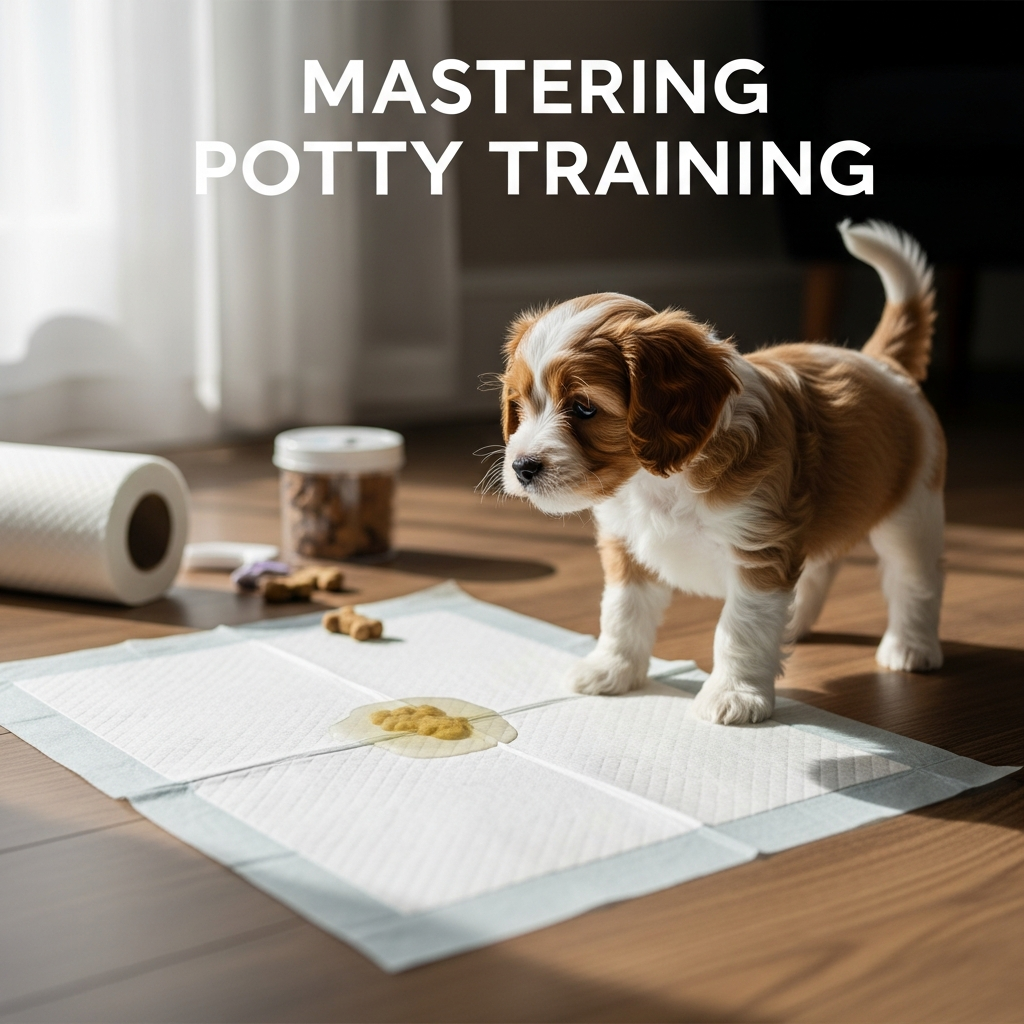
Potty training is one of the first and most important training challenges for any puppy owner. Cavapoos, like many small breeds, can sometimes take a bit longer to fully potty train due to their smaller bladders. Consistency is key.
Establish a Consistent Schedule
Puppies thrive on routine. A predictable schedule helps them understand when and where they should relieve themselves.
Frequent trips: Take your Cavapoo out frequently, especially first thing in the morning, after waking from naps, after meals, and before bedtime.
Designated spot: Always take them to the same spot in your yard or outside area.
Positive Reinforcement
Reward your Cavapoo immediately and enthusiastically every time they potty in the correct spot.
Praise and treats: As soon as they finish, offer praise (“Good potty!”) and a high-value treat.
Avoid punishment: Never scold or punish your dog for accidents. This can make them fearful and hide their accidents.
Crate Training as a Tool
Crate training can be incredibly helpful for potty training, as dogs are naturally reluctant to soil their sleeping area.
Appropriate size: The crate should be just large enough for them to stand up, turn around, and lie down comfortably.
Short periods: Never leave a puppy in a crate for too long. They cannot hold their bladder for extended periods.
Positive association: Make the crate a comfortable, happy place with toys and soft bedding.
Dealing with Accidents
Accidents will happen, especially during the learning process. The key is to clean them up properly and not get frustrated.
Clean thoroughly: Use an enzymatic cleaner to eliminate odors, which can attract your dog back to the same spot.
Interrupt and redirect: If you catch your Cavapoo in the act indoors, calmly interrupt them, pick them up, and immediately take them outside to their designated potty spot.
Tip 6: Implementing Basic Obedience Training
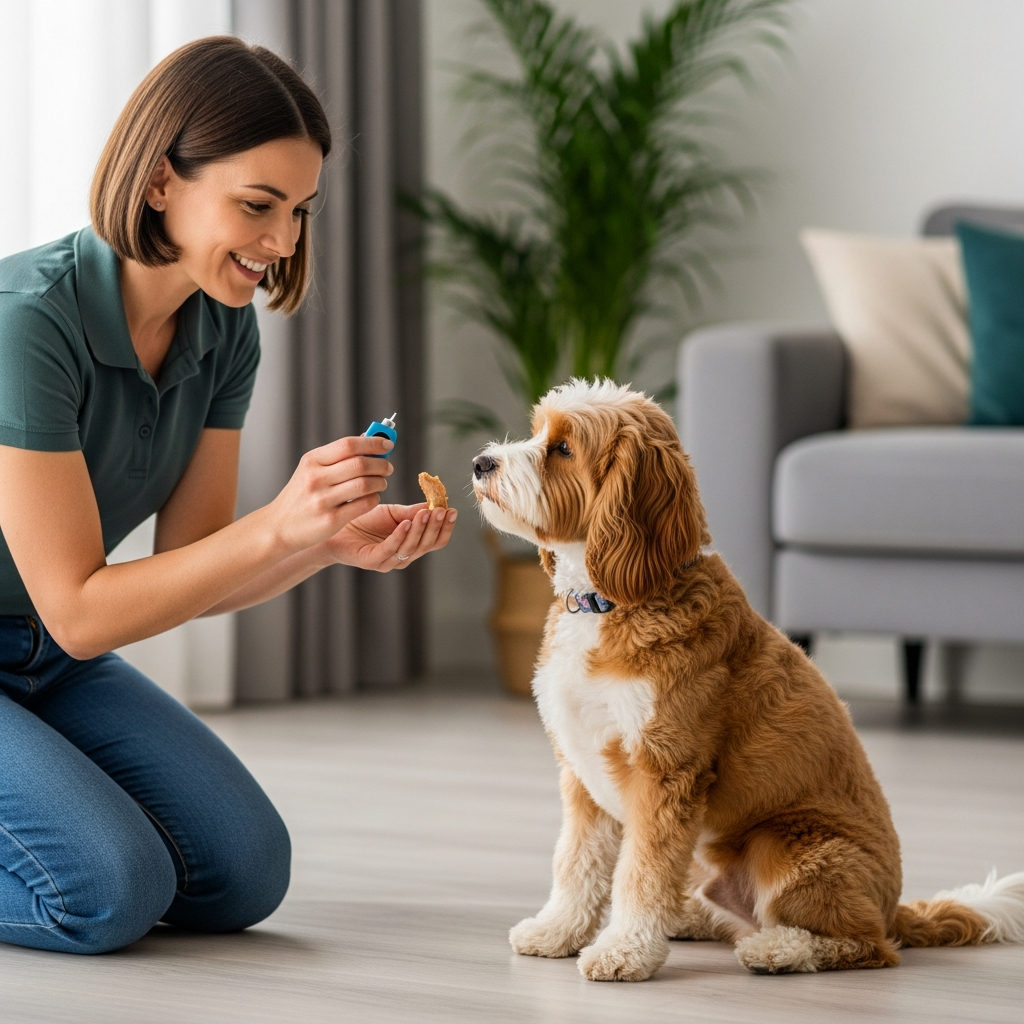
Cavapoos are intelligent and eager to please, making them good candidates for basic obedience training. Starting early and being consistent will lay the groundwork for a well-behaved companion.
Start with the Basics
Focus on a few core commands that are essential for safety and good manners. Keep training sessions short, fun, and positive.
Sit: A fundamental command that can be used in many situations.
Stay: Teaches impulse control and can be a lifesaver in certain situations.
Come (recall): Crucial for safety, especially when off-leash in a safe, enclosed area.
Down: Another useful command for settling.
Use Positive Reinforcement
This means rewarding desired behaviors with treats, praise, or toys. It builds a positive association with learning and strengthens your bond.
High-value treats: Use small, soft treats that your Cavapoo loves.
Clear commands: Use a consistent, calm tone of voice for commands.
Timing is everything: Reward immediately after the desired action.
Leash Training and Walking Manners
Proper leash manners make walks enjoyable for both you and your Cavapoo. Start leash training early.
Start indoors: Introduce the collar and leash in a low-distraction environment.
Loose leash walking: Teach them to walk beside you without pulling. Stop walking if they pull, and resume when the leash is loose.
Harness vs. collar: A harness may be more comfortable and prevent pressure on their delicate neck.
Address Nipping and Chewing
Puppies explore the world with their mouths. Redirect nipping and provide appropriate chew toys.
Redirect: When they nip, redirect their attention to a suitable chew toy.
Bitter spray: For furniture or items they shouldn’t chew, a bitter-tasting spray can deter them.
Social biting: If a puppy bites too hard during play, yelp loudly (like a littermate would) and briefly stop playing.
Tip 7: Prioritizing Health and Vet Care
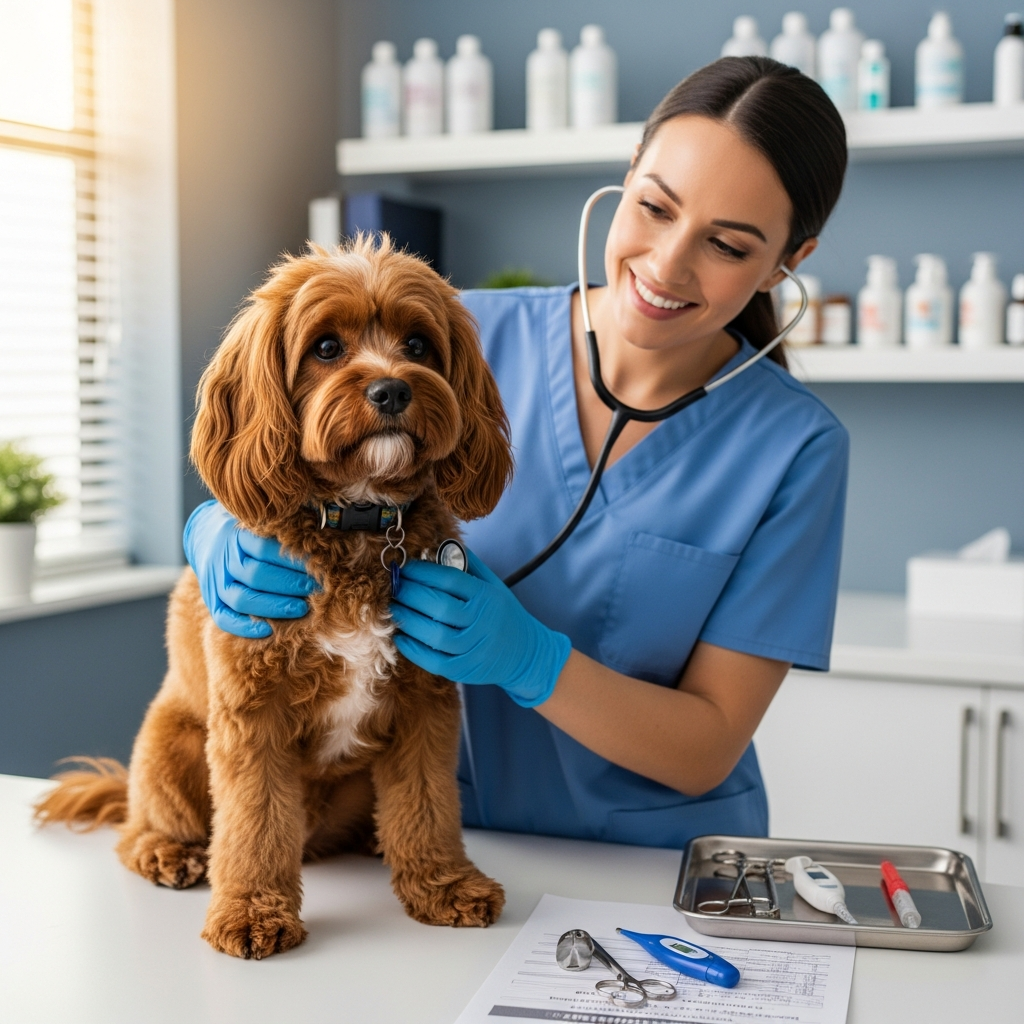
Even though Cavapoos are generally healthy, regular veterinary care and awareness of common breed-specific health concerns are vital for a long, happy life.
Regular Vet Check-ups
Schedule annual check-ups with your veterinarian. Puppies will need more frequent visits for vaccinations and parasite prevention.
Preventative care: Discuss vaccinations, flea and tick prevention, and heartworm medication.
Early detection: Regular exams help catch potential health issues early, making them easier to treat.
Common Health Considerations
Cavapoos can inherit health issues from both Cavalier King Charles Spaniels and Poodles. Being aware of these can help you identify symptoms early.
Cavalier-Related Concerns:
Mitral Valve Disease (MVD): A common heart condition in Cavaliers. Regular heart checks are important.
Syringomyelia (SM): A neurological condition affecting the brain and spinal cord.
Patellar Luxation: A condition where the kneecap slips out of place.
Poodle-Related Concerns:
Progressive Retinal Atrophy (PRA): A group of genetic diseases that cause blindness.
Hip Dysplasia: While more common in larger breeds, it can affect smaller dogs.
Maintaining a Healthy Weight
Weight management is crucial. Obesity can exacerbate joint problems, heart conditions, and lead to other health issues.
Monitor body condition: Your vet can help you assess if your Cavapoo is at an ideal weight. You should be able to feel their ribs easily without seeing them.
Diet and exercise: Stick to proper feeding portions and ensure they get adequate exercise.
Dental Health
Small breeds are particularly prone to dental disease. Maintaining good oral hygiene can prevent serious health problems.
Regular brushing: Daily brushing is the gold standard.
Dental chews: Choose vet-approved dental chews.
Professional cleanings: Your vet may recommend periodic professional dental cleanings under anesthesia.
Spaying or Neutering
Discuss the benefits and timing of spaying or neutering your Cavapoo with your veterinarian. This can prevent certain health issues and unwanted litters.