Choosing the right food for our furry family members is one of the most important decisions we make as dog parents. We all want our dogs to be happy, healthy, and full of life. Chicken is a very popular ingredient in dog food, and for good reason. It is often a go-to protein source for many commercial brands and even for those who prefer to prepare meals at home.
This article will explore six different ways chicken can be part of your dog’s diet, offering insights into each option. We’ll look at everything from convenient kibble to home-cooked meals, helping you understand the choices available. Always remember, the best diet for your dog depends on their individual needs, and speaking with your veterinarian is always a wise first step.
Why Chicken is a Popular Choice for Dogs
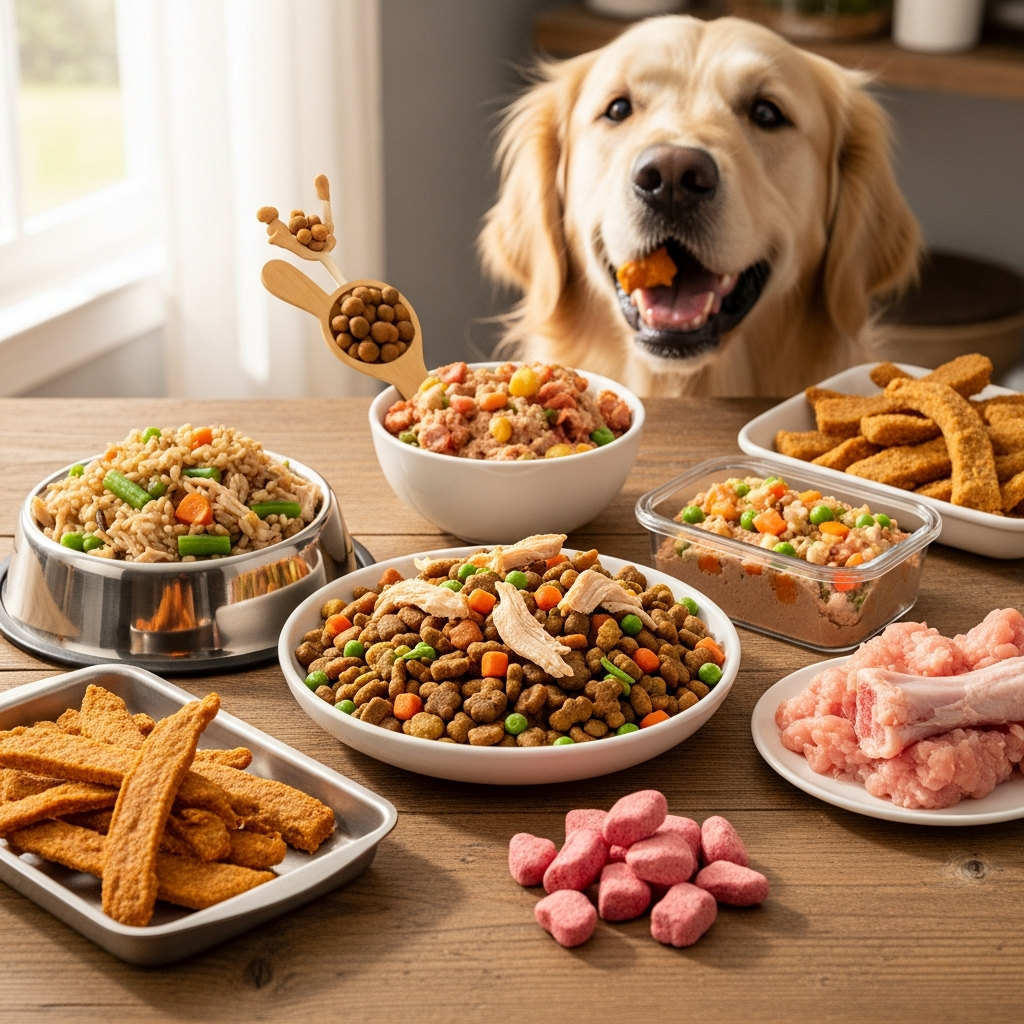
Chicken is widely used in dog food because it offers several benefits. It’s generally well-loved by dogs, easy to find, and provides good nutrition.
Essential Nutrients
Chicken is a lean protein source, providing essential amino acids that dogs need for strong muscles, healthy skin, and a shiny coat. It also contains important vitamins and minerals, like B vitamins, phosphorus, and selenium.
Palatability
Most dogs find the taste of chicken very appealing. This makes it a great option for picky eaters or as a motivator during training. Its mild flavor is often a hit.
Digestibility
For many dogs, chicken is quite easy to digest. This can be beneficial for dogs with sensitive stomachs, though some dogs can have allergies to chicken, which is something to be aware of.
Idea 1: Commercial Dry Kibble with Chicken
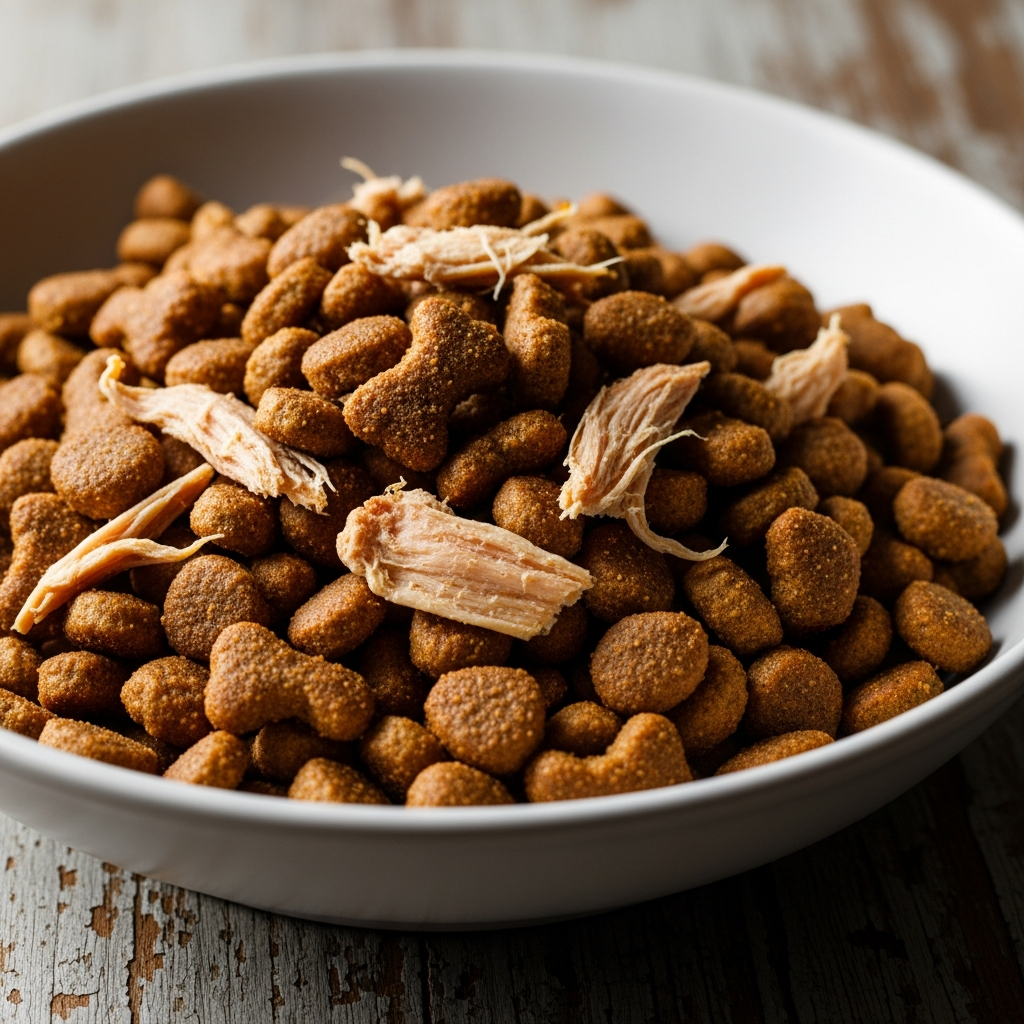
Chicken-based dry kibble is perhaps the most common dog food choice. It’s a convenient and widely available option that many dog owners rely on.
What it is
This is dry, crunchy dog food where chicken is a primary ingredient. It can appear as “chicken meal,” “deboned chicken,” or “chicken” listed early in the ingredient list.
Pros
Convenience: Kibble is easy to store, measure, and serve. It doesn’t require refrigeration.
Complete Nutrition: High-quality kibbles are formulated to be nutritionally complete and balanced, providing all the nutrients your dog needs.
Dental Health: The crunchy texture of kibble can help scrape plaque off teeth, contributing to better dental hygiene.
Cost-Effective: Compared to many other options, dry kibble is often the most budget-friendly choice.
Cons
Processing: Kibble undergoes significant processing, which can sometimes reduce the bioavailability of certain nutrients.
Fillers: Some lower-quality brands might use less beneficial fillers alongside chicken, so checking the ingredient list is key.
Tips for Choosing
Look for brands where chicken or chicken meal is listed as one of the first few ingredients. Check for whole food ingredients and avoid excessive fillers, artificial colors, or preservatives.
Idea 2: Commercial Wet Dog Food Featuring Chicken
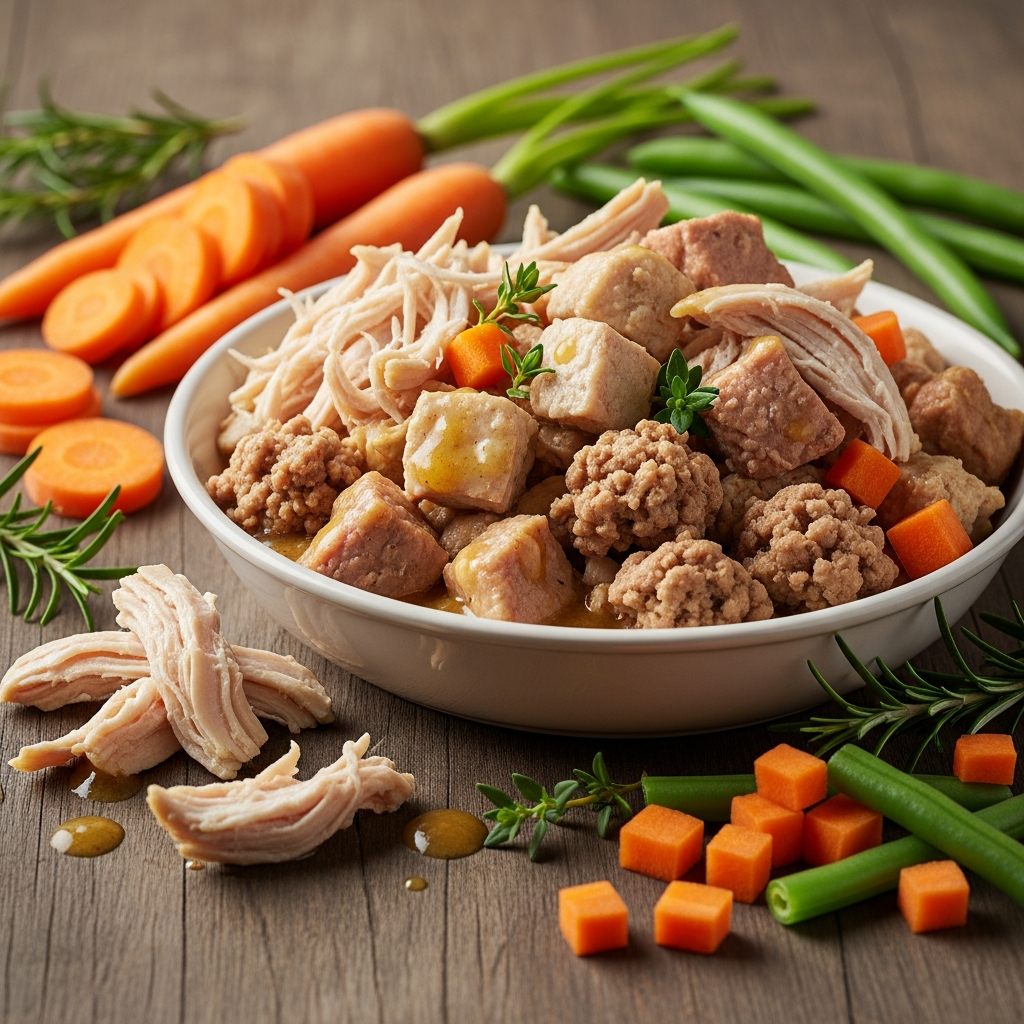
Wet dog food, often found in cans, pouches, or tubs, offers a different experience for your dog. Chicken-based wet foods are very popular.
What it is
Wet dog food typically contains chicken meat, broth, and sometimes vegetables or grains, all cooked together. It has a much higher moisture content than kibble.
Pros
Hydration: The high moisture content helps keep your dog hydrated, which is especially good for dogs who don’t drink enough water.
Palatability: Wet food is often more appealing to dogs due to its aroma and texture, making it great for picky eaters or dogs with dental issues.
Texture Variety: It comes in various forms like pâté, chunks in gravy, or shredded meat, offering different textures for your dog to enjoy.
Cons
Cost: Wet food tends to be more expensive per serving than dry kibble.
Storage: Once opened, wet food needs to be refrigerated and used within a few days.
Dental Health: It provides less dental abrasion than kibble, so it might not contribute as much to cleaning teeth.
When to Consider
Wet food can be a good choice for older dogs, dogs with certain medical conditions needing more hydration, or simply as a tasty treat or topper for kibble.
Idea 3: Limited Ingredient Diets (LID) with Chicken
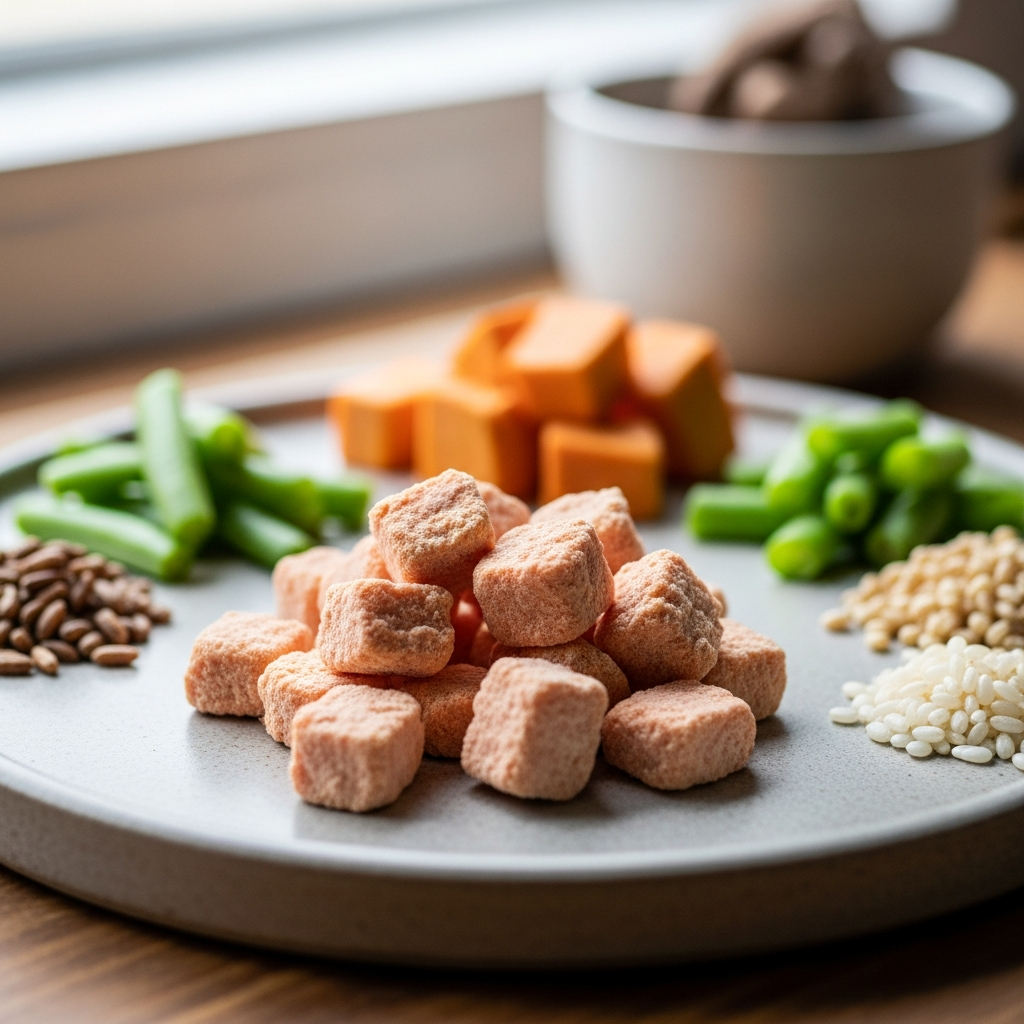
A Limited Ingredient Diet (LID) is a specific type of dog food formulated with a minimal number of ingredients. When chicken is the primary protein, it’s aimed at reducing the chances of digestive upset or allergic reactions.
What it is
Chicken LIDs typically feature chicken as the single animal protein source, along with one or two easily digestible carbohydrates like sweet potato or peas, and necessary vitamins and minerals.
Pros
Identifying Allergies: If your dog has food sensitivities, an LID can help you pinpoint what ingredient might be causing problems.
Gentle on Sensitive Stomachs: Fewer ingredients mean fewer potential irritants, often leading to better digestion for sensitive dogs.
Reduced Risk of Reactions: By limiting ingredients, there’s a lower chance of exposing your dog to common allergens.
Cons
Limited Variety: By nature, LIDs offer less variety in ingredients, which some owners might find restrictive.
Higher Cost: Due to their specialized formulation, LIDs can often be more expensive than regular dog food.
When to Use
An LID is best used under the guidance of a veterinarian, especially if your dog is experiencing digestive issues, itchy skin, or other signs of potential food allergies. It’s a diagnostic tool as much as a daily meal.
Idea 4: Home-Cooked Chicken Meals for Dogs
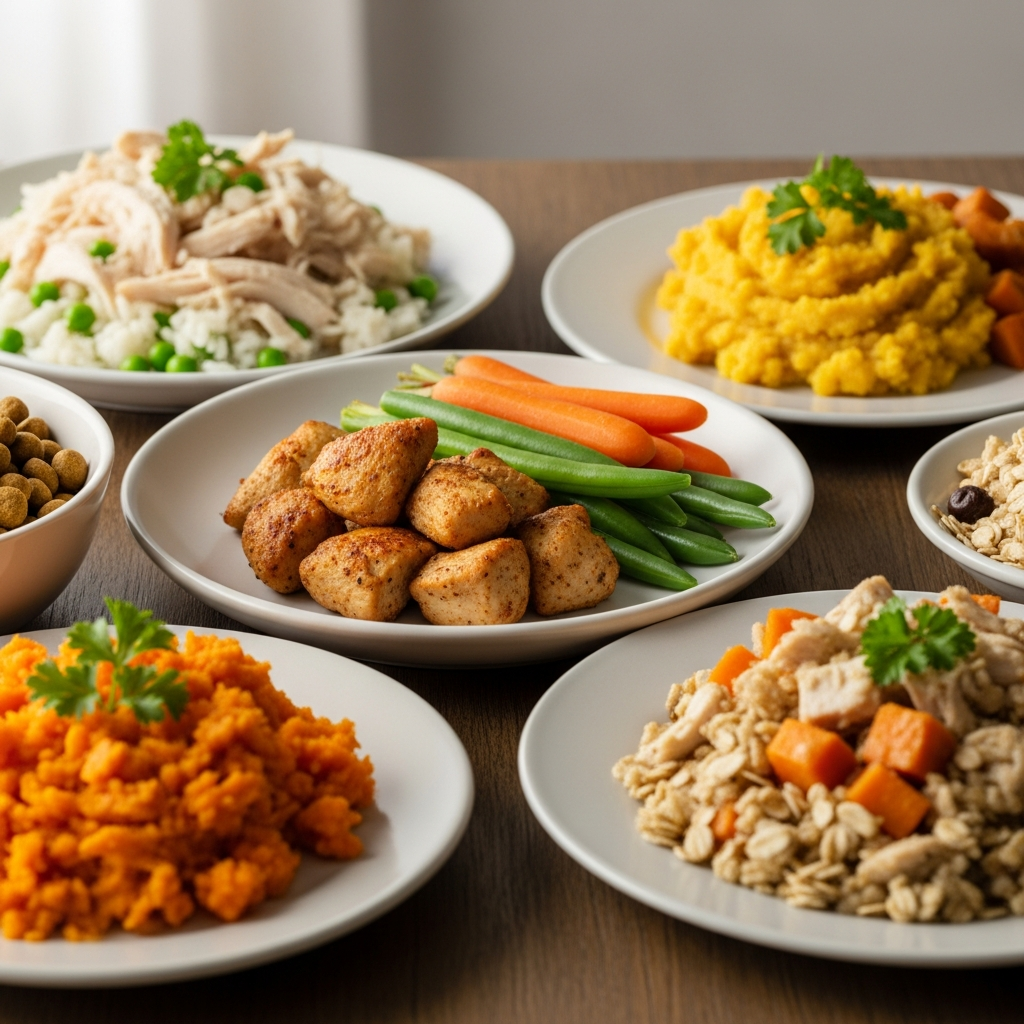
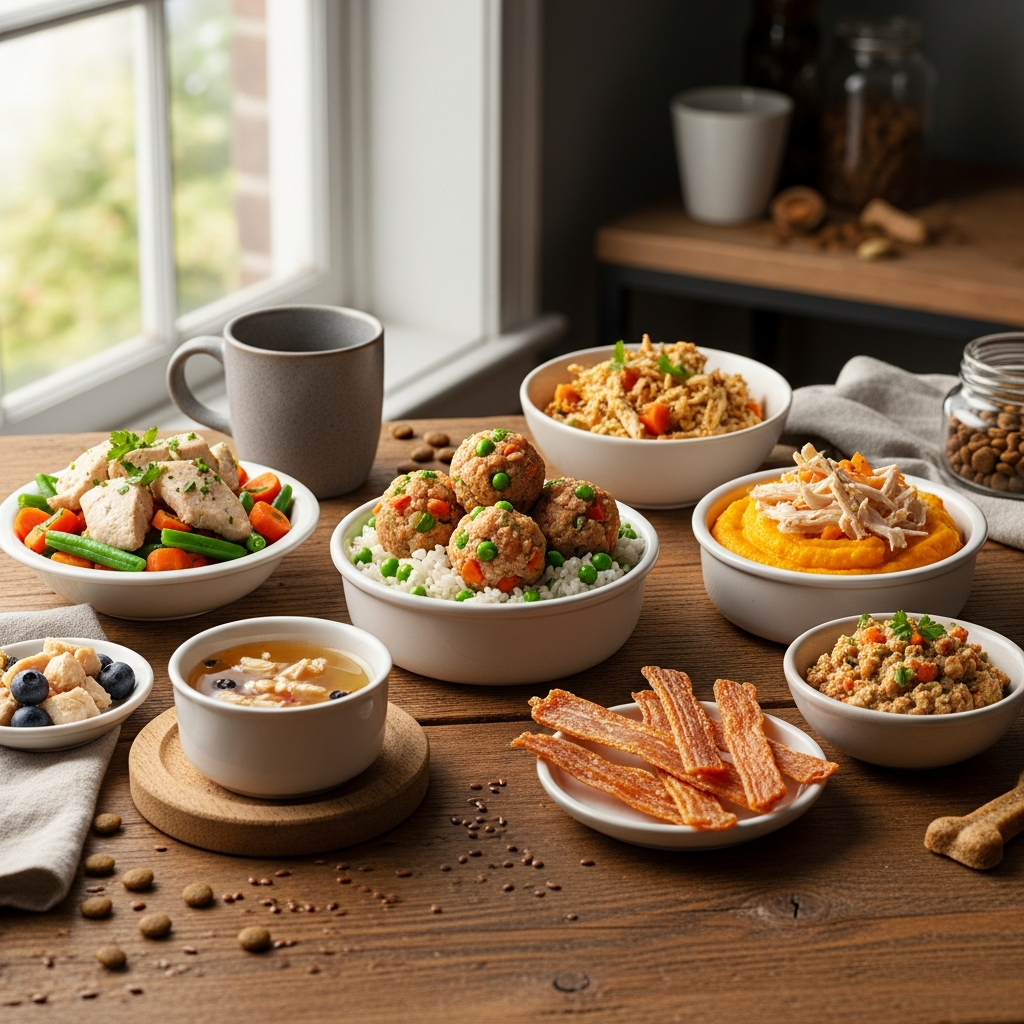
Preparing your dog’s meals at home using chicken allows for maximum control over ingredients. This can be a rewarding way to feed your pet, but it requires careful planning.
What it is
Home-cooked chicken meals involve preparing fresh chicken along with other ingredients like vegetables, grains, and supplements, specifically for your dog.
Pros
Ingredient Control:** You know exactly what goes into your dog’s bowl, avoiding fillers, artificial additives, or allergens.
Freshness: You can use fresh, high-quality ingredients.
Customization: You can tailor meals to your dog’s specific health needs, preferences, or dietary restrictions.
Cons
Time-Consuming: Preparing balanced meals daily or weekly takes significant time and effort.
Risk of Nutritional Imbalance: Without proper research or veterinary guidance, it’s easy to create a diet that lacks essential nutrients or has too much of others, leading to health problems over time.
Requires Veterinary Guidance: It’s highly recommended to work with a board-certified veterinary nutritionist to ensure the diet is complete and balanced for your dog’s life stage and health.
Important Considerations
Safety First: Always cook chicken thoroughly to kill any harmful bacteria. Never feed cooked bones, as they can splinter and cause internal injury.
Balance is Key: A chicken-only meal is not balanced. You need to include appropriate fats, carbohydrates, fiber, vitamins, and minerals.
Cooked vs. Raw: For home-cooked meals, chicken should always be cooked. Raw feeding has different considerations.
Seasoning: Avoid spices, onions, garlic, and excessive salt, which can be harmful to dogs.
Idea 5: Freeze-Dried or Air-Dried Chicken Dog Food
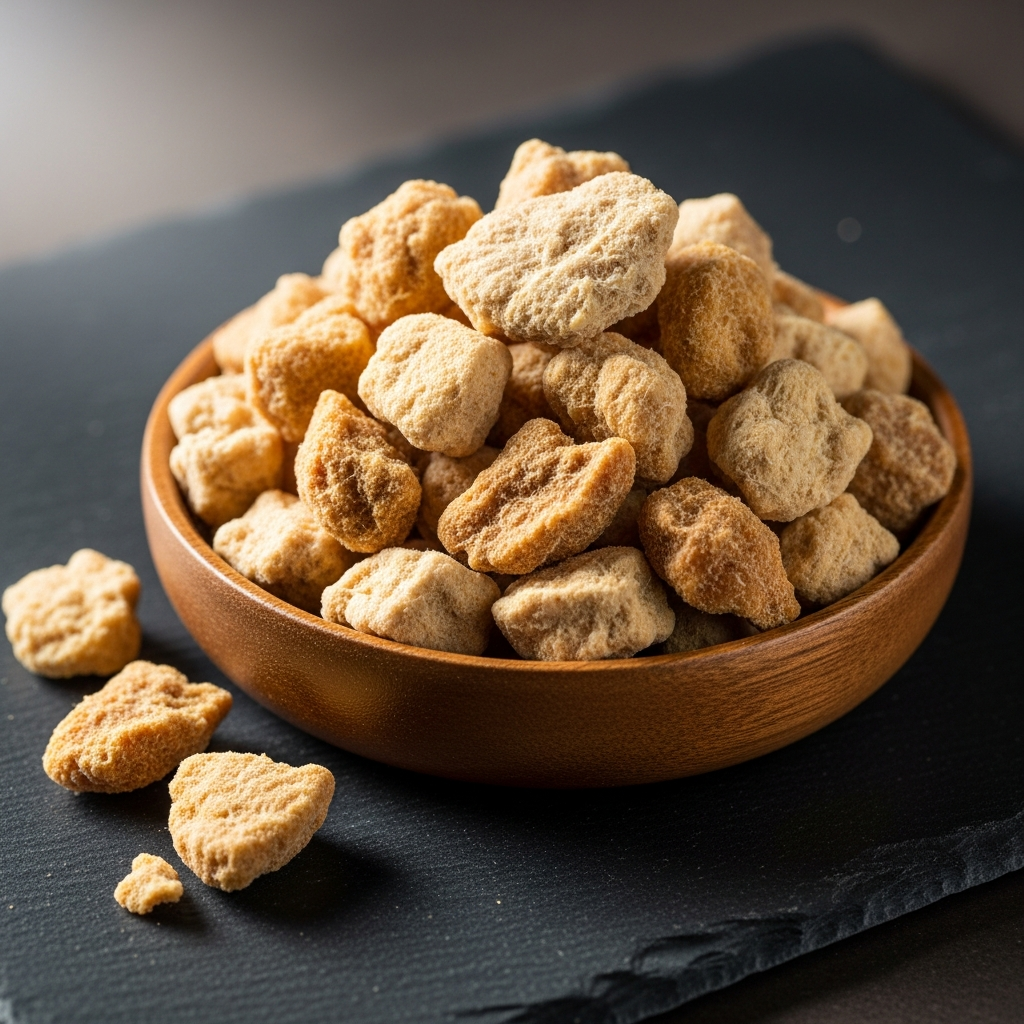
These newer forms of dog food offer a less processed alternative to traditional kibble, retaining more of the original nutrients found in raw ingredients.
What it is
Freeze-dried or air-dried foods involve removing moisture from raw chicken (and other ingredients) using different gentle methods. This preserves nutrients without high heat cooking.
Pros
Minimal Processing: These methods retain more of the natural enzymes and nutrients compared to heavily processed kibble.
Nutrient Retention: Because they are minimally processed, these foods are often praised for their higher nutrient density.
Convenience of Raw: They offer some benefits of a raw diet in a shelf-stable, easy-to-serve format.
Palatability: Many dogs find these foods very appetizing.
Cons
Higher Cost: They are generally more expensive than dry kibble or even many wet foods.
Rehydration: Some freeze-dried foods are meant to be rehydrated with water before serving, which adds a step.
Portion Control: Due to their concentrated nature, portion sizes can be smaller, requiring careful measurement.
How to Serve
These foods can be served as a complete meal (check packaging instructions for rehydration), as a meal topper to boost nutrition and flavor, or as high-value treats.
Idea 6: Raw Chicken Dog Food (BARF or PMR)
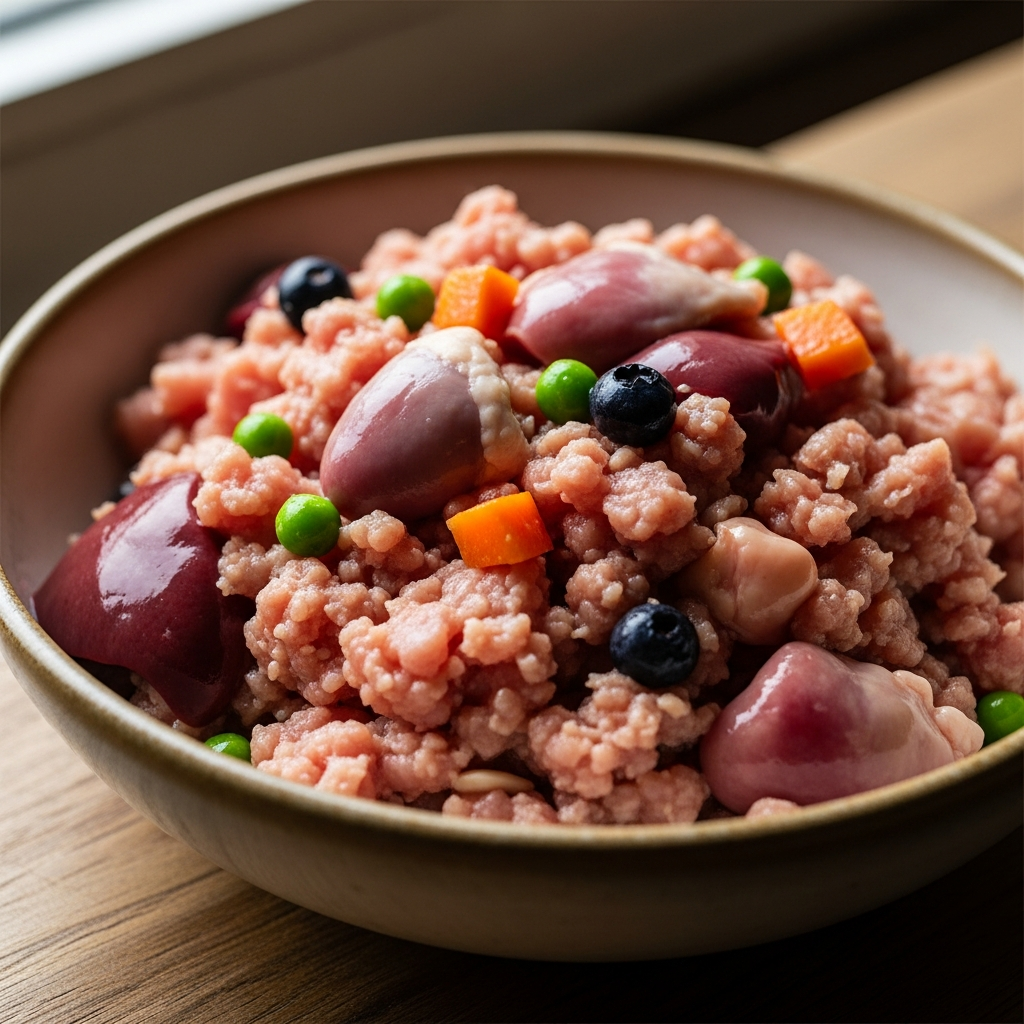
Feeding a raw diet that includes chicken is a growing trend among some dog owners. This approach aims to mimic the diet of a dog’s wild ancestors.
What it is
Raw chicken dog food typically involves feeding uncooked chicken meat, bones, and organs, often combined with raw fruits, vegetables, and supplements (BARF – Biologically Appropriate Raw Food) or purely meat, bones, and organs (PMR – Prey Model Raw).
Pros
Highly Digestible: Advocates claim raw food is more easily digested by dogs.
Natural Enzymes: Raw food contains natural enzymes that are destroyed during cooking.
Reported Benefits: Owners often report shinier coats, cleaner teeth, more energy, and smaller, firmer stools.
Cons (Crucial Warnings)
Bacterial Contamination Risk: Raw meat carries a risk of bacteria like Salmonella, E. coli, and Listeria, which can be harmful to both dogs and humans. This is a significant concern for food safety.
Nutritional Imbalance: Formulating a truly complete and balanced raw diet requires extensive knowledge and often the guidance of a veterinary nutritionist. Without this, severe deficiencies or excesses can occur.
Choking Hazard from Bones: Raw bones, while part of a raw diet, can still pose choking hazards or cause internal damage if not fed appropriately (e.g., weight-bearing bones are too hard).
Not Suitable for All: Raw diets are not recommended for puppies, senior dogs, dogs with compromised immune systems, or households with very young children or immunocompromised individuals due to the bacterial risks.
Essential Safety Precautions
If considering a raw chicken diet, these steps are absolutely crucial:
Consult a Veterinary Nutritionist: This is perhaps the most important step. They can help you formulate a safe, balanced diet tailored to your dog.
Safe Handling Practices: Treat raw dog food like you would raw meat for human consumption. Use separate cutting boards, sanitize all surfaces and bowls, and wash your hands thoroughly.
Sourcing Ingredients: Use human-grade, fresh chicken from reputable sources.
Proper Storage: Store raw food safely in the freezer and thaw in the refrigerator, separate from human food.