Cozy Chicken & Rice Bowls Your Dog Will Beg For
There’s nothing quite like the joy of seeing your dog’s tail wag with pure excitement, especially when it comes to mealtime. While commercial dog foods are convenient, sometimes a homemade touch can make all the difference, whether your furry friend has a sensitive tummy or you simply want to treat them to something special and nutritious. Enter the humble yet mighty chicken and rice bowl – a classic for a reason!
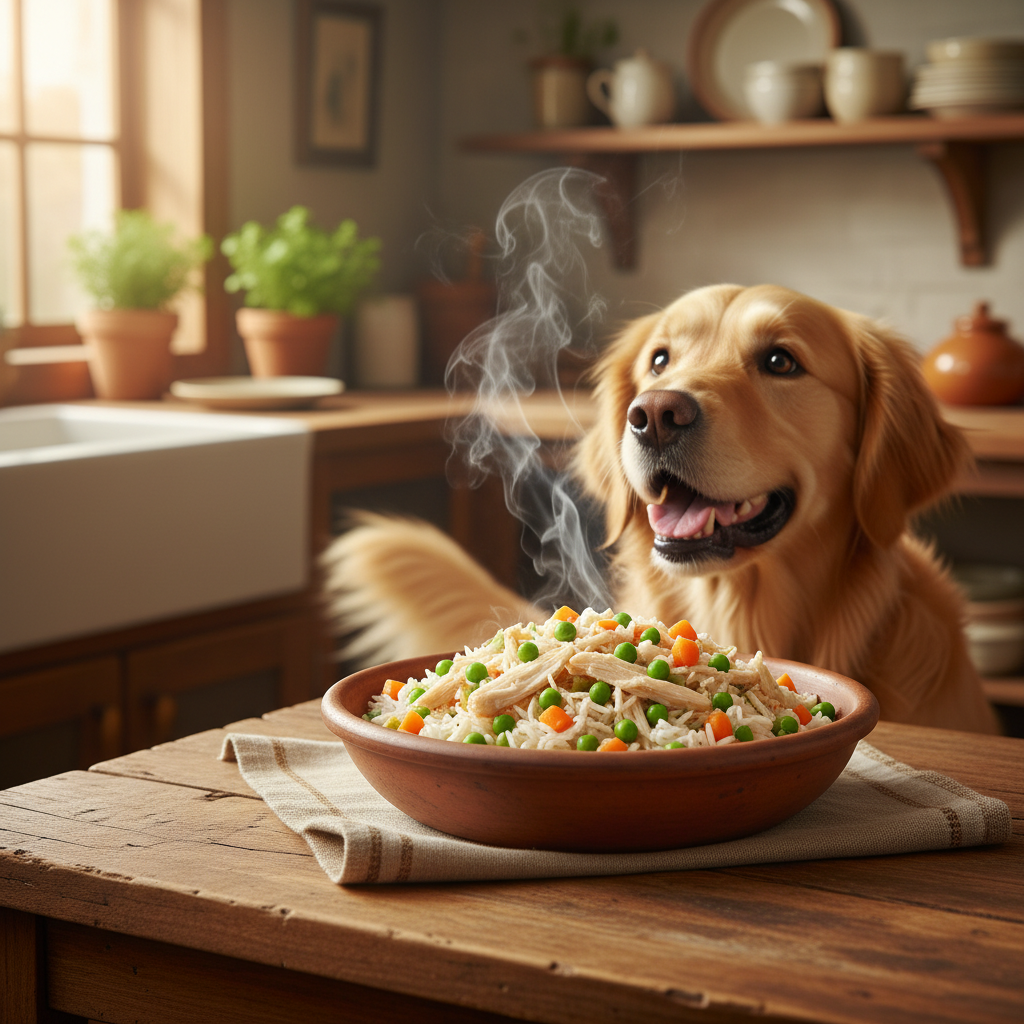
This isn’t just any bland meal; it’s a comforting, wholesome dish that many veterinarians recommend for dogs needing a gentle diet. It’s easy to digest, packed with essential nutrients, and surprisingly simple to prepare. Imagine a warm, fragrant bowl that smells just as good to you as it does to your pup, a meal made with love right in your own kitchen. Let’s dive into how you can create these cozy chicken and rice bowls that your dog will absolutely adore.
Why Homemade Chicken and Rice is a Winner
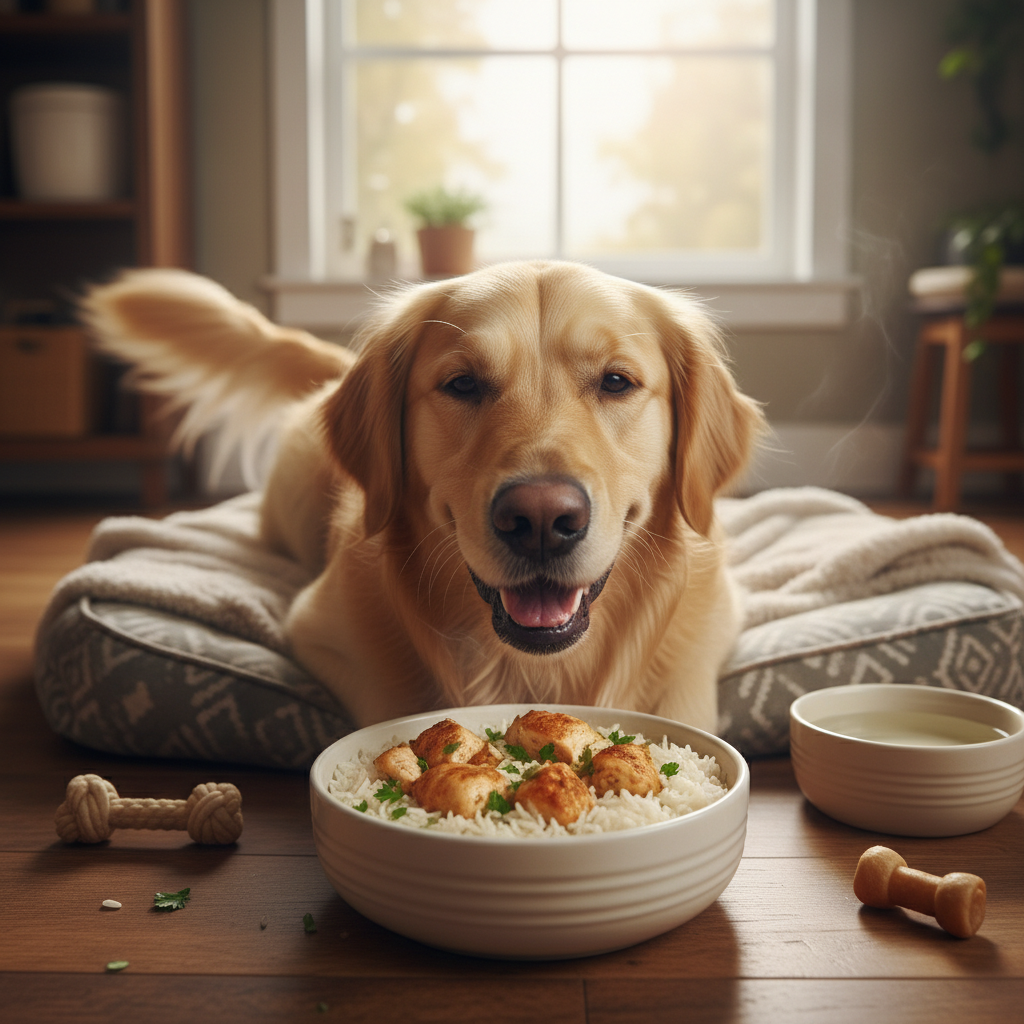
When it comes to your dog’s health and happiness, understanding what goes into their bowl is paramount. Homemade chicken and rice offers several fantastic benefits that make it a go-to for many dog parents.
- Gentle on Sensitive Stomachs: This combination is famously easy to digest, making it ideal for dogs recovering from an upset stomach, diarrhea, or other digestive woes. The blandness helps soothe their system.
- Nutrient-Rich Goodness: Lean chicken provides essential protein for muscle development and energy, while white rice offers easily digestible carbohydrates, giving your dog the fuel they need without overburdening their digestive tract.
- Complete Control Over Ingredients: You know exactly what’s going into your dog’s meal. No mysterious fillers, artificial preservatives, or ingredients you can’t pronounce. This is especially helpful for dogs with allergies or sensitivities.
- Hydration Boost: When prepared with extra broth, these bowls can contribute to your dog’s daily fluid intake, which is crucial for overall health.
- Picky Eater Approved: Many dogs, even the fussiest ones, find the taste and texture of chicken and rice irresistible. It’s a great way to encourage eating when their appetite is low.
Essential Ingredients for Your Dog’s Bowl
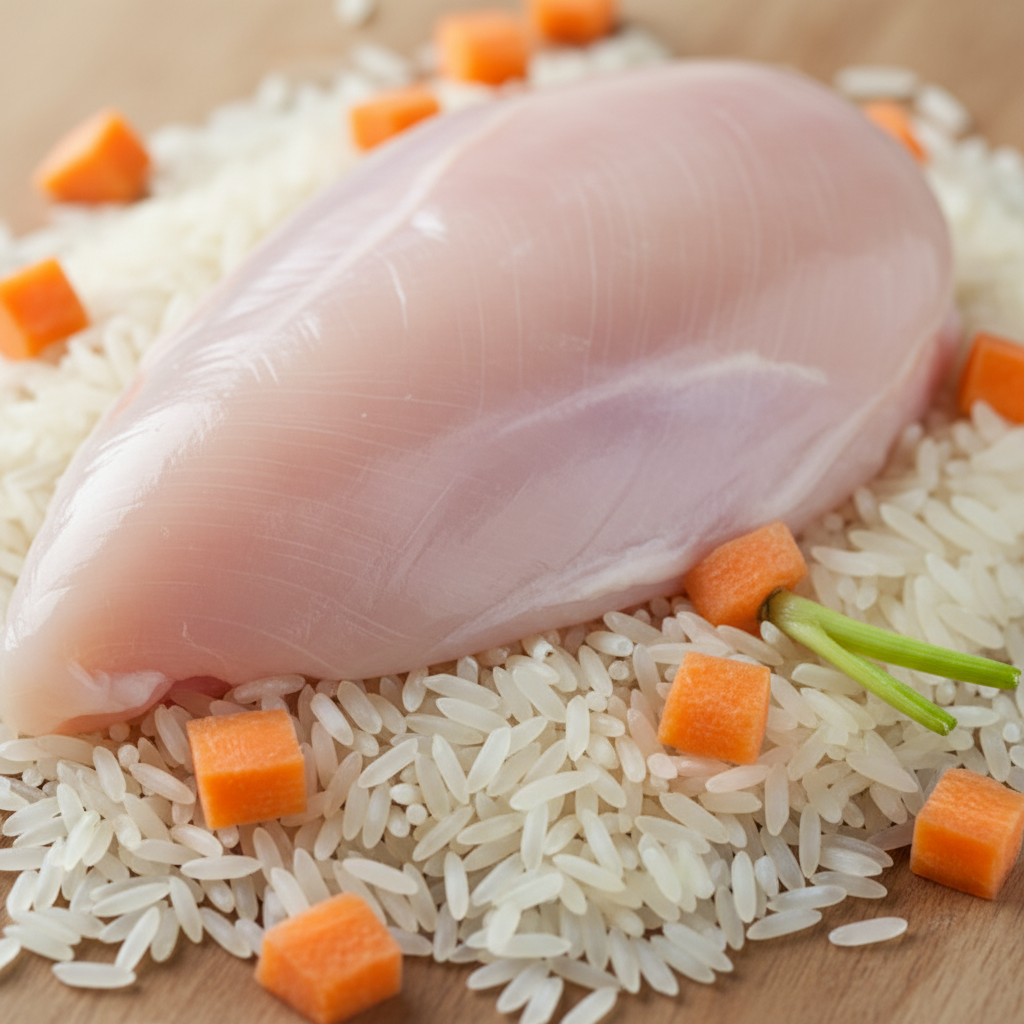
Crafting the perfect chicken and rice bowl starts with choosing the right, simple ingredients. Remember, what’s good for humans isn’t always good for dogs, so stick to the basics.
The Star- Chicken
Opt for boneless, skinless chicken breast or thigh. This ensures you’re providing lean protein without any dangerous bones or excess fat that can upset your dog’s stomach. Avoid seasoned or marinated chicken, as these often contain ingredients harmful to dogs, like onions or garlic.
The Base- Rice
White rice is generally preferred over brown rice for sensitive stomachs because it’s lower in fiber and easier to digest. Long-grain white rice is a great choice. Always cook it plain, without any butter, salt, or spices.
Optional Wholesome Add-Ins
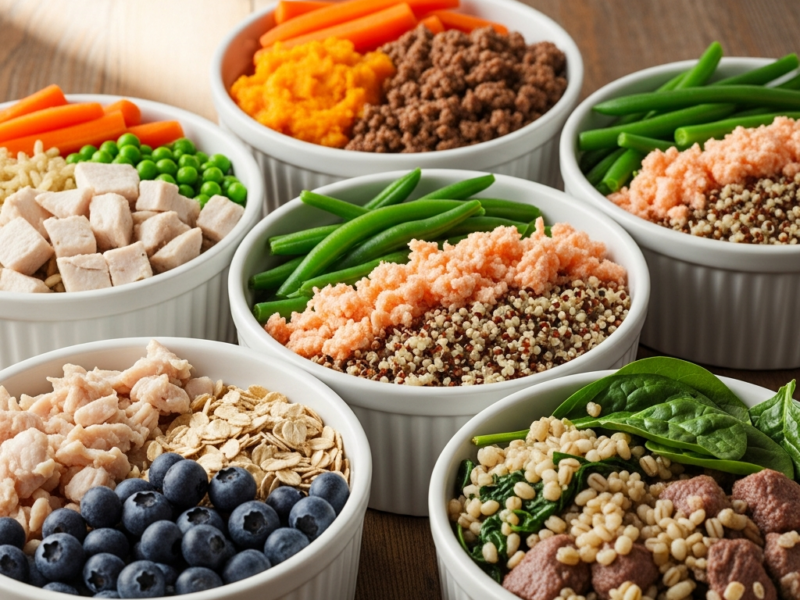
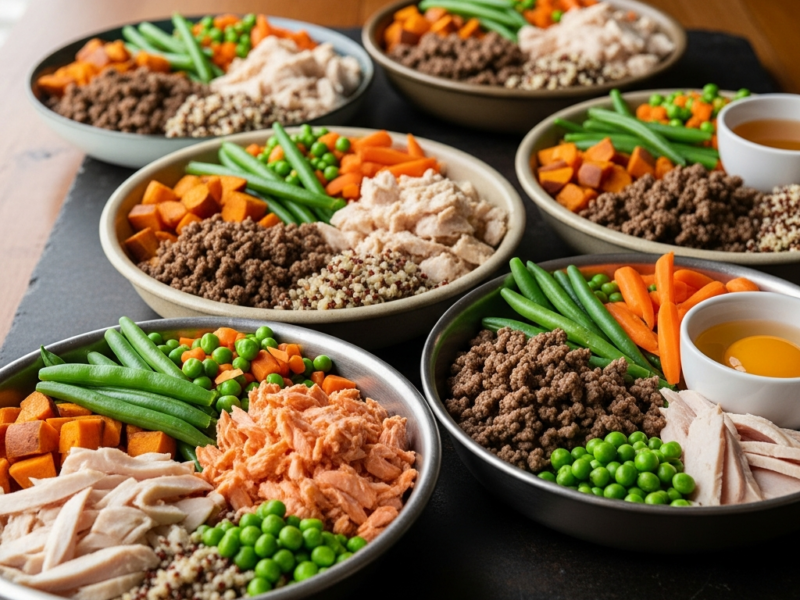
Once your dog is feeling better or if you’re making this as a regular meal, you can introduce small amounts of dog-safe vegetables for added vitamins and fiber. Always cook these thoroughly and plain.
- Carrots: Good for vision and a sweet crunch.
- Green Beans: Low in calories, high in vitamins.
- Peas: A good source of vitamins A, K, and B.
- Sweet Potatoes: Excellent for digestive health (in moderation).
A splash of low-sodium, plain chicken broth can also add flavor and moisture, making the meal even more appealing.
Step-by-Step Guide to Crafting the Perfect Bowl
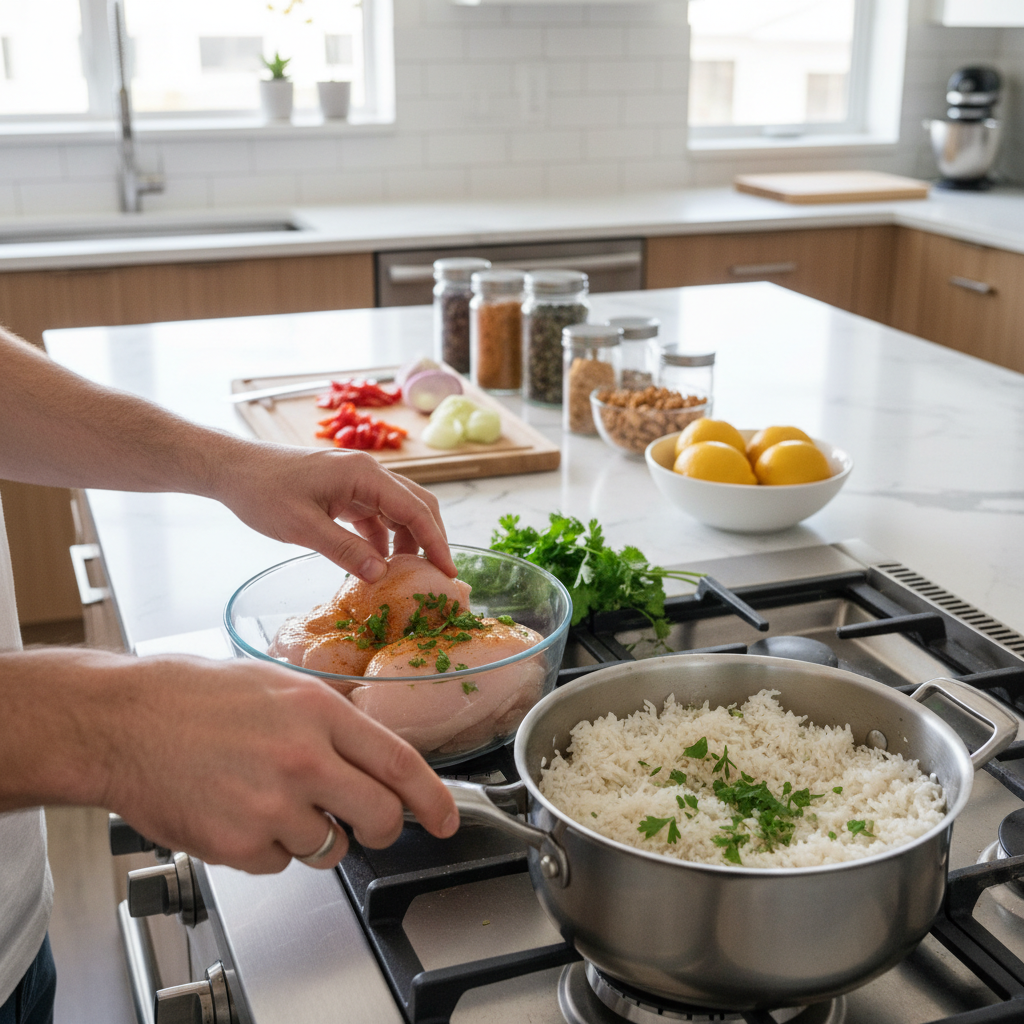
Making these bowls is incredibly straightforward. Here’s how to do it:
- Cook the Chicken: Place boneless, skinless chicken breast or thigh in a pot and cover with water. Boil until thoroughly cooked through, about 15-20 minutes. Once cooled, shred or chop the chicken into small, bite-sized pieces suitable for your dog’s size. Remember, no bones, no skin!
- Prepare the Rice: Cook plain white rice according to package directions, using only water. Do not add any salt, oil, or seasonings. For a slightly softer, more digestible rice, you can add a bit more water than usual.
- Combine and Mix: Once both the chicken and rice are cooked and cooled, mix them together. A common ratio is 1/3 cooked chicken to 2/3 cooked rice. If adding vegetables, ensure they are cooked and chopped small, then mix them in.
- Cool Completely: Before serving, ensure the mixture has cooled to a lukewarm or room temperature. Never serve hot food to your dog.
- Serve with Love: Portion out the appropriate amount for your dog and watch them enjoy their cozy, homemade meal!
Portion Sizes and Feeding Guidelines
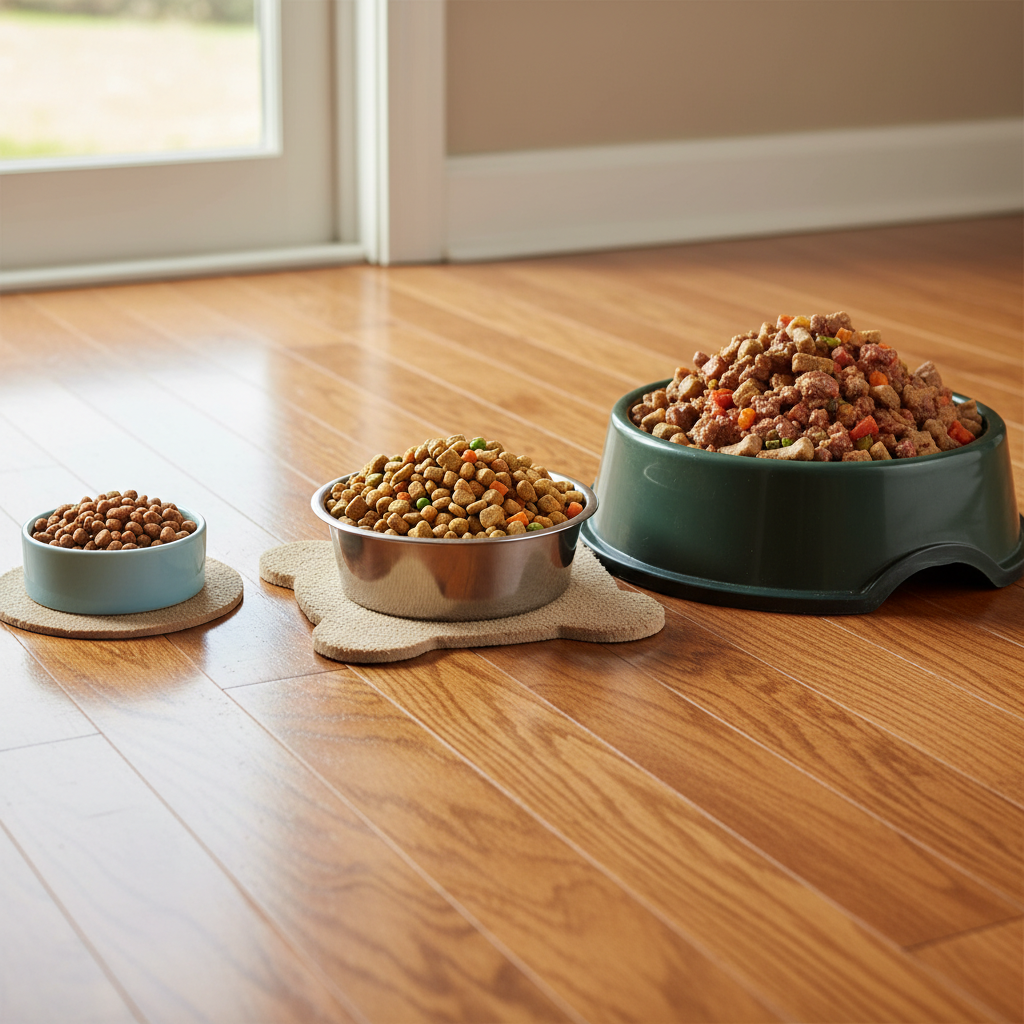
Determining the right portion size is crucial to avoid over or underfeeding your dog. These are general guidelines, and it’s always best to consult your veterinarian for personalized advice, especially if your dog has specific health concerns or dietary needs.
- Small Dogs (under 20 lbs): 1/4 to 1/2 cup per meal, 2-3 times a day.
- Medium Dogs (20-50 lbs): 1/2 to 1.5 cups per meal, 2 times a day.
- Large Dogs (50-90 lbs): 1.5 to 3 cups per meal, 2 times a day.
- Giant Breeds (over 90 lbs): 3 to 4+ cups per meal, 2 times a day.
If you’re introducing this meal for an upset stomach, start with very small, frequent meals (e.g., a tablespoon every few hours) and gradually increase the amount as your dog’s digestion improves. For healthy dogs, this can be an occasional treat or a rotation in their diet, but it’s not a complete and balanced meal for long-term feeding unless fortified with a veterinary-approved supplement.
Storage and Safety Tips
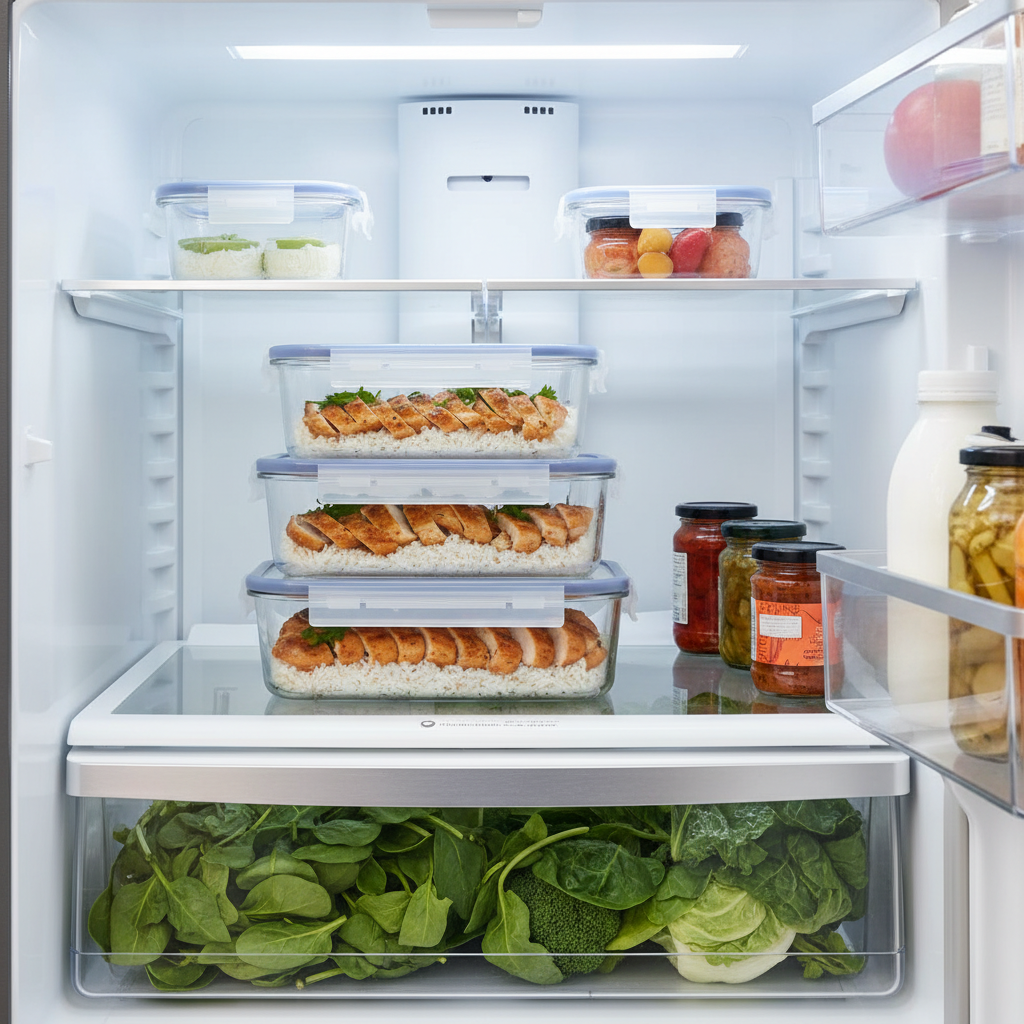
Proper storage is key to keeping your homemade dog food fresh and safe.
- Refrigeration: Store any uneaten portions in an airtight container in the refrigerator for up to 3-4 days.
- Freezing: For longer storage, you can freeze individual portions in freezer-safe bags or containers for up to 2-3 months. Thaw in the refrigerator overnight before serving.
- Check for Spoilage: Always check for any signs of spoilage – unusual odors, discoloration, or mold – before feeding. When in doubt, throw it out.
- Cleanliness is Key: Use clean bowls and utensils when preparing and serving your dog’s food to prevent bacterial contamination.
When to Consult Your Vet

While chicken and rice is a wonderful temporary solution for many issues, it’s not a substitute for professional veterinary care. Always consult your vet if:
- Your dog’s digestive issues persist or worsen after a day or two on a bland diet.
- You notice other concerning symptoms like lethargy, vomiting, or fever.
- You suspect your dog has food allergies or sensitivities to chicken or rice.
- You plan to feed a homemade diet long-term. Your vet can help ensure it’s nutritionally complete and balanced for your dog’s specific needs.
Your vet is your best resource for guidance on your dog’s health and dietary requirements.
Crafting these cozy chicken and rice bowls is more than just preparing a meal; it’s an act of love. It’s about providing comfort, care, and delicious nutrition that your dog will truly appreciate. Whether it’s a special treat or a gentle meal for a sensitive tummy, watching your dog devour a bowl made with your own hands is incredibly rewarding. So go ahead, don your chef’s hat, and whip up a batch of these irresistible bowls. Your furry family member will thank you with happy tail wags and contented sighs. Here’s to many happy, healthy meals together!