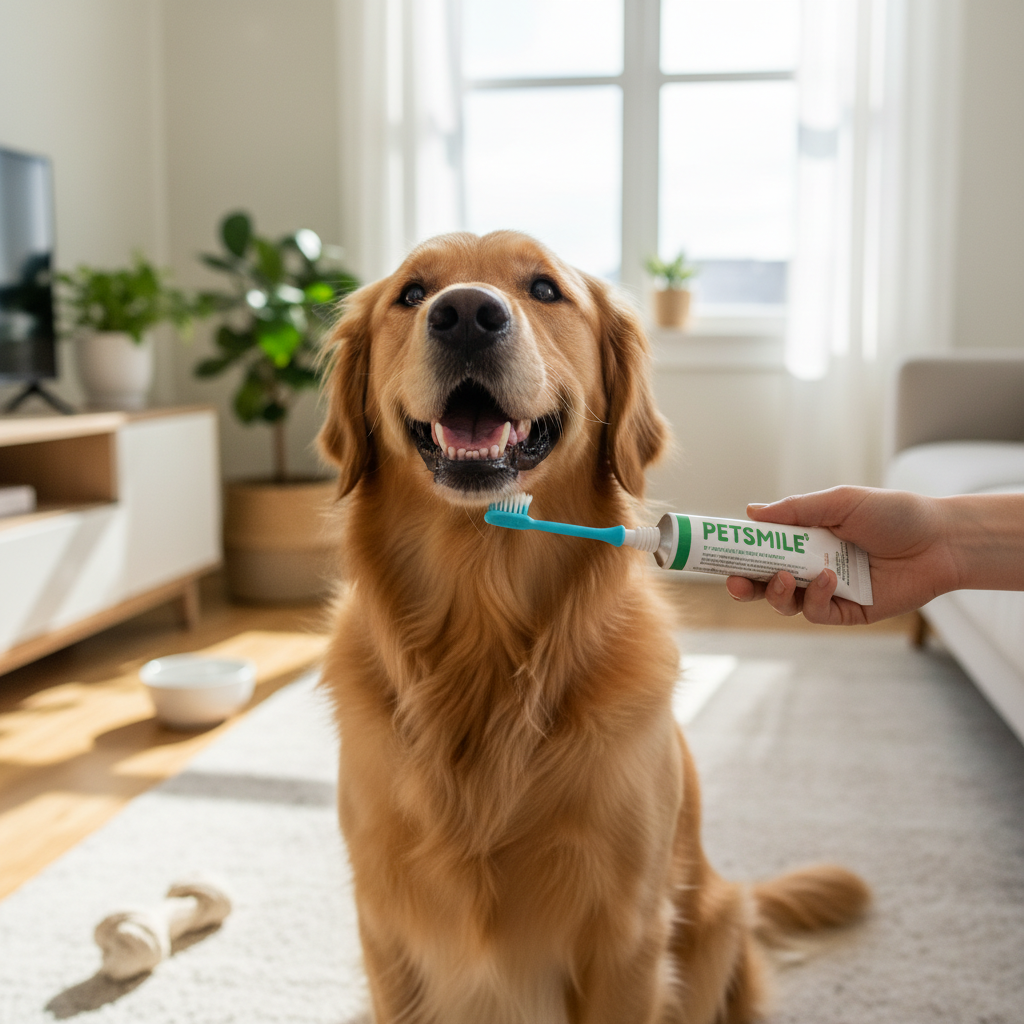
How to Choose the Best Dog Toothpaste for Healthy Teeth
As devoted dog parents, we go to great lengths to ensure our furry companions are happy and healthy. We pick out the best food, the comfiest beds, and the most engaging toys. But there’s one crucial aspect of their well-being that often gets overlooked: dental health. Just like us, dogs need regular dental care to prevent painful issues and maintain their overall health. And the first step to a sparkling canine smile? Choosing the right dog toothpaste.
It might seem like a small detail, but selecting the best toothpaste for your dog is paramount. Not only does it make the brushing experience more pleasant for them, but it also provides the active ingredients needed to combat plaque and tartar effectively. Forget about using human toothpaste – it’s designed for us, not for our four-legged friends. This comprehensive guide will walk you through everything you need to know to pick the perfect paste, ensuring your pup’s pearly whites stay in top condition.
Why Your Dog Needs Special Toothpaste
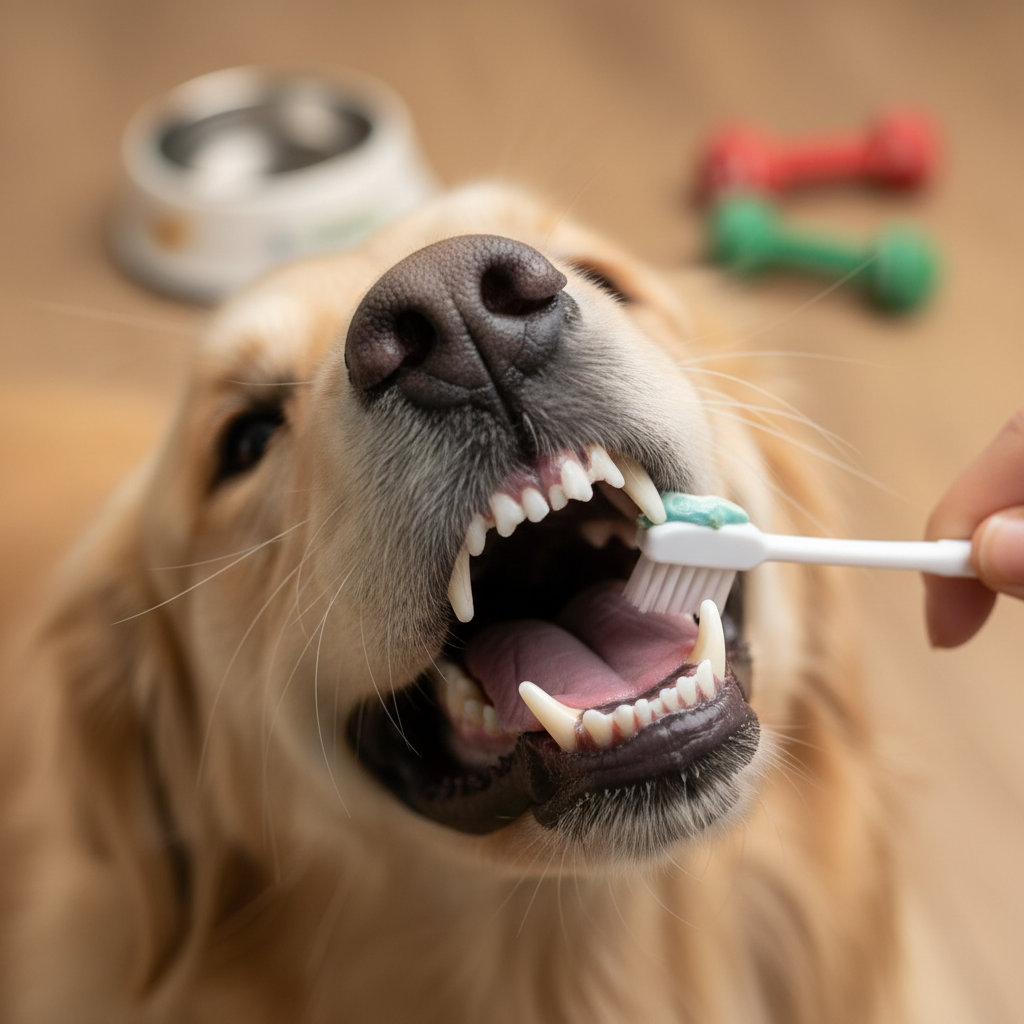
You might be wondering why your dog can’t just use your minty fresh toothpaste. The truth is, human toothpaste contains ingredients that are harmful if swallowed, such as fluoride and foaming agents like sodium lauryl sulfate. Dogs, unlike us, can’t rinse and spit. They swallow everything that goes into their mouth during brushing, making human toothpaste a potential health hazard.
Poor dental hygiene in dogs can lead to a host of serious problems, including:
- Periodontal Disease: This common condition can cause painful gum inflammation, tooth loss, and even bone destruction.
- Bad Breath (Halitosis): While some “dog breath” is normal, persistent foul odor often signals underlying dental issues.
- Systemic Health Problems: Bacteria from severe dental infections can enter the bloodstream and affect vital organs like the heart, kidneys, and liver.
- Pain and Discomfort: Dental issues can be incredibly painful, making it difficult for your dog to eat, play, or even be their usual cheerful self.
Using a specially formulated dog toothpaste is a proactive measure against these risks, providing a safe and effective way to maintain their oral health.
Understanding Dog Toothpaste – The Canine Difference
Human Toothpaste is a No-Go
Let’s reiterate: never use human toothpaste on your dog. Ingredients like fluoride can cause digestive upset, vomiting, and in larger amounts, be toxic. Xylitol, a common artificial sweetener in many human toothpastes, is extremely toxic to dogs, even in small quantities, leading to a rapid drop in blood sugar and potential liver failure.
What Makes Dog Toothpaste Unique
Dog toothpaste is specifically designed with canine physiology and safety in mind. Key characteristics include:
- Safe to Swallow: All ingredients are non-toxic and won’t cause harm if ingested.
- Enzymatic Action: Many dog toothpastes contain enzymes that help break down plaque and bacteria, even after brushing is complete.
- Appealing Flavors: To make brushing a more positive experience, dog toothpastes come in dog-friendly flavors like poultry, beef, peanut butter, or even vanilla.
- Gentle Abrasives: They contain mild abrasive agents that help scrub away plaque without damaging tooth enamel.
Key Ingredients for a Healthy Canine Smile
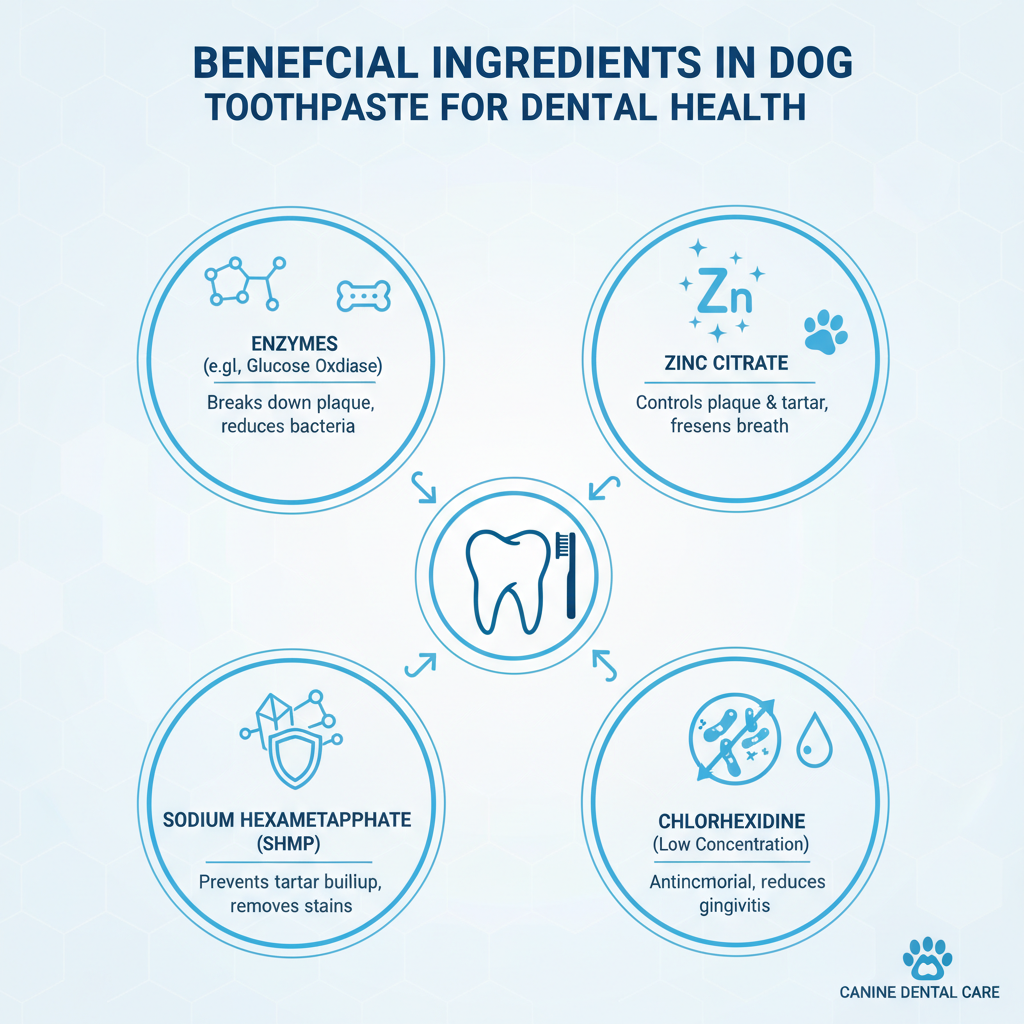
When you’re scanning labels, knowing what ingredients are beneficial can help you make an informed choice. Look for toothpastes that feature these helpful components:
Enzymatic Action
Enzymatic toothpastes are highly recommended. They contain enzymes (like glucose oxidase and lactoperoxidase) that react with bacteria in your dog’s mouth, breaking down plaque and reducing tartar buildup. This action continues even after brushing, offering ongoing protection.
Gentle Abrasives
Mild abrasives, such as hydrated silica or dicalcium phosphate, help physically remove plaque and polish the tooth surface without being too harsh on enamel. These are crucial for scrubbing away the sticky film that forms on teeth.
Flavor Appeal
While not a “key ingredient” in terms of dental benefit, a flavor your dog loves is absolutely essential. It transforms brushing from a chore into a treat, making your dog more cooperative. Common flavors include poultry, beef, liver, and peanut butter.
Ingredients to Steer Clear Of
Just as important as knowing what to look for is knowing what to avoid. Always read the ingredient list carefully.
Xylitol – A Dangerous Sweetener
This is perhaps the most critical ingredient to avoid. Xylitol is highly toxic to dogs, causing a rapid release of insulin which can lead to hypoglycemia (low blood sugar) and potentially liver damage. Always check for xylitol in any product your dog might ingest.
Fluoride and Foaming Agents
As mentioned, fluoride is not meant for ingestion and can cause stomach upset or worse in dogs. Foaming agents like sodium lauryl sulfate, common in human toothpastes, can also irritate a dog’s digestive system.
Artificial Additives
Some dogs can be sensitive to artificial colors, flavors, or preservatives. Opt for toothpastes with natural ingredients where possible, especially if your dog has known sensitivities.
Types of Dog Toothpaste – Which One is Right?
Dog toothpastes generally fall into a few categories based on their primary mode of action:
Enzymatic Toothpaste
These are the most common and often recommended type. They contain enzymes that actively break down plaque and bacteria. They are effective even if your brushing technique isn’t perfect, making them a great choice for most dog owners.
Abrasive Toothpaste
These rely more on the physical scrubbing action of brushing to remove plaque, aided by gentle abrasive particles. While effective, they require more thorough brushing technique to be maximally beneficial.
Natural and Herbal Options
Some toothpastes utilize natural ingredients like baking soda (in dog-safe amounts), neem oil, or essential oils (ensure they are vet-approved and safe for dogs). These can be a good option for dogs with sensitivities or owners preferring a more natural approach, but always verify their efficacy and safety with your vet.
Choosing the Perfect Flavor for Your Pup
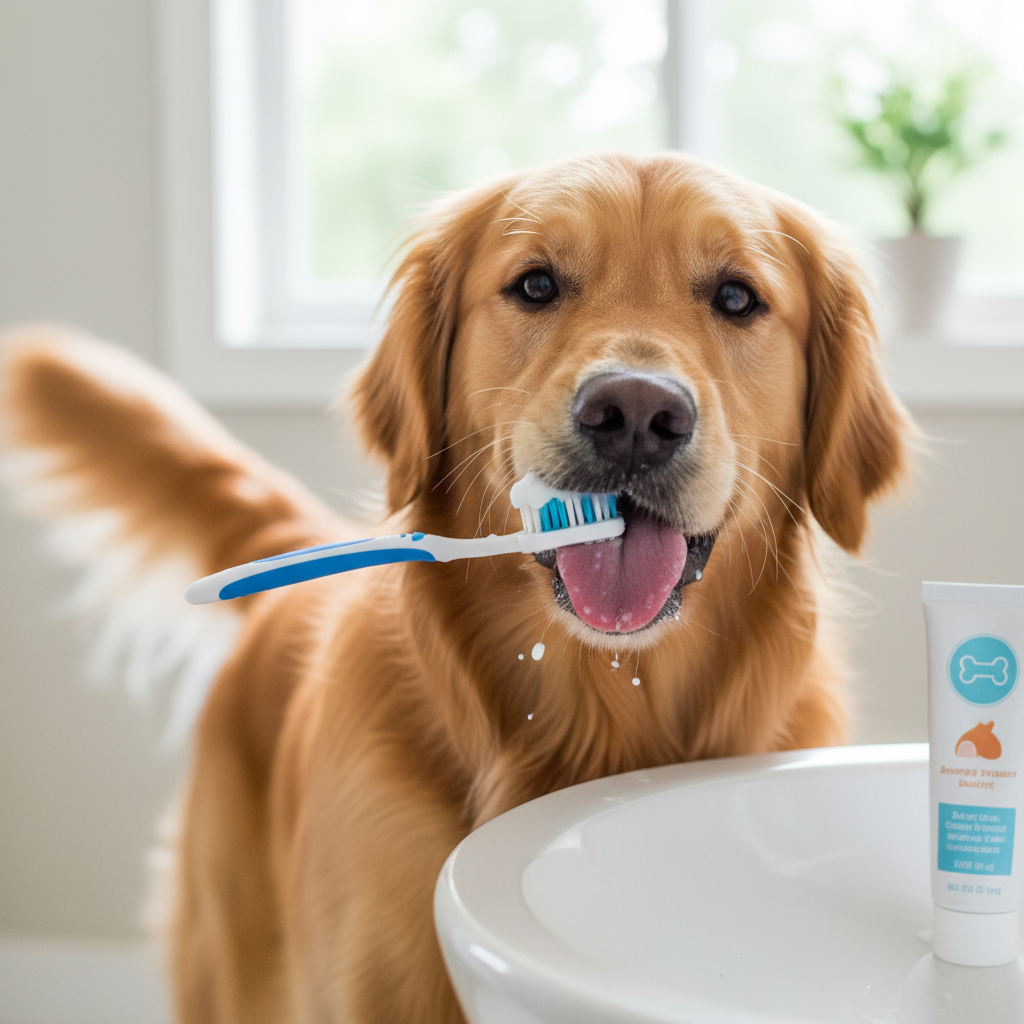
This step is often the make-or-break factor in establishing a successful brushing routine. If your dog hates the taste, getting them to cooperate will be an uphill battle. Most dog toothpastes come in flavors like:
- Poultry or Beef: Often a big hit with meat-loving canines.
- Peanut Butter: A popular choice, but ensure it’s xylitol-free!
- Vanilla or Mint (Dog-Safe): Some brands offer milder, fresher options specifically formulated for dogs.
Consider buying a small tube of a few different flavors to see which one your dog prefers. A positive taste experience can turn brushing time into a moment of bonding rather than a struggle.
Tips for Introducing Toothpaste and Brushing
Once you’ve chosen the perfect toothpaste, the next step is getting your dog accustomed to it. Patience and positive reinforcement are key!
Start Slow and Positive
Begin by letting your dog taste the toothpaste off your finger. If they like it, progress to letting them lick it off a dog toothbrush. Gradually introduce brushing, starting with just a few teeth at a time and slowly increasing duration. Always offer praise and a small reward after each session.
Make it a Routine
Consistency is vital. Aim to brush your dog’s teeth daily or at least several times a week. Establishing a routine helps your dog anticipate and accept the process more readily.
When to Talk to Your Veterinarian

While regular brushing is a cornerstone of good dental hygiene, it’s not a substitute for professional veterinary care. Schedule regular dental check-ups with your vet. They can spot early signs of dental disease, recommend professional cleanings under anesthesia, and advise on the best dental care products for your dog’s specific needs.
Consult your vet immediately if you notice any of these signs:
- Persistent bad breath
- Red, swollen, or bleeding gums
- Excessive drooling
- Difficulty eating or favoring one side of the mouth
- Loose or broken teeth
- Pawing at the mouth or face
- Changes in appetite or behavior
These could indicate painful dental issues that require professional attention.
Choosing the best dog toothpaste is a loving investment in your furry friend’s health and happiness. By understanding the importance of canine-specific formulas, identifying beneficial ingredients, and avoiding harmful ones, you’re well on your way to protecting their precious smile. Remember, a healthy mouth contributes to a healthy life, allowing your dog to enjoy every meal, every play session, and every cuddle with comfort and joy. Embrace this essential aspect of dog parenting with confidence, and look forward to many more years of happy, healthy smiles together!
Your commitment to their dental care truly makes a world of difference. Start today, and give your beloved companion the gift of a lifetime of healthy teeth.